What the Repair Takes
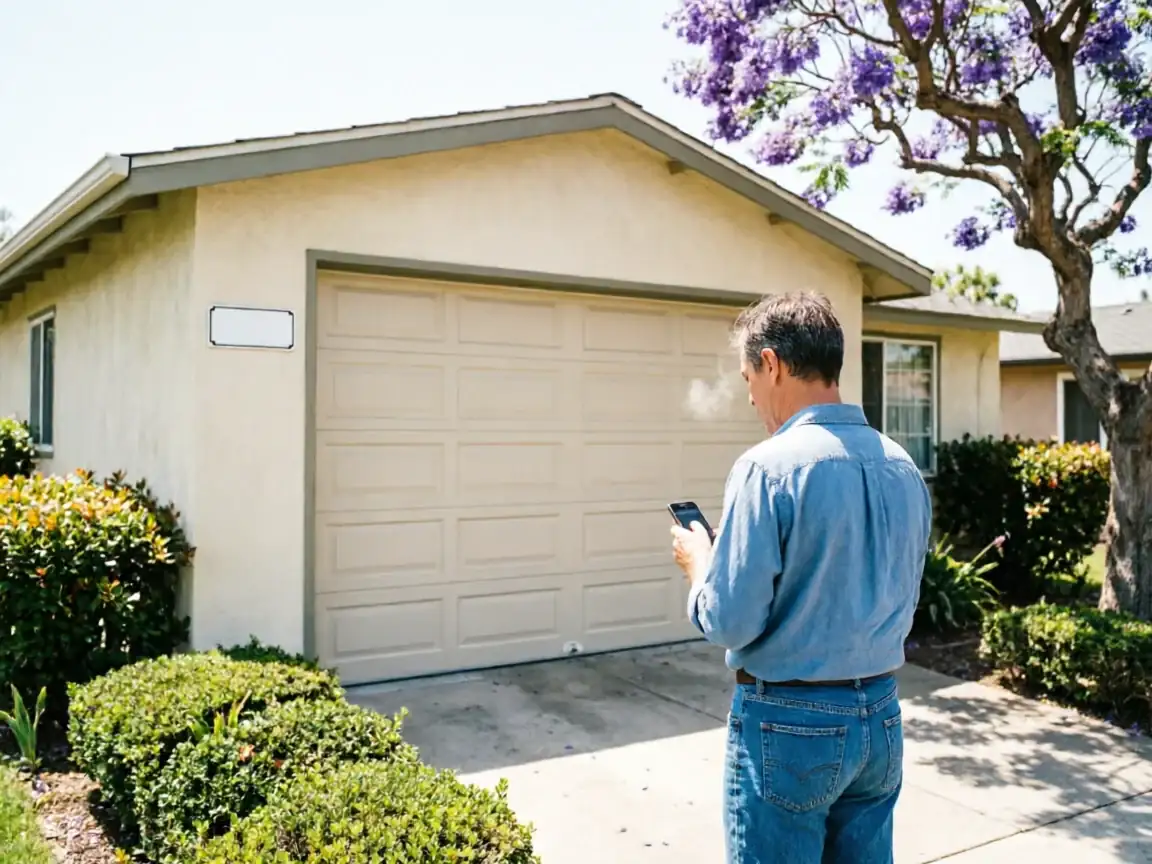
French Camp is a small place - about 356 households, nowhere near the scale of the rest of the service area we cover out of Stockton. That matters for how this job gets scheduled and how it runs once we're on site. A town this size doesn't generate a steady stream of roller calls, so when one comes in, it's usually a single door that's been grinding for months, not a fleet of identical units on a new subdivision.
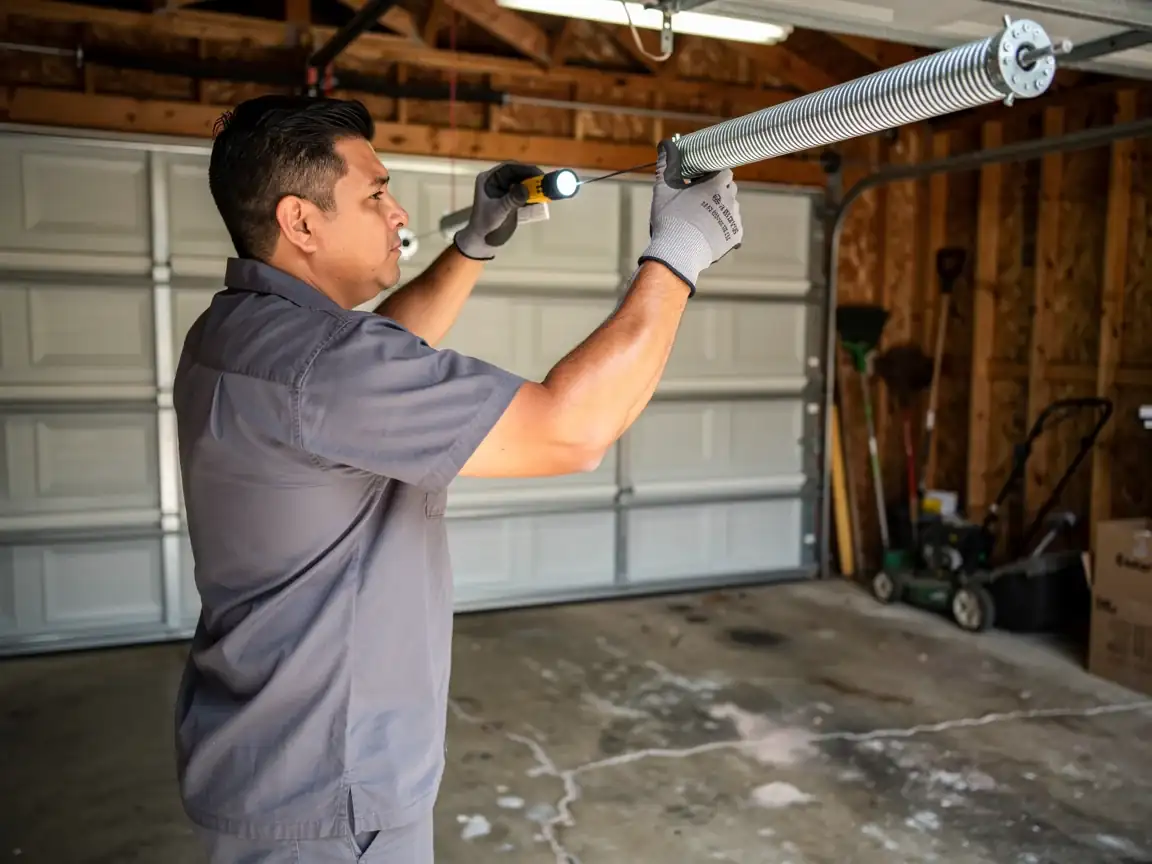
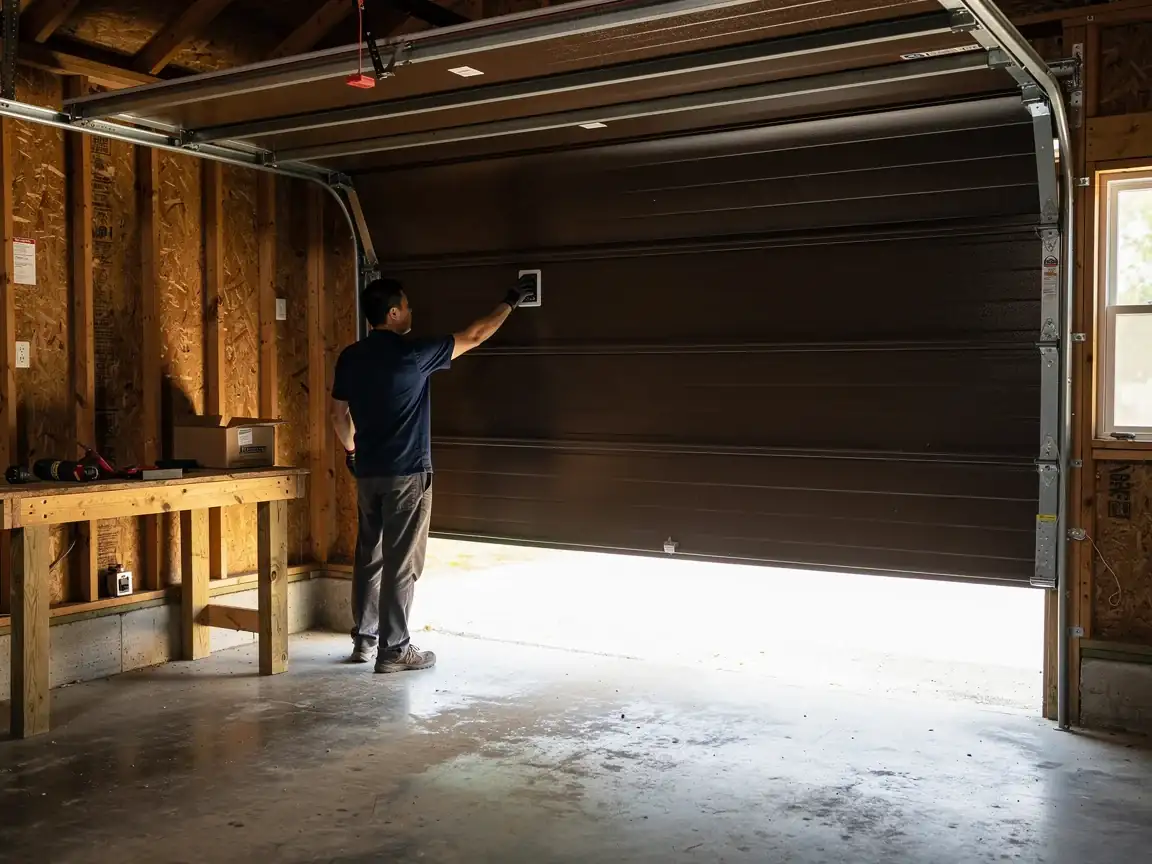
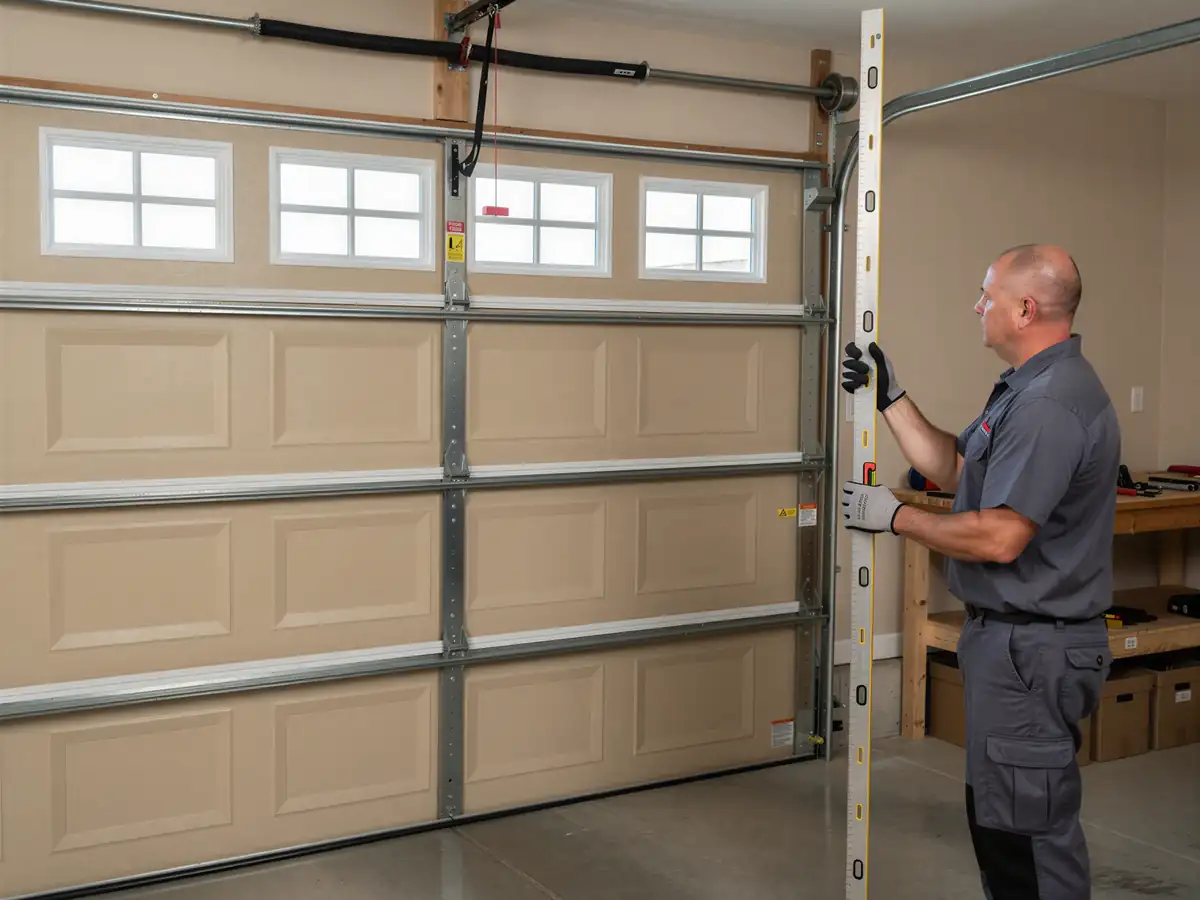
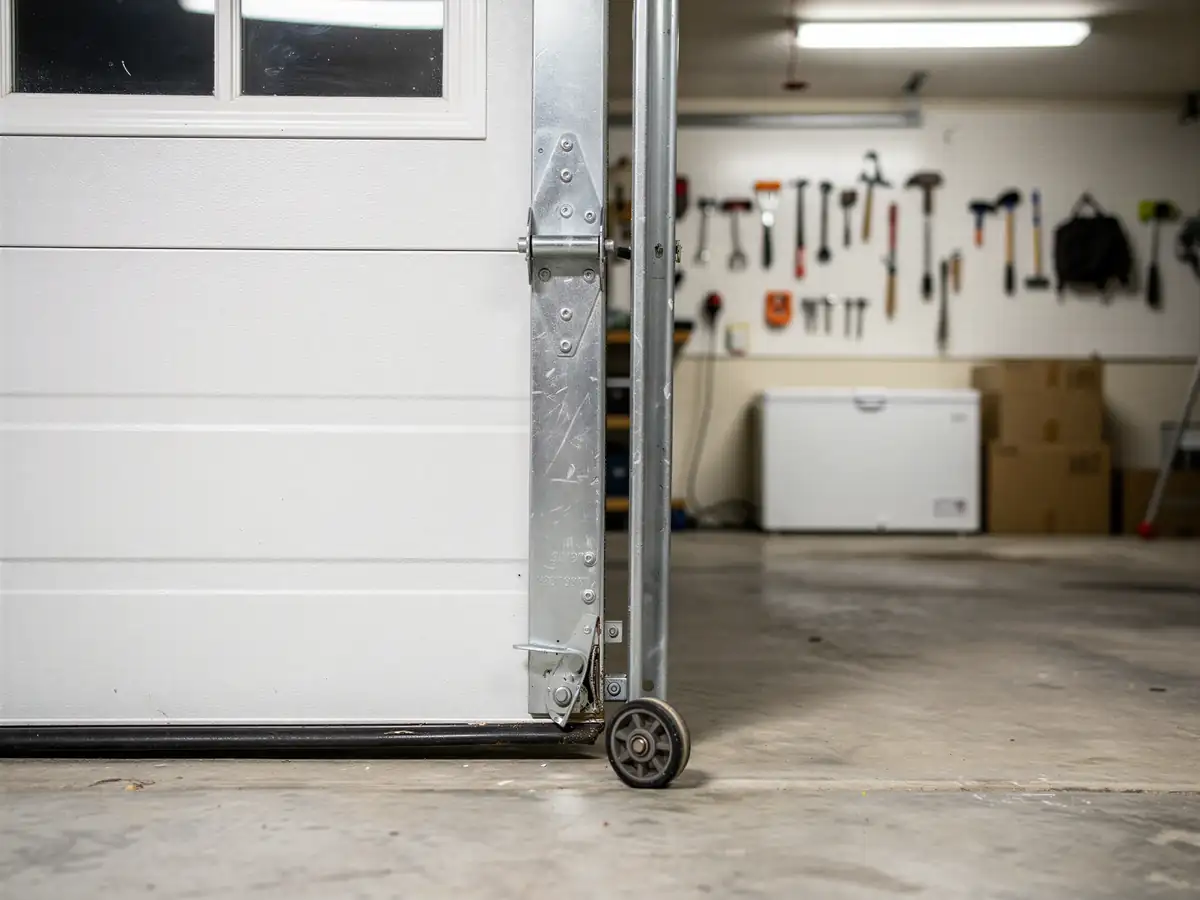
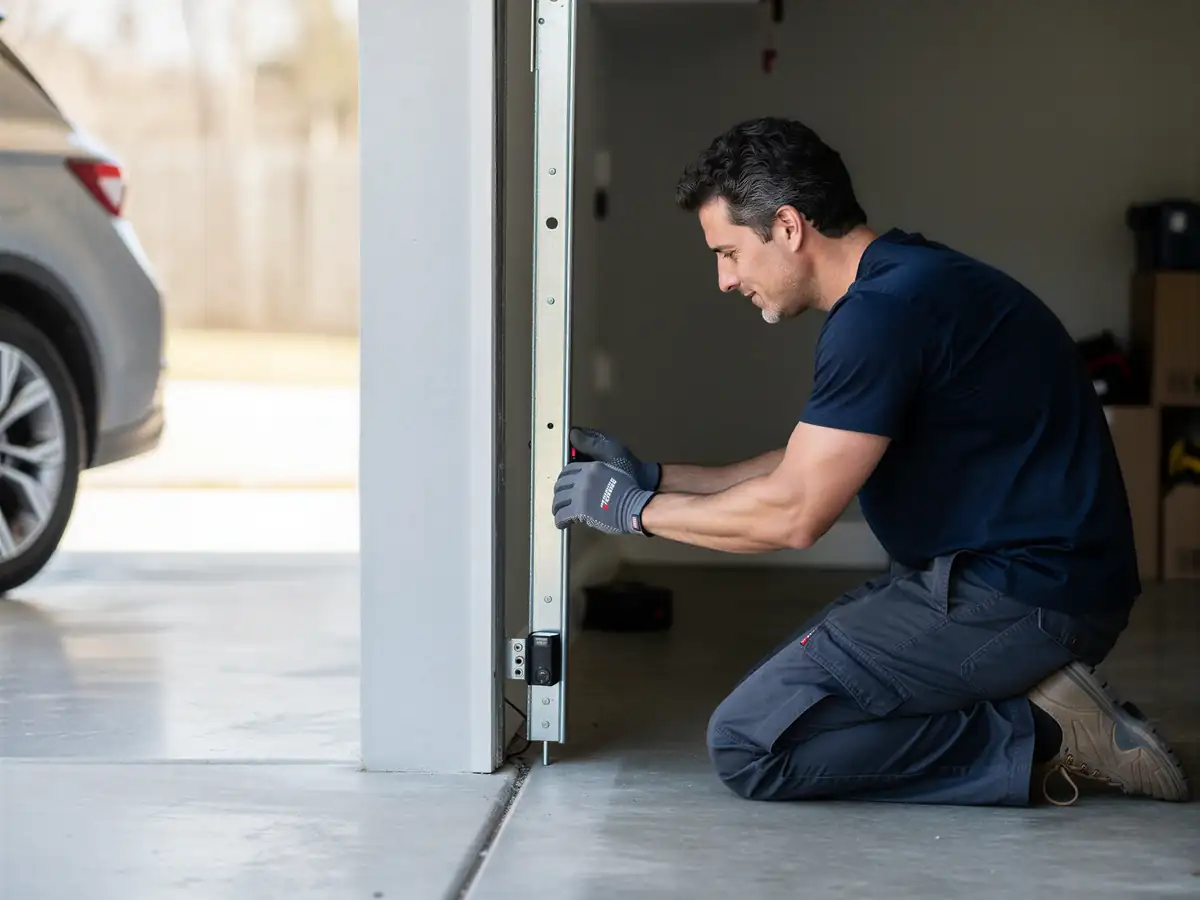
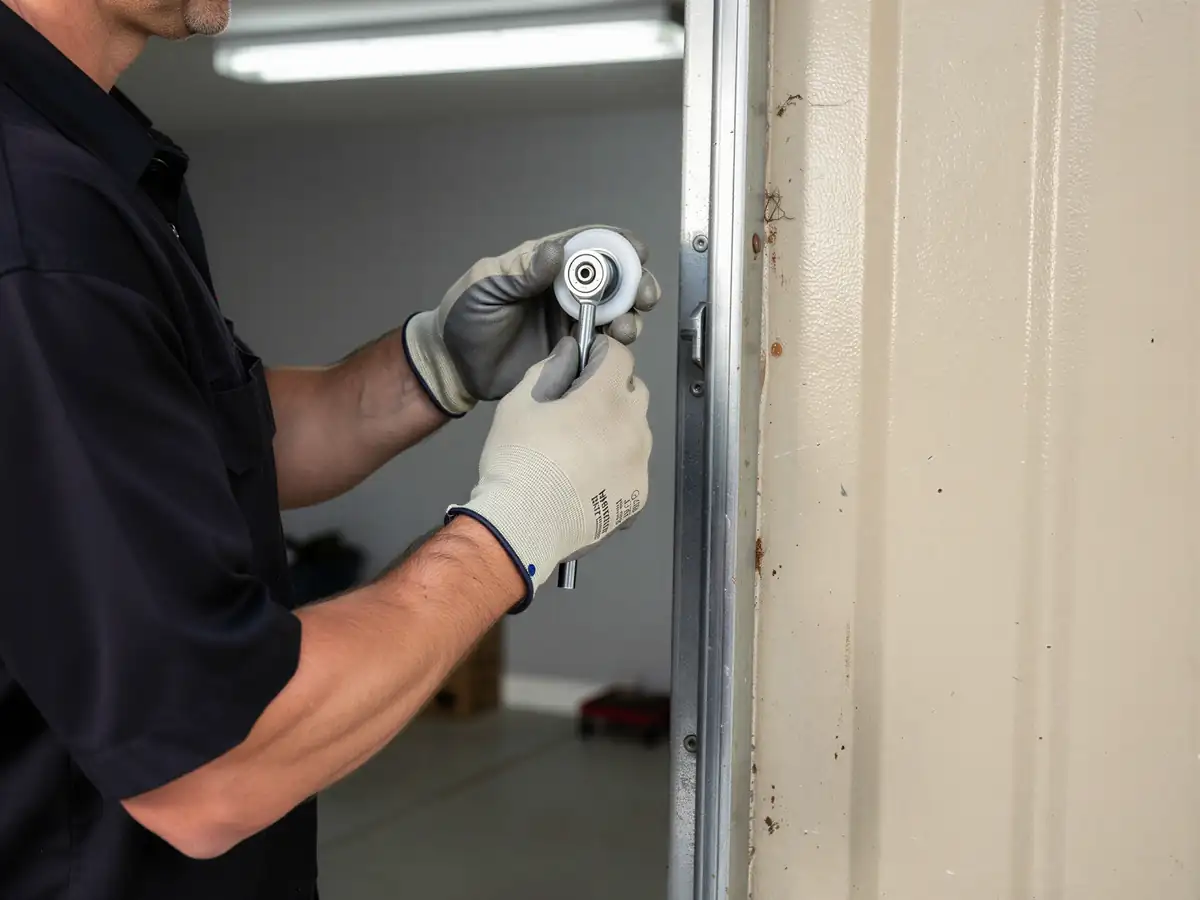
The repair itself is straightforward: we pull the door down on the track, pop the old rollers out of the hinges and bottom brackets, and set new ones in. On a standard two-car door that's ten rollers. We check the track alignment while the door's open because worn rollers and a slightly bent track often show up together - one causes the other. If the track's bent beyond a quick knock-back, that's a separate repair, and we'll tell you before we start swapping rollers on a track that's just going to chew through them again.
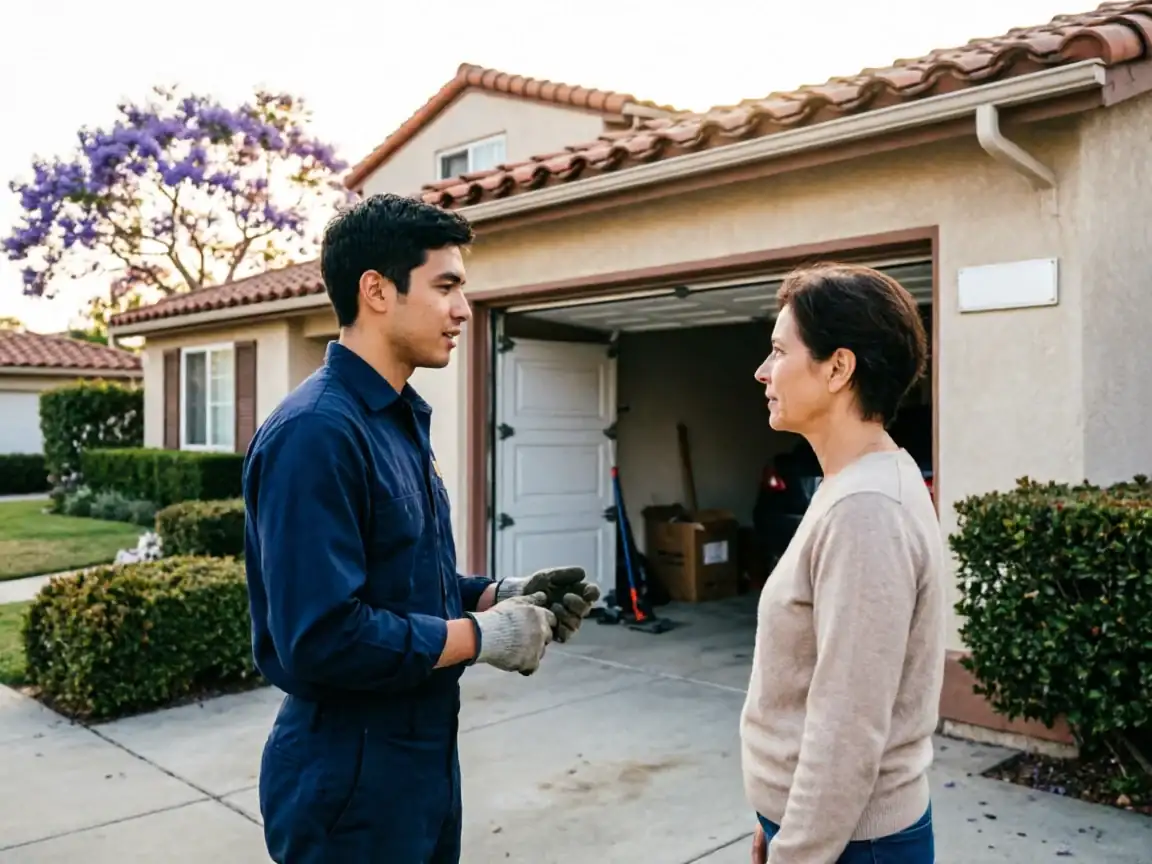
We're coming from Stockton, about 8 miles up the road, so this isn't a job we can turn same-hour without notice. Most roller jobs take under an hour once we're there; the drive is the longer part of the visit.
Why It Happens Here
Median year built in French Camp sits around 1968
Which puts a lot of the garage doors here at or past the point where the original steel rollers have worn their wheel down to a sliver or the stem has rusted inside the hinge. Nylon rollers weren't standard equipment on doors from that era - steel-wheel rollers were cheaper and they're what a lot of these houses still have, grinding in the track every time the door moves.
The area doesn't get the kind of wild temperature swings that crack rubber seals overnight
The climate band here is moderate heat, not extreme - so the rollers aren't failing from weather stress. It's closer to simple mileage: forty-plus years of steel on steel, no lubrication schedule, and a bracket that's loosened a little more with each open-close cycle. Once a roller's worn oval instead of round, the door doesn't track straight, and you get that shudder partway up that owners usually describe as 'catching.'
Stocked Parts
We carry standard 2-inch stem nylon rollers on the truck, which is what we put in on most of these older French Camp doors when we're swapping out worn steel ones - nylon runs quieter and doesn't wear the track the way steel does. Standard bottom brackets and hinges come along too, since a roller job on a door this age often turns up a cracked hinge or a bracket with an elongated hole once we get the old roller out.
What we don't stock on the truck is anything odd-sized or a full custom track kit - if a door's been modified from the original or someone's already put in a mismatched part, that's a special order, and we'll tell you the lead time on that part before you commit to the job rather than quote something we can't back up.
Where This Job Goes Sideways
The roller job goes sideways in French Camp when the track itself is shot, not just the rollers. On a house from the late 1960s, if the track's never been replaced, the metal's thinner than what goes into tracks today, and forty-plus years of a worn roller grinding against it leaves grooves. New rollers in a grooved track will wear fast and loud again within a year - so if we see that, we tell you straight that roller replacement alone won't fix the noise, and track replacement is the honest answer even though it's the bigger job.
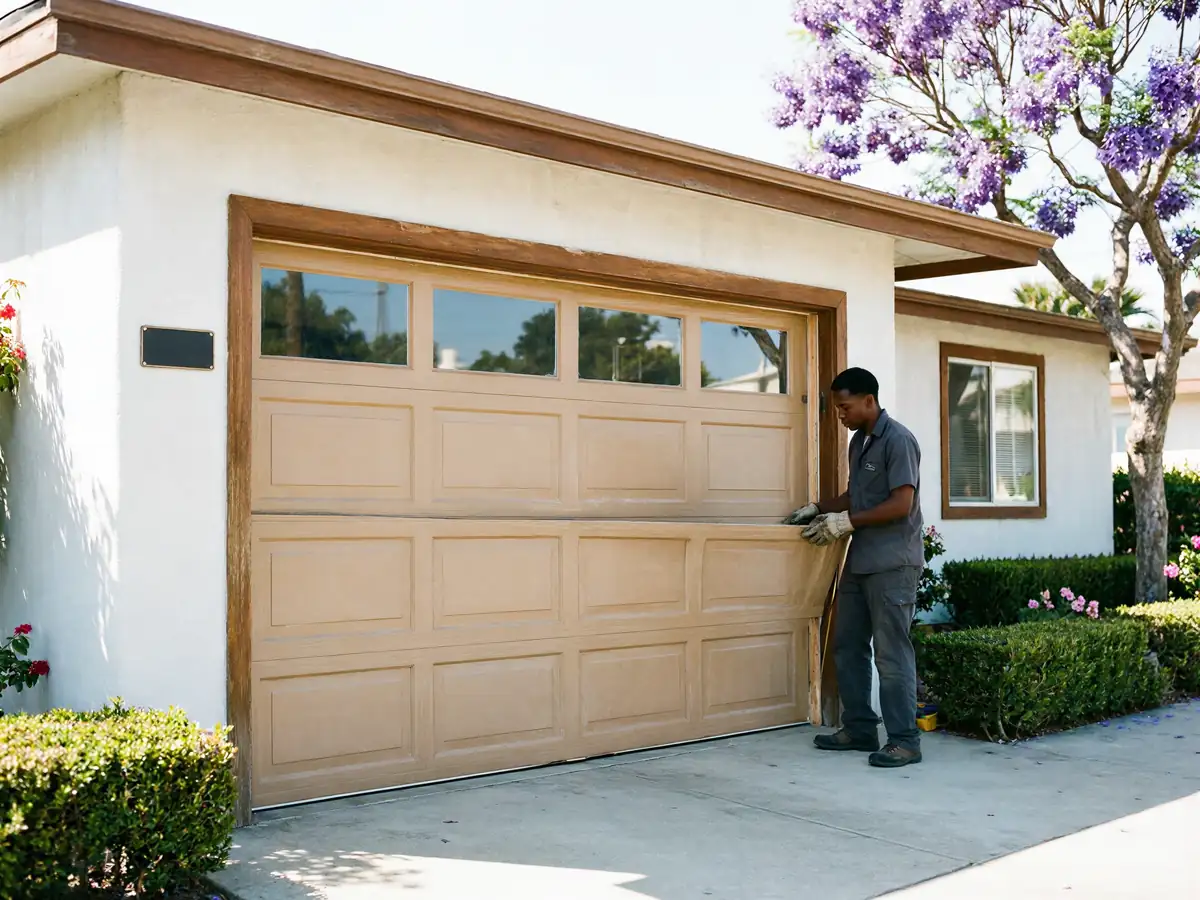
It also goes sideways when someone's tried a DIY roller swap already and the bracket's been bent trying to pry the old roller free. That's an easy mistake on an older bracket because the metal's more brittle than it looks. We'll straighten or replace the bracket as part of the job, but it adds time we wouldn't otherwise need.