What the Repair Takes
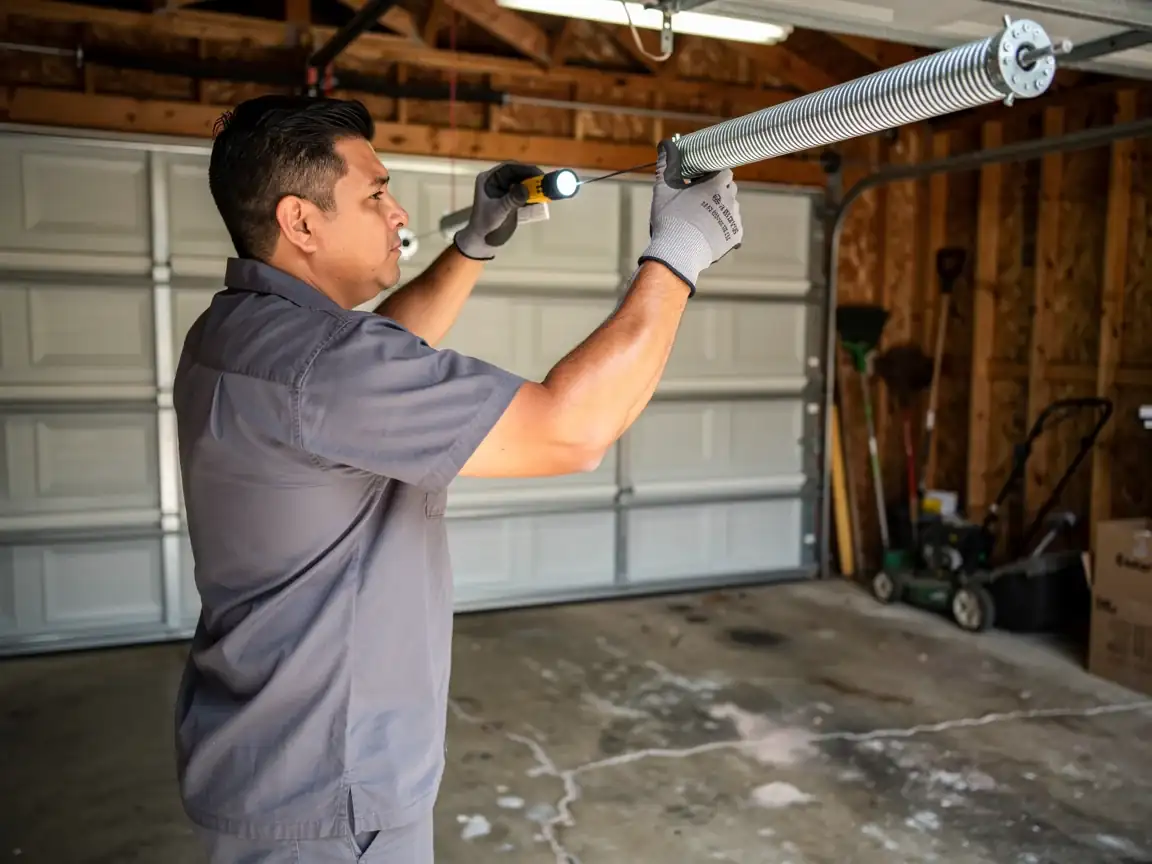
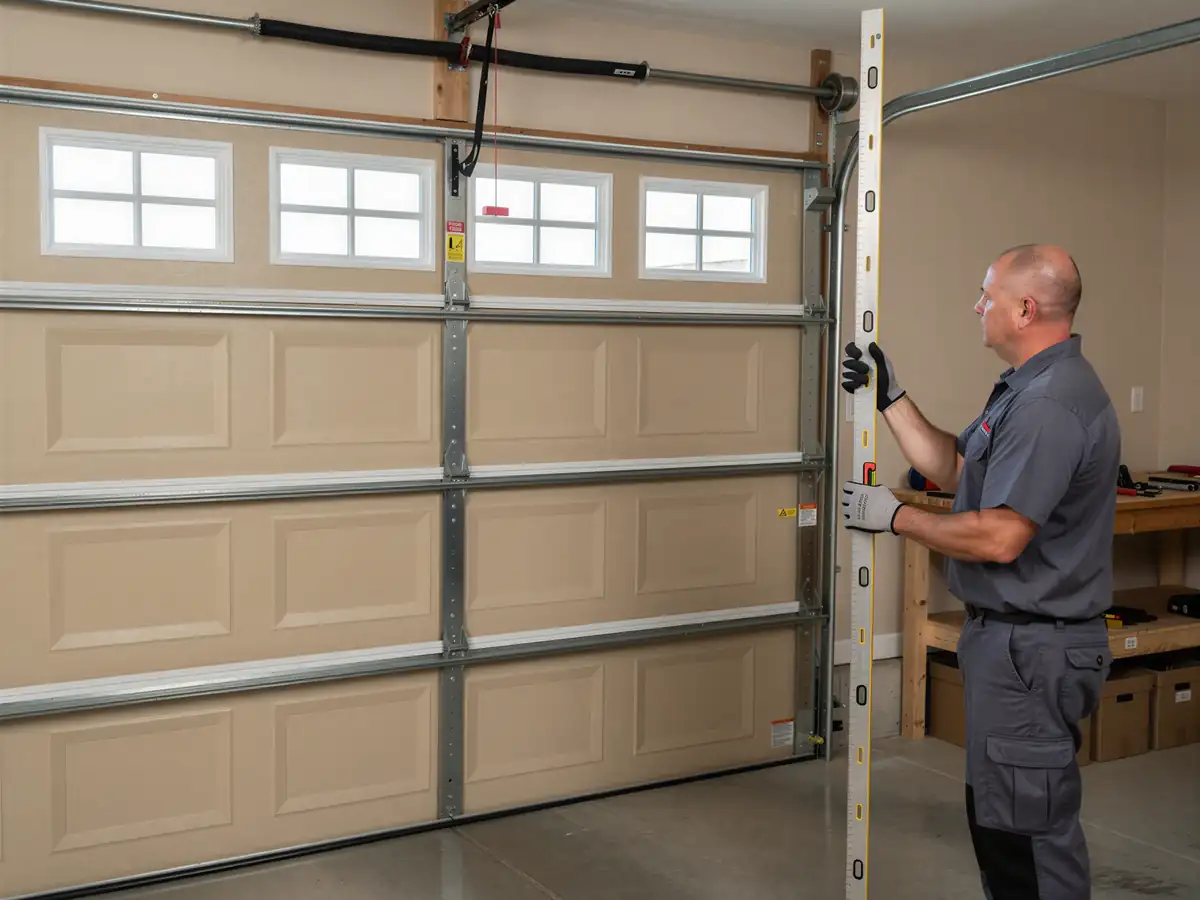
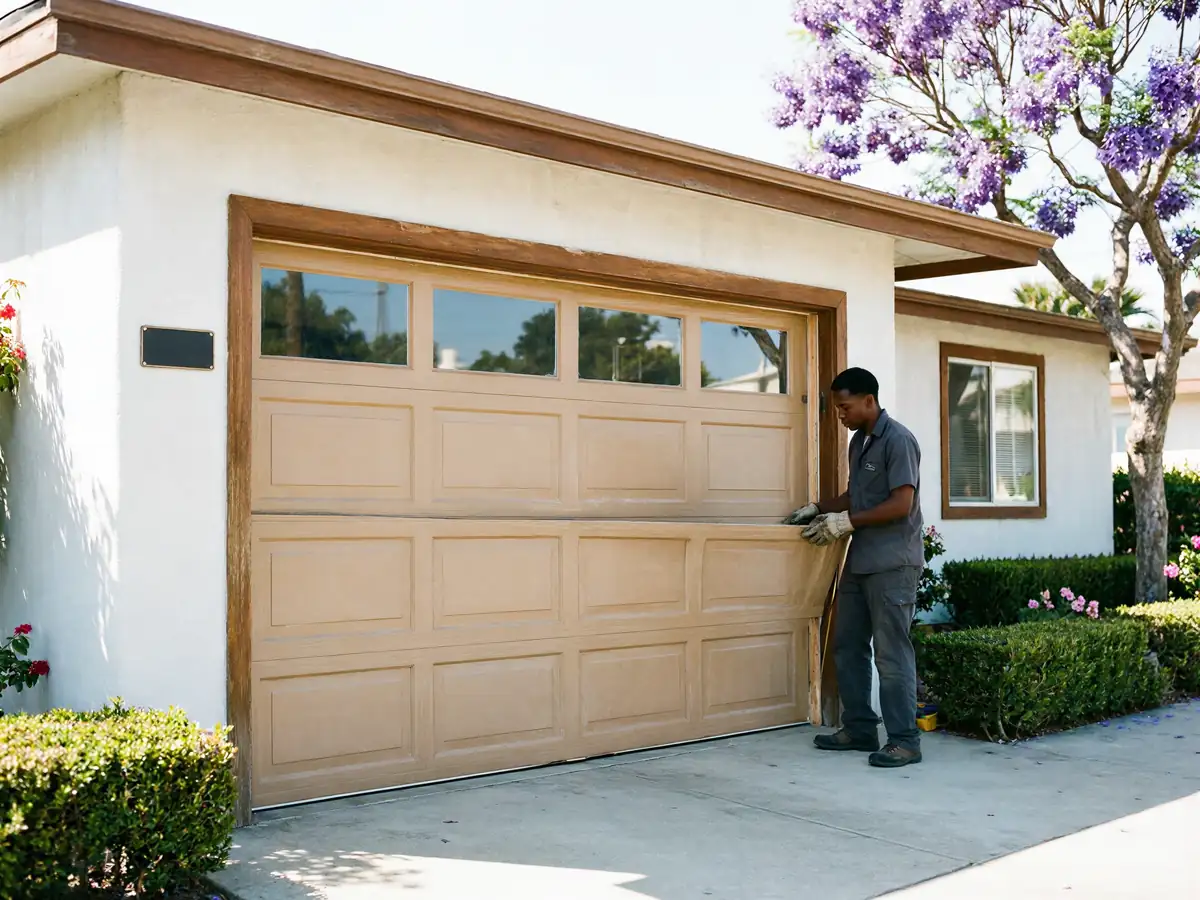
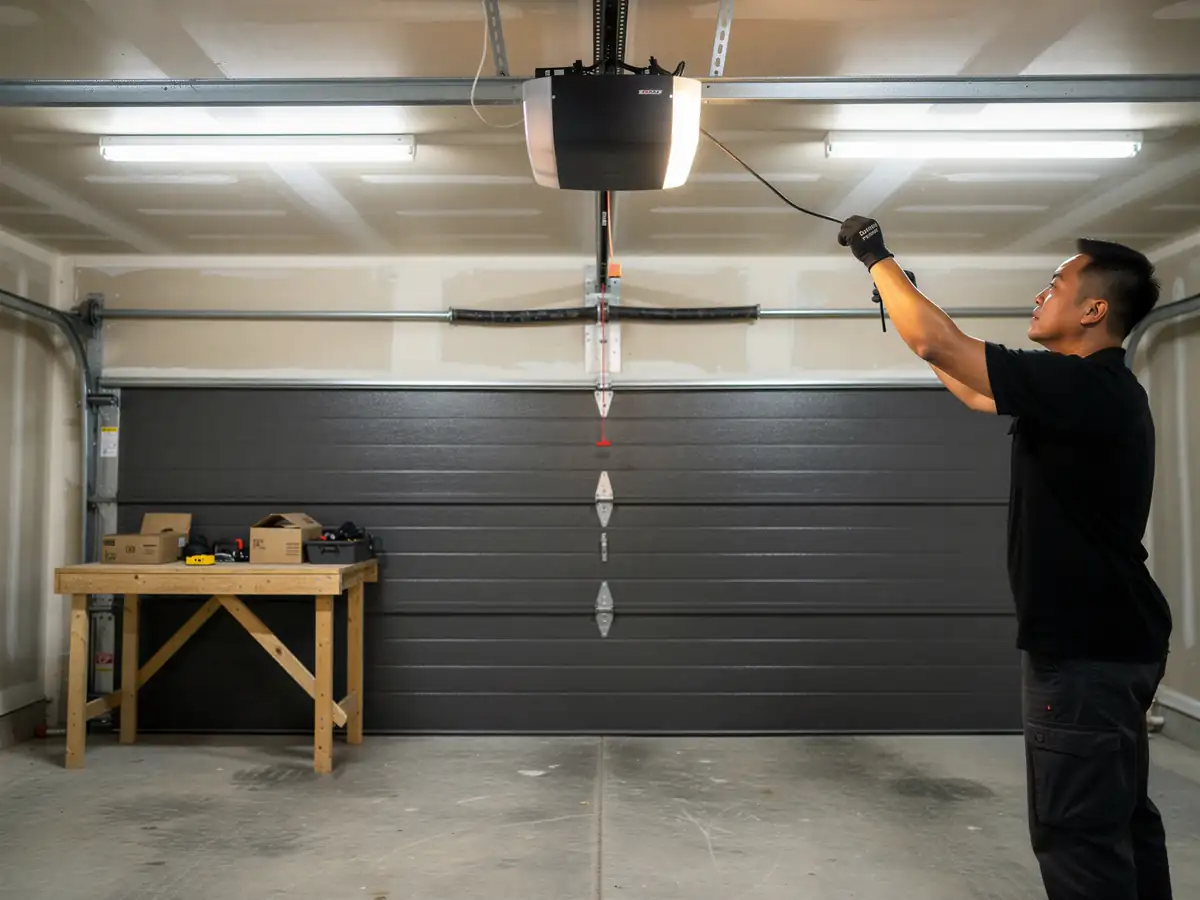
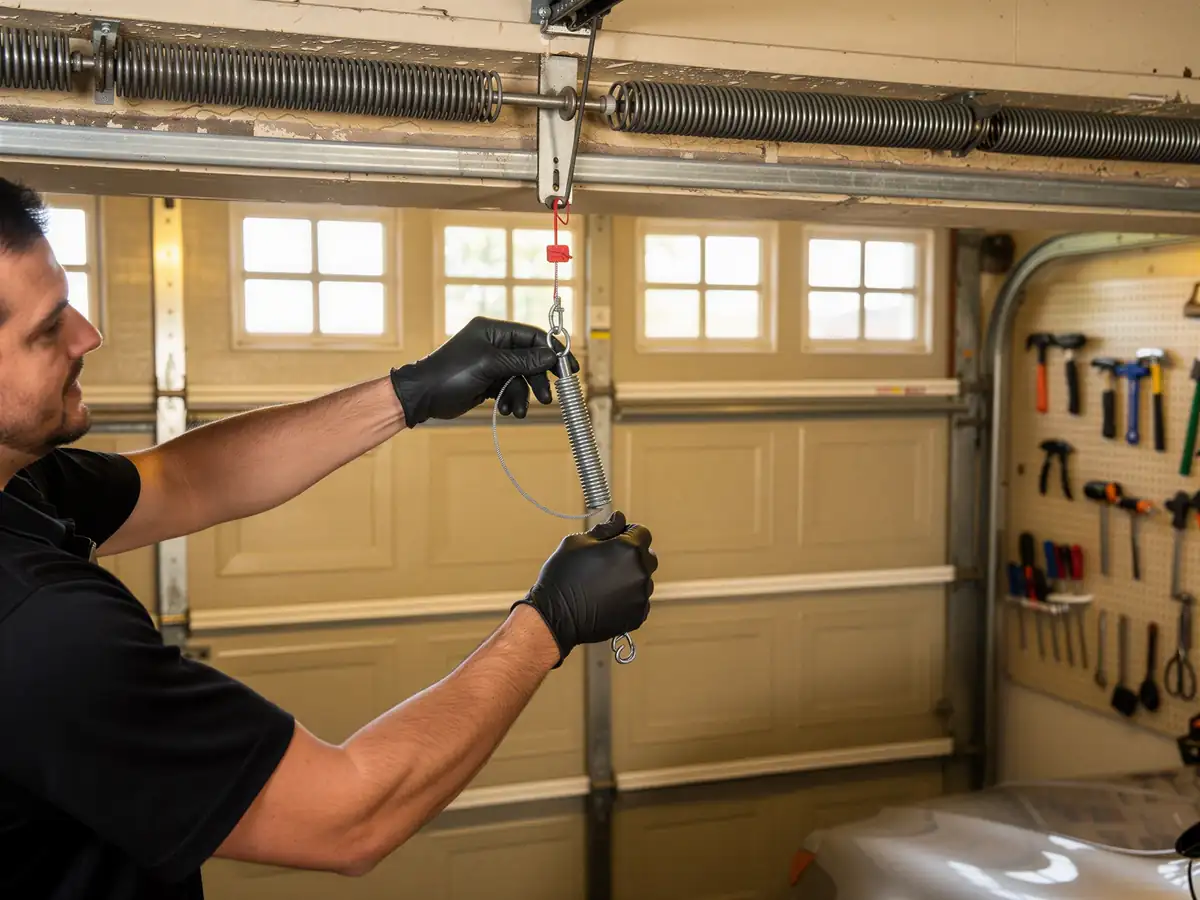
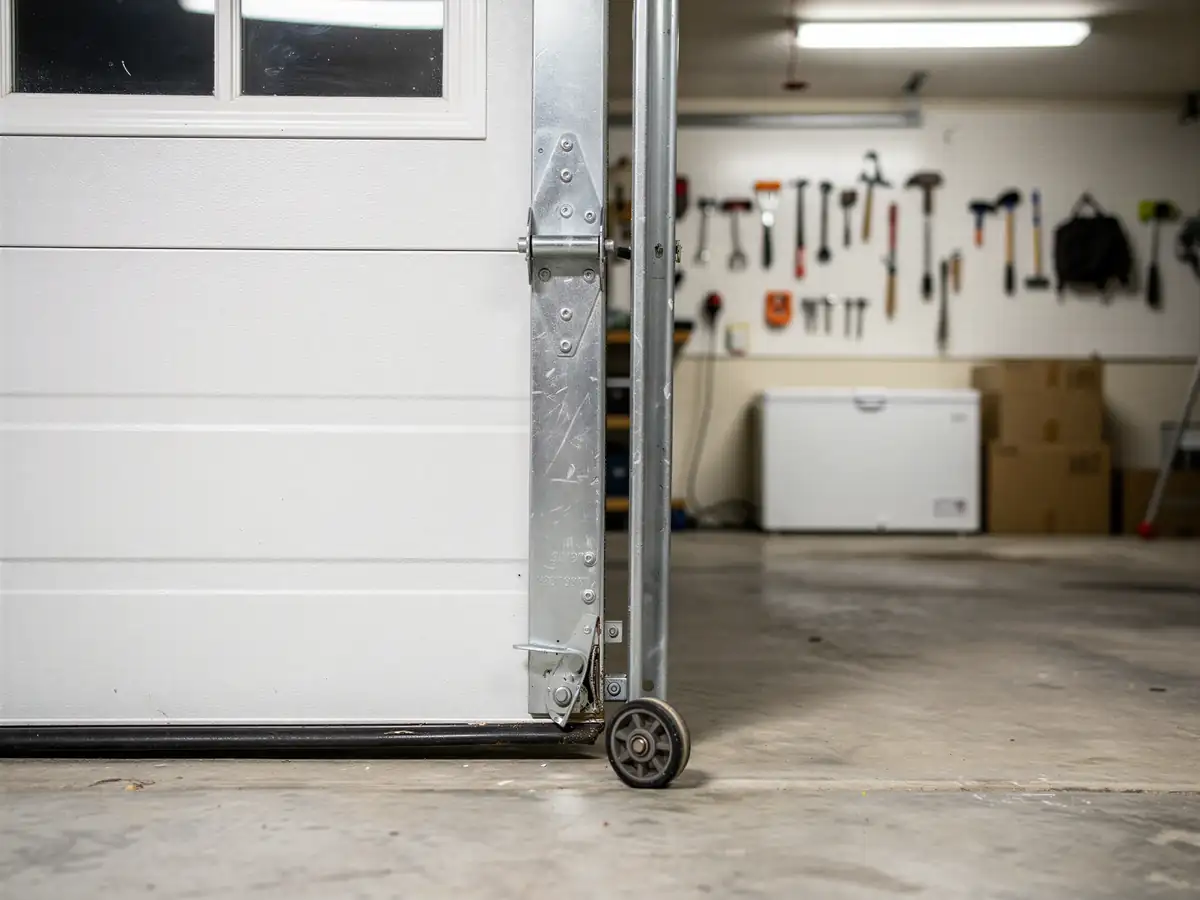
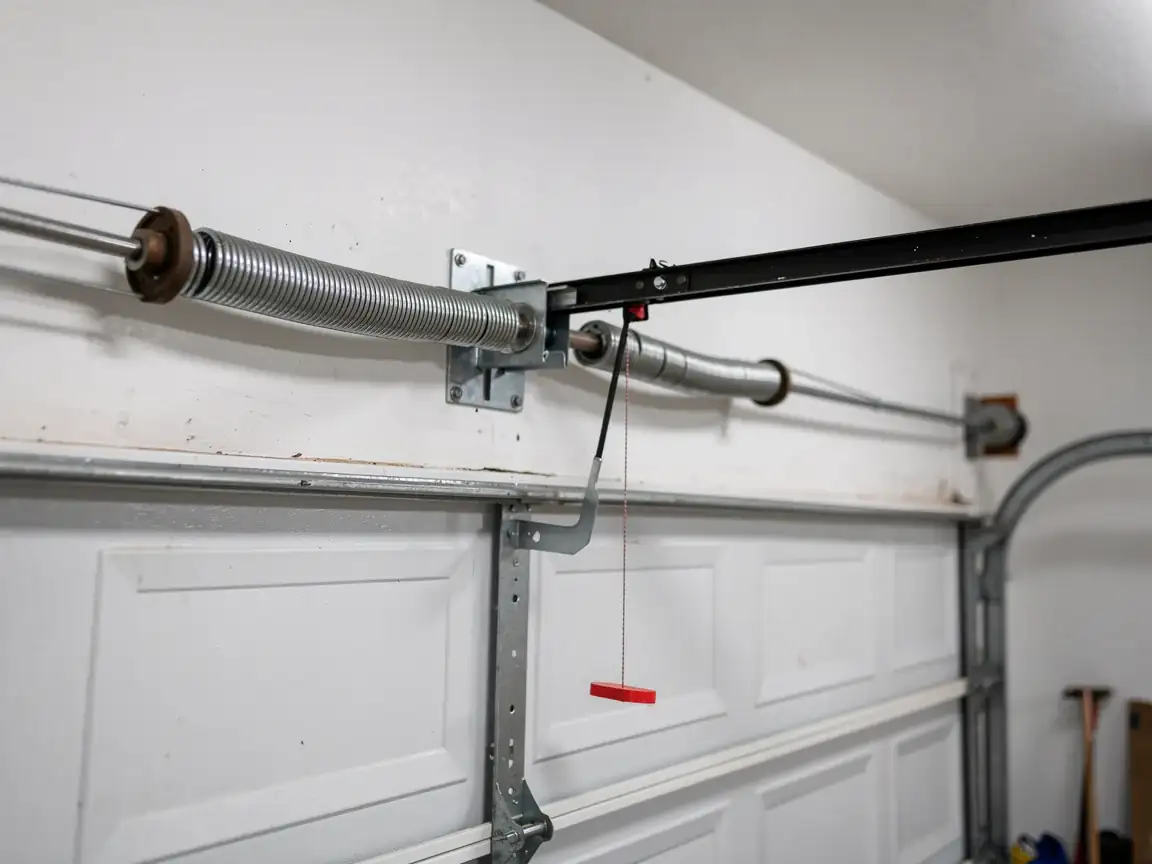
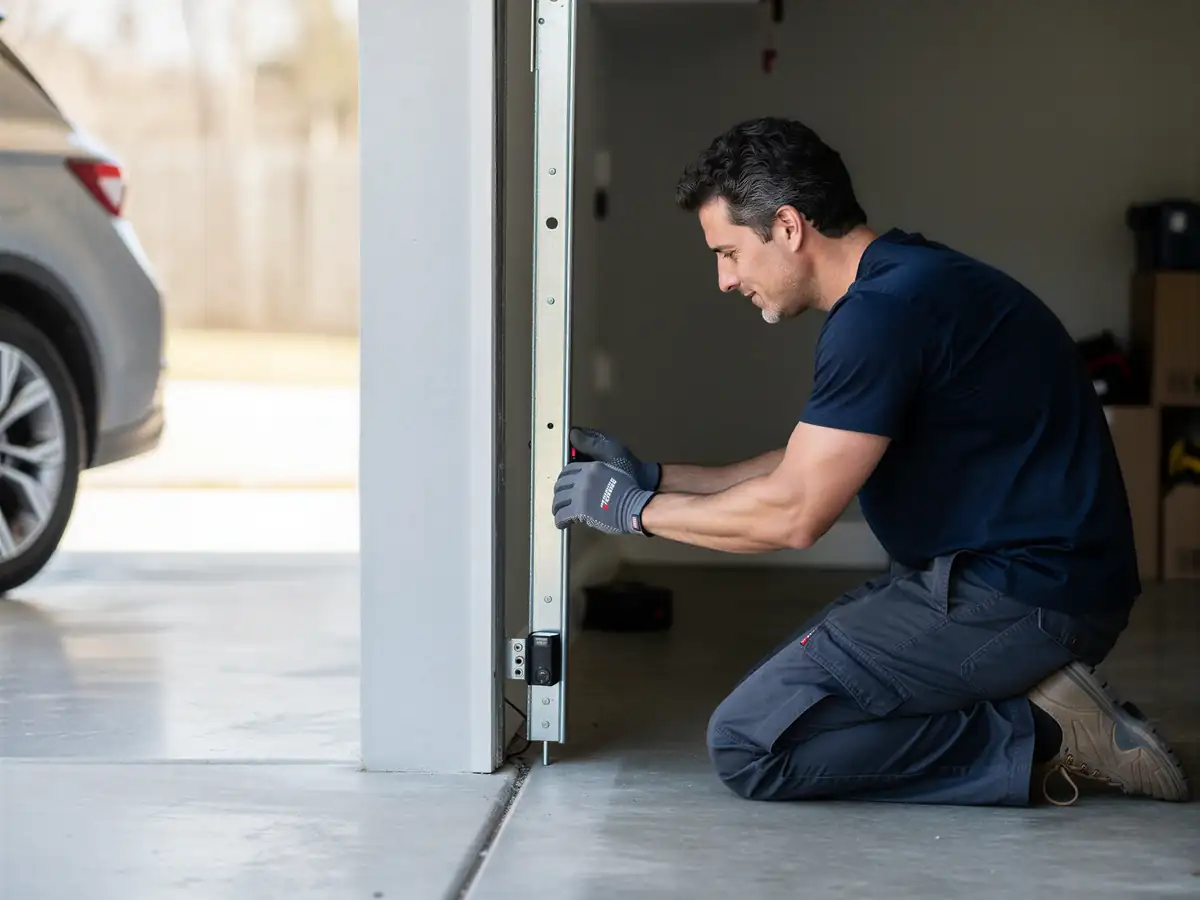
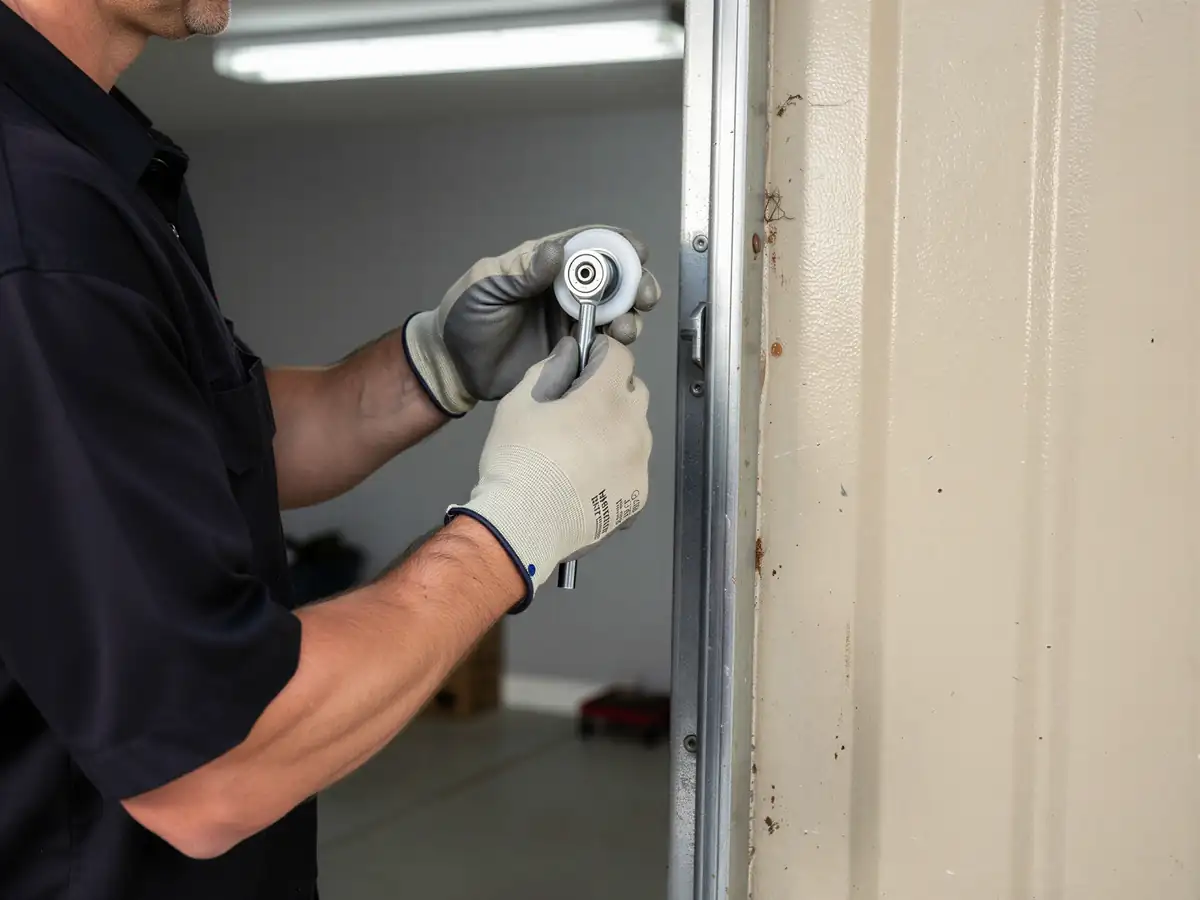
Roller replacement sounds small until you're the one on a ladder with the door half-open. The door comes down on a clamp or vise-grip above the top roller brackets so the torsion spring isn't carrying weight while we work. Each roller stem pulls out of its hinge or bracket, one section at a time, working bottom to top so the door stays balanced on the track. On a lot of the houses we see - built anywhere from 1938 up through the 2010s, with the bulk of the stock dating to the 1960s and 70s - the original steel rollers are still in there, and the hinges around them have usually worn oval from decades of that metal-on-metal contact. That's often the real reason a door sounds like a shopping cart: it's not just the roller, it's the enlarged hinge hole letting the stem wobble. We replace rollers section by section, check each hinge for play, and swap any hinge that's gone oval rather than bolt a new roller into a loose one. A full set on a double door is usually a half-day job, less if the track alignment is already good. We don't recommend replacing two or three rollers and leaving the rest - once one set has worn this far, the others are close behind, and a mixed set just means a second ladder trip in a year.
Why It Happens Here
This is a heat problem as much as an age problem. Stockton sits in a moderate-heat climate band, and that sustained summer heat is hard on the nylon in a roller wheel - it softens the plastic slightly on the hottest days, lets it flat-spot where it sits against the track overnight, and speeds up wear on the bearing race inside. Steel rollers don't soften, but they don't need to: on a house built in the 1960s or 70s, which describes most of the roughly 31,360 owner-occupied houses across this service area, those original rollers have had fifty-plus years of thermal cycling to work the hinges loose. Newer doors, built after 2000 or so, usually came with nylon rollers from the factory and hold up better, but even those start showing flat spots and bearing noise once they're fifteen or twenty years in. It's less about one bad part and more about how many decades of heat and use a given roller set has already absorbed.
How It Shows Up
The first sign is usually noise - a grinding or rattling that tracks with the door's movement rather than a single bang. Owners often describe it as the door sounding rough only on the last few feet of travel, which is usually the bottom rollers, the ones that take the most weight and see the most dirt. A door that jerks or hesitates partway up often has one or two rollers that have worn enough to bind in the track rather than roll through it. If the door comes off track entirely, that's past roller wear and into bent track or a broken roller stem, which is a different repair. Given the income profile of this service area, with a median household income just under $94,000, most calls we get on this are homeowners catching it at the noisy stage and scheduling the fix before it turns into an off-track emergency, which is the cheaper way to handle it either way.