The Situation
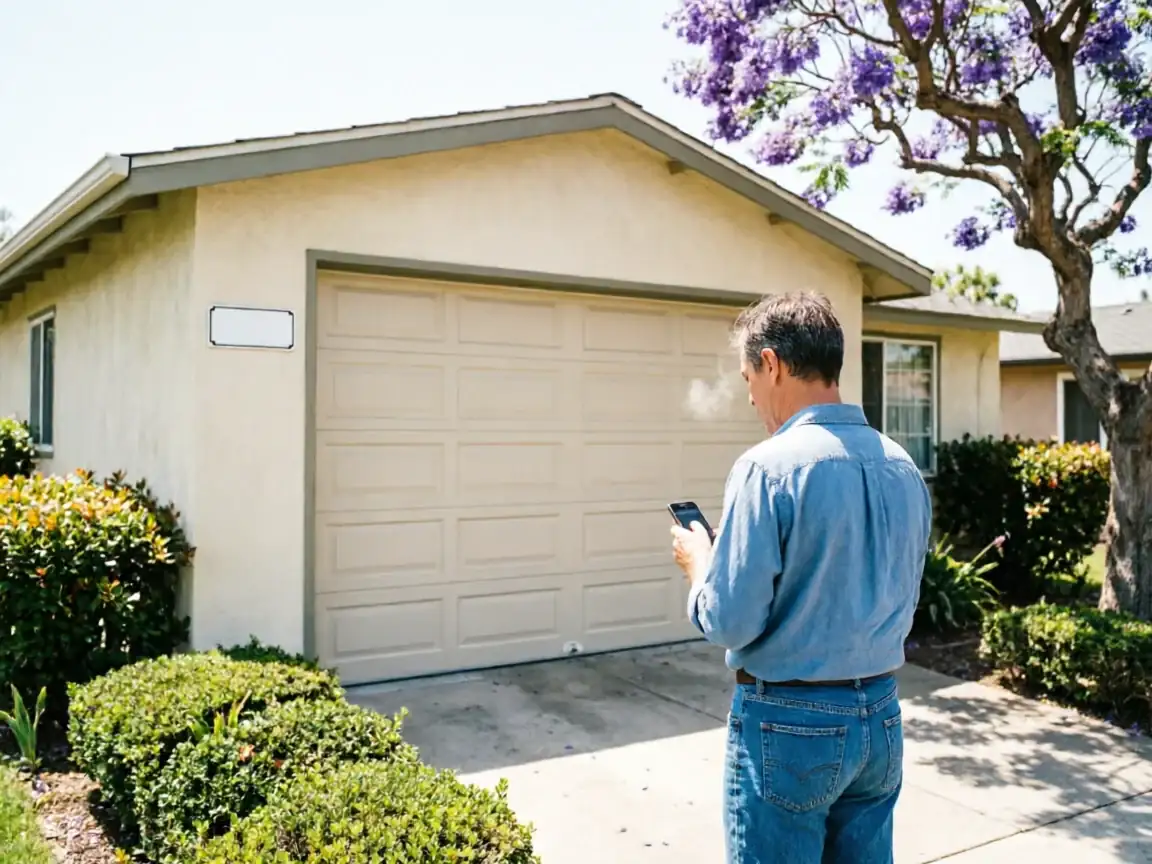
Most of the houses we work on in this service area went up between 1938 and 2010, with the median build year sitting around 1977. That one number tells you a lot. A door installed on a house from that era predates the energy codes that eventually required insulated garage doors and weatherstripped sections as standard. If your house is in August, Garden Acres, Kennedy, or one of the other older pockets near the center of town, there's a decent chance the door you have is a single-layer steel or wood panel with no thermal break at all, or it was swapped out at some point for a cheap replacement that still skipped insulation.
This isn't a defect. It's just what building standards looked like when these neighborhoods were framed up. The door did its job for decades. The issue shows up now, when a homeowner starts noticing temperature swings in a garage that's attached to the house, or when an old door's seams and panel gaps let more air through than a newer one would. It's not an emergency. It's a pattern worth understanding before you decide whether to patch something or replace it.
What to Look At First
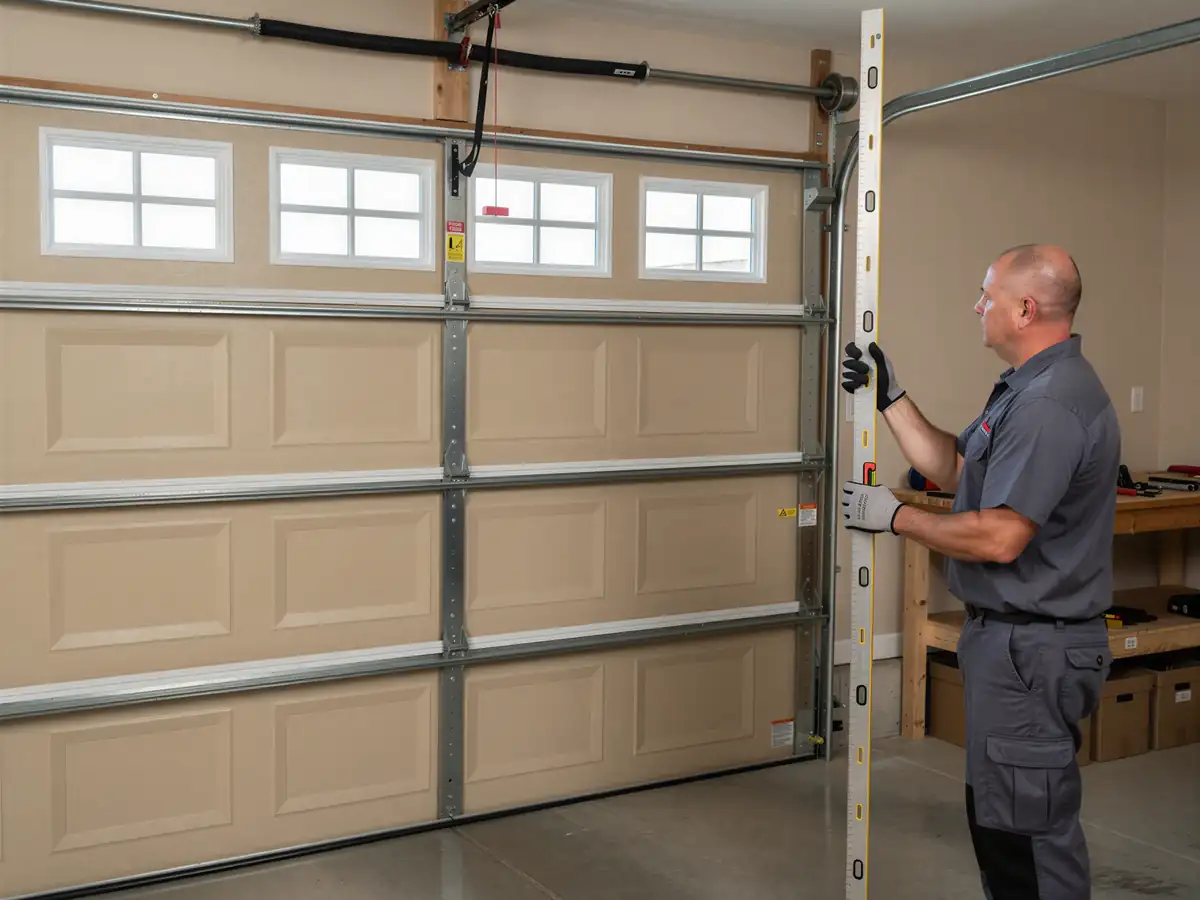
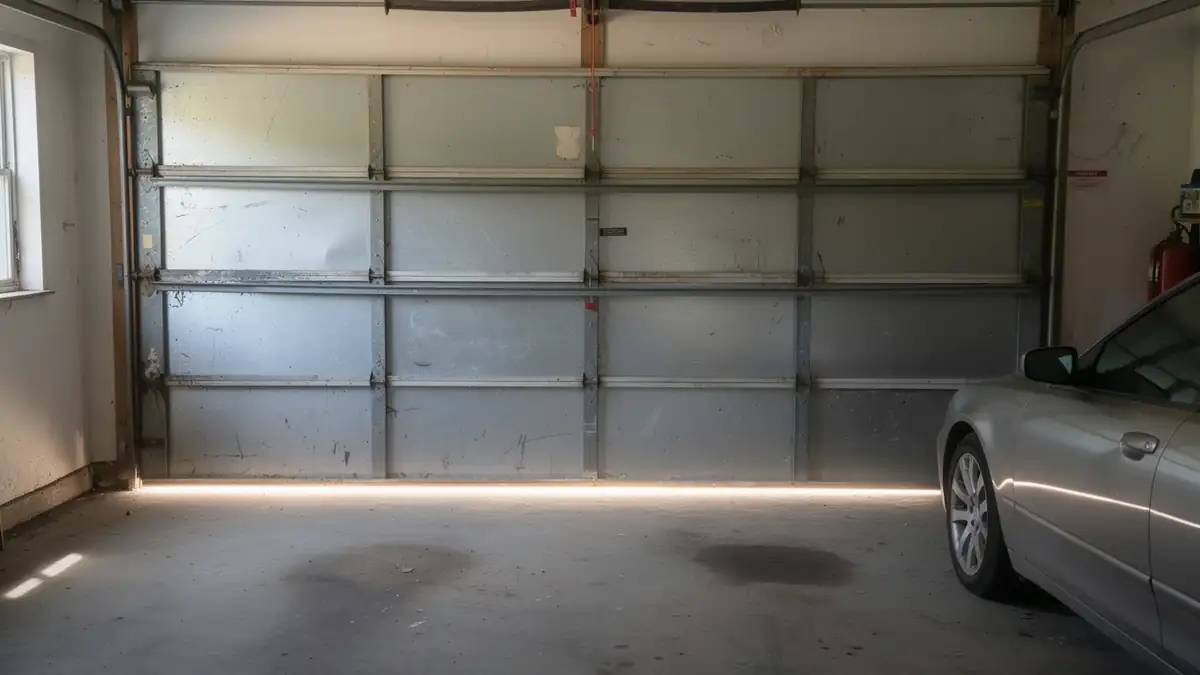
Start with the panel material and the back side of the door, not the front
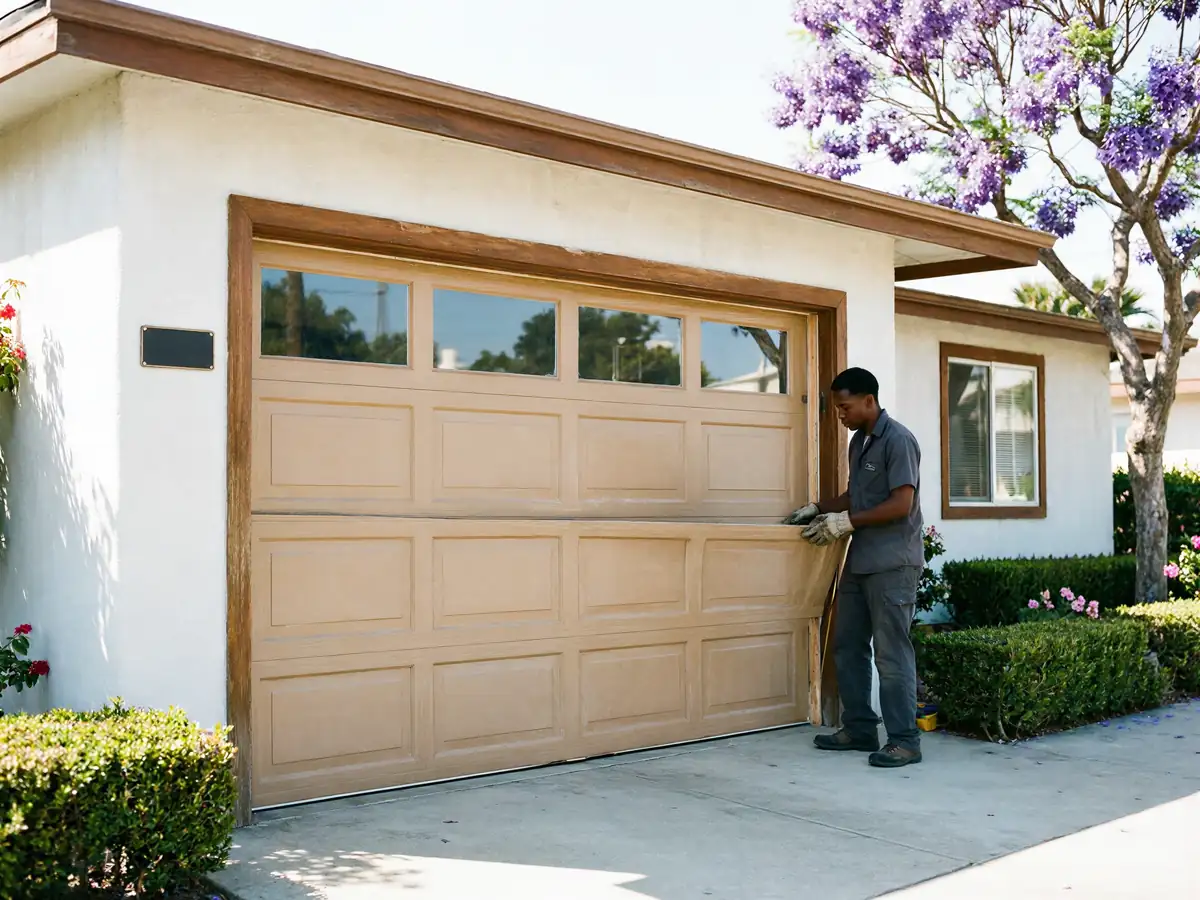
A door with no insulation reads as flat sheet metal on the inside, maybe with some surface rust near the bottom panel if it's been there since the 60s or 70s, which is the decade most of this area's housing stock actually dates to even though the range runs back to 1938. Look for a foam core sandwiched between two steel skins - if you don't see that, you've got an uninsulated door regardless of what year a seller might have quoted you.
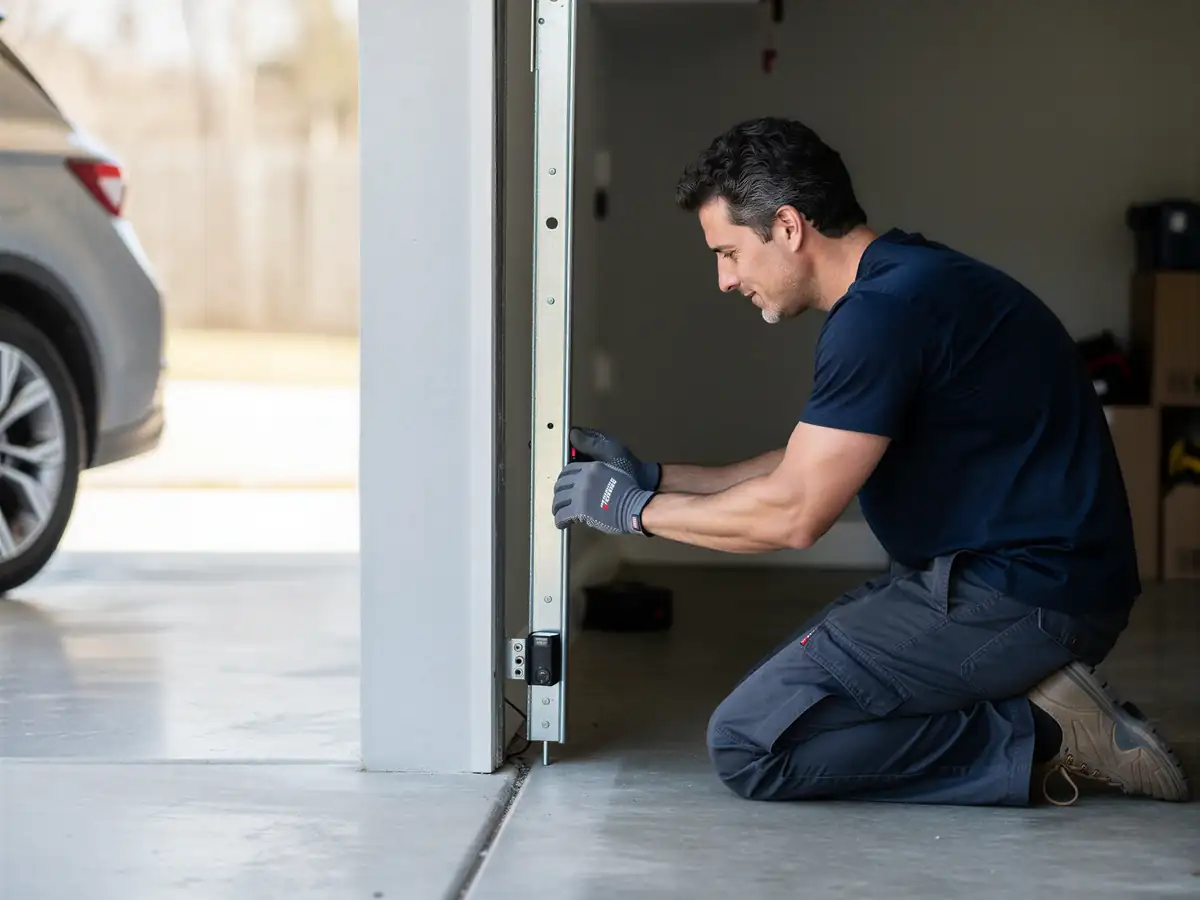
Next, check the weatherstripping at the bottom and sides
On houses from the 1960s-70s wave that makes up most of this stock, original hardware is common, and original rubber seals are usually long gone, brittle, or replaced with something that doesn't seat right anymore. That gap is often a bigger source of drafts than the panel material itself.
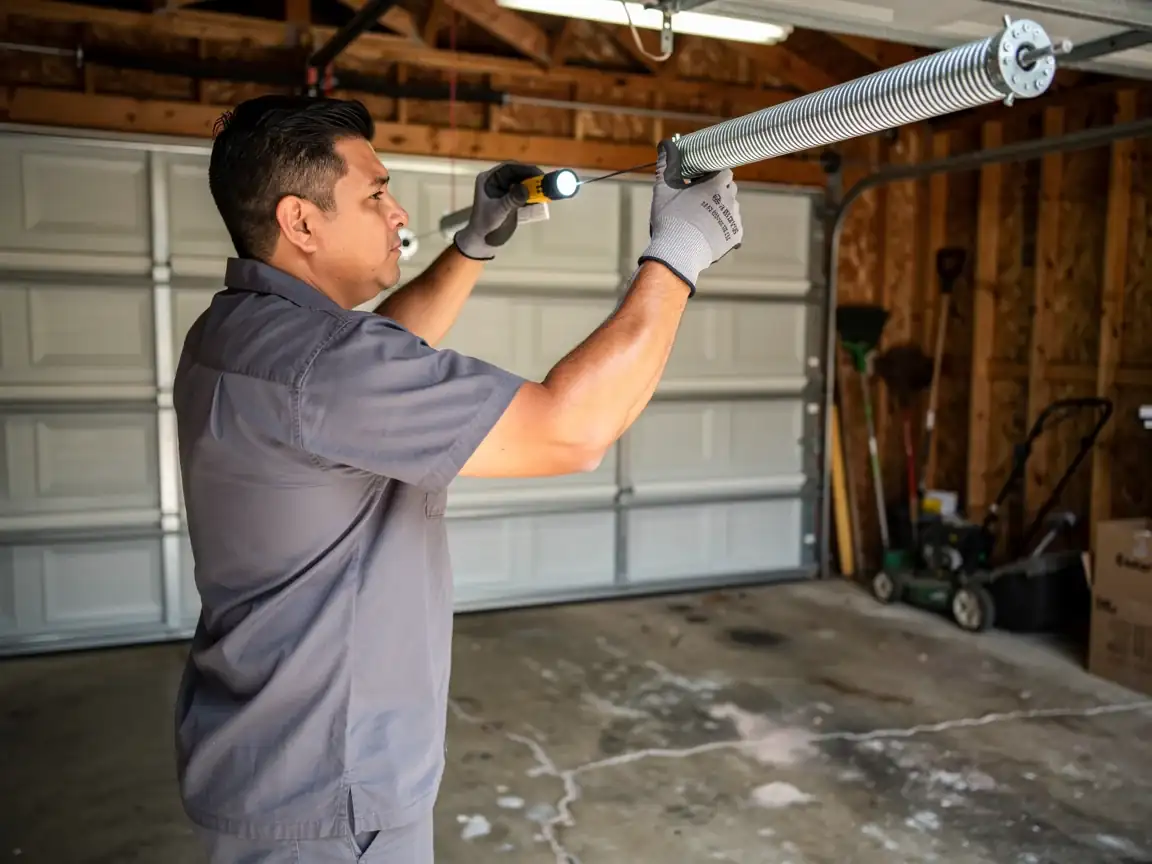
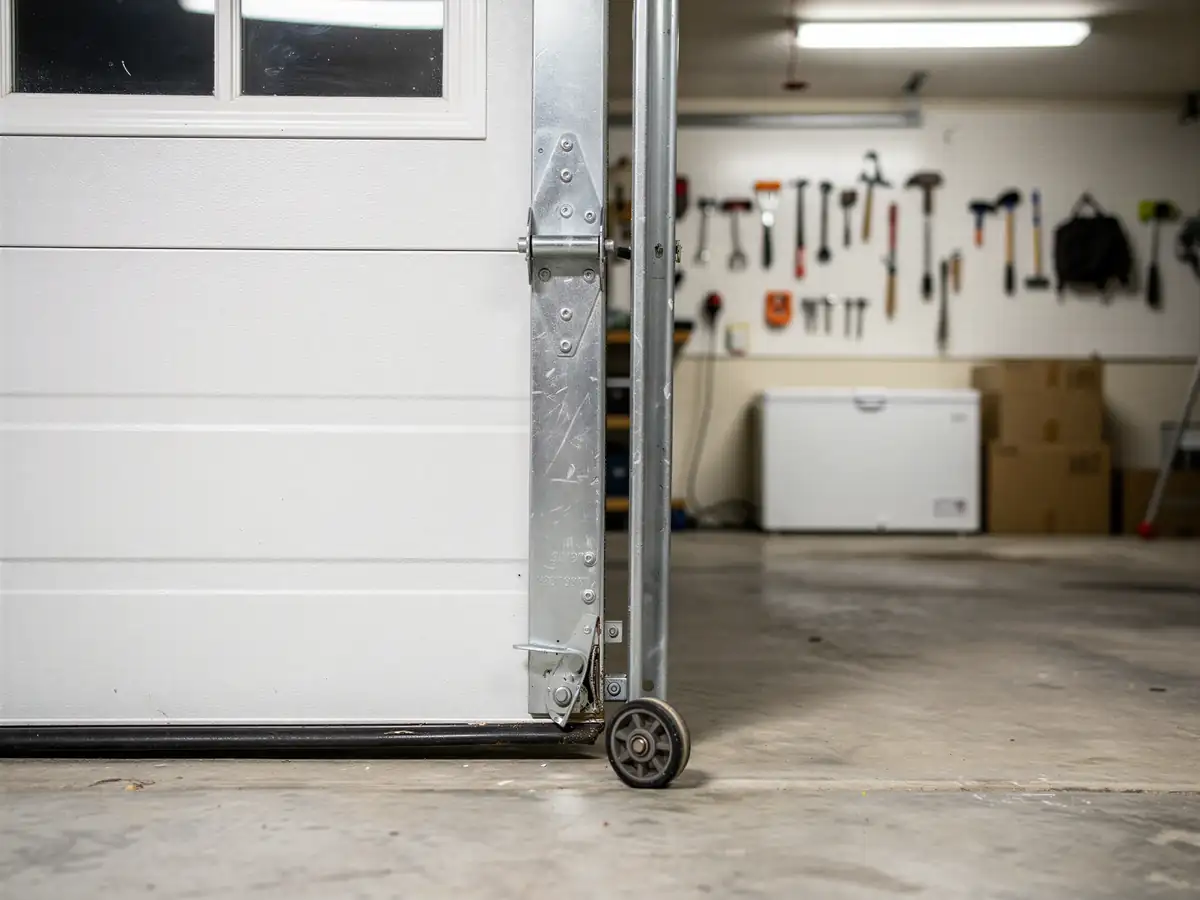
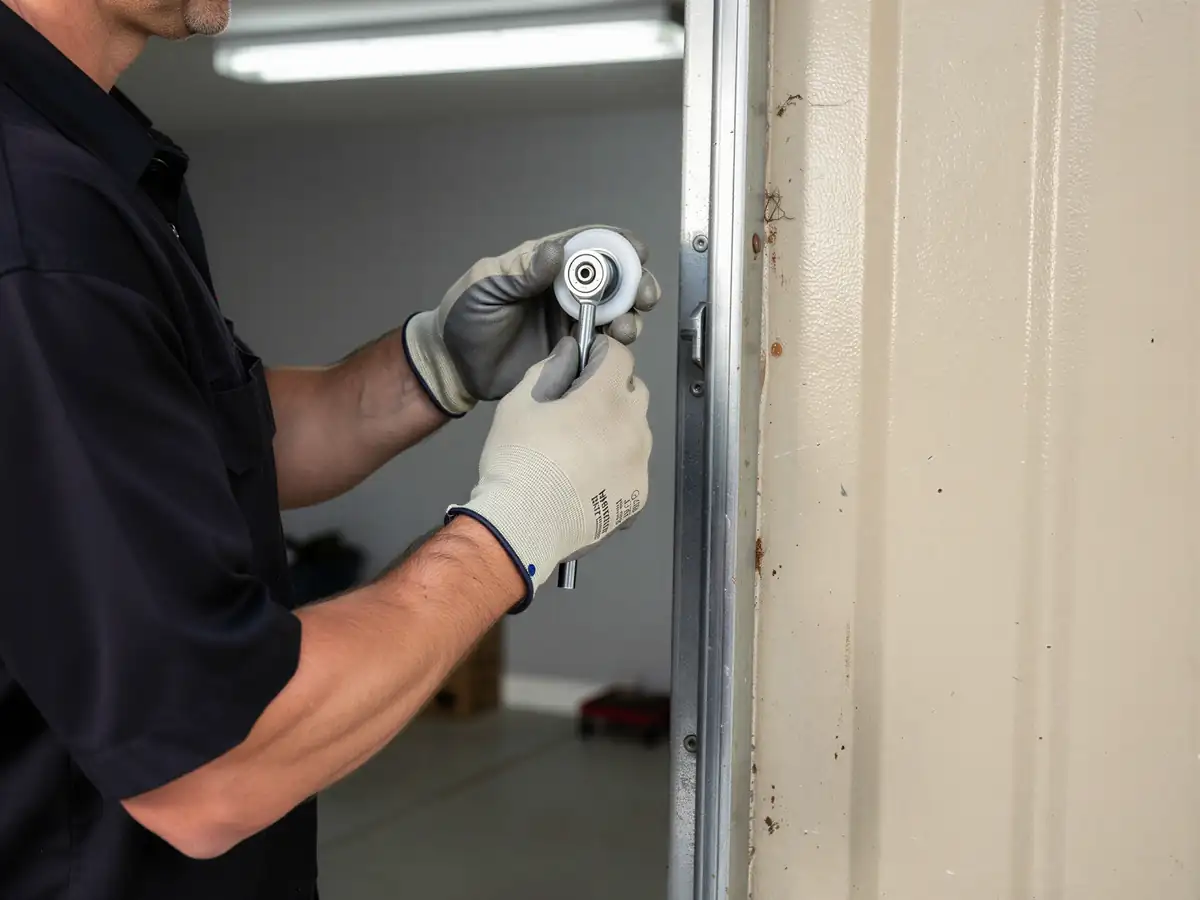
Finally, look at the springs and rollers while you're at it
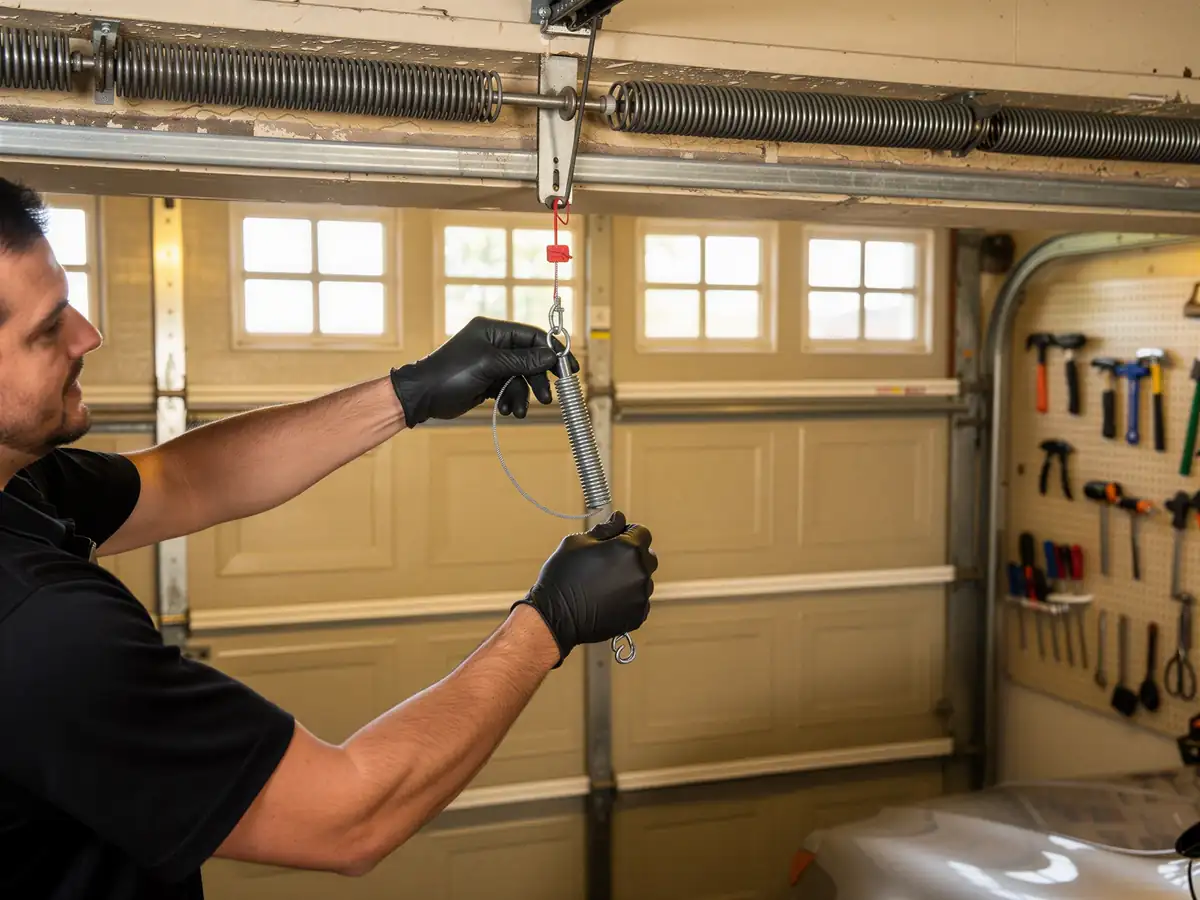
A torsion spring on a door this old has likely been through one or two replacement cycles already, and that's a separate job from any insulation conversation - but it's worth knowing before you commit to swapping panels.
What Local Conditions Do
The climate here runs moderate on heat, which matters for how urgent this actually is. We're not telling people in this service area they're losing massive amounts of money to an uninsulated door the way you might in a place with harsh winters. The heat load here is real but not extreme, so an insulated door is a comfort and efficiency upgrade, not a must-fix-now item for most houses.
Where it does matter more is on attached garages used as workspace, laundry rooms, or anything with ductwork running through them. In a house from the 1977-median era, that garage was almost never designed with that kind of use in mind, and the uninsulated door becomes the weak point in an otherwise reasonably sealed room. If you've converted or semi-converted your garage, the door is worth prioritizing over houses using the space strictly for parking and storage.
We don't push insulation retrofits on every call. If your garage is just a garage, and the door still seals and operates cleanly, spending money there isn't the best use of it.
What Most People Get Wrong
The most common mistake we see is someone replacing a bad spring or opener and assuming the door itself is fine because it still opens and closes. A door can operate perfectly and still have zero insulation value and failed weatherstripping. Those are separate problems that happen to live on the same panel.
The second mistake is spending money foam-filling an old single-skin door that's otherwise near the end of its life - bent track, pitted panels, hardware original to a house built decades ago. With median household income in this area around $93,993, a lot of owners can afford to do this right, which usually means replacing the whole door rather than retrofitting an insulation kit onto steel that's already fatigued. We'll say it plainly: a foam kit on a door that's otherwise failing is money spent twice.
Last thing: people assume insulation upgrades are only relevant in newer construction. The opposite is true here. Newer builds, even those from later in that 1938-2010 range, are more likely to already meet some insulation standard. It's the older end of that range that actually needs the look.