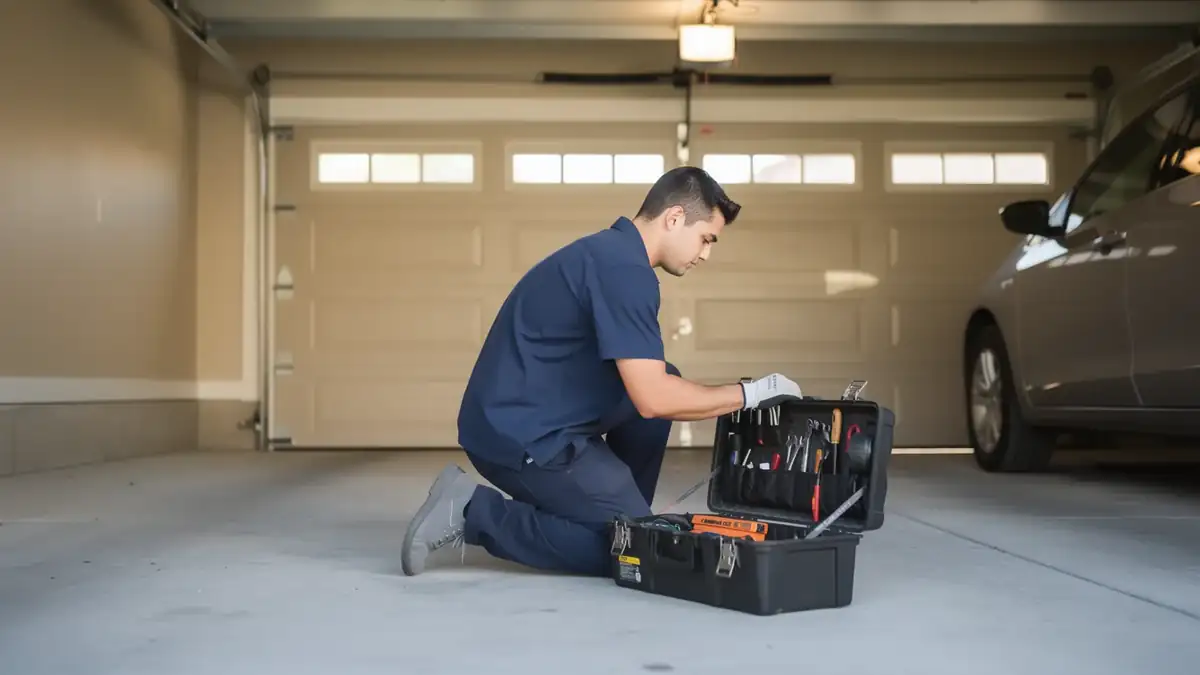
The Situation
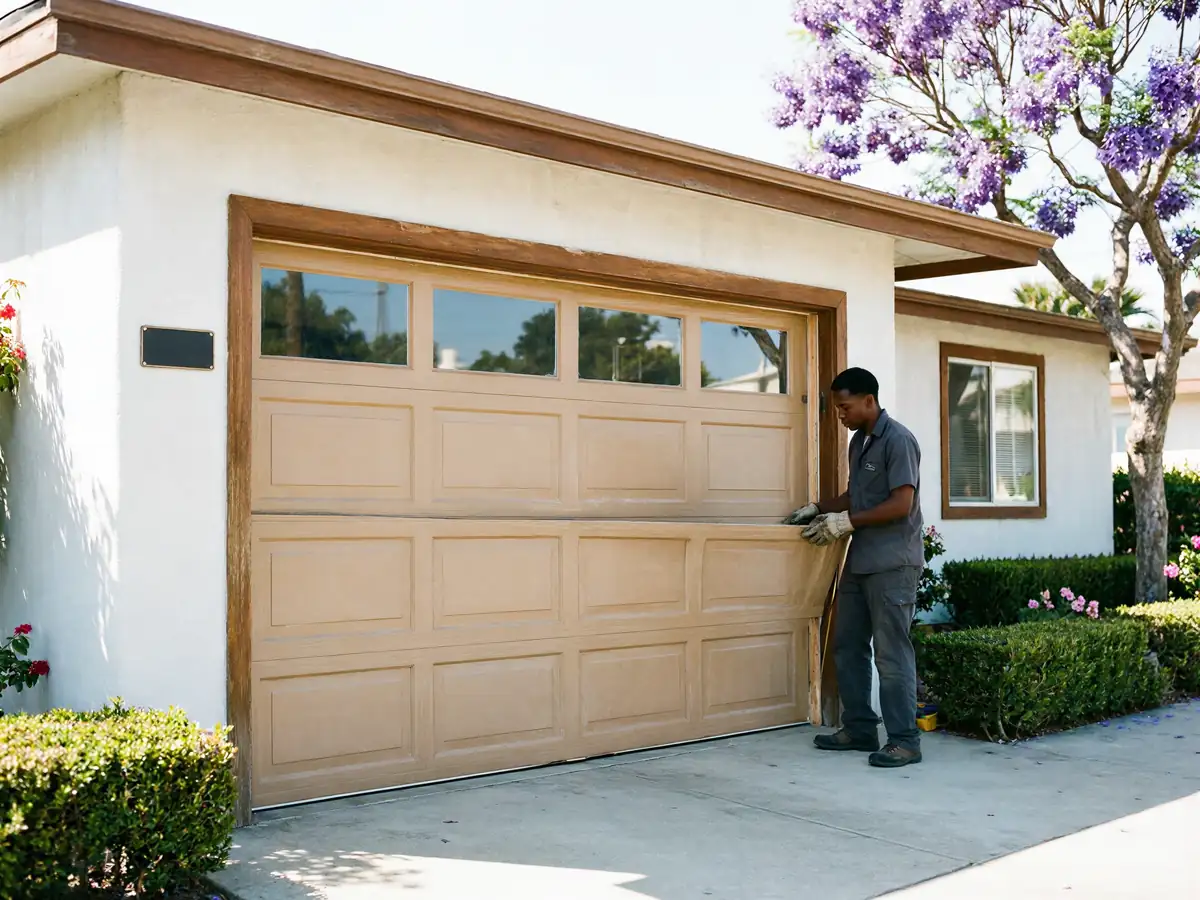
Most calls start with one symptom: the door won't open, it's making a grinding noise, or it slammed down on its own. That's the thing you noticed. It's rarely the only thing wrong.
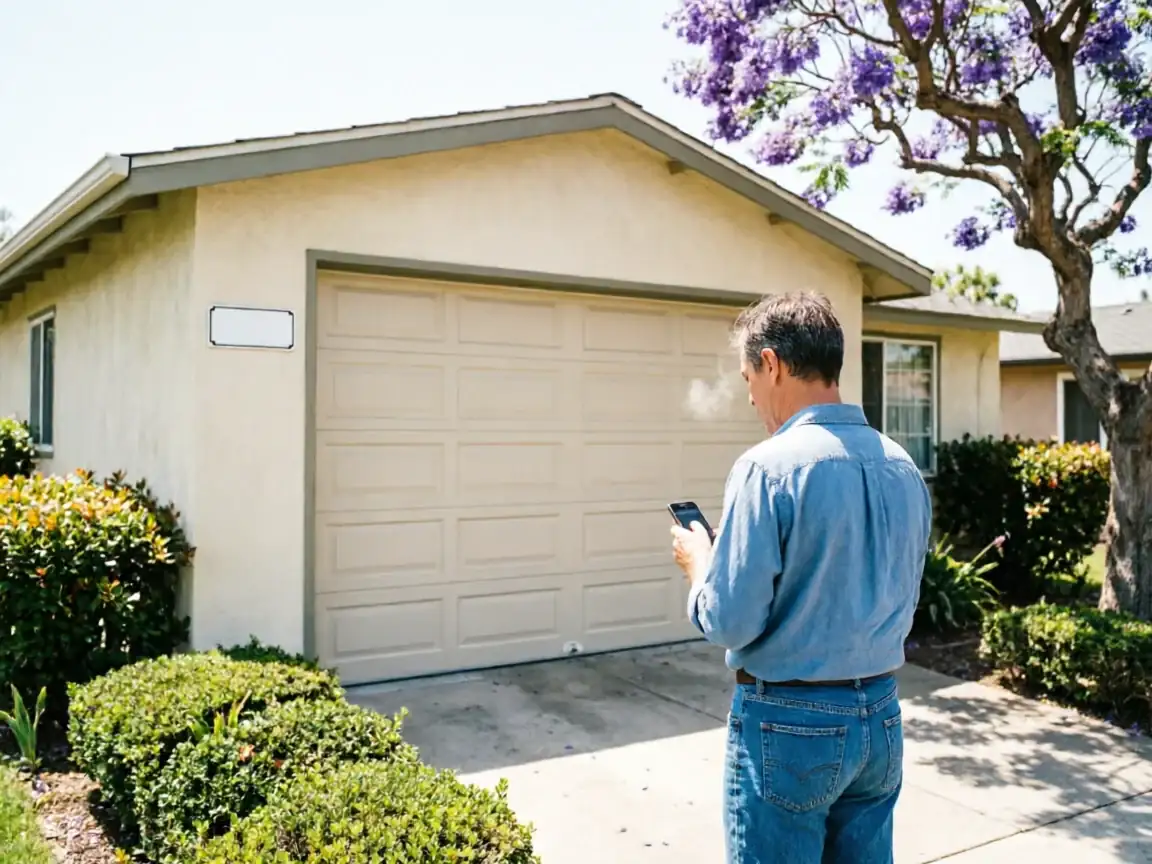
Across the service area - August, Garden Acres, Kennedy, Morada, and the rest of the 20 named areas we cover out to about 20 miles - the housing stock runs from 1938 up through 2010, with the median build year sitting at 1977. That means a service call in is often dealing with original hardware that's 45-plus years old, while a call out in Mountain House might be working on something installed in the last decade. We don't assume either. The first few minutes of any visit go to figuring out which era of door and opener we're actually standing in front of, because the fix for a 1970s extension-spring setup is not the fix for a 2005 torsion system.
This matters because a lot of "it just broke" calls are really "it's been wearing toward this for years" calls. The symptom you called about is usually the last domino, not the first.
What to Look At First
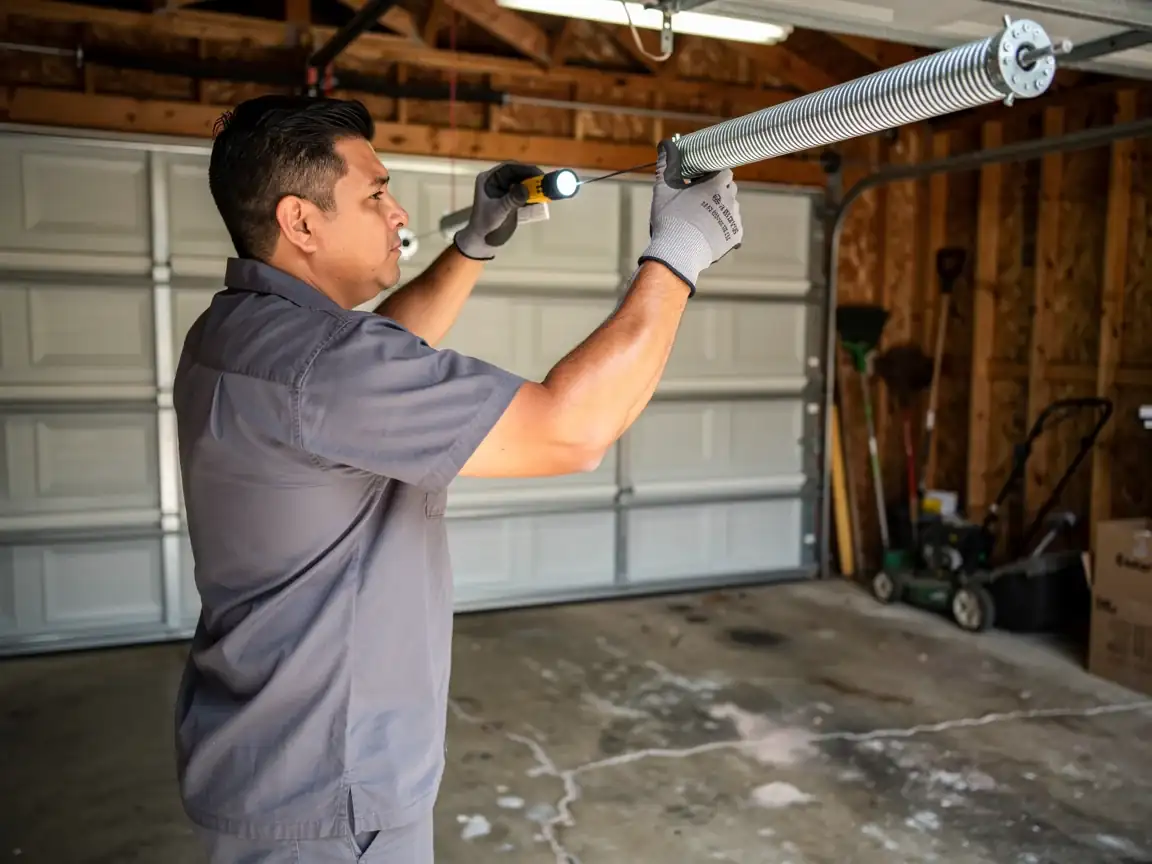
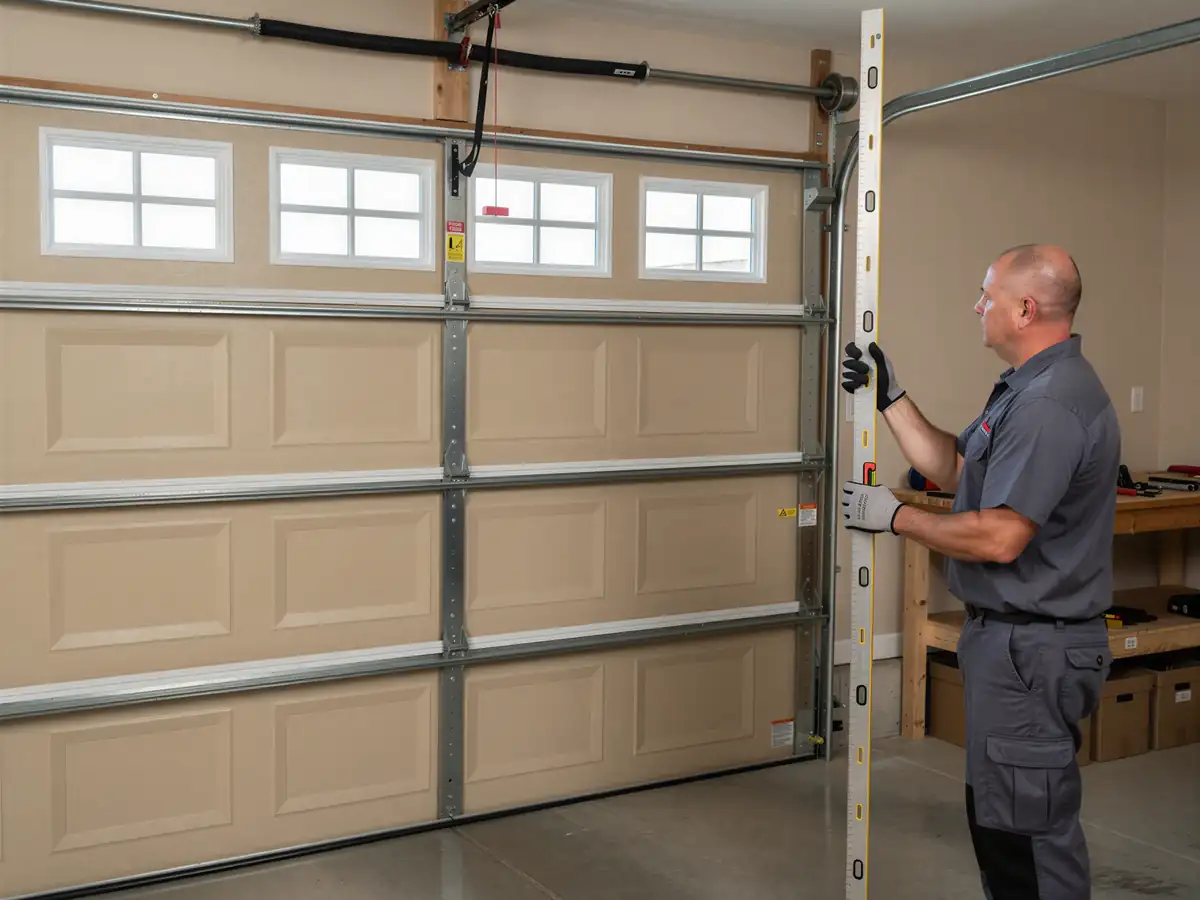
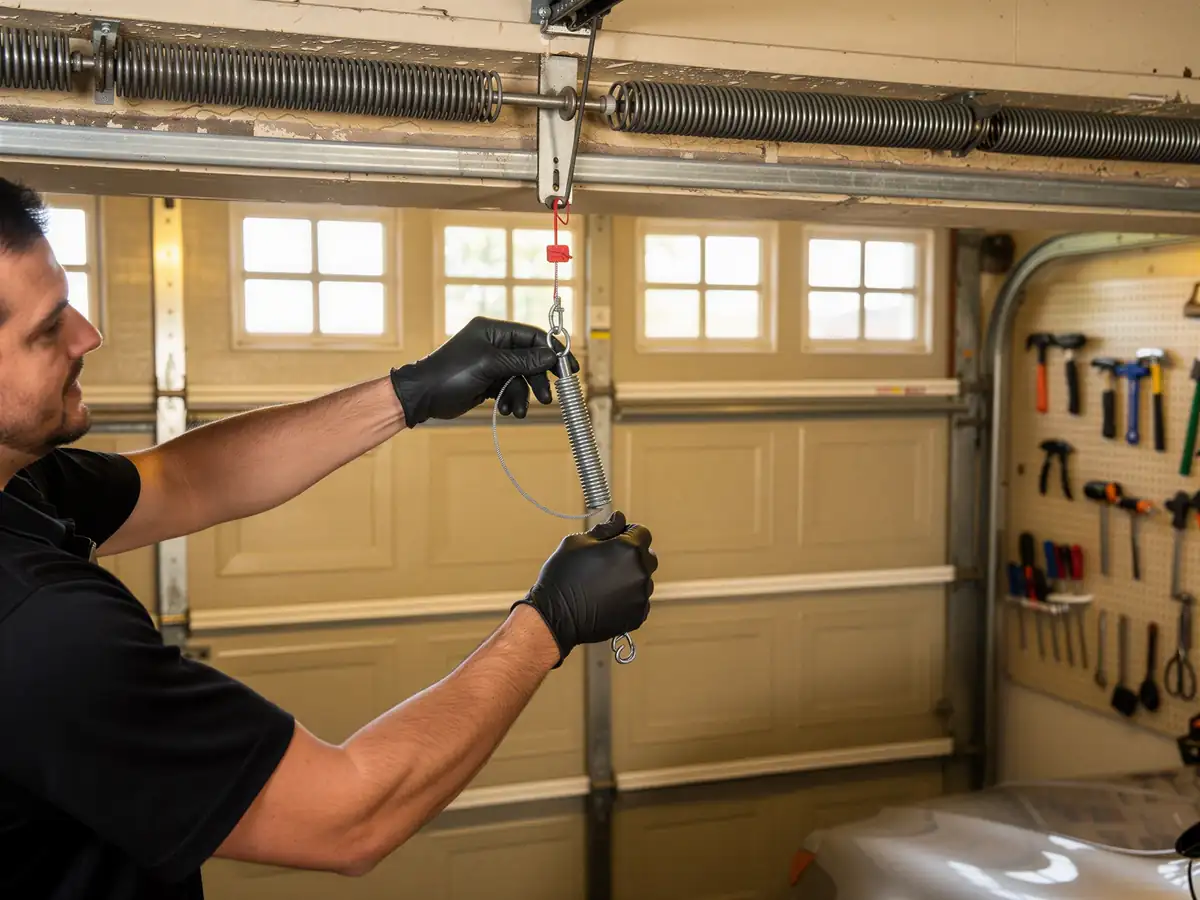
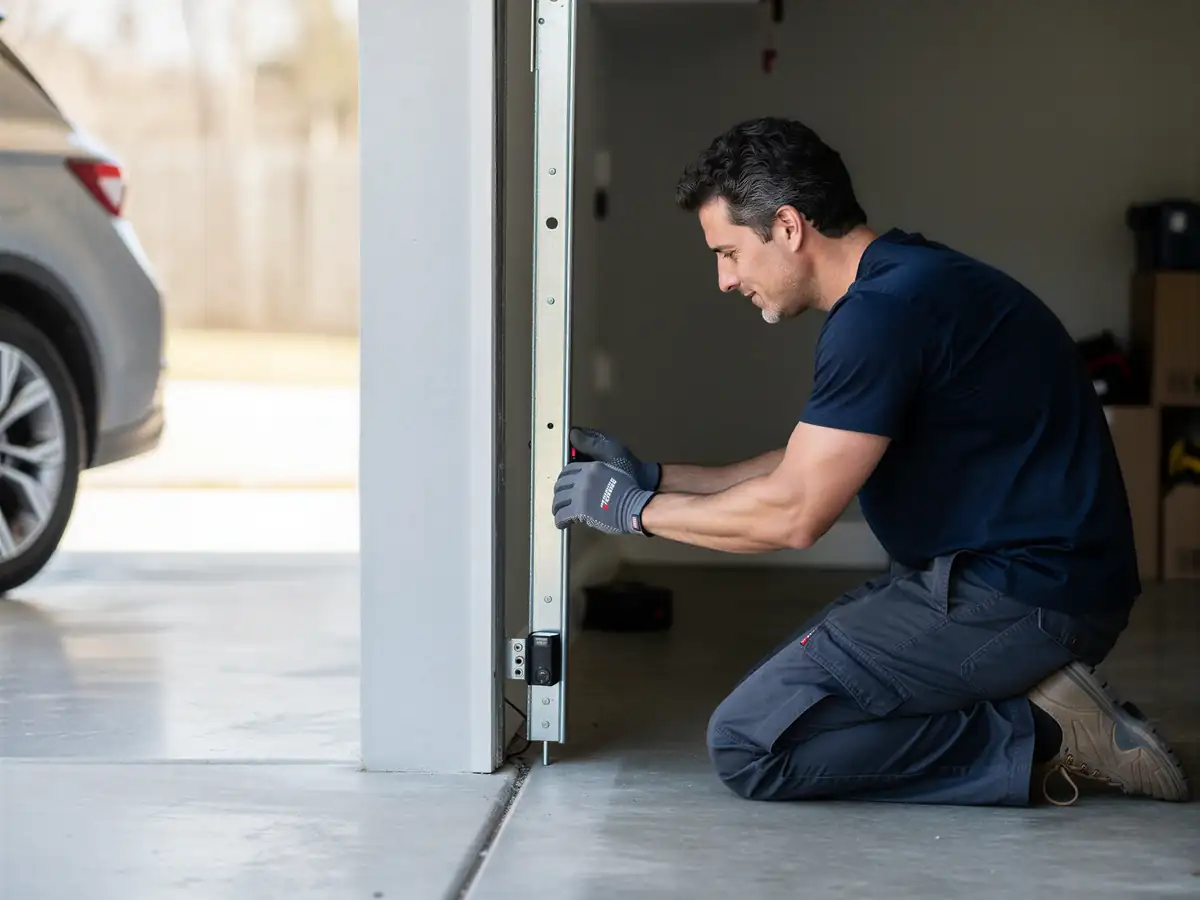
Before we touch the thing that's broken, we look at the springs, the cables, and the track alignment, in that order
On a house from the 1960s or 70s stock that makes up most of this city's garage doors, the torsion spring has usually never been replaced, and a spring that's original to a 50-year-old door is not a spring you want to find out about the hard way - it's under full tension whether it's working or not.
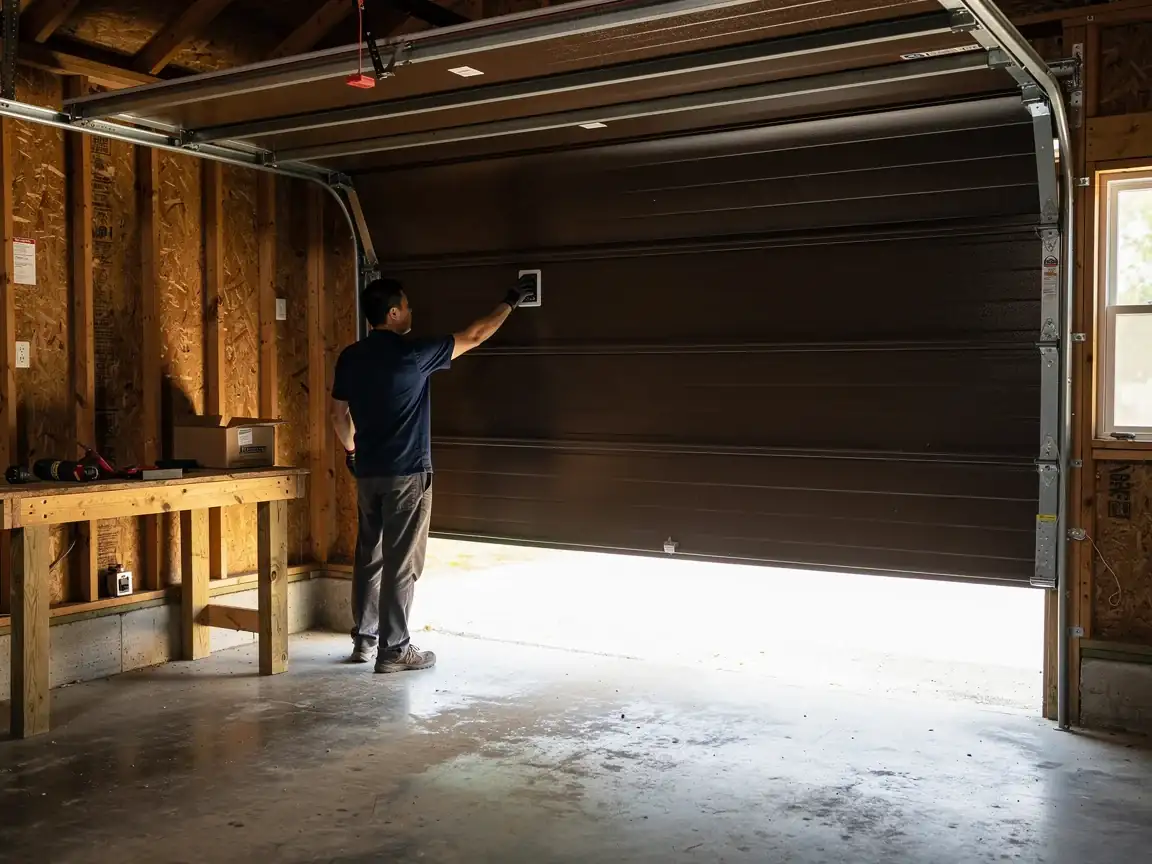
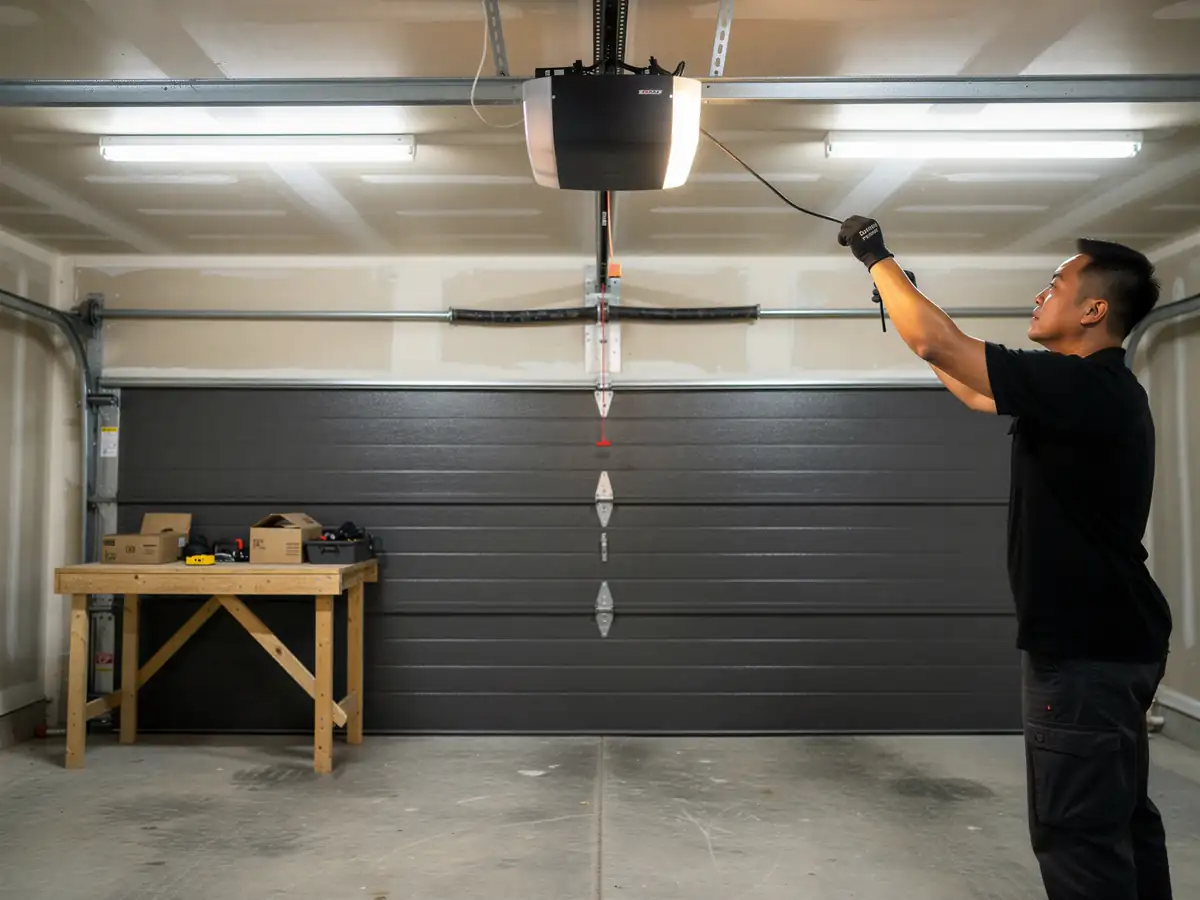
Next is the opener's force and limit settings
Older openers in this housing range were often adjusted once, at install, and never touched again even as the door's balance shifted over decades of use. A door that's gone out of balance makes the opener work harder than it's rated for, which shortens the life of the drive gear and the motor both.
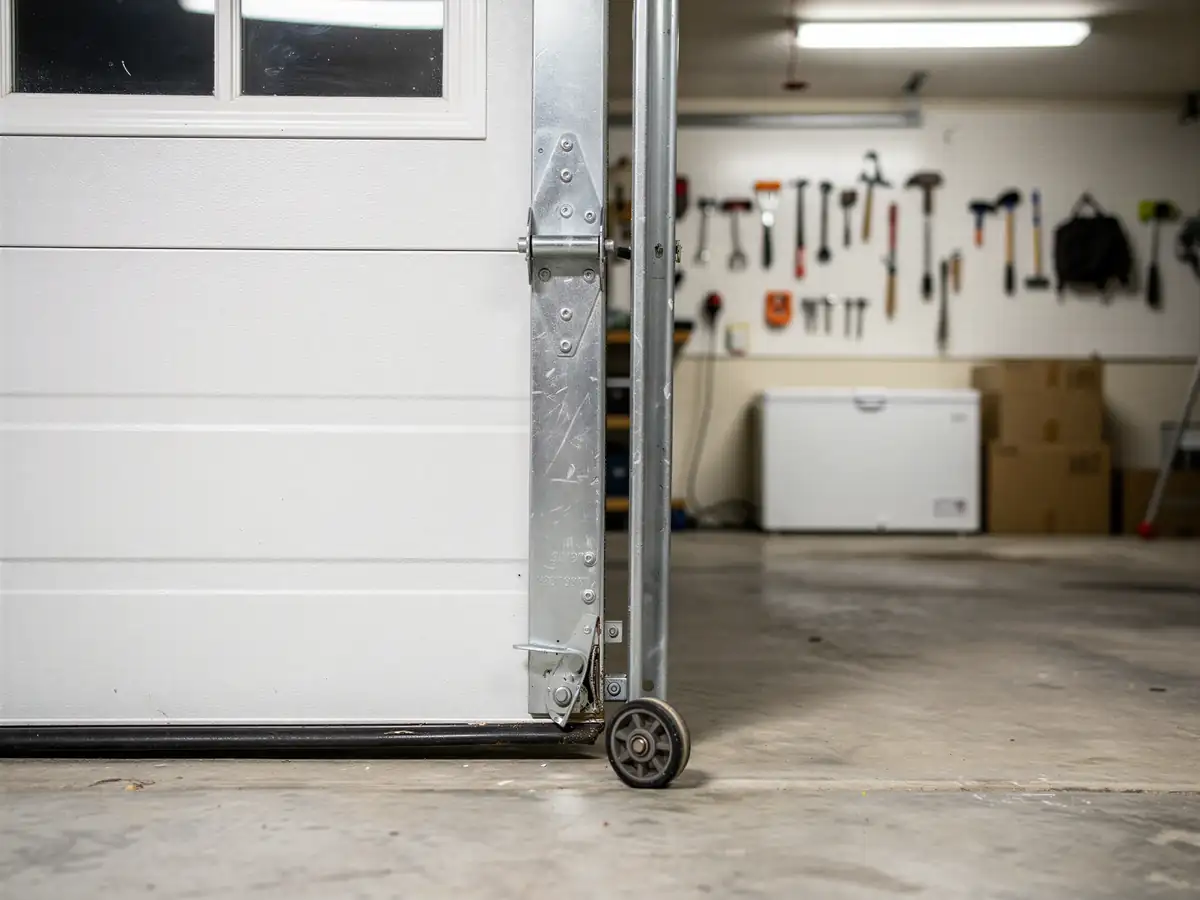
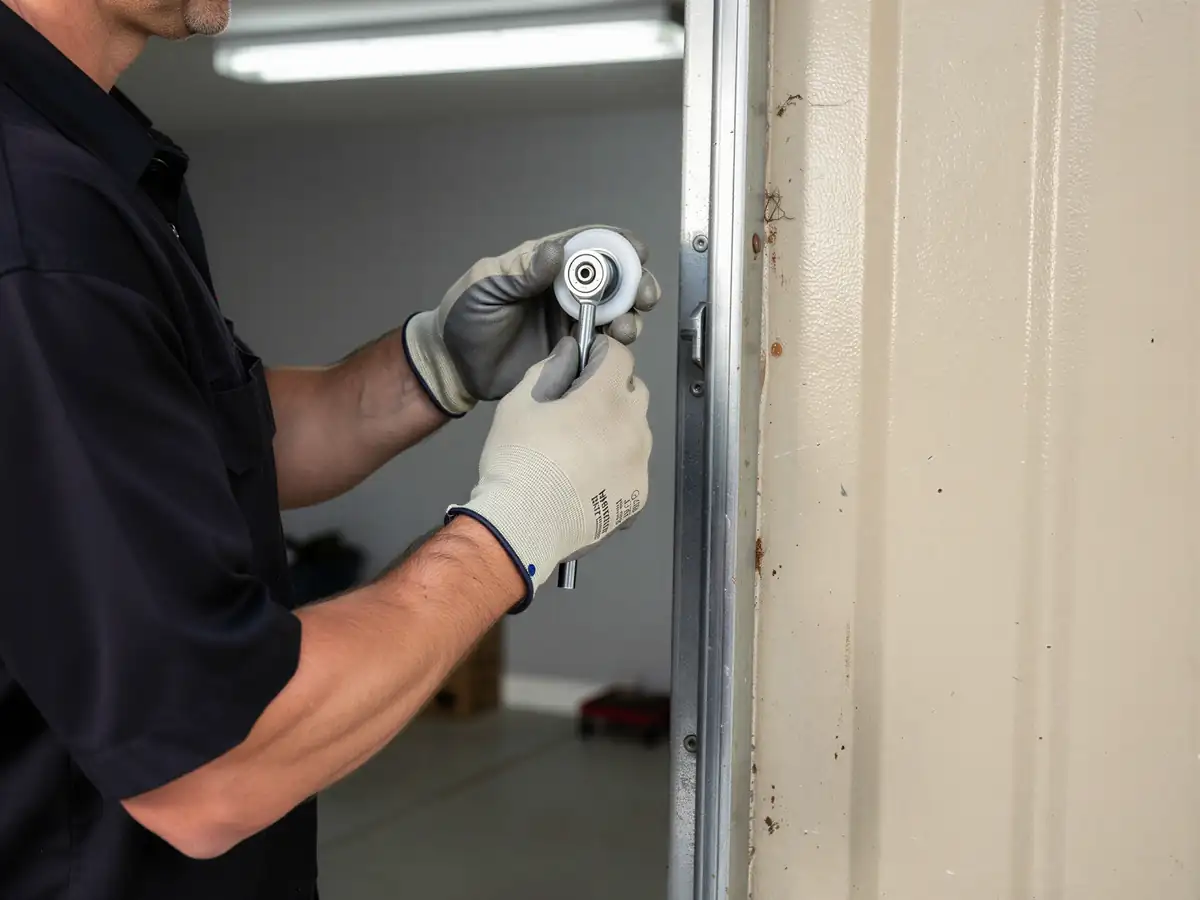
We also check the rollers and the track for the kind of wear pattern that tells us whether this is a lubrication problem or a replacement problem
Rollers on a house with a 1977-era door frequently need replacing outright, not oiling - plastic rollers from that period get brittle, and no amount of lubricant fixes brittle.
What Local Conditions Do
Stockton sits in a moderate-heat climate band, and that heat does specific, predictable things to a garage door system over a long California summer. Steel panels and tracks expand during the hottest part of the day and contract overnight, and on an older door - the kind common across this housing stock - that daily cycle works the mounting bolts loose at a rate newer, better-sealed doors don't experience the same way.
Rubber weatherstripping and seals take the worst of it. Heat dries and cracks rubber faster than cold does, and a cracked bottom seal lets in dust and heat that then bakes the bearings and hinges above it. We see this pattern often enough on houses in the 1960s-70s range that it's one of the first things we check, right alongside the springs.
Lubricant breakdown is the other piece. Standard grease thins out and runs off hinges and rollers faster in sustained heat, leaving metal-on-metal contact that wears parts faster than the manufacturer's spec assumed. None of this is dramatic. It's slow, and it adds up over the kind of decades-long ownership common in this area.
What Most People Get Wrong
The most common mistake is treating a loud door as a lubrication problem when it's actually a balance problem. Oil quiets a noise for a week or two; it doesn't fix a spring that's lost tension or a track that's shifted out of plumb. If your door is loud and getting louder, that's wear, not dryness.
The second mistake is assuming a newer opener means a newer door. Plenty of houses across this service area have had the opener swapped out once or twice since the original 1960s or 70s install, while the door itself, the springs, and the track hardware are all original. A service call has to treat those as separate systems with separate ages, because they usually are.
Here's the limitation worth saying plainly: if the springs, rollers, and track are all original to a door built in that 1960s-70s window, repair can cost close to what replacement does once you add it up, and we'll tell you that straight rather than patch a door that's going to need the same calls again next year. Sometimes the honest answer on a service call is that the door, not the part, is the problem.