The Situation
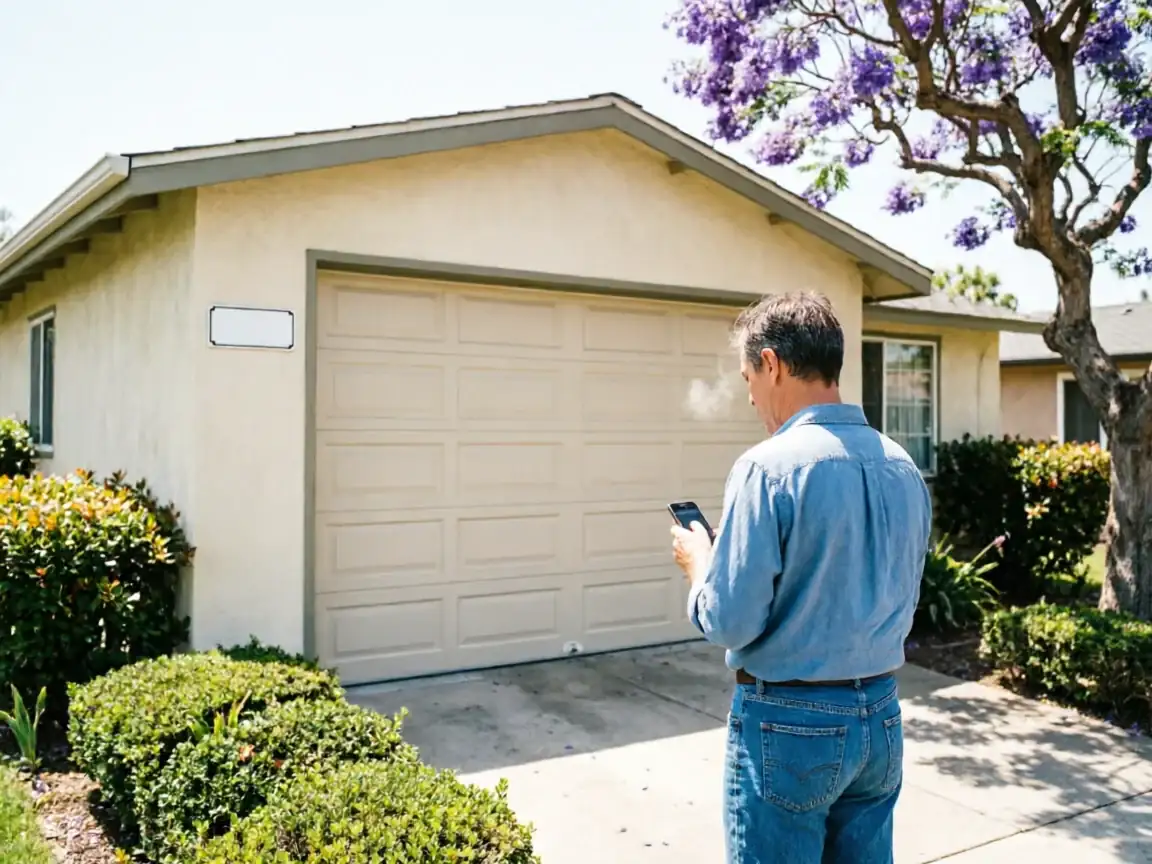
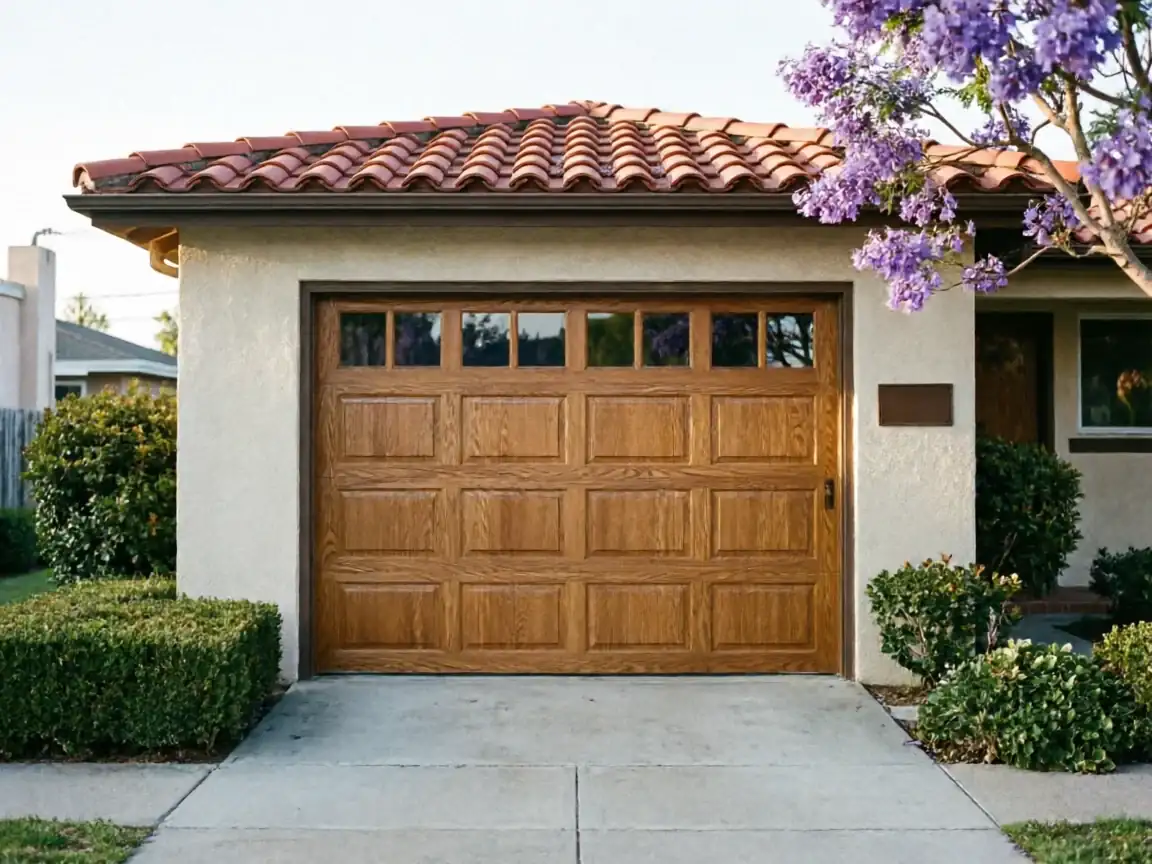
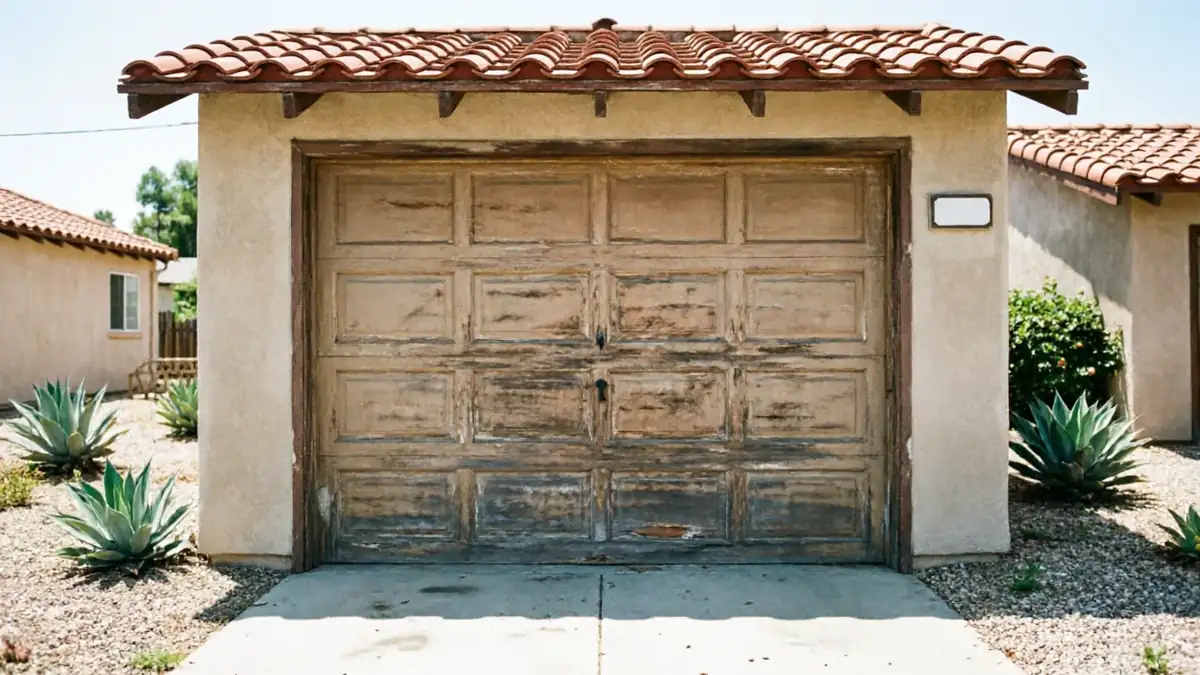
Stockton's housing stock spans 1938 to 2010, but the median build year lands at 1977, and most of what we work on in neighborhoods like August, Garden Acres, and Kennedy is 1960s and 70s steel sectional doors on their original or near-original hardware. That puts a lot of doors in this city at the 45-to-60-year mark, which is right where the question stops being "does it still open" and starts being "is this worth another repair bill." A door from that era was built with heavier gauge steel than what gets installed today, and the track and drum setups are simple, which is good news for repair. The bad news is that replacement parts for some of those older torsion setups aren't something every supplier keeps in stock, and a wrong-size spring or drum on an old shaft can do more harm than the original problem. We see this across the service area, not just in one pocket of town - the age pattern holds from down through Weston Ranch and out toward. Knowing which decade your door came from is the first real step in deciding whether to spend money on it.
What to Look At First
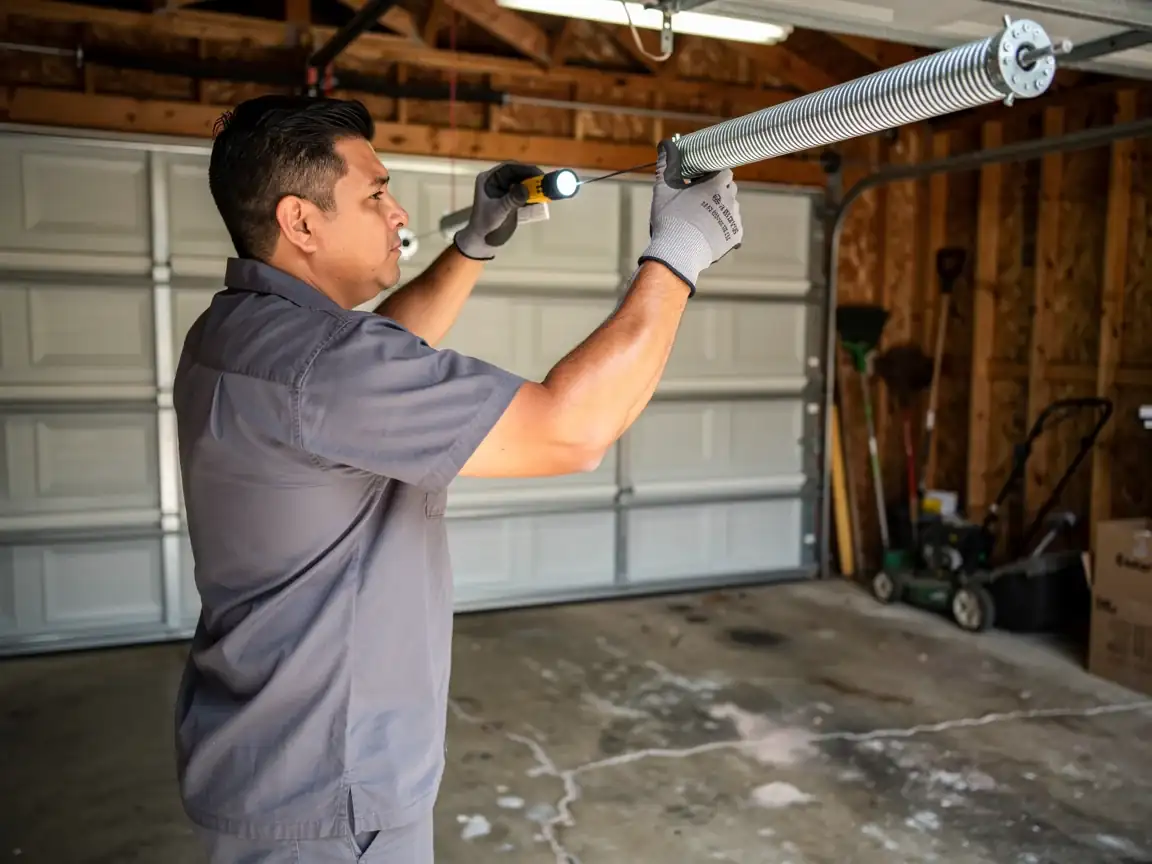
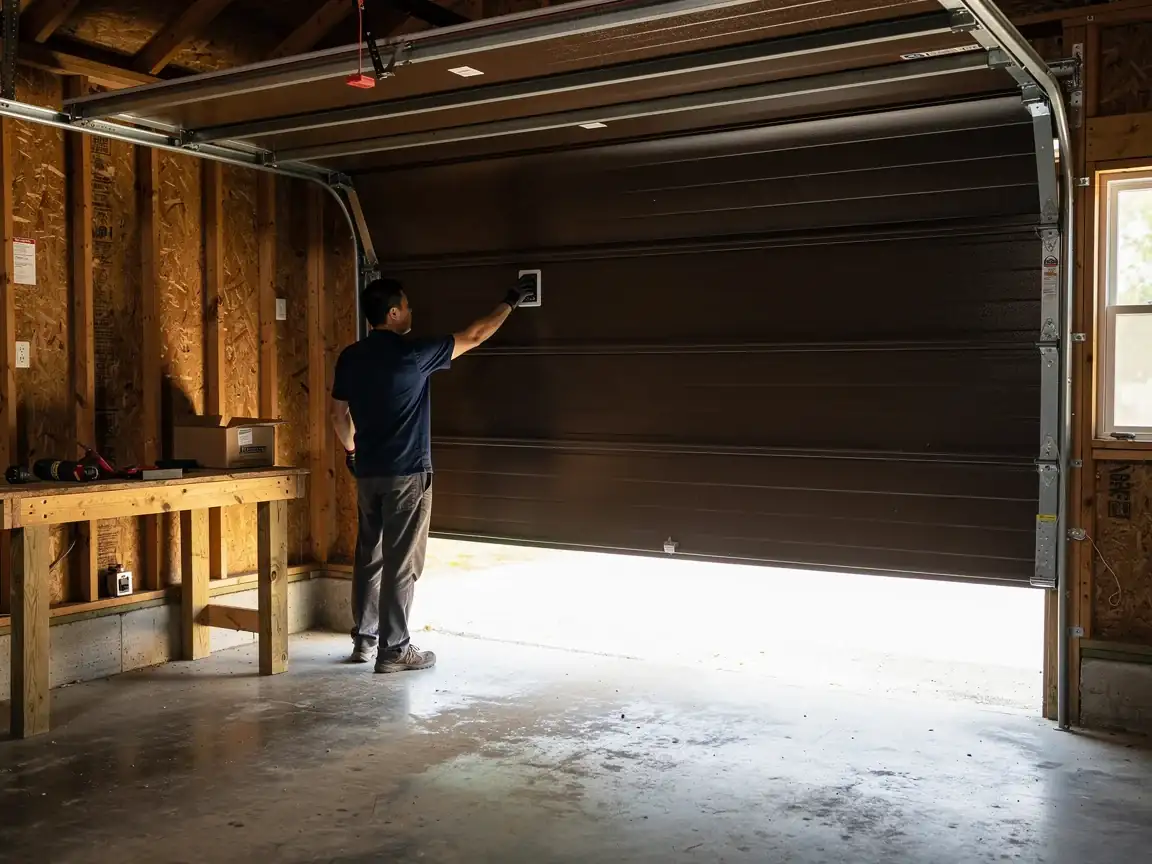
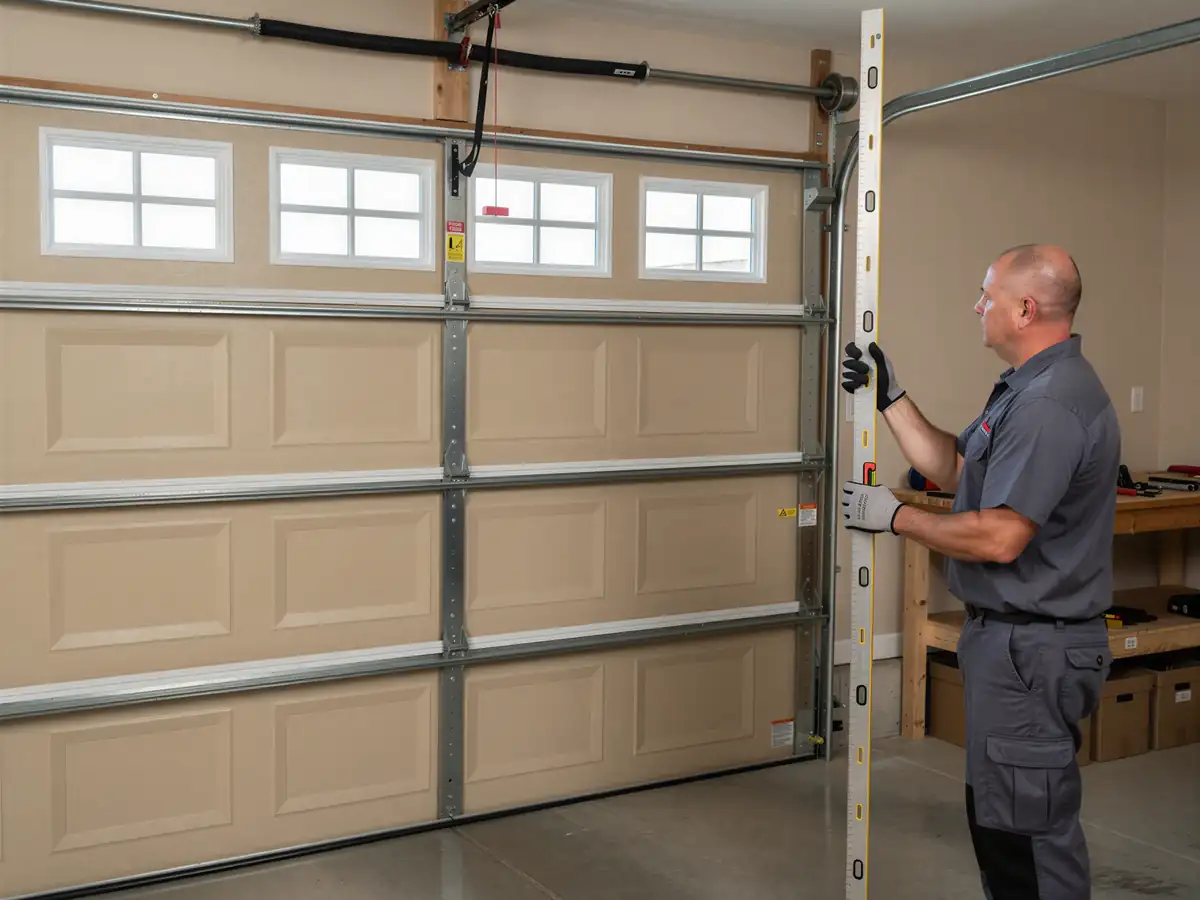
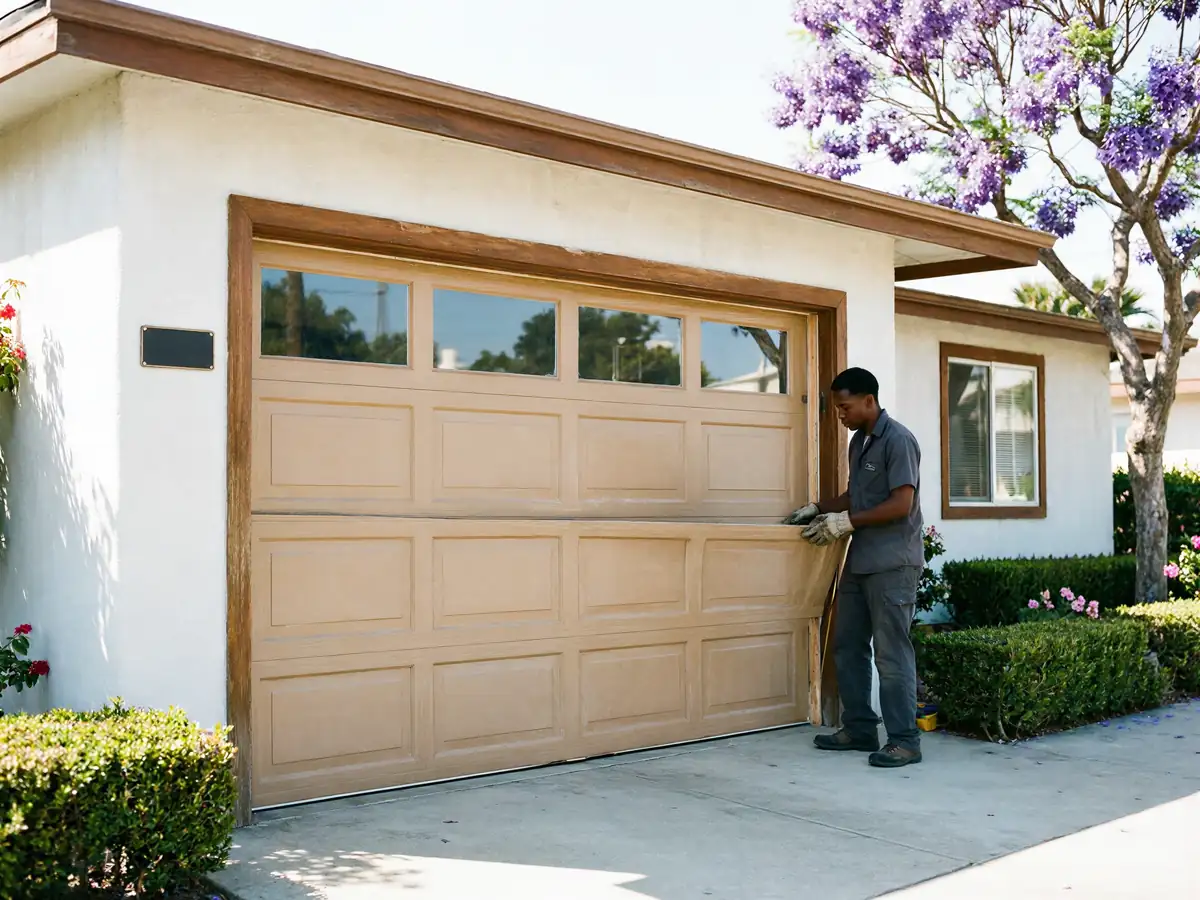
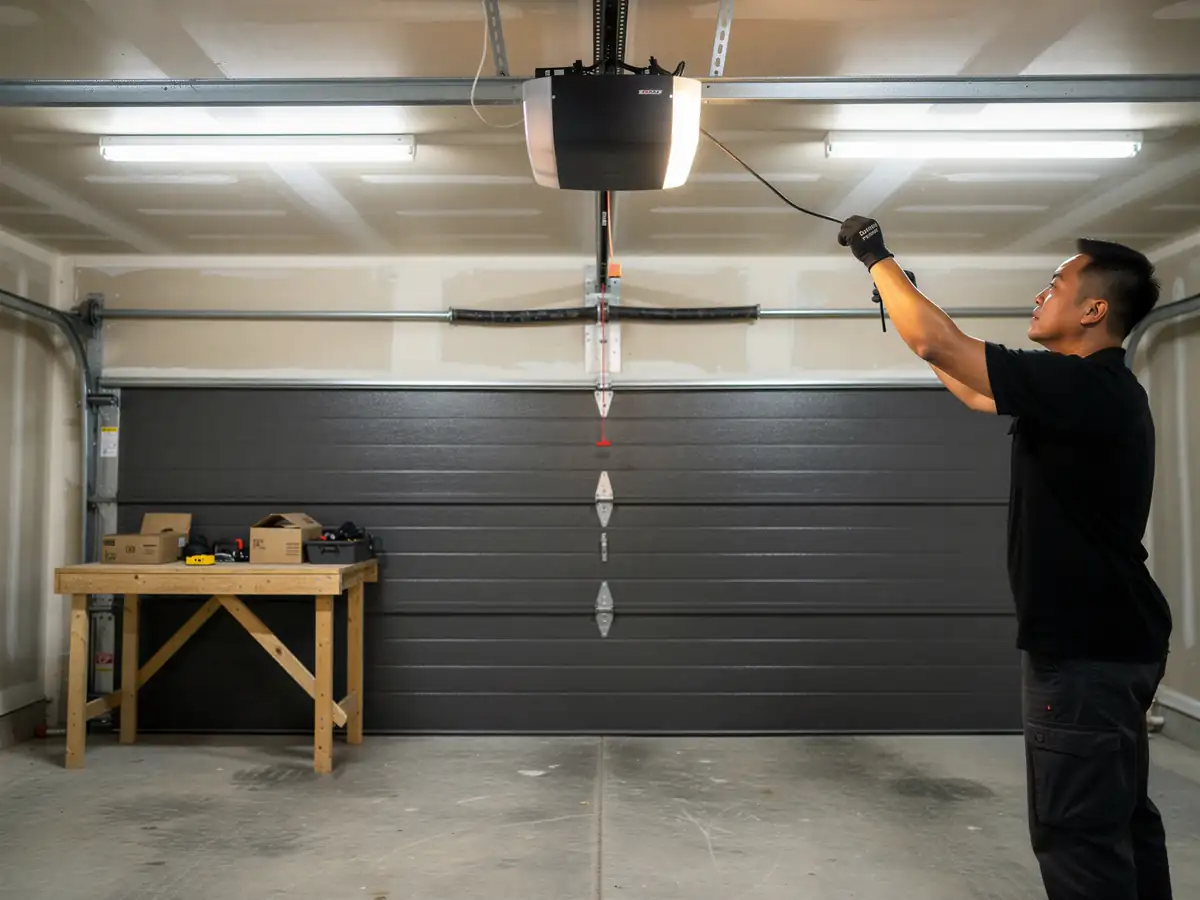
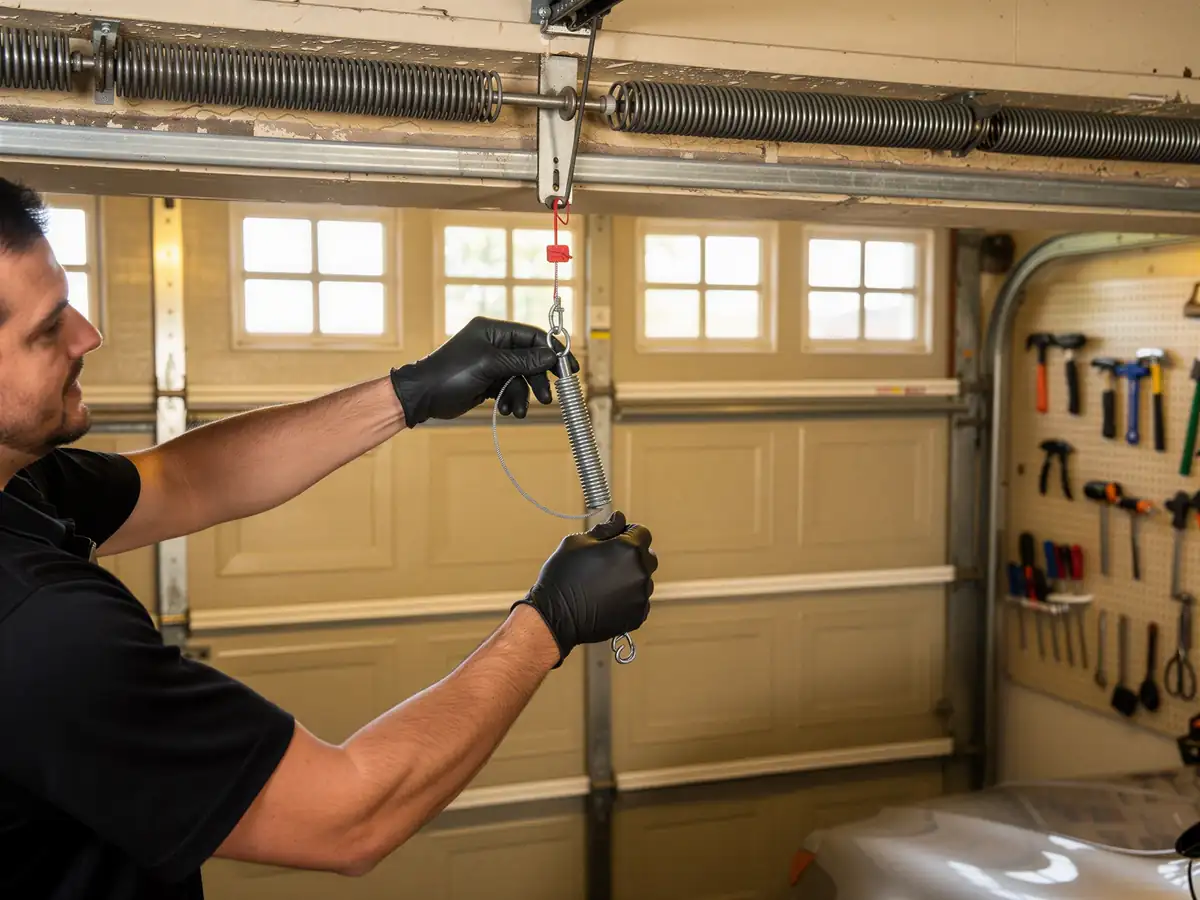
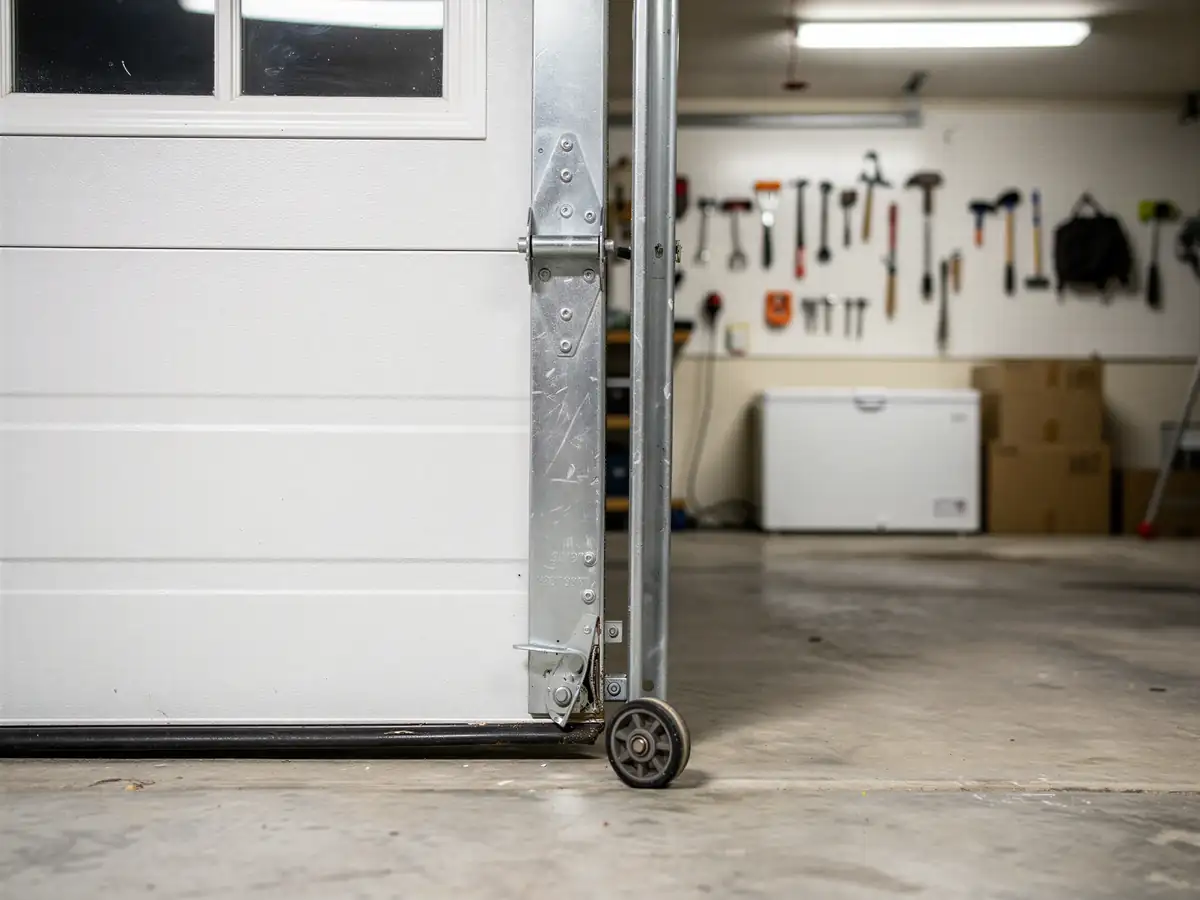
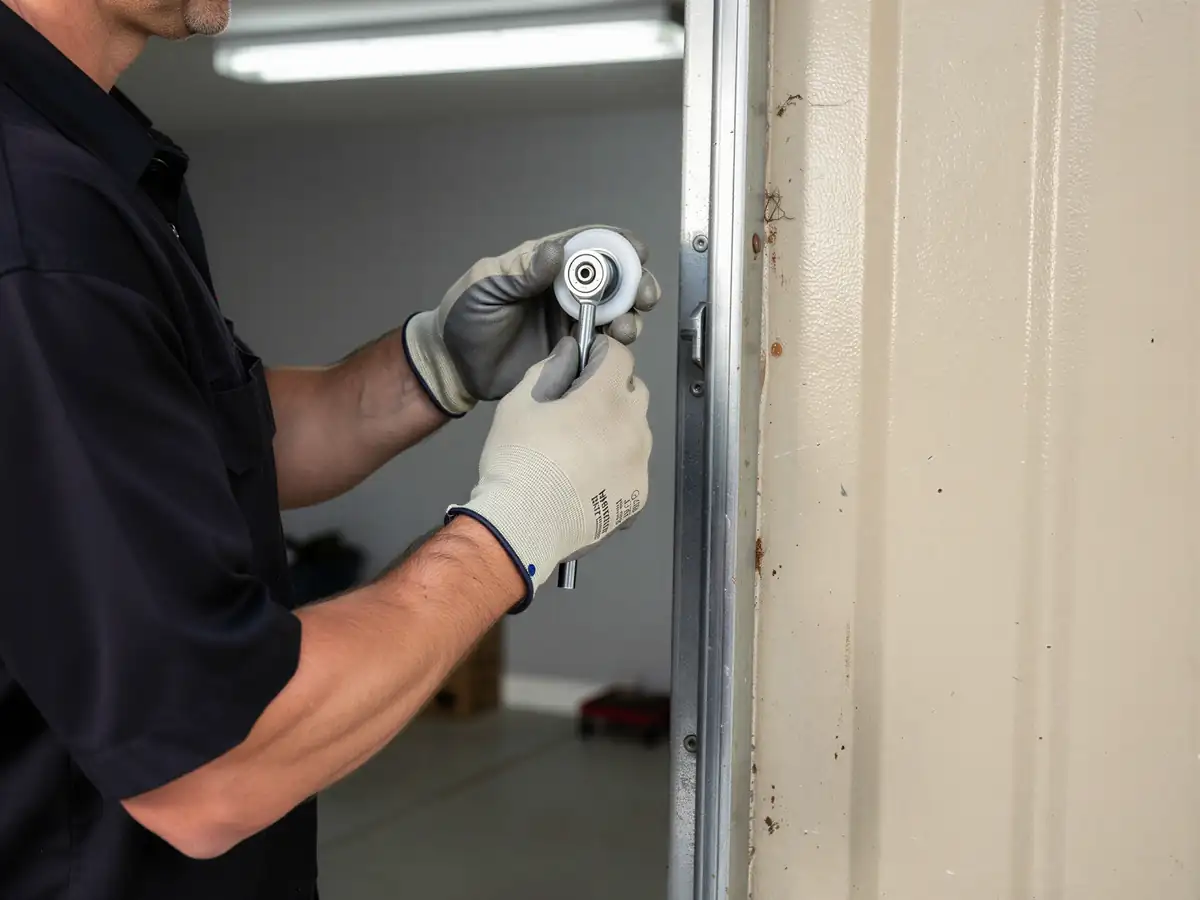
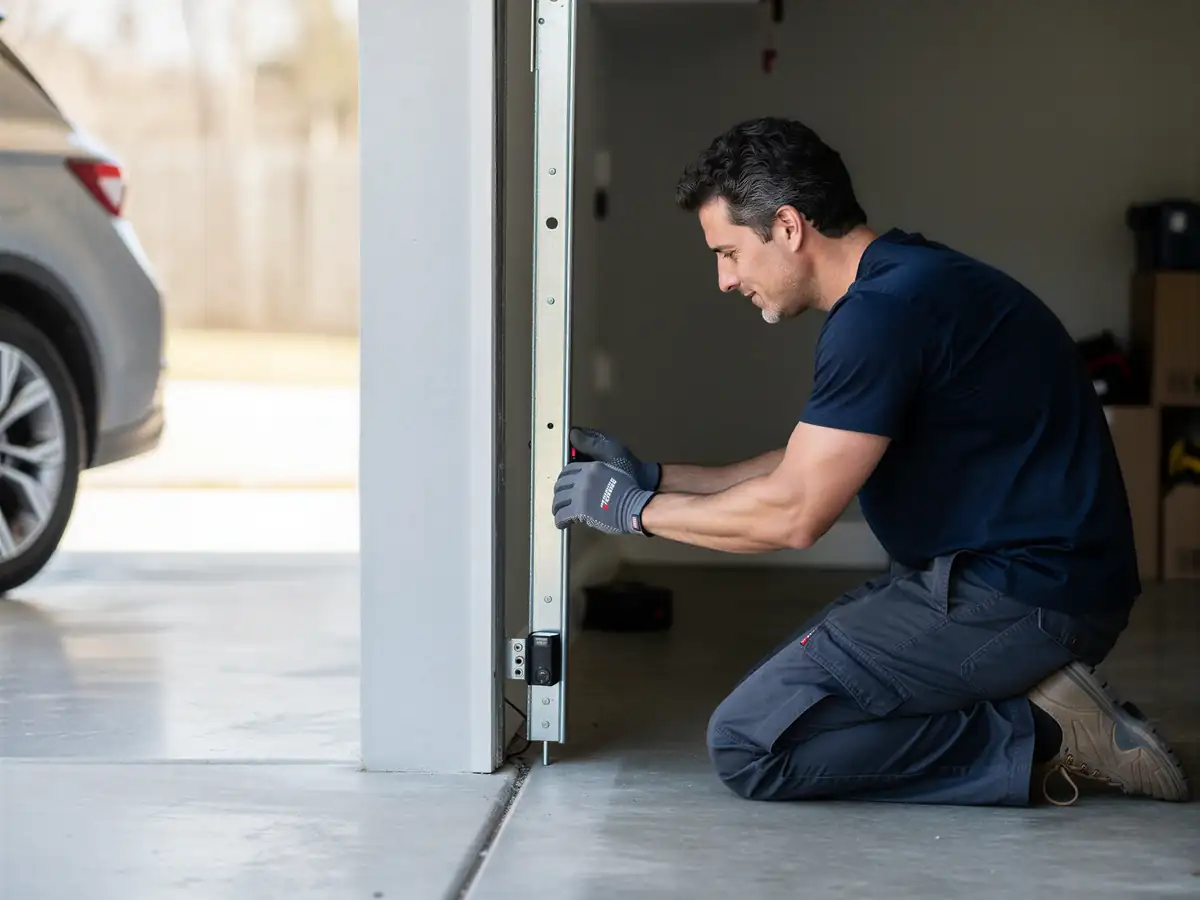
Start with the springs and the track, not the panels. On a door from the 1960s or 70s, the panels themselves are usually fine - that steel was built heavy. What fails first is the stuff that moves: torsion springs rated for a certain number of cycles, rollers that have never been replaced, and track that's worked slightly out of alignment over 50 years of the slab settling. If the springs are original, replacing them now before they snap is cheaper and safer than waiting for a cable to whip loose under tension. Check the bottom panel too, since that's the one exposed to ground moisture and whatever gets run into it over the years. If the frame around the door is square and the track is salvageable, you're usually looking at a repair job, not a full replacement. If the track is bent in more than one place or the jamb itself has shifted, that's a different conversation.
What Most People Get Wrong
The biggest mistake we see is treating every noise as a sign the whole unit needs to go. A loud door usually means dry hinges and rollers, not a dying door - that's a service call, not a $1,500 decision. The opposite mistake happens too: someone with a genuinely worn-out torsion system from a house built in the 1950s keeps replacing one part at a time instead of looking at the whole spring and drum setup together, which ends up costing more over two years than one proper fix would have. We'll say plainly that we don't push replacement on a door that still has good bones just because it's old - 44,752 households and 31,360 owner-occupied houses across this service area means we see this exact decision constantly, and most of the time an older door with solid panels and a sound frame is worth fixing. Where we draw the line is rust-through on the bottom panel or a jamb that's no longer square; past that point, repair money is wasted money.