What the Repair Takes
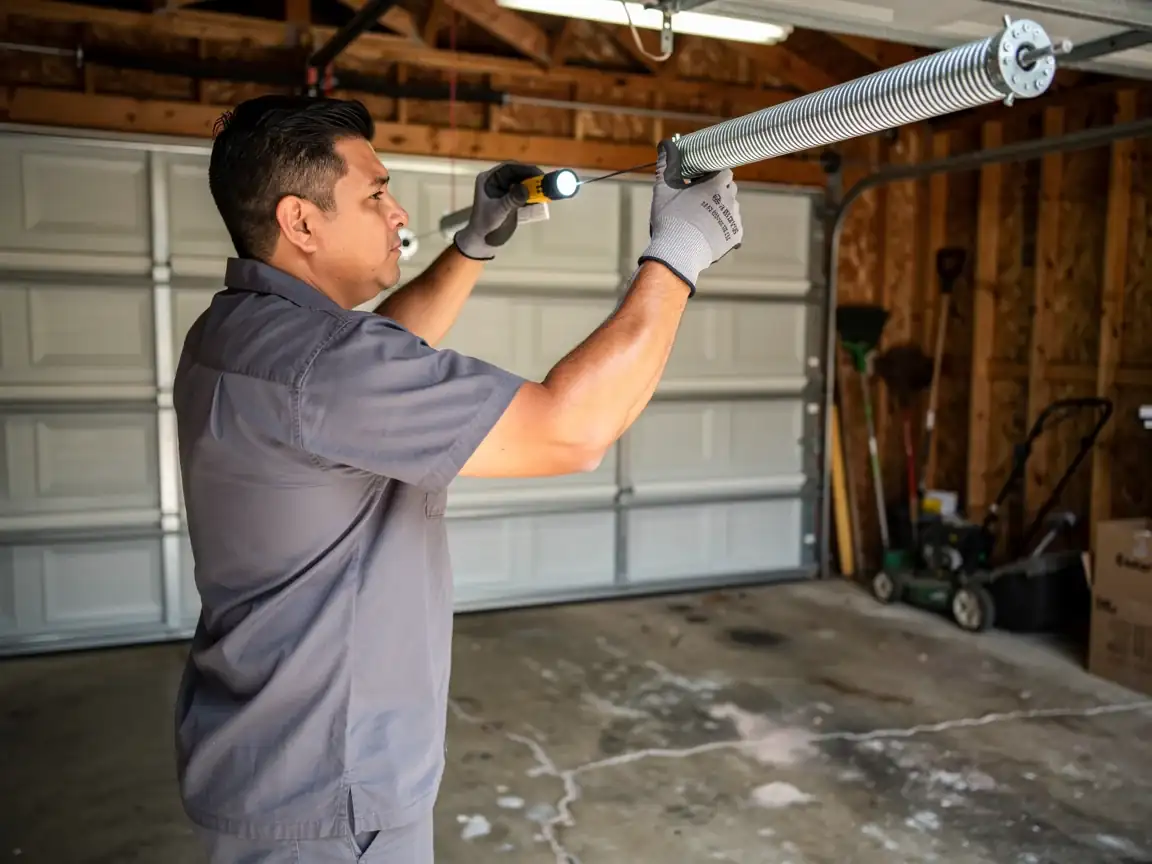
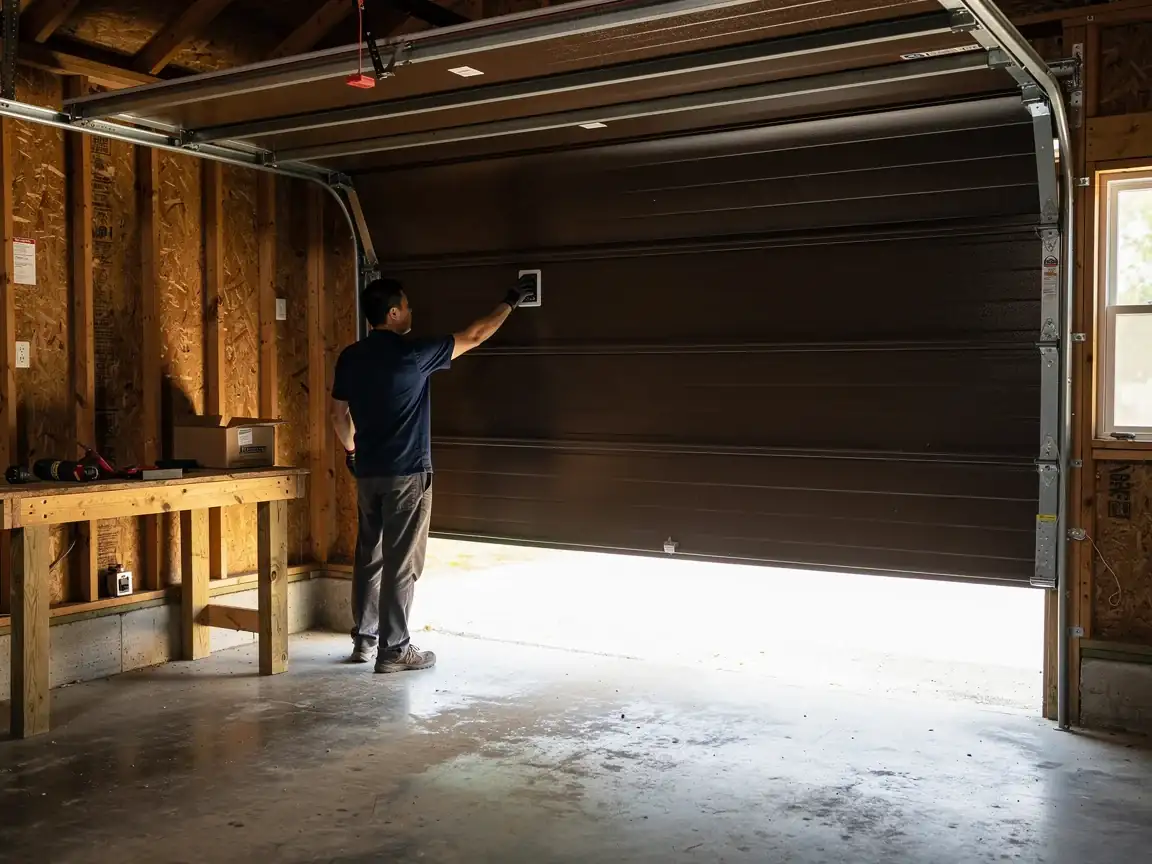
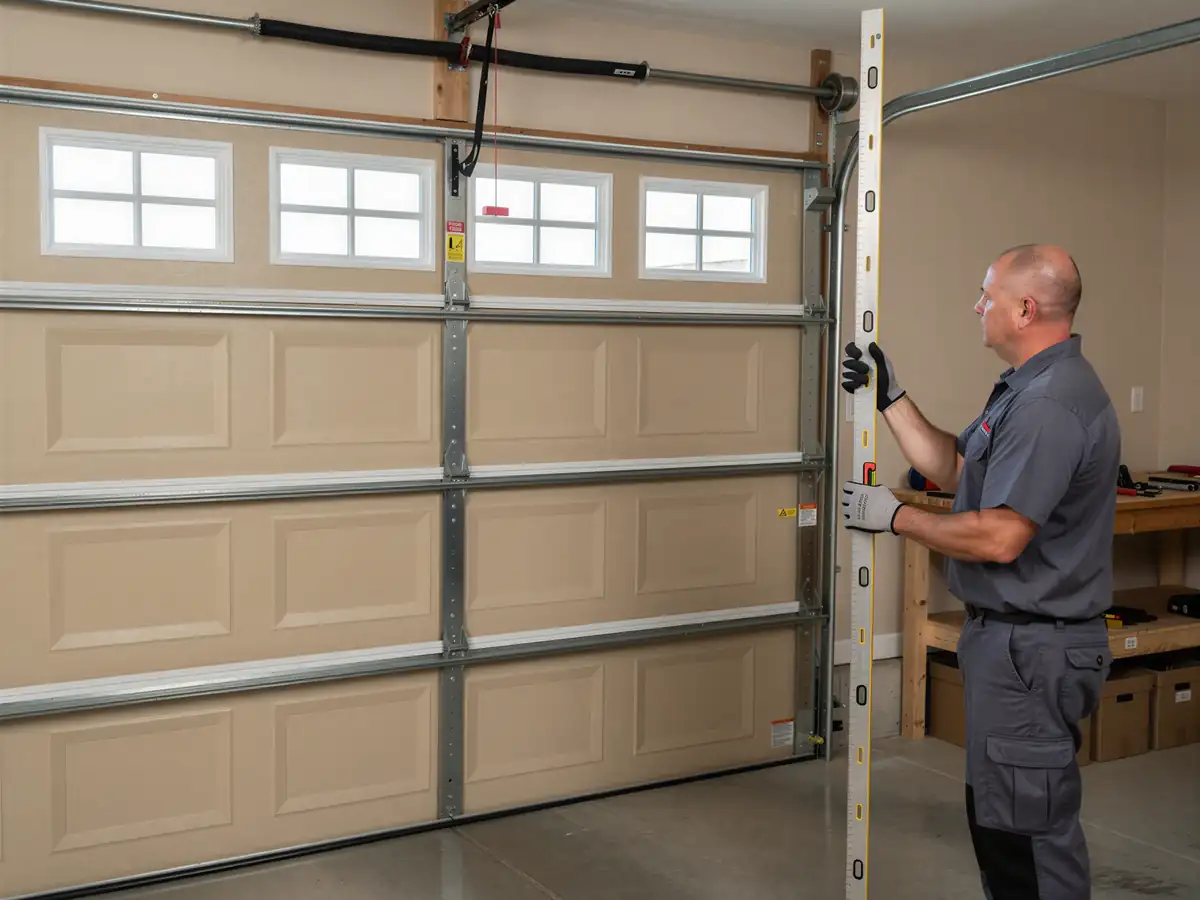
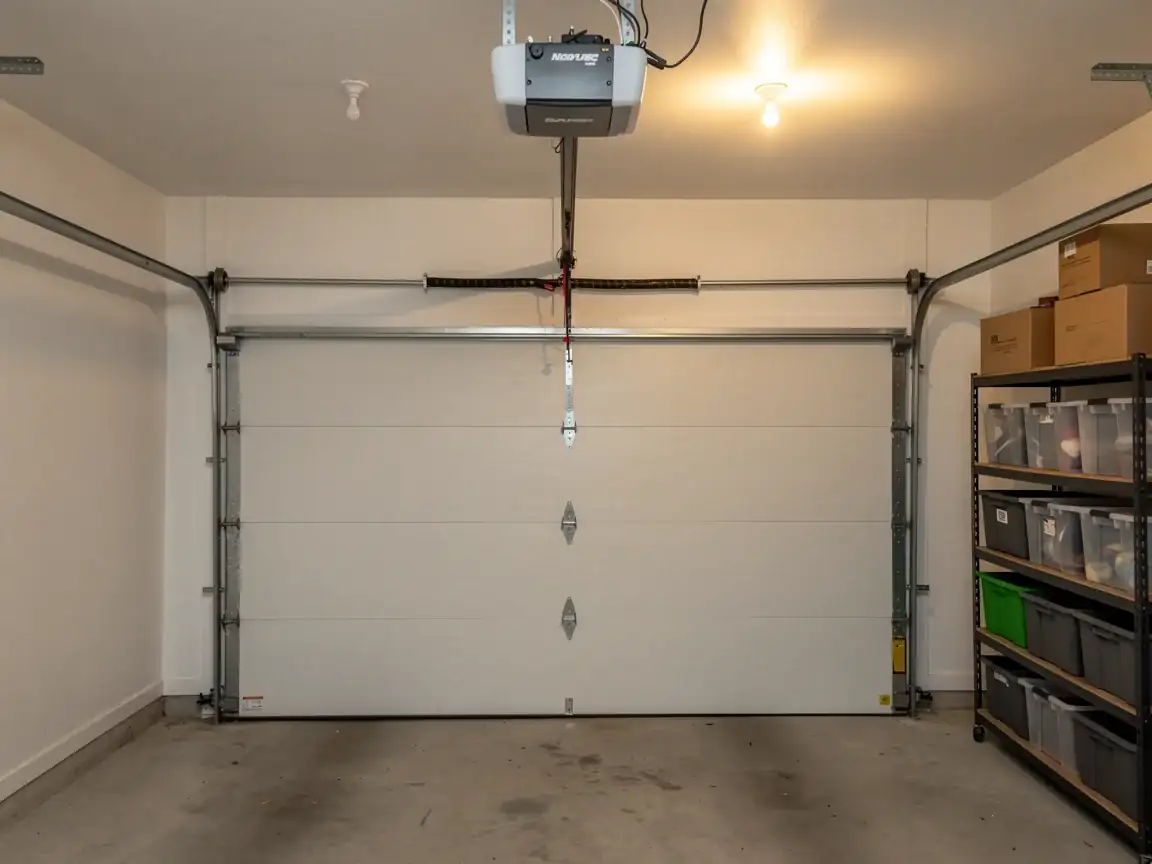
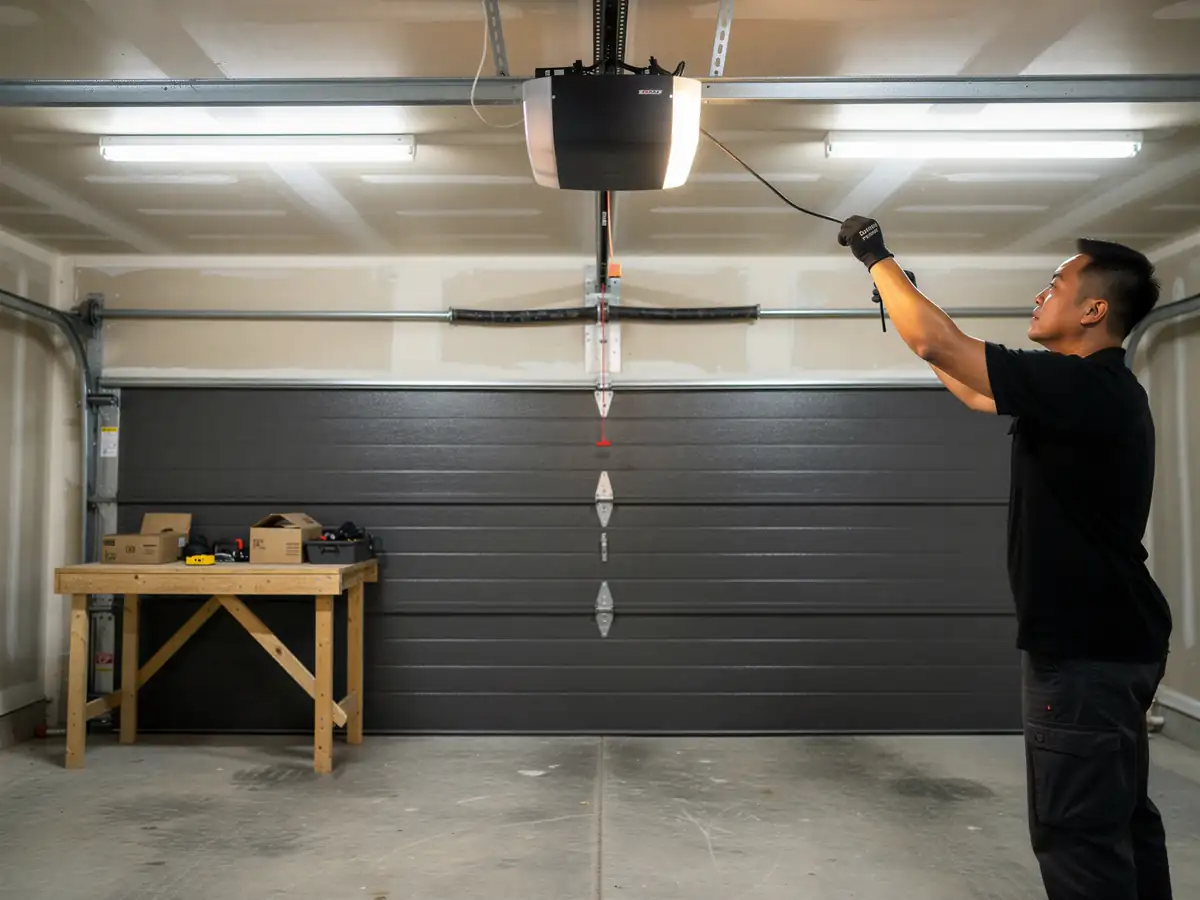
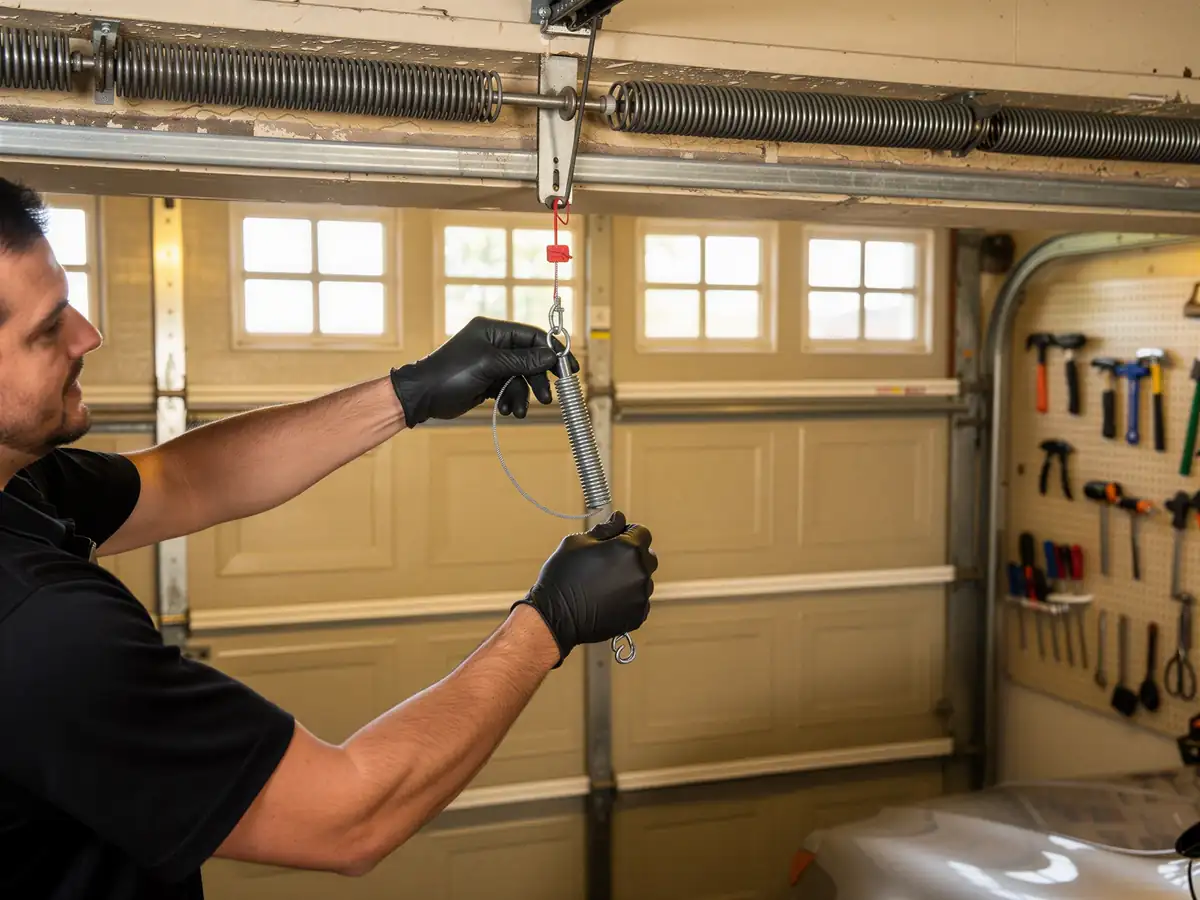
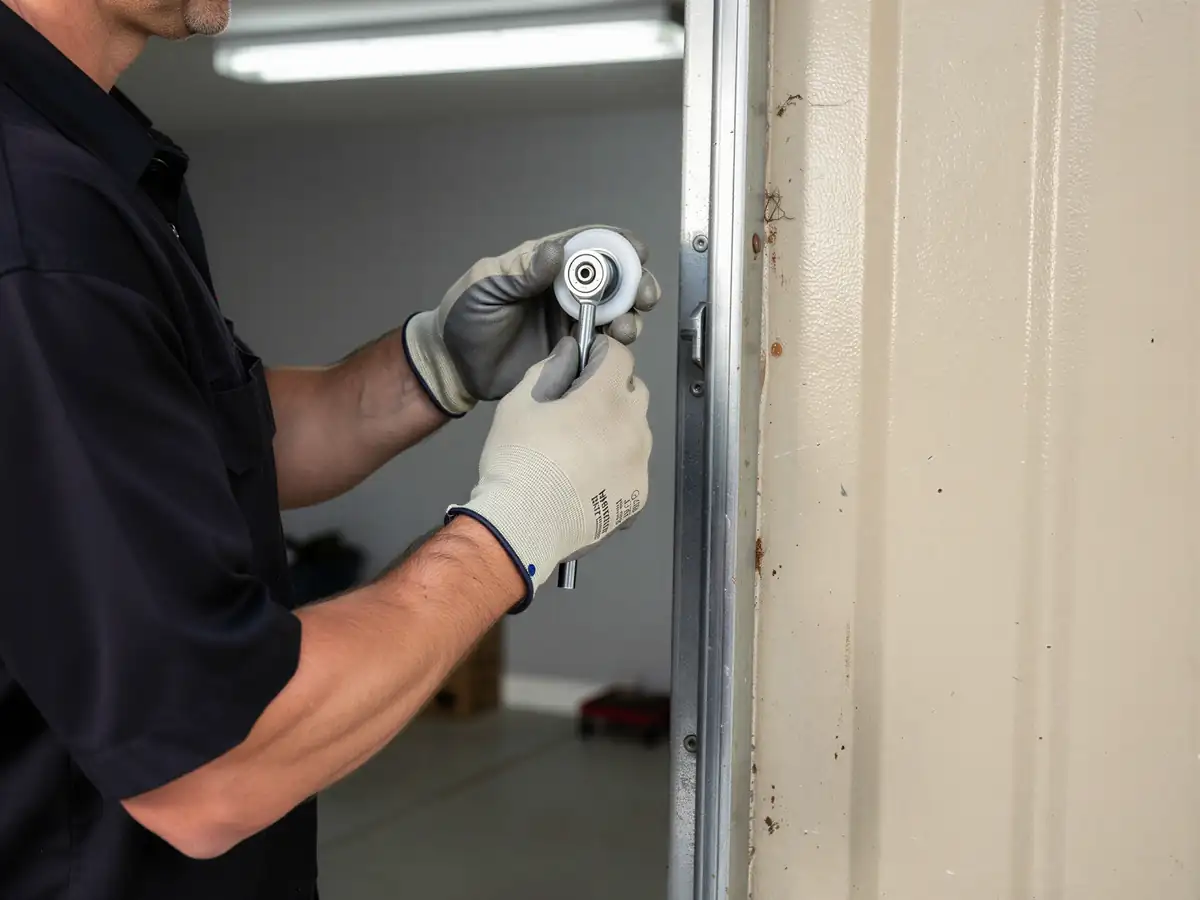
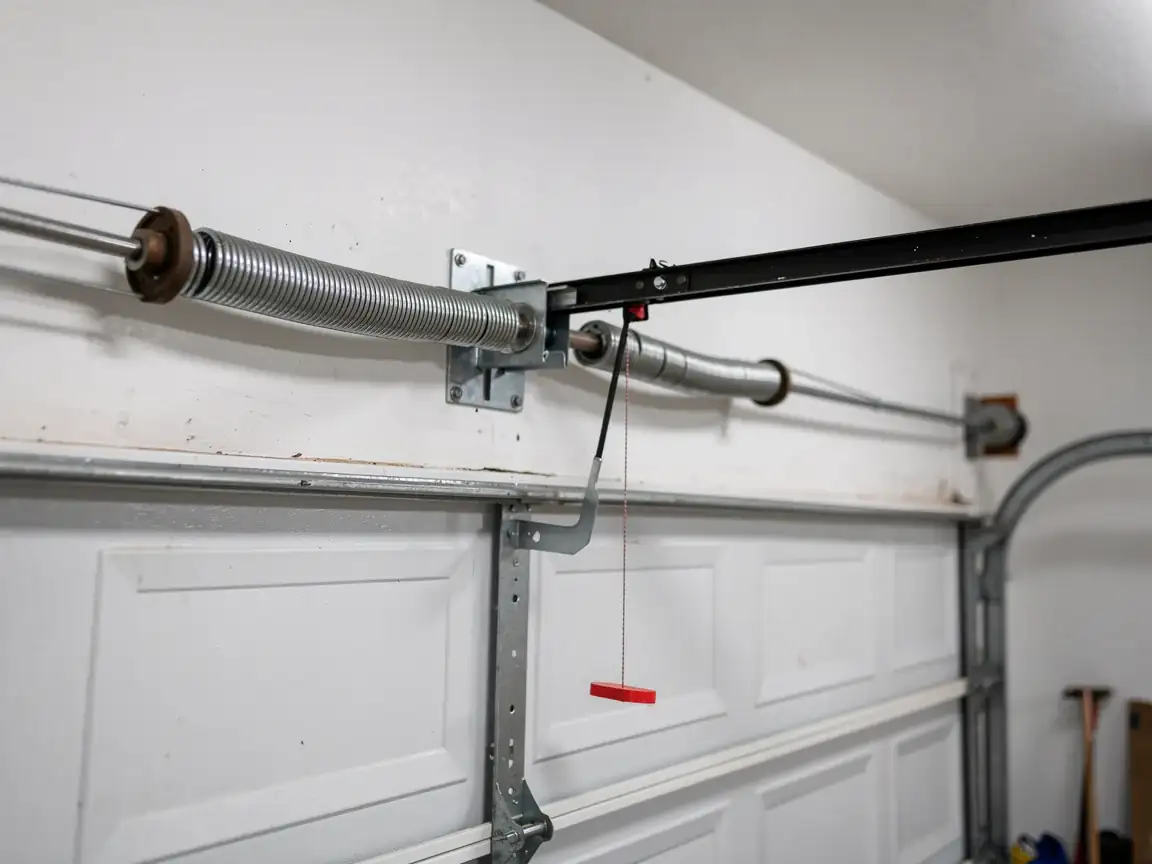
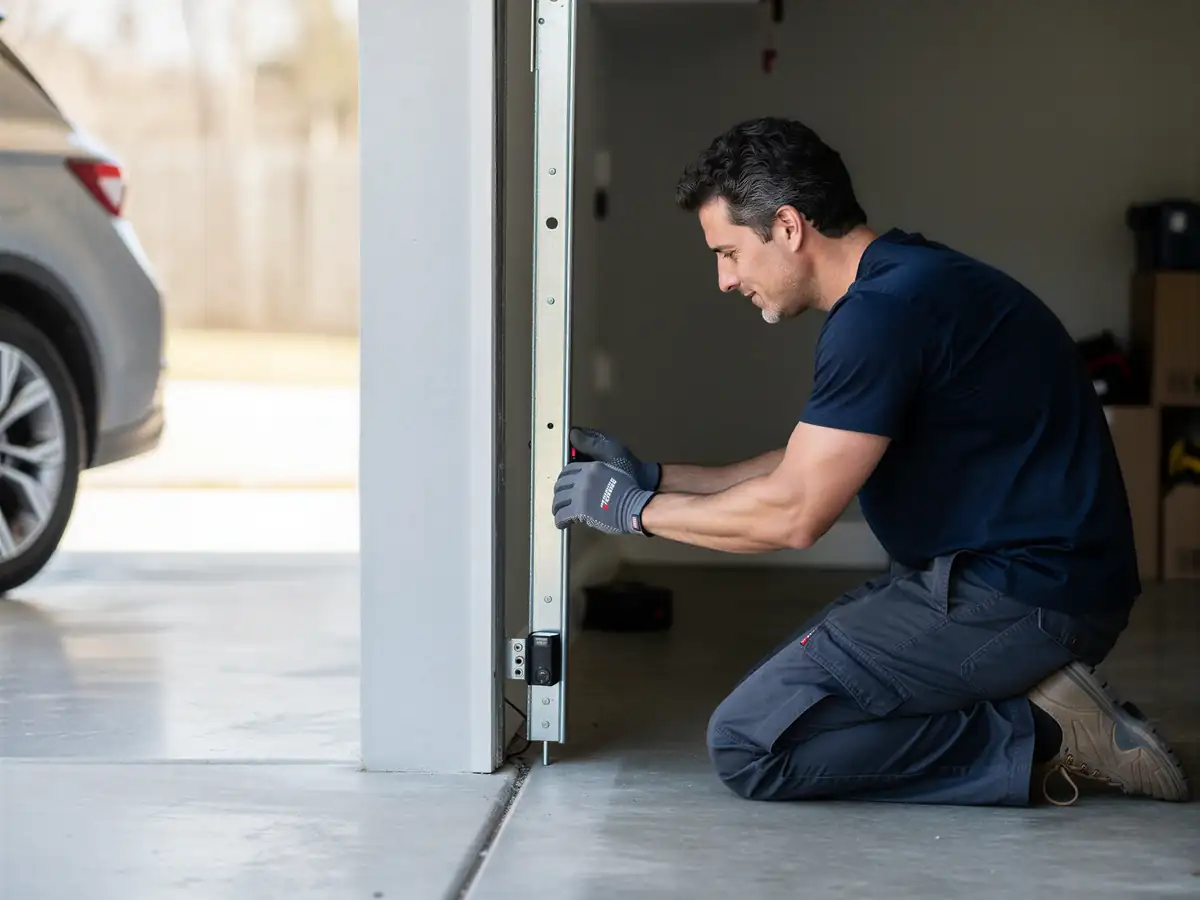
Maintenance on a Stockton garage door isn't a five-minute once-over. Most of the housing stock in this service area went up between 1938 and 2010, with a median build year of 1977, and that matters because a door's hardware ages on a schedule tied to the house, not the calendar. A full visit means pulling the cover off the spring assembly, checking cable fray at the drum, testing the auto-reverse, lubricating hinges and rollers, and checking track alignment against the jamb - because a house settling since the 1970s shifts that alignment more than people expect. We also check opener wiring and limit switches, since a lot of openers in this area were added or swapped after the original door went in, and the bracket mounts don't always match factory spec anymore. None of this is guesswork; it's the same sequence whether the door is a single in a 1960s tract house or a double on a newer build near the edge of the service area. One honest limit: if a torsion spring is already showing rust pitting or flat spots on the coils, we're not going to lubricate it and call it maintained - that's a replacement call, not a tune-up, and we'll tell you so on site.
Why It Happens Here
Stockton sits in a moderate heat climate band, and that's the driver behind most of what we see on maintenance calls. Garage doors here go through repeated expansion and contraction on steel tracks and panels, which loosens track bolts and dries out lubricant on rollers and hinges faster than in a milder climate. Add in a housing stock with a median build year of 1977 - meaning a large share of doors and openers are original or close to it - and you get hardware that's been through decades of that heat cycling without the metallurgy or coatings that newer doors use. Houses across this service area's 20-plus named neighborhoods, from August close in to Lockeford and Byron farther out, share this same build-era profile even though the lots and lot sizes differ. That's why maintenance here isn't cosmetic - it's catching the fatigue that heat cycling causes before a cable snaps or a spring lets go under tension.
How It Shows Up
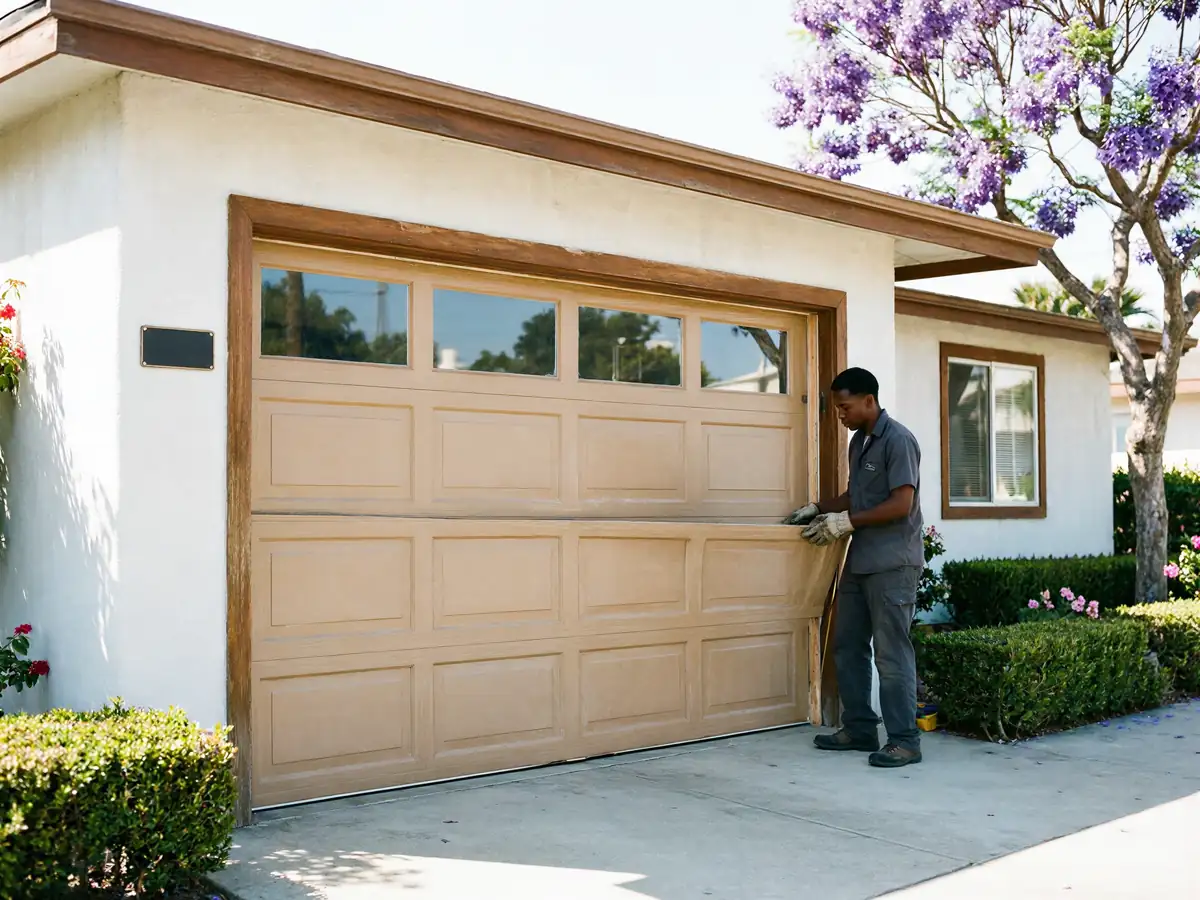
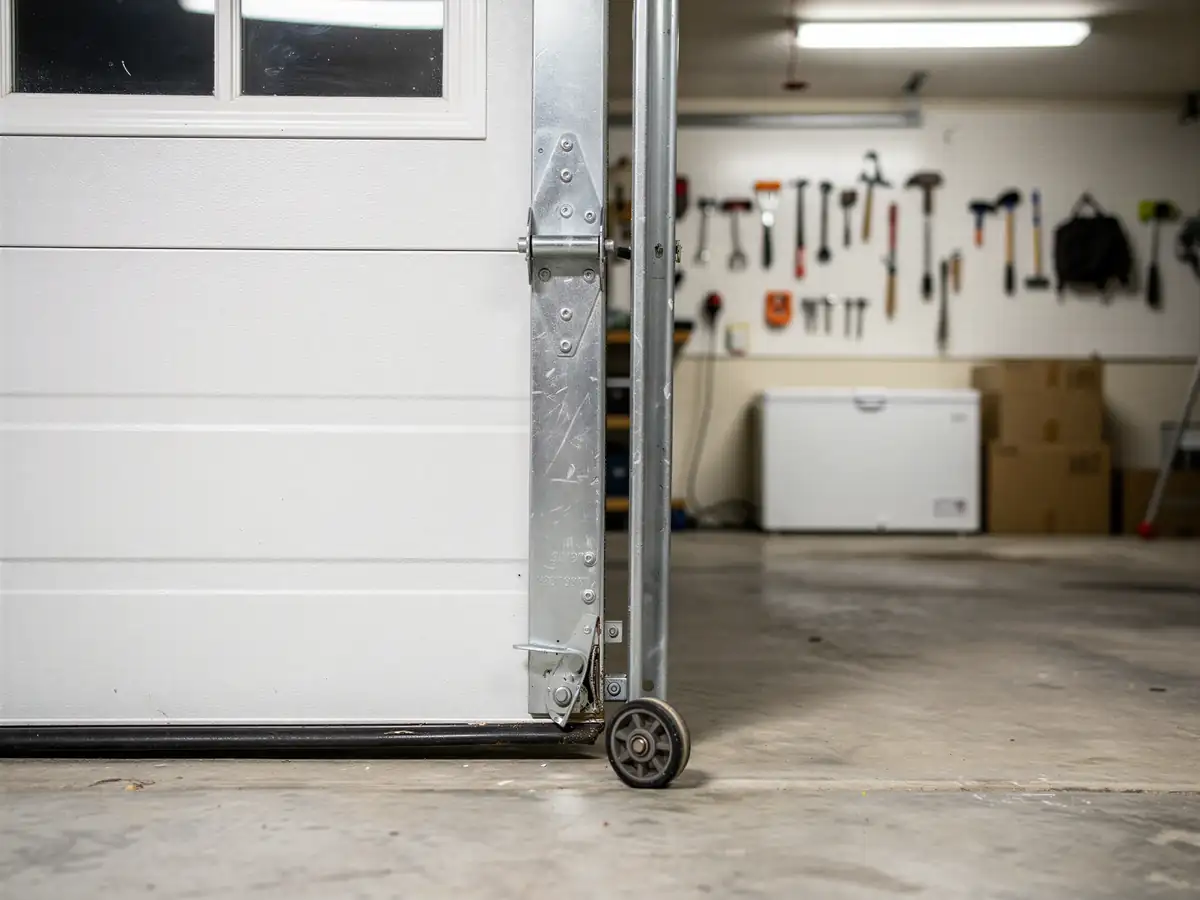
The first sign is usually noise - a grinding or popping on open that wasn't there a year ago, which on a 1960s or 70s track usually means dried rollers or a bolt that's worked loose from repeated heat expansion. Next most common is a door that starts to sag or bind on one side, which on original hardware often traces back to a stretched cable or a track that's drifted out of plumb as the house has settled. We also see openers struggling to lift a door that's gotten heavier to move because spring tension has dropped off gradually - not a dramatic failure, just a slow loss that owners notice as 'the door feels different' before it feels broken. None of these are emergencies on their own, but ignored for another season, especially after another summer heat cycle, they tend to turn into the kind of call where the door won't open at all.