What the Repair Takes
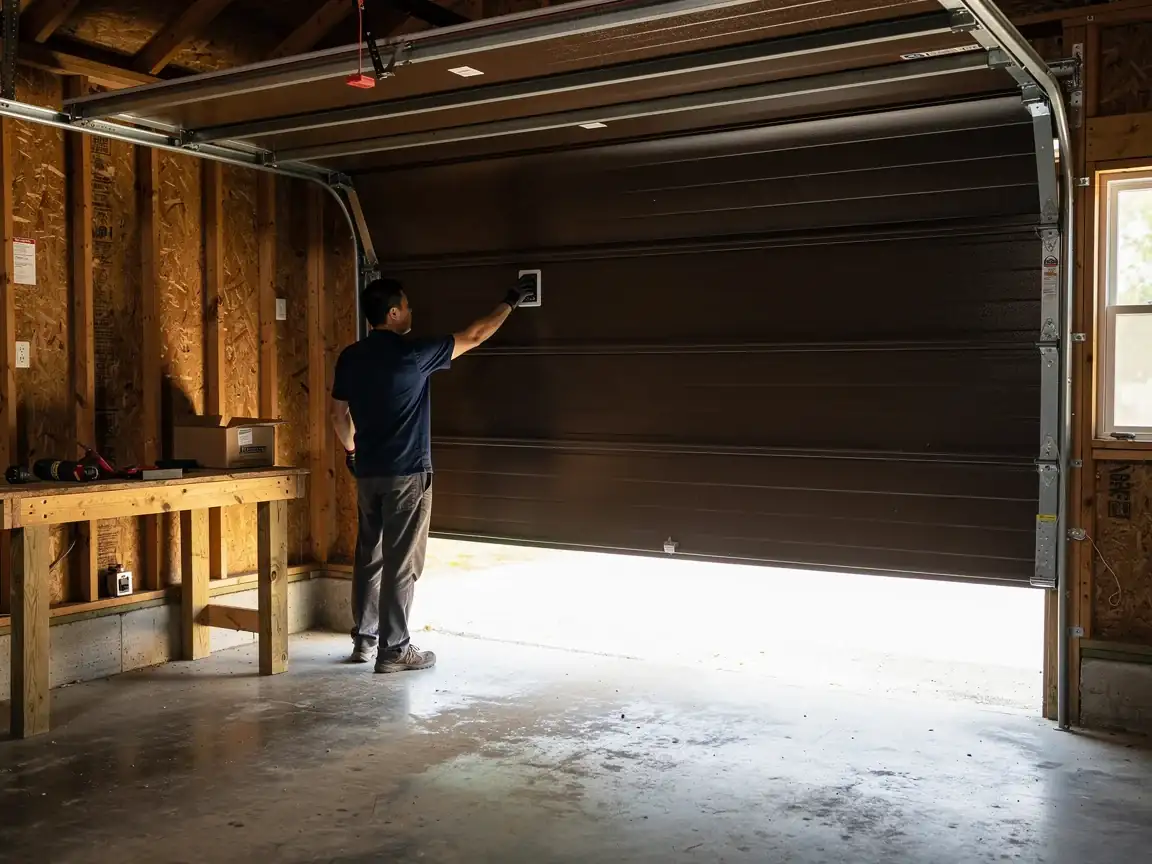
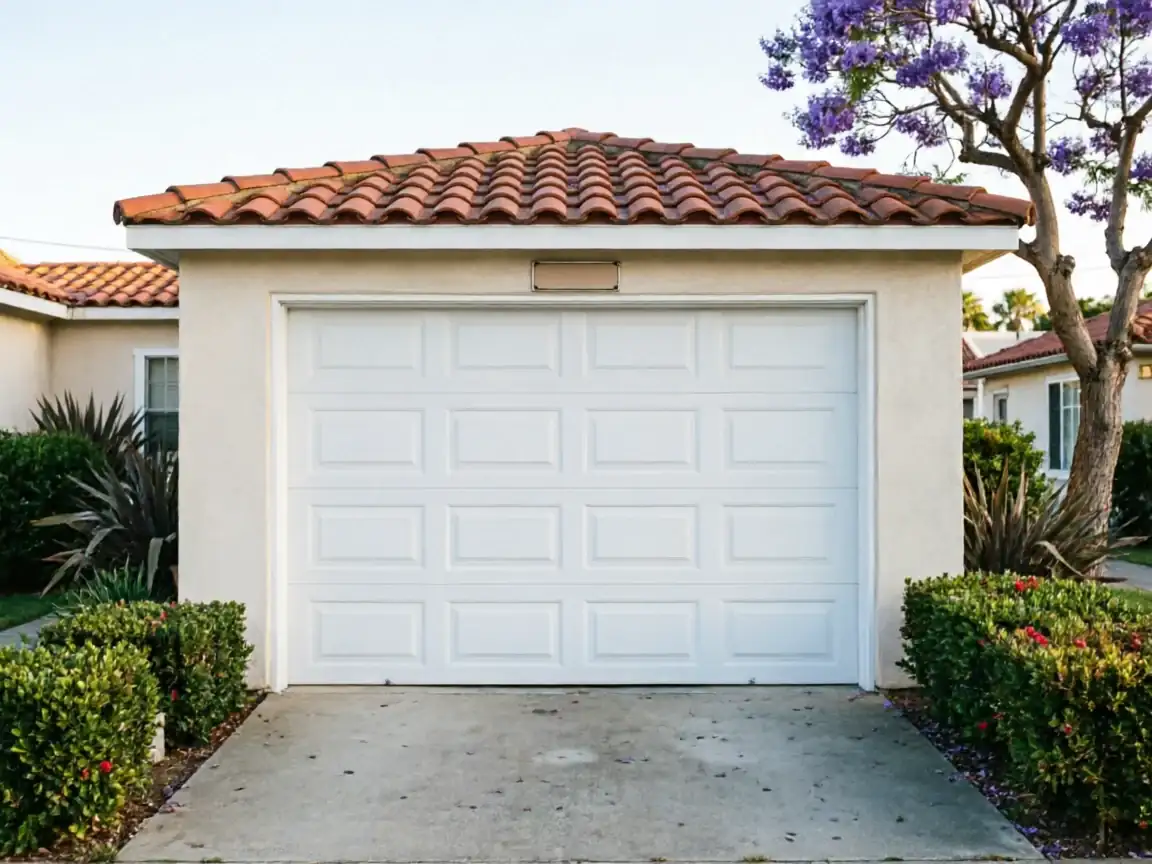
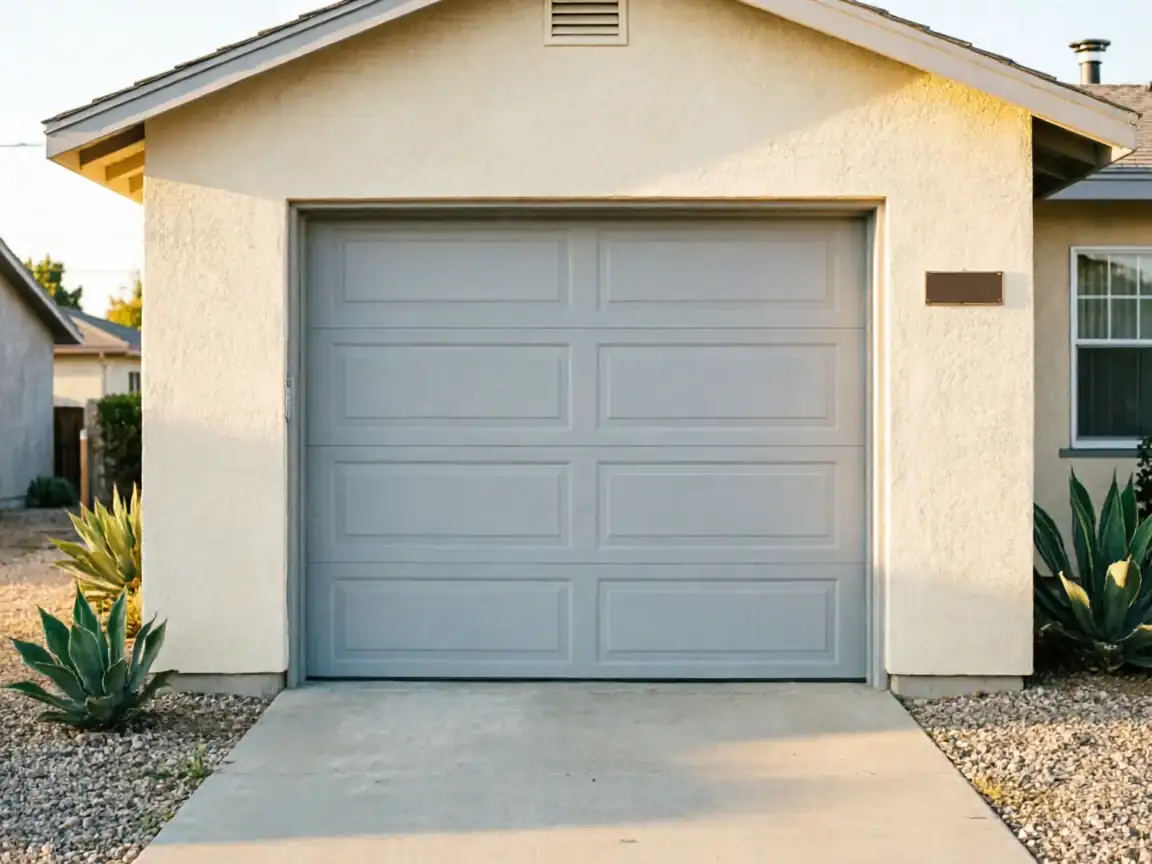
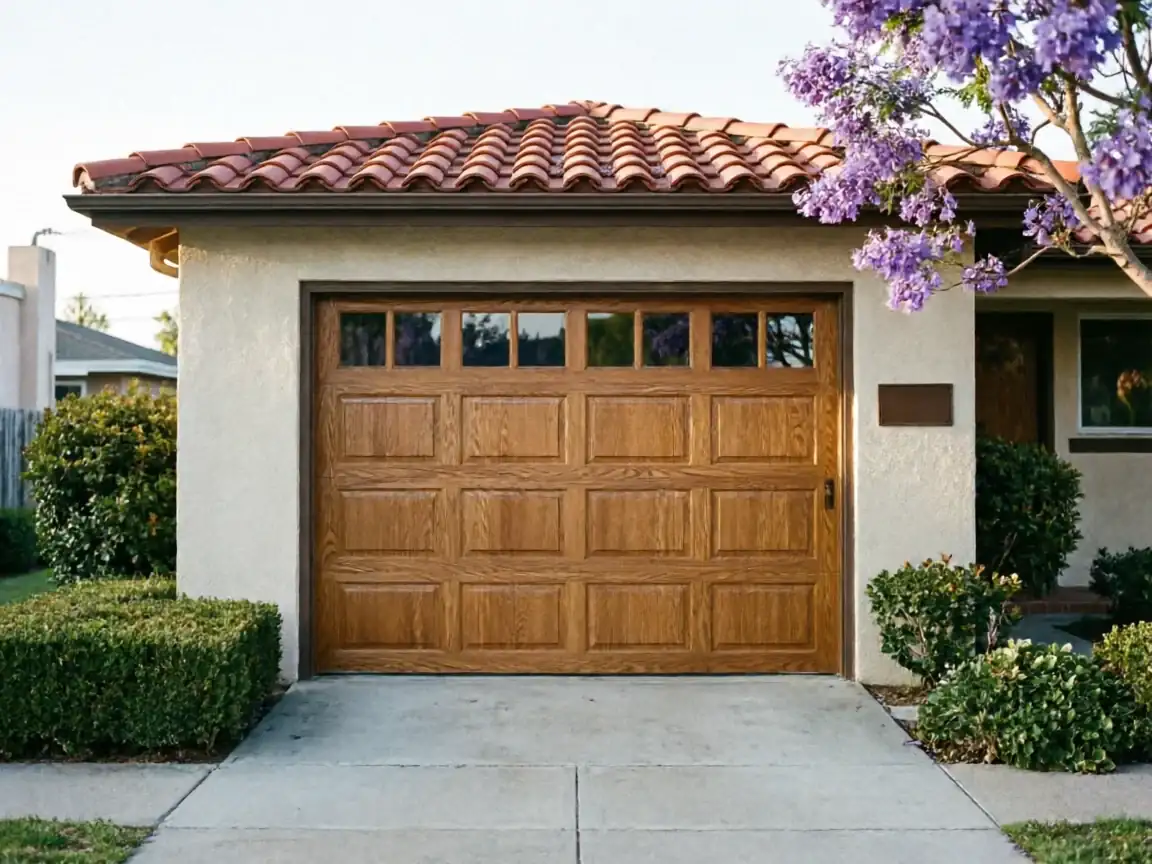
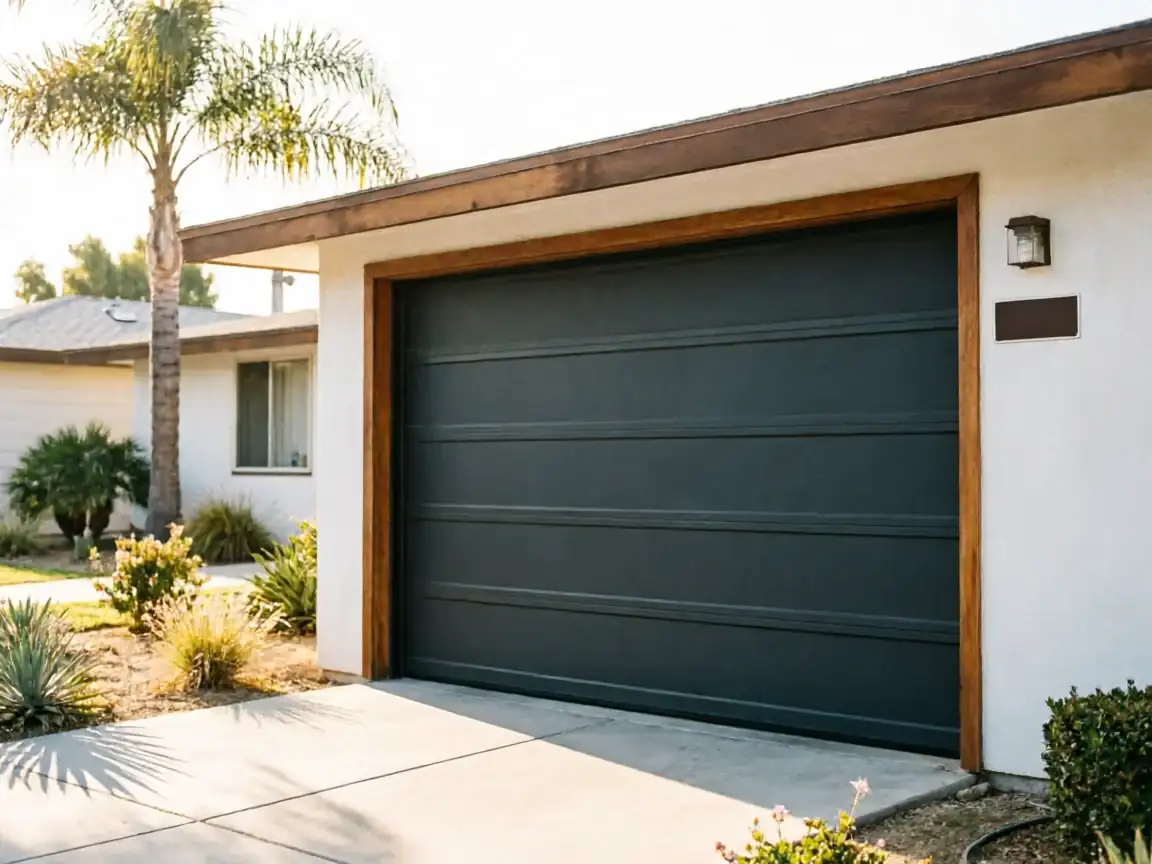
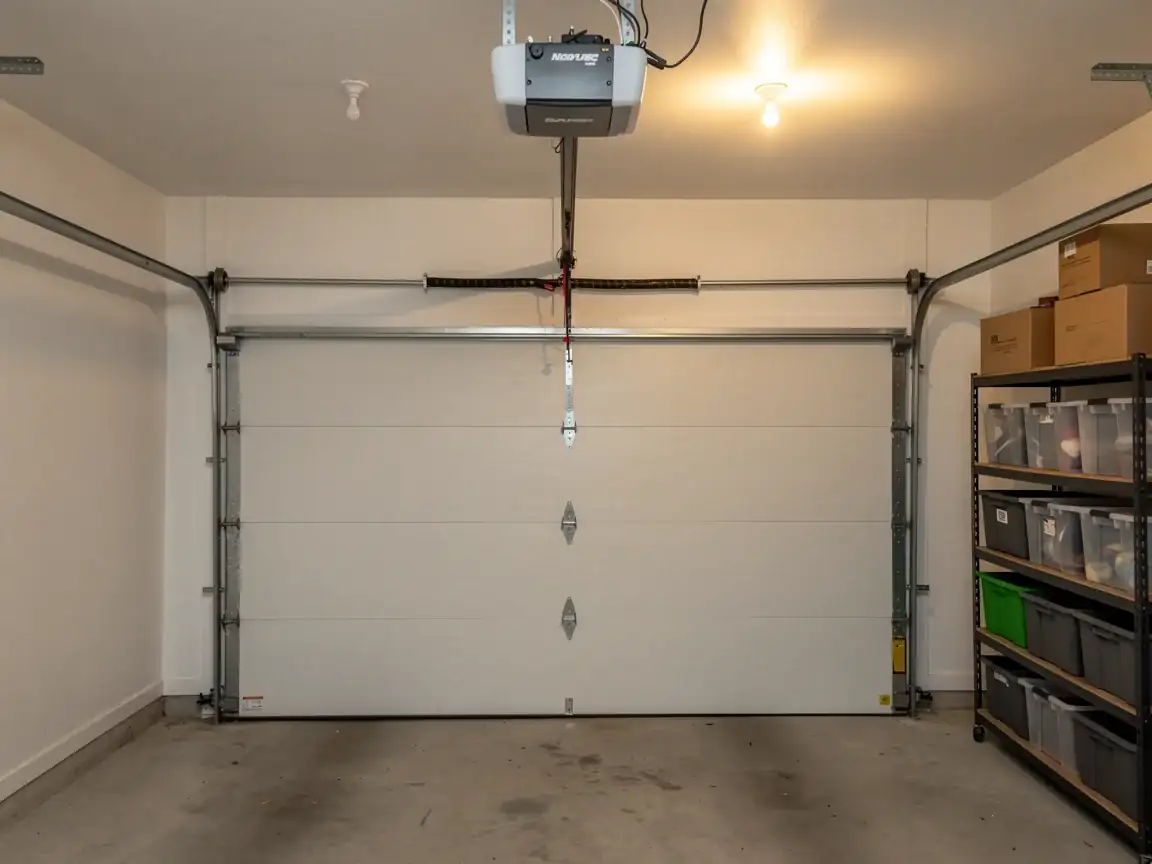
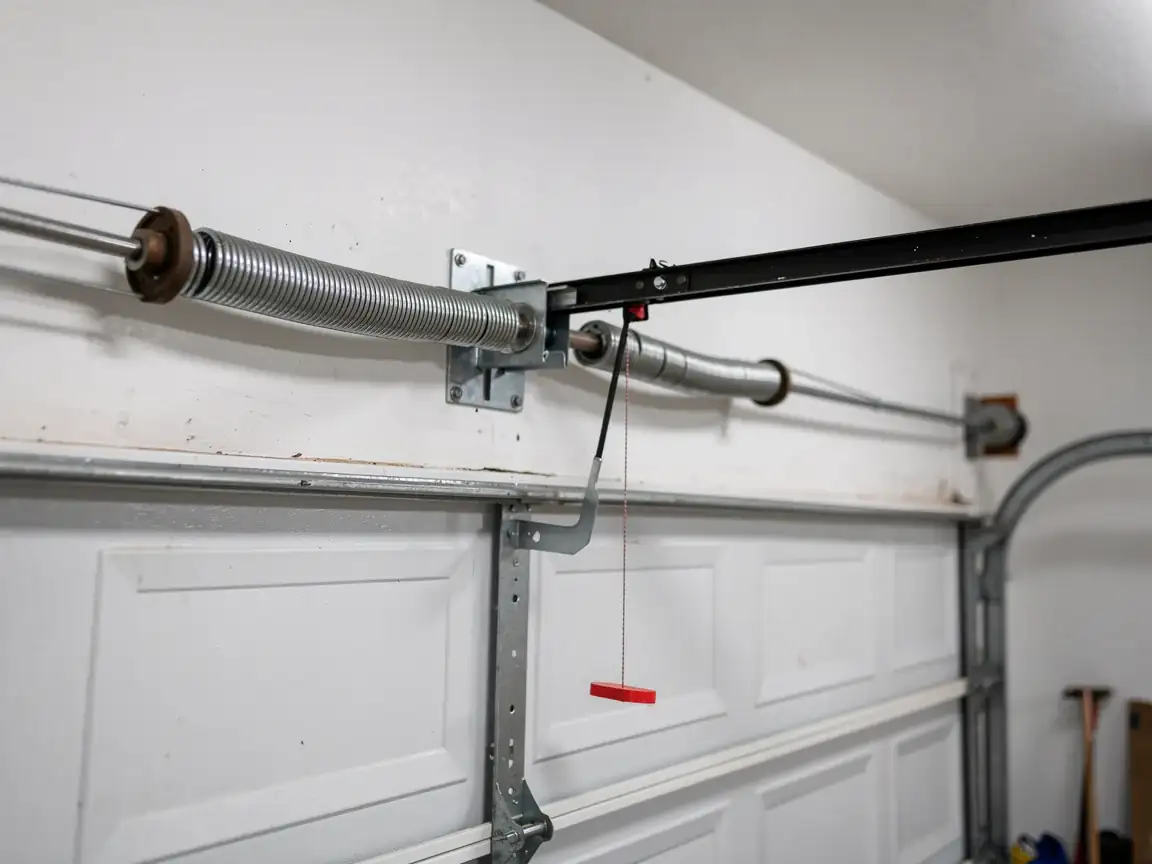
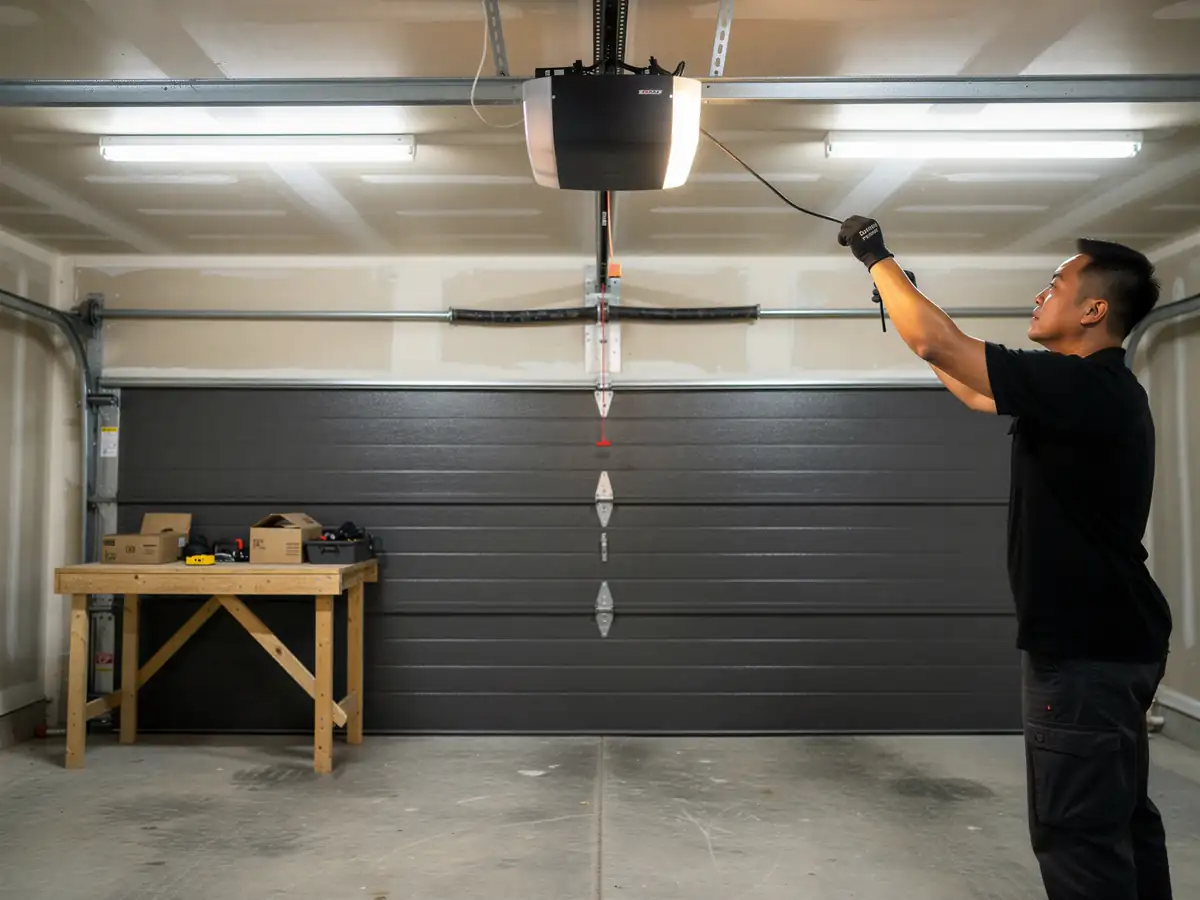
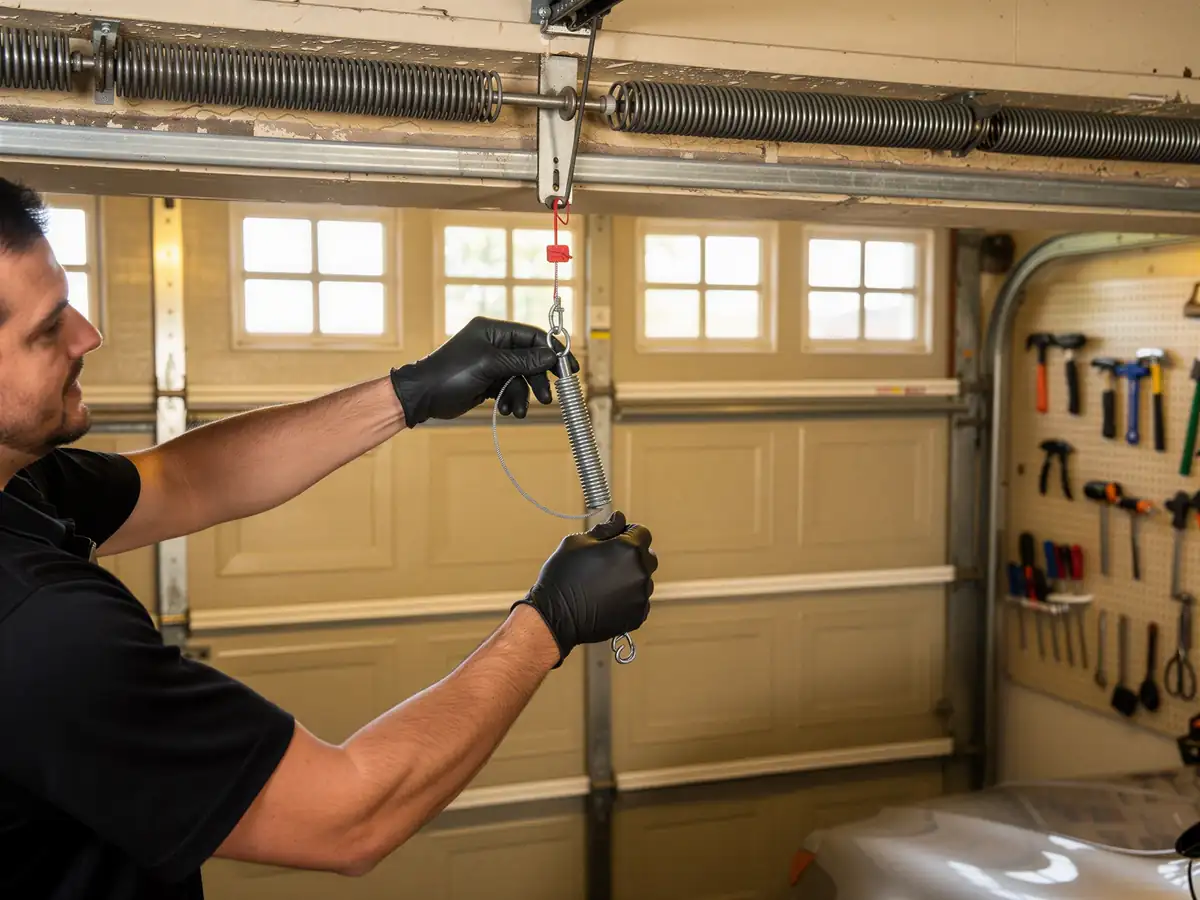
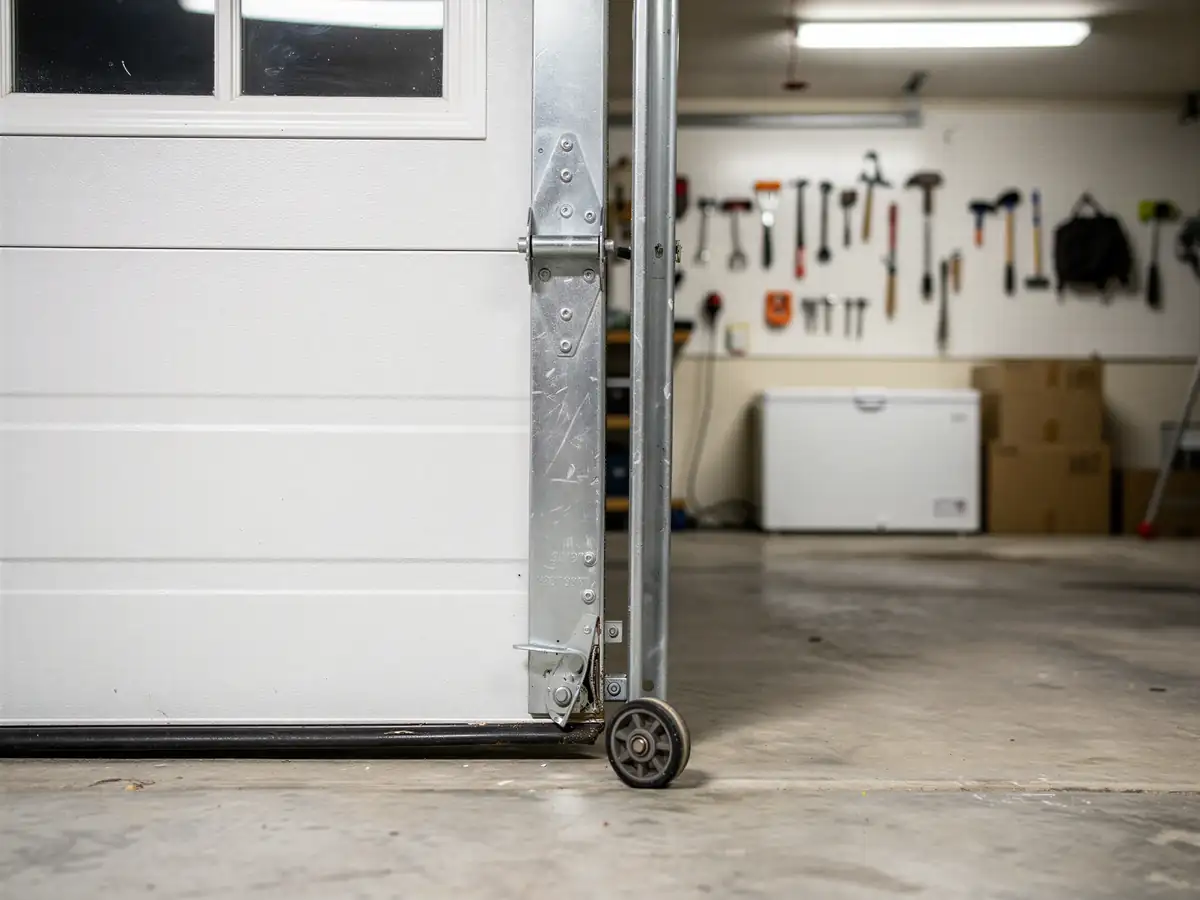
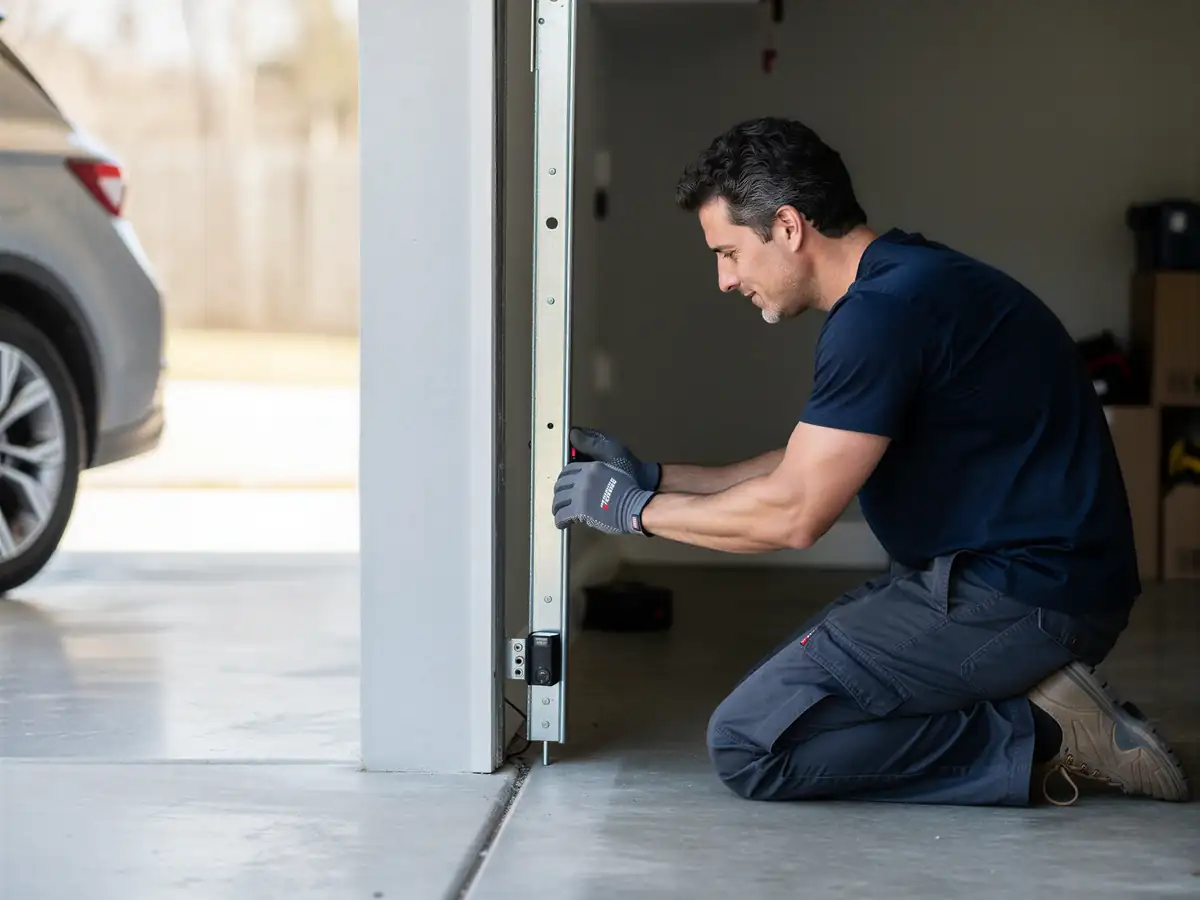
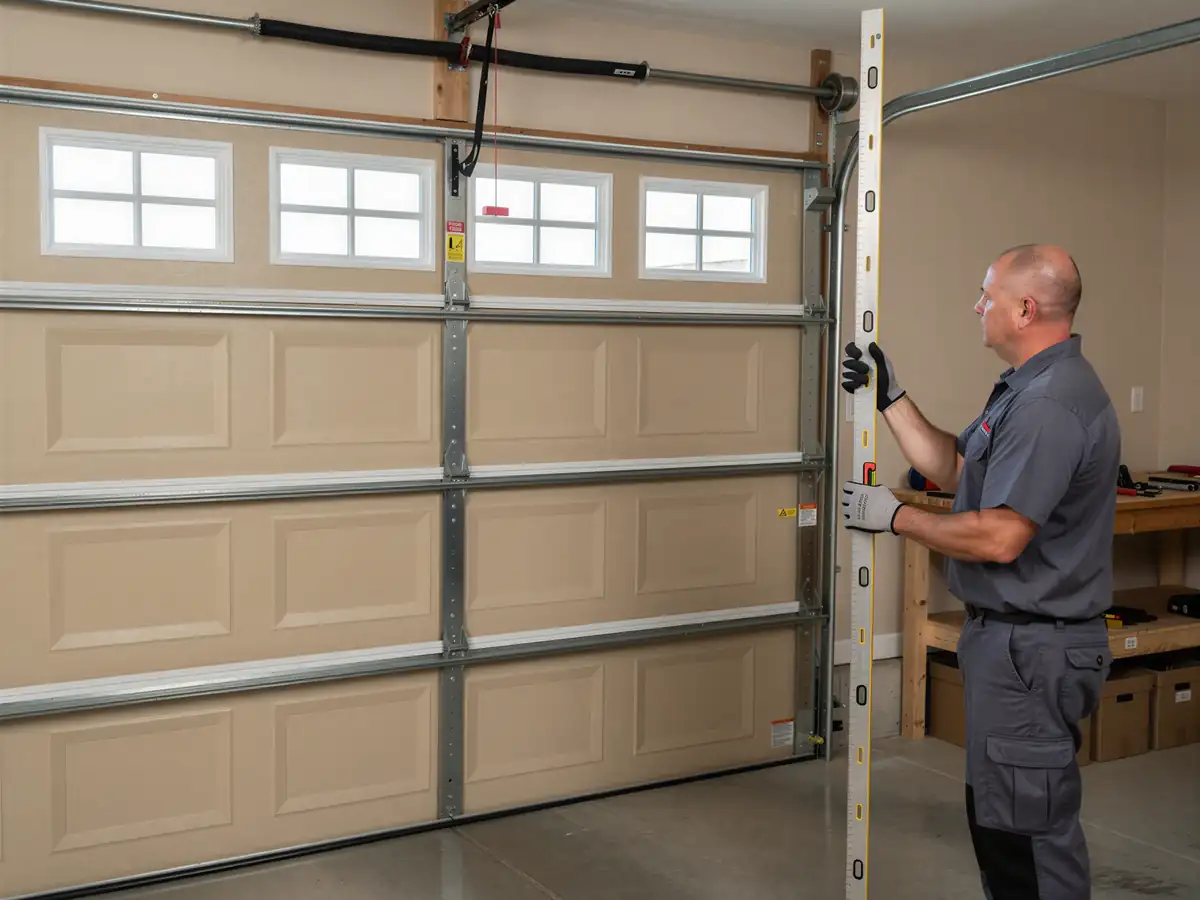
Most garage door calls in Stockton come down to one of three things: a broken spring, a cable off the drum, or an opener that's stopped talking to the wall switch. The fix depends entirely on what's already on the door, and that's where this town gets specific. A house built in the 1960s or 70s in usually has a different spring mount and track depth than something put up in the 1990s or 2000s out toward. Since Stockton's housing spans 1938 through 2010 with the median landing around 1977, we show up expecting to measure before we quote, not after.
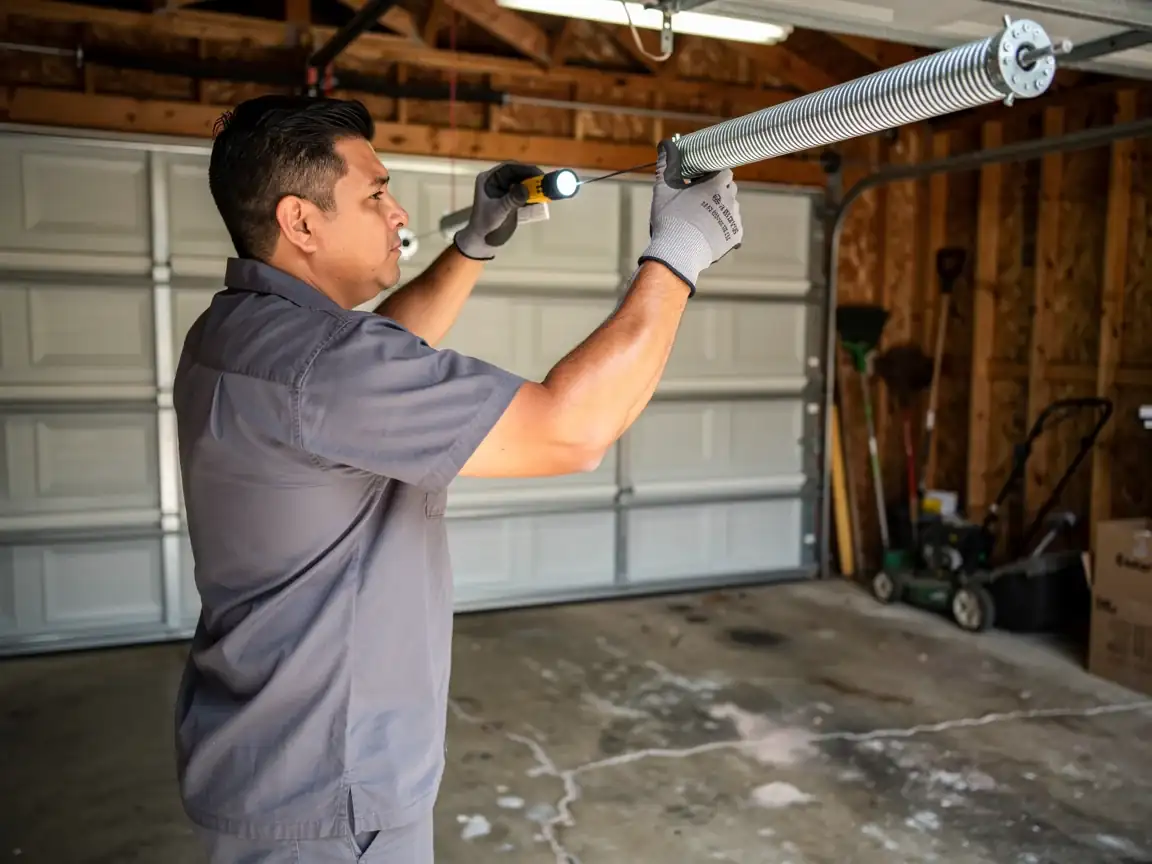
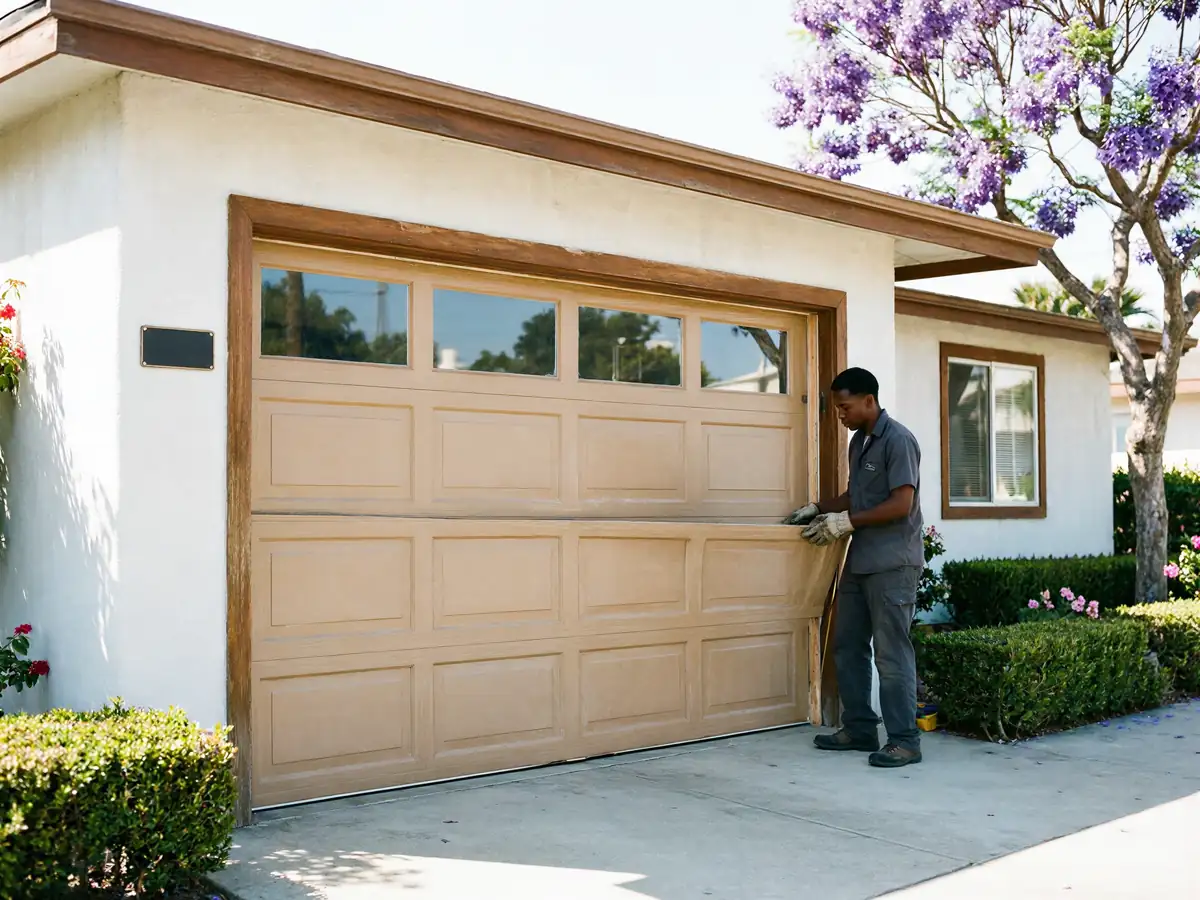
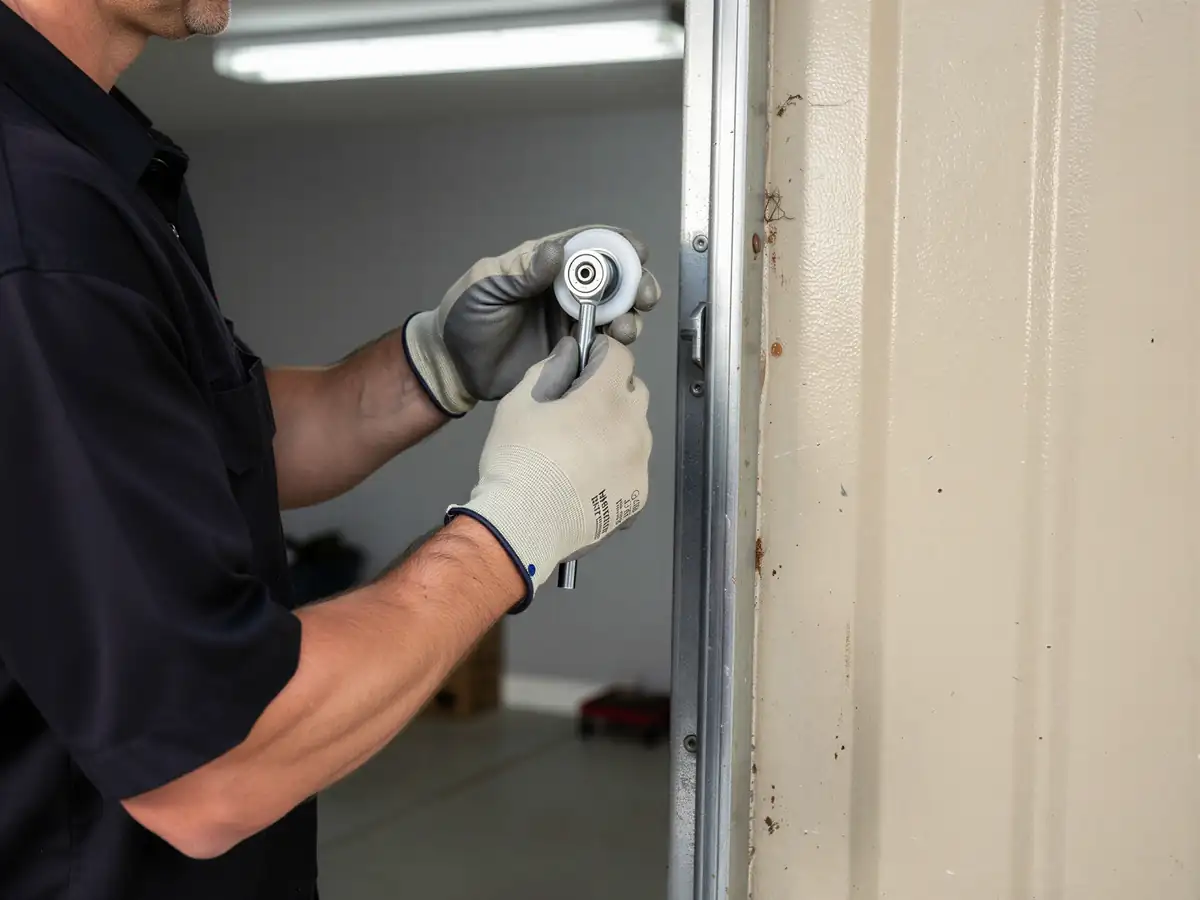
A straightforward spring swap on a standard torsion setup is usually a same-visit job. Cable and roller work goes faster than that. Where it slows down is when the door itself is original to the house and the track or drum size isn't something we'd normally carry on the truck for a same-day repair - more on that below. We'll tell you straight if your door is a repair or if you're past the point where fixing it costs more sense than replacing the section or the unit outright.
Stocked Parts
Because the bulk of Stockton's housing sits in that 1960s-70s band across the twenty or so named areas we work in, we stock the torsion springs, drums, and cable sizes that match that era's doors - the parts that fit a Garden Acres build, not just whatever's newest off a supplier's shelf
That's a deliberate call: carrying current-era hardware alone would leave half our calls waiting on a parts run.
Where we don't carry stock is for the oldest end of that range
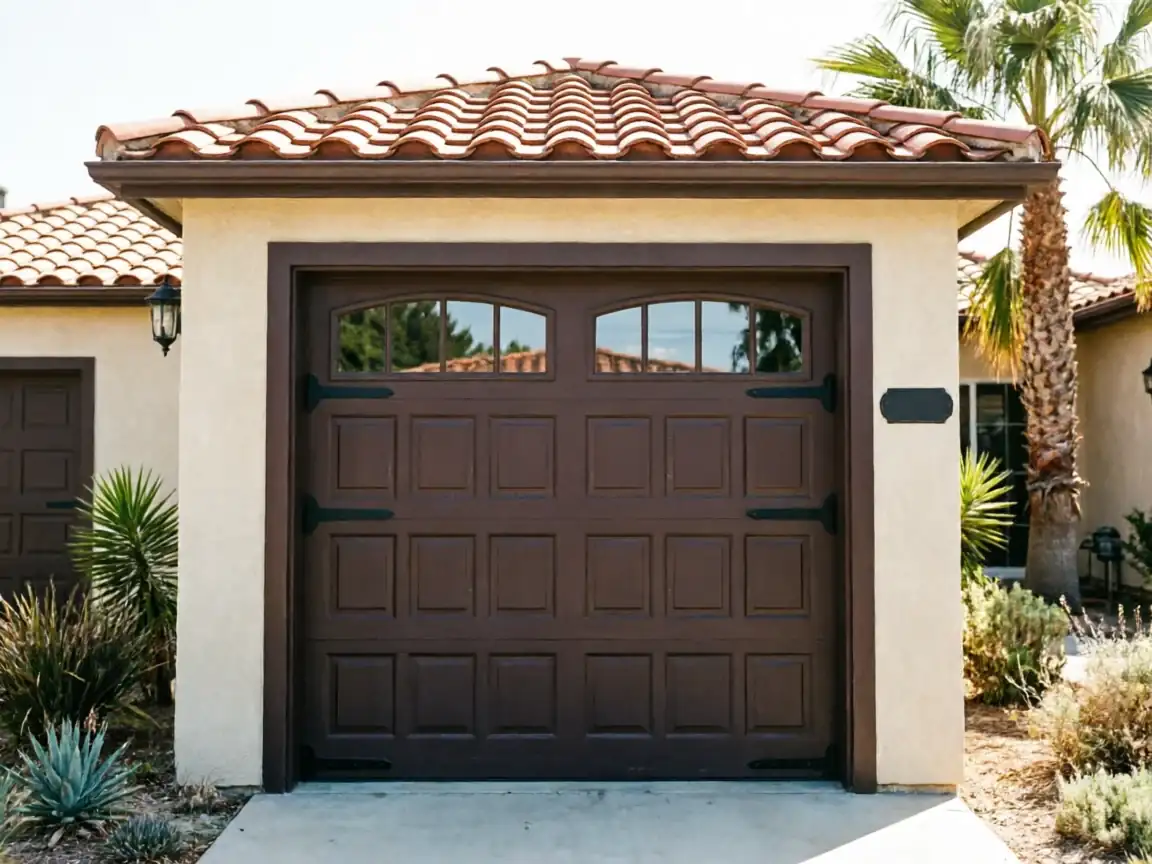
Doors original to houses from the 1938-1950s era, which show up less often but still turn up here and there. Those sometimes use spring and track hardware nobody manufactures anymore, and that's the honest limitation: if your door is one of those, we may need to order a part rather than finish same-visit. We'll say so on arrival, not after you've waited around for a truck that was never going to have it.
Why It Happens Here
Stockton sits in a moderate heat band, and that matters more for garage doors than people expect. It's not catastrophic heat, but it's enough daily swing - hot afternoons, cooler nights - to work on steel panels and spring tension over years, especially on doors that are already decades old. Combine that with a housing stock where the median build year is 1977, and you get a lot of torsion springs that have simply done their cycle count and are due, not doors that failed because of one bad day.
The other piece is volume: across the roughly 44,752 households and 31,360 owner-occupied houses in this service area, a large share are sitting on hardware installed decades ago and never upgraded. That's not a knock on the houses - it's just what happens when original equipment keeps running well past when anyone thought about it. We see the same handful of failure points over and over because the housing stock that produces them is this consistent.
How It Shows Up
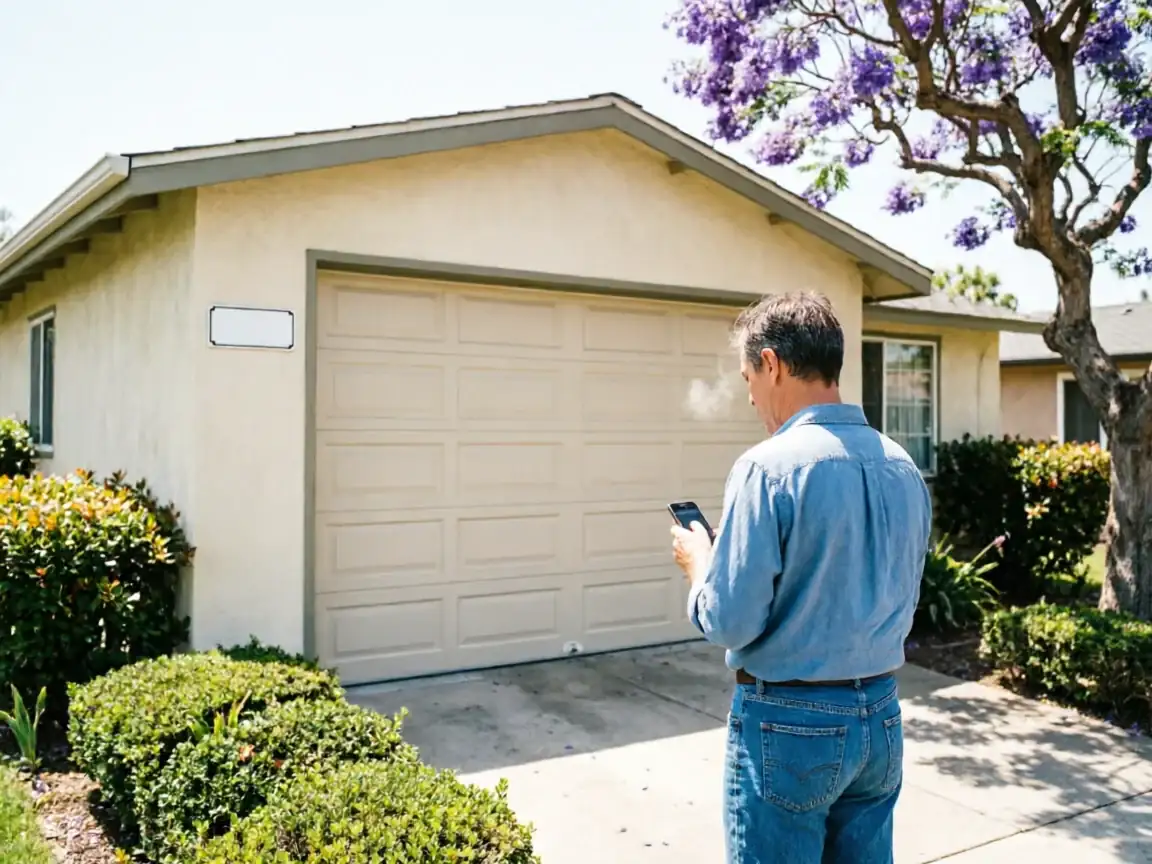
The most common call we get is a door that won't move at all - spring let go overnight, usually with a loud bang nobody can place. Second most common: the door moves but it's crooked, one side dropping faster than the other, which usually means a cable has come off a drum rather than snapped outright.
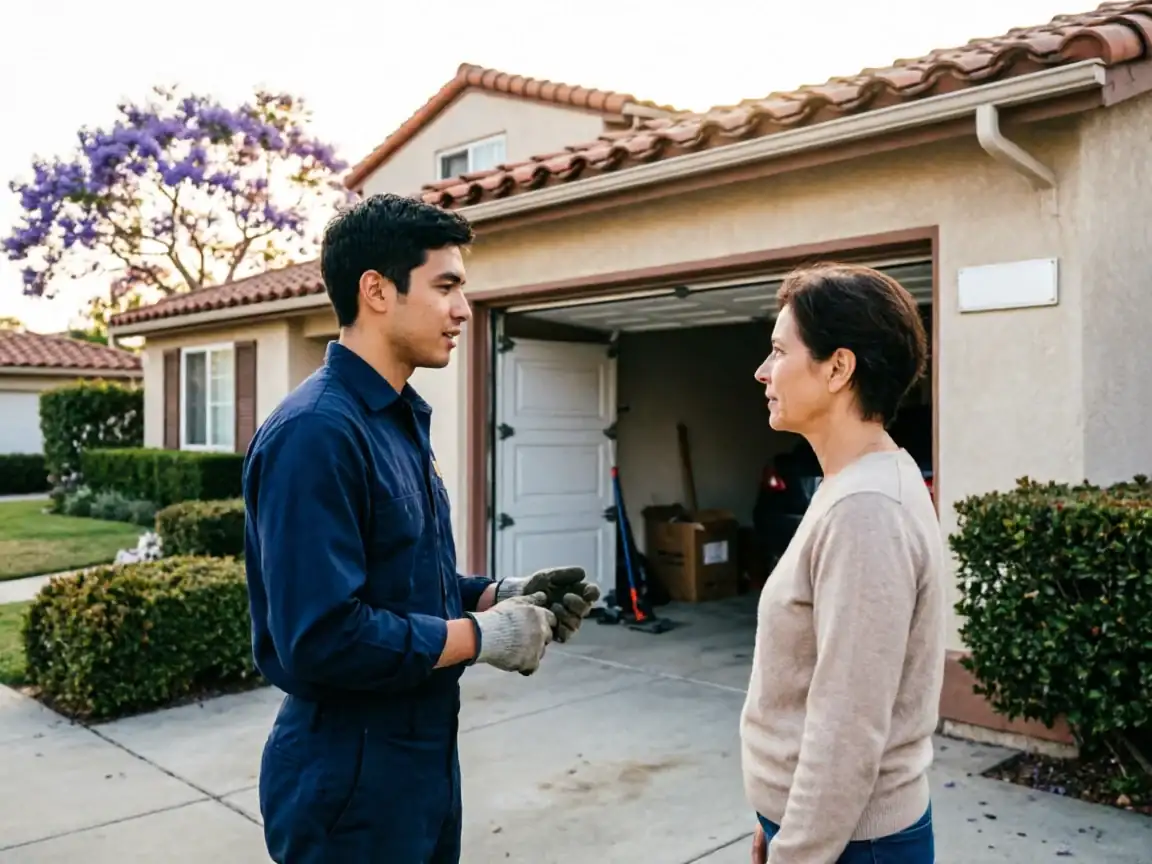
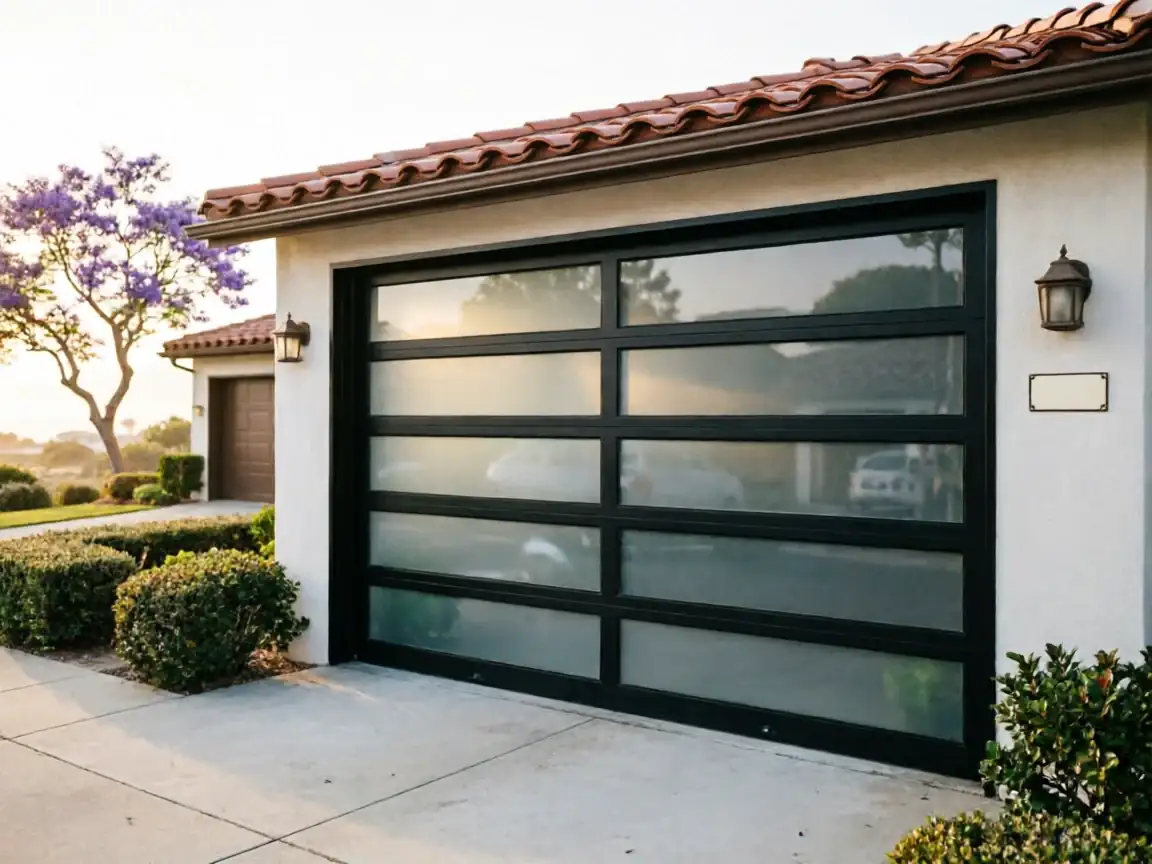
We hear this from houses close in - August, Garden Acres, Kennedy - about as often as from farther out toward Morada or French Camp. Distance doesn't change the failure mode; house age does. A door on a property built near the 1977 median is a different animal than one in a newer pocket near Mountain House or Lathrop's edge, and we adjust the diagnosis accordingly rather than running the same checklist on every call. Homeowners in this income range (median household income $93,993, F7) are often weighing repair against full replacement, and we'll give you real numbers for both before you decide, not just a push toward the bigger job.