What the Repair Takes
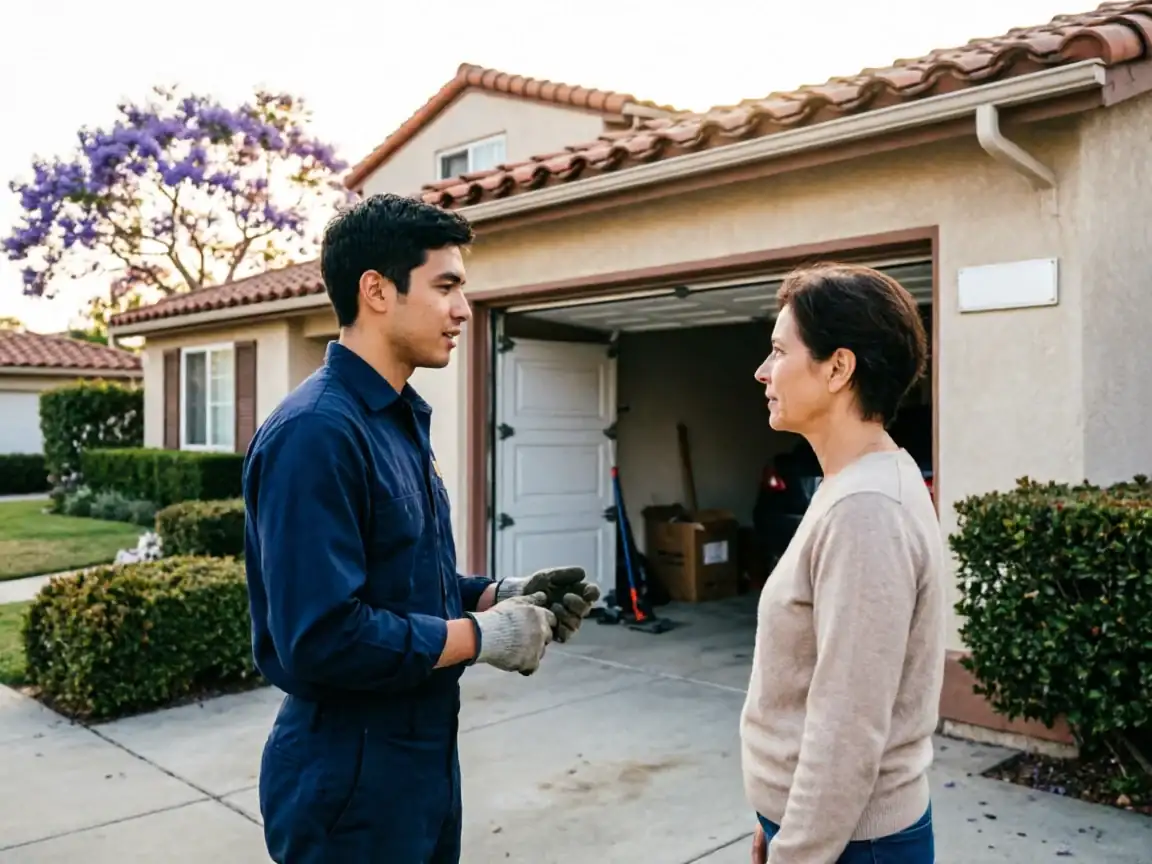
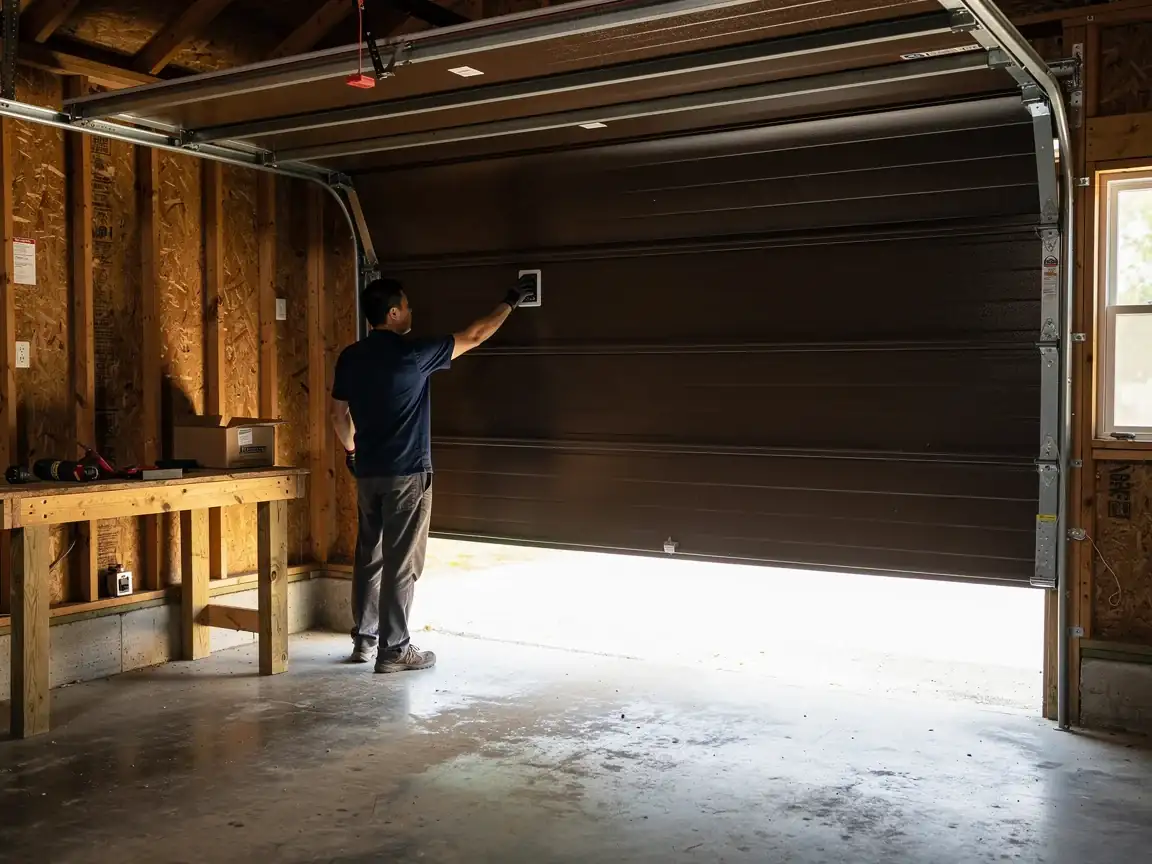
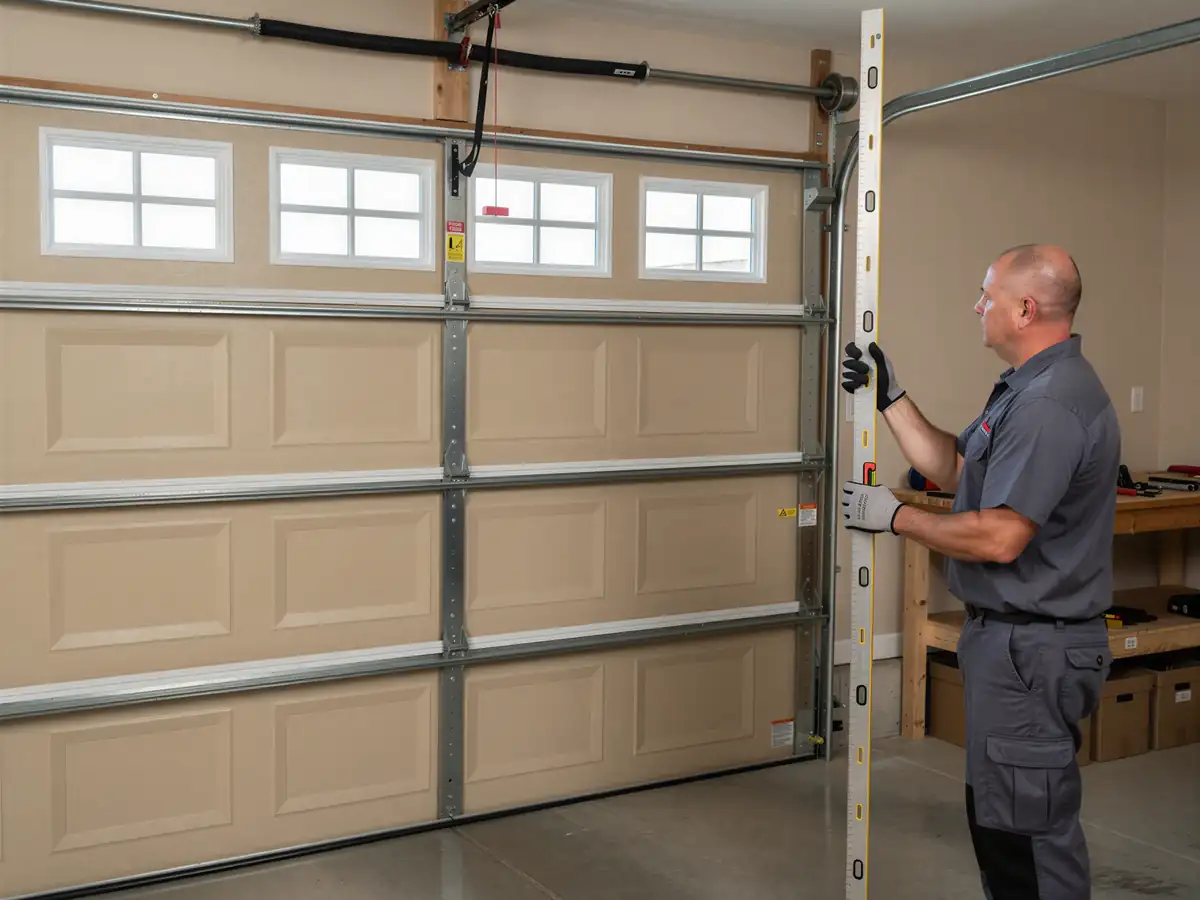
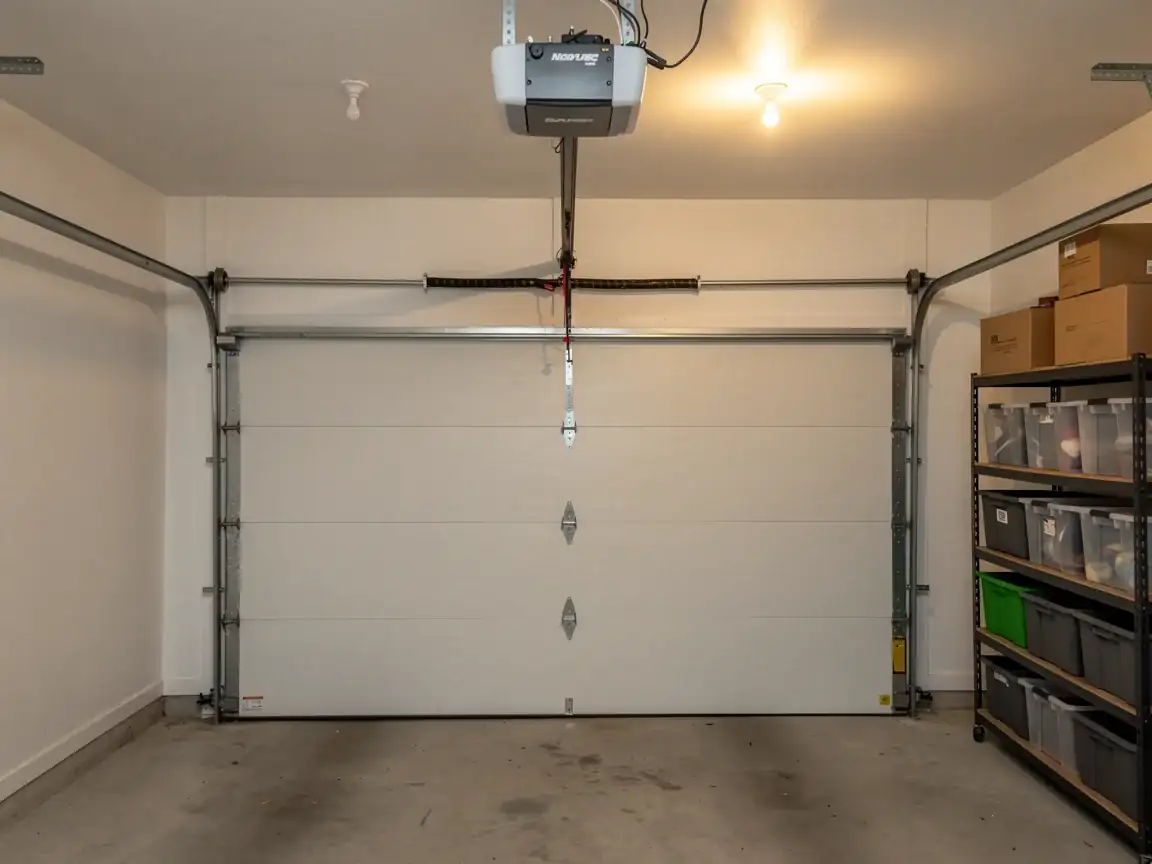
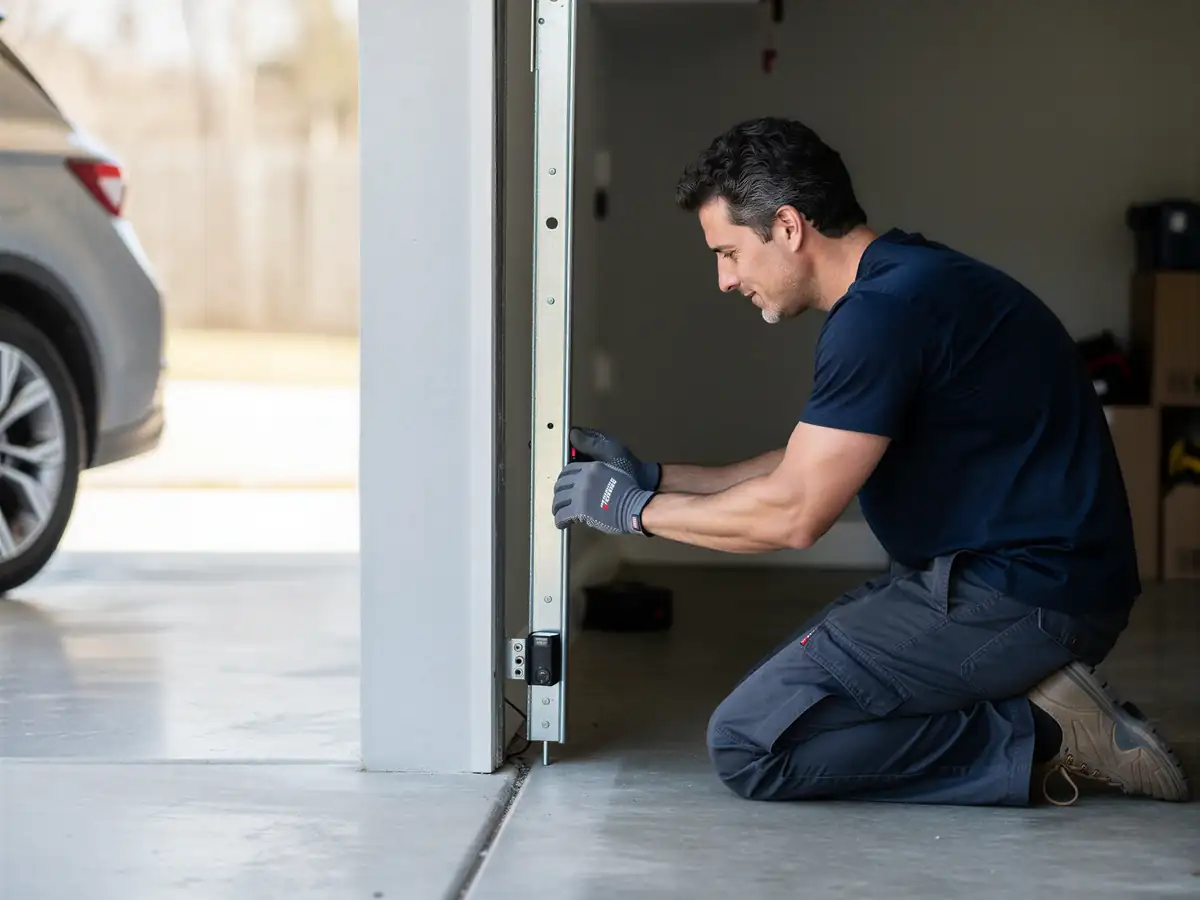
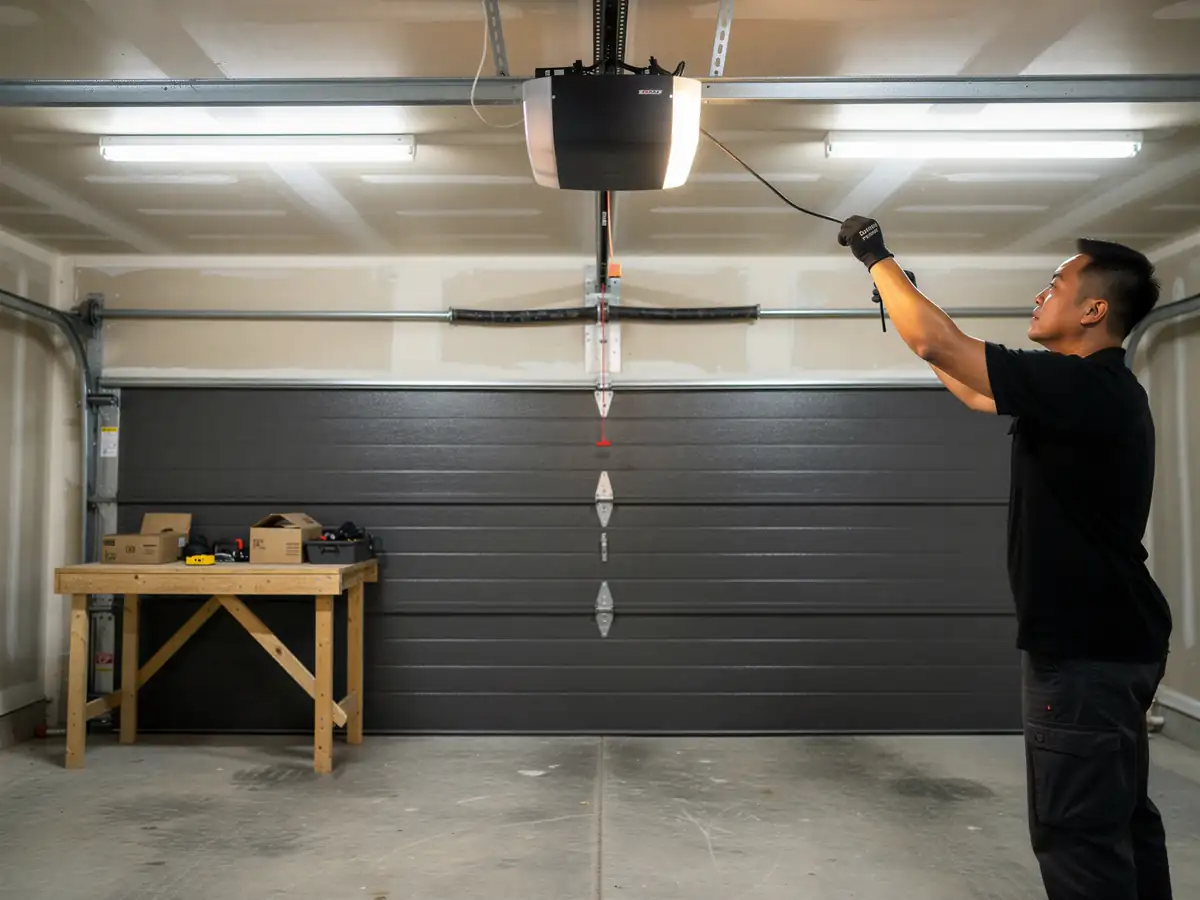
An opener swap in this service area is rarely a straight bolt-in job. Housing here runs from 1938 up through 2010, with the bulk of the stock dating to the 1960s and 70s, so the rail length, header bracket spacing, and door weight we show up to almost never match a brand-new big-box unit out of the box. We measure the existing track and door panel first, then pick a drive type and horsepower that actually fits the header clearance in that garage, rather than forcing a universal kit to work. On older framing we often re-anchor the header bracket into solid wood instead of reusing a stripped lag hole. Wiring is usually the other half of the job - a lot of these garages have one outlet near the old opener and nothing else, so we run what's needed for the safety sensors and keypad rather than leaving them on extension cords. We test full travel, force settings, and auto-reverse before we leave, because a door that closes on a car bumper or a foot is the one failure mode nobody can afford to skip checking.
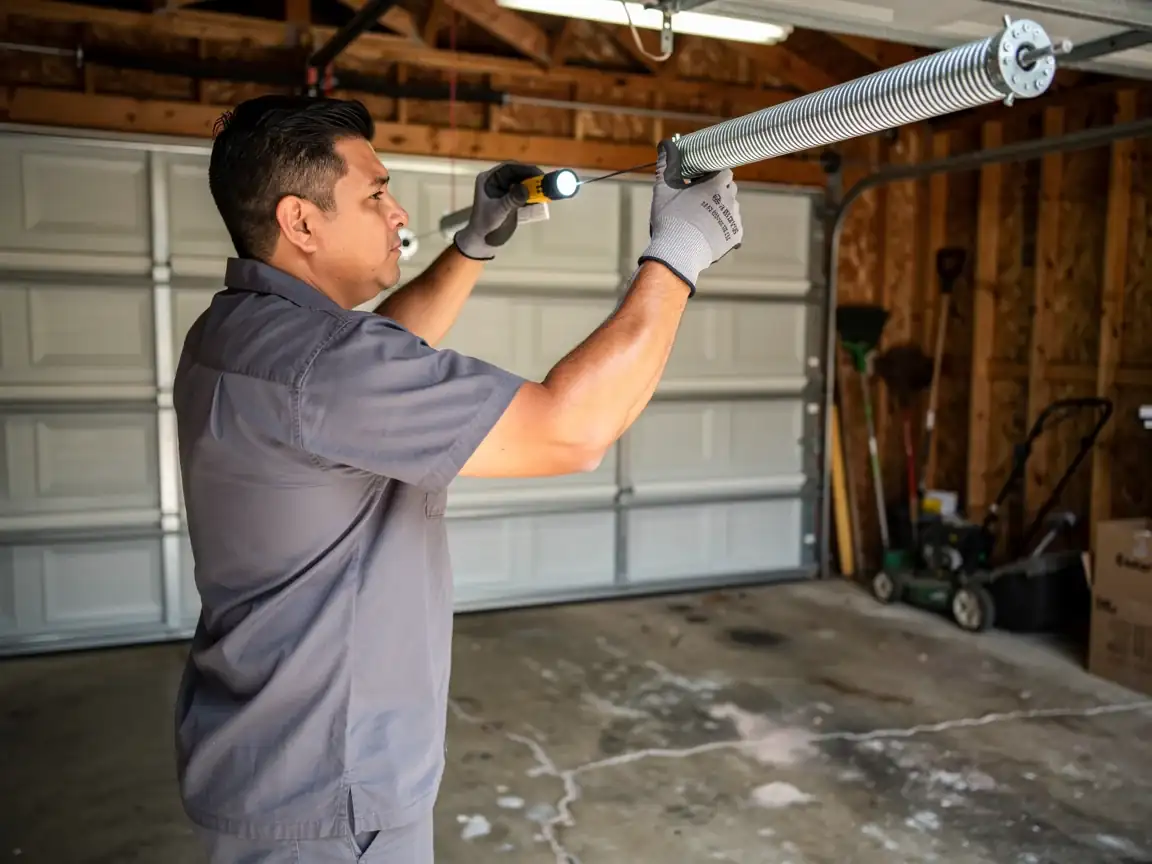
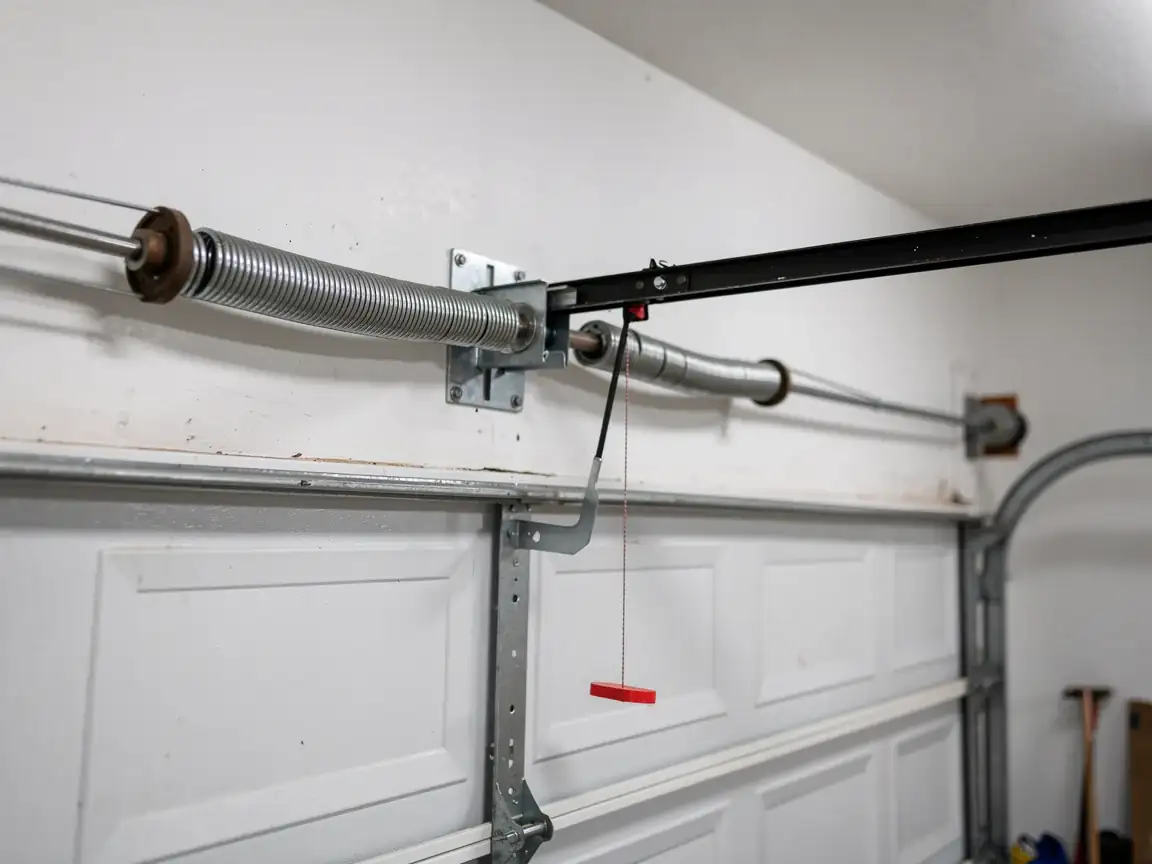
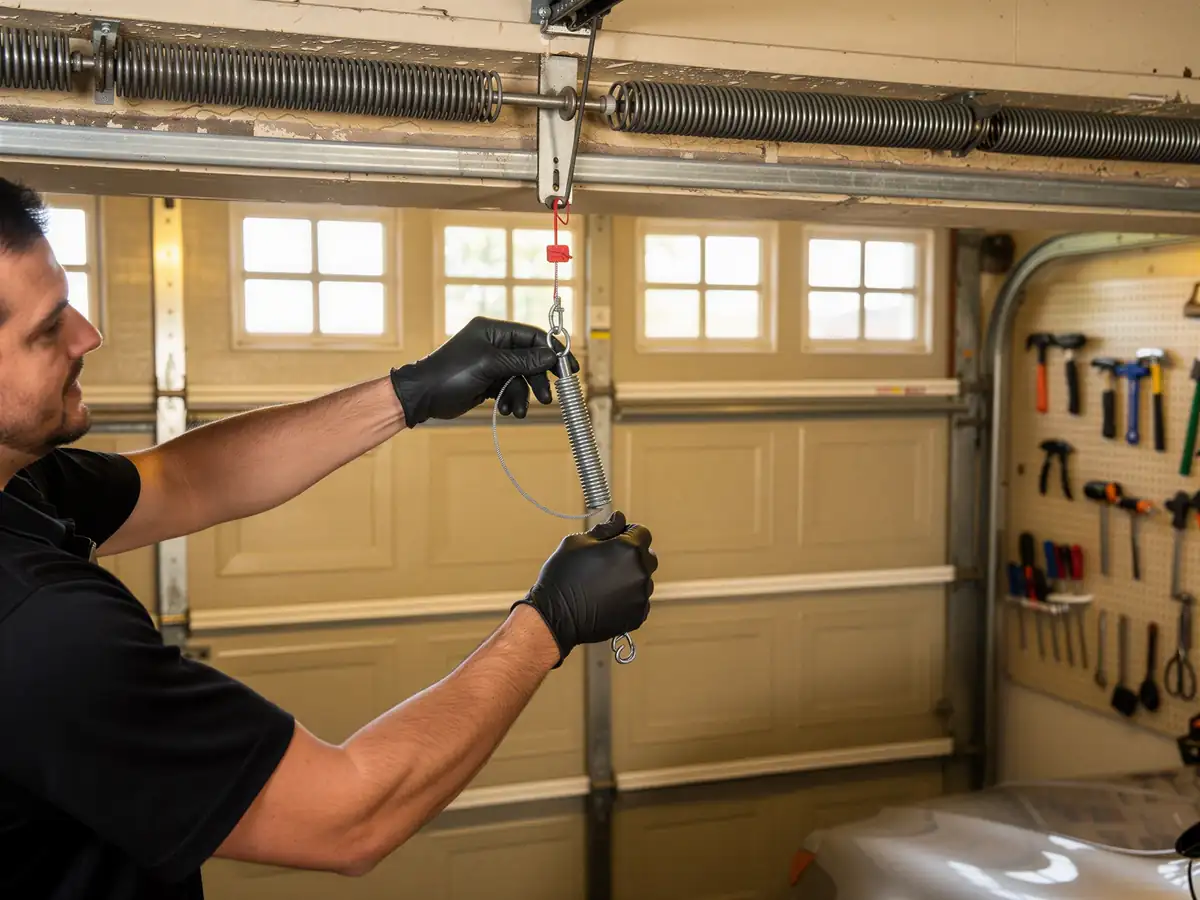
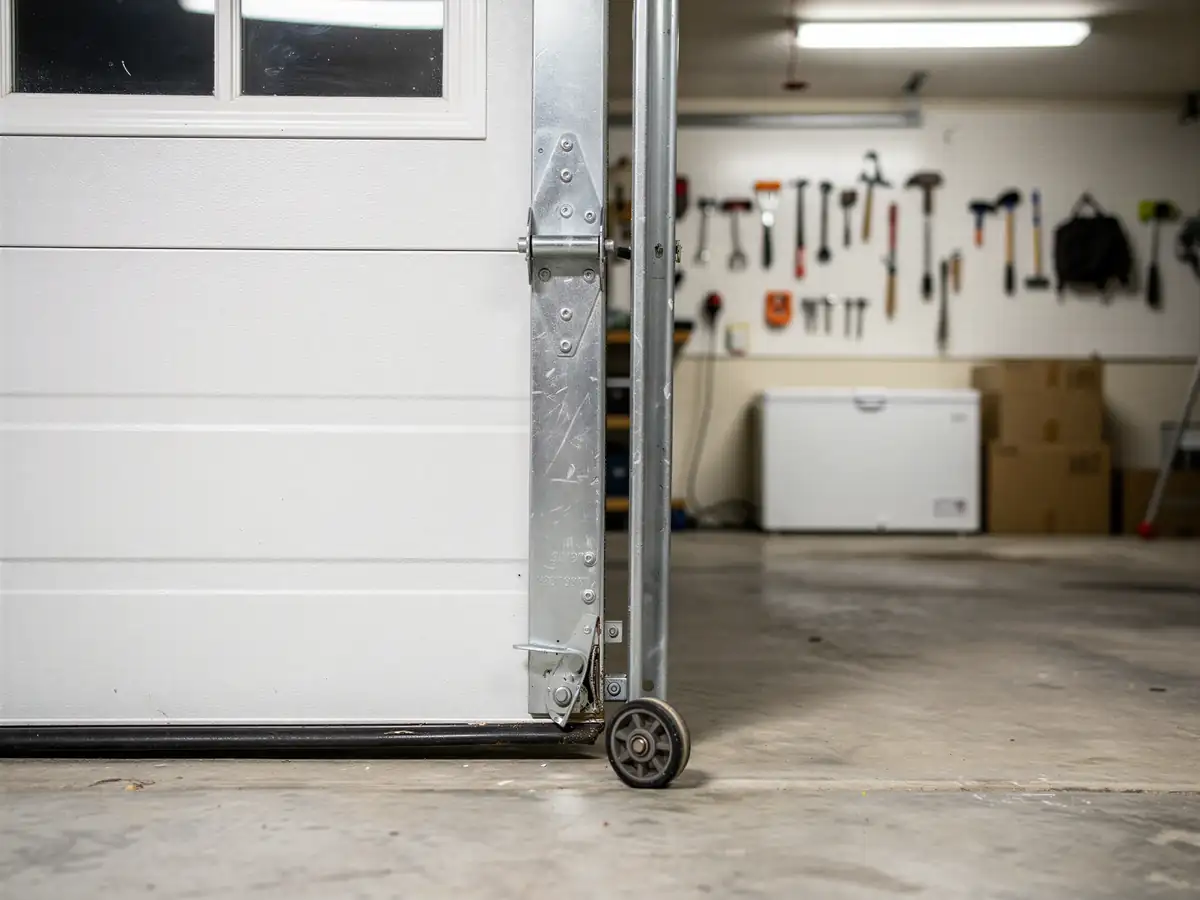
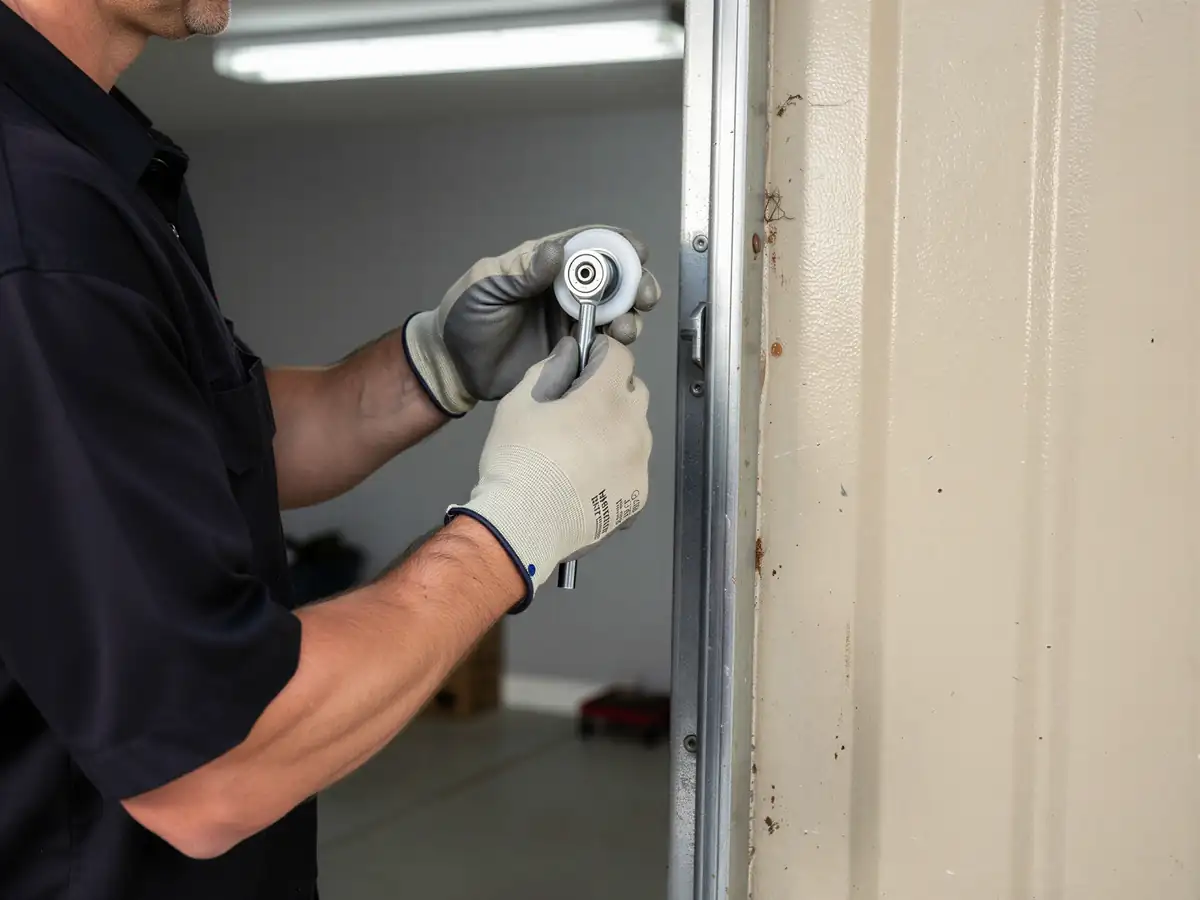
One limit worth naming: if the existing track is bent or the rollers are shot, we replace that hardware at the same time - bolting a new opener to failing track just moves the problem down the road a few months.
Stocked Parts
We carry belt-drive and chain-drive openers in the horsepower ranges that match the door sizes we see most across this area's housing stock, along with the rail lengths, header brackets, and safety-sensor kits that go with them
Because so much of the local housing dates to the 1960s and 70s, we also stock the shorter-reach header brackets and reinforced angle iron that older low-slope garage framing often needs - newer kits assume ceiling clearance that a lot of these garages don't have.
What we don't carry on the truck is every specialty remote or smart-hub module from every opener brand ever sold
If a homeowner wants a specific app-connected unit tied to a system we haven't installed before, that sometimes means a short order wait rather than a same-visit swap. We'd rather tell you that up front than promise a part we don't have in hand. For the openers and rail kits we do stock, the install itself is same-day.
Why It Happens Here
Opener failure patterns track pretty closely with how old the gearing and circuit board are, and with how much heat they've sat through. The climate band here runs moderate-to-hot, and a garage with no insulation and a south or west-facing door can see the inside of that opener housing run well above the temperature the plastic drive gear and capacitor were rated for. Over enough summers, that's what cracks a drive gear, cooks a logic board, or dries out the lubricant in an old chain-drive unit until it starts grinding.
Add in housing stock built mostly in the 1960s and 70s - median build year 1977 - and you get garages where the opener itself has already been swapped once or twice, but the door it's lifting is still the original heavier panel from the build date. A newer opener straining against an old, heavy door burns out faster than the same unit on a lighter modern door. That mismatch between old door weight and newer motor is one of the more common reasons we get called back out within a year or two of a previous installer's quick swap.
How It Shows Up
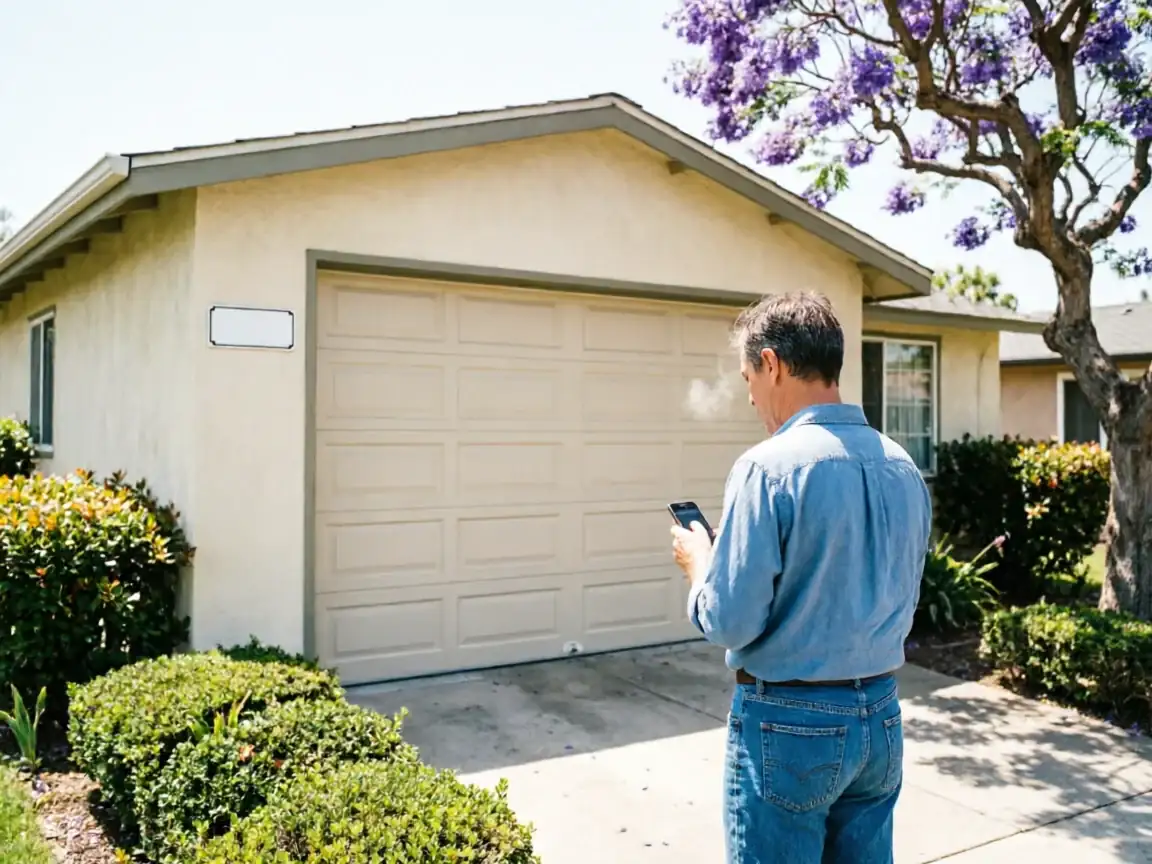
The most common call is an opener that still hums or clicks but the door doesn't move - usually a stripped drive gear, which shows up more in this area's older chain-drive units that have been running for a decade or more past their expected life. Close behind that is a door that reverses partway up or down for no clear reason, often a safety sensor knocked out of alignment or a logic board struggling with age and heat.
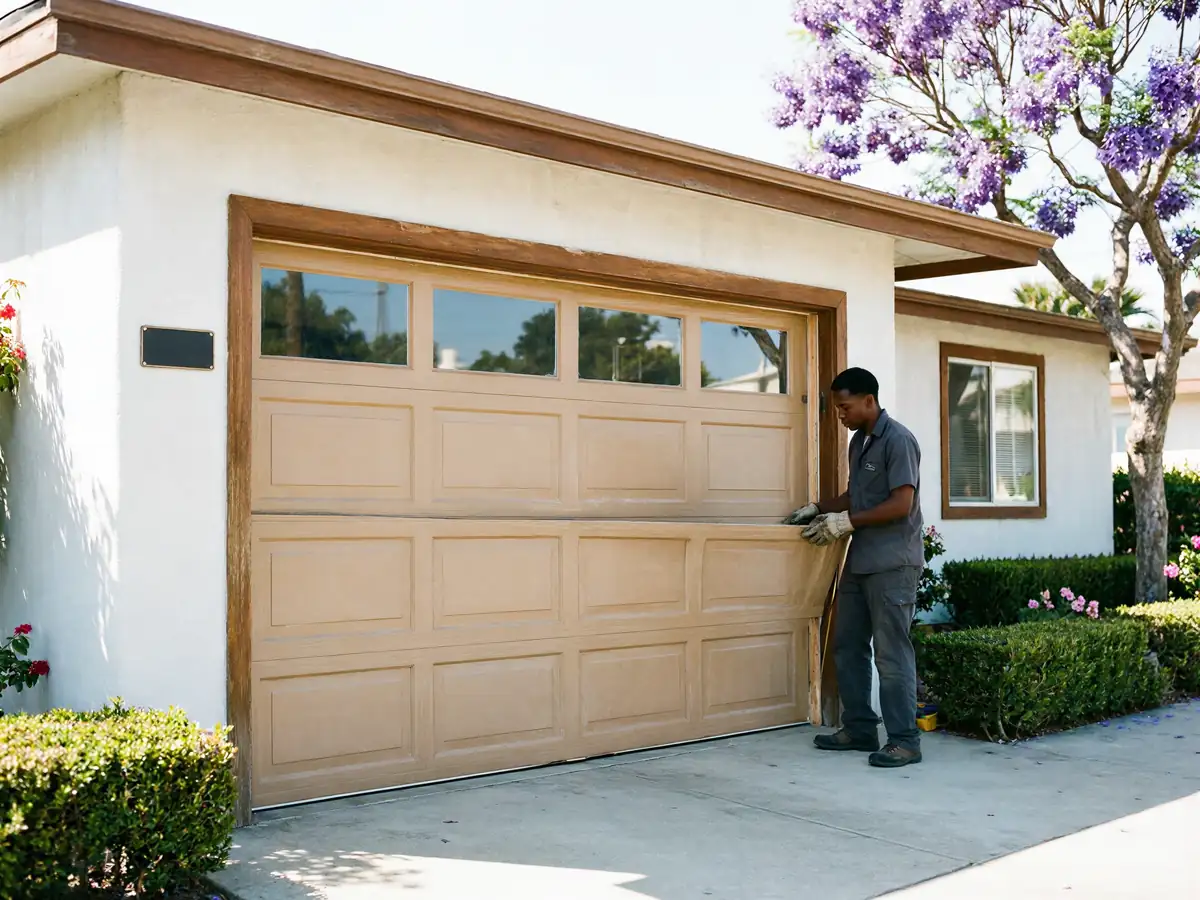
On houses with the original heavier wood or early steel doors from the 1960s-70s building wave, we also see openers laboring audibly - slow travel, a motor that sounds strained at the top of the lift - which is the door weight outpacing what that unit was ever sized for. A keypad or remote that worked fine last year and now only works standing right next to the door is almost always a dying circuit board rather than a battery issue, especially in garages that run hot through the summer months.