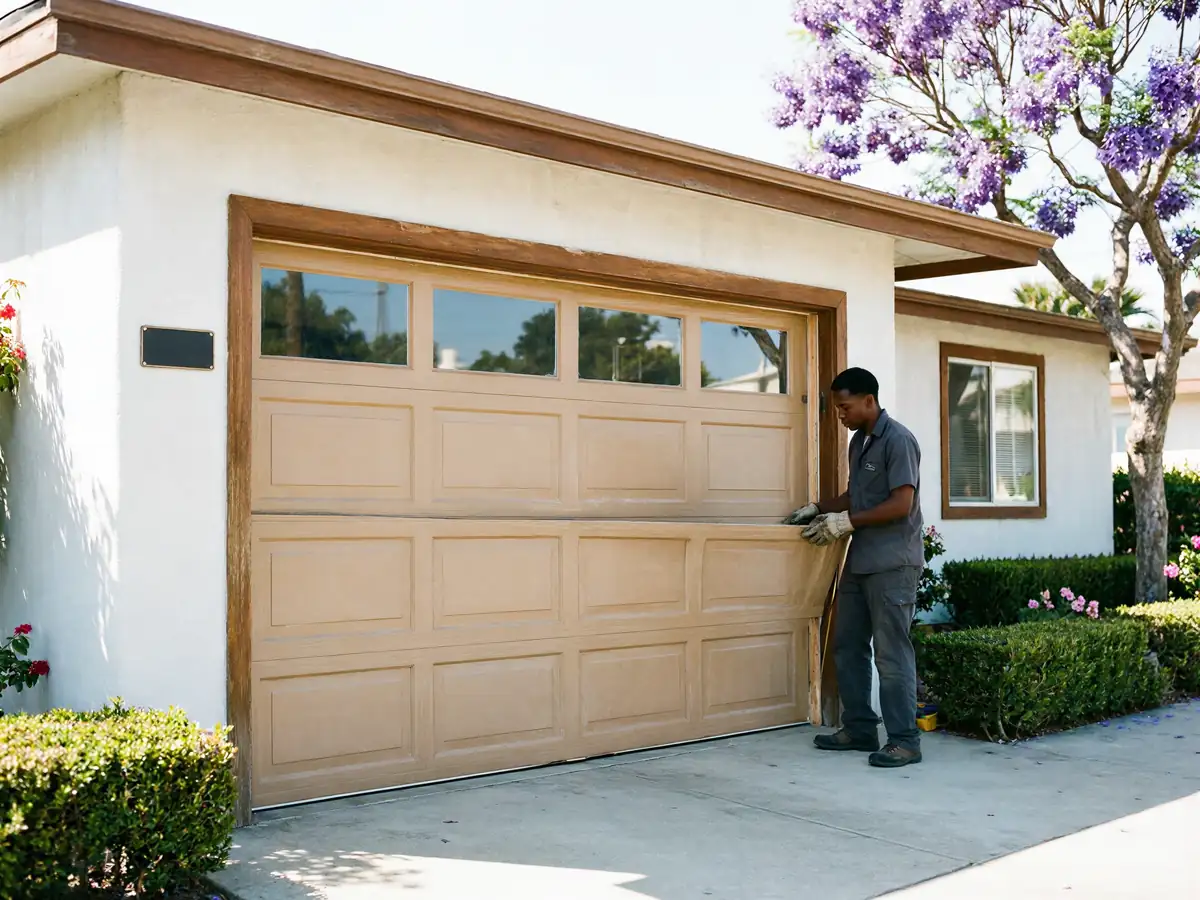
What the Repair Takes
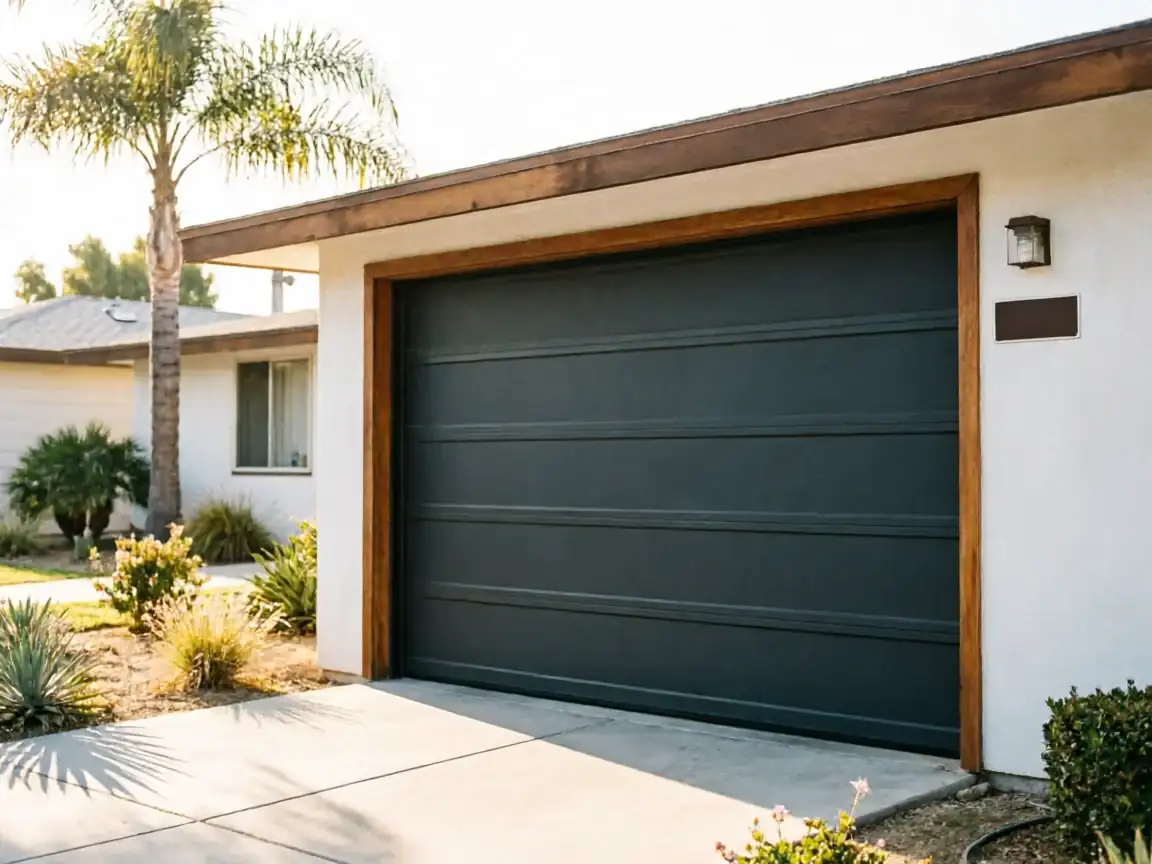
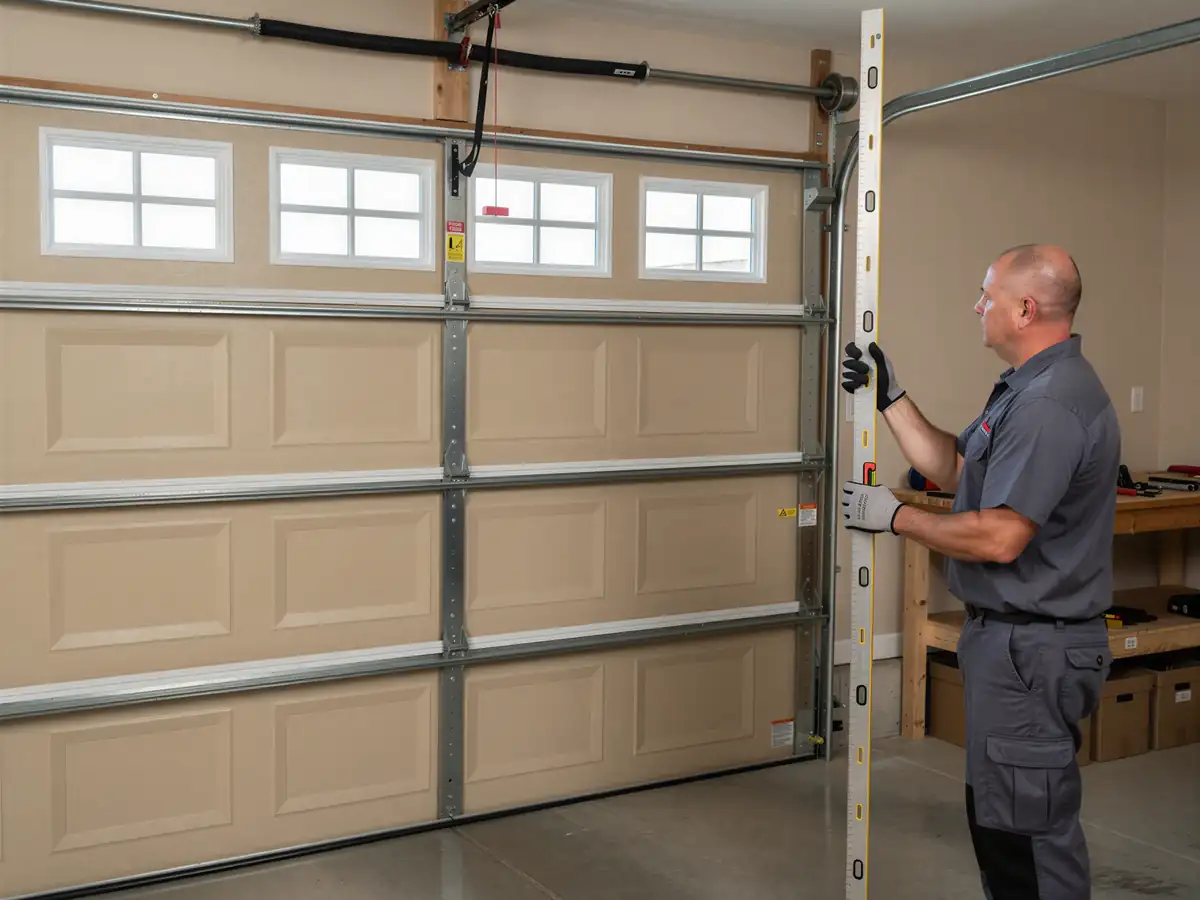
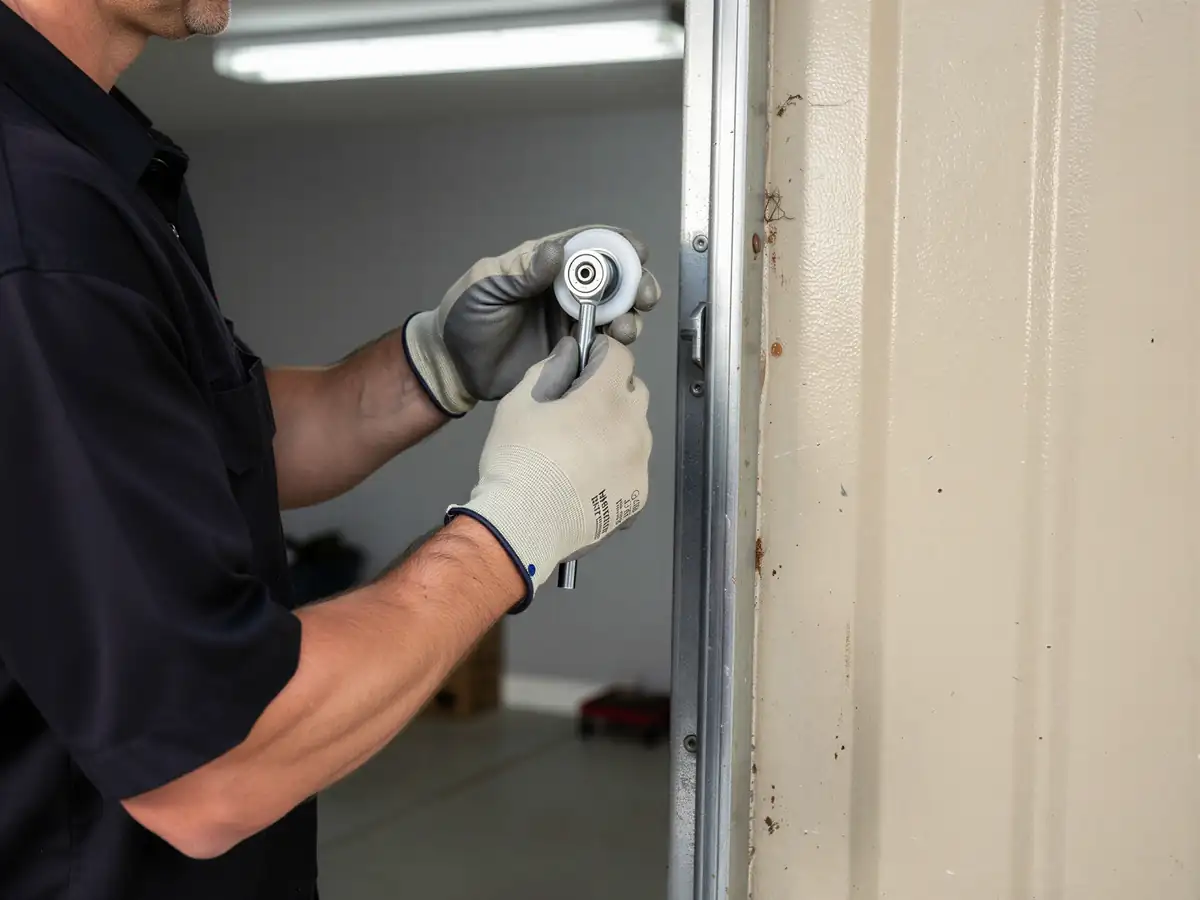
Installing a new door in Stockton isn't the same job twice, because the housing stock here runs from 1938 up through 2010 with a median build year of 1977. A lot of what we pull out are original single-panel doors on side-mounted track, hung in openings that were framed before builders standardized the jamb widths you see in new construction today. We measure the rough opening first, not the door, because in the older tracts around town the framing can run a half inch or more off true square after fifty-plus years of settling.
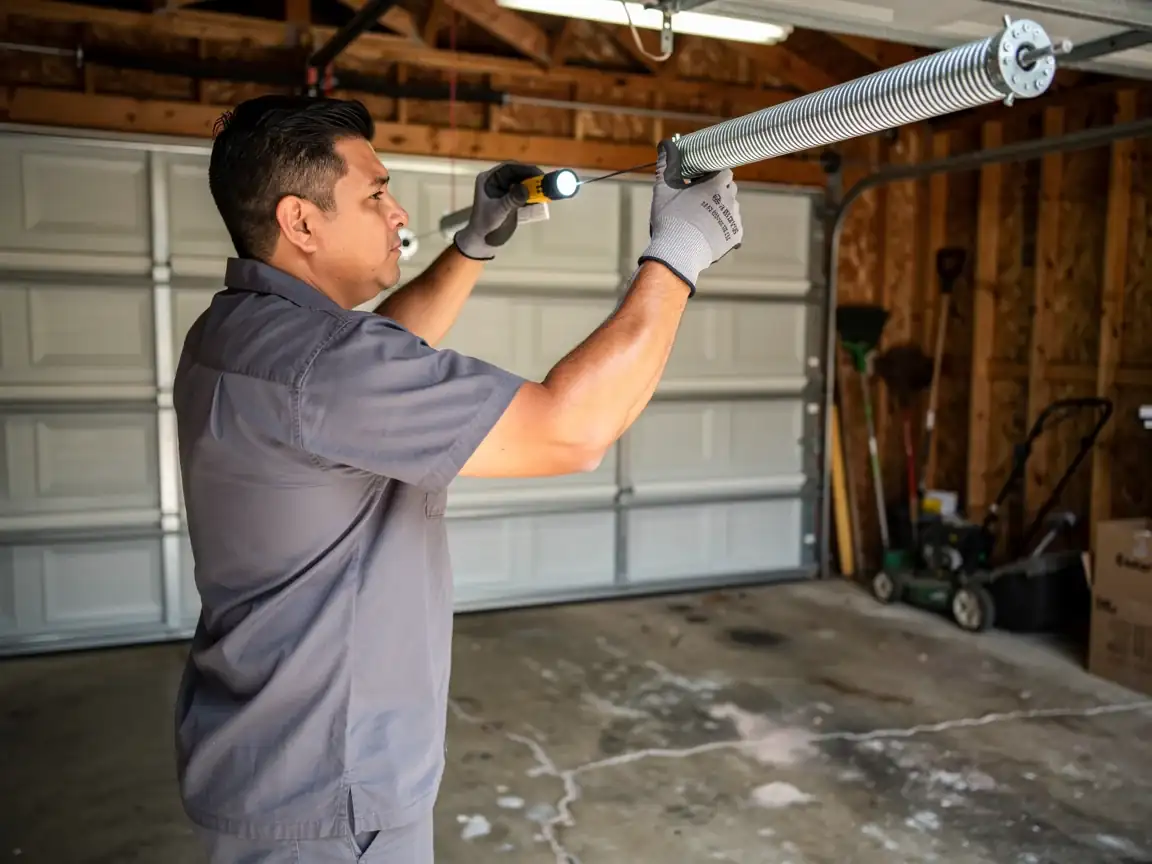
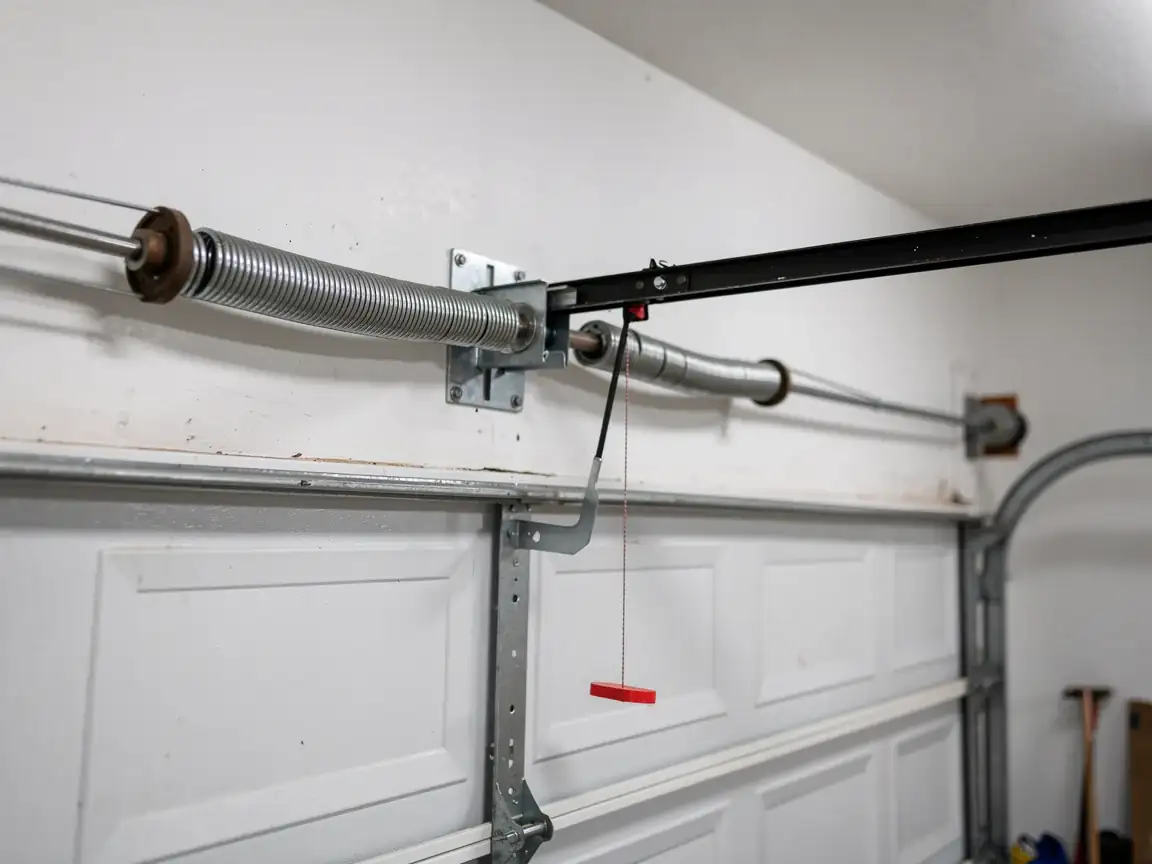
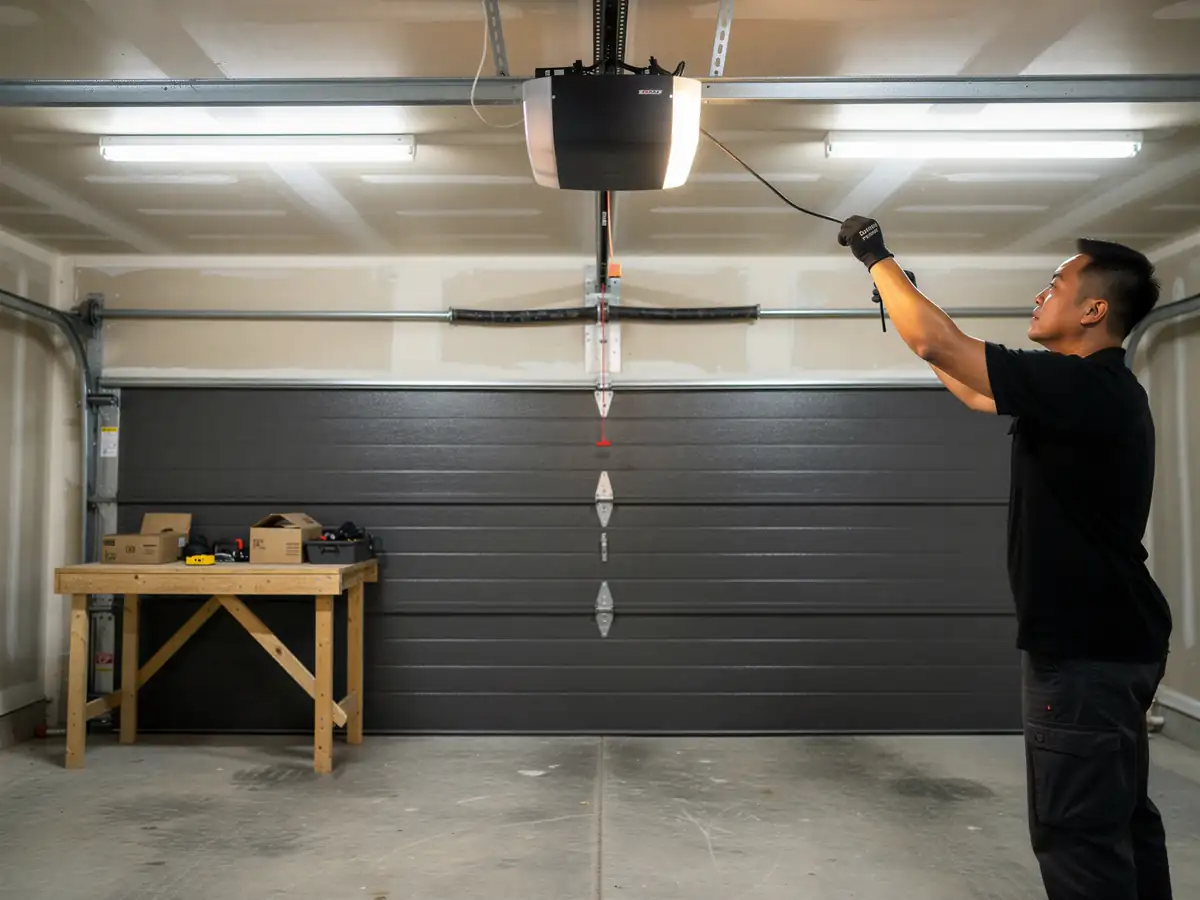
Once we have real numbers, we set new jambs if the old ones are out of plumb, mount the track to match the headroom you actually have, and balance the springs to the door weight - not a catalog average. In homes built before the 1980s we often find the header isn't deep enough for a standard torsion tube without an extension bracket. That's a fifteen-minute fix if we catch it before the door goes up, and a return trip if we don't. We check it every time.
Stocked Parts
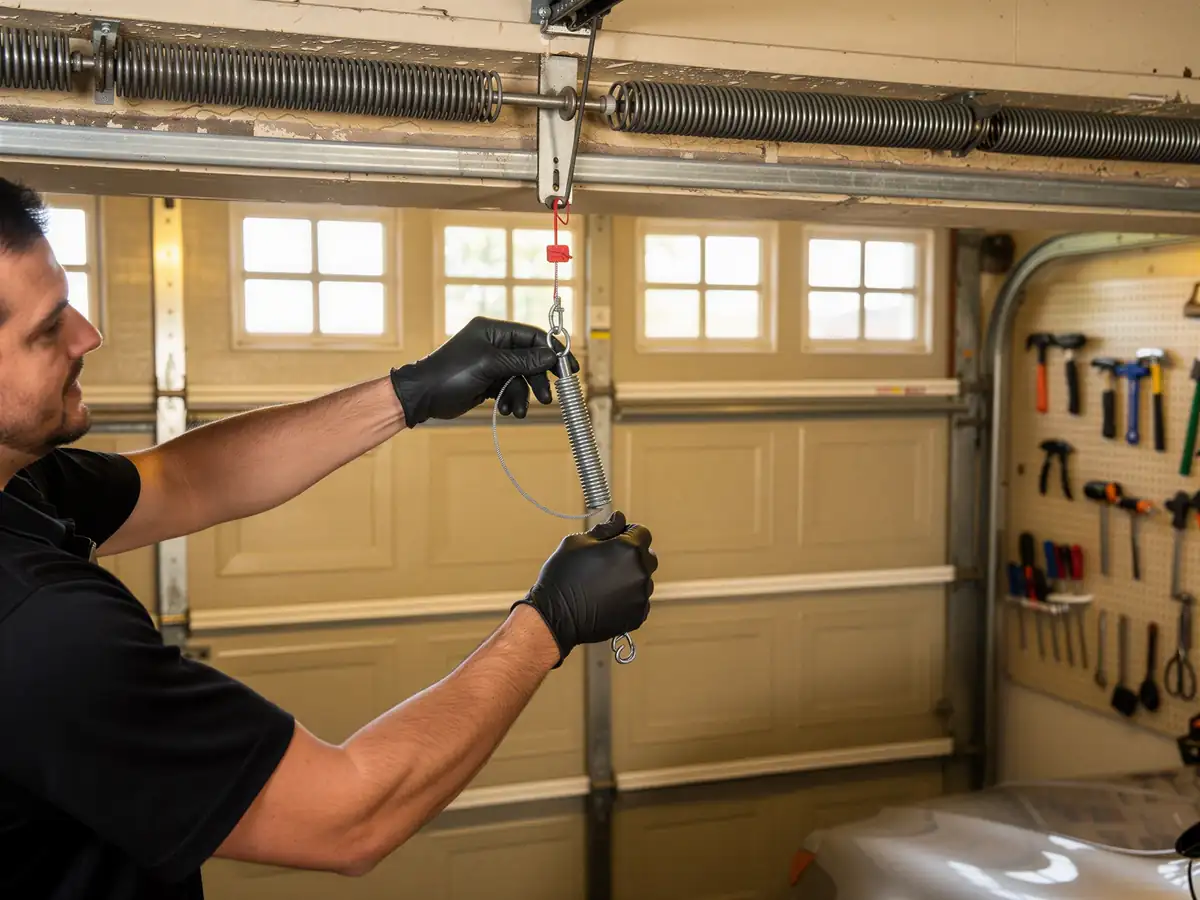
We carry torsion springs sized for the door weights common to 1960s and 70s construction
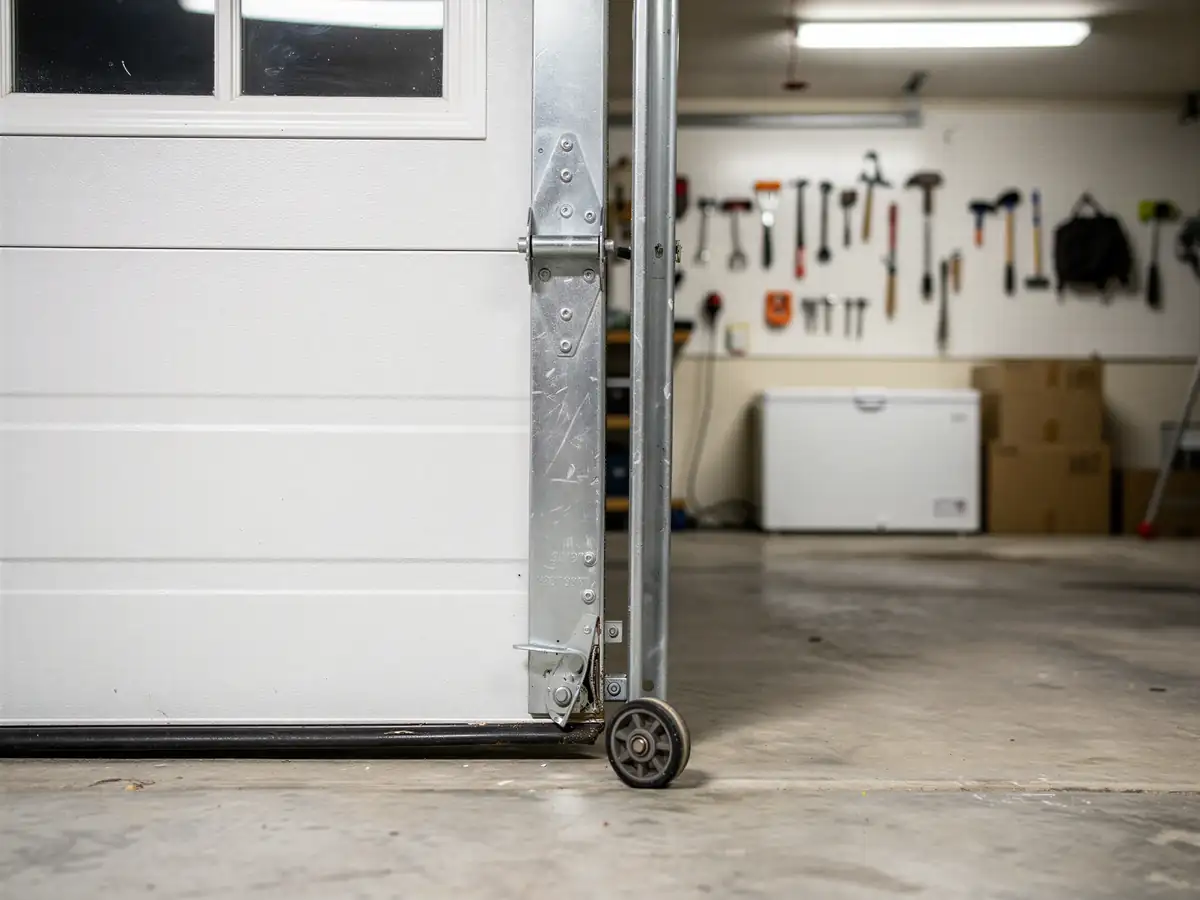
Along with the wider track and drum combinations that era's openings tend to need. Standard 7-foot and 8-foot sections cover most of what we see, and we keep the brackets for retrofitting deeper headers in stock too, since that's a recurring need in the older tracts rather than an exception.
What we don't keep on the truck is anything custom-width for the handful of non-standard openings scattered through the service area
Those get special-ordered once we've measured, which adds a few days to the install. We'd rather tell you that up front than promise a same-week install on a size we don't have sitting on the shelf.
Why It Happens Here
Stockton sits in a moderate-heat climate band, and that matters more for installation than people expect. Steel doors expand and contract across the daily swing here, and on an opening that's already slightly out of square from decades of foundation movement, that expansion is what turns a minor gap into a binding door within a year or two. We account for that when we set reveal clearance on the install, giving the panel enough room to move without rattling loose or jamming tight on a hot afternoon.
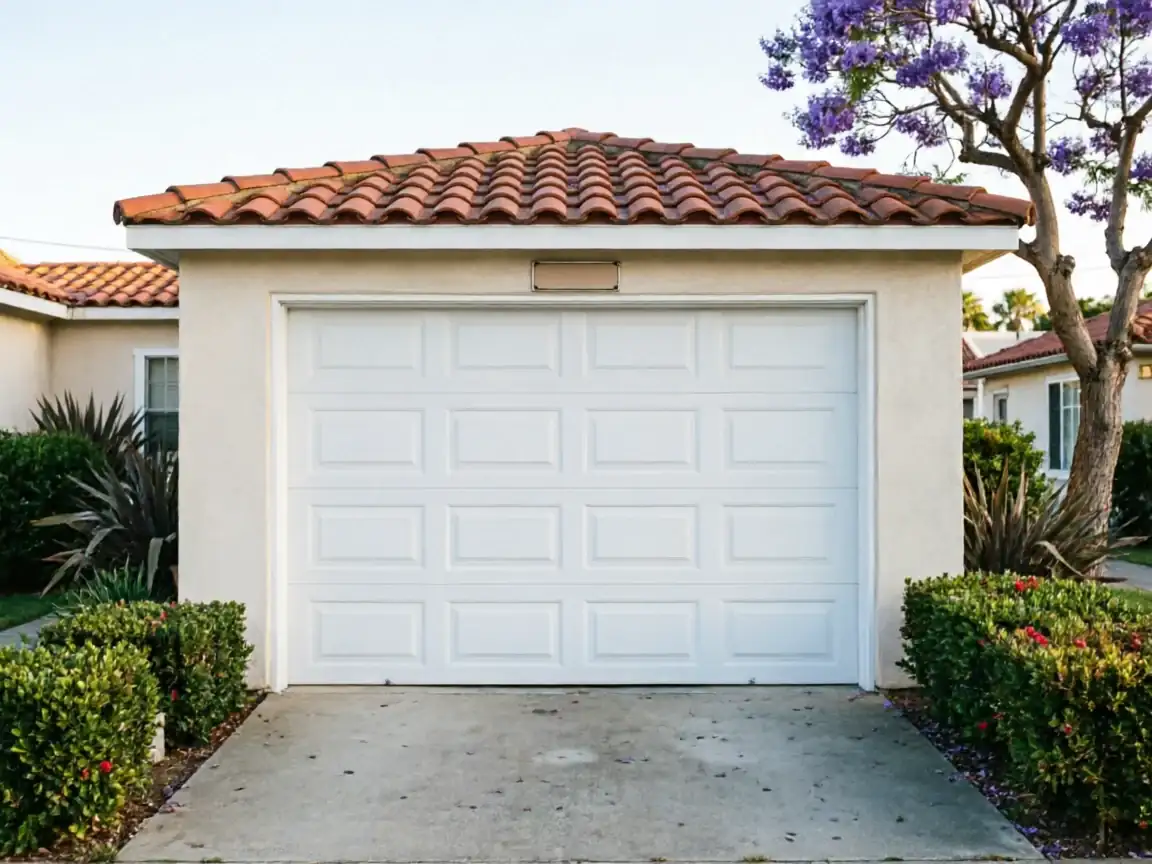
With housing built anywhere from 1938 to 2010, and the bulk of it dating to the 60s and 70s, the openings we install into aren't uniform. A door that hangs clean in a home built in the 2000s needs different shimming than one going into an older place. We size the install to the opening in front of us, not to the decade stamped on the permit.
How It Shows Up
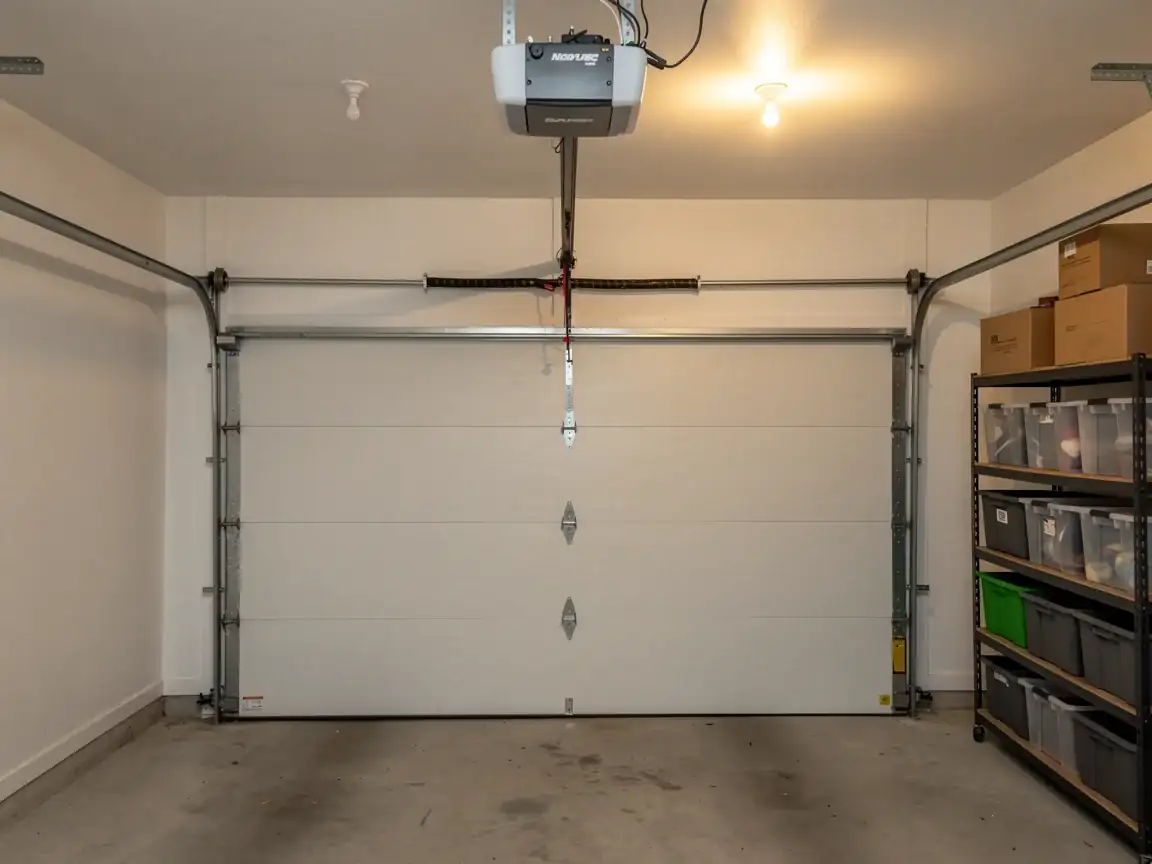
The call usually starts the same way: the old door is heavy, slow, or won't stay in track anymore, and the owner wants it replaced rather than nursed along. On the older stock - the single-panel and early sectional doors common across the service area's 1960s and 70s builds - that's often the right call, because parts for that generation of hardware are getting harder to source every year.
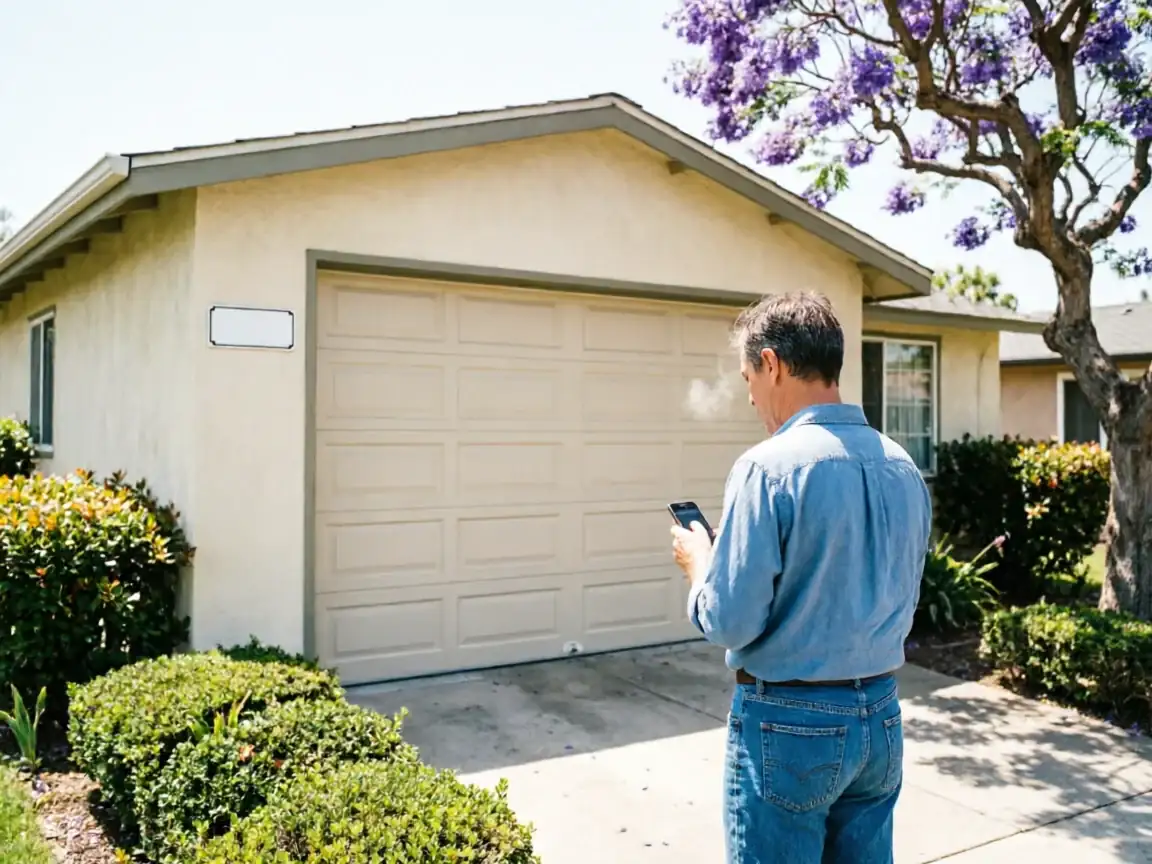
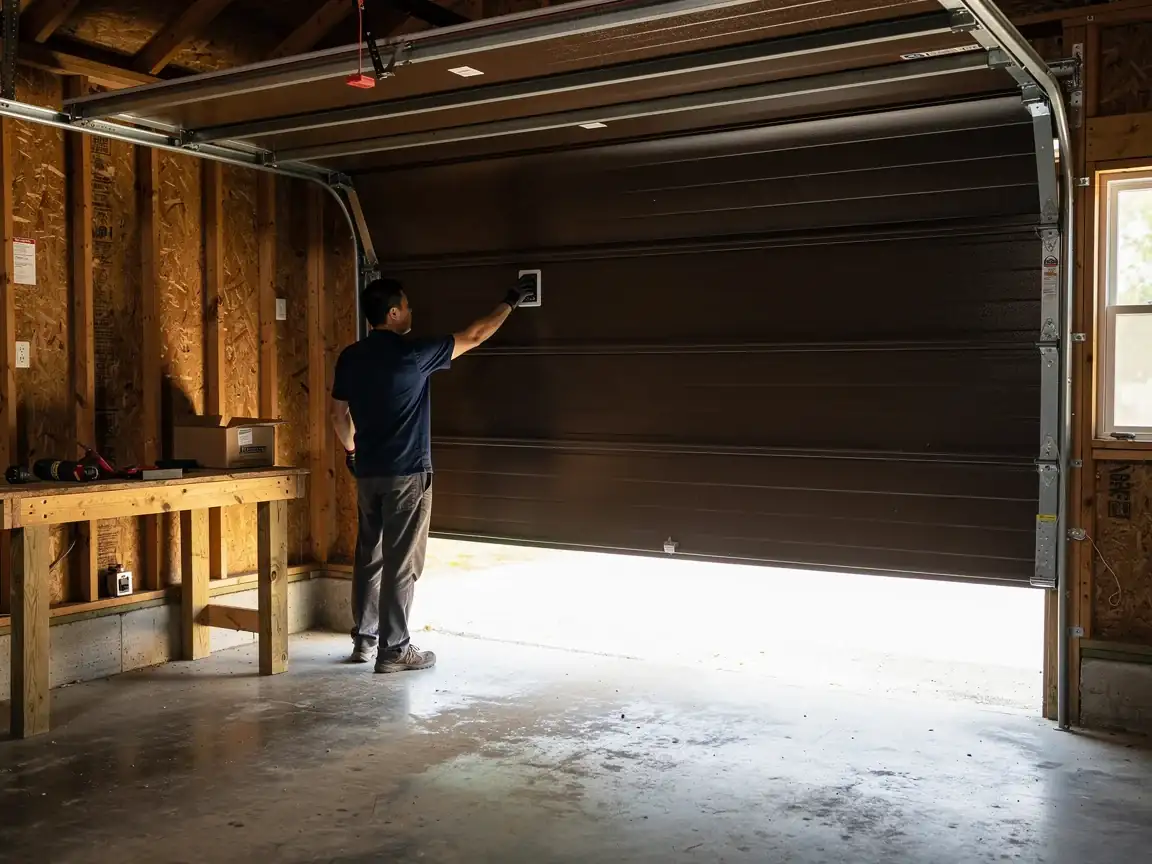
What we look for on the walkthrough is header depth, track clearance, and whether the opening has shifted enough that a standard door won't seat square without shimming. In this market, with 31,360 owner-occupied houses across roughly 44,752 households, a lot of these installs are replacements on homes that have had one door their whole life. We tell owners straight when a repair would hold for another few years instead - a new install isn't always the better spend, even when the old door looks rough.