What the Repair Takes
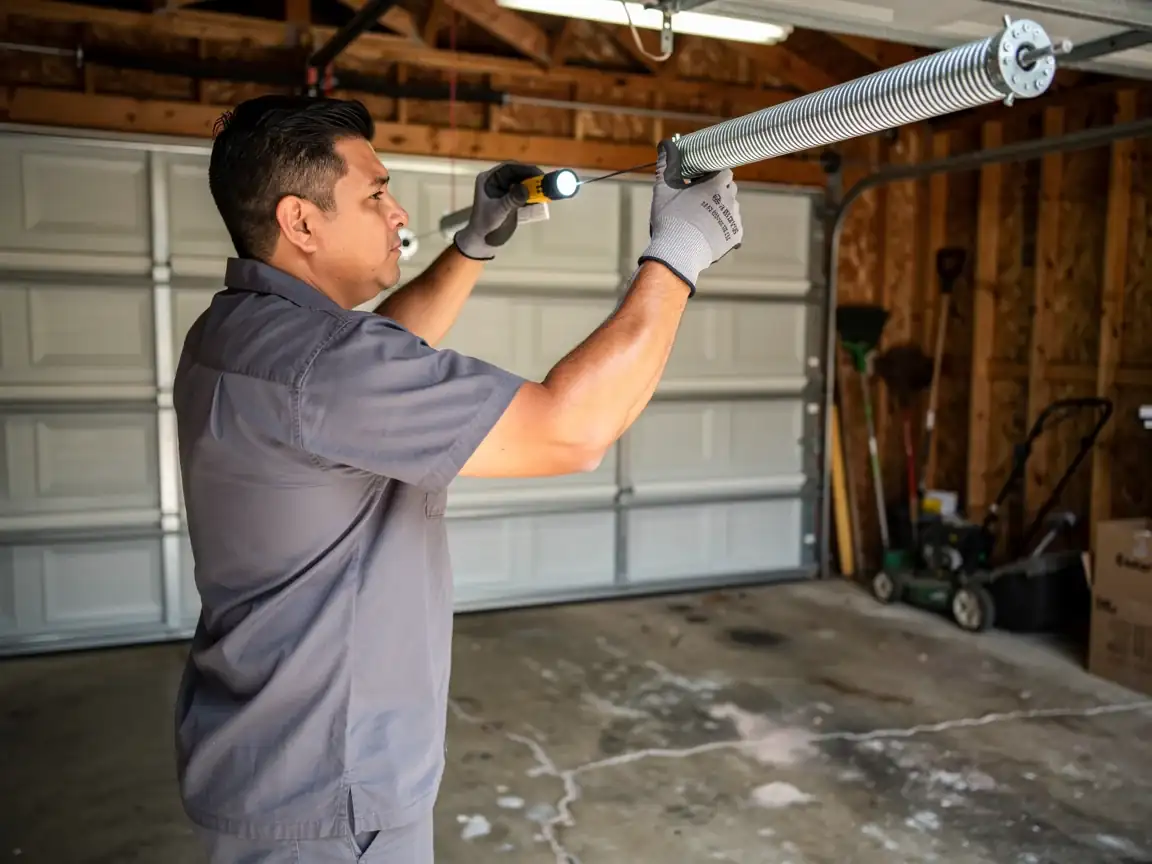
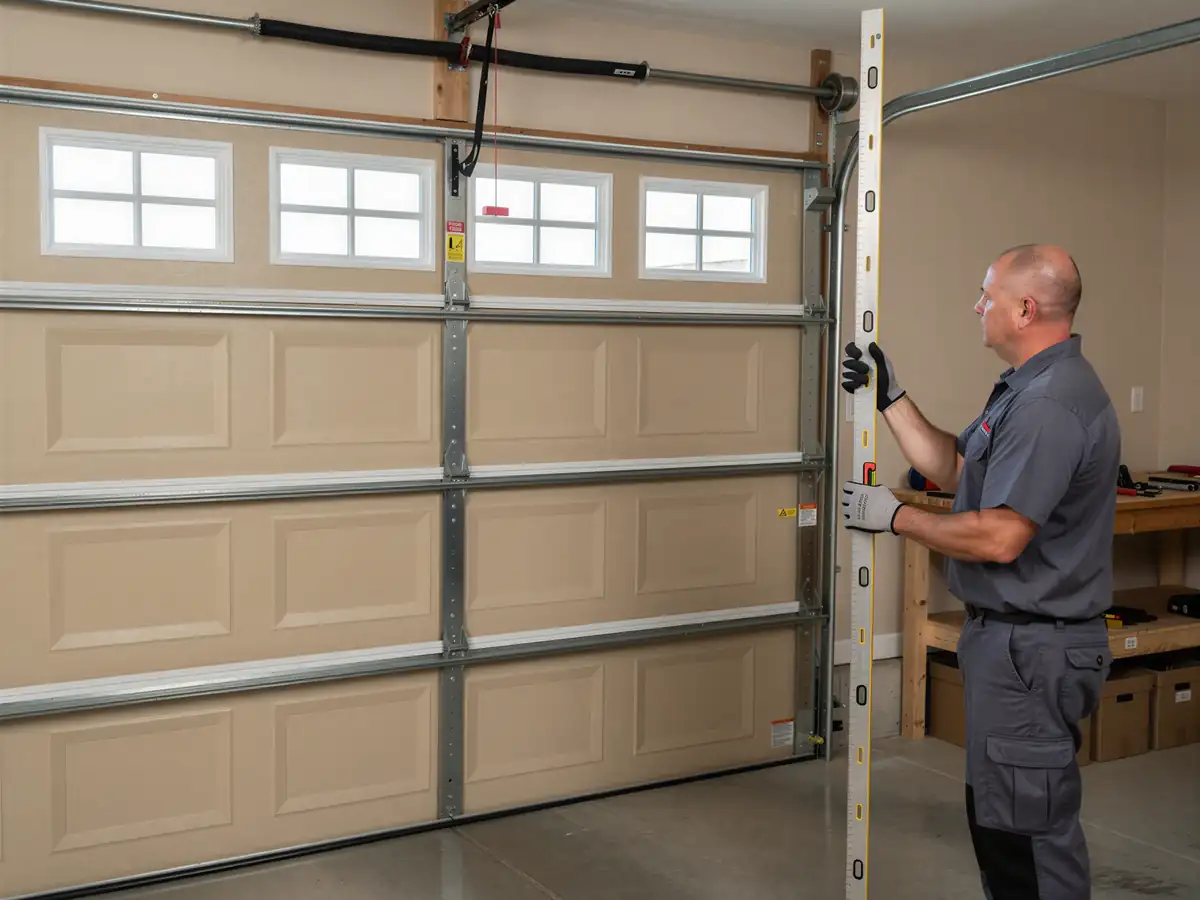
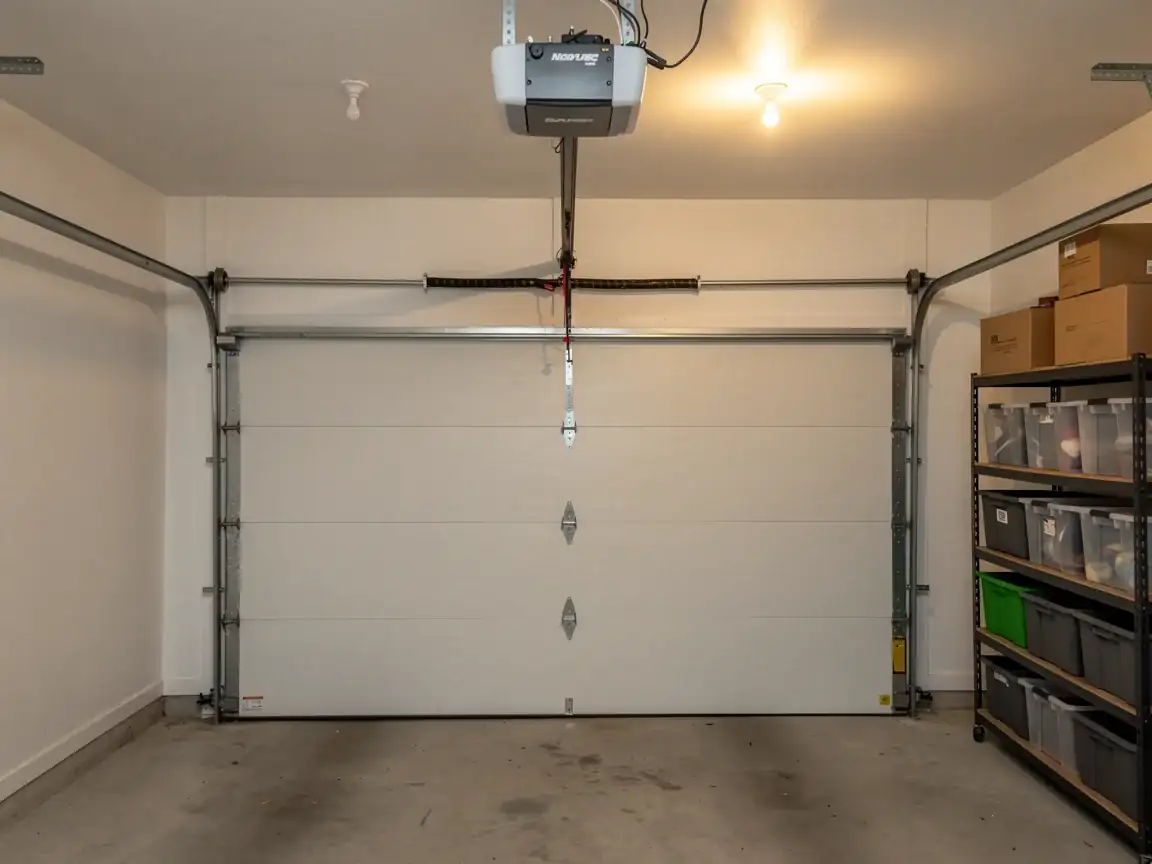
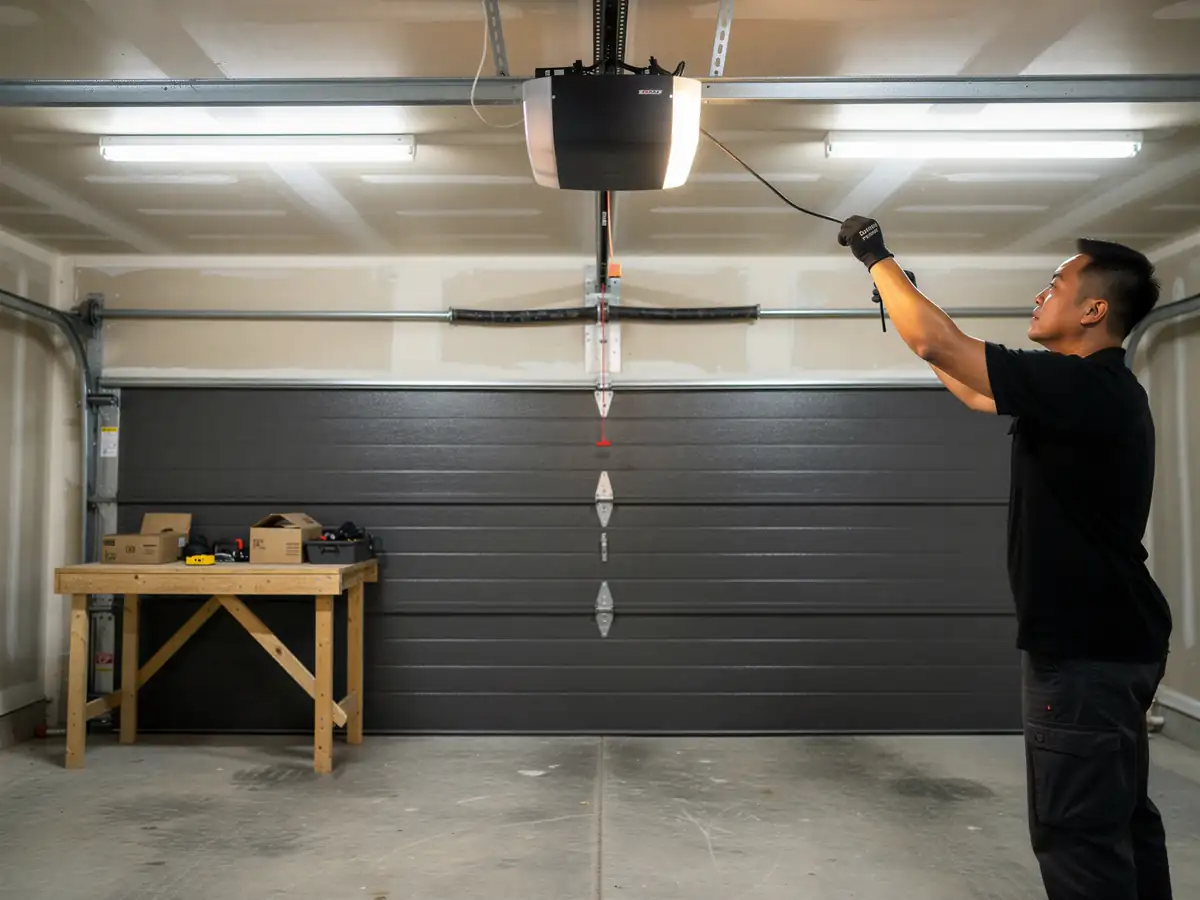
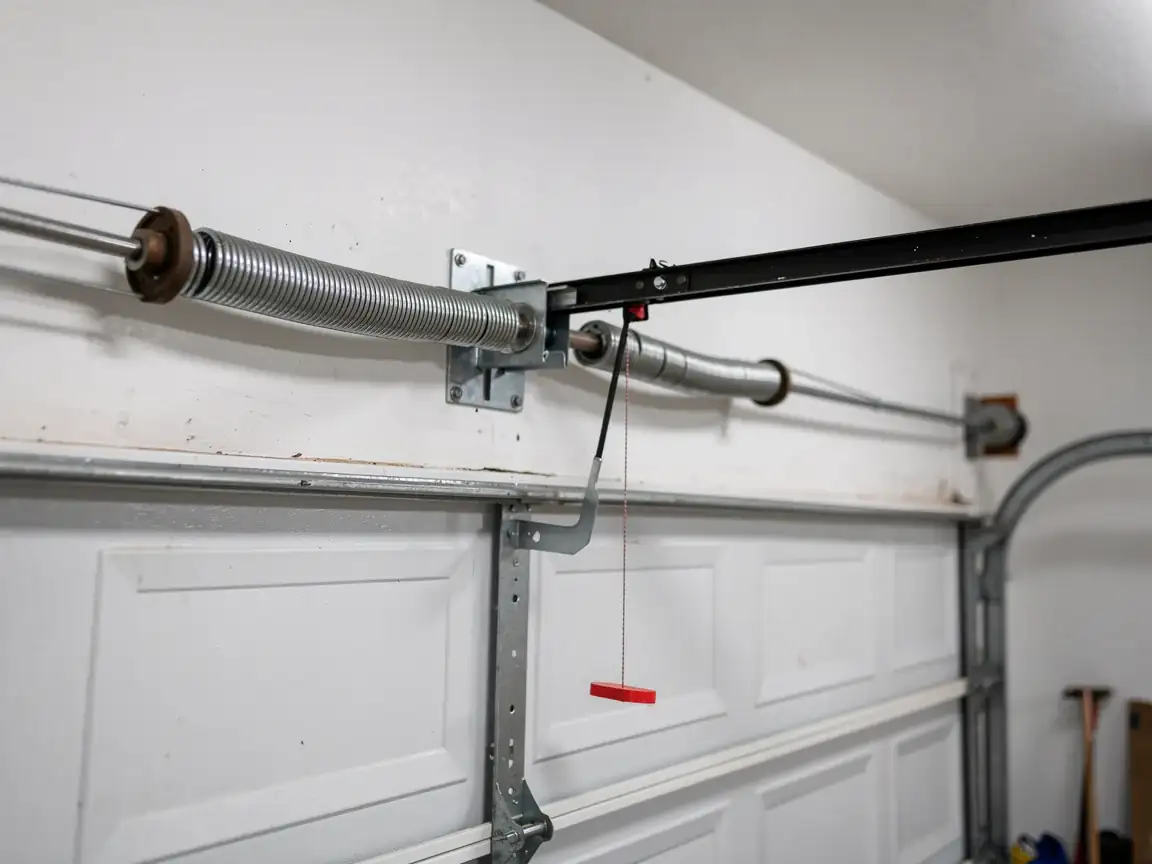
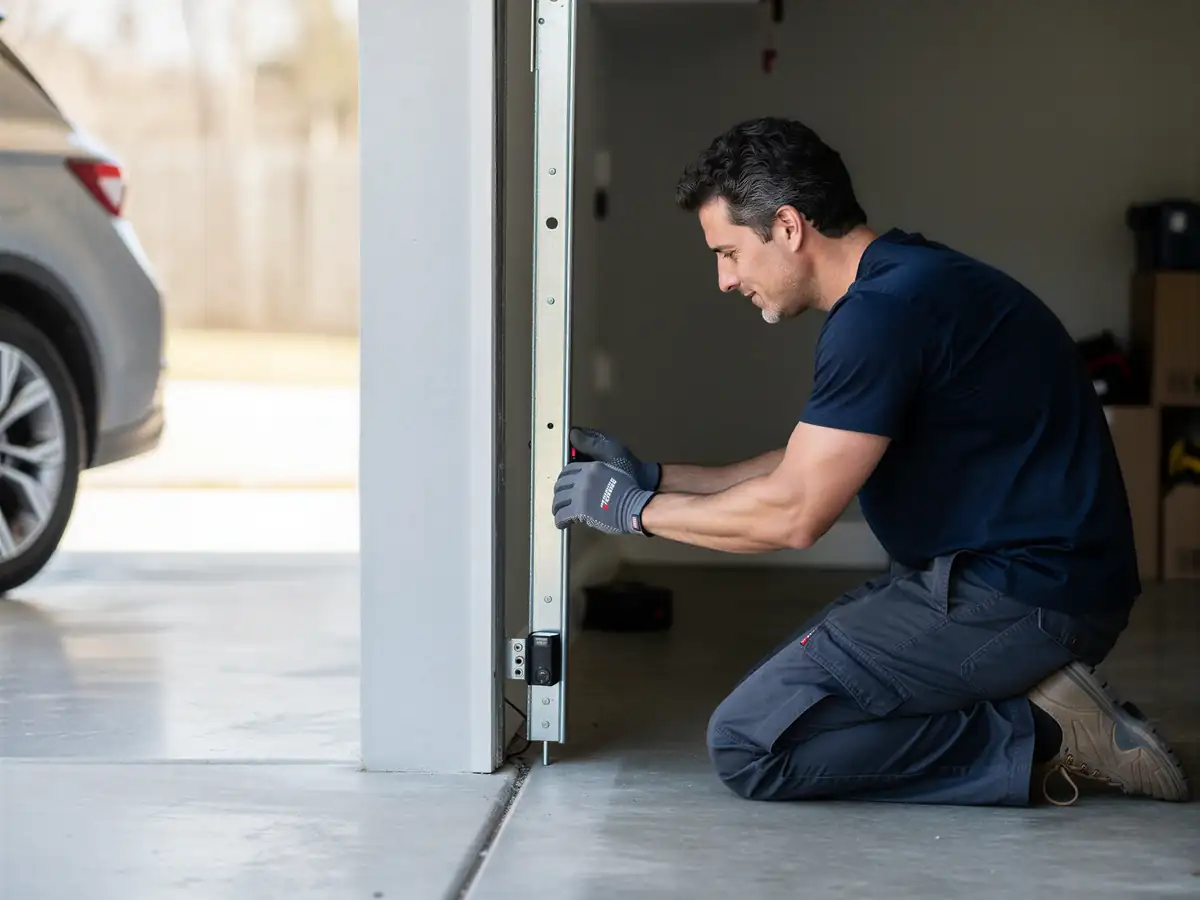
A broken torsion spring on a double door isn't a five-minute fix, no matter what a phone quote promises. We unload the opener spring tension, pull the old spring off the center bracket, measure wire gauge and wind direction against the shaft, and set a matched pair under proper torque on the winding bars. Most Stockton houses carry either a single torsion spring over the header or two torsion springs on a steel shaft, depending on when the door was installed relative to the home's original build year. Homes going back to the 1938-2010 range we see across the service area often still run the hardware that came with the house, which means the spring on the shaft may not match what's sold off the shelf today. We check cable condition, drum set screws, and the center bearing while the spring is off, because a spring failure that snapped a cable or bent a track turns a one-hour job into a longer one. If the opener has been straining against a weak spring for months, we'll tell you before we touch anything - sometimes the opener needs attention too, and we're not going to pretend otherwise just to close out a single-line invoice.
We don't do cosmetic panel work as part of a spring call. If the door needs that on top of springs, that's a separate conversation.
Stocked Parts
We carry common torsion spring sizes for the single-car and double-car torsion shafts that show up across the 20 named communities in this service area
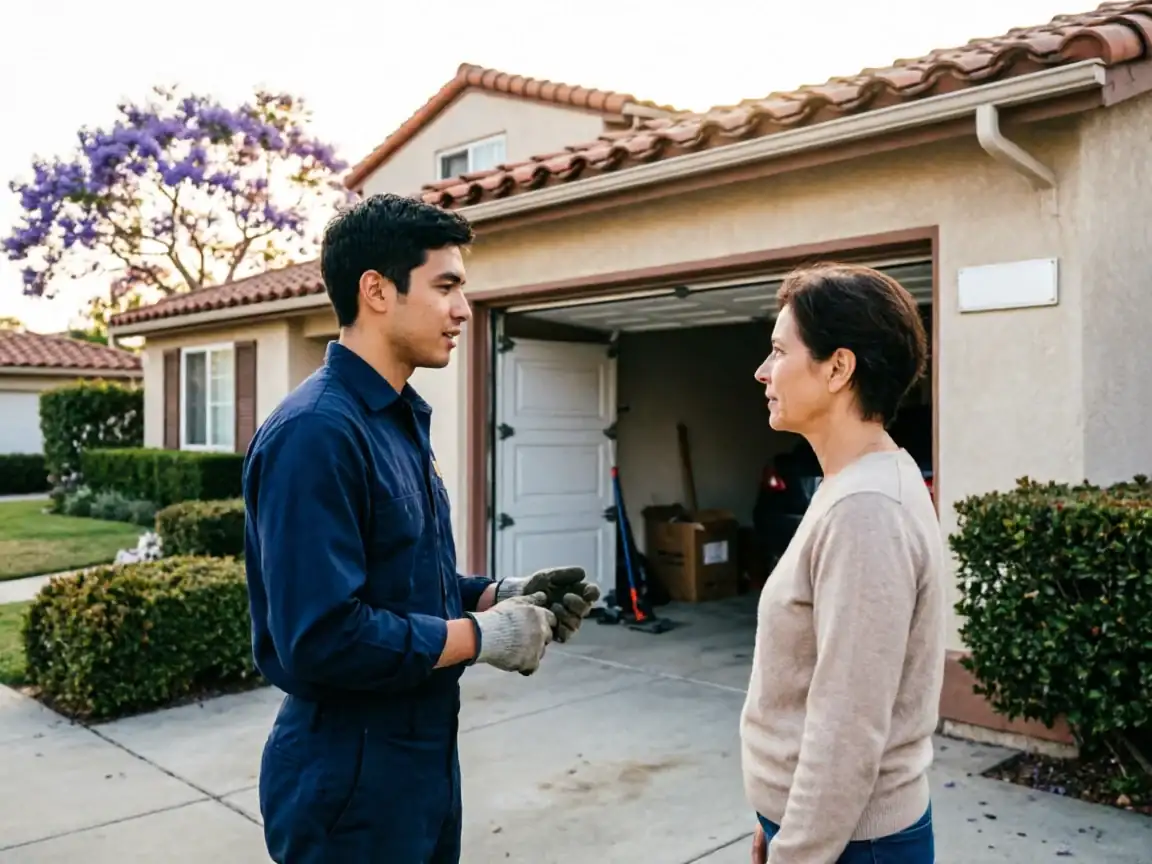
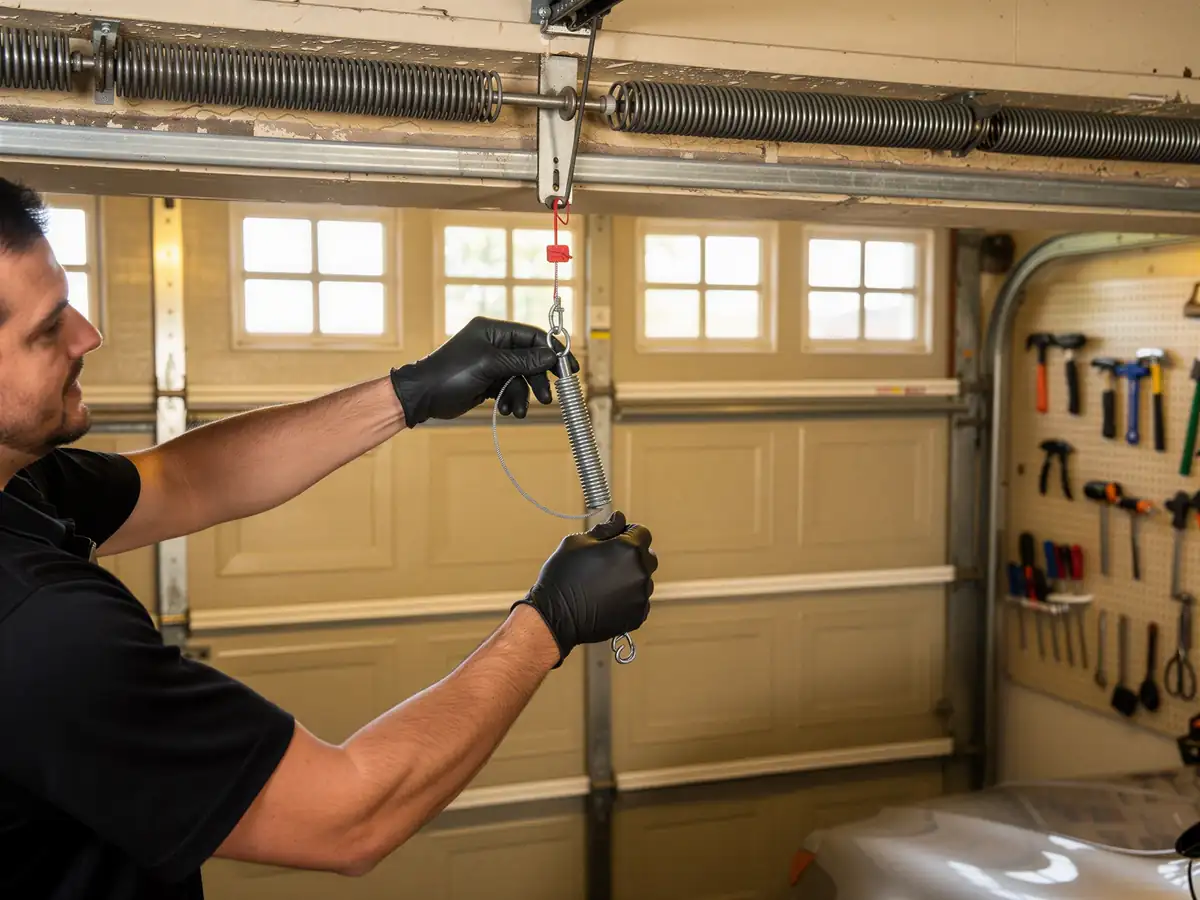
Plus standard extension springs for the older side-mounted setups still running on some of the 1960s-70s stock. Stocking common sizes means most torsion jobs get closed same visit instead of waiting on a special order. Where we run short is on oddball wind length or wire gauge from doors installed well before the 1977 median build year for this area - those sometimes need a day or two to source, and we'll say so up front rather than let you wait around.
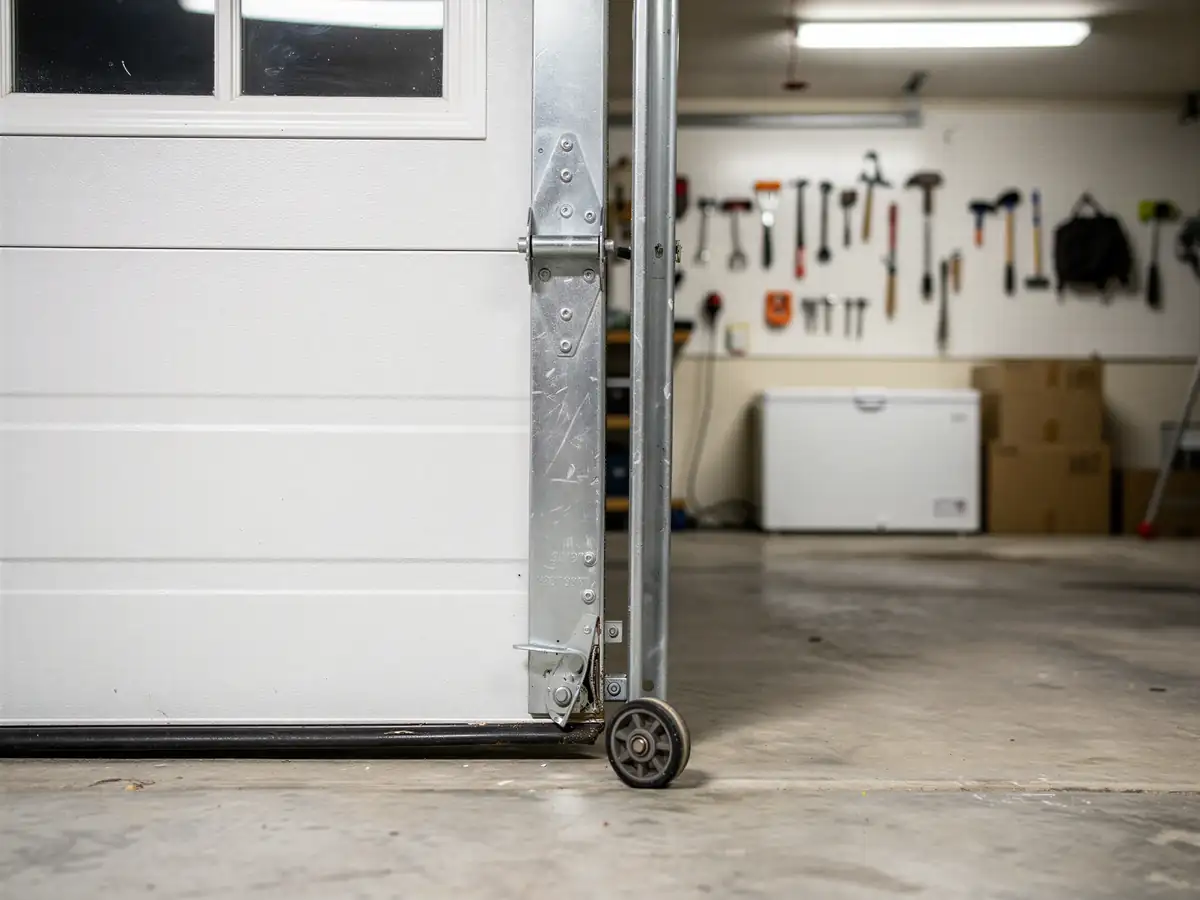
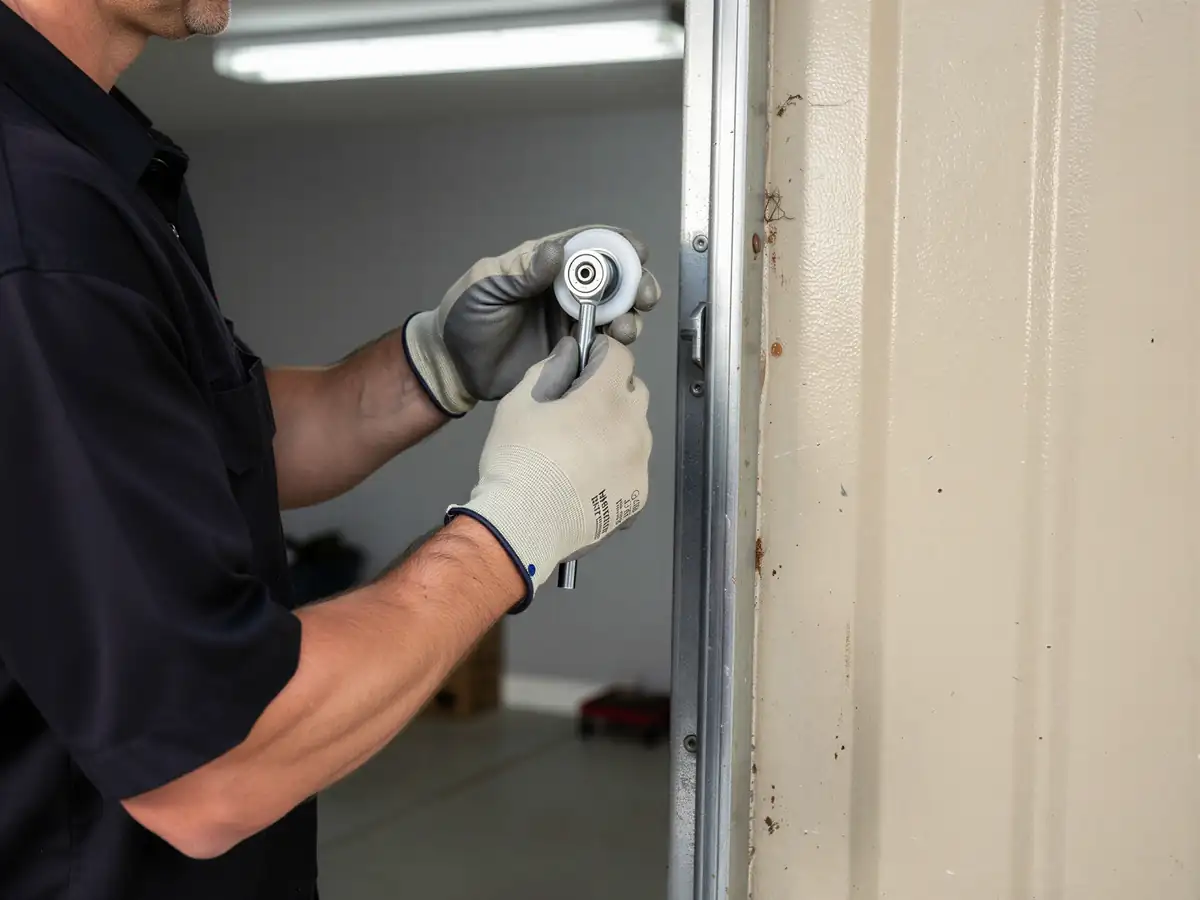
We also keep standard end bearings, 11-gauge lift cables, and drum sets on the truck
Since a spring failure on an older torsion shaft often takes one of those with it. If your door uses a less common hardware configuration, we'd rather quote you an honest lead time than install a mismatched spring that throws the door out of balance in six months.
Why It Happens Here
Spring failure is a cycle-count problem first and a heat problem second. Across the service area, housing runs from 1938 to as recent as 2010 with a median around 1977, and most of the stock in the 20 named communities dates to the 1960s and 70s. A torsion spring is rated for a set number of open-close cycles, and a 50-year-old spring on a door that's been opened twice a day for decades is well past its working life whether or not it looks rusty. The moderate heat band this area sits in isn't the dramatic freeze-thaw stress that cracks springs up north, but sustained summer heat does dry out the oil-tempered coating on older steel and speeds up metal fatigue in a spring that's already near the end of its rated cycles. That combination - older original hardware plus a long warm season - is why we get more torsion spring calls from houses built before 1980 than from newer construction in Mountain House or similar newer-build areas. It's not dramatic, it's just math: the spring was good for X cycles, the house has been standing since the Johnson administration in some cases, and the math ran out.
How It Shows Up
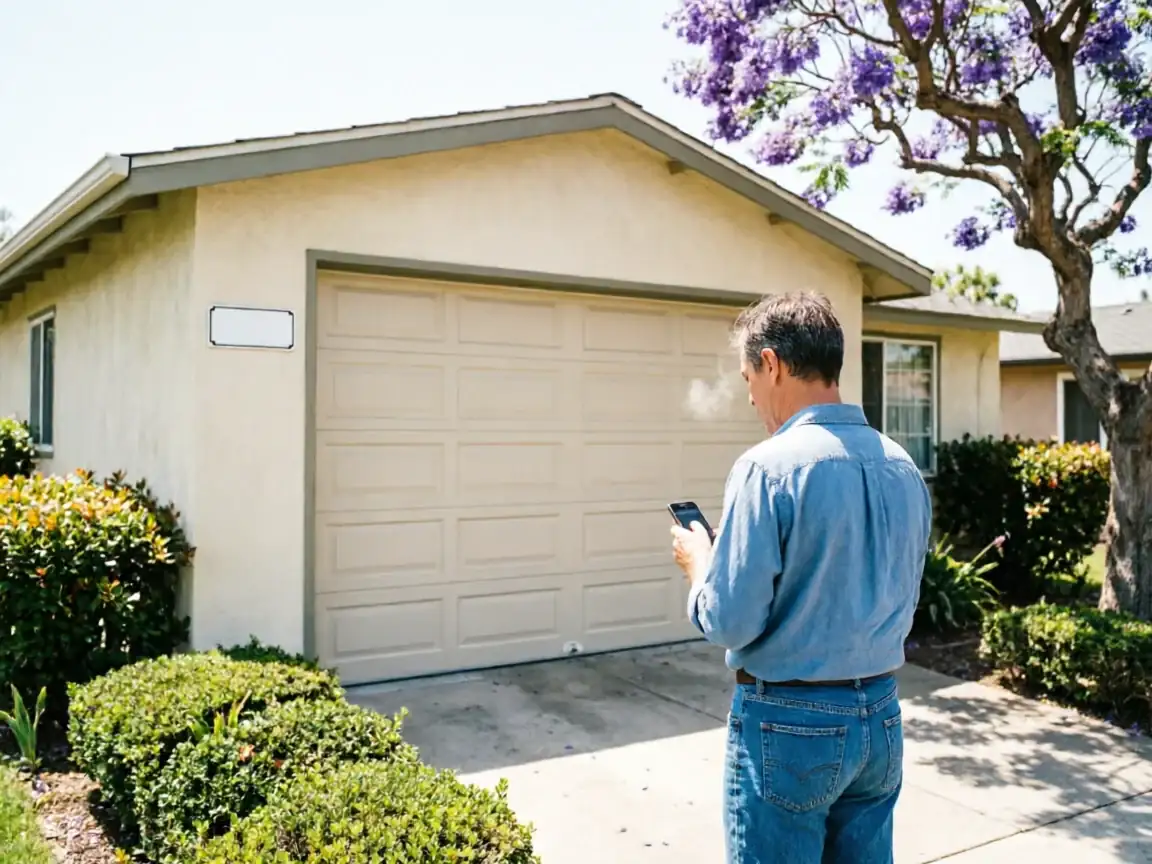
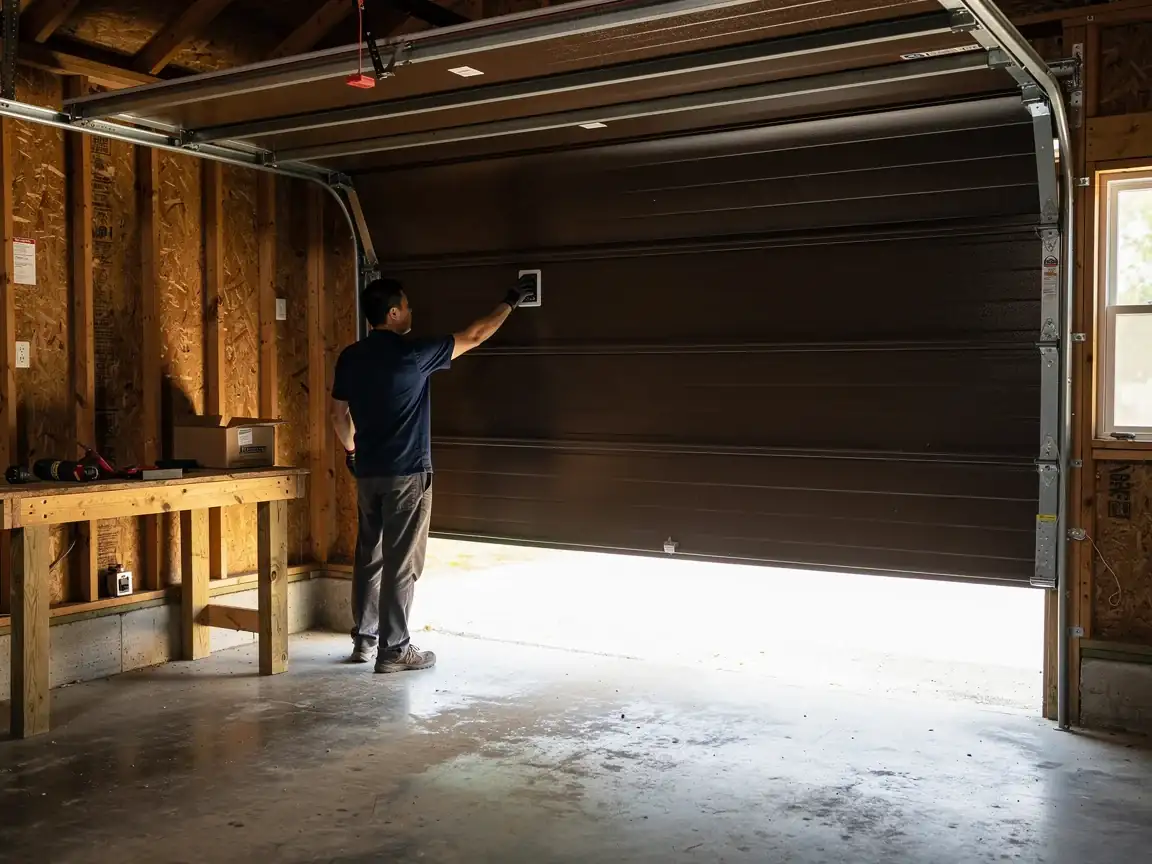
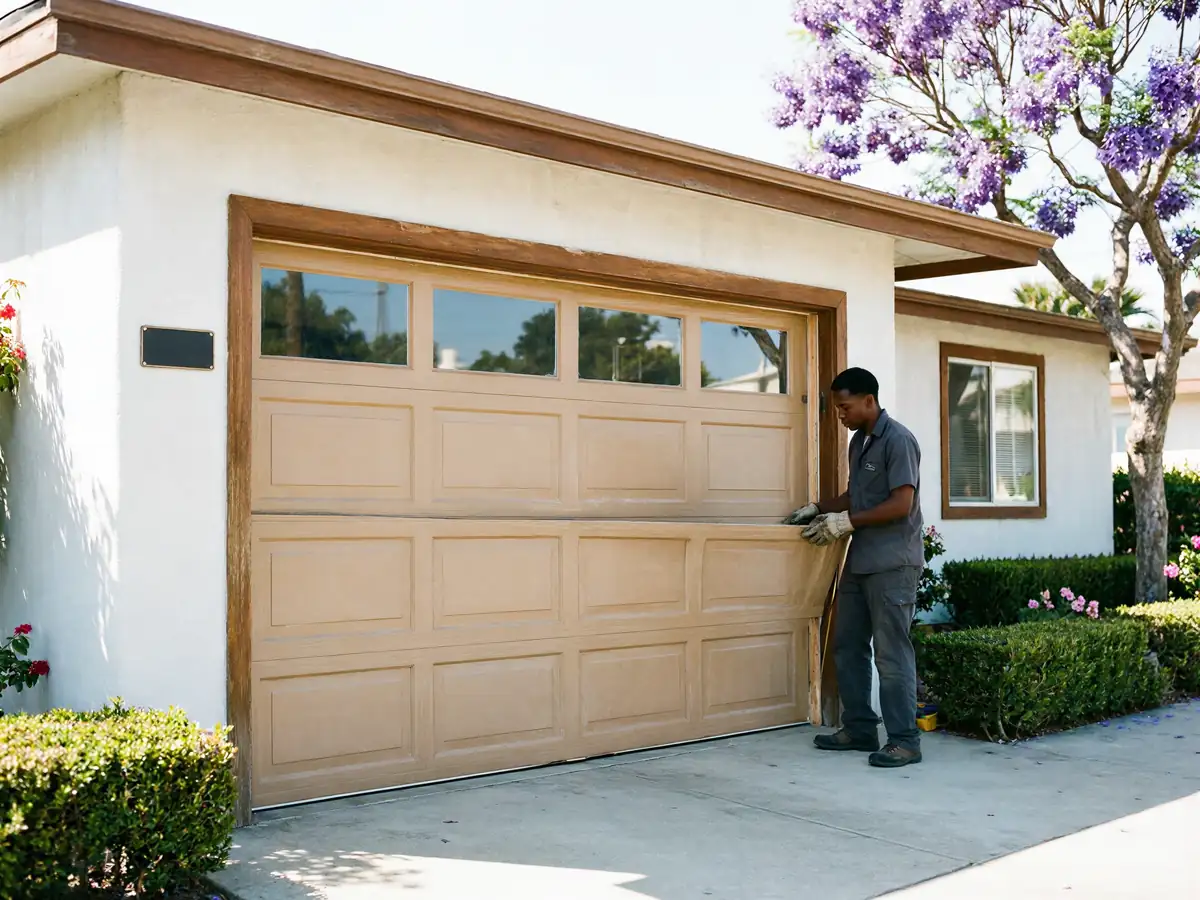
The door won't lift, or it lifts a few inches and stops, and the opener motor sounds like it's working harder than usual before it gives up. Sometimes there's a loud bang from the garage first - that's the spring letting go, not the motor. Other times it's gradual: the door gets heavier to lift by hand over a few weeks, which means the spring is losing tension before it fully breaks. On older torsion setups common in the 1960s-70s stock found across this area, you'll sometimes see a visible gap in the coil on one side of the shaft once it's gone. On extension spring setups, a snapped spring usually means the cable goes slack and the door sits crooked in the opening. If your door won't budge at all and the opener is straining, stop trying to force it with the opener - that's how cables and tracks get damaged on top of the spring.