What the Repair Takes
Most service calls in Stockton start with a door that won't open, a spring that let go, or an opener that runs but the door doesn't move. The actual repair depends on what's behind the panel, and in this city that's usually determined by the house, not the brand of door.
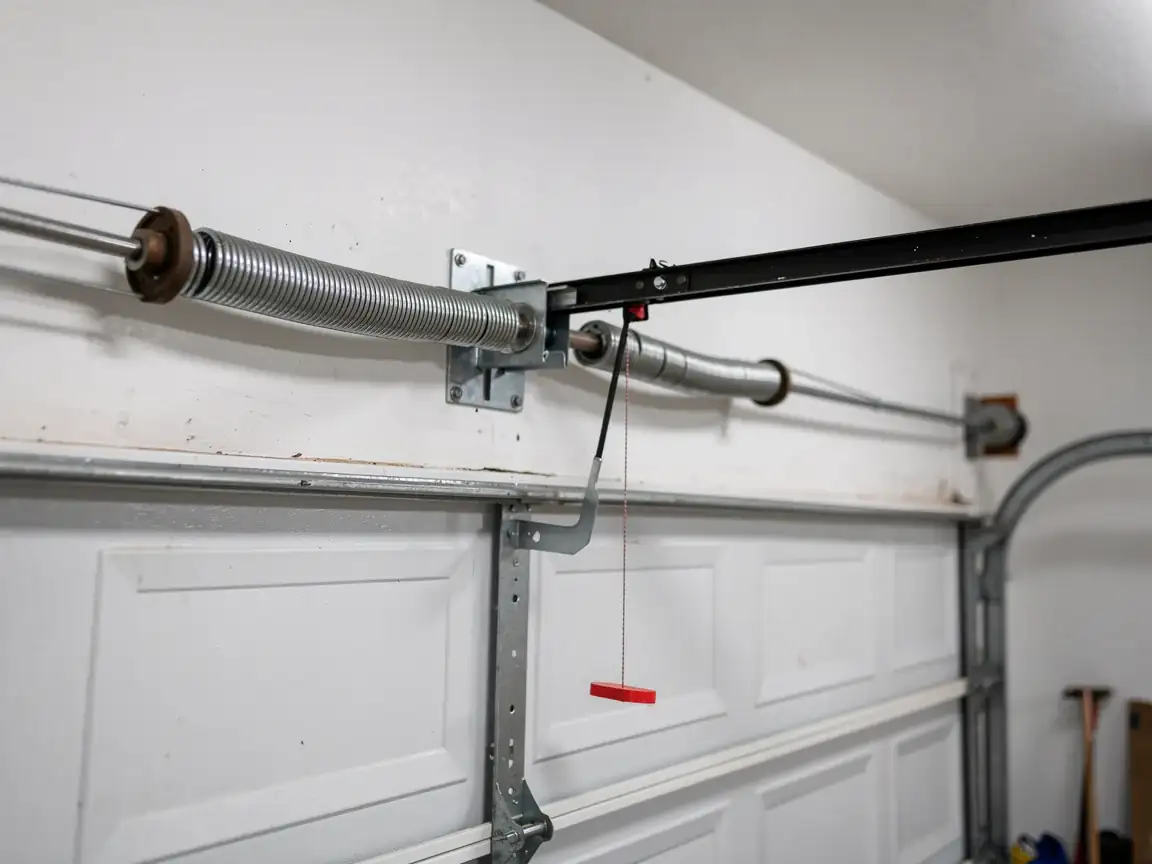
Stockton's housing runs from 1938 up through 2010, but the median build year sits at 1977, and most of what we work on day to day falls into that 1960s-70s band across the older sections of town. That means a lot of torsion spring setups and track hardware that predates the lighter-gauge, mass-market doors you see in newer subdivisions. Diagnosing one of these starts with figuring out whether the original hardware is still in there or whether a prior owner swapped in a modern retrofit kit.
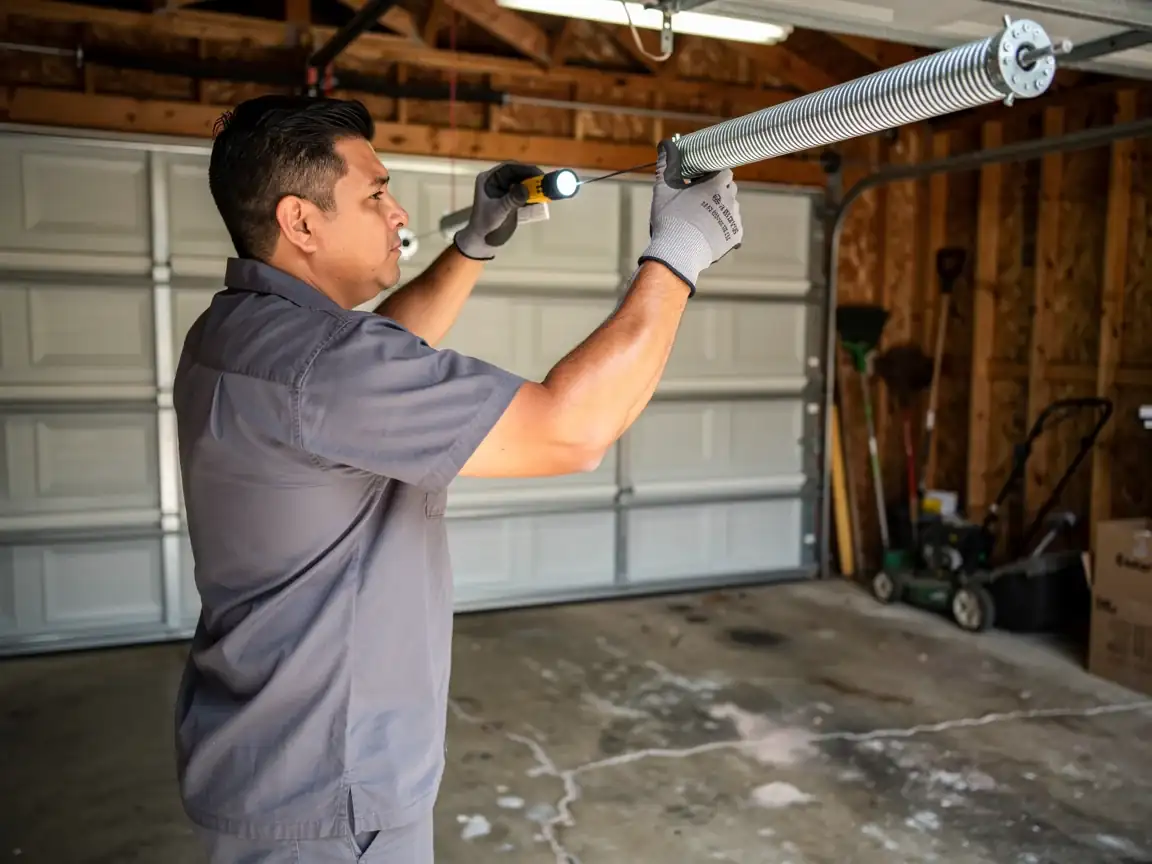
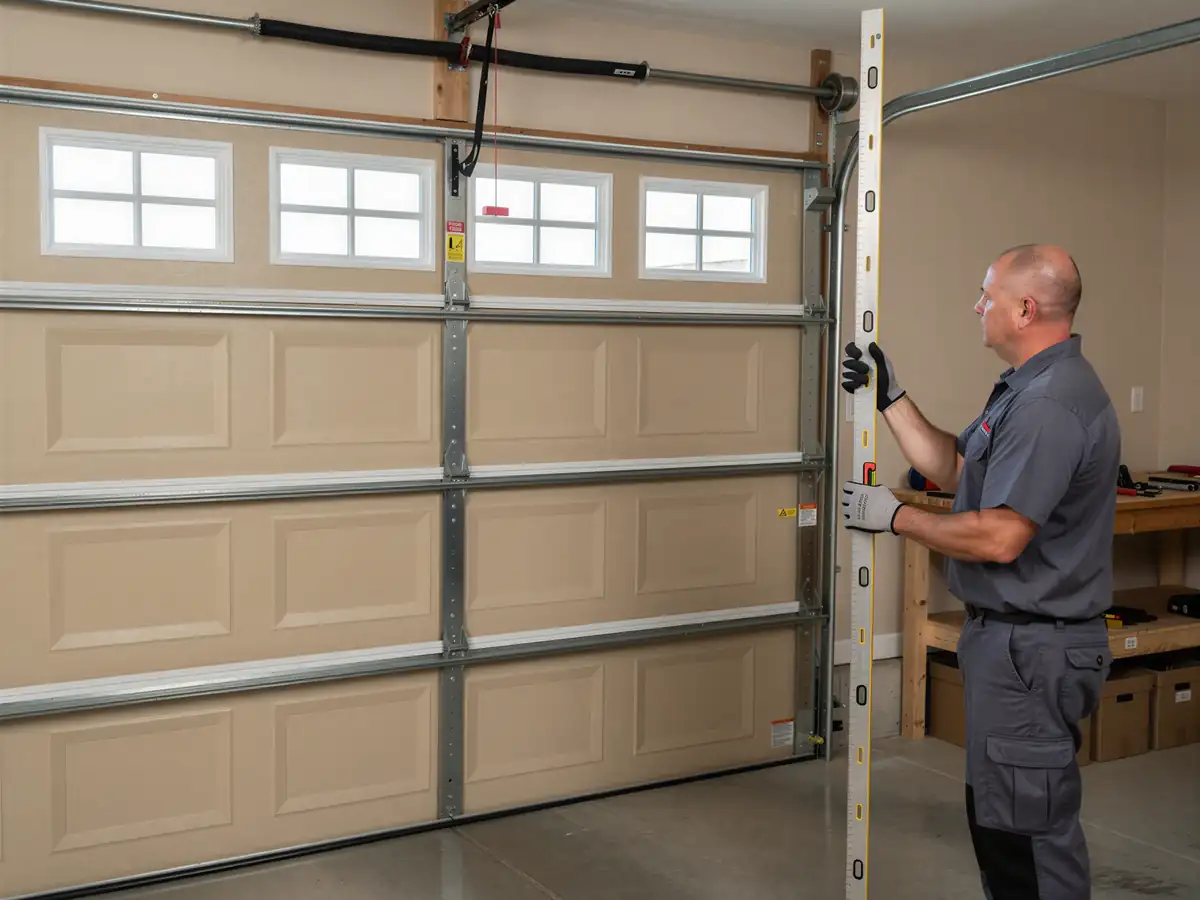
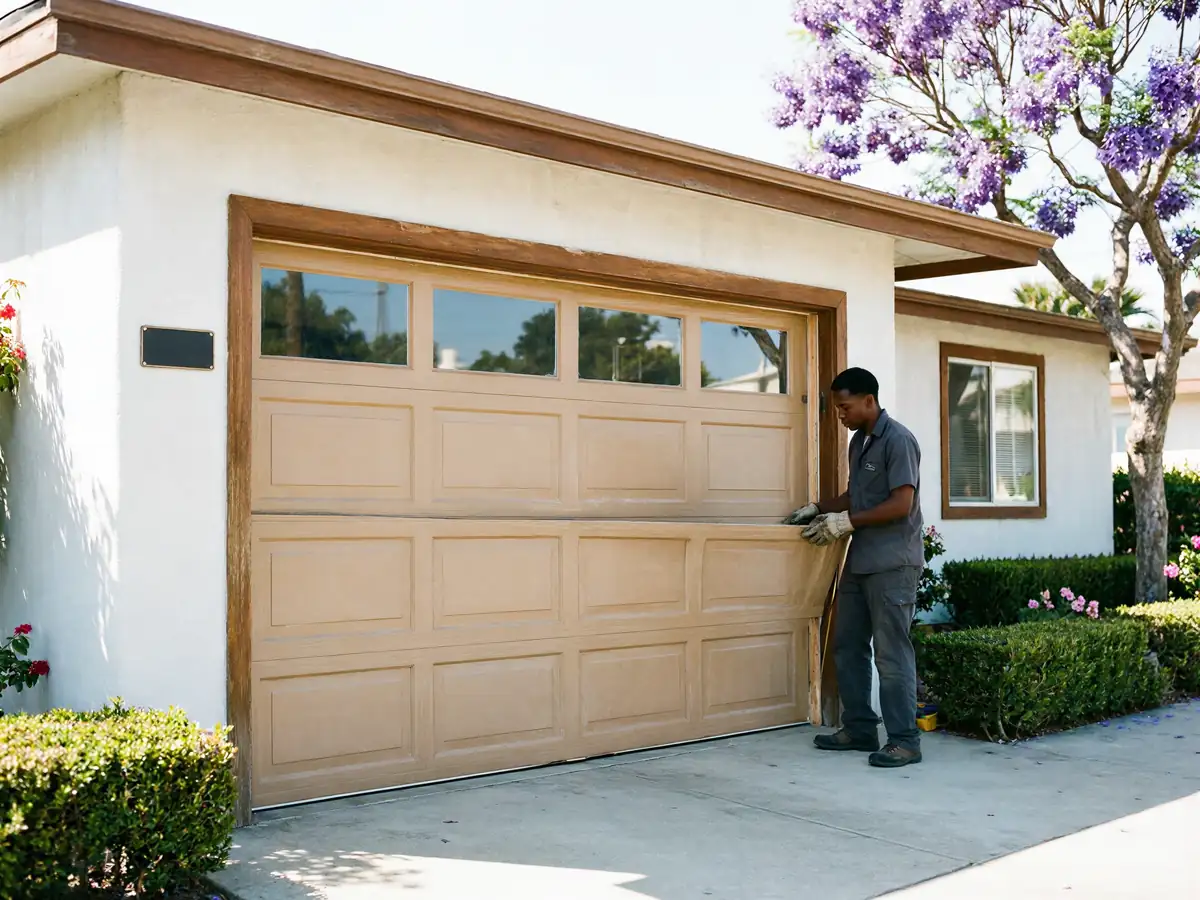
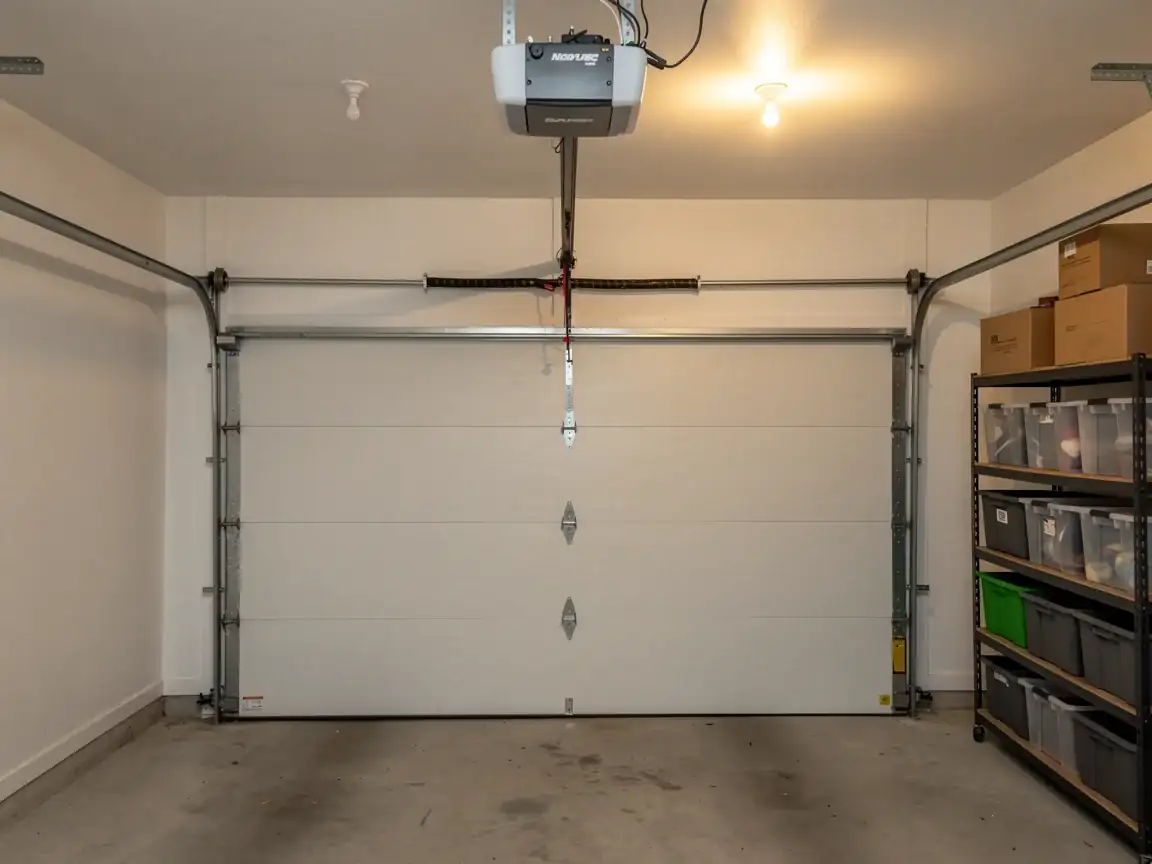
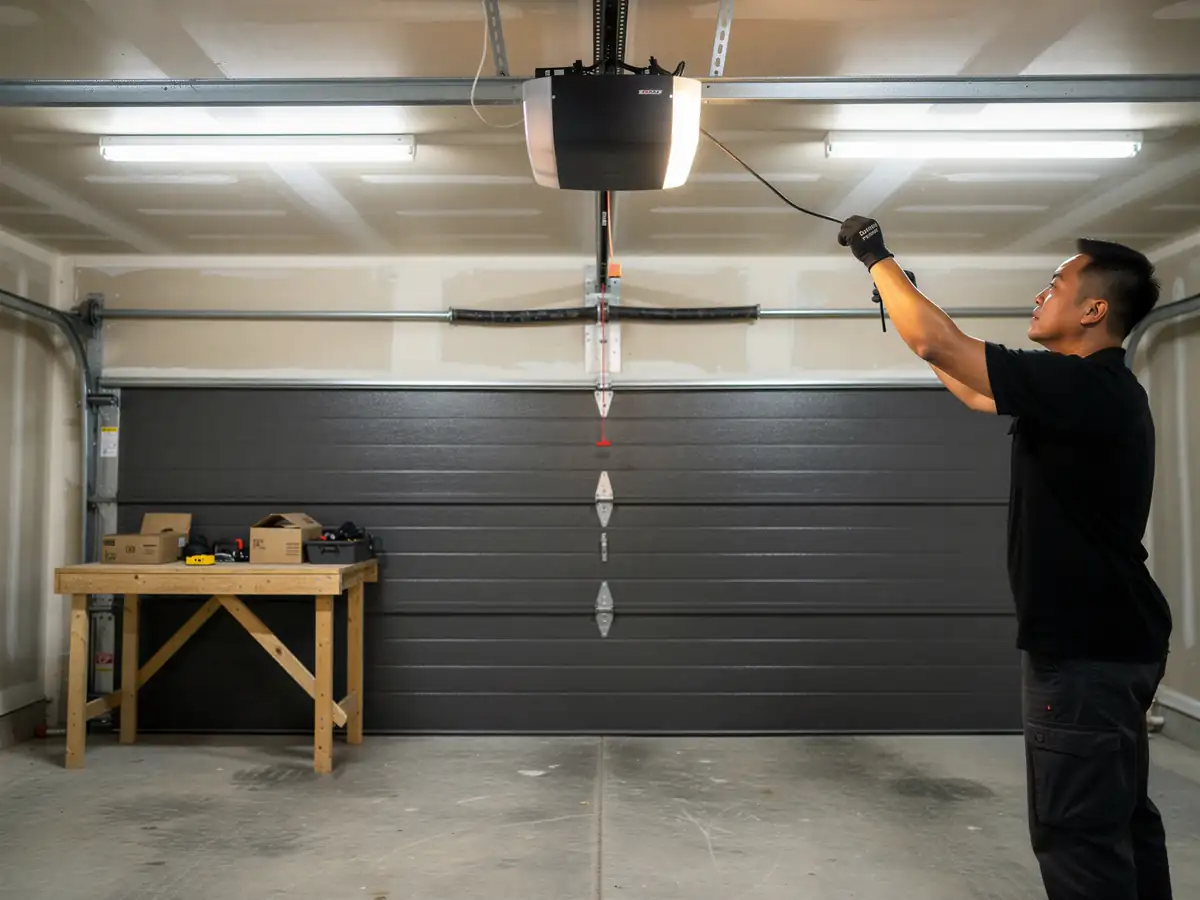
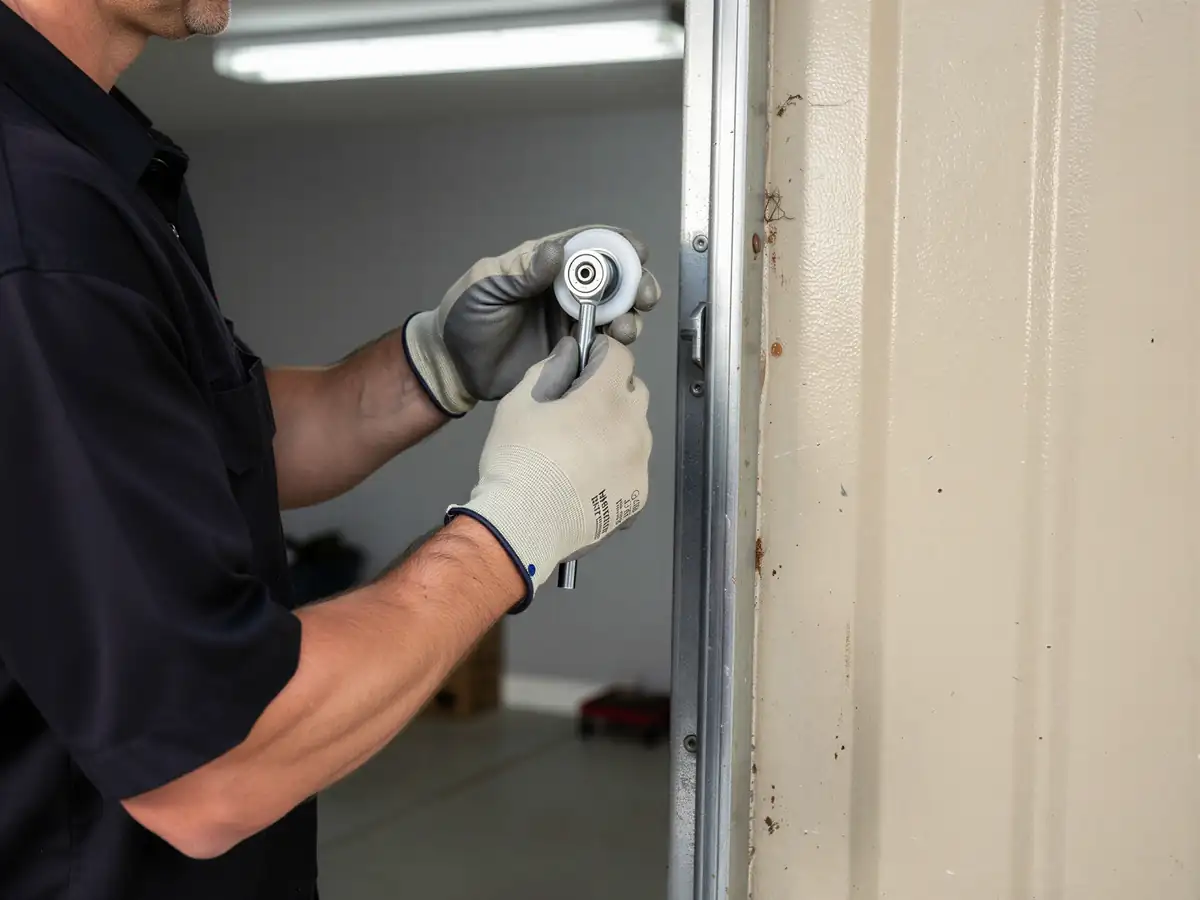
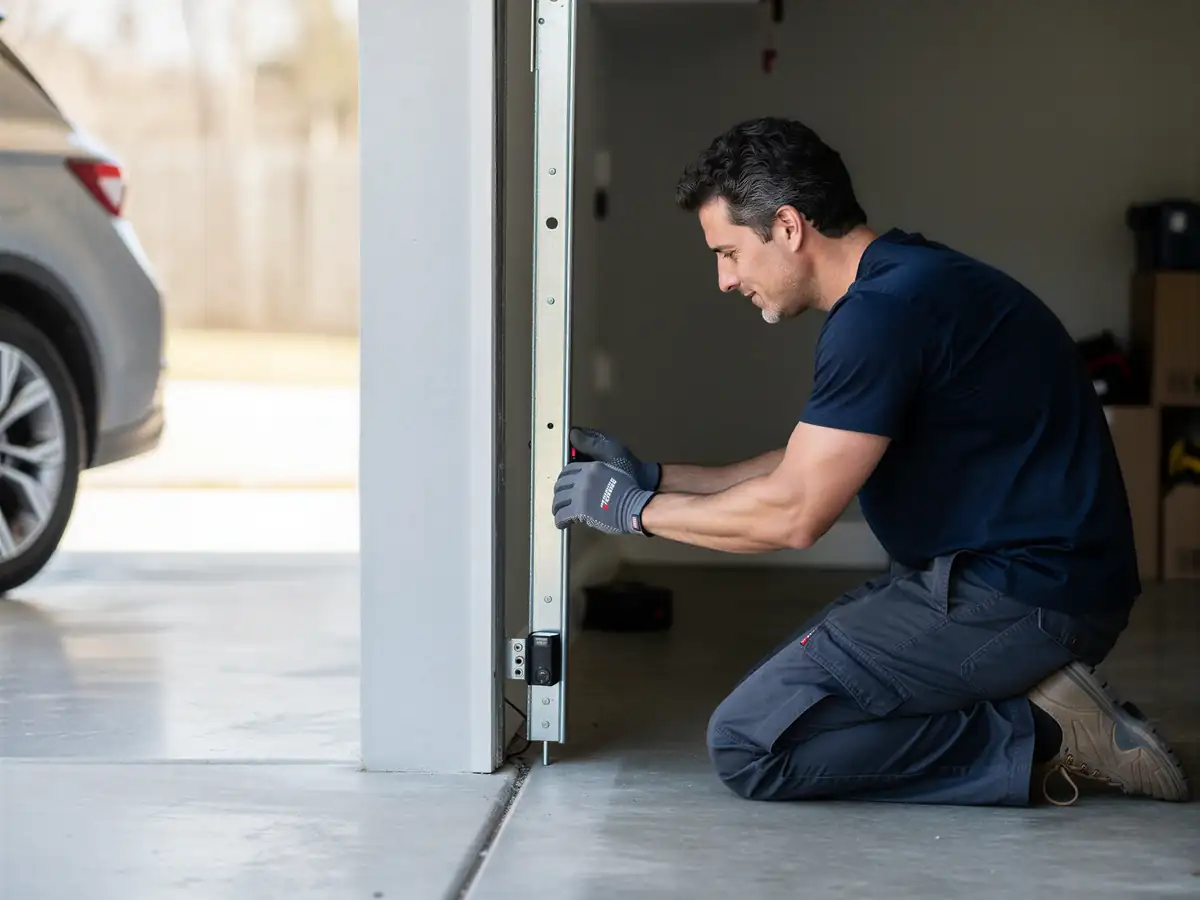
We pull the panel, check the spring wind and cable tension, and look at the track alignment before we touch the opener. On a lot of these older doors, the fix is a spring and cable job, not a full door swap - but we'll tell you straight if the door itself has had enough and replacement makes more financial sense than another patch.
Stocked Parts
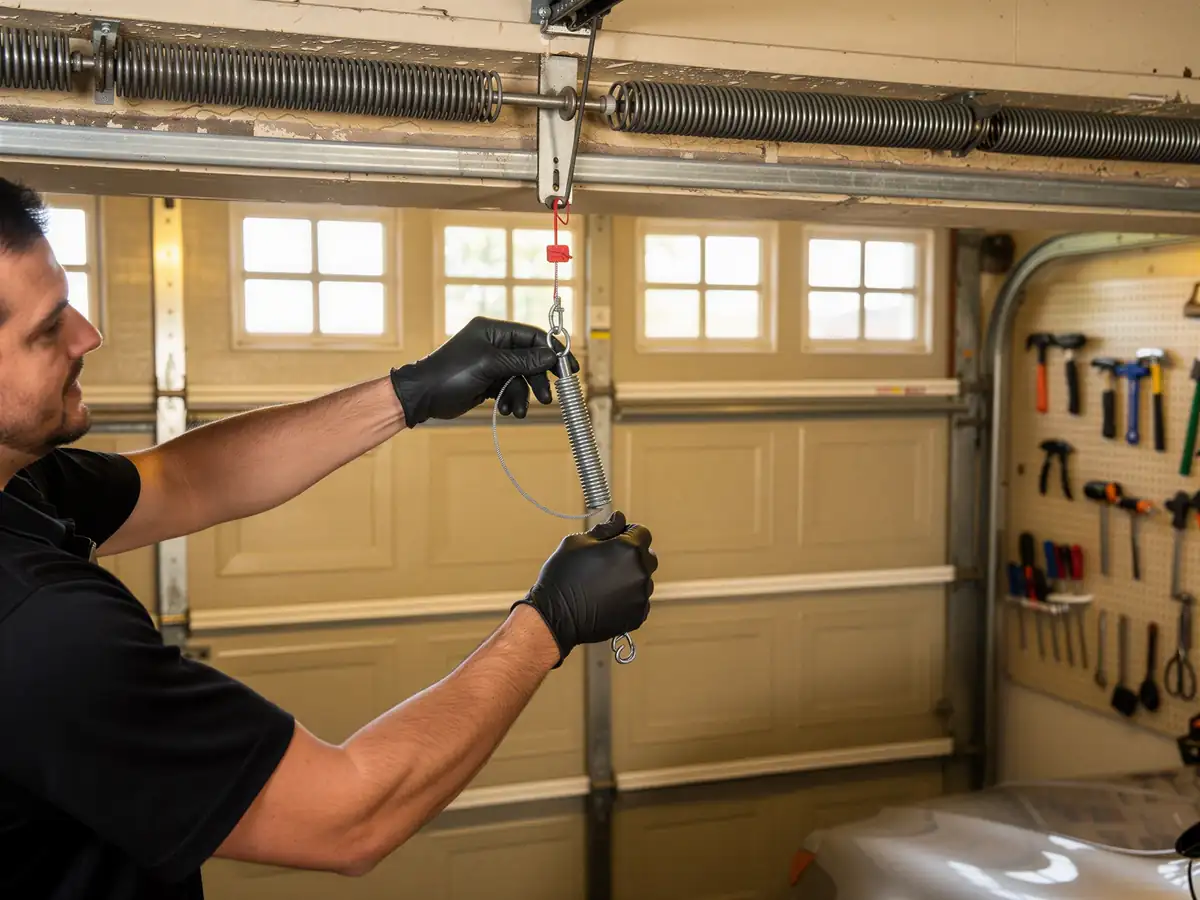
We carry the springs, rollers, and cable sizes that match the torsion hardware common to Stockton's 1960s and 70s housing
Because that's what's on the truck for most calls in this city. Standard residential torsion springs, nylon and steel rollers, and galvanized lift cable in the sizes that fit these original setups are stock items for us.
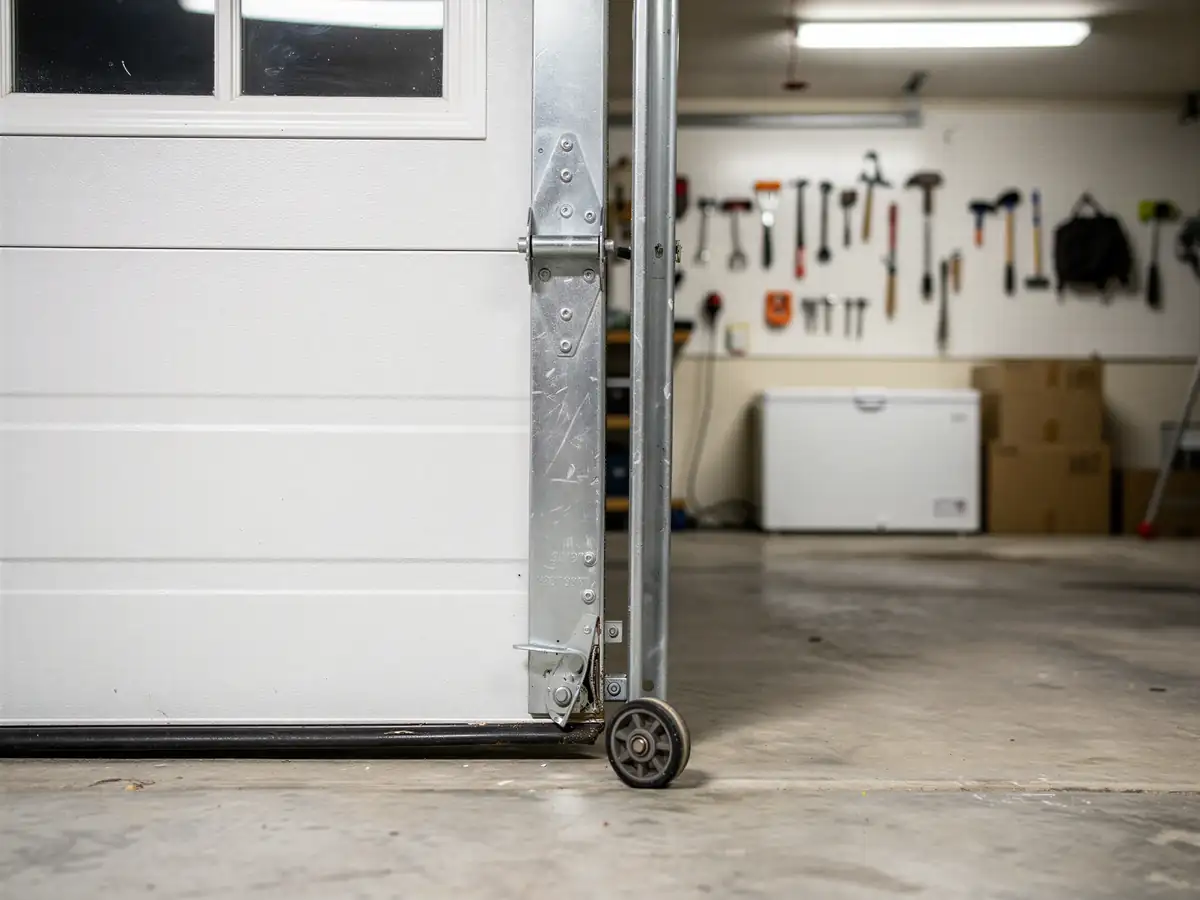
Where we run into a lead time is older or less common hinge and track hardware
Some of the heavier-gauge steel doors from the 1940s through early 60s used hardware that isn't a same-day part anymore. If your door falls into that older bracket, we'll tell you upfront whether we can source it same-visit or whether it's a return trip. That's the honest limitation here: we don't pretend every part for a 70-plus-year-old door is sitting on the shelf, because it isn't.
Why It Happens Here
Stockton sits in a moderate heat climate band, which matters more for garage doors than people expect. It's not extreme enough to crack panels the way desert heat does, but the daily swing between a hot garage interior and cooler morning air puts steady stress on steel tracks and spring coils over decades. On a door installed when the house was built - often somewhere in that 1938-2010 range, with most of the stock dating to the 60s and 70s - that's 40, 50, 60 years of expansion and contraction on the same hardware.
Across the service area there are 44,752 households and 31,360 owner-occupied houses, and the age spread on those houses is wide enough that we see every generation of door hardware in a given week - from original torsion springs on a 1965 house in areas like to newer opener retrofits in sections built closer to 2010. The failure mode tends to track the housing age more than anything else.
How It Shows Up
On the older end of Stockton's housing stock, the most common call is a spring that's lost tension gradually rather than snapping outright - the door gets heavier to lift by hand, the opener strains and sometimes reverses mid-cycle, and eventually the cable frays at the drum. That slow failure is typical of torsion hardware that's been in place since the house was built in the 60s or 70s and never serviced.
In homes closer to the newer end of the 1938-2010 range, we see different symptoms - sensor misalignment, opener logic boards acting up, or a track that's slightly out of plumb from a settling foundation rather than worn-out spring steel. Knowing which pattern you're dealing with before we show up helps us bring the right parts on the first trip instead of the second.