What the Repair Takes
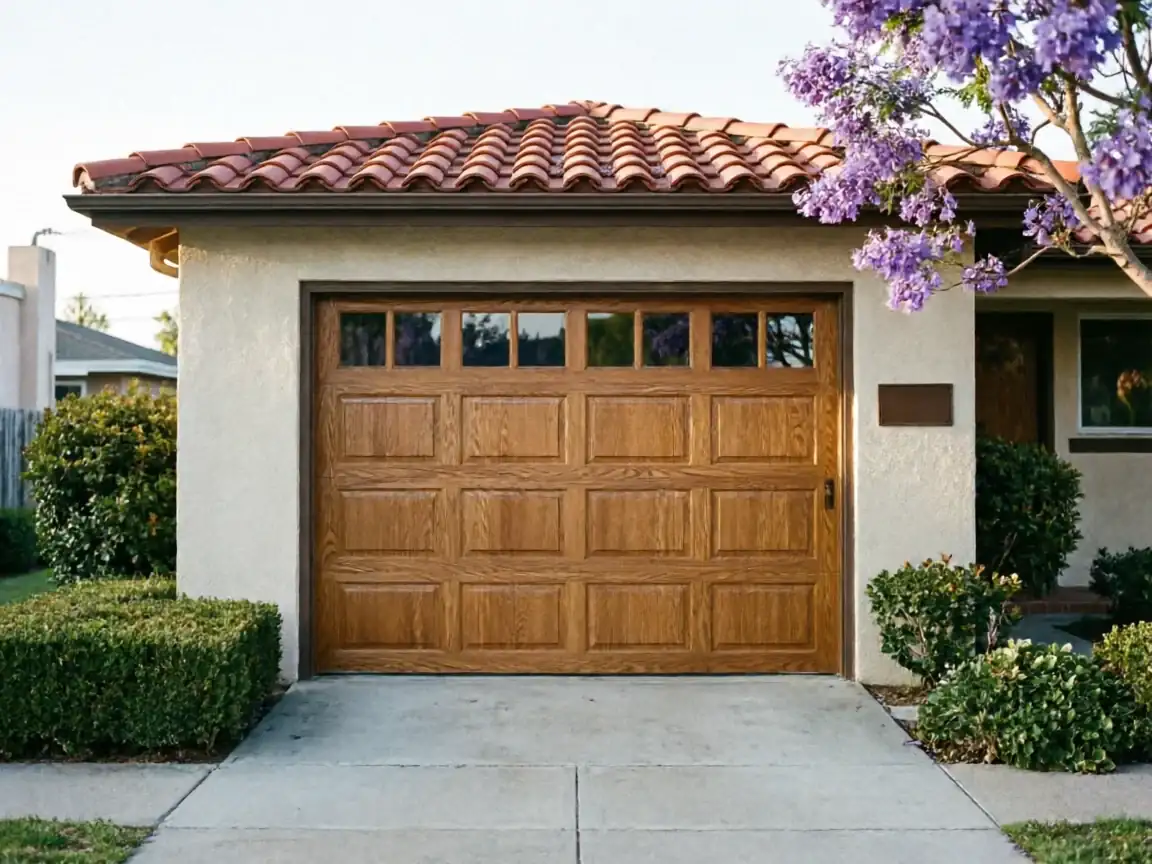
French Camp sits about 8 miles south of our Stockton shop, which changes how we plan the job before the truck ever leaves. With only 356 households out here, we don't run a route through French Camp every day, so when we book an opener install we load the van for that specific house first - bracket style, rail length, header clearance - instead of guessing on site and driving back for a part.
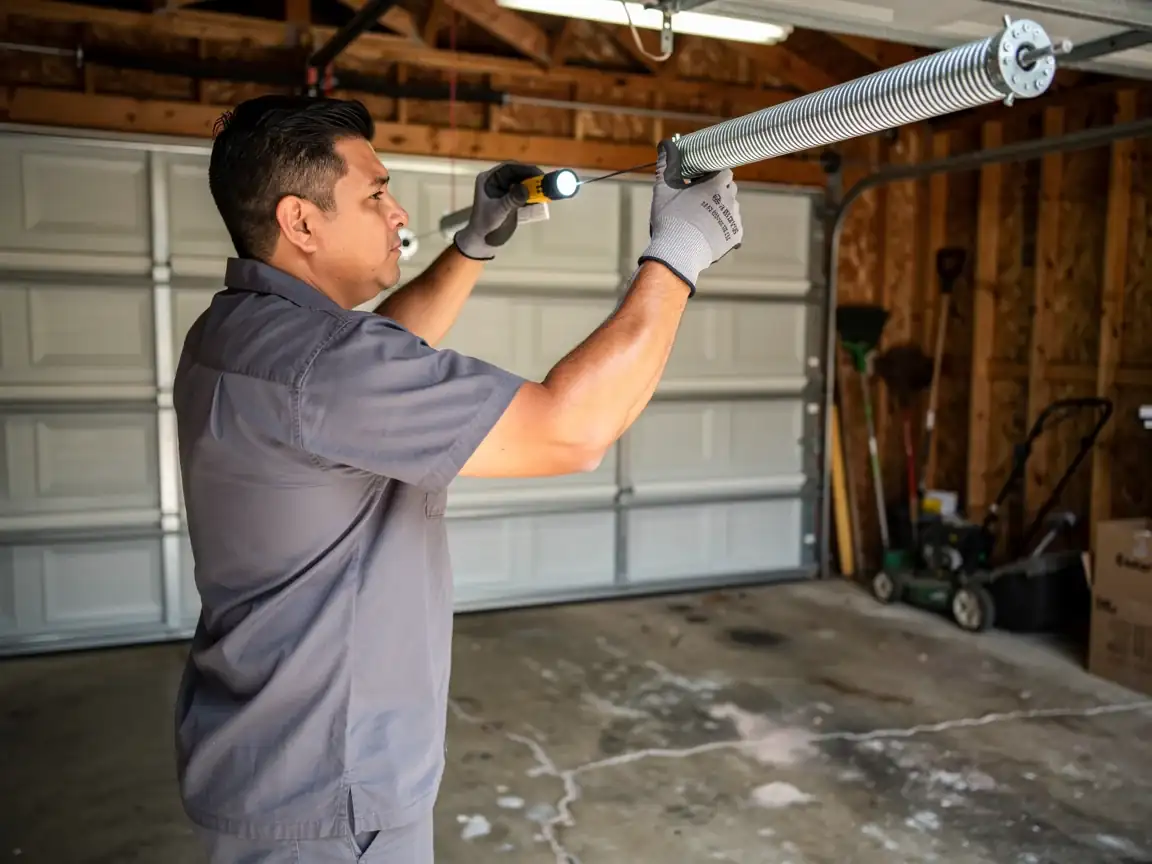
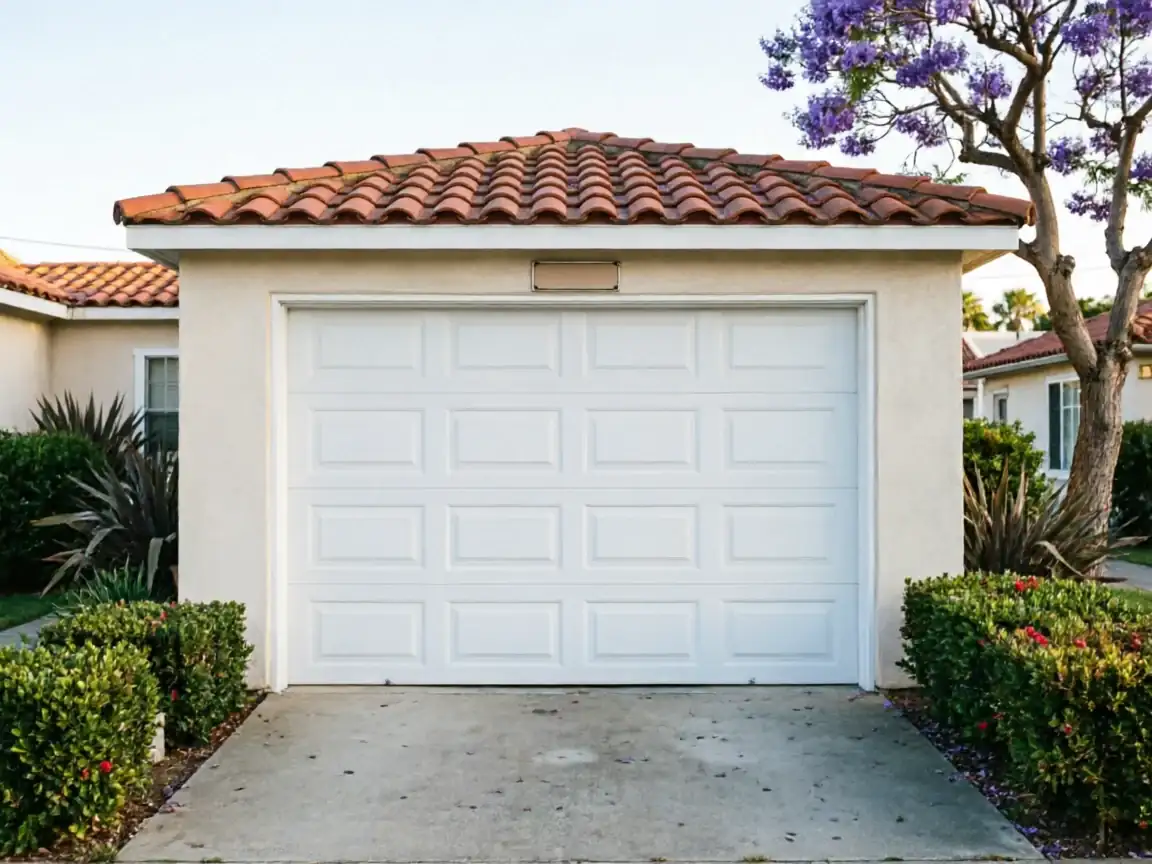
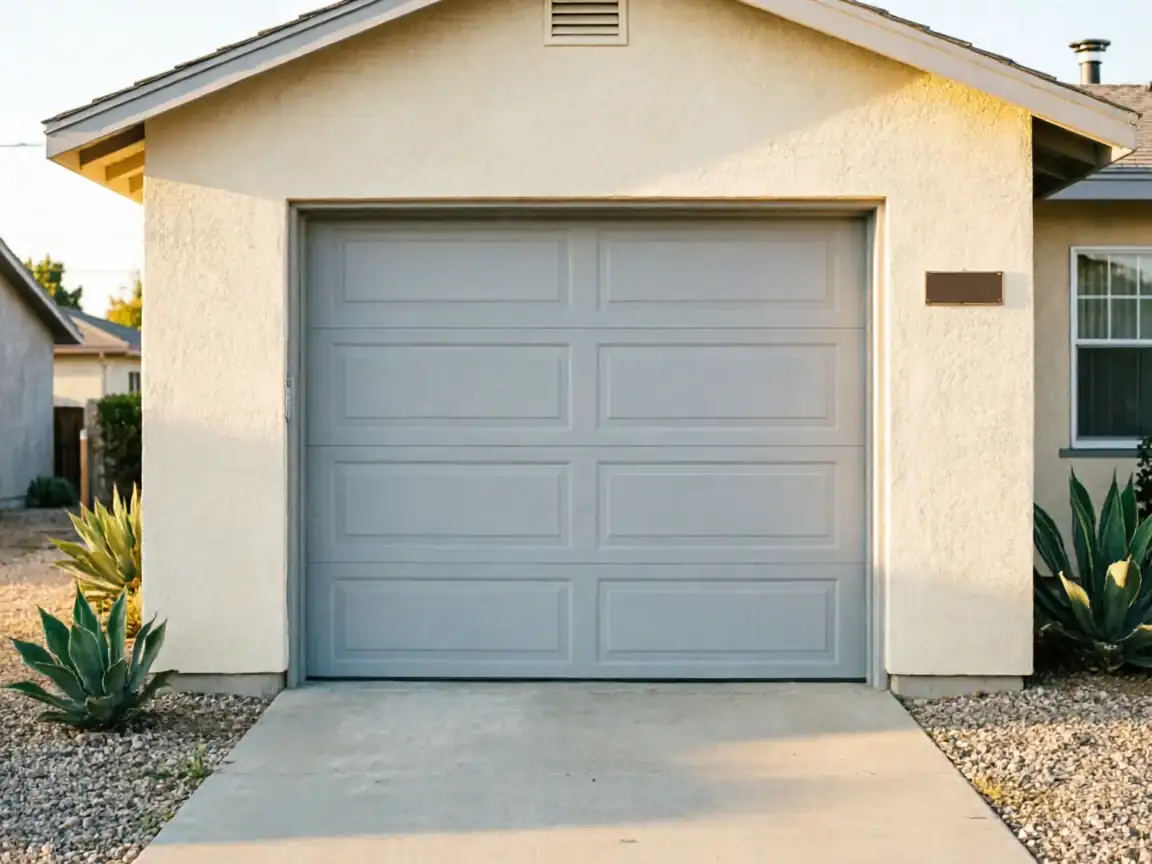
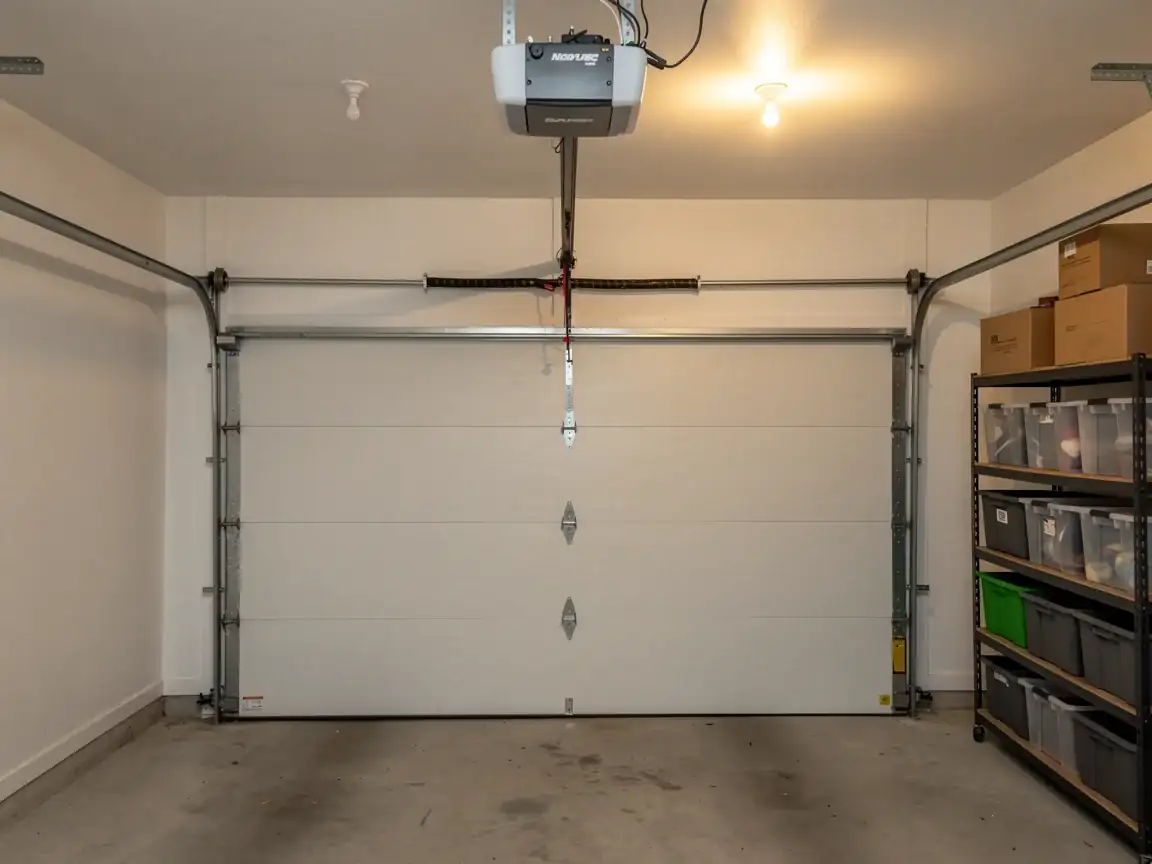
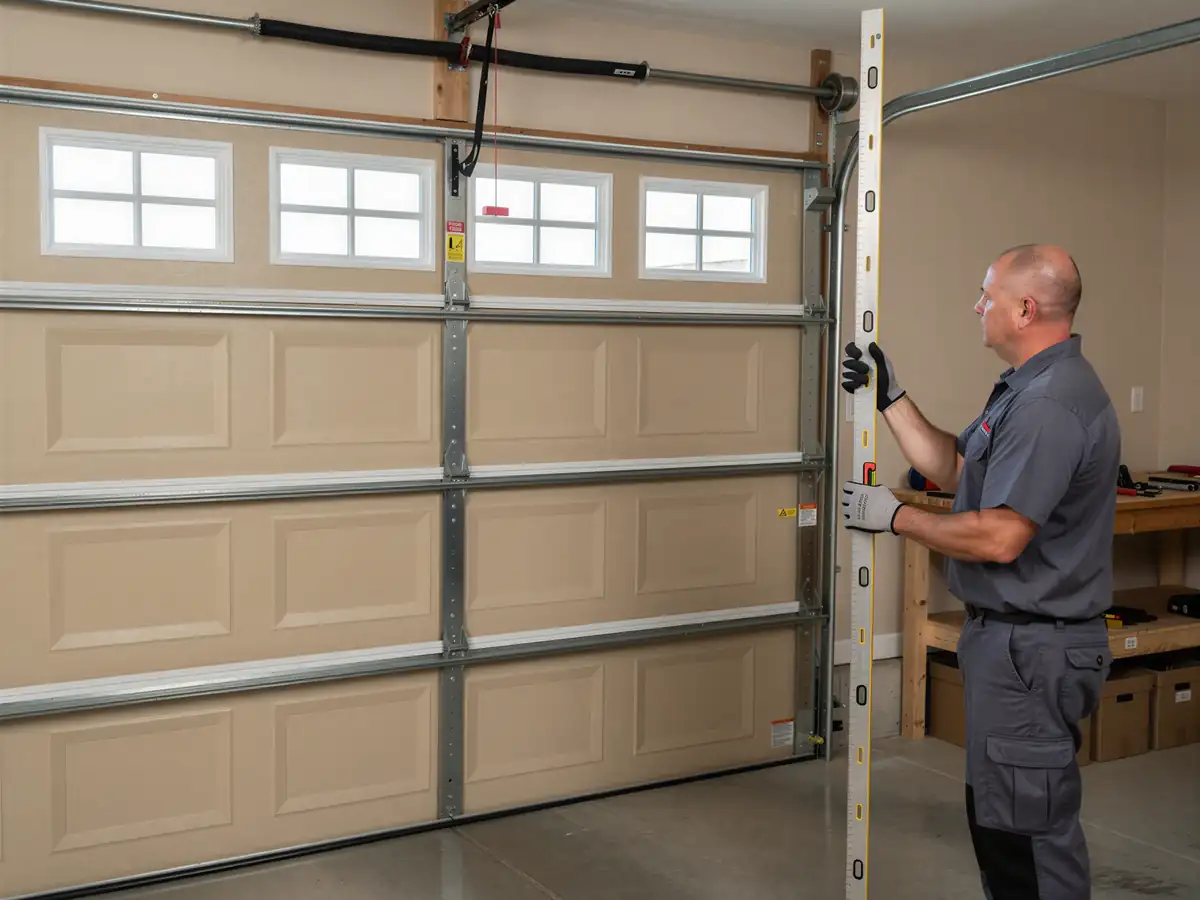
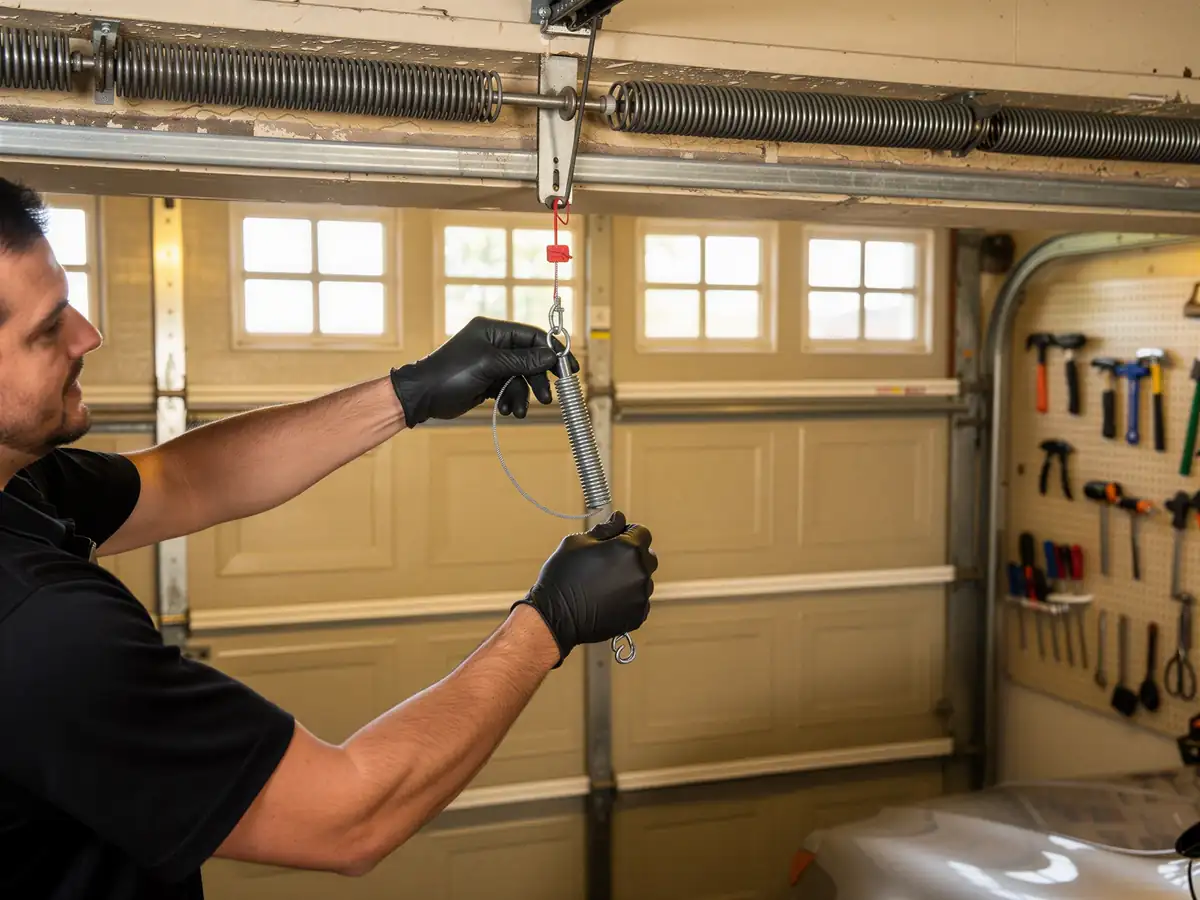
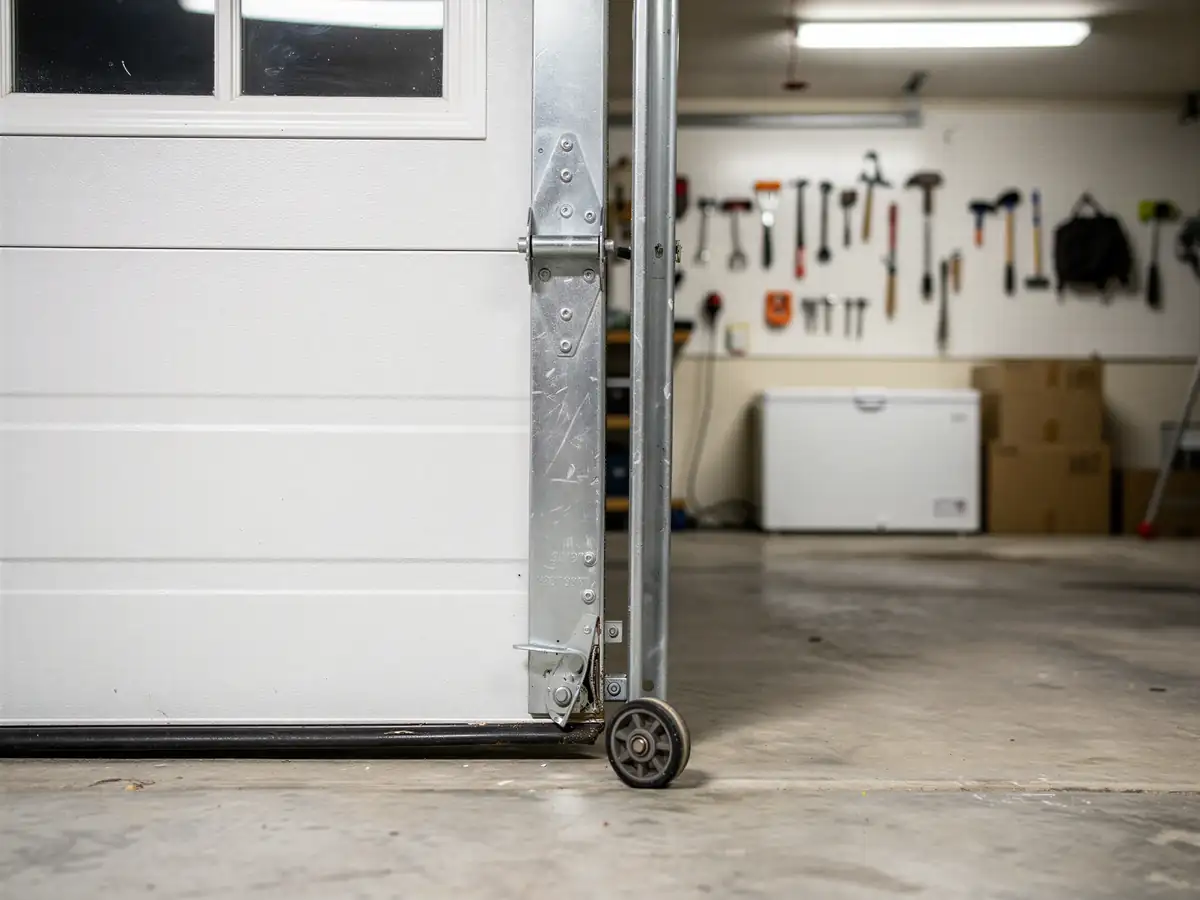
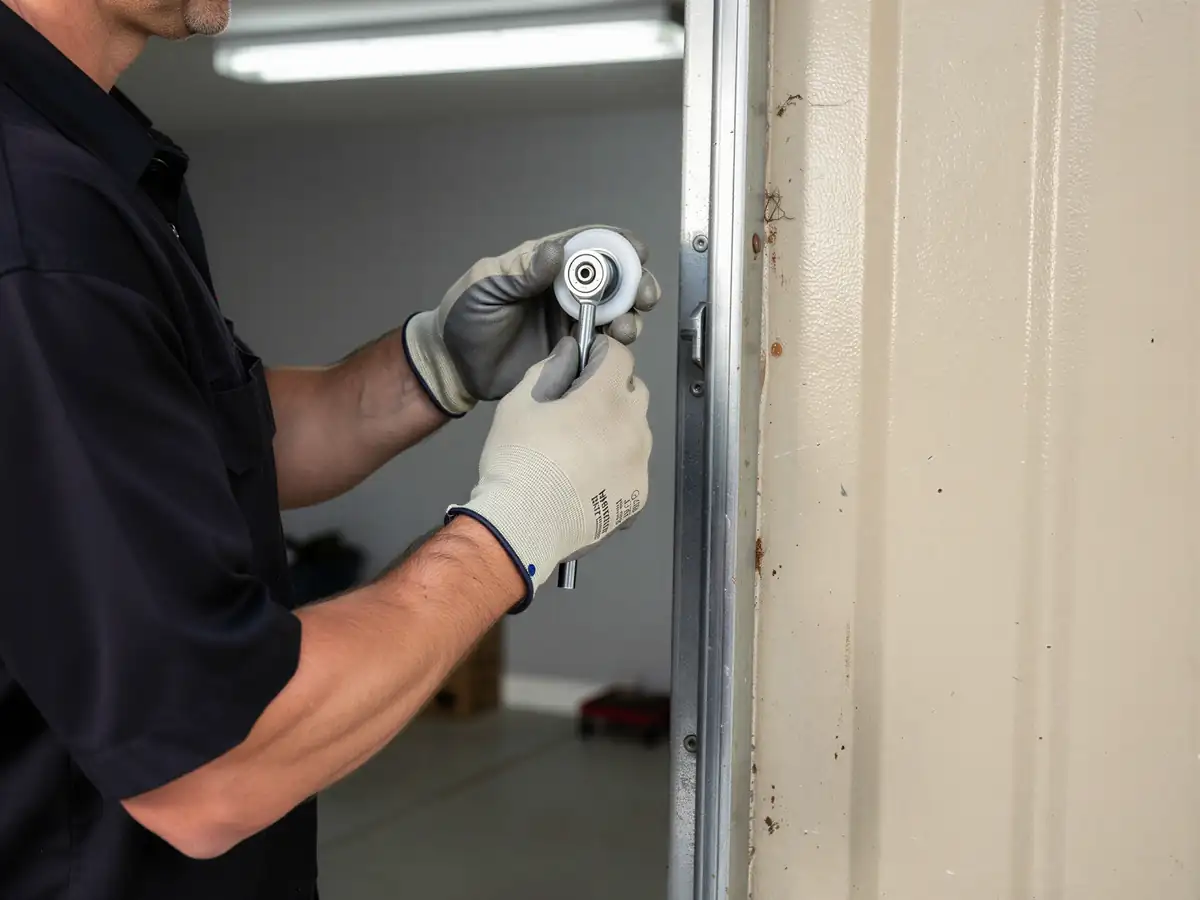
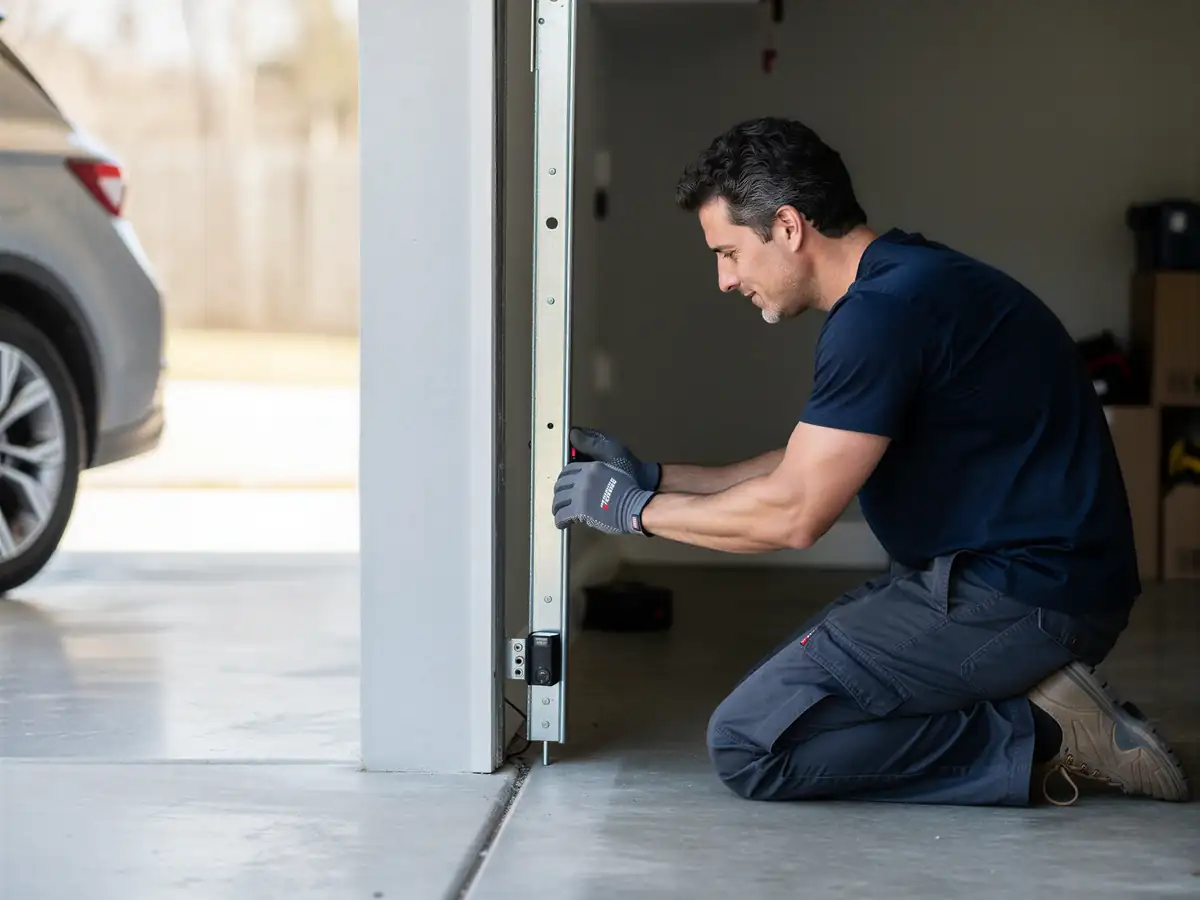
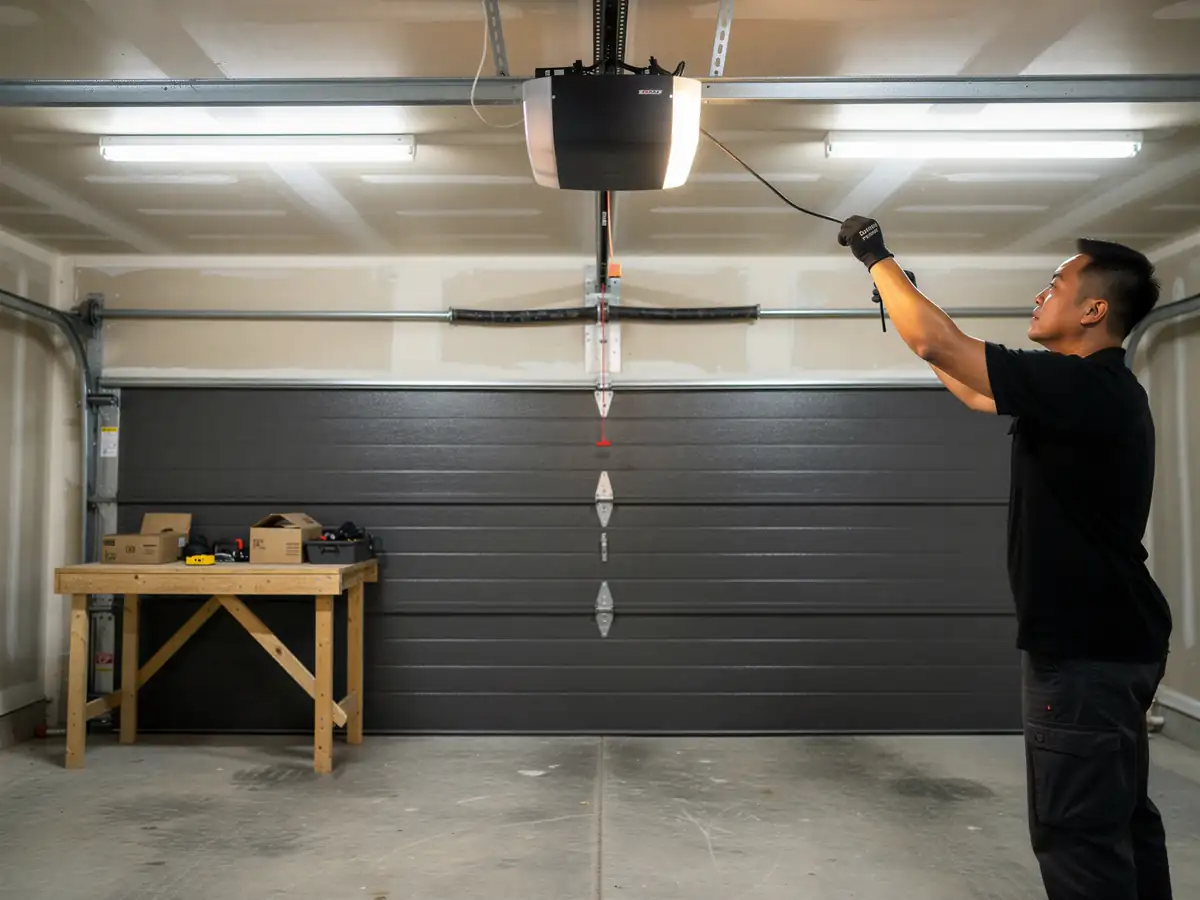
Most of the actual work is the same wherever the door sits: pull the old unit, check the header for a solid mounting point, run the rail, set the travel limits, pair the safety sensors, and sync the remotes or keypad. What differs here is the header itself. A lot of these houses date to the late 1960s, and the wood framing around the door opening was never built with a modern opener's mounting load in mind. We often add a brace plate before we hang anything, which is a 20-minute step that a newer house wouldn't need.
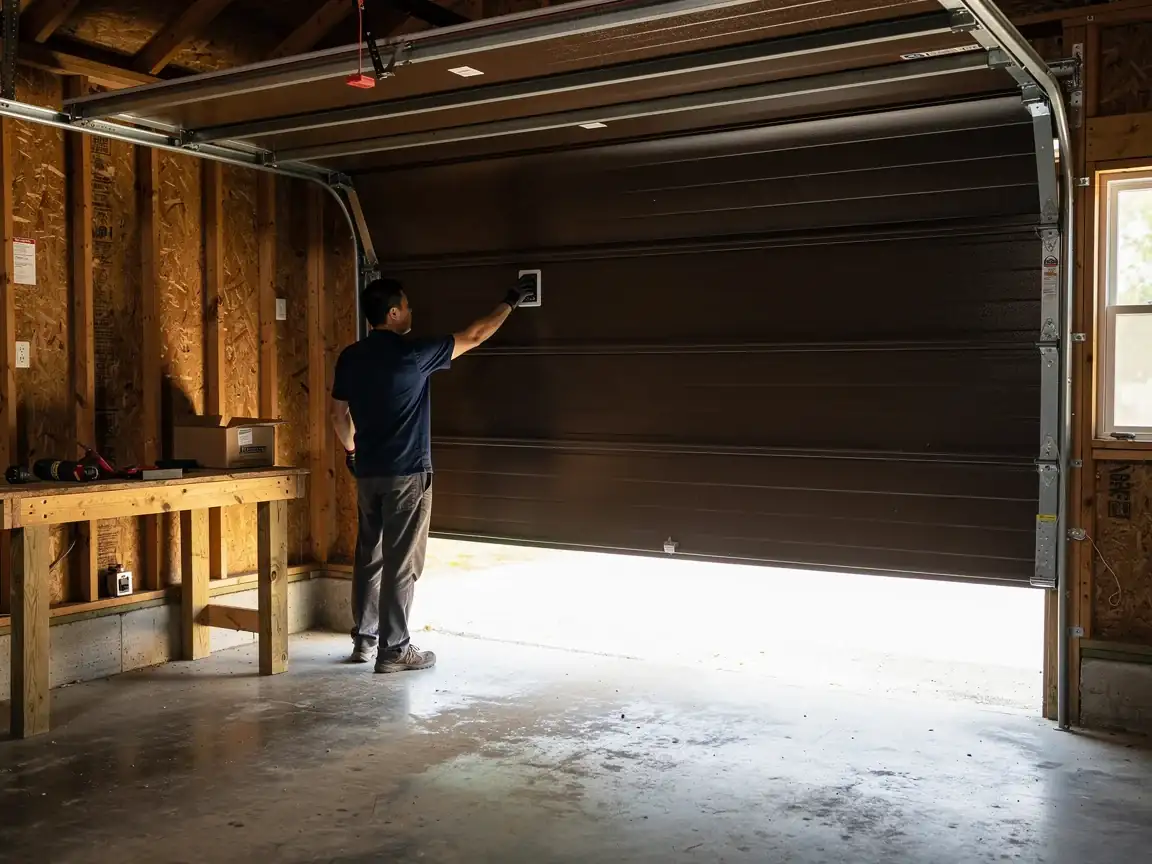
We test the auto-reverse and force settings before we leave, every time, because a door that doesn't stop on an obstruction isn't a finished install - it's a liability we don't put our name on.
Why It Happens Here
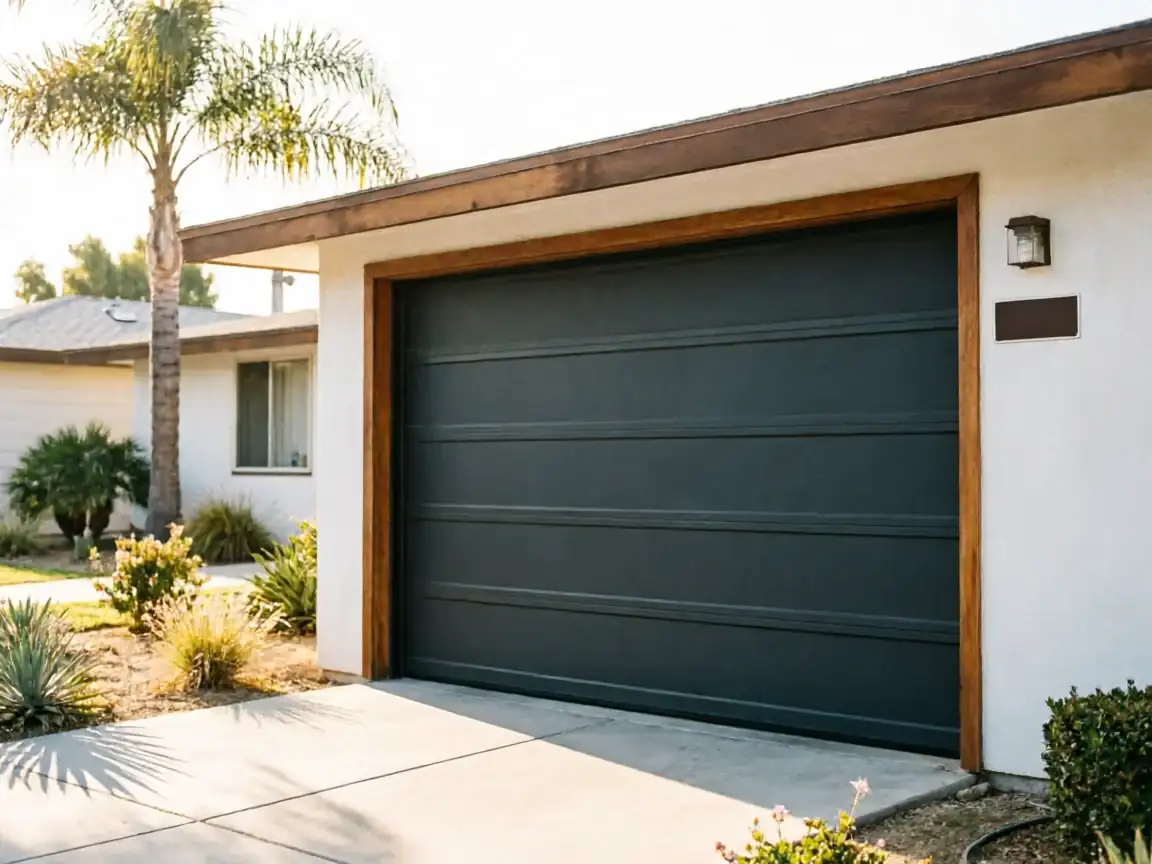
The homes feeding this part of the service area were mostly built through the 1960s and 70s
And French Camp's own housing dates to around 1968 on average - squarely inside that window. That means a lot of the openers we're replacing out here aren't dying of age alone; they're the second or third unit installed on original hardware that was never sized for anything beyond a basic chain drive.
The climate band for this area is moderate heat, not extreme
So we're not seeing the kind of gear-housing failure that shows up in hotter desert service areas. What we do see is plastic sprocket wear and dried-out lubricant on units that have simply been running a long time in a garage that holds heat through the afternoon. Combined with original single-car door openings that were never upgraded, the fault pattern out here is less
Stocked Parts
Because French Camp is a smaller pocket of the territory - 356 households against the roughly 44,750 across the full service area - we don't stock a French Camp-specific inventory. What we carry on the truck for this trip is picked to match the housing stock: belt-drive and chain-drive openers in the mid-range tier, standard J-arm and curved-arm brackets, and both older-style and current safety sensor kits, since a lot of these garages have been retrofitted at least once already.
Median household income out here runs close to $93,500, in line with the rest of the service area, so most owners land on a mid-tier belt-drive opener with battery backup rather than the base chain unit or the top smart-home tier. We keep both the belt and chain versions loaded so the choice can happen on site rather than over the phone.
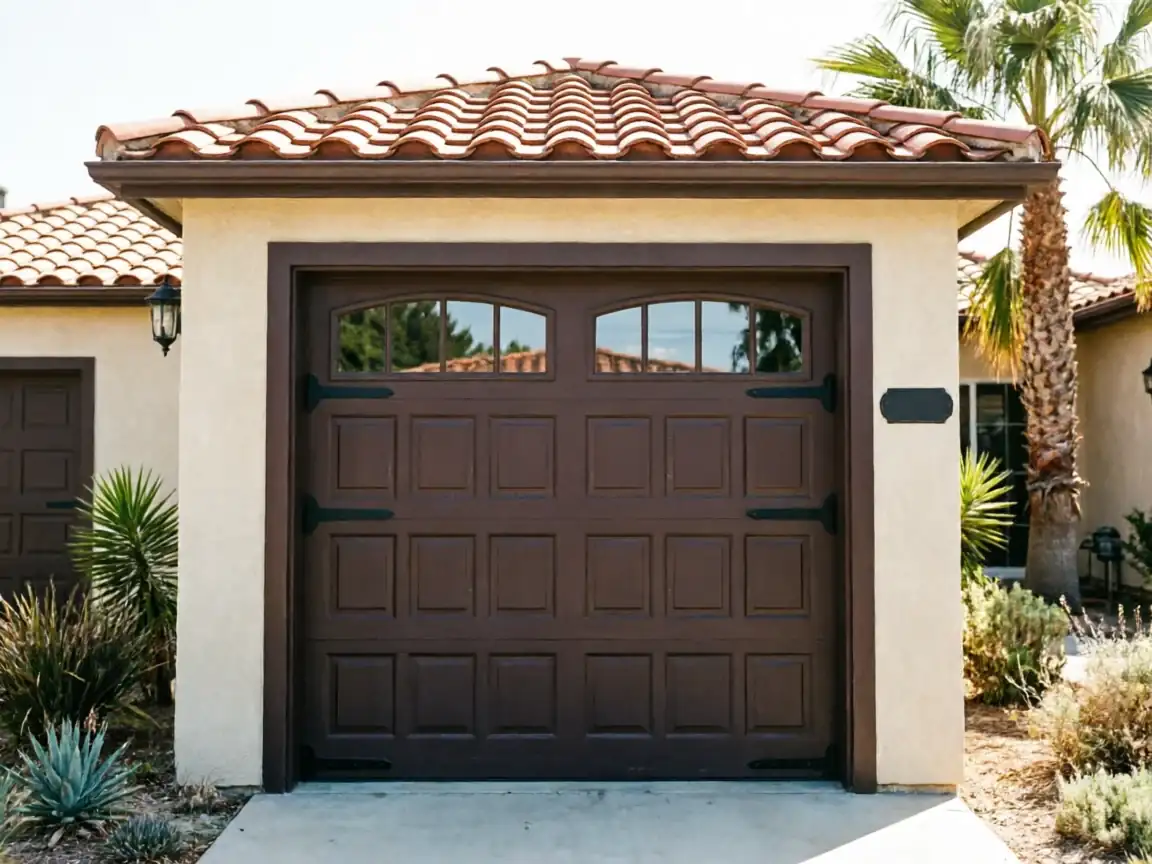
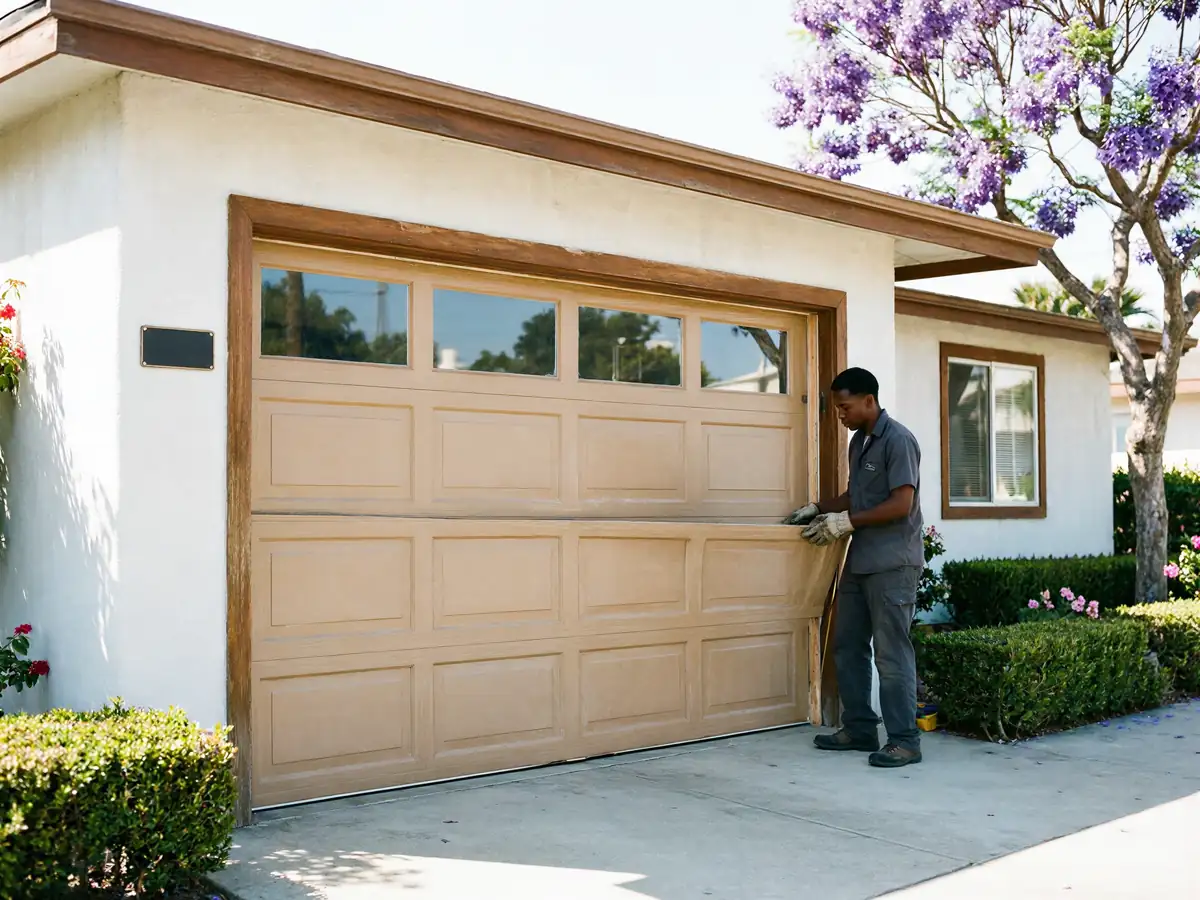
What we don't carry as standard stock is specialty rail for oversized or custom door openings - if a header or door width is outside the common range, that part gets ordered and the install becomes a two-trip job, which we'll tell you before we start, not after.
Where This Job Goes Sideways
The most common snag isn't the opener - it's the electrical. A lot of these 1968-era garages were wired for a single bare bulb and nothing else, so there's no outlet anywhere near the header. If that's the case, we can run an extension-style tap in some situations, but a proper dedicated outlet is an electrician's job, not ours, and we'll say so rather than jury-rig something behind your new opener.
The other place it goes sideways is header strength. If the wood around the opening has shifted or dried out over the decades, a brace plate fixes it most of the time - but on occasion the framing needs real carpentry before any opener goes up safely, and that's outside what a same-visit install can cover.
And because we're routing 8 miles out from Stockton for a house with 356 neighbors in total, if a part turns out to be wrong for the opening once we're on site, that's a second drive, not a five-minute fix. We'd rather tell you that up front than pretend every French Camp job wraps in one trip.