What the Repair Takes
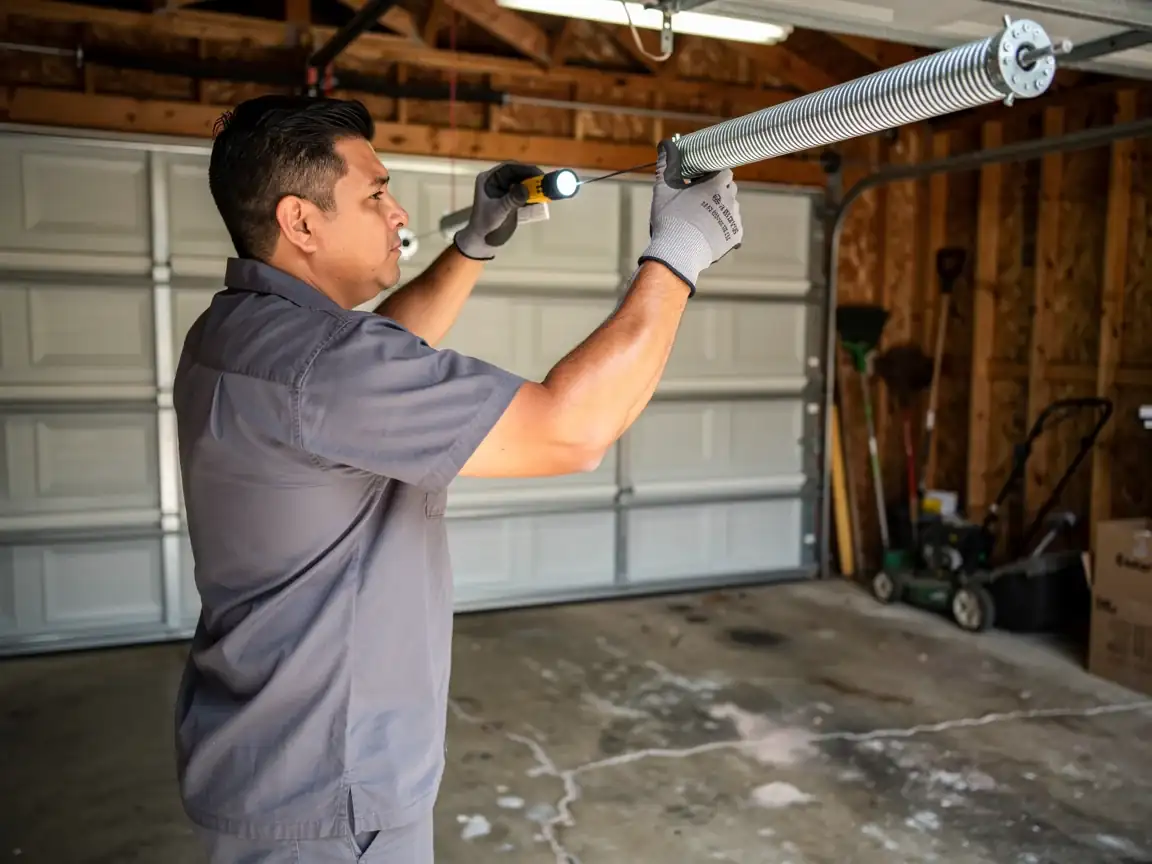
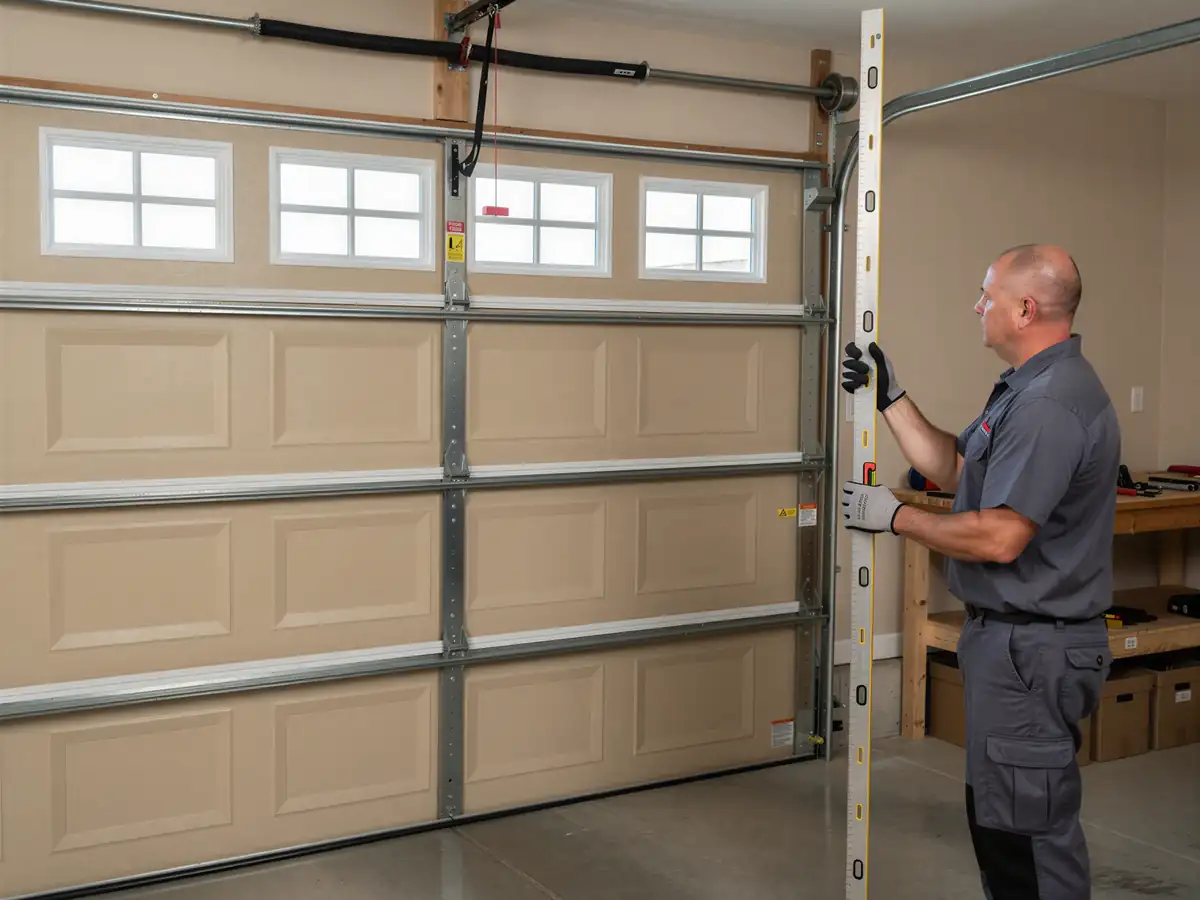
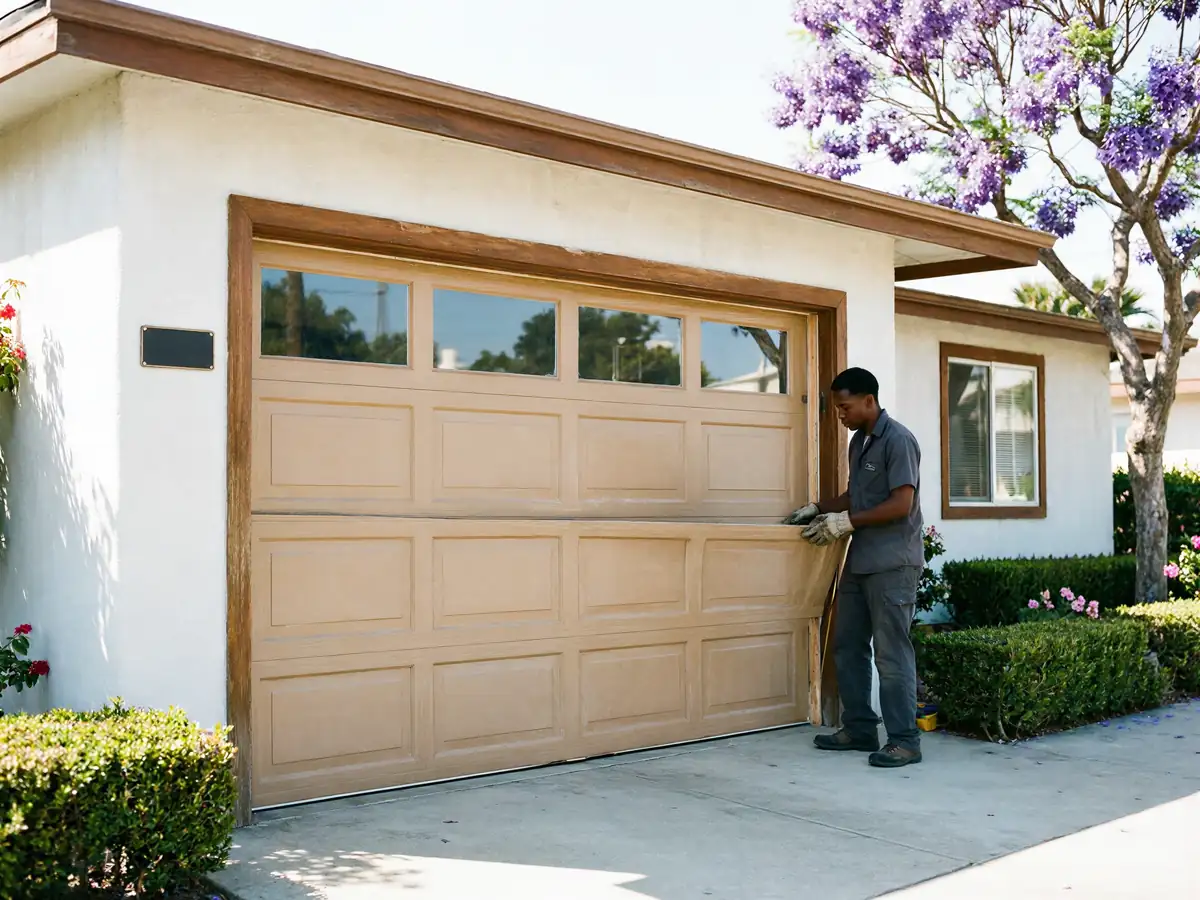
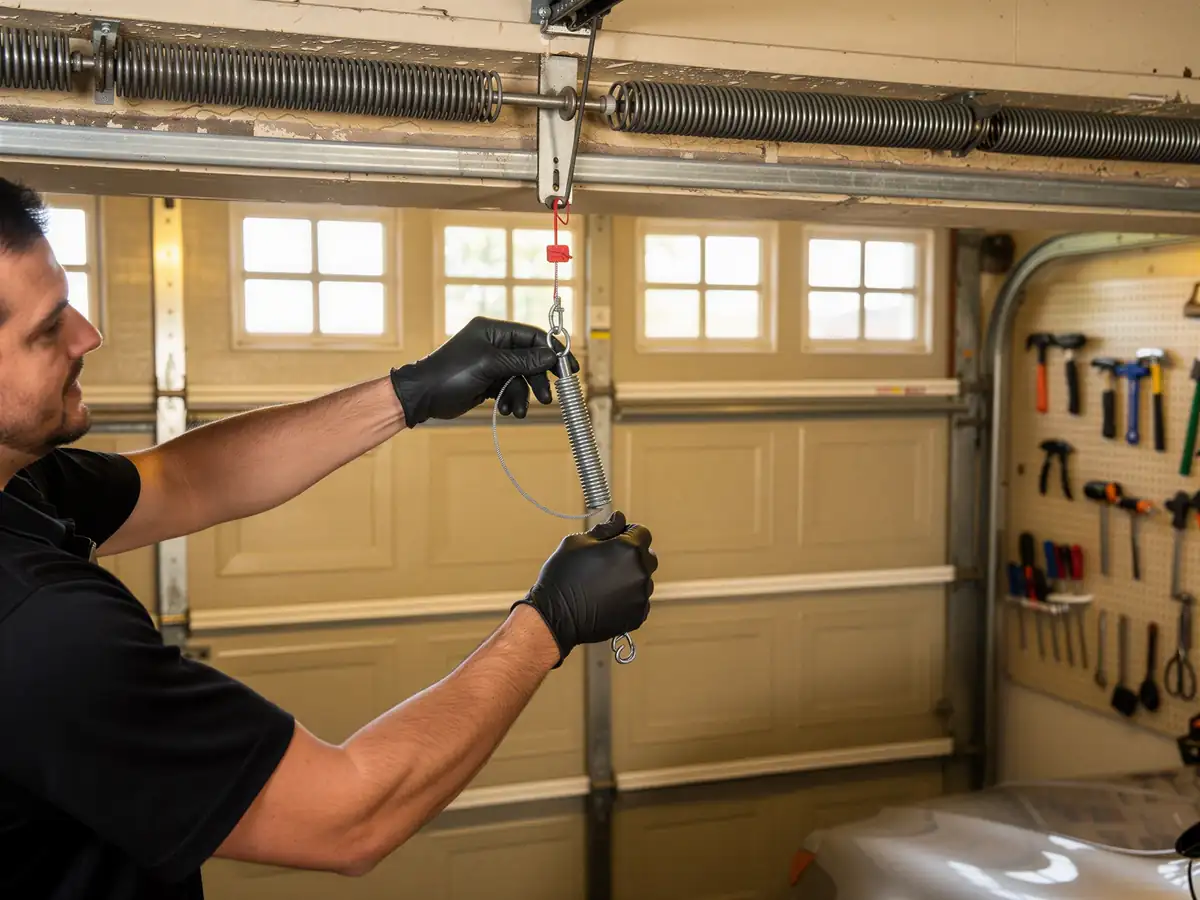
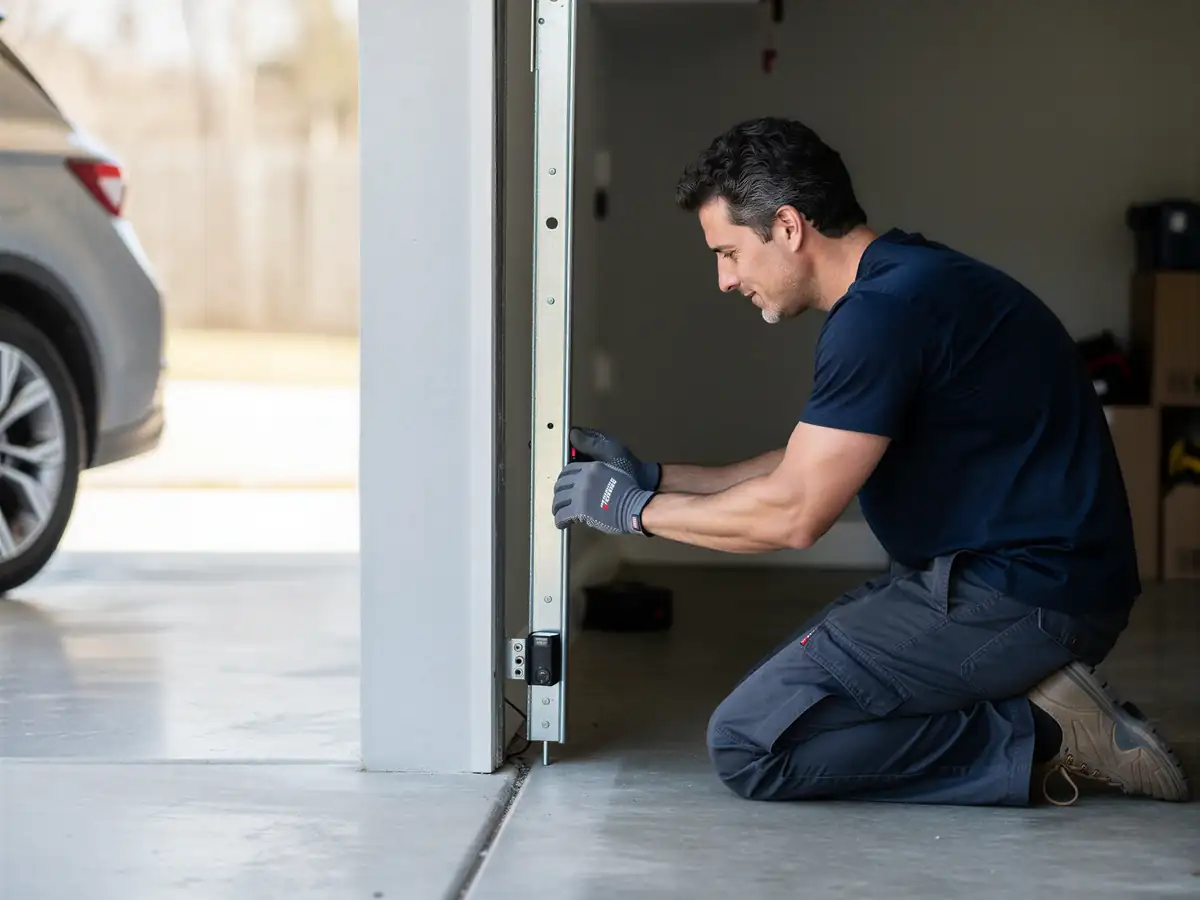
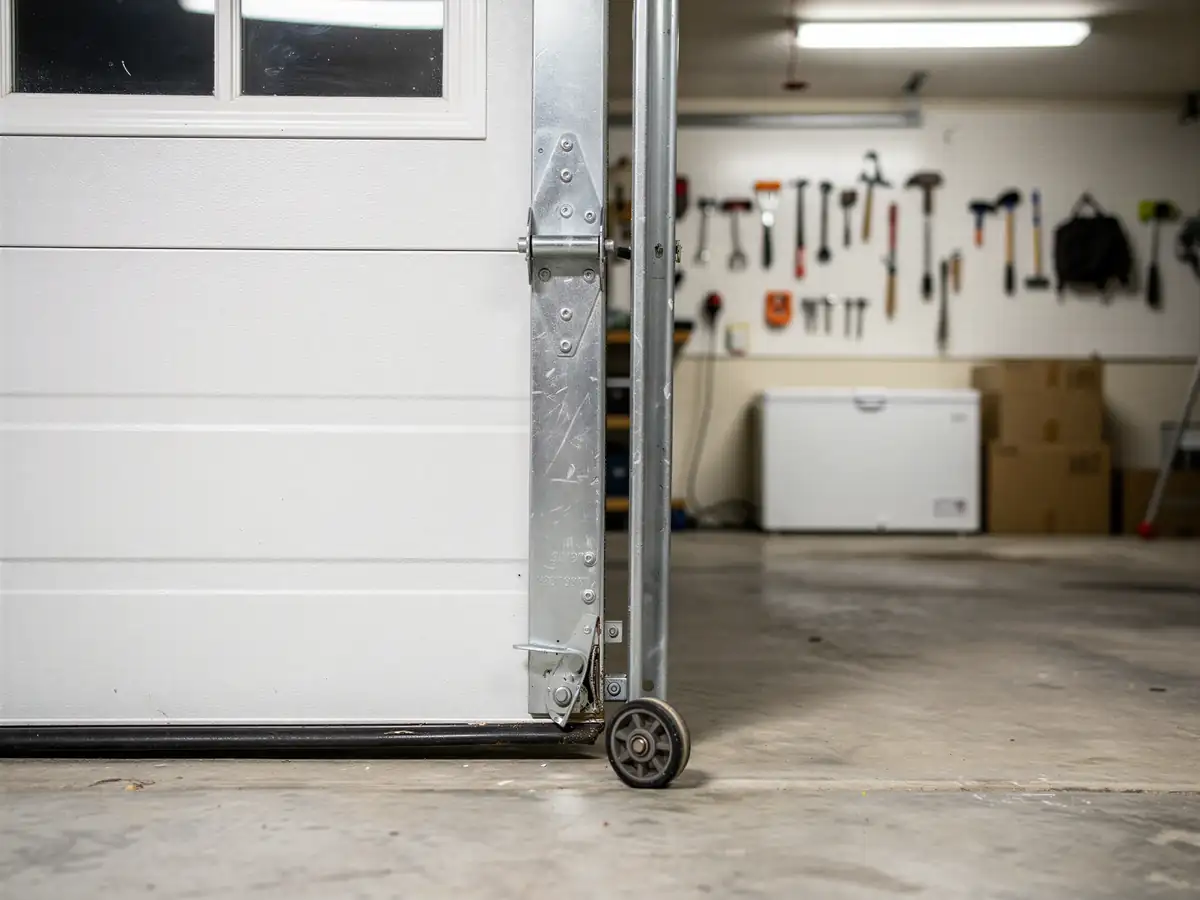
Most houses in French Camp went up around 1968, and that year matters more than the mileage sign on the highway. A door that's come off its track usually means one of two things: a roller has jumped the rail, or the track itself has pulled away from the jamb bracket. On houses from this era, the track is often the original lightweight steel, mounted with lag screws into framing that's had fifty-plus years to shift. Our first job on site is figuring out which one happened, because they get fixed differently. A jumped roller is a bend-and-reset job if the track isn't kinked. A pulled bracket means re-anchoring into solid wood, and sometimes that wood isn't where it used to be. We check both cables too, since a door that's off-track on one side often has a cable that's frayed or come off its drum, and that's not something you leave half-fixed. We travel out from Stockton for this call; there's no branch in French Camp, so we're working from what we carry on the truck and what the door tells us when we get there.
Stocked Parts
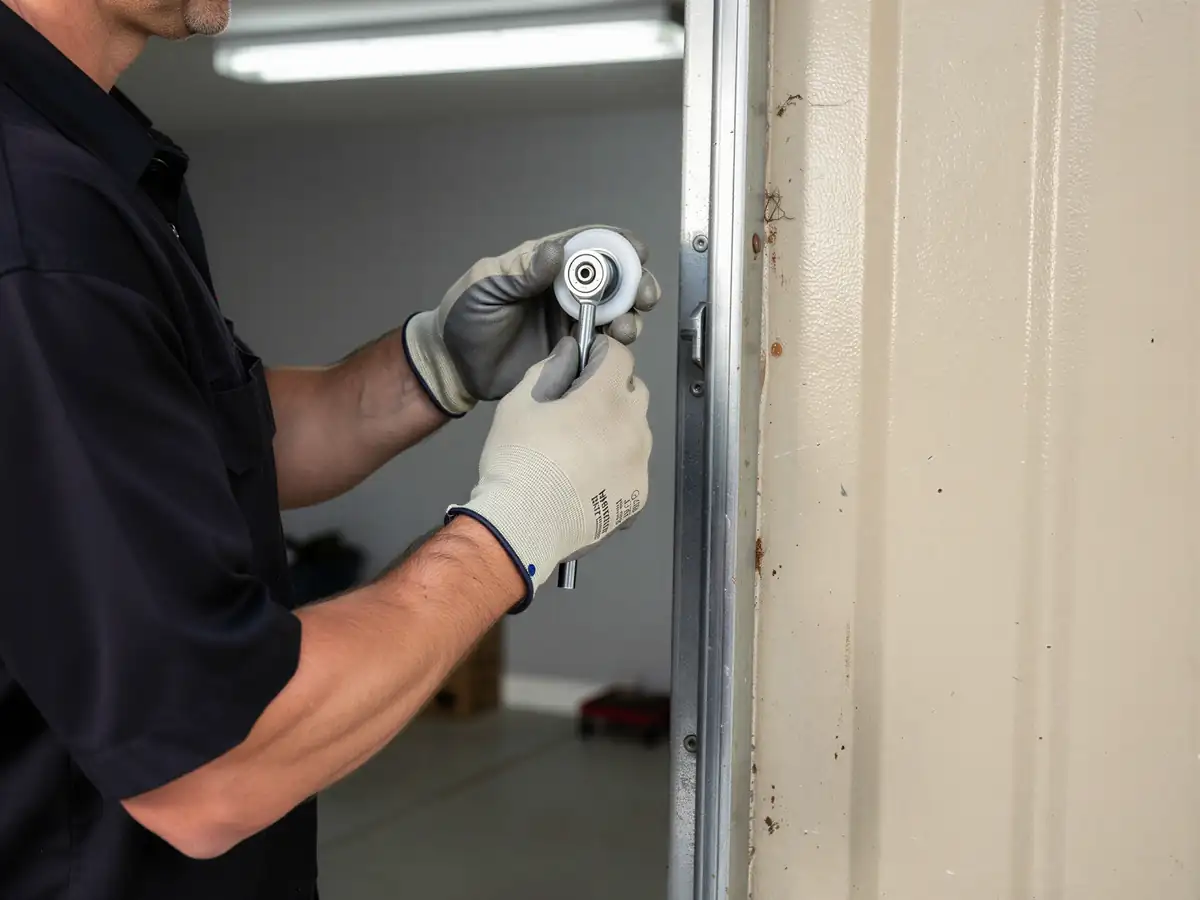
We carry the rollers and track sections that fit 1960s-70s residential track width on the truck, along with lag screws and reinforced brackets sized for houses of this age. Nylon rollers are the first swap we make if the original steel ones are still on the door, they run quieter and don't gouge the rail the way worn steel does. What we don't always have on the truck is a full replacement track section for doors that have been upgraded with wider modern panels, since French Camp's housing mostly predates that panel width, and if your door's been retrofitted we may need to order the matching piece. That's a short delay, not a dead end, but it's worth knowing before we show up expecting a same-visit fix. Cable drums and end bearings for this era's torsion setups are also stocked, since those usually fail alongside the track on an off-track call, not separately.
Where This Job Goes Sideways
The call that turns into more than a reset is almost always a jamb that's rotted or shifted enough that there's no solid wood left to anchor into. On a house from 1968, framing behind the track has had decades to see moisture, and if the bracket keeps pulling out after we reset it twice, re-anchoring isn't the fix anymore, the jamb is. We'll say so rather than keep screwing into bad wood and charging for a repair that won't hold. The other place this goes sideways is a bent track that looks straight-ish but isn't; forcing a roller back into a track that's lost its alignment just means it jumps again in a month. At that point replacing the track section costs less over time than another service call. We're honest about that trade-off on-site, because a reset that doesn't last isn't a repair, it's a delay.