What the Repair Takes
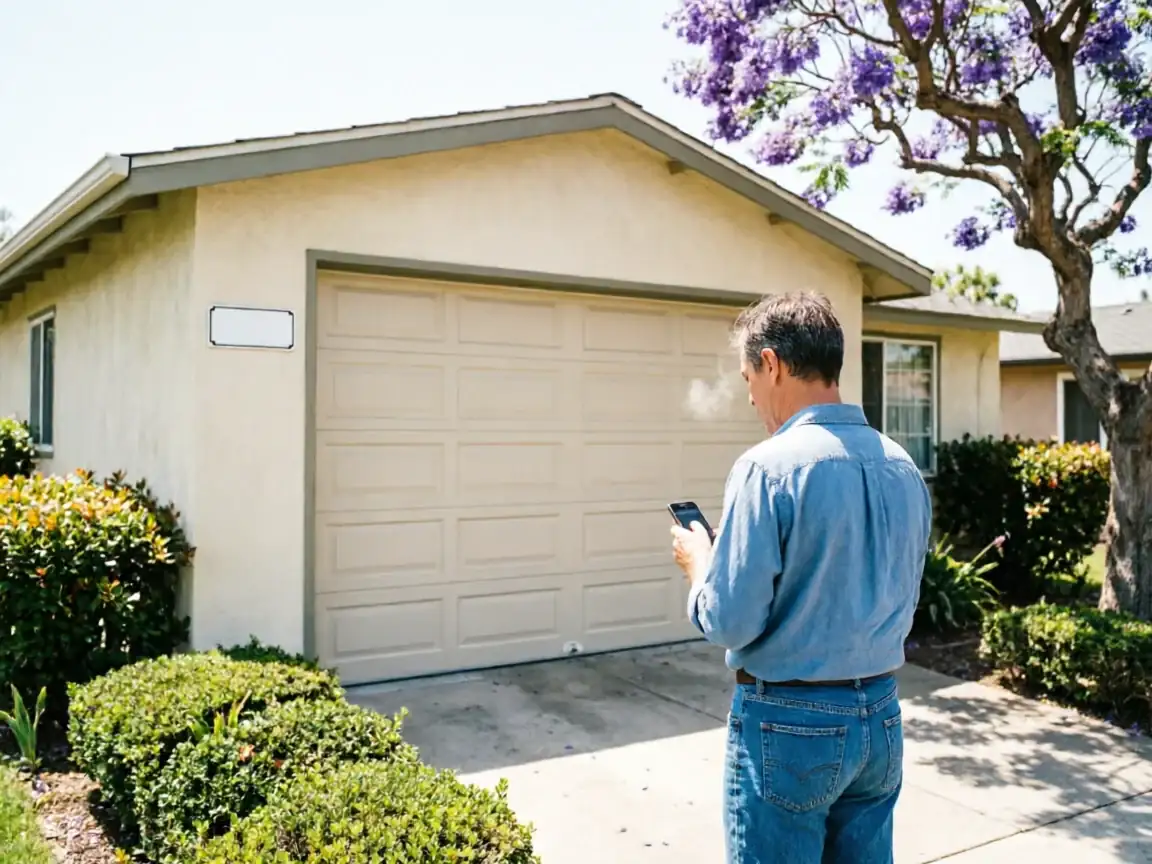
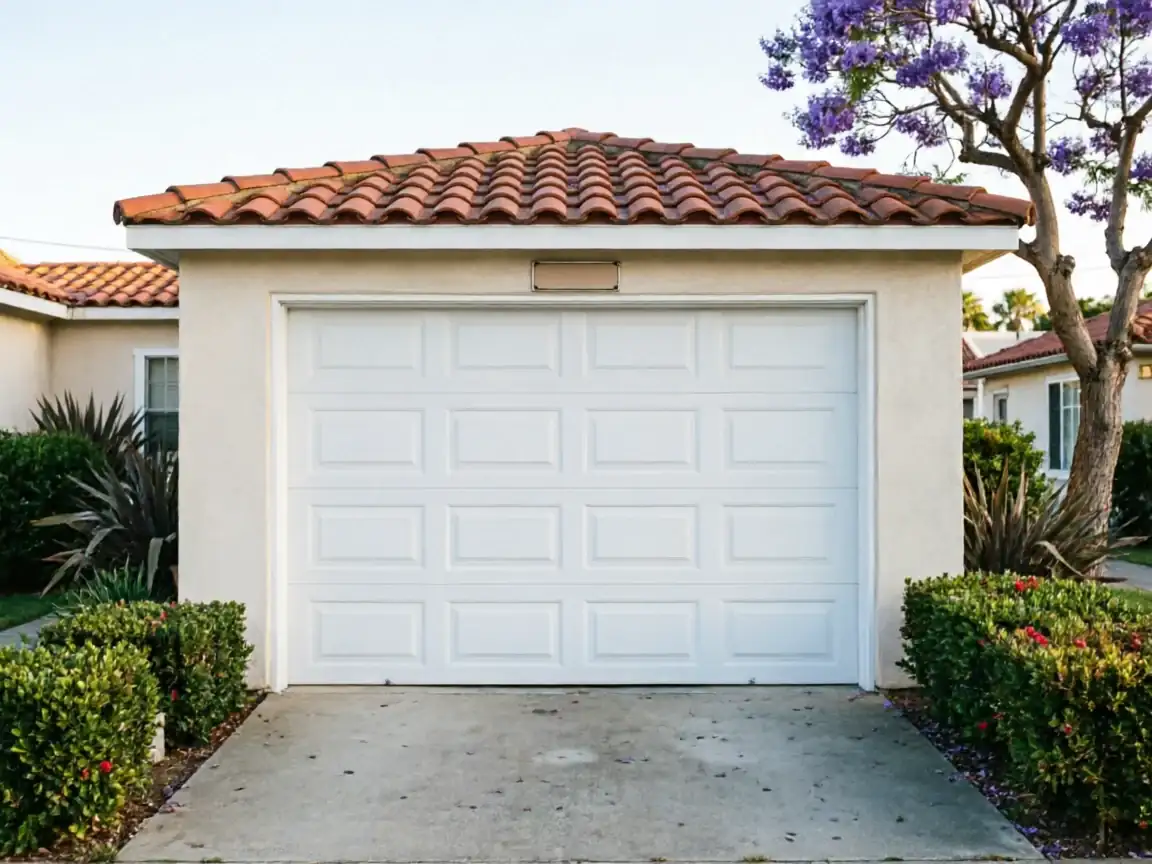
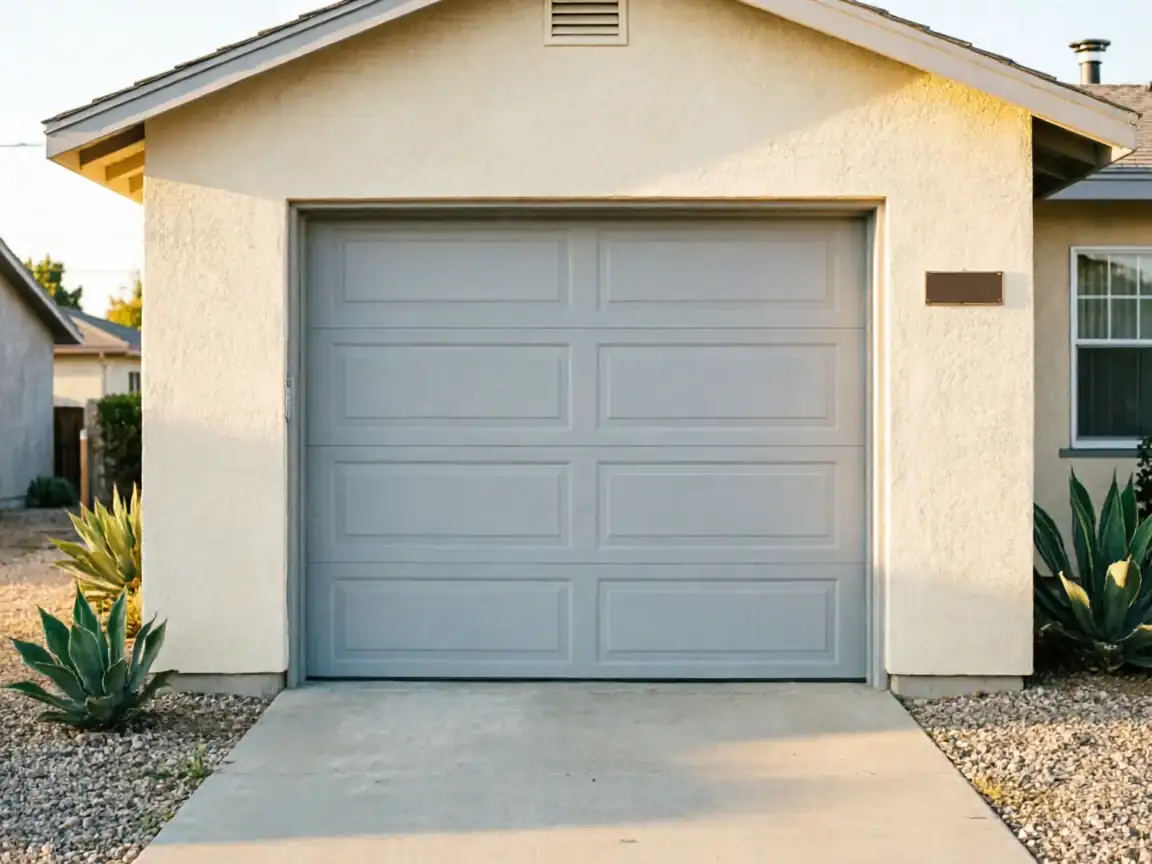
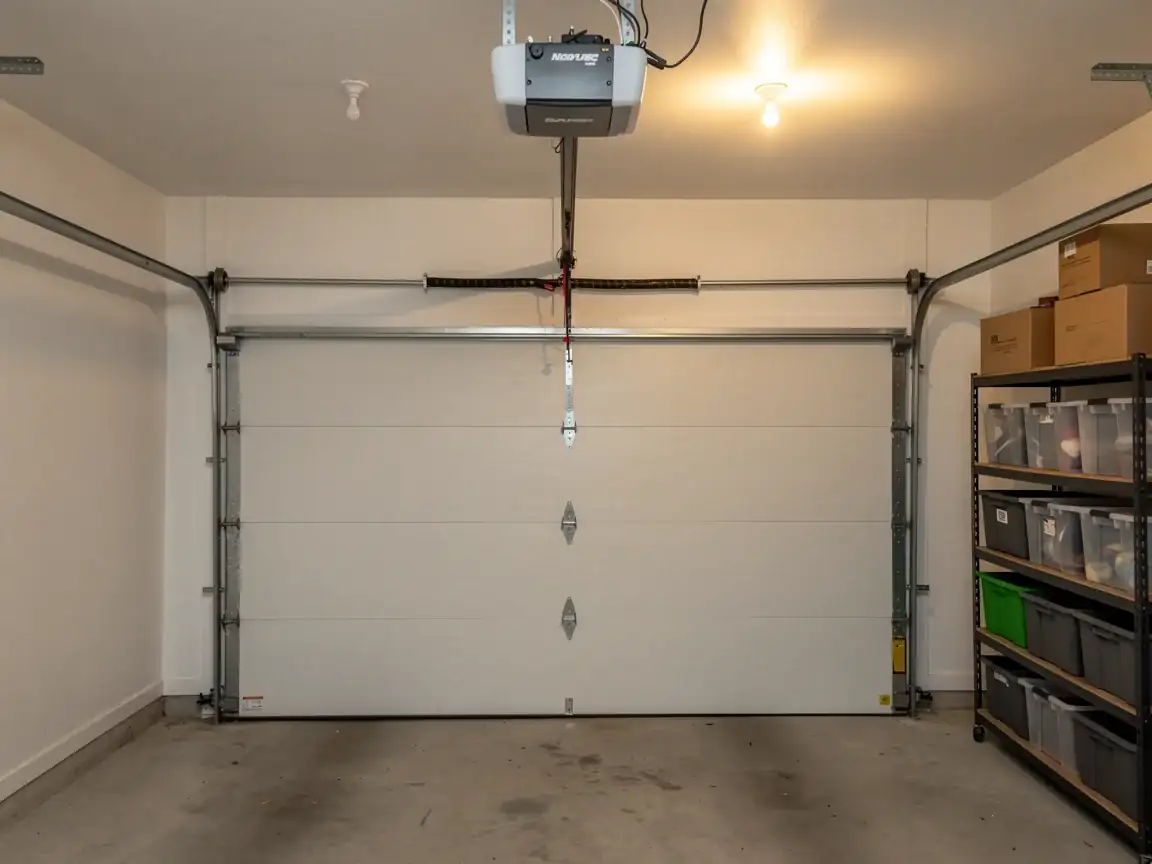
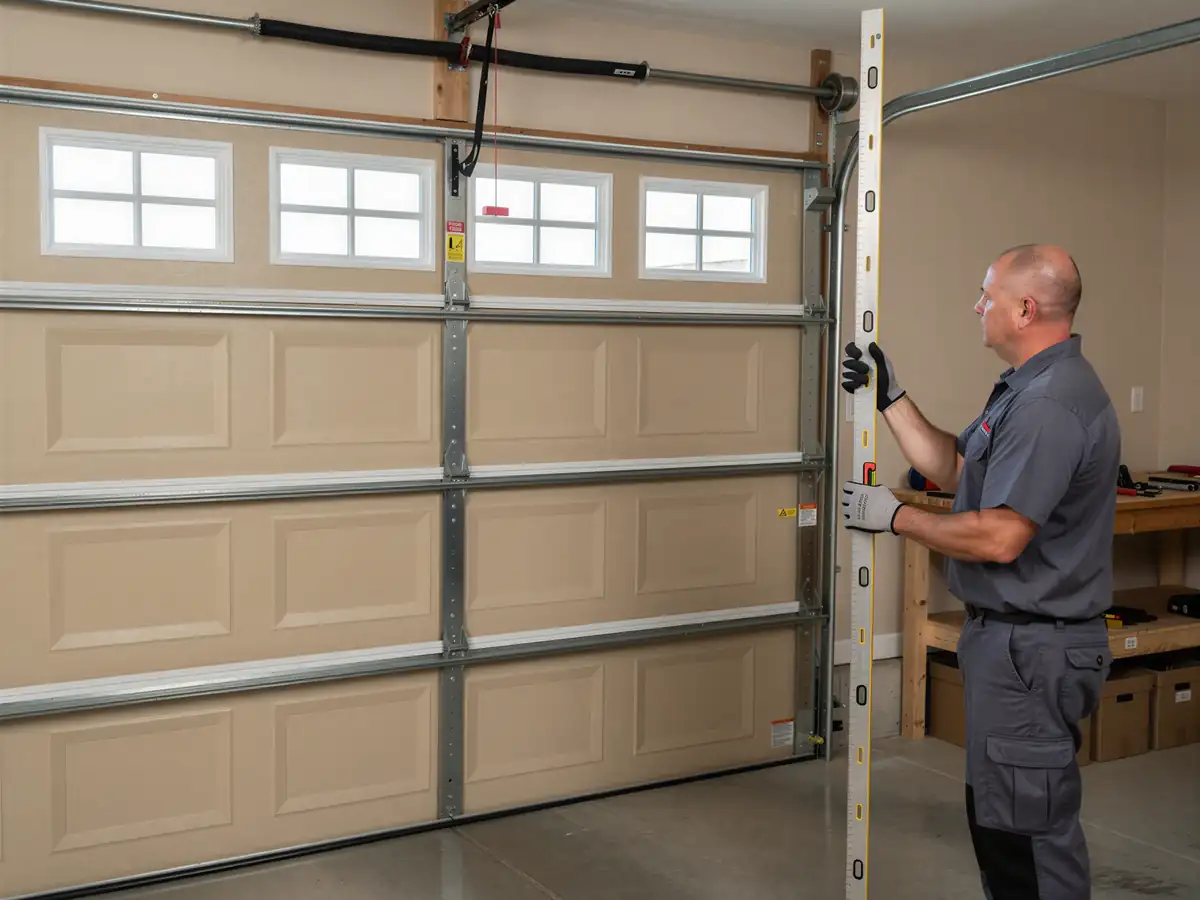
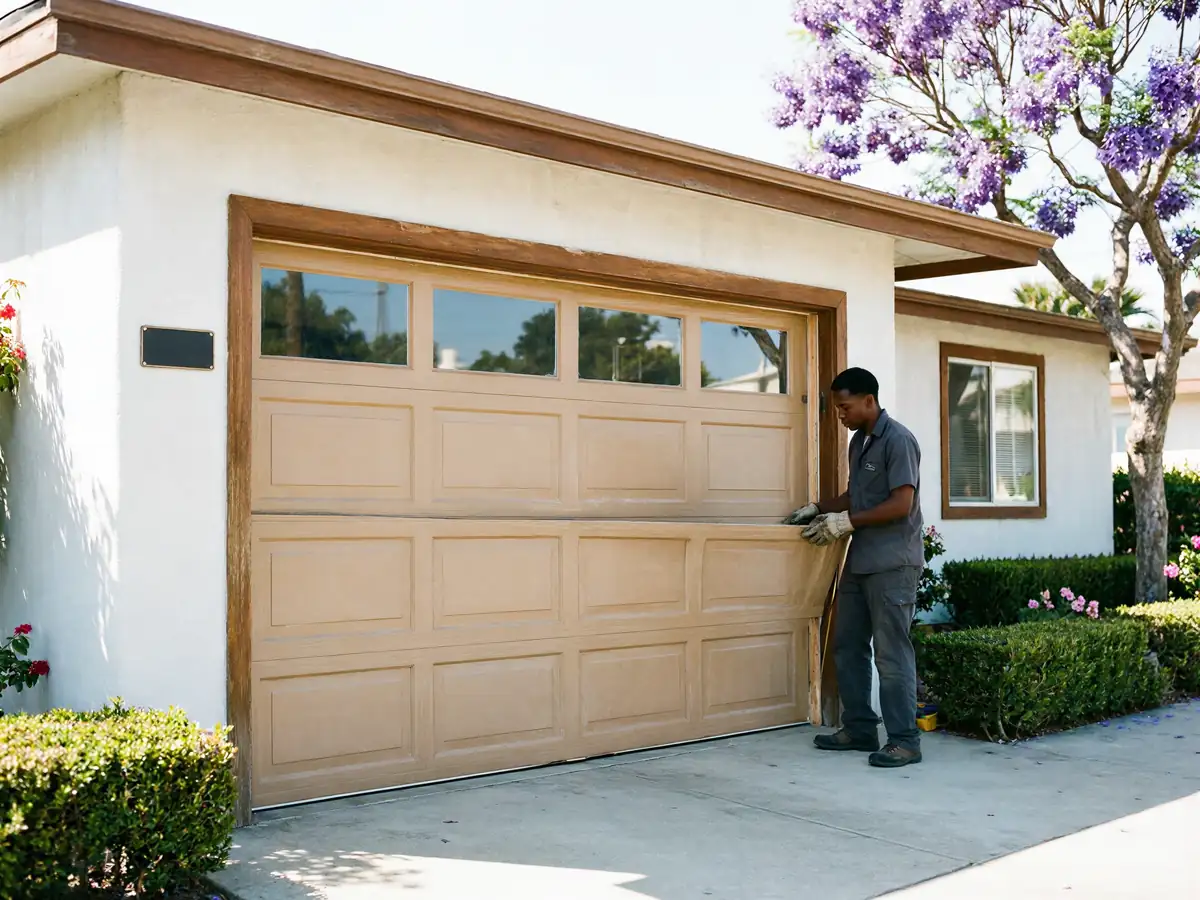
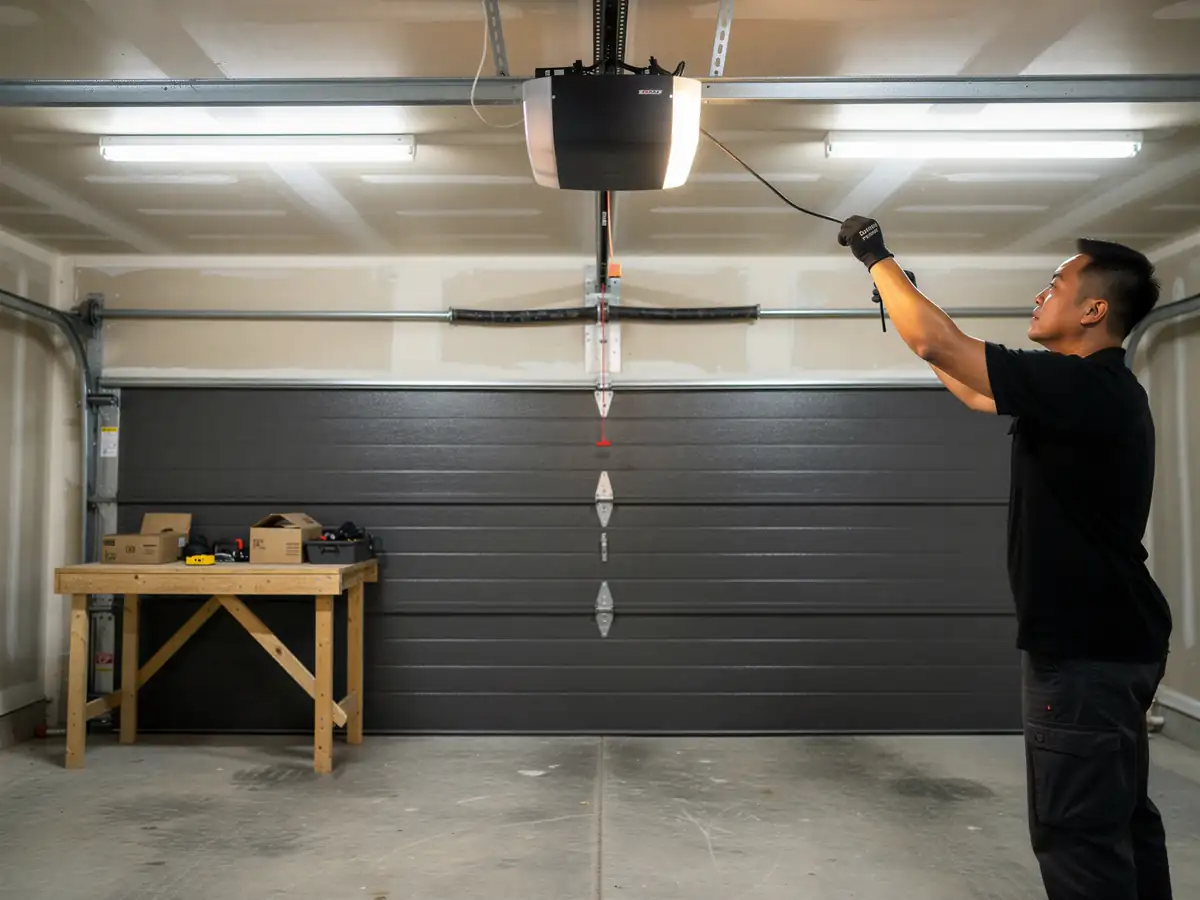
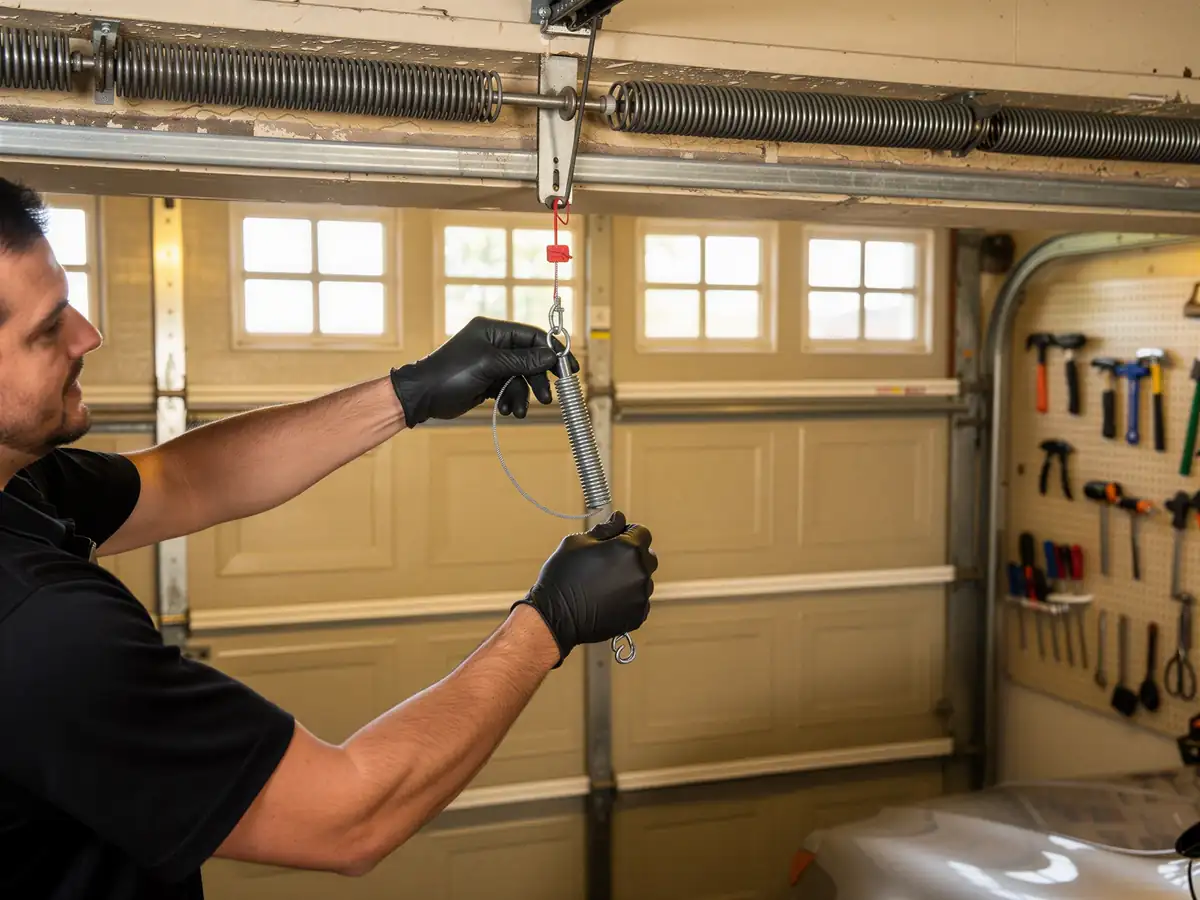
Start with the door, not the fault. French Camp's homes went up around 1968, squarely in the 1960s-70s building wave that produced most of the housing across this part of the valley. That means a lot of single-layer steel doors, raised-panel, hung on horizontal tracks with extension springs running alongside them rather than a torsion bar overhead. It's a simpler setup than what you'll find on a newer build, and in some ways it's easier to service - fewer parts, less tension stored in one place. But it's also a design nobody has sold new in years, so the pulleys, the stationary cones, and the safety cables that go with it are not things a big-box store stocks on a shelf.
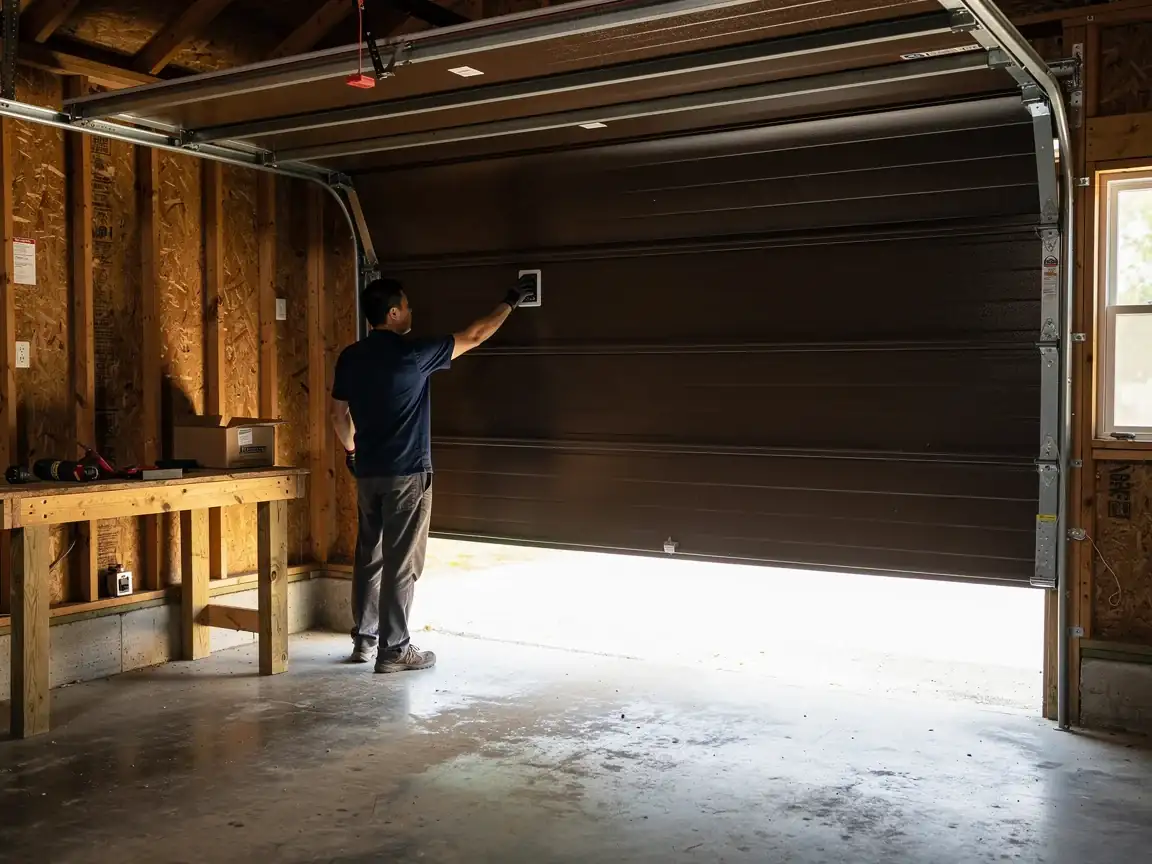
With only 356 households in French Camp, this isn't a neighborhood with a dozen identical doors going bad on the same week - it's spread thin, and each door tends to be original or close to it. Maintenance here means checking what's actually on the house: track alignment, extension spring condition, roller wear, and whether the opener was ever upgraded past what came with the place in the first place.
Why It Happens Here
The valley's heat band sits in the moderate range, not the extreme end
But moderate heat sustained over decades still does its work on a 55-year-old door. Lubricant on tracks and hinges dries out faster in summer and leaves metal running dry through fall. On an extension-spring door, that dry friction doesn't just make noise - it adds resistance the springs weren't sized to fight indefinitely, and that shortens their working life.
The other factor is simpler: age
A door built in 1968 has had a long time to accumulate stretched cables, worn pulley bearings, and a track that's drifted slightly out of plumb from decades of the slab settling under it. None of that is dramatic on its own. Put it together on a door that's never had the hardware replaced, and a scheduled tune-up catches problems before a spring lets go under load, which on an extension system means a loose coil of wound steel with nowhere controlled to go.
Stocked Parts
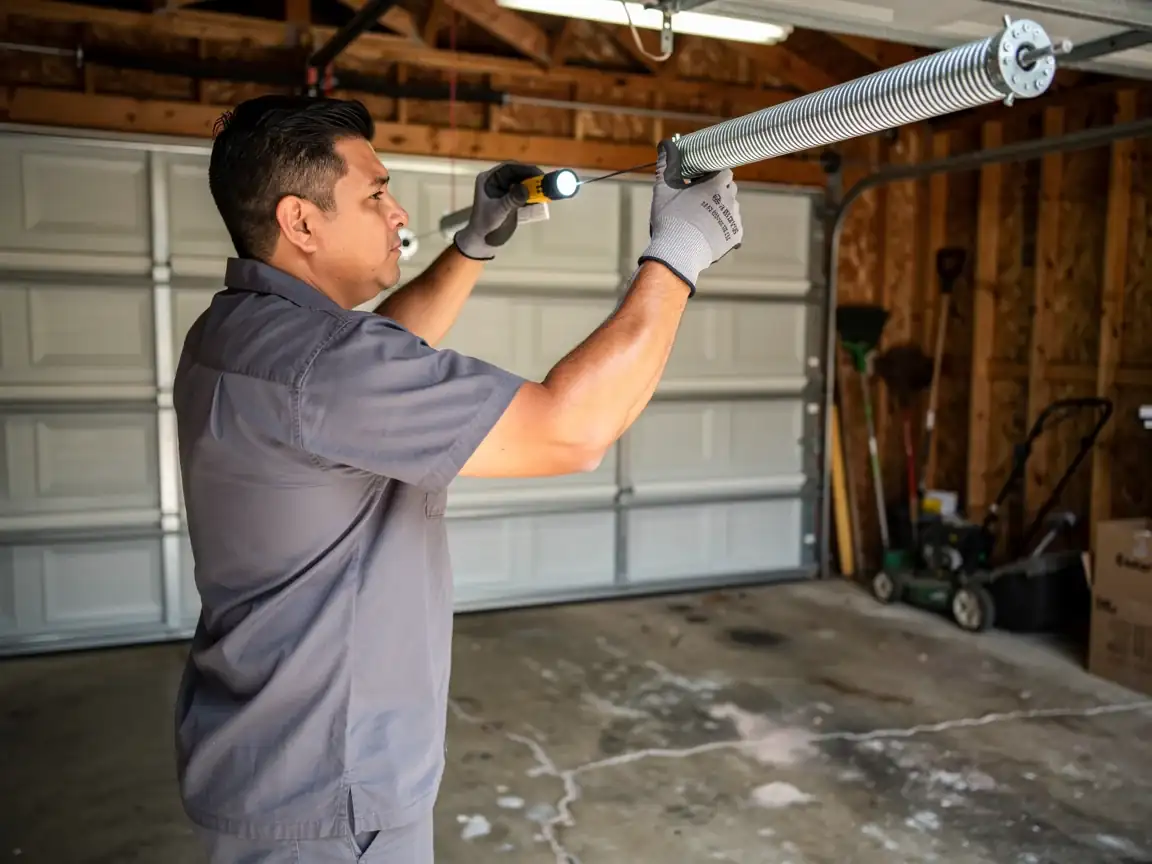
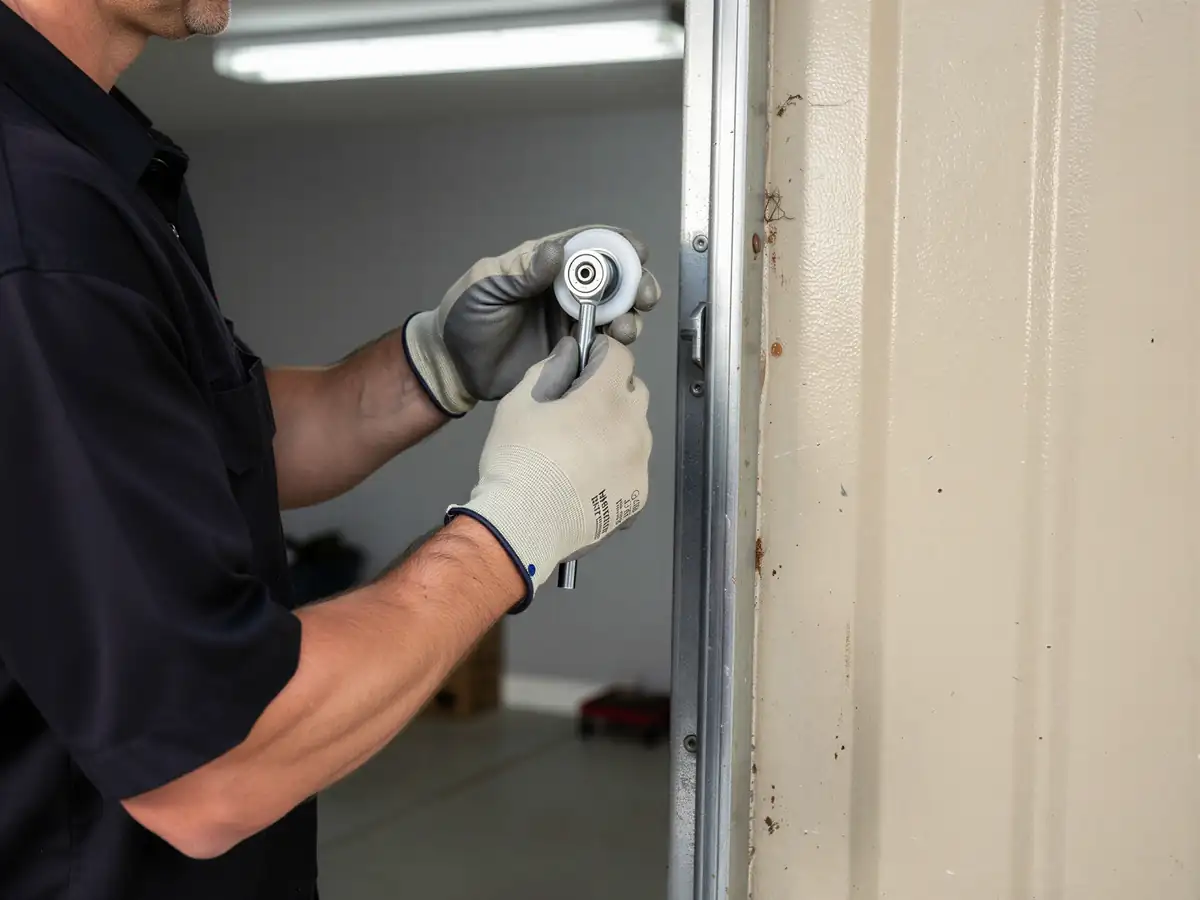
For the era of door common in French Camp, the truck carries extension springs in the sizes that fit 1960s-70s single-layer steel doors, replacement safety cables, track rollers, and the pulleys and stationary cones that extension setups use instead of torsion drums. These are not parts every supplier keeps on a shelf anymore, since the industry shifted toward torsion hardware decades ago.
Honest limit: if a door needs a part that's truly obsolete - a specific panel profile or a hinge pattern no longer manufactured - that's a special order, not a same-visit fix, and we'll say so rather than improvise with the wrong-size substitute. On a door this old, sometimes the right maintenance call is to stop patching one failing part at a time and talk about what full replacement would cost against another few years of piecemeal repair.
Where This Job Goes Sideways
The job from Stockton to French Camp runs about 8 miles, which isn't a factor in whether we come - it's a factor in why we ask a few questions before the truck leaves, since a trip for the wrong assumption wastes everyone's time. Jobs go sideways when a door looks like a maintenance call but is actually a structural one: a track bent from a backed-into collision, or an anchor point that's rusted through where the vertical track meets the jamb. Extension-spring systems hide that kind of damage better than torsion systems do, because the spring itself can still look fine while the hardware holding it is failing.
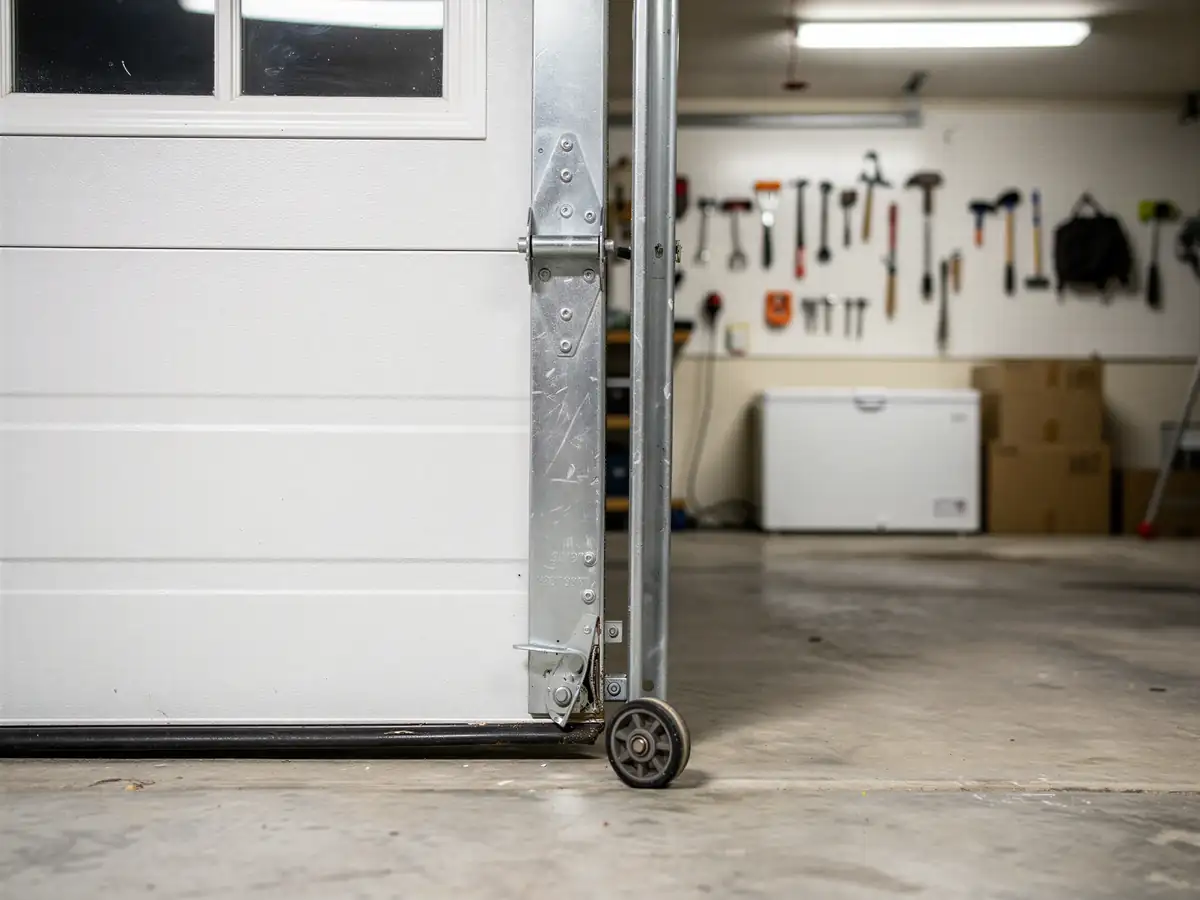
The other way this goes sideways is scope creep on a 50-year-old door: pull one worn roller and you often find the track it rides in has worn an uneven groove to match. Replacing the roller alone just repeats the problem in six months. We'll tell you when the fix in front of you needs a second part to actually hold.