What the Repair Takes
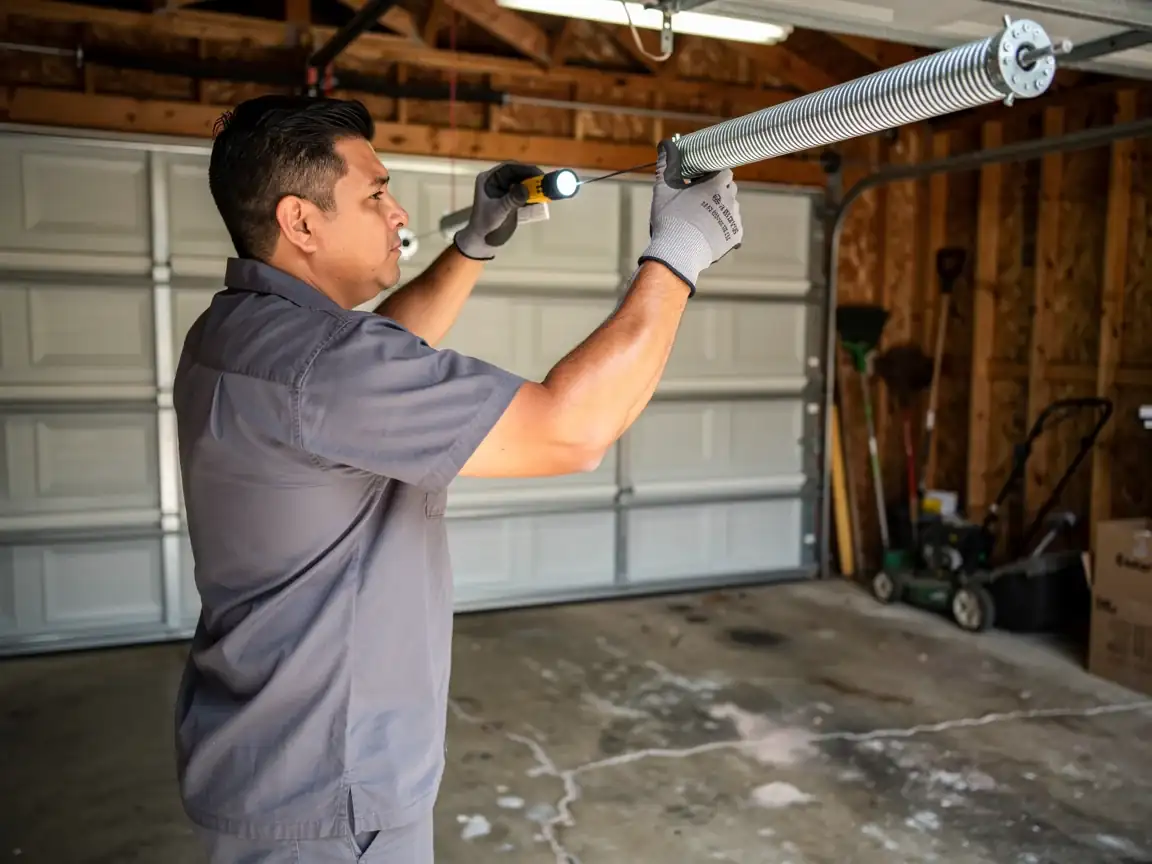
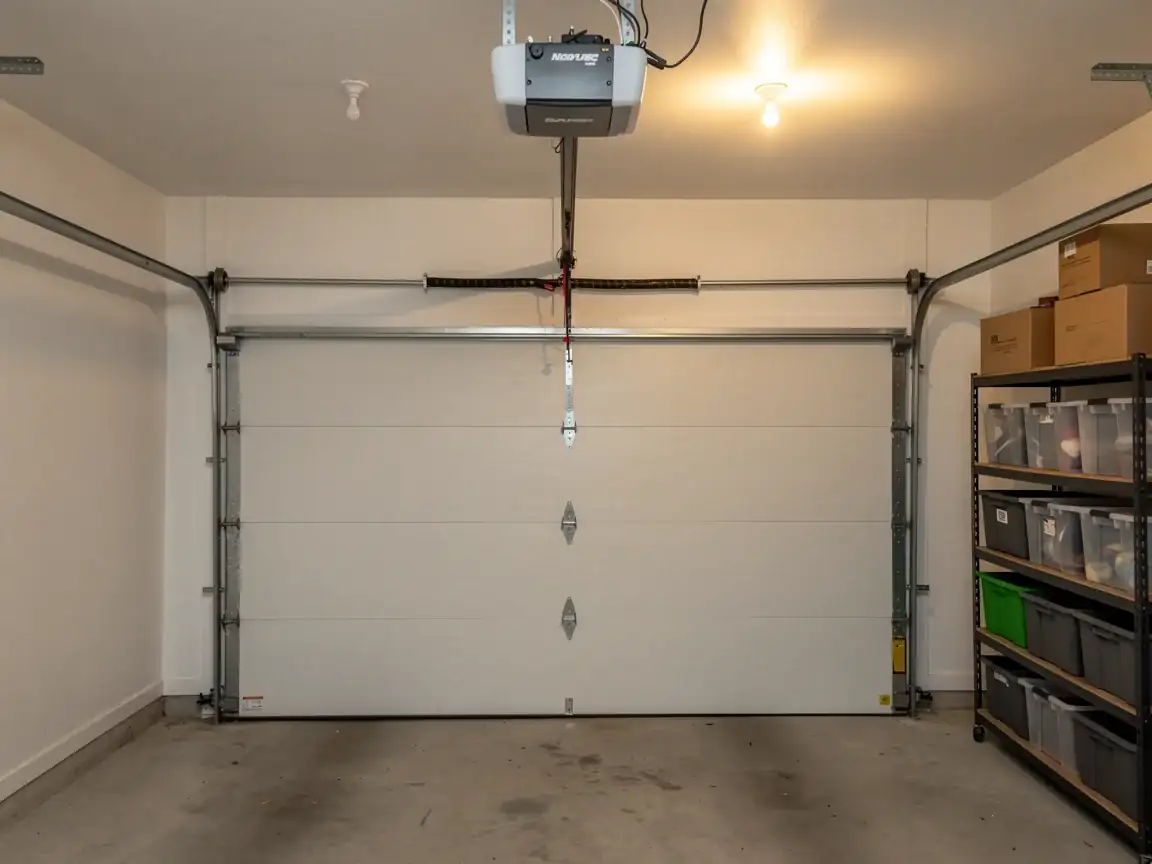
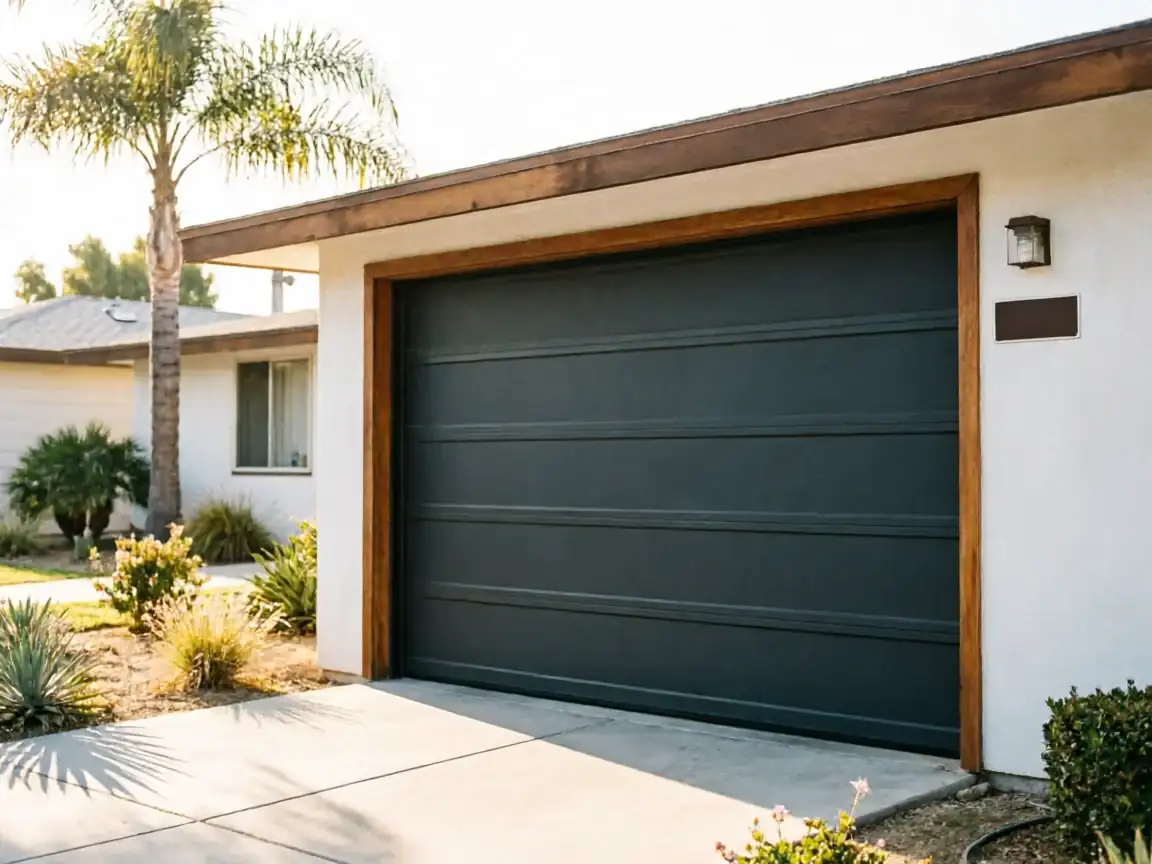
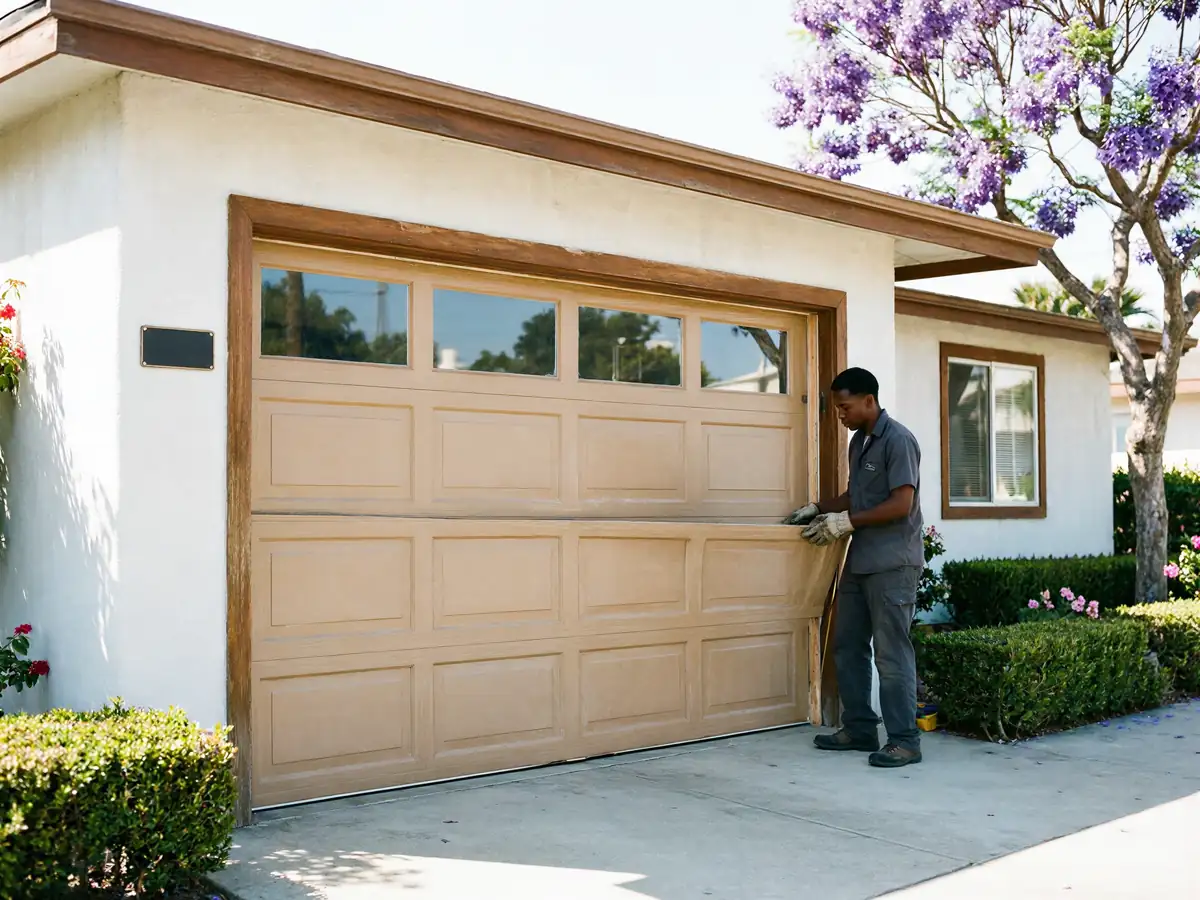
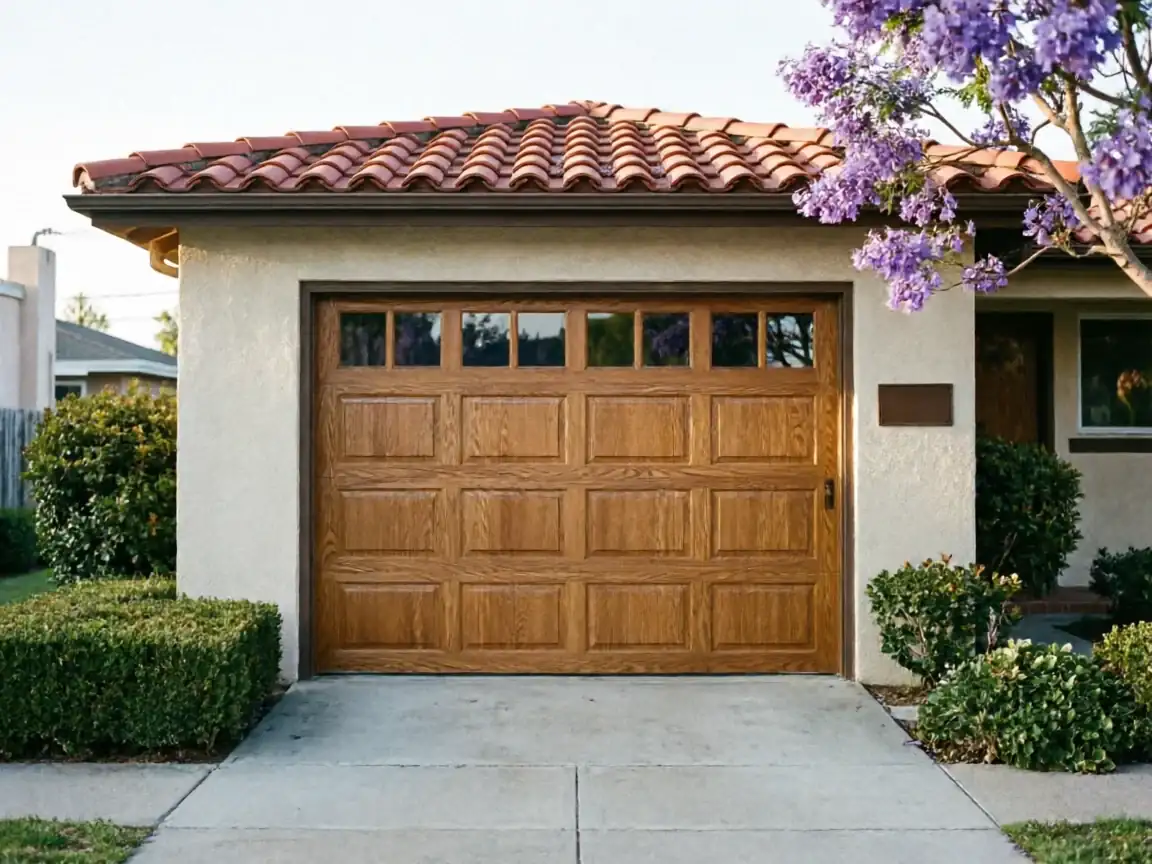
Stockton's housing stock as a whole runs from 1938 up through 2010, with a median year of 1977. French Camp sits on the older side of that line, with a median build year of 1968. That ten-year gap matters more than it sounds like it should. A door and opener installed in 1977 is a different animal than one installed in 1968 - different spring winding cones, different drum sizes, sometimes a different track gauge entirely. When we get a call from French Camp, the first question on the truck isn't "what's broken," it's "what era is this door," because the answer changes which parts come off the shelf. Fixing a 1968 door like it's a 2005 door means forcing hardware that doesn't fit, and that's how a cheap repair turns into a cracked panel. The job itself - diagnosing a dead opener, a snapped cable, a bent track, a spring that's lost its temper - doesn't change from town to town. What changes is what's actually hanging in the opening, and in French Camp that's more often a door built for late-60s hardware than anything newer.
Stocked Parts
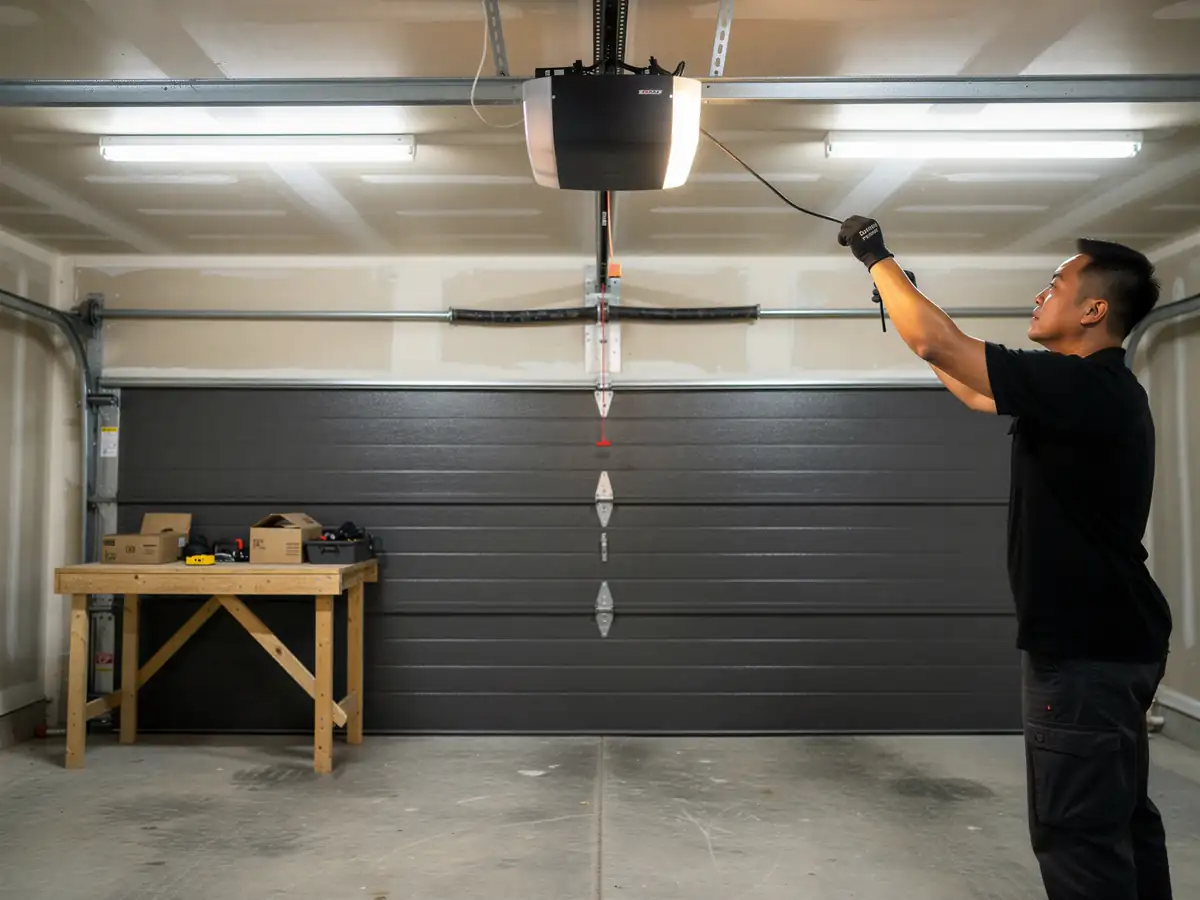
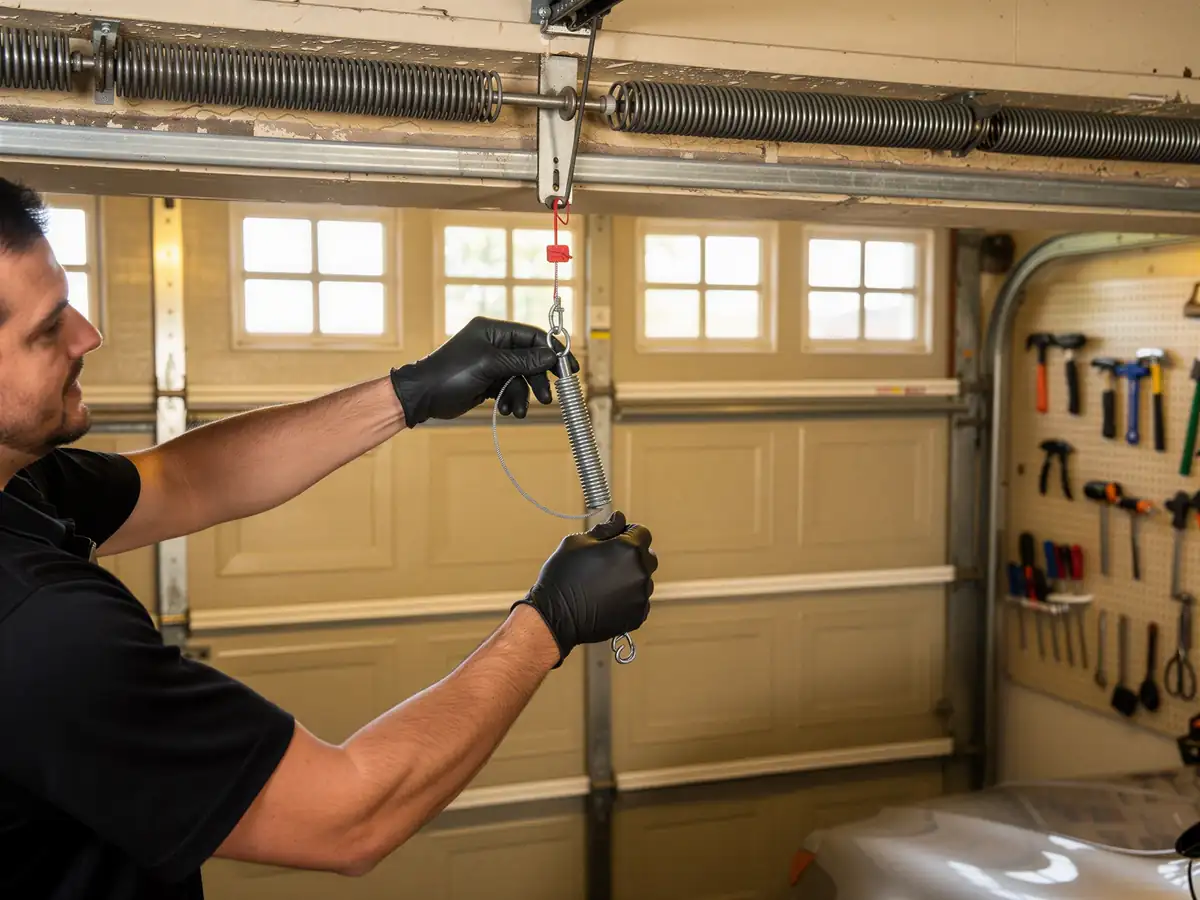
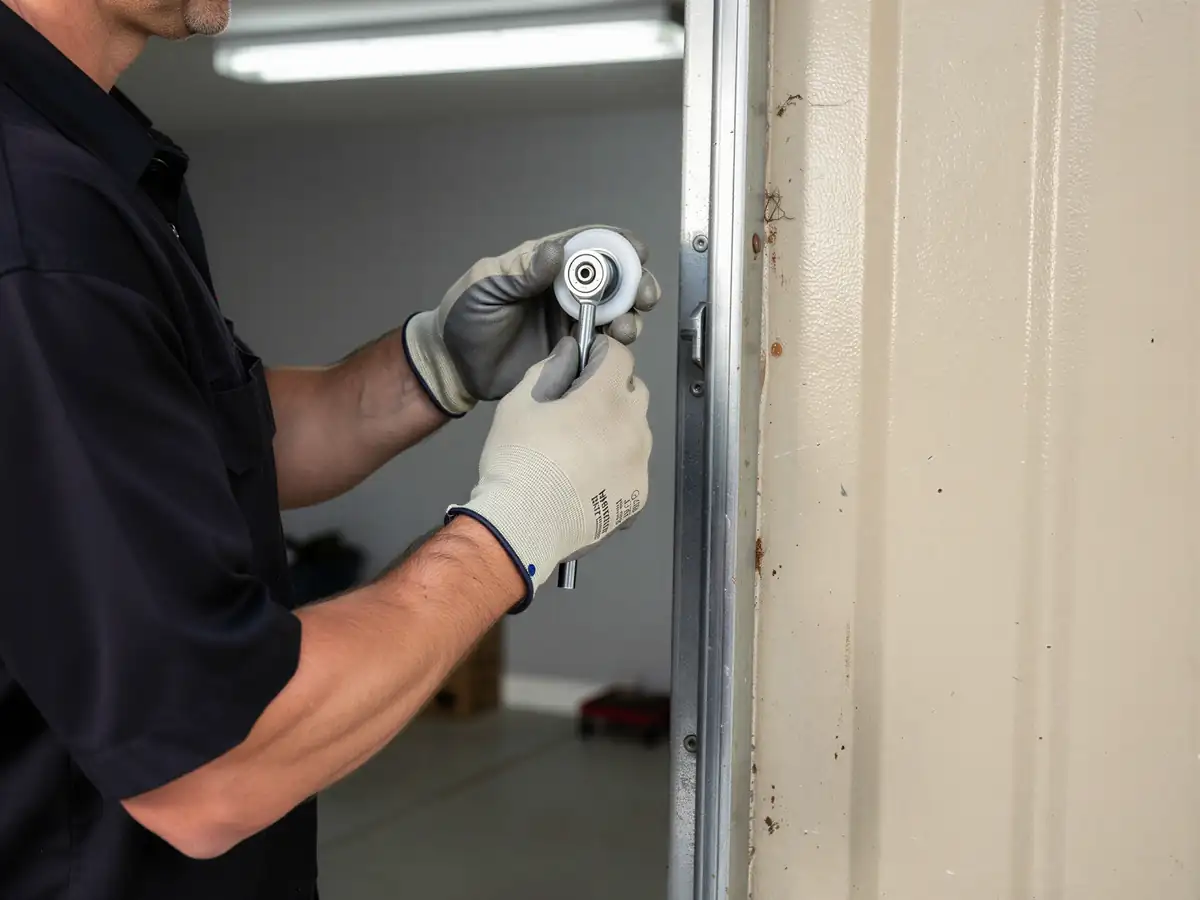
We stock torsion springs, cables, rollers, and hinges sized for the 1960s-70s door stock that makes up a large share of homes across the Stockton service area, French Camp included. That's a practical call, not a guess - when median build years cluster where they do here, carrying parts for that era means fewer trips back to the truck mid-job. Openers are a different story. A door from 1968 may be running its third or fourth opener by now, so we carry current opener parts too, but matching an obsolete opener model can mean a special order. We'll tell you straight if that's the case rather than quoting a same-visit fix we can't back up. One limitation worth saying plainly: if a part is genuinely discontinued and the manufacturer won't produce it, replacement of that section - sometimes the whole unit - is the honest answer, not a repair.
Where This Job Goes Sideways
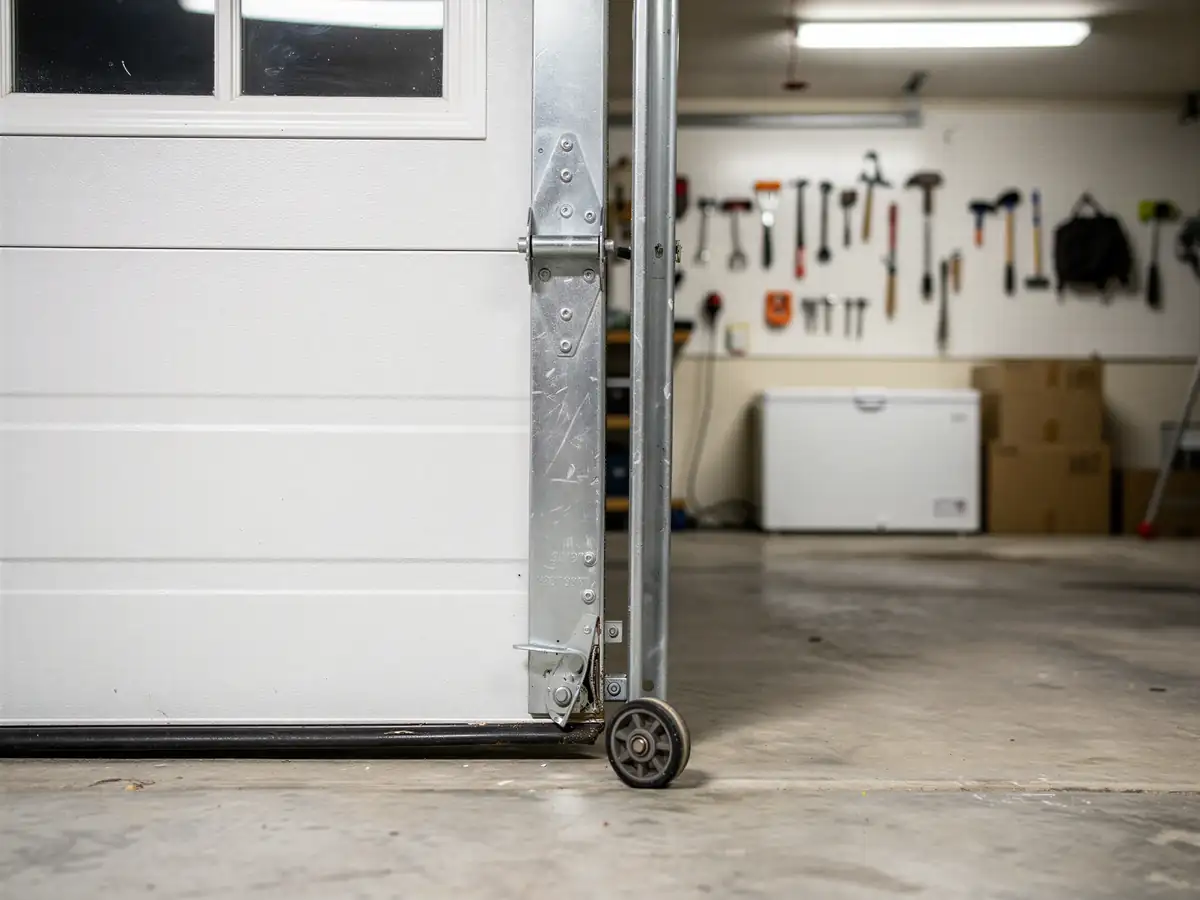
The trouble spot on an older door isn't usually the part that's visibly broken - it's the part next to it that's about to go. On a 1968-built door, a snapped cable is rarely a standalone failure; the drum or the opposite cable is often close behind, worn by the same thousands of open-close cycles. Diagnose only the obvious break and you're back out here in a month for the matching one. Distance plays into this too: French Camp sits roughly 8 miles from our Stockton base, close enough that we're not guessing on arrival but far enough that we'd rather catch the second failure on the first visit than make you wait on a callback. The other way this goes sideways is scope creep on hardware mismatch - forcing a newer track onto an older frame, or vice versa, because it's the part that's in stock. We'd rather special-order the right piece and tell you the timeline than install the wrong one today.