What the Repair Takes
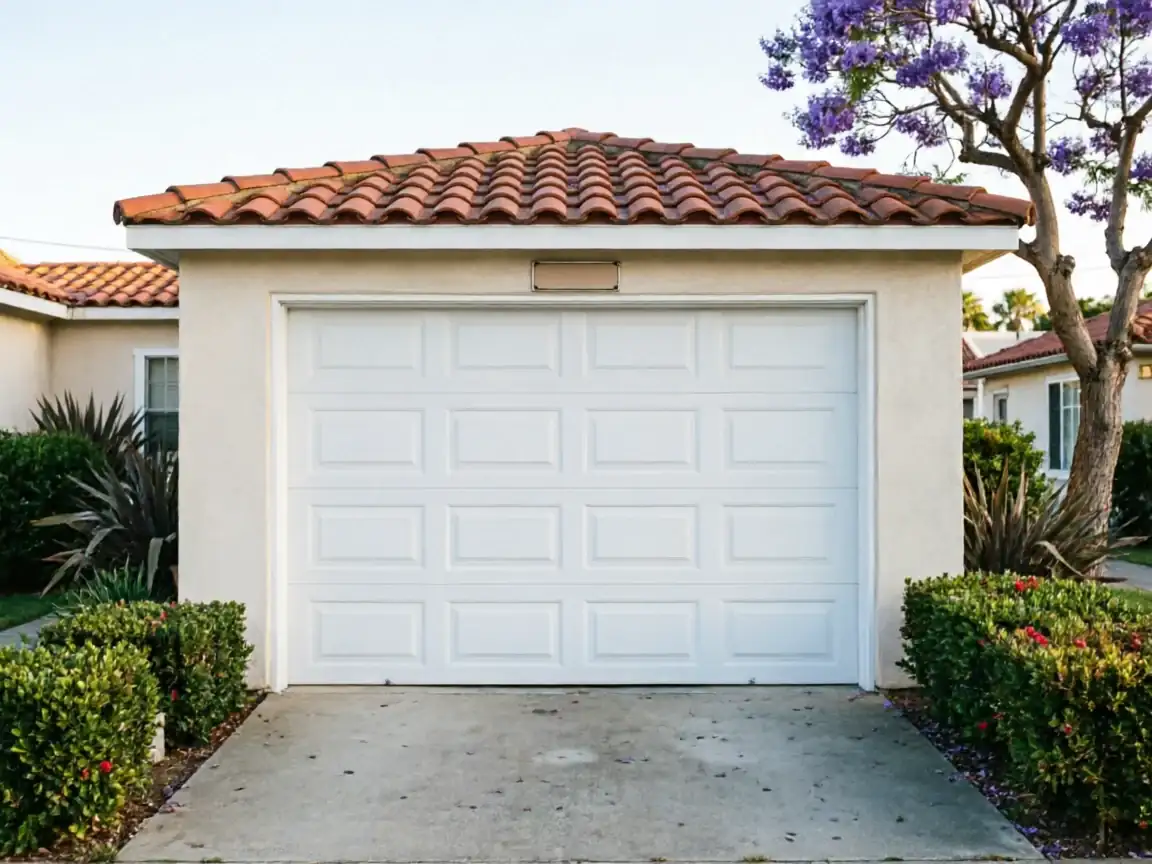
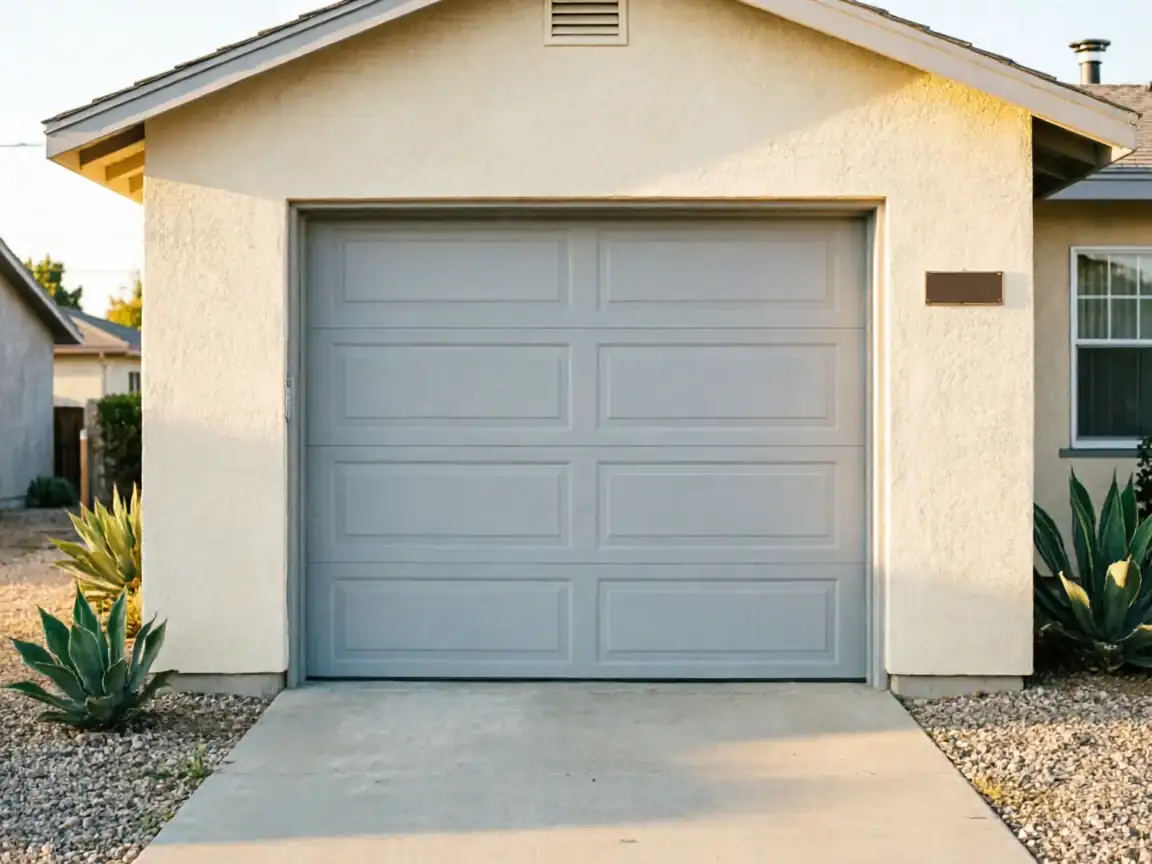
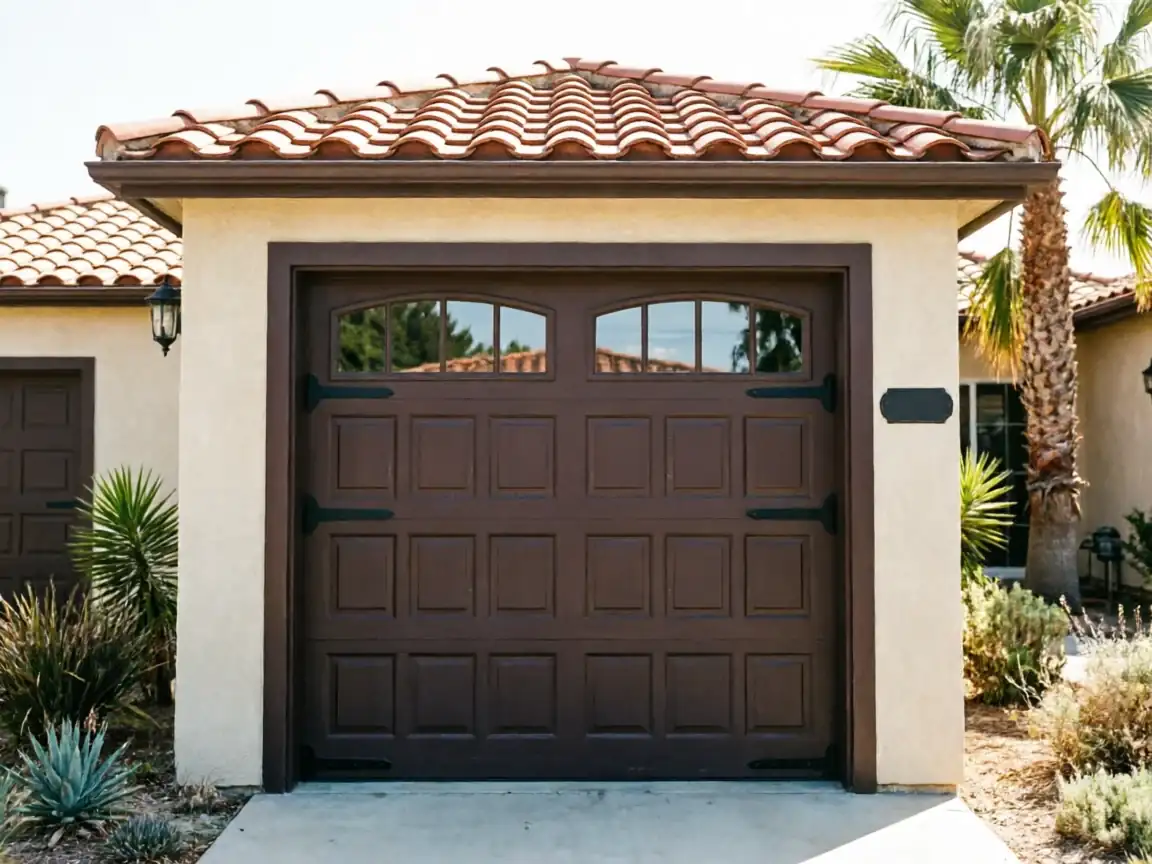
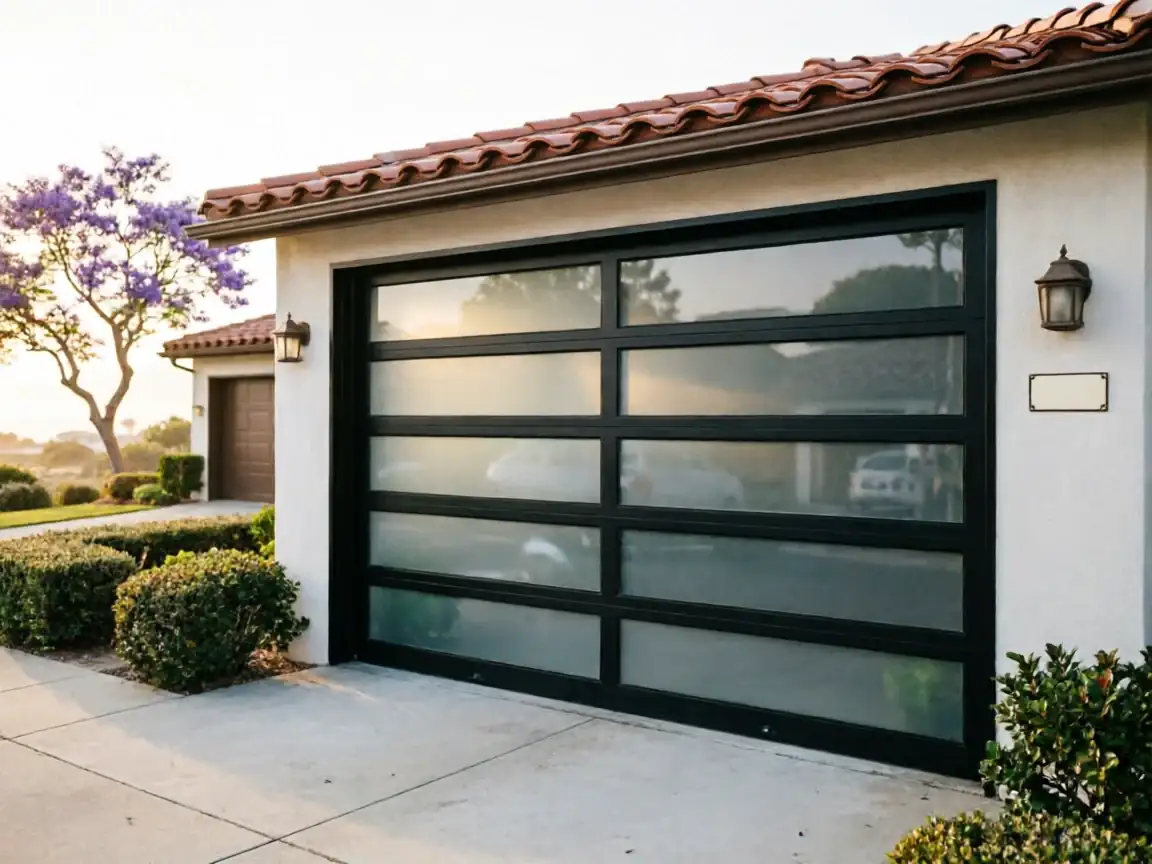
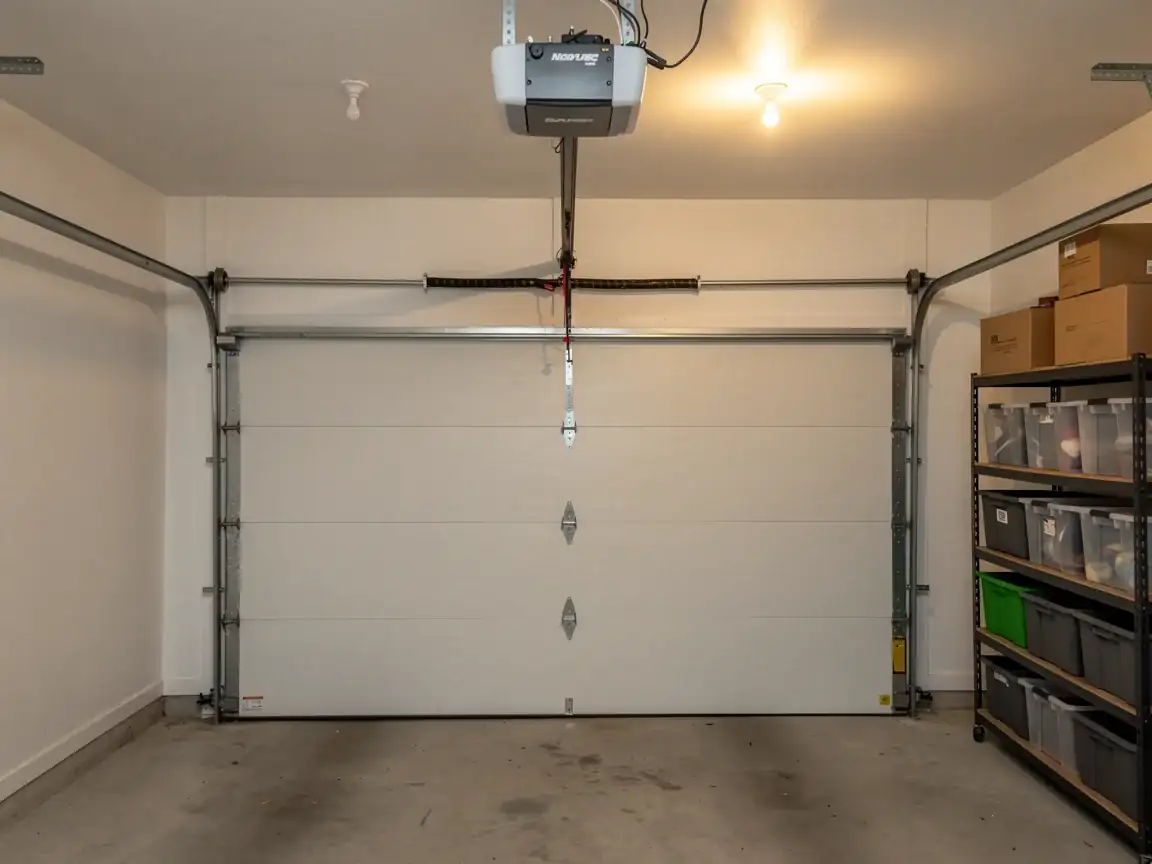
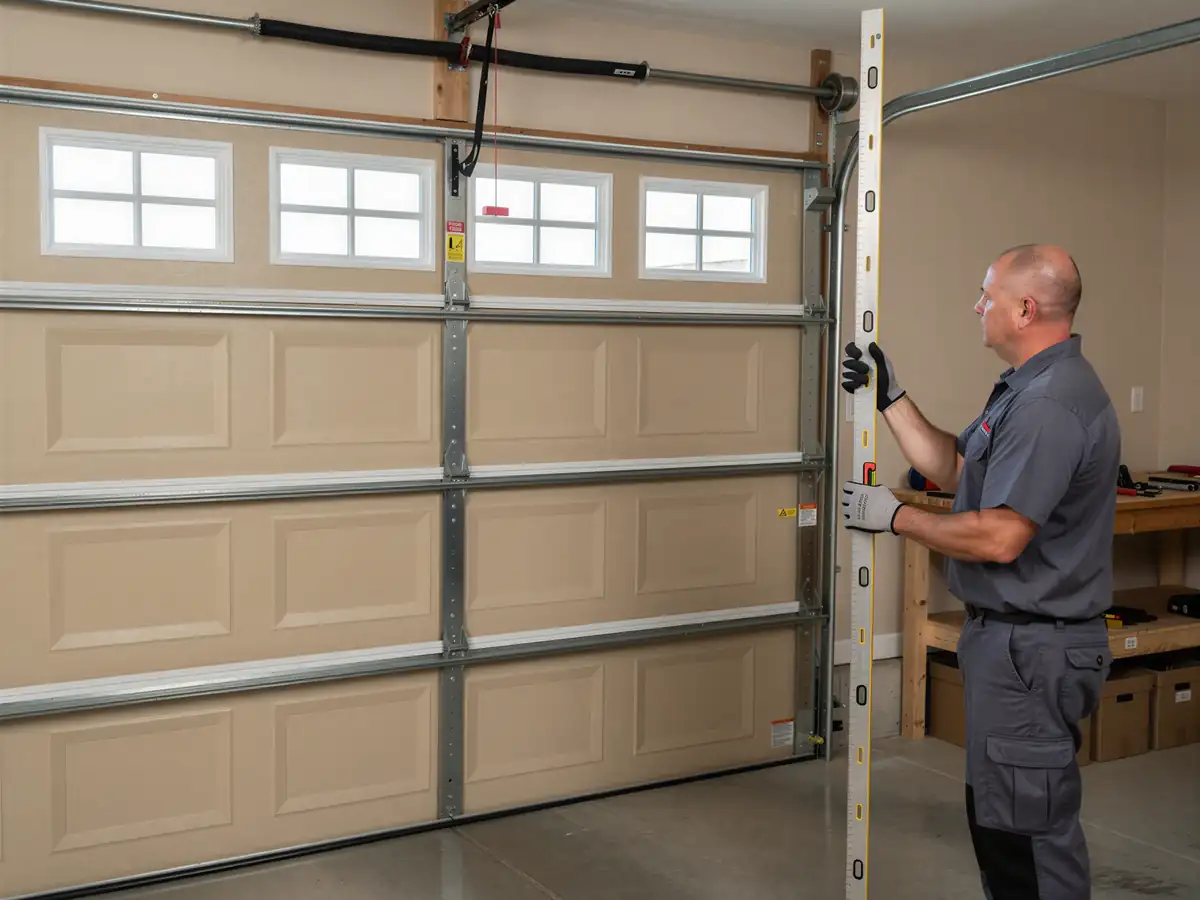
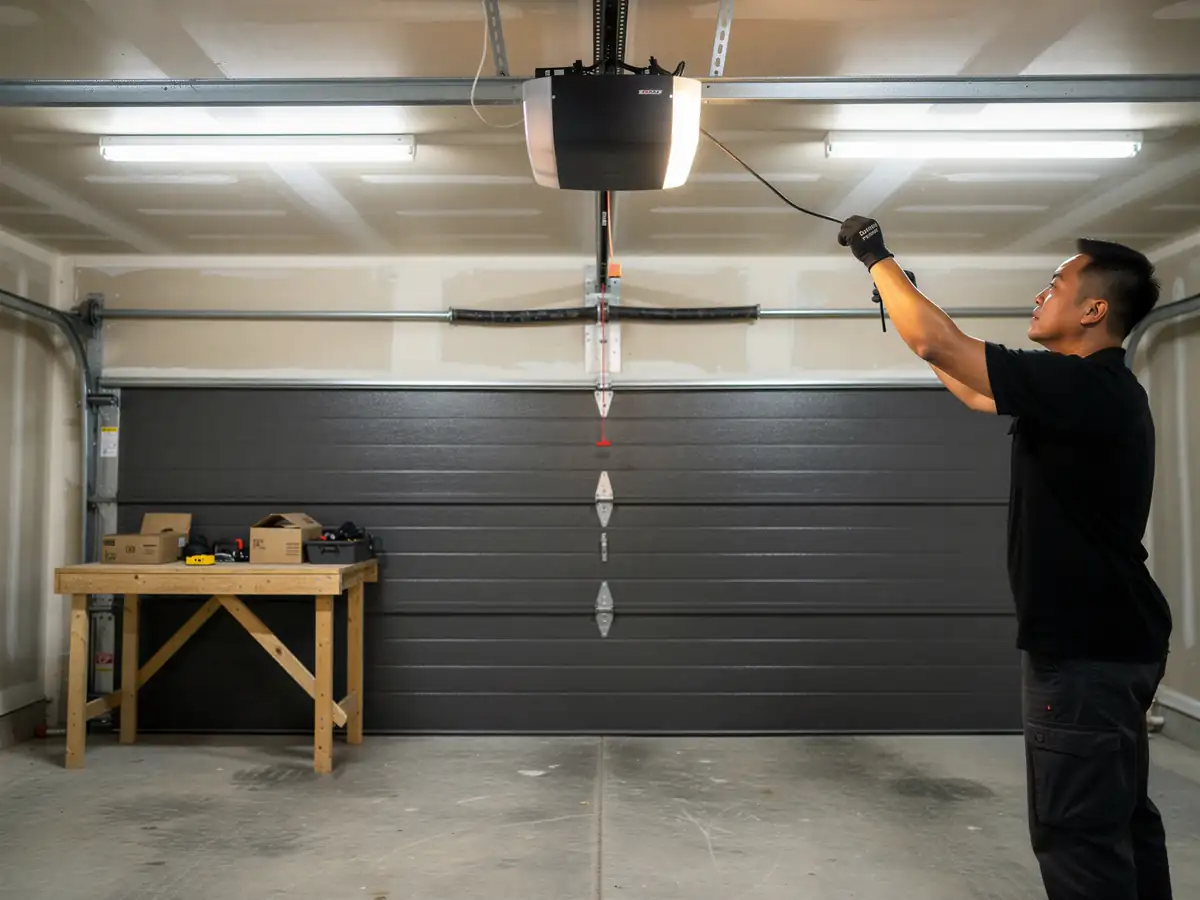
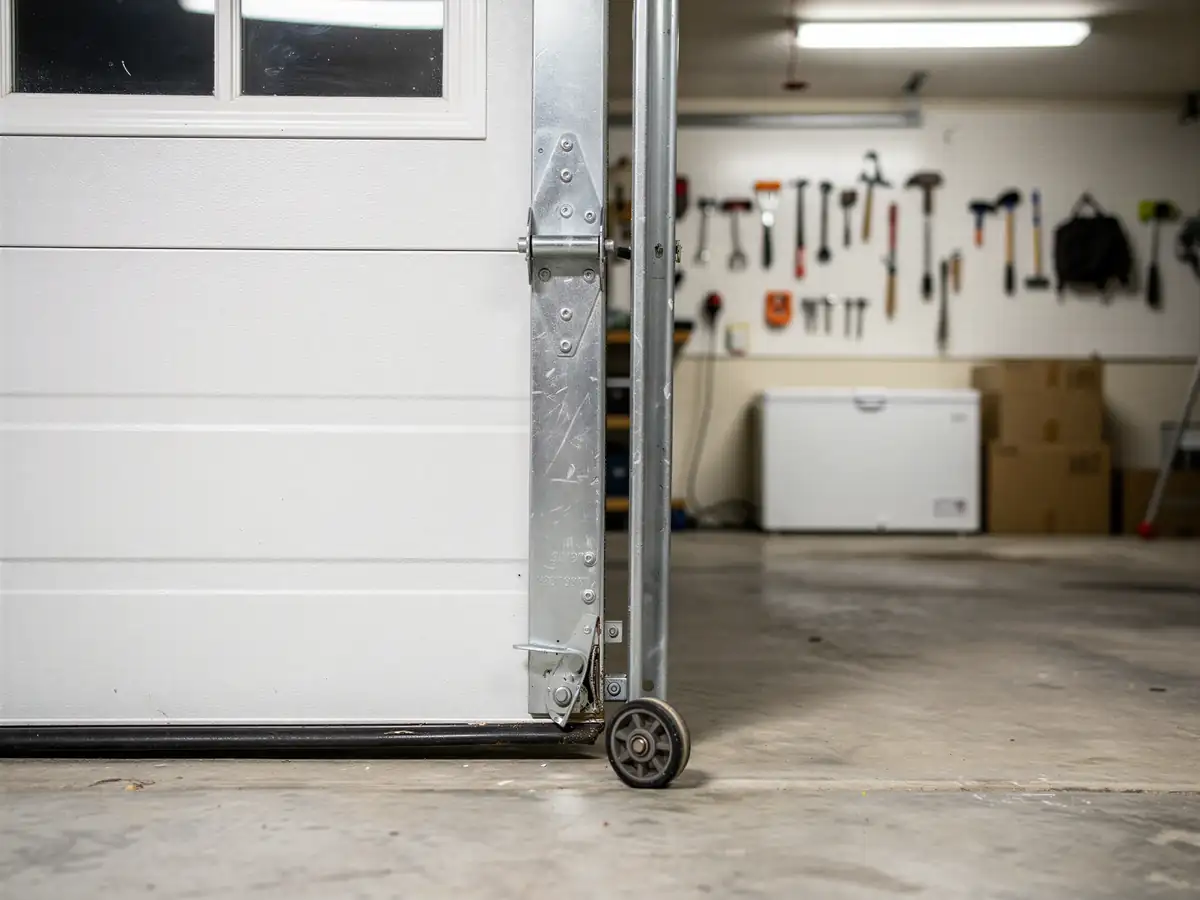
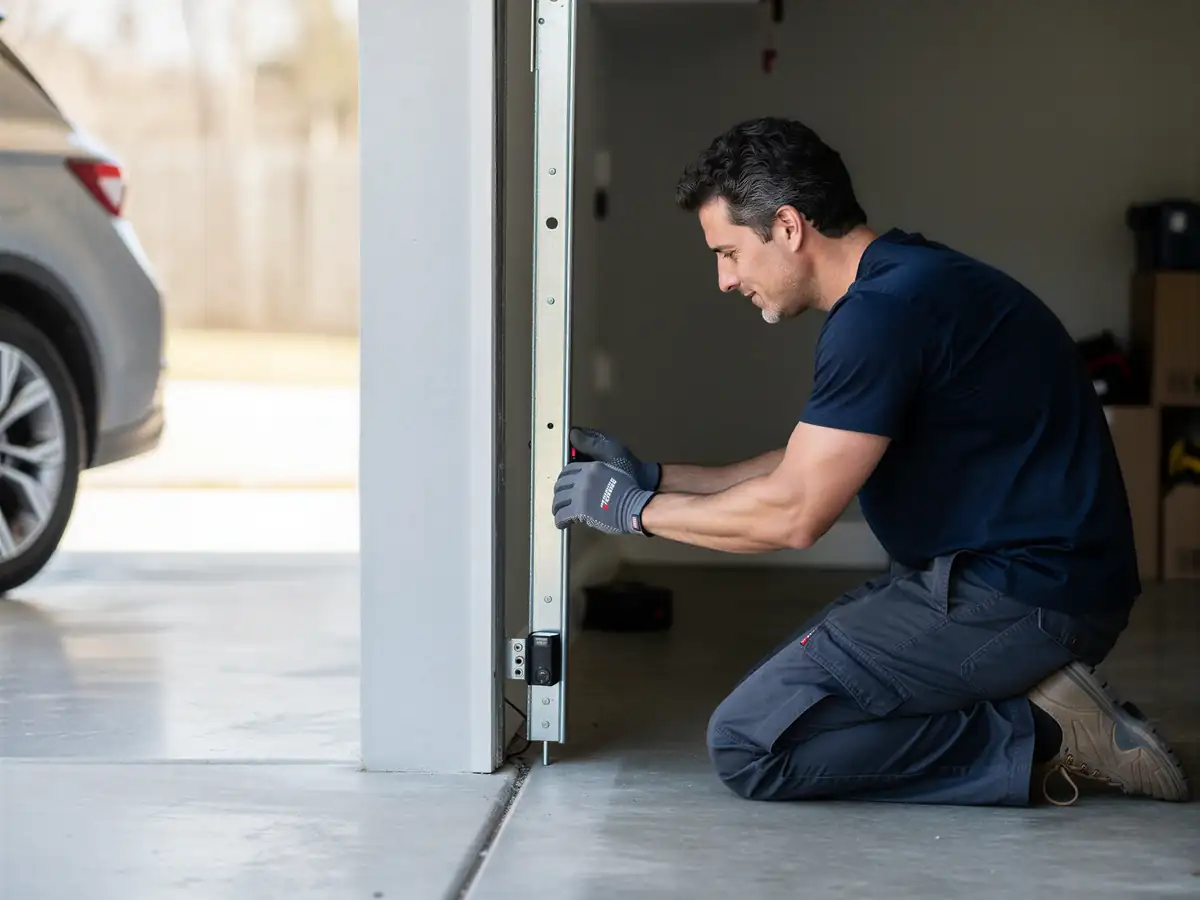
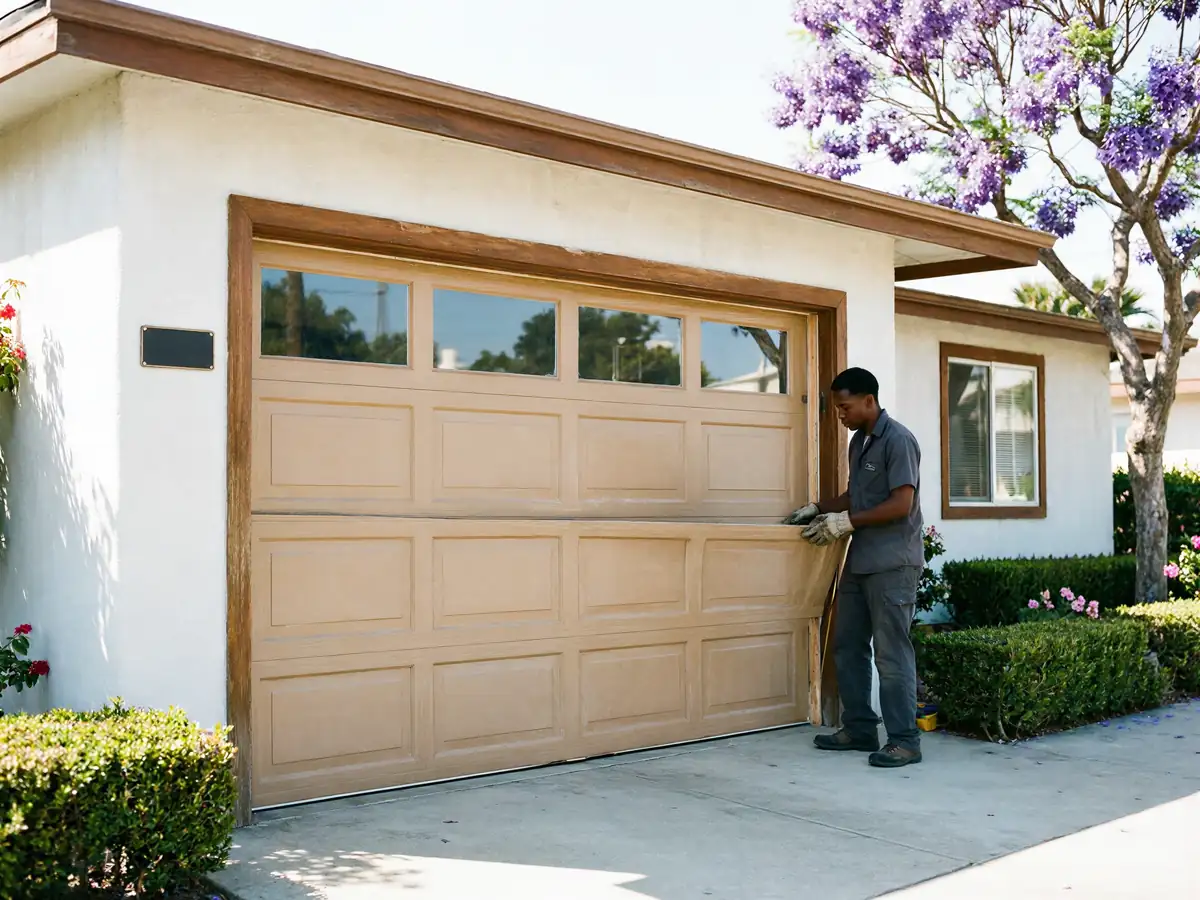
Most garage doors in French Camp went up with the house, and the median build year here is 1968. That means a lot of what's bolted to the header and jambs today is the original hardware - track brackets, hinges, sometimes the spring anchor - never swapped out because the door still closed, even if it groaned doing it. When we come out for a new install, the first hour isn't spent hanging a door. It's spent confirming the opening is still square, checking whether the header can take modern track without reinforcement, and pulling any hardware that's seized or rusted past reuse. On a house this age, we plan for at least some of that work before the new door ever goes up. Skipping that step is how a new door ends up fighting fifty-year-old framing. We travel from Stockton for this job, about 8 miles each way, so we try to scope the whole thing on the first visit rather than guessing and coming back.
Stocked Parts
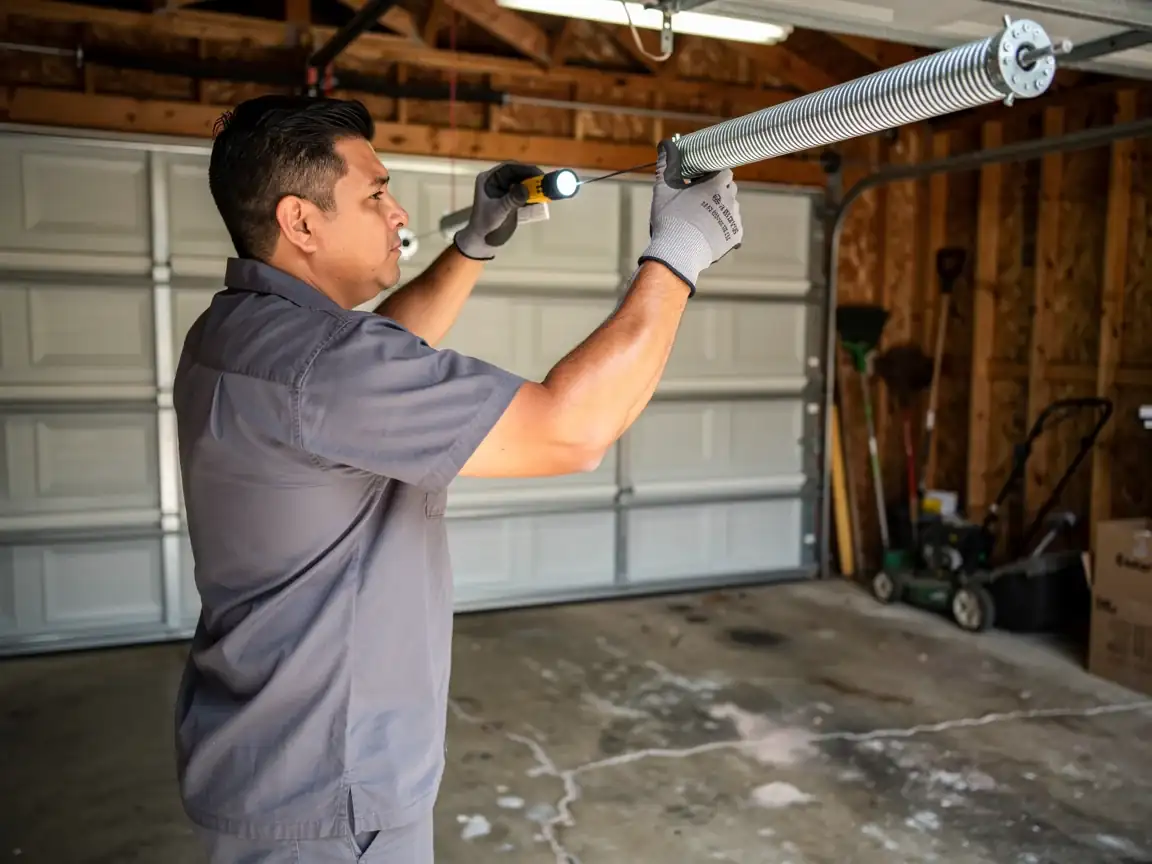
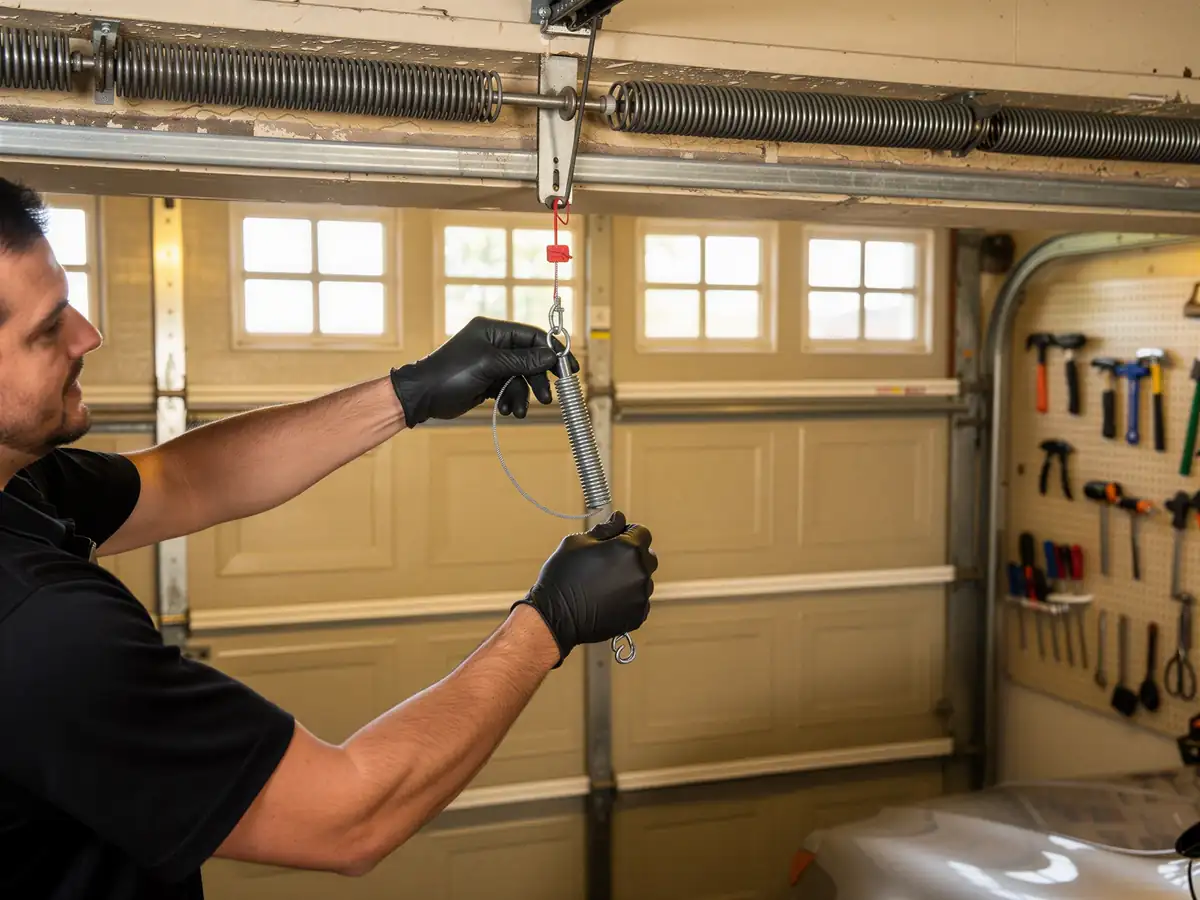
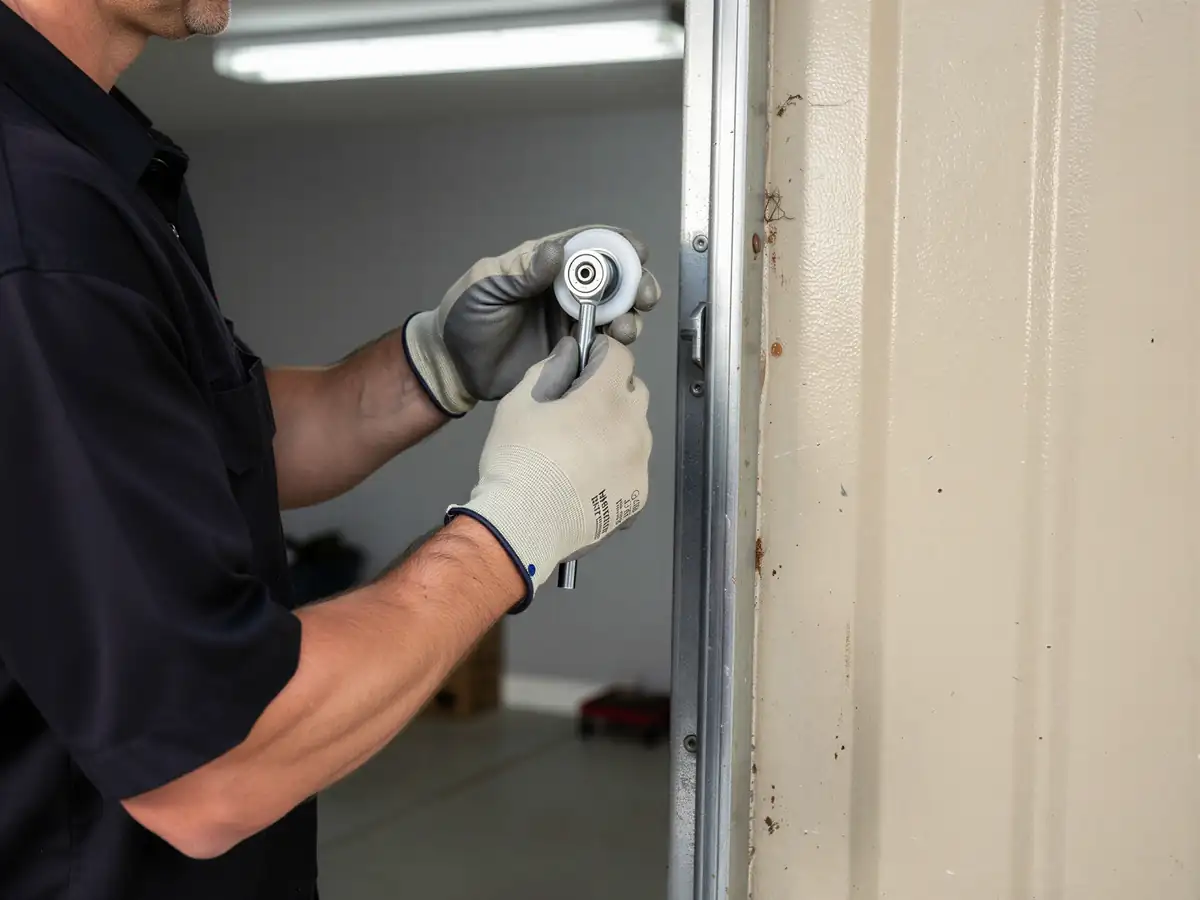
For a new install, we carry standard torsion springs, galvanized track, and steel rollers on the truck, sized for the 7-foot and 8-foot openings common on houses from this build era. What we don't always have on hand is matching jamb hardware for houses where the original header bracket pattern doesn't line up with current spec - that's a real gap, and if we hit it, the fix is cutting new mounting points rather than hunting down a 1968 part number that nobody makes anymore. We'd rather tell you that upfront than quote a same-day job and miss it. Given the area's median household income of $93,523, close to the $93,993 median across the whole service area, most owners here are choosing between a full new door and a patched-together repair on a door that's already outlived its hardware. For a house built in 1968, we usually recommend full replacement once the spring or track fails, since reusing the rest of the original setup rarely saves money twice.
Where This Job Goes Sideways
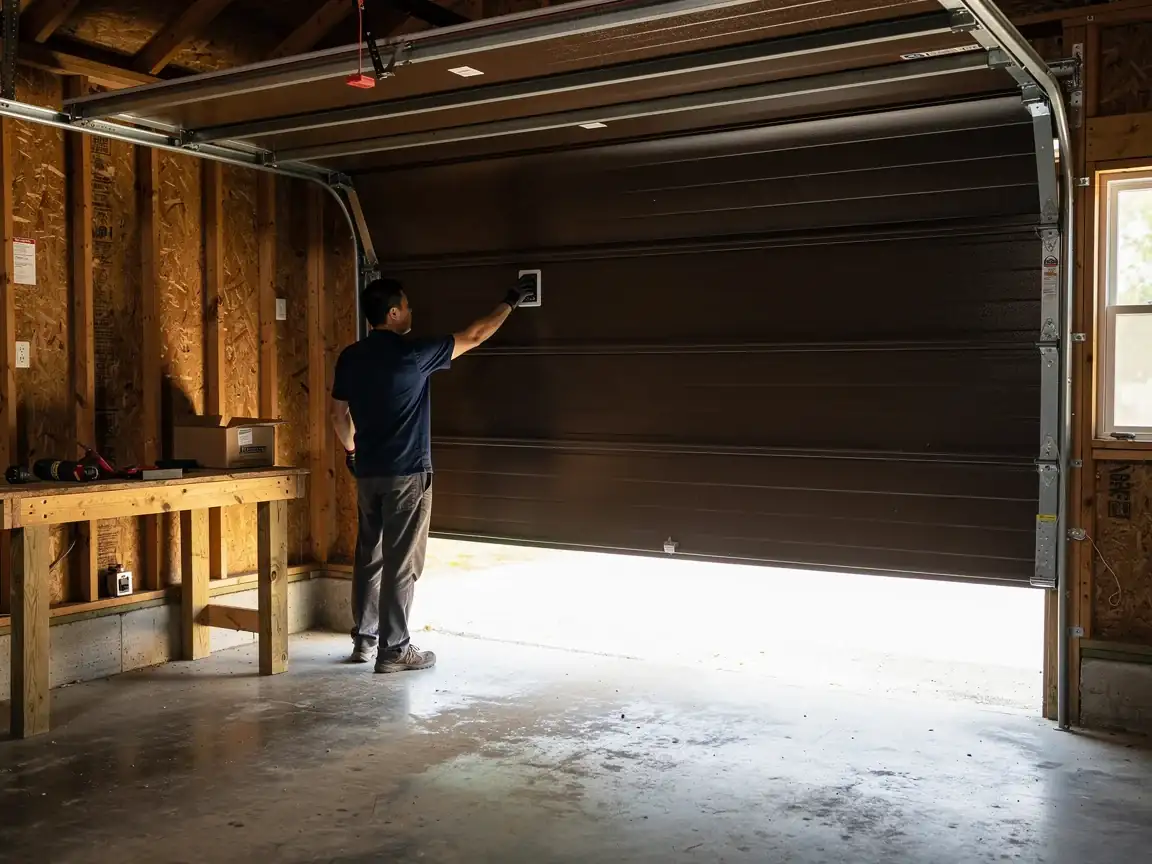
The job goes sideways when the opening itself has shifted. On a house approaching sixty years old, foundation settling is common enough that the framing isn't perfectly square anymore, even if it looks fine from the driveway. A new door hung into an out-of-square opening will bind on one side within months, no matter how good the door is. The second place we see trouble is wiring for the opener - houses from 1968 weren't built with a dedicated circuit for one, so a new opener sometimes means an electrician's call before we can finish the install, not something we handle ourselves. We'll flag both of these during the first visit rather than after the door's already hung, because neither one is cheap to fix after the fact.