Getting It Booked In
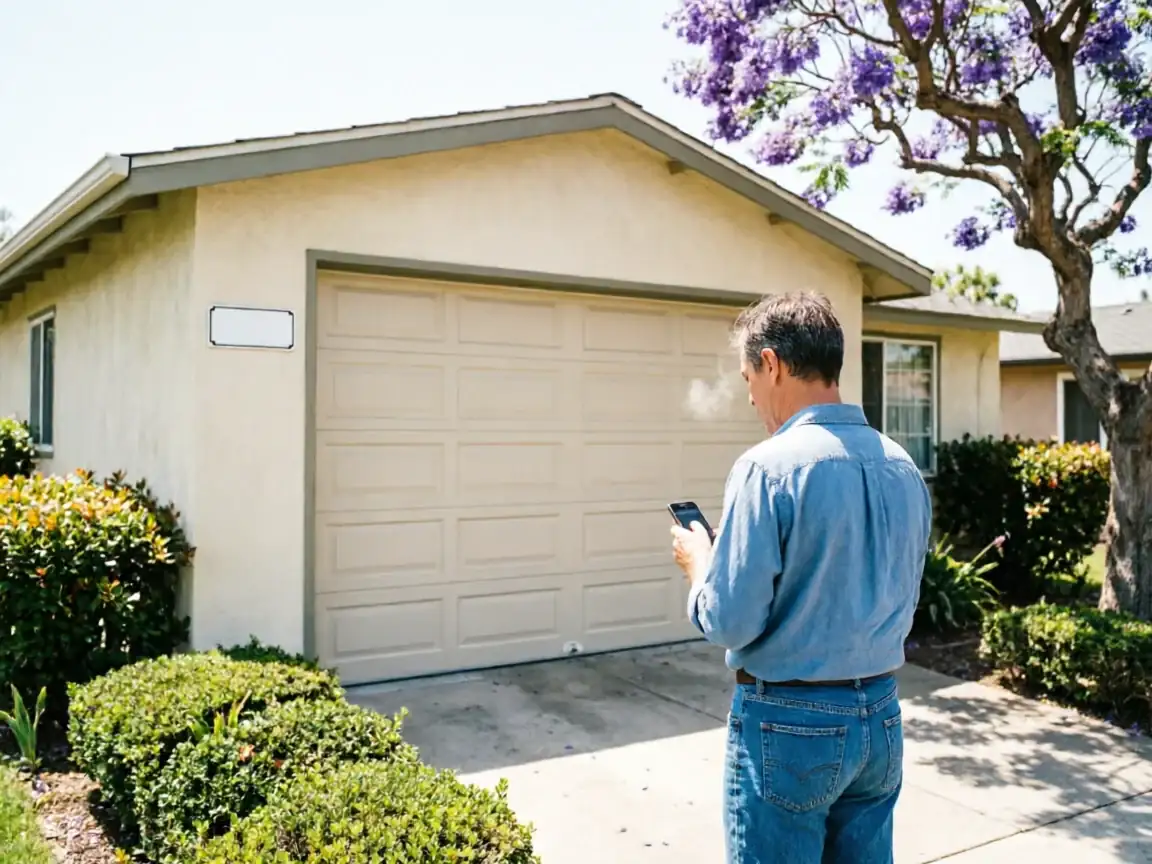
Kennedy sits about 5 miles from our Stockton shop, close enough that getting a truck out isn't the complicated part of the job. What takes a minute on the phone is figuring out what's actually hanging on your door. Kennedy's housing stock centers on 1966, a decade earlier than the 1977 median across the wider service area we cover from Stockton. That gap matters before anyone picks up a wrench, because a door from the mid-1960s is more likely to still be running its original spring setup than a door built in, say, the 1980s or later.
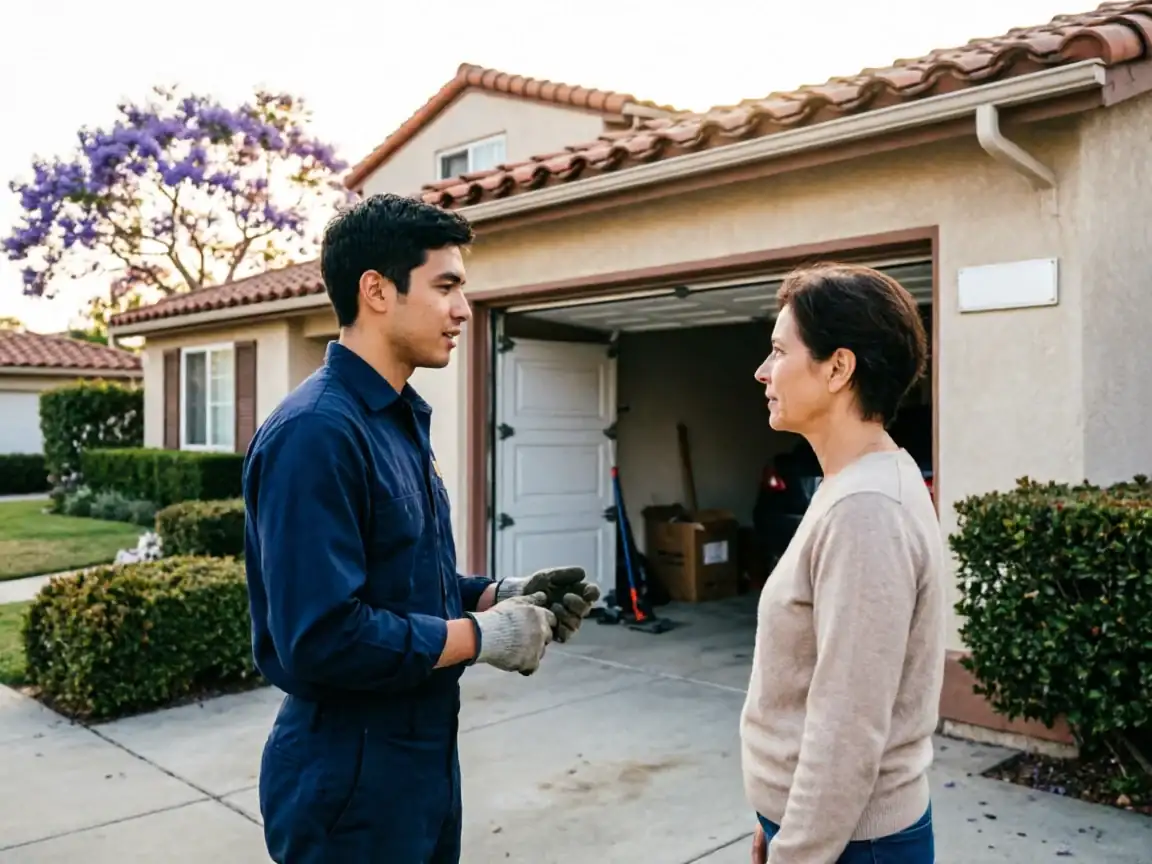
When you call, we ask the age of the house, whether the door's ever been replaced, and whether it's one spring or two. If you don't know, that's fine - most people don't, and we can tell from a photo of the spring assembly above the door. With 802 households in Kennedy, this is one of the smaller pockets we drive out to from Stockton, so we're not working from a guess about what's common here; we're working from what we've actually found on doors this age.
We don't keep a standing crew stationed in Kennedy itself - every job here is a drive from the shop, which is worth knowing if you're hoping for a same-hour fix on a Friday afternoon.
Time on the Job
A straight spring swap on a standard double door
Once we're on site with the right part, usually runs under two hours. What stretches that number is almost always the hardware underneath the spring, not the spring itself. On a house built around 1966, we're more likely to find a bracket or a drum that's been welded or modified over the years by whoever worked on the door last, and that adds time we can't quote over the phone.
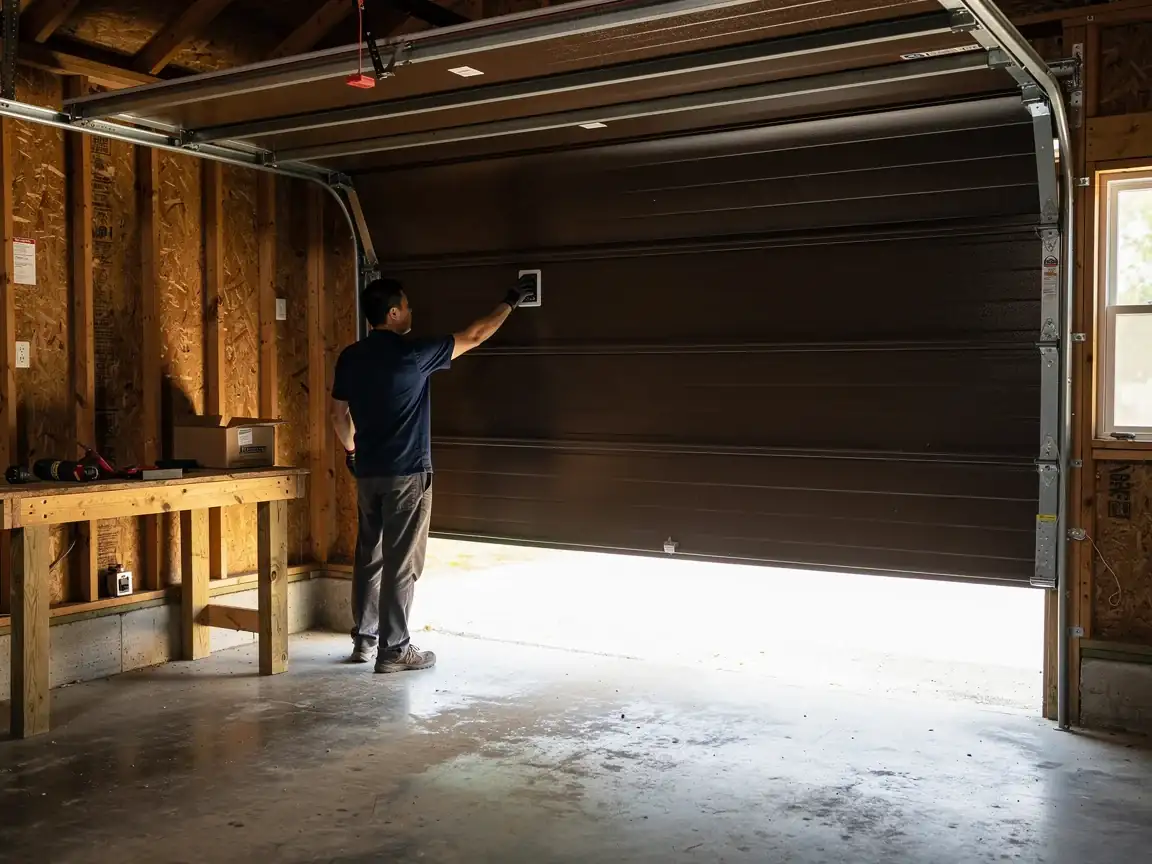
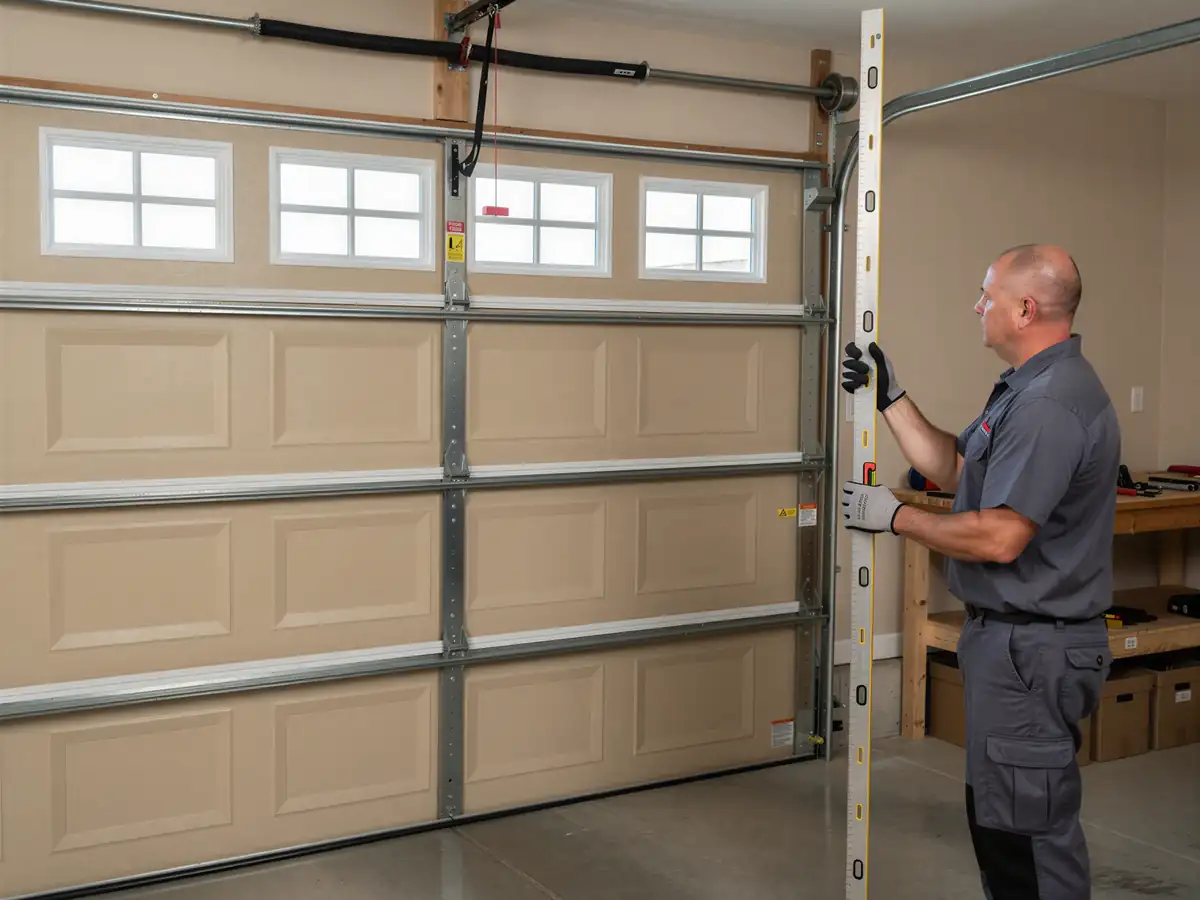
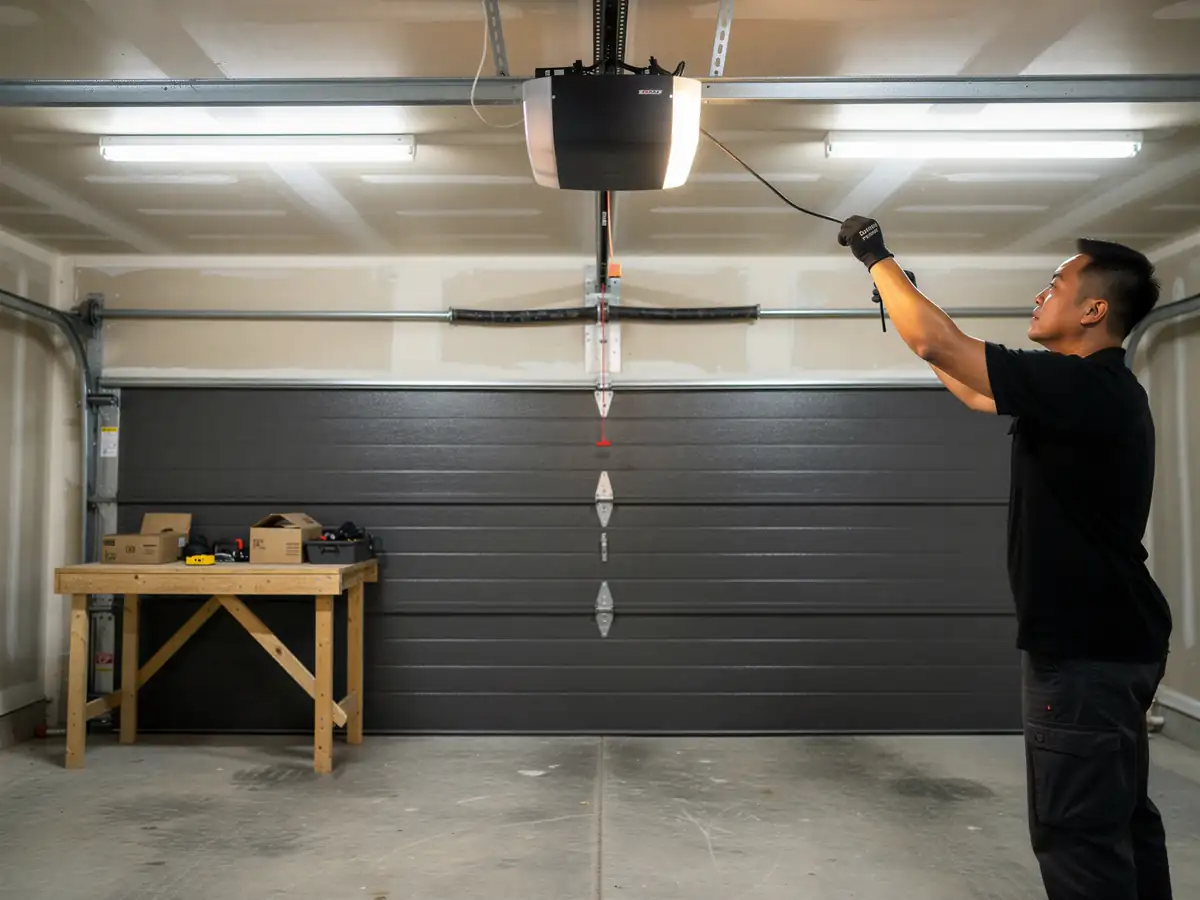
We test the door's balance before we touch anything
If a door is badly out of balance, the opener has been fighting the spring for who knows how long, and sometimes that shows up as a stripped gear or a worn drive cable that needs attention in the same visit. We'd rather tell you that up front than have you call back the following week for a second problem that was sitting there the whole time.
One thing we won't do is rush a torsion spring job to beat a clock
Winding a torsion spring under tension with the wrong bar or a bad angle is how people lose fingers, and we're not cutting that corner to hit an arbitrary time estimate.
What the Repair Takes
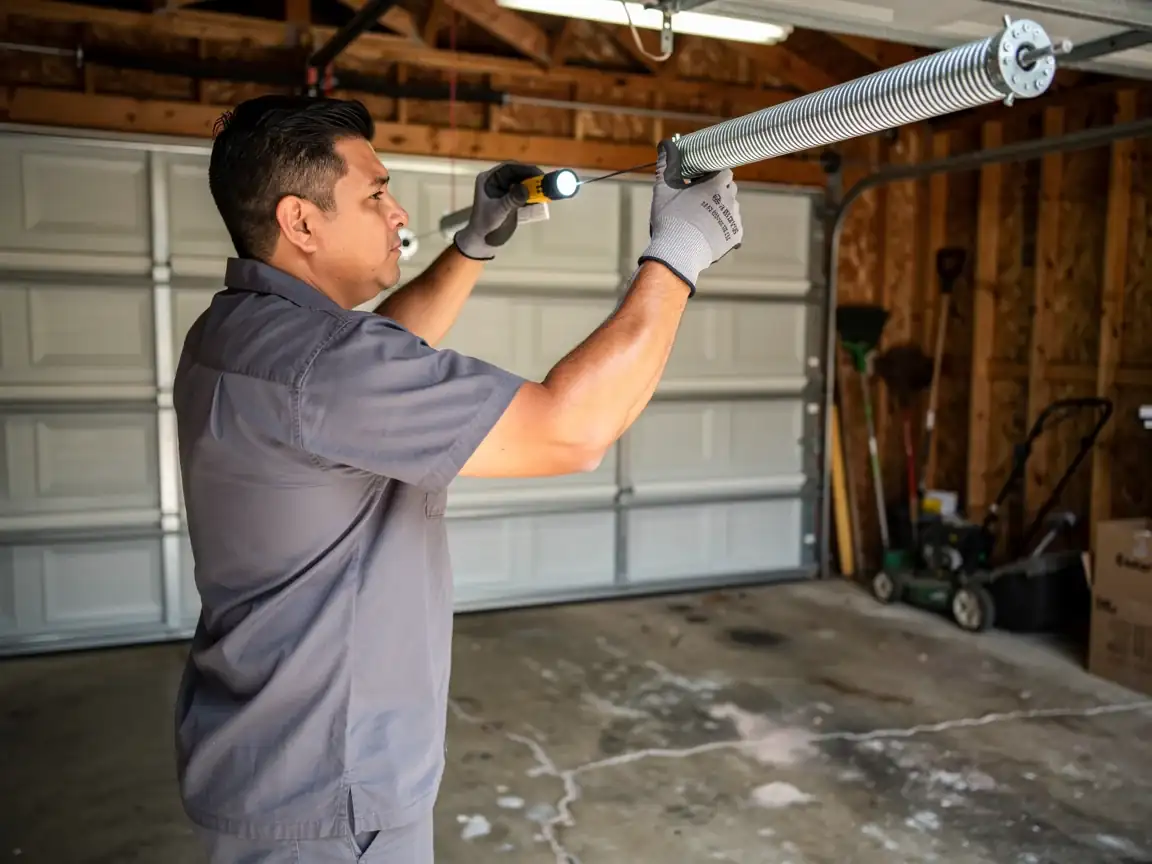
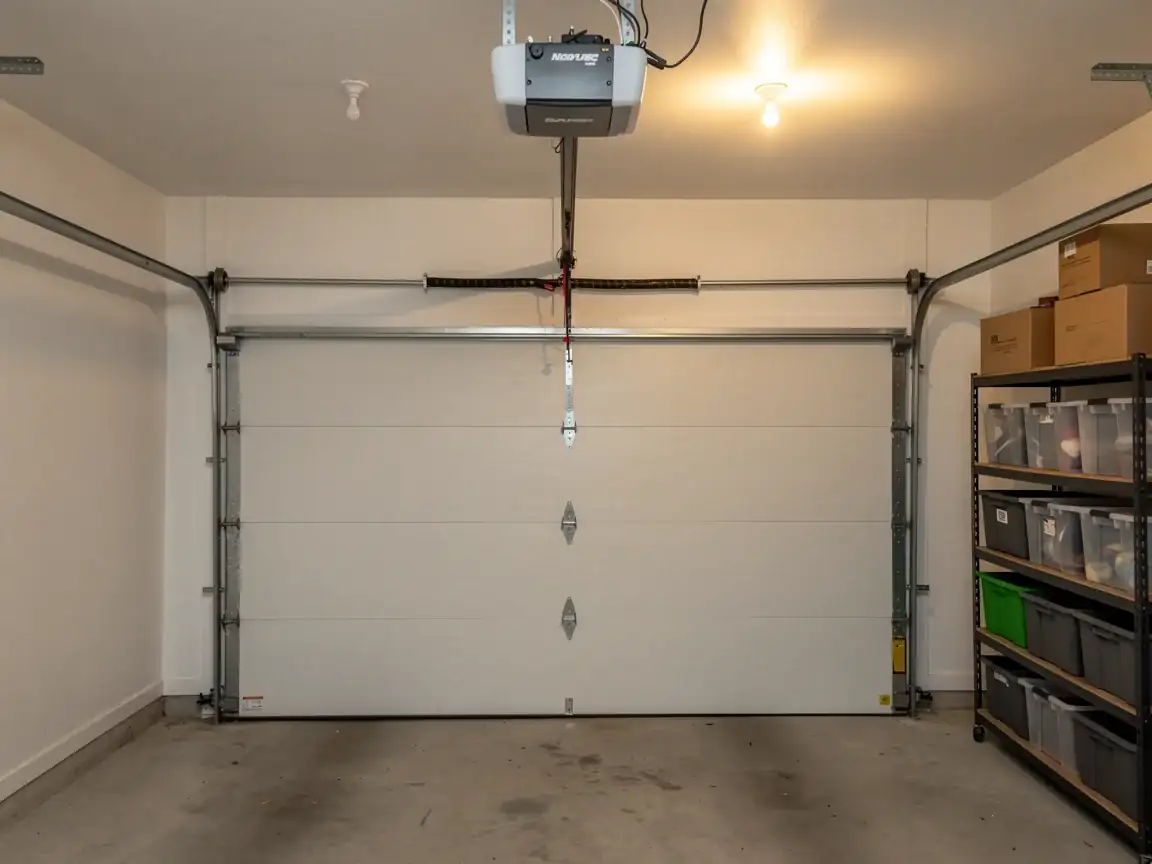
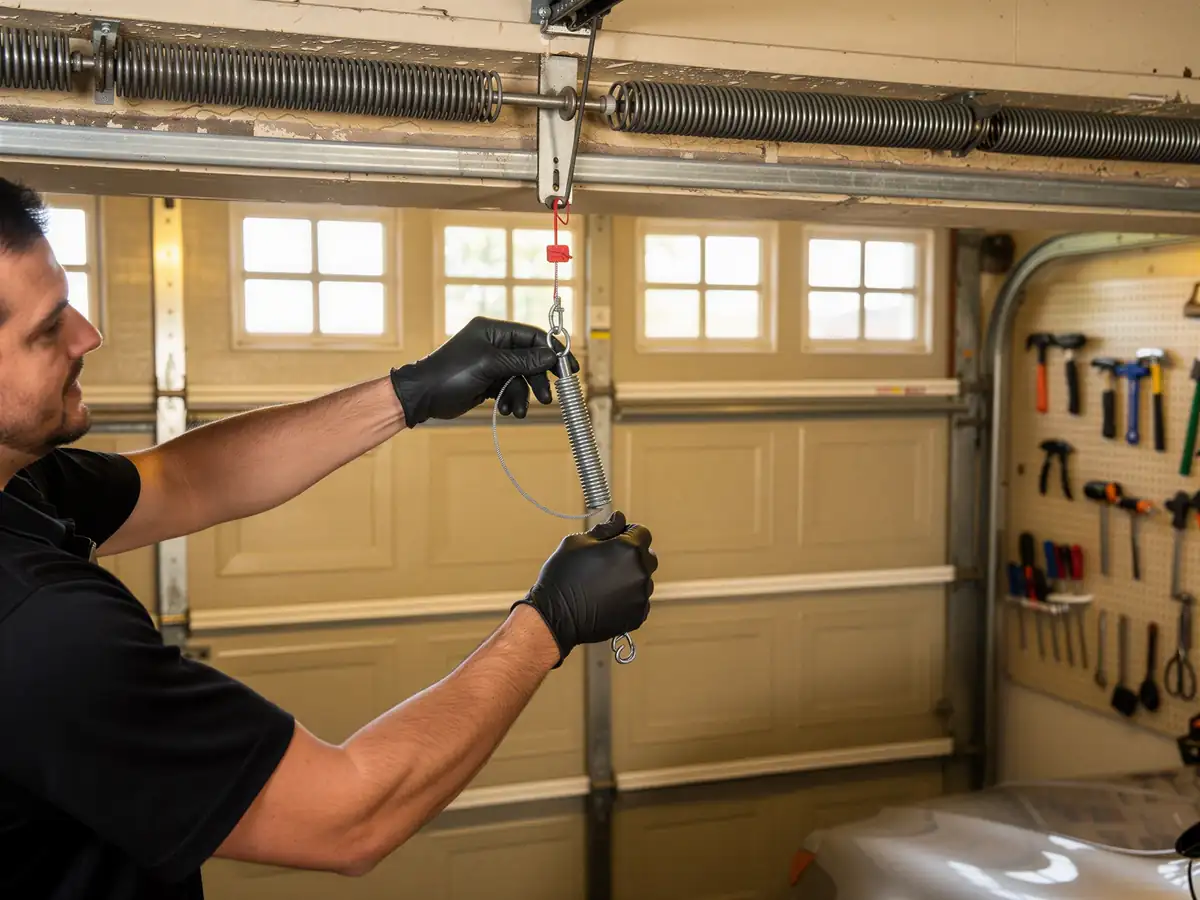
Houses built around 1966 in Kennedy typically came with extension springs or early torsion setups that don't match the hardware found on newer builds elsewhere in the service area. Extension springs run along the horizontal tracks on either side of the door; torsion springs sit on a bar above the door opening. Telling us which one you have - or sending a photo - saves a wasted trip for the wrong part.
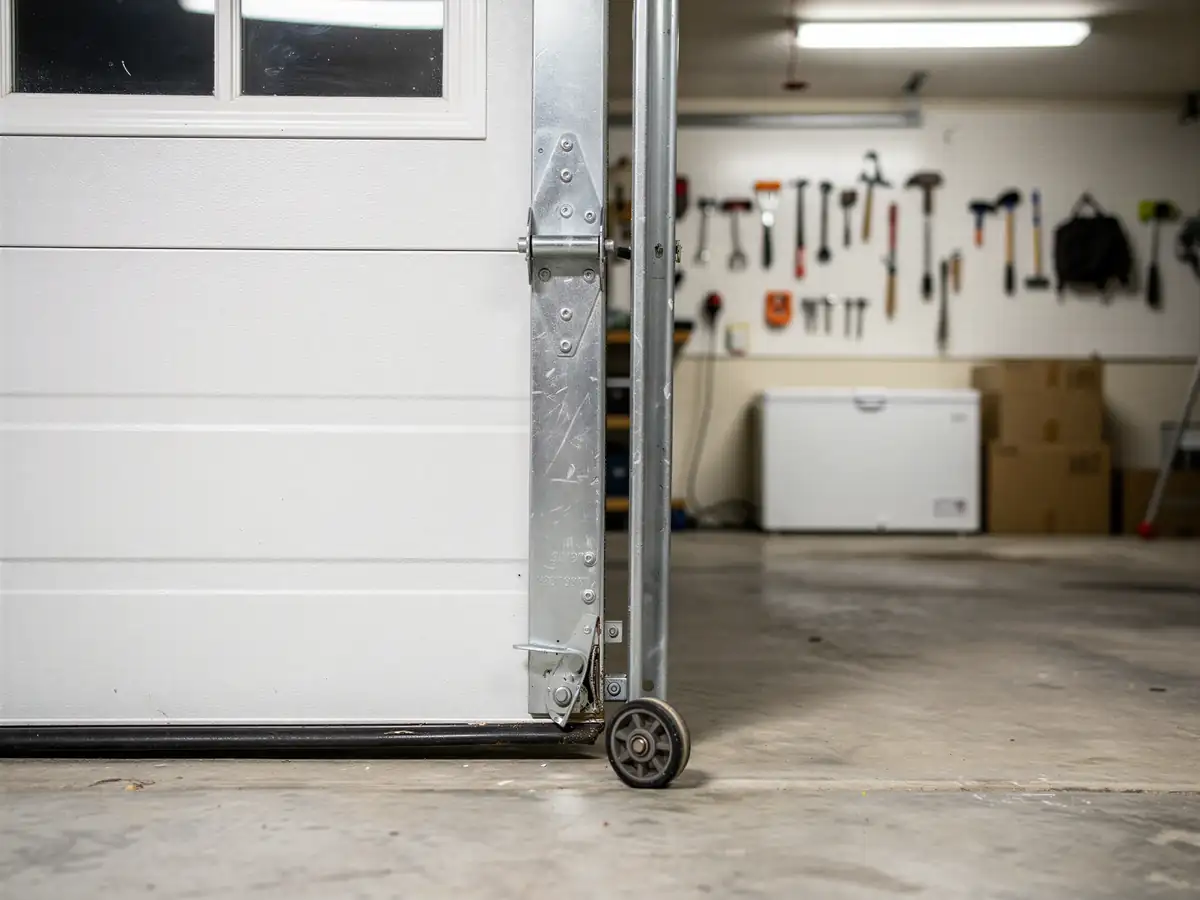
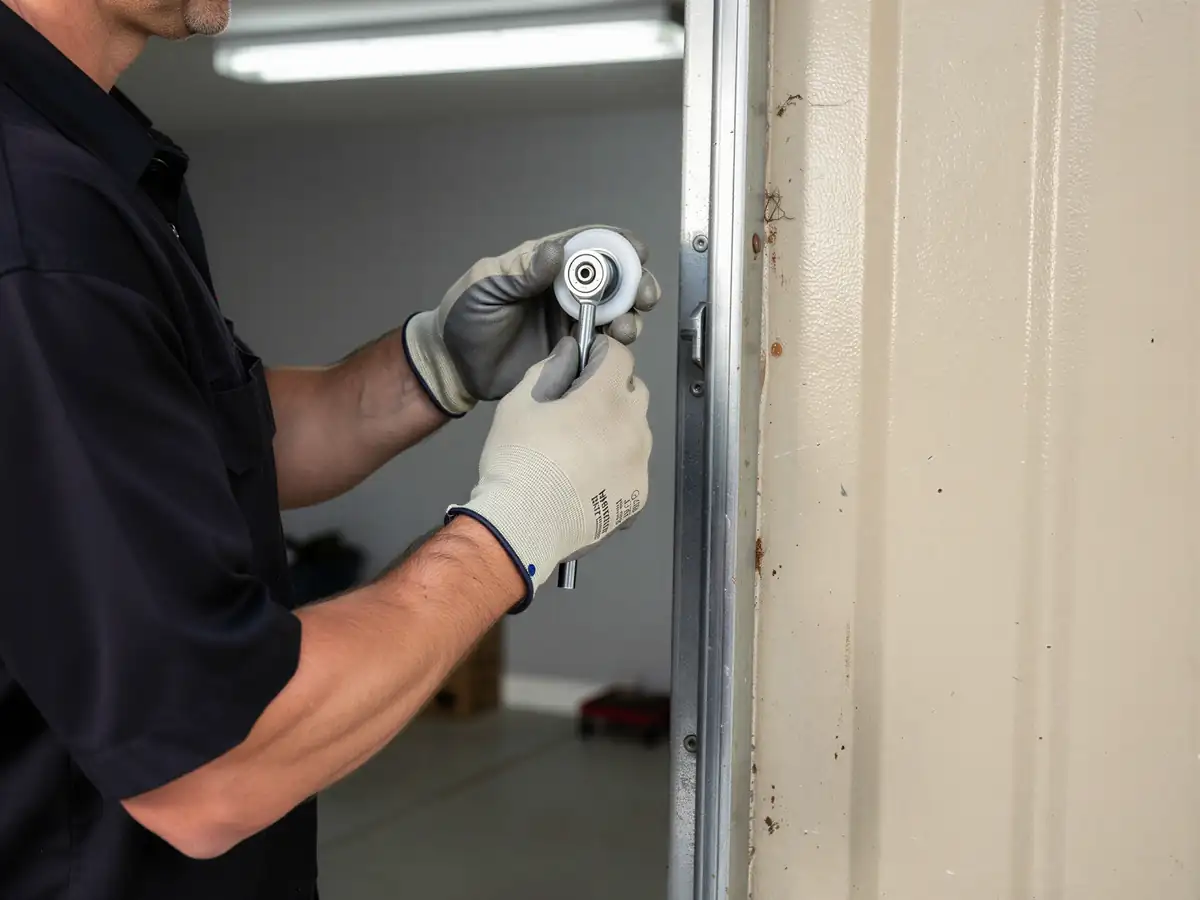
A repair generally takes a spring (or pair, on heavier doors), the right size winding bars, new cables if the old ones are frayed, and lubricant for the rollers and hinges while the door's apart anyway. If the drum or the stationary cone on the shaft has corroded, that gets replaced too rather than reused, since a spring under tension on a bad cone is a real failure point.
What we won't do is sell a full spring-and-opener replacement when the fix is a $30 part. If the door is otherwise sound, we fix what's broken. Replacement makes sense when the door itself - panels, track, or the opener motor - is failing alongside the spring, not before.
Why It Happens Here
Springs fail from cycle count and from tension drift, and both are tied to age. A door that's been opening and closing since the mid-1960s has simply logged more cycles than one installed in the last fifteen years, even in a climate like this one, where our heat band is moderate rather than extreme and isn't the main driver of wear the way it would be somewhere with harsher winters.
Kennedy's median household income of $58,859 sits well under the $93,993 figure for the wider service area, which shapes a real decision homeowners here make: repair the spring on an older door, or replace the whole unit. Across the 44,752 households and 31,360 owner-occupied houses in the broader area we serve from Stockton, that decision splits differently depending on what the budget allows and what the rest of the door looks like.
We see a fair number of doors here where a previous spring was replaced with the wrong size, which throws the door's balance off and shortens the life of the new one. If your door makes a hard thud when it closes or the opener strains on the way up, that's usually tension, not the spring itself being the only problem.
What Costs
We don't post a flat number here because the spring size, bar count, and condition of the drums and cables all move the price
And guessing at that over a search page does nobody favors. What we can say is that the drive from Stockton doesn't change what you pay for the part or the labor on the repair itself - distance isn't the variable, the hardware is.
If you're deciding between repair and full replacement
The honest answer depends on the rest of the door, not just the spring. A 1966-era door with sound panels and track is almost always worth repairing. A door with rusted track, sagging panels, or an opener that's already failing is a different conversation, and we'll tell you that on site rather than sell a spring job that's going to need a second visit in a year.
Call and describe what you're seeing
The thud, the strain, the door that won't stay up - and we can usually narrow down the likely fix before the truck even leaves Stockton.