Getting It Booked In
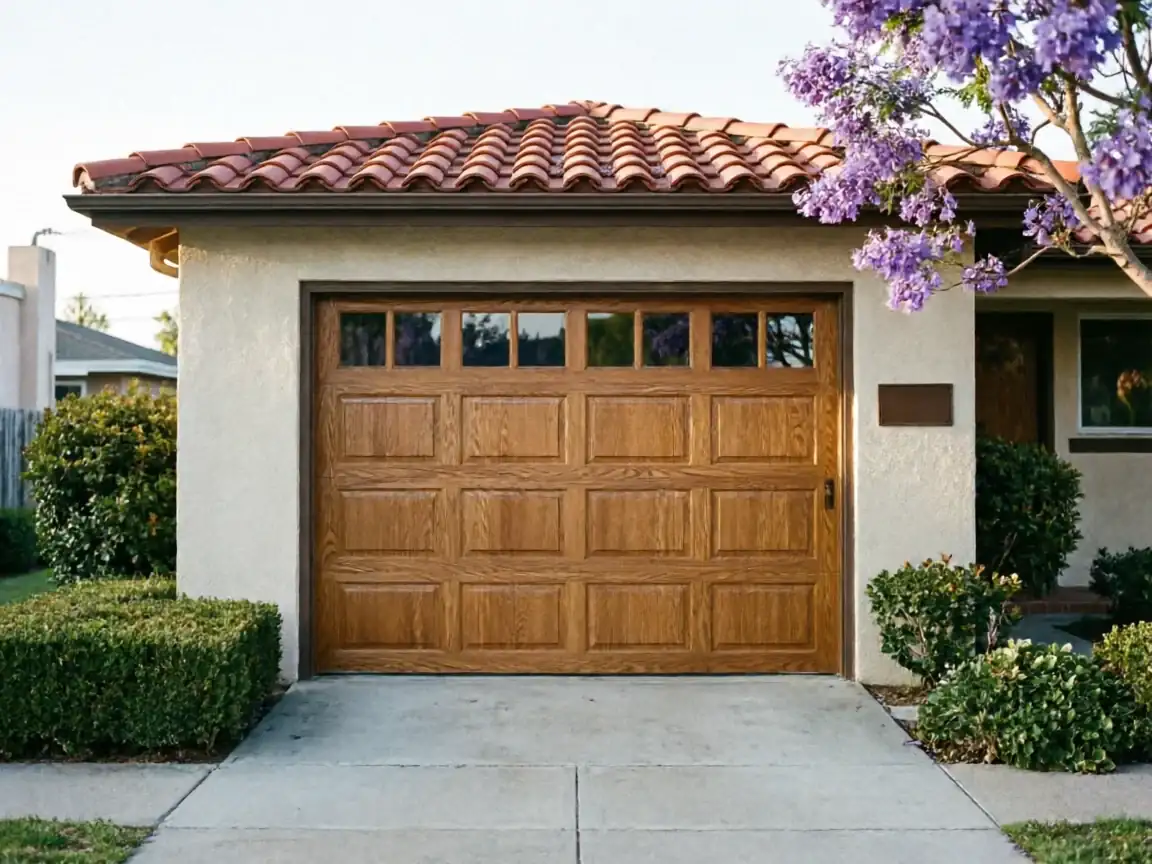
Kennedy sits about 5 miles from our shop in Stockton, which is close enough that a call here doesn't turn into a half-day round trip. That matters for an off-track door, because a door that's jumped the track usually can't be closed, and a door that can't close is a door nobody wants sitting open while they wait around. The short drive means we can usually get a truck to you the same day you call, and the tech shows up already knowing what kind of hardware tends to be behind these doors - which saves a trip back for the right roller or bracket.
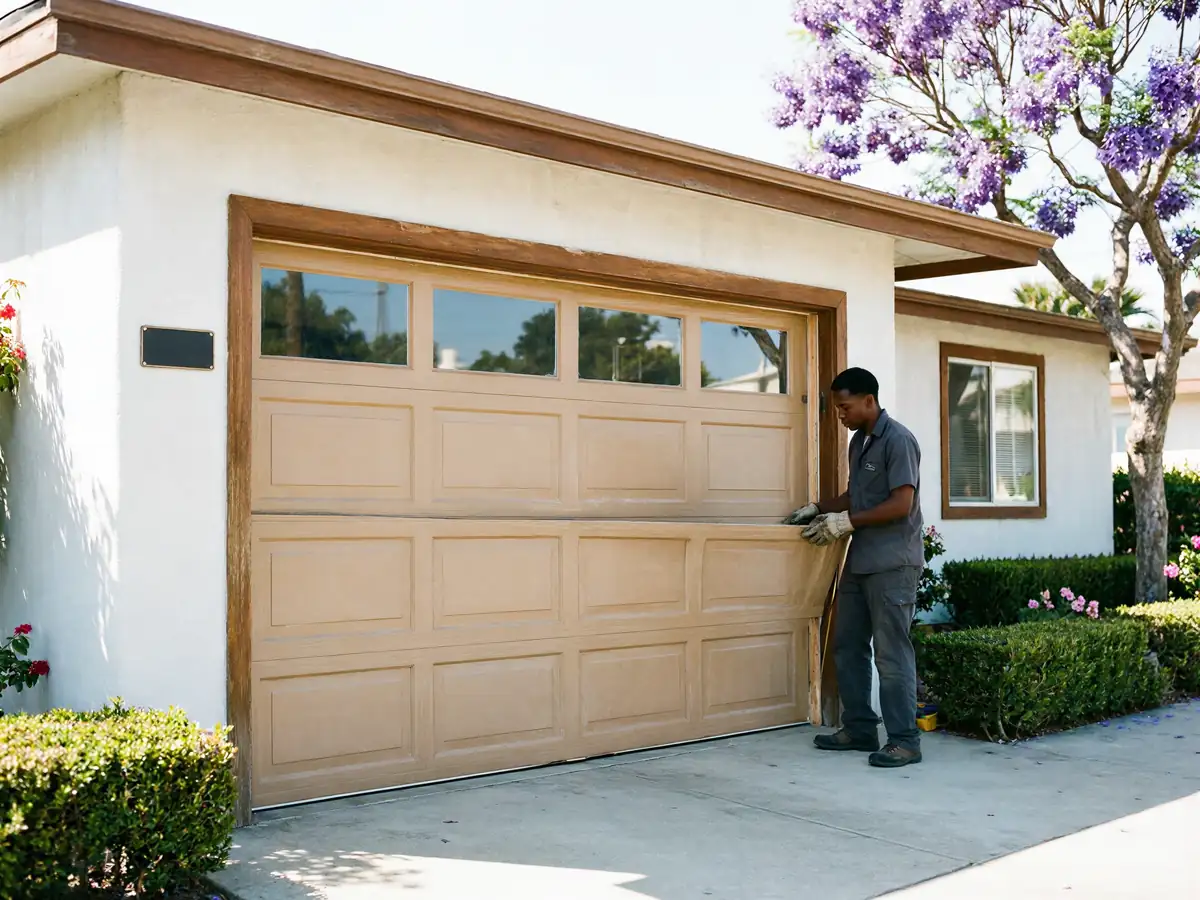
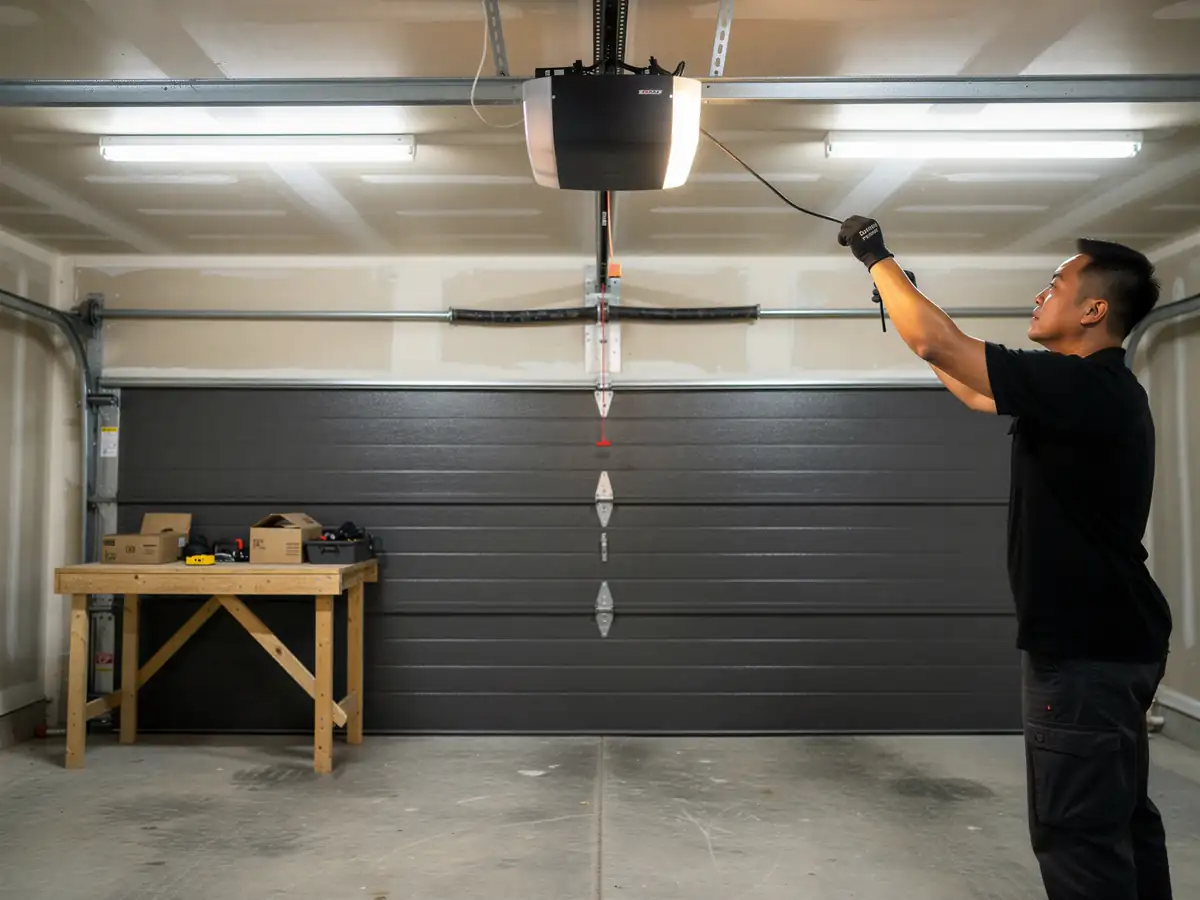
When you call, tell us if the door is stuck open, stuck shut, or hanging crooked on one side. That one detail changes what gets loaded on the truck before it ever leaves Stockton. If the opener is still trying to run the door while it's off the track, unplug the opener first - running a motor against a jammed track is how a cheap fix turns into a new section of panel.
Time on the Job
Most off-track calls in this area are a one-visit fix
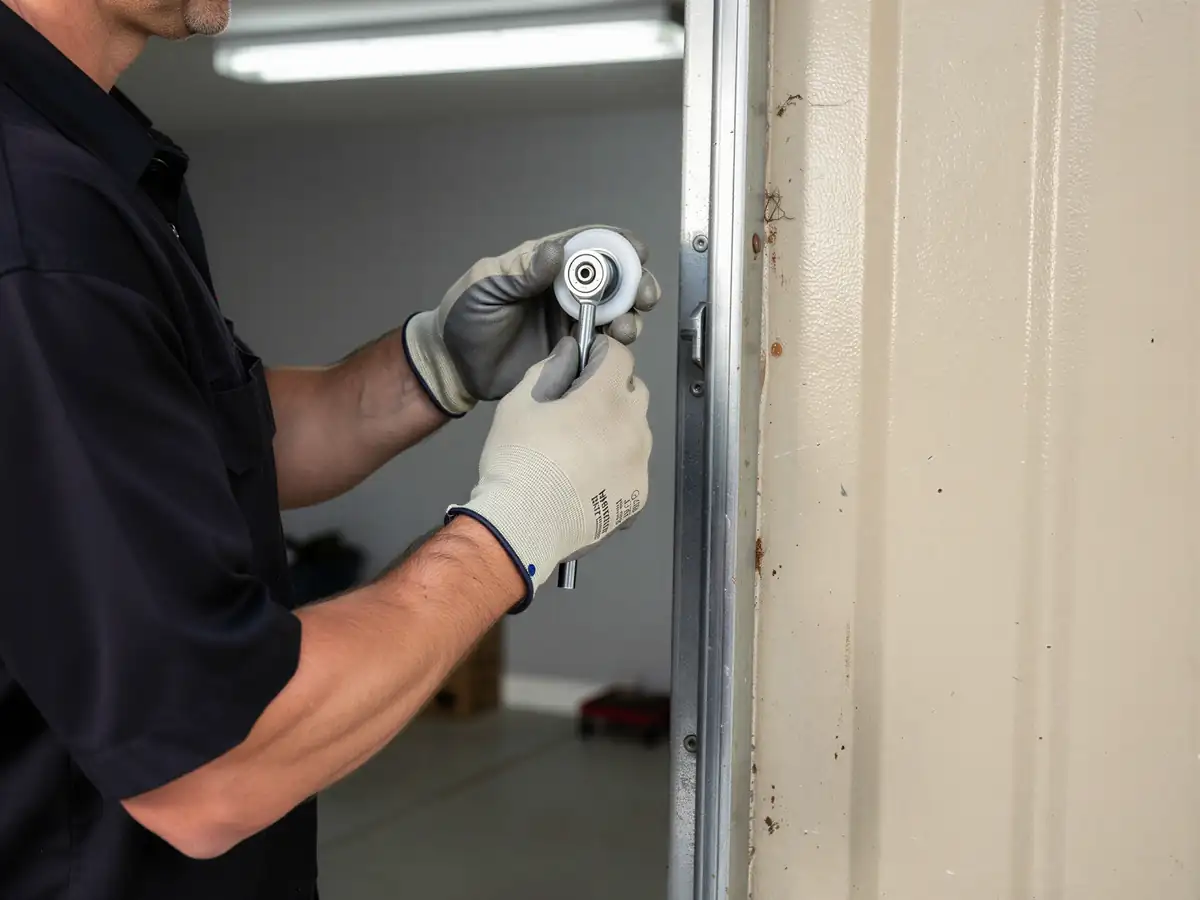
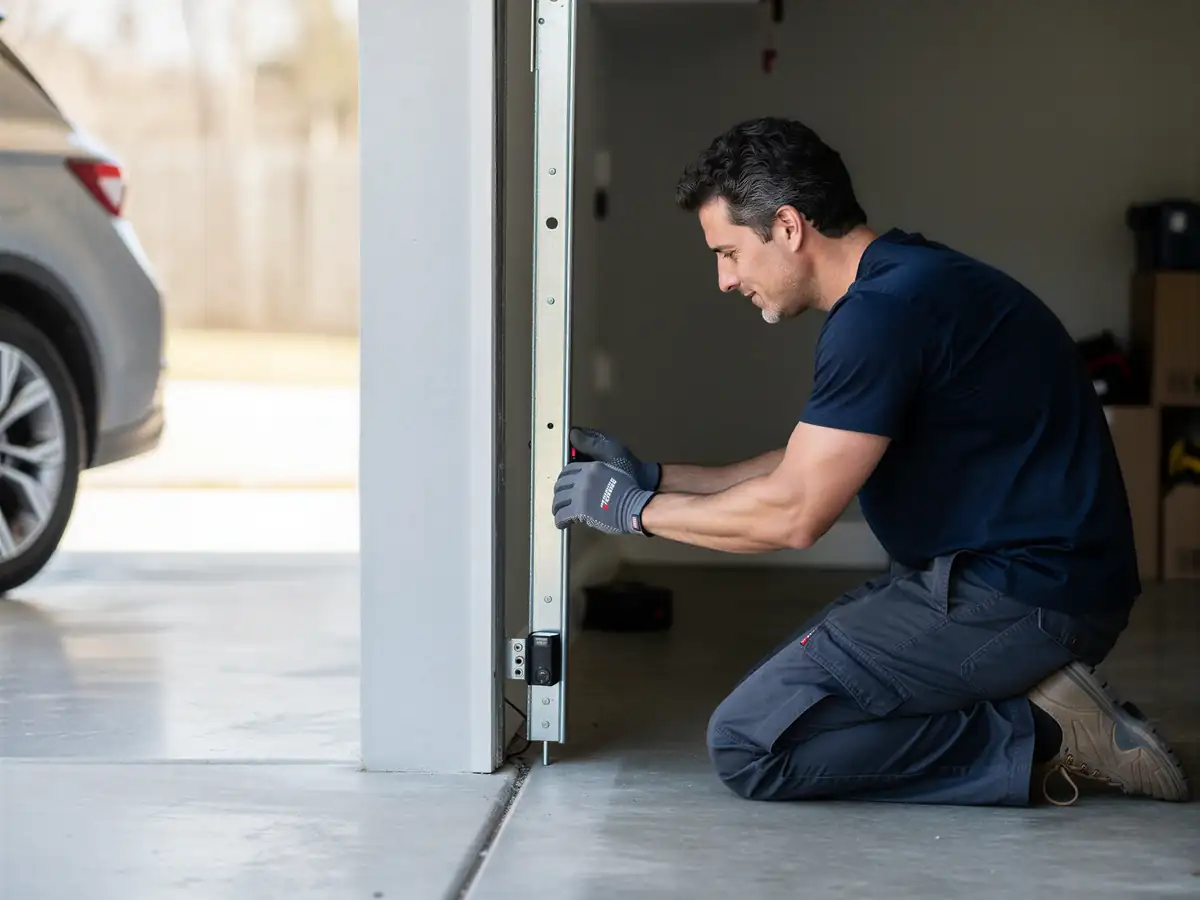
The tech resets the rollers into the track, checks the track alignment, and tightens or replaces the bent bracket that let it slip in the first place. On a standard double door that's typically under two hours once the truck is on site.
What stretches the job is hardware that's seized up from age rather than snapped clean
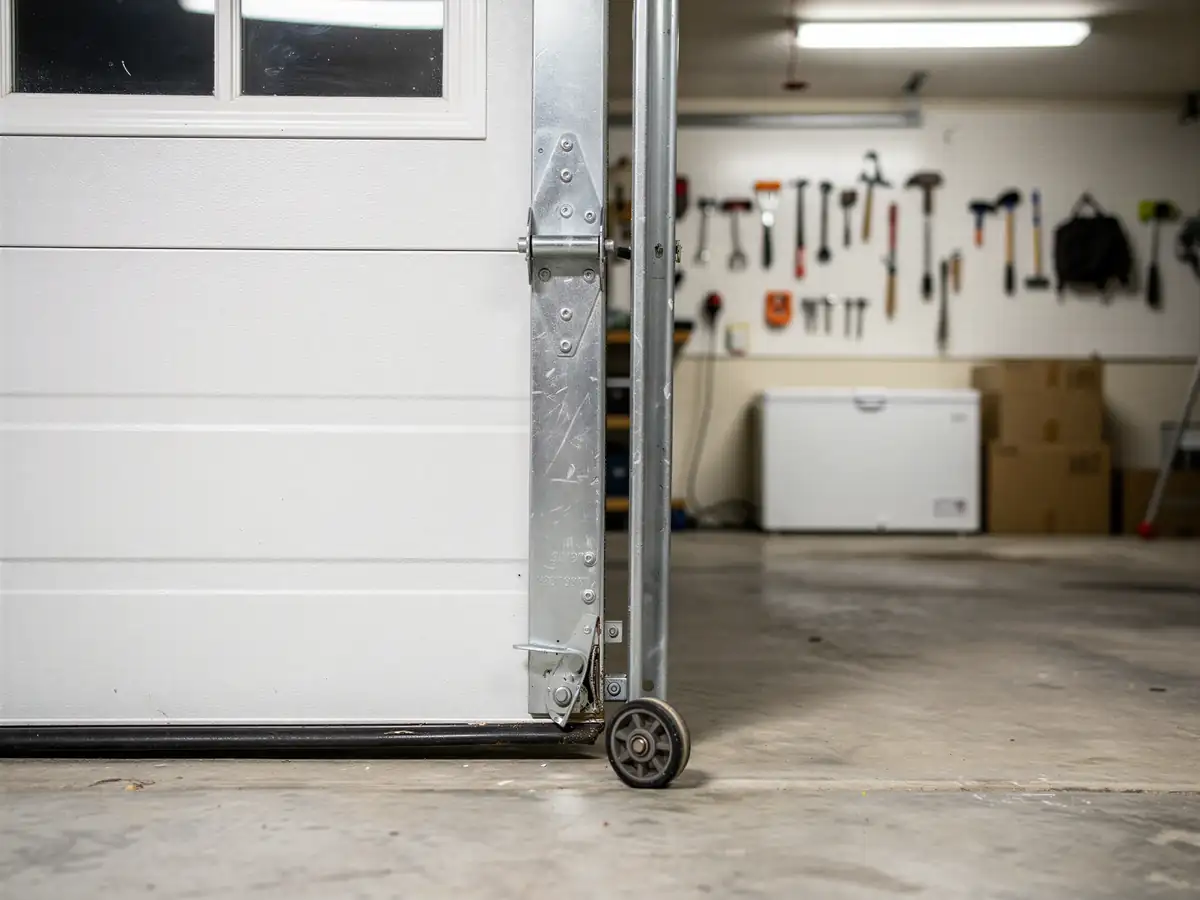
On a door with original rollers from the 1960s stock common here, a roller can be worn down to the point where it's more oval than round, and that takes longer to diagnose than a simple bent track. We won't guess at a repair time over the phone before seeing the door; a quick look tells the tech in minutes whether it's a bracket job or a full roller-and-track job.
What the Repair Takes
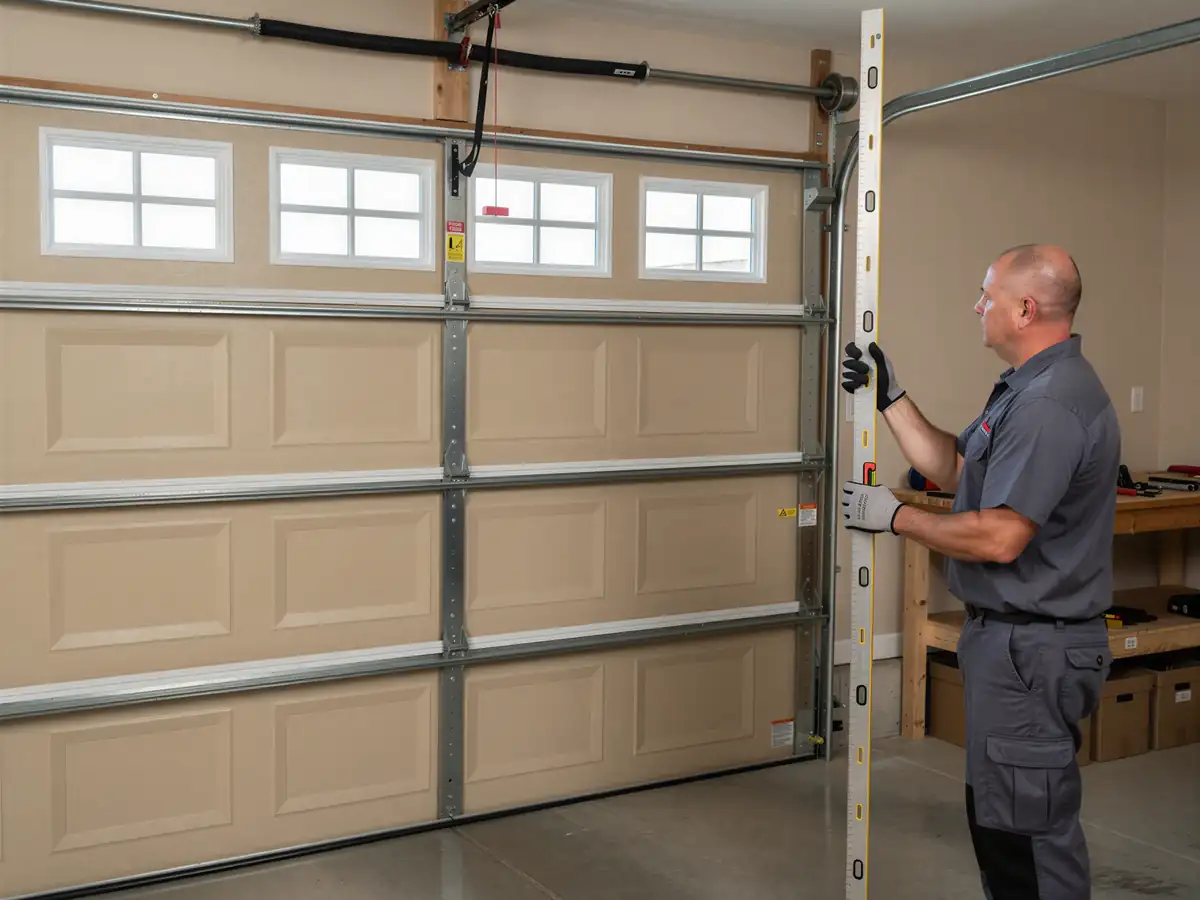
An off-track door almost always comes down to one of three things: a bent track, a broken or worn roller, or a loose bracket where the track bolts to the frame. On a house built around the mid-1960s - which describes a good share of homes in Kennedy - the original track brackets were often fastened with lag screws into framing that's had sixty years to shrink and shift. That loosens the bracket, the track drifts out of line a little at a time, and eventually a roller pops free on a cold morning or after the door's been run a few thousand times.
The fix is straightforward on paper: re-hang the track true, replace any roller that's flat-spotted or cracked, and re-torque or relocate the bracket into solid wood. The part that takes a trade eye is knowing when the track itself is salvageable versus bent enough that it'll just walk out of line again in a few months. We don't re-use a track that's kinked past a certain point - bending it back is a stall, not a repair.
Why It Happens Here
Kennedy's housing stock runs older than a lot of newer subdivisions in the wider Stockton area - most of what's here went up around 1966, meaning original or early-replacement track hardware is still doing the job on plenty of garages. That era of construction used lighter-gauge track and steel rollers that weren't built for sixty years of daily cycles, and it shows up as exactly this fault: a door that rides fine for years and then jumps track with no warning.
With roughly 802 households in this pocket, it's a small enough area that the pattern repeats house to house rather than varying block by block the way it might in a mixed-era neighborhood. We see the same bracket wear, the same roller fatigue, call after call, which is part of why the diagnosis is usually quick once the tech is looking at the actual door.
What It Costs
We don't post a flat number for off-track repair because the range runs from a quick bracket tightening to a full roller-and-track replacement
And the two aren't close in price. What we can tell you is that median household income in this area runs around $58,859, noticeably below the wider Stockton service area's figure, and we price the job on what it actually needs rather than padding it - a tightened bracket costs what a tightened bracket costs, not a flat-rate minimum built for a bigger repair.
If the track is original 1960s-era hardware and one section is bent beyond re-hanging
Replacing just that section rather than the whole run usually keeps the bill down. We'll tell you flat out when a full track replacement is the only honest option, and when it isn't.