Getting It Booked In
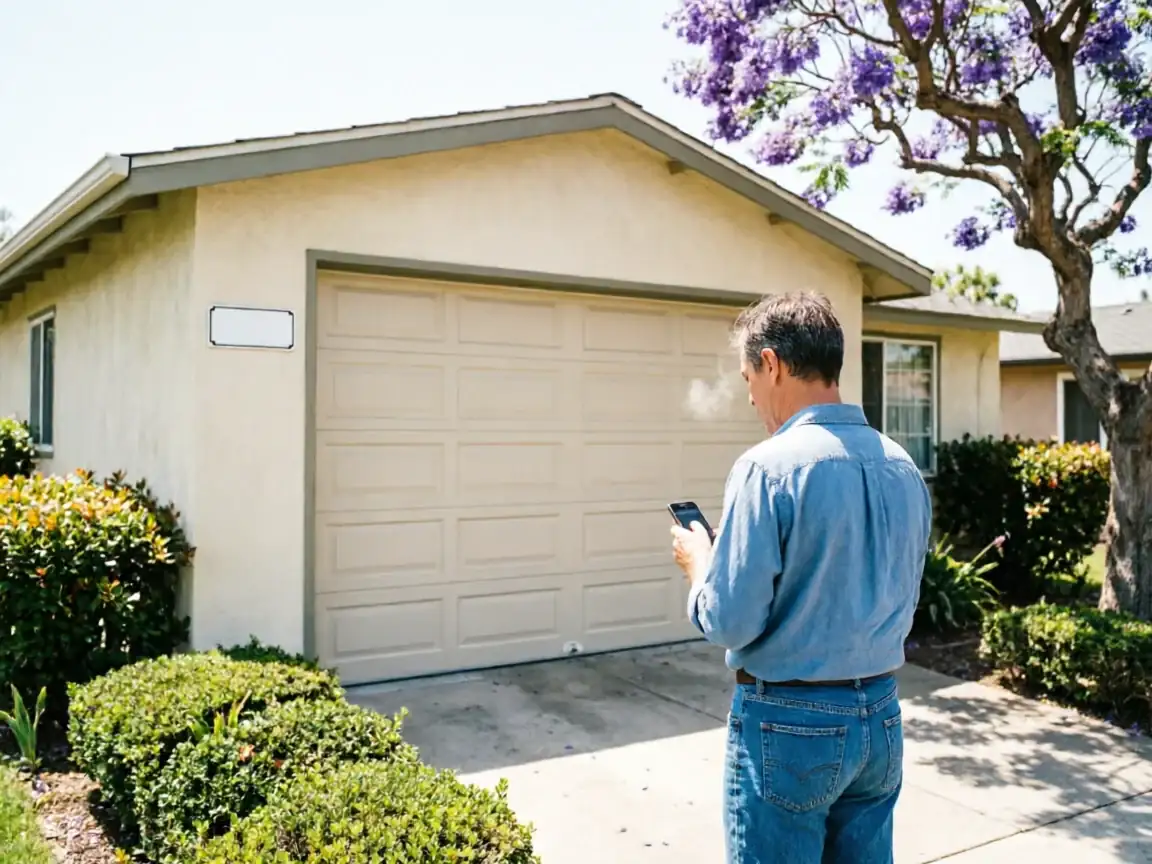
Most calls we get from Kennedy start the same way: a door that worked fine yesterday and won't lift today, or one that's making a noise the owner has been ignoring for a month. We work this address from our base in Stockton, about 5 miles away, so when you call we're talking through what's actually wrong before the truck ever leaves - torsion spring, cable, opener, or track. That matters more here than it might elsewhere, because Kennedy's housing centers on 1966, and a door built for that era doesn't fail the same way a 2005 door does. Tell us the age of the house if you know it and whether the door is original. It saves a trip back for the right spring size.
We don't keep a branch in Kennedy and we're not going to pretend otherwise - we're a Stockton company that covers this pocket of the area, not a shop around the corner. What we do bring is a truck stocked for the hardware that's common on a street built in the mid-60s, which is usually enough to close the job in one visit.
Time on the Job
A straightforward spring replacement or cable job on a mid-60s door runs shorter than people expect
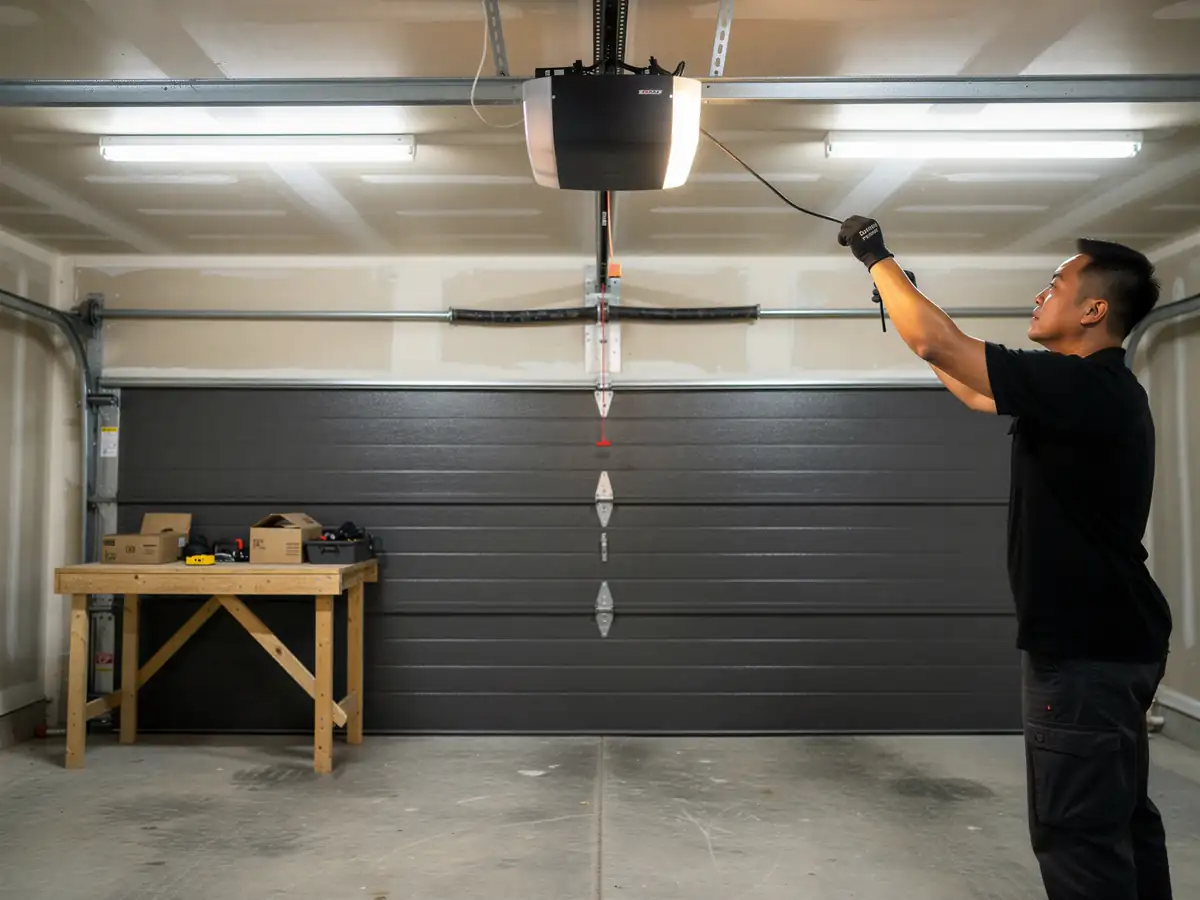
Mostly because these doors are simpler machines than what's sold today - fewer safety features to work around, but also fewer back-up systems if something's been bent or rusted into place over fifty-plus years. Where we slow down is diagnosing an opener that's been retrofitted onto original hardware, which is common in a neighborhood like this one where the door itself predates the opener by decades. Mismatched vintage parts take longer to read correctly than they do to fix.
We won't rush a call just to hit a number
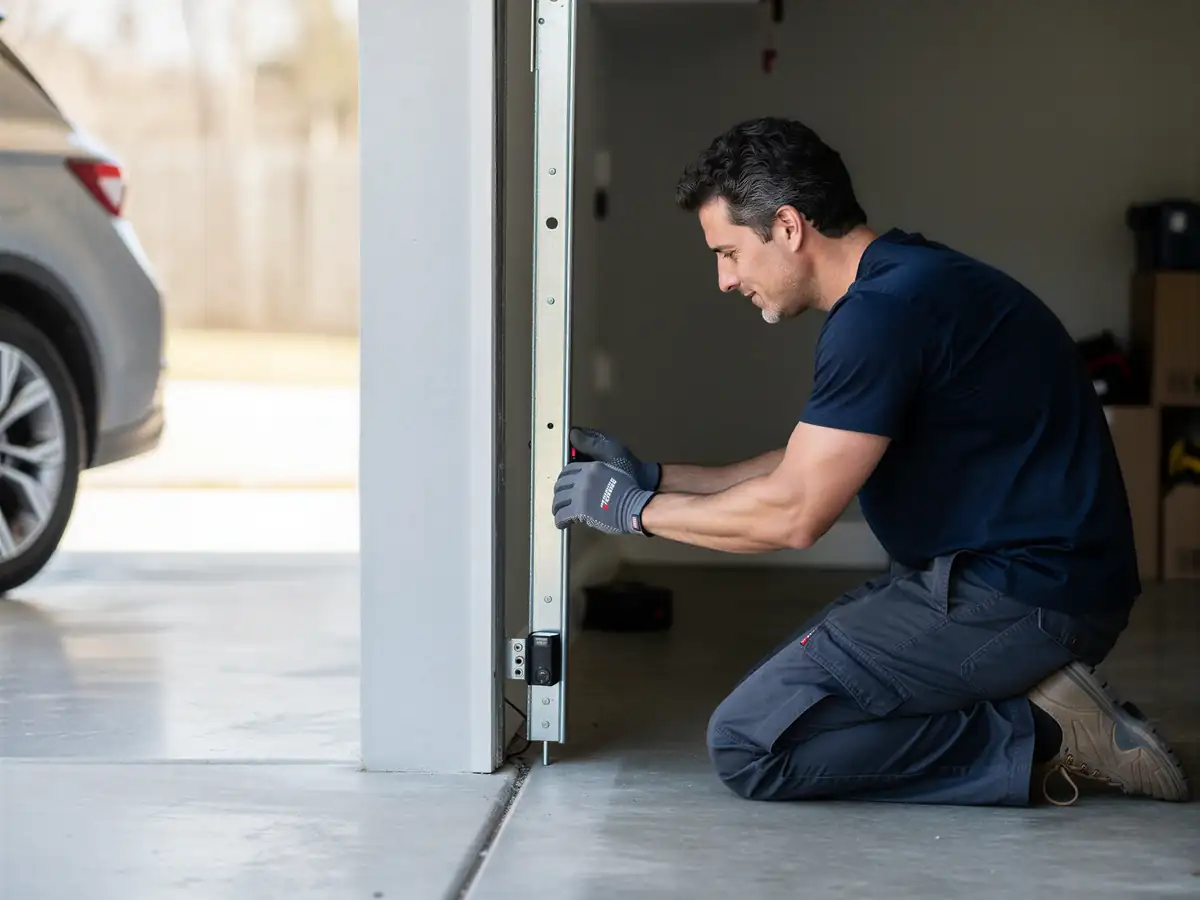
If the track is bent enough that the door is binding, forcing it through a quick fix just means we're back out again in a month.
What the Repair Takes
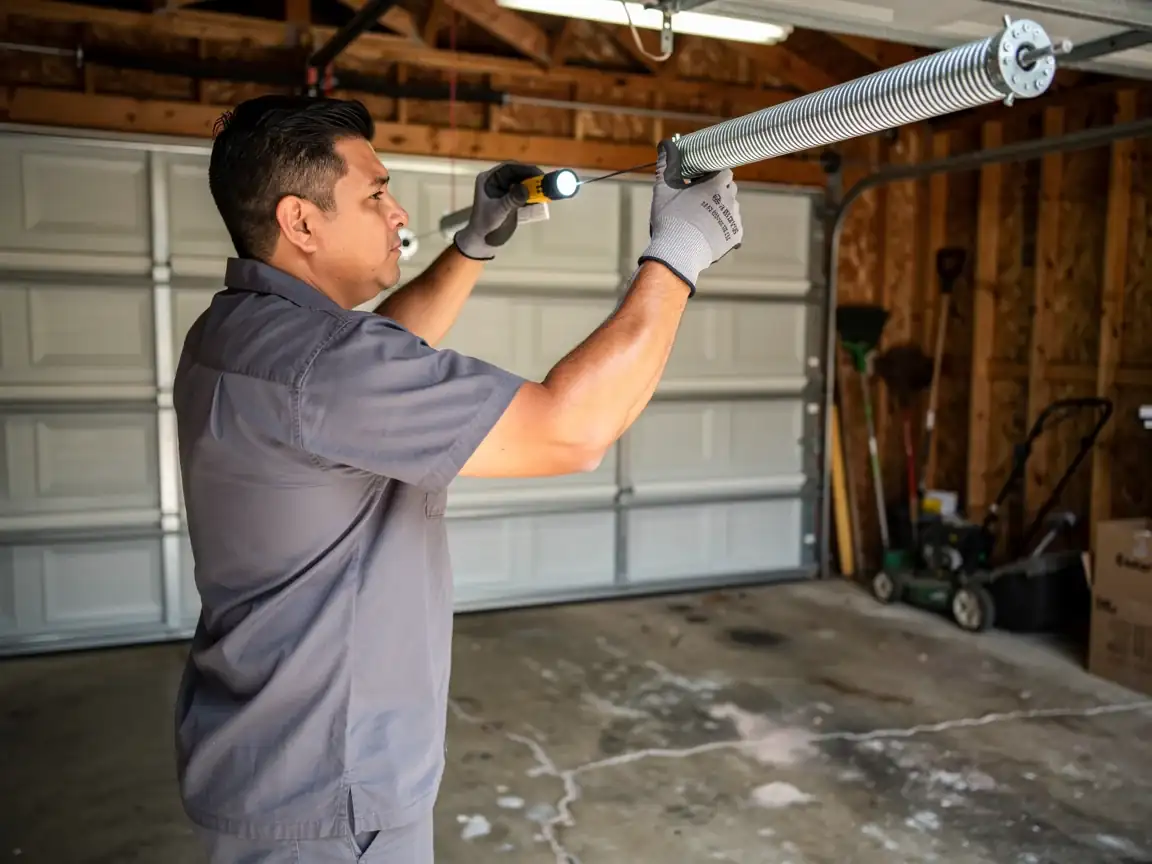
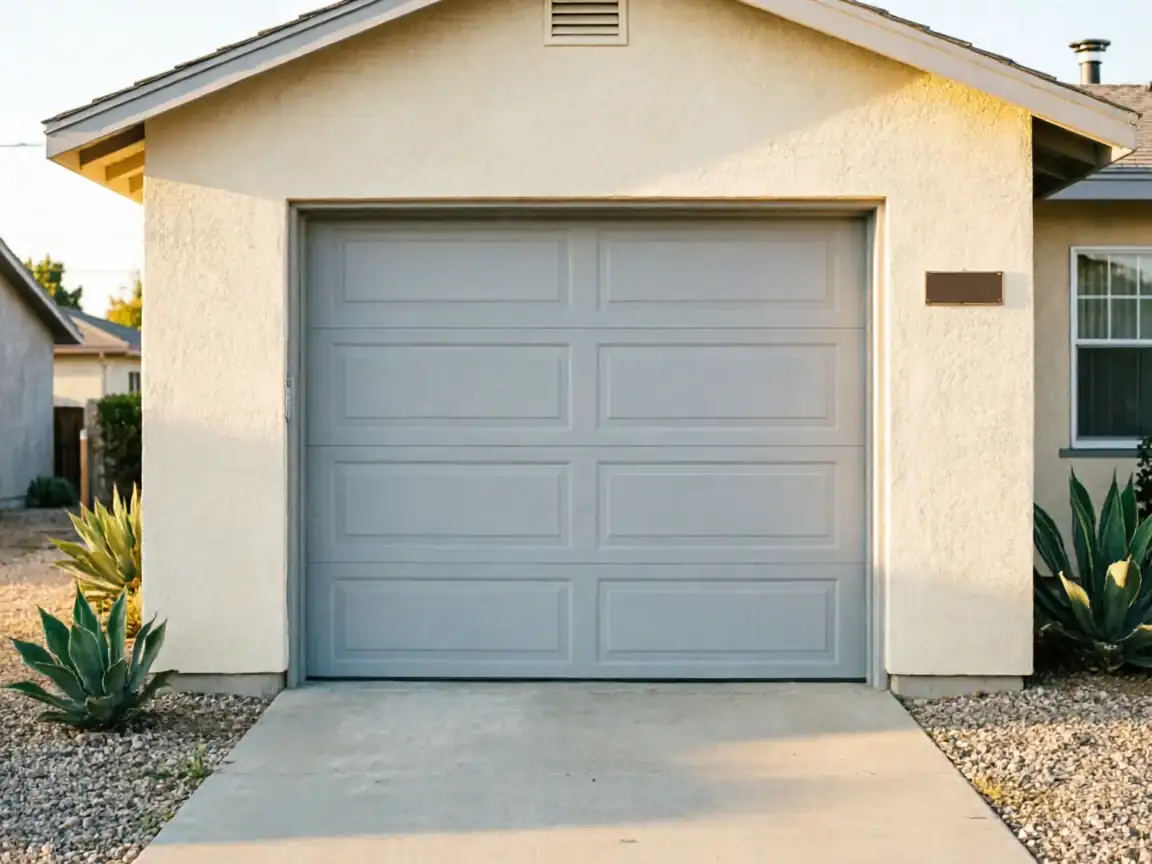
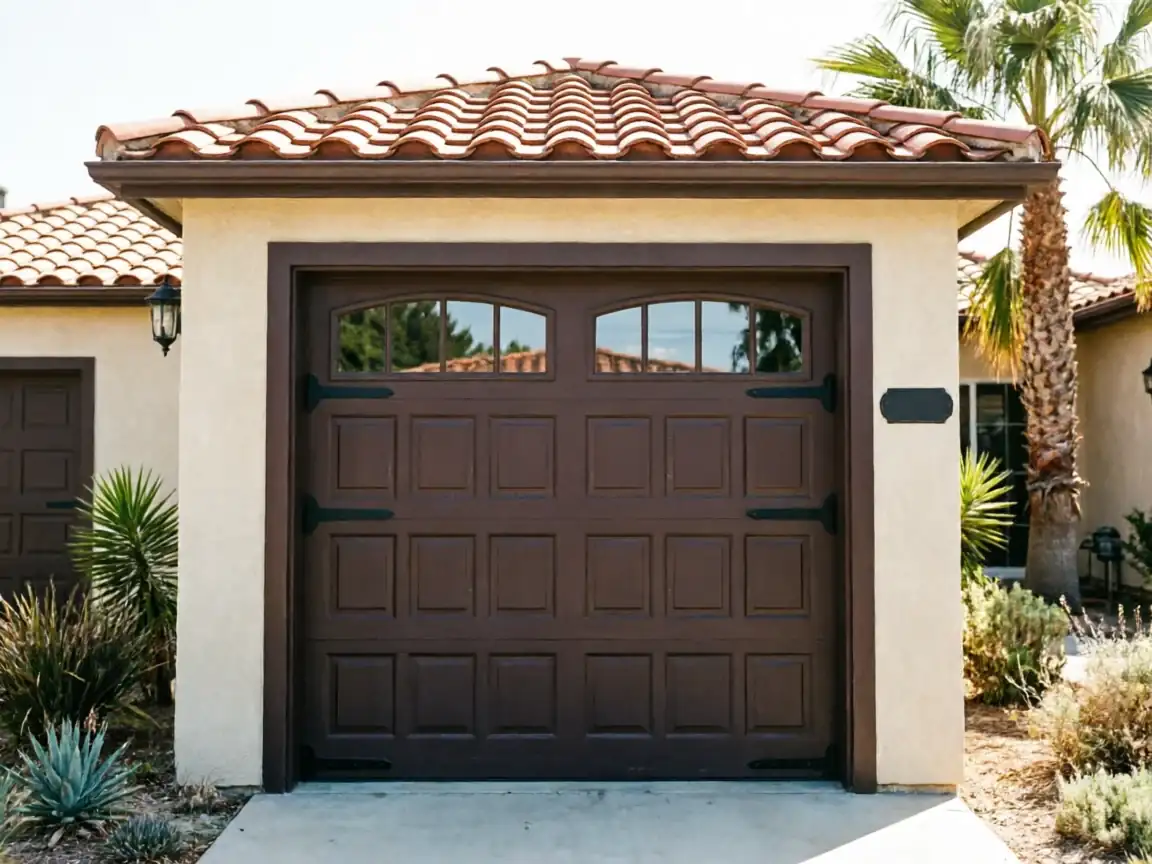
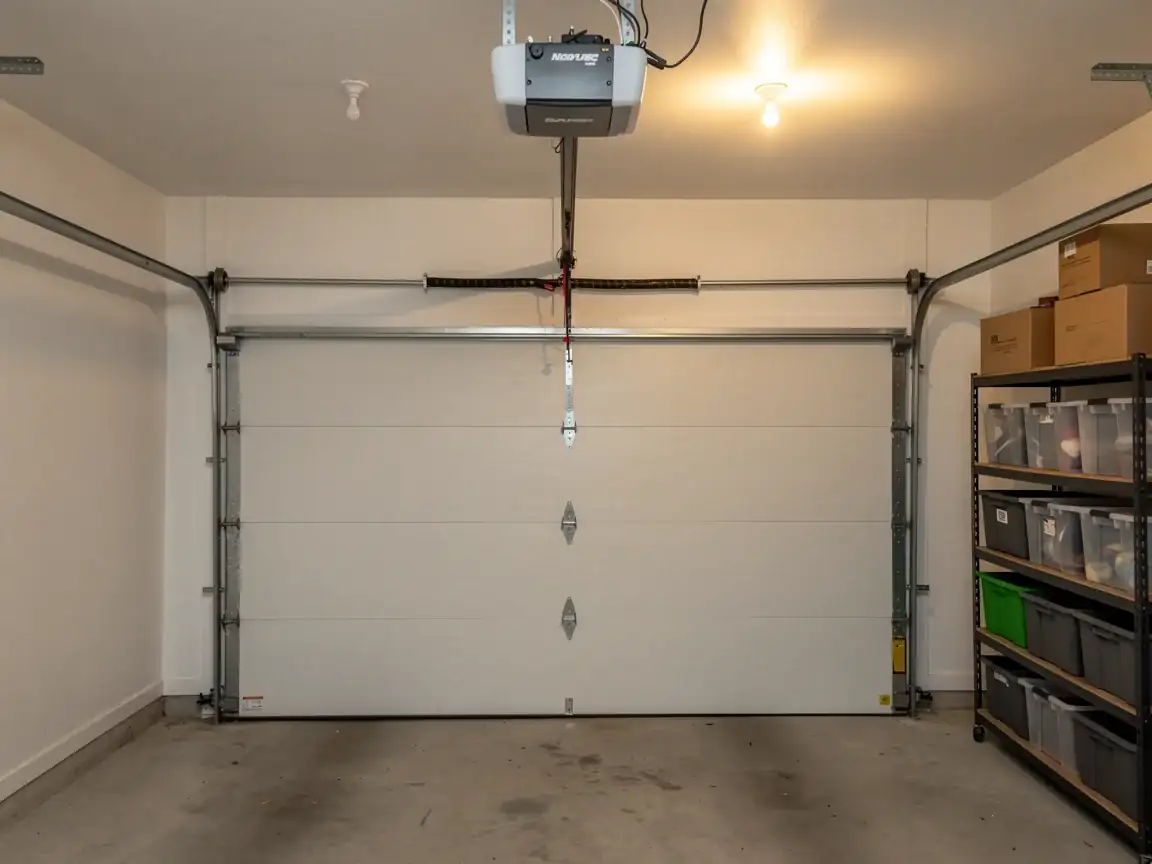
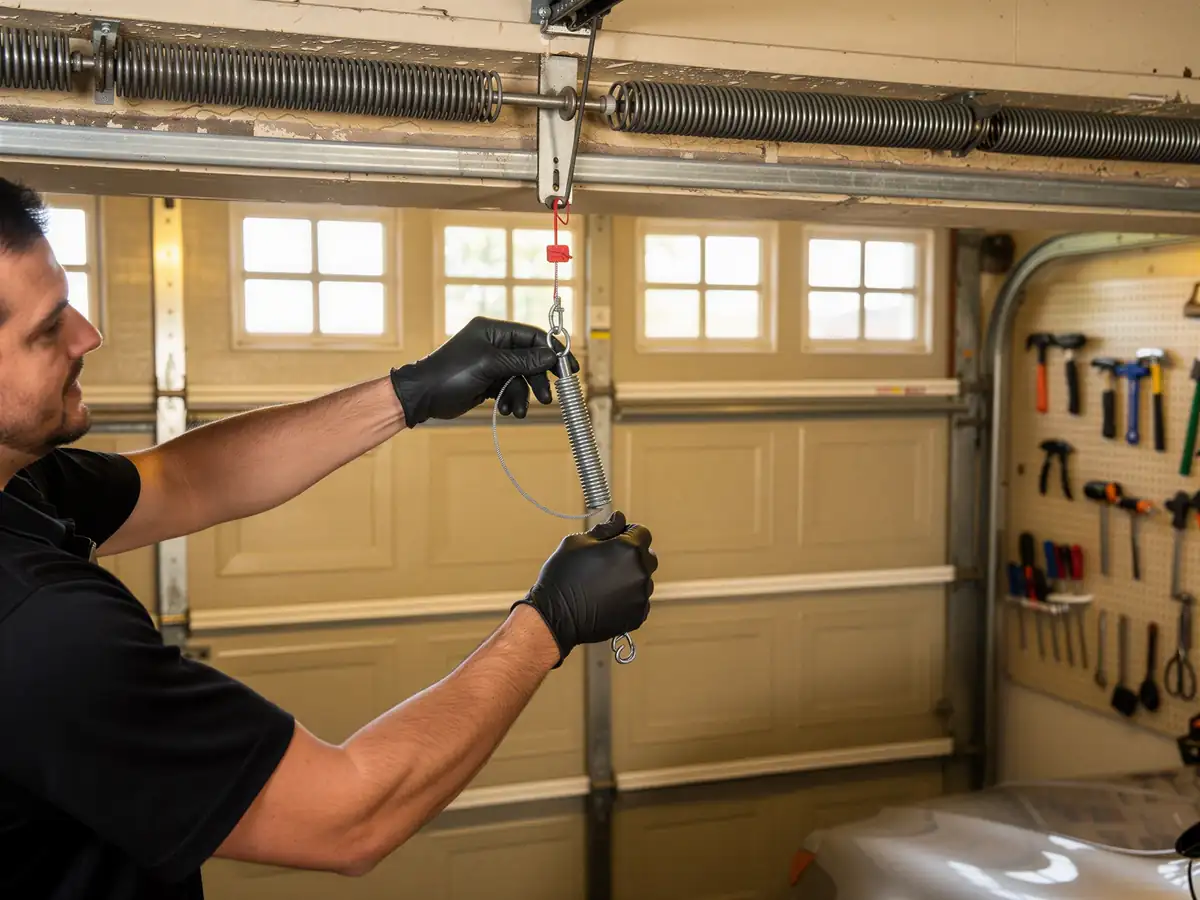
On a house from the 1966 wave, the door is almost always steel, single-layer, and running on a torsion spring system that was never updated to current safety standards - no secondary containment cable on the spring itself, in a lot of cases. That's not a defect, it's just what shipped then. The repair usually means matching spring wire size and winding length to a door that's heavier than its modern equivalent, since insulation wasn't standard and the panel gauge ran thicker to compensate.
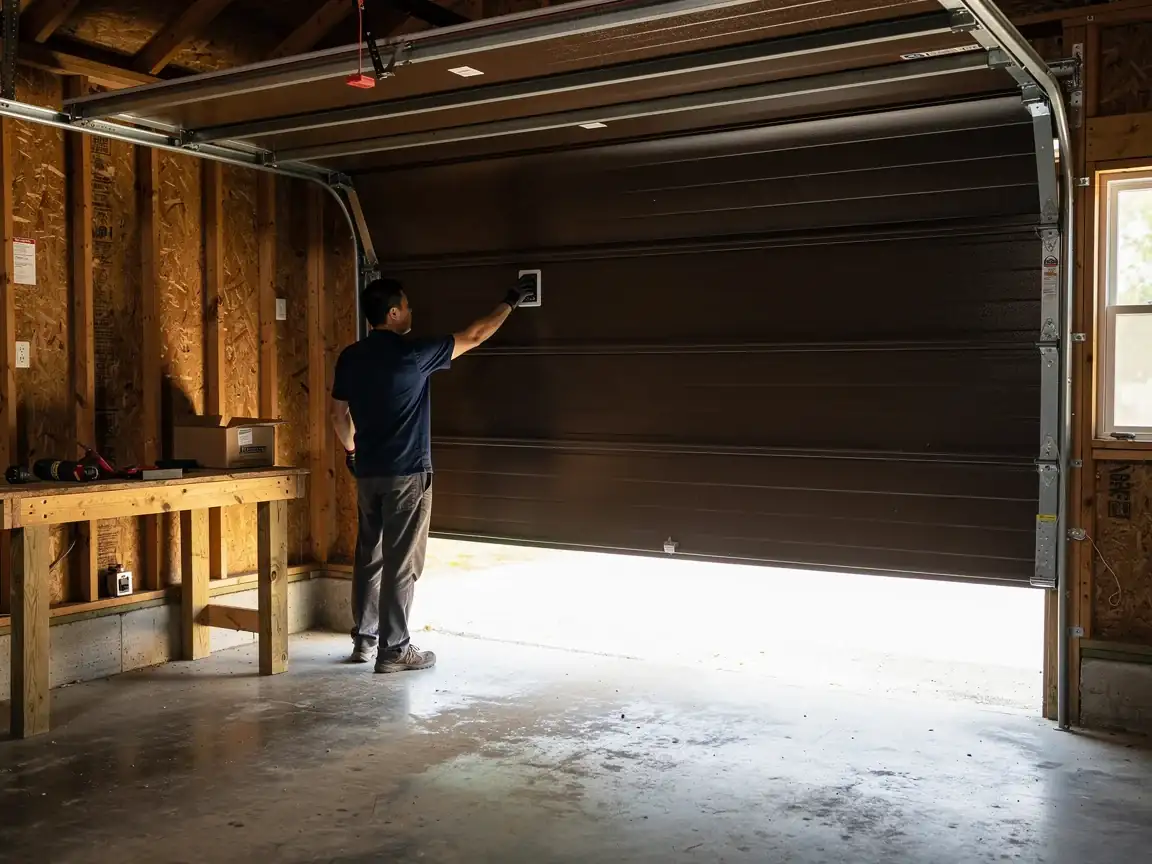
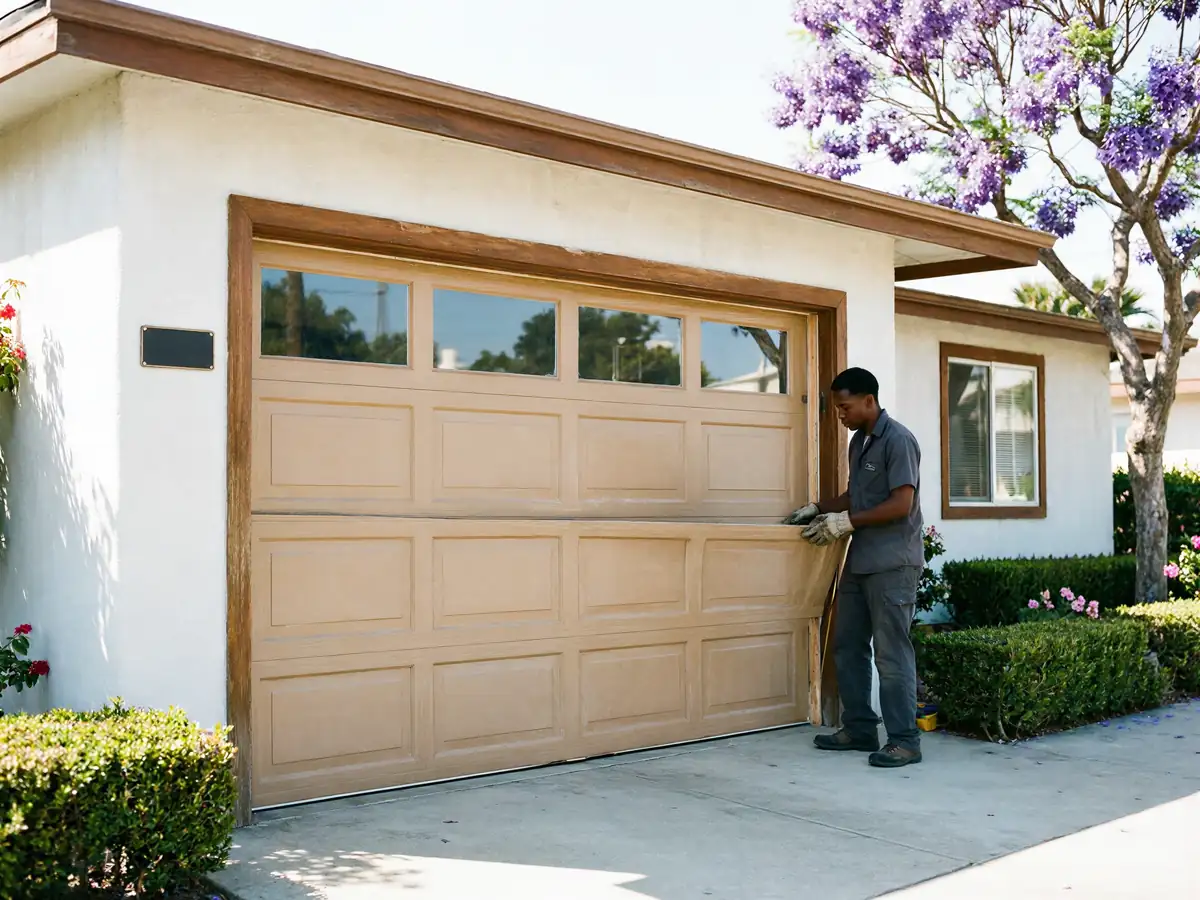
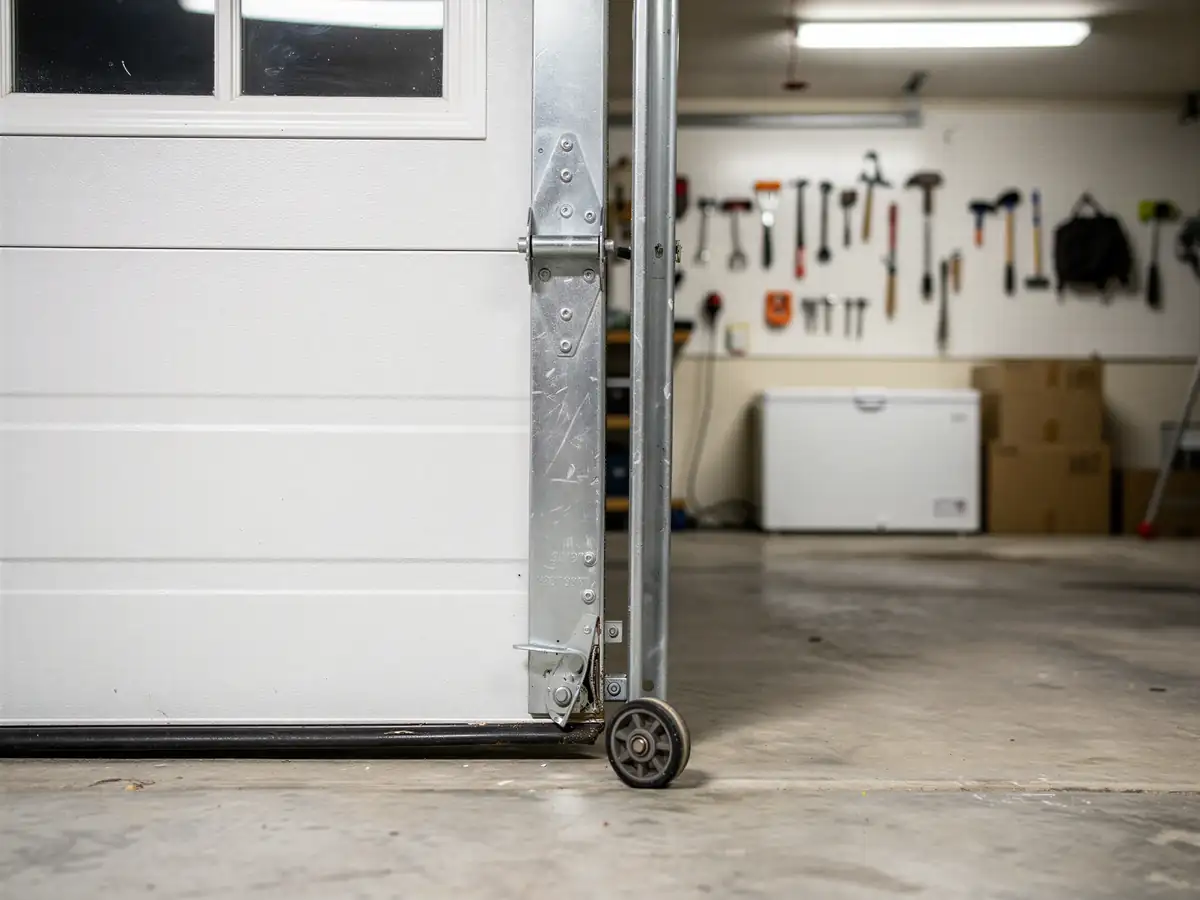
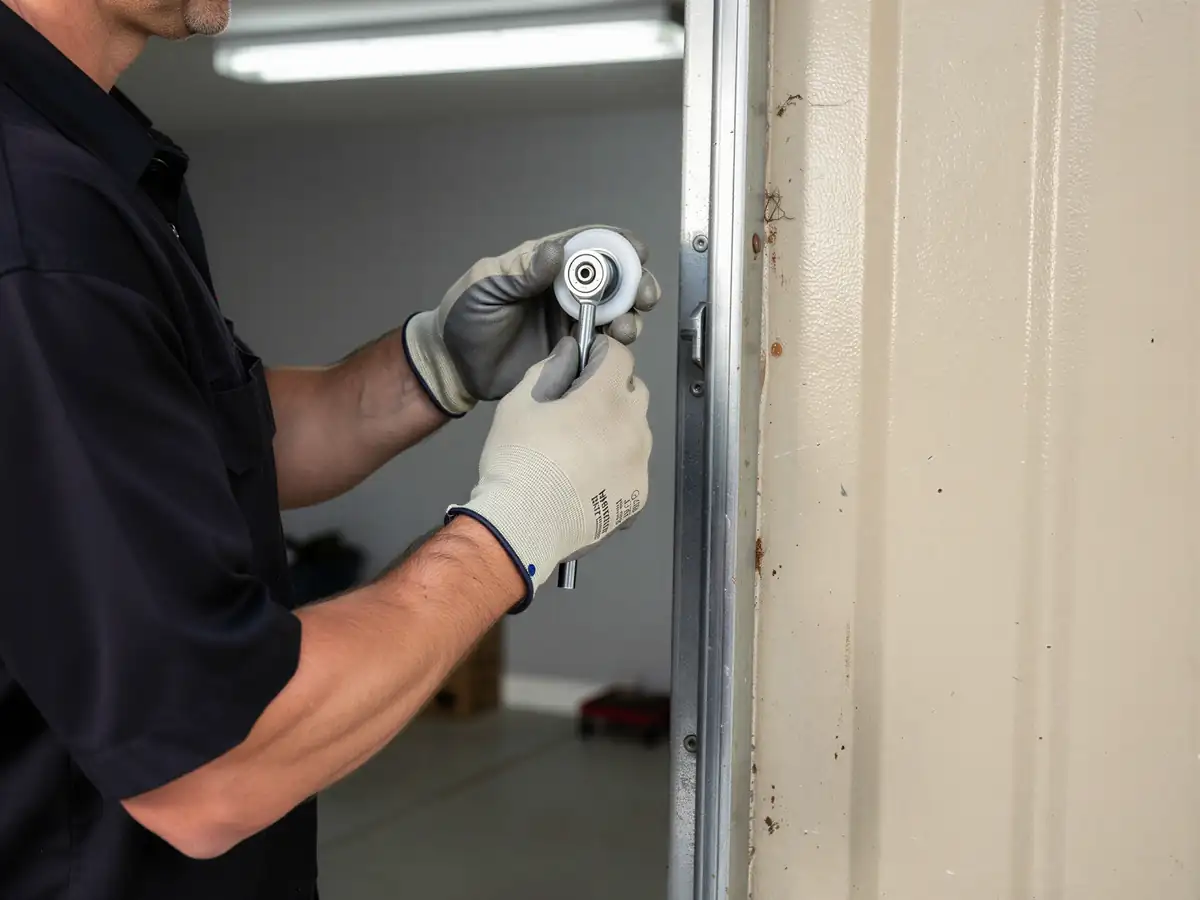
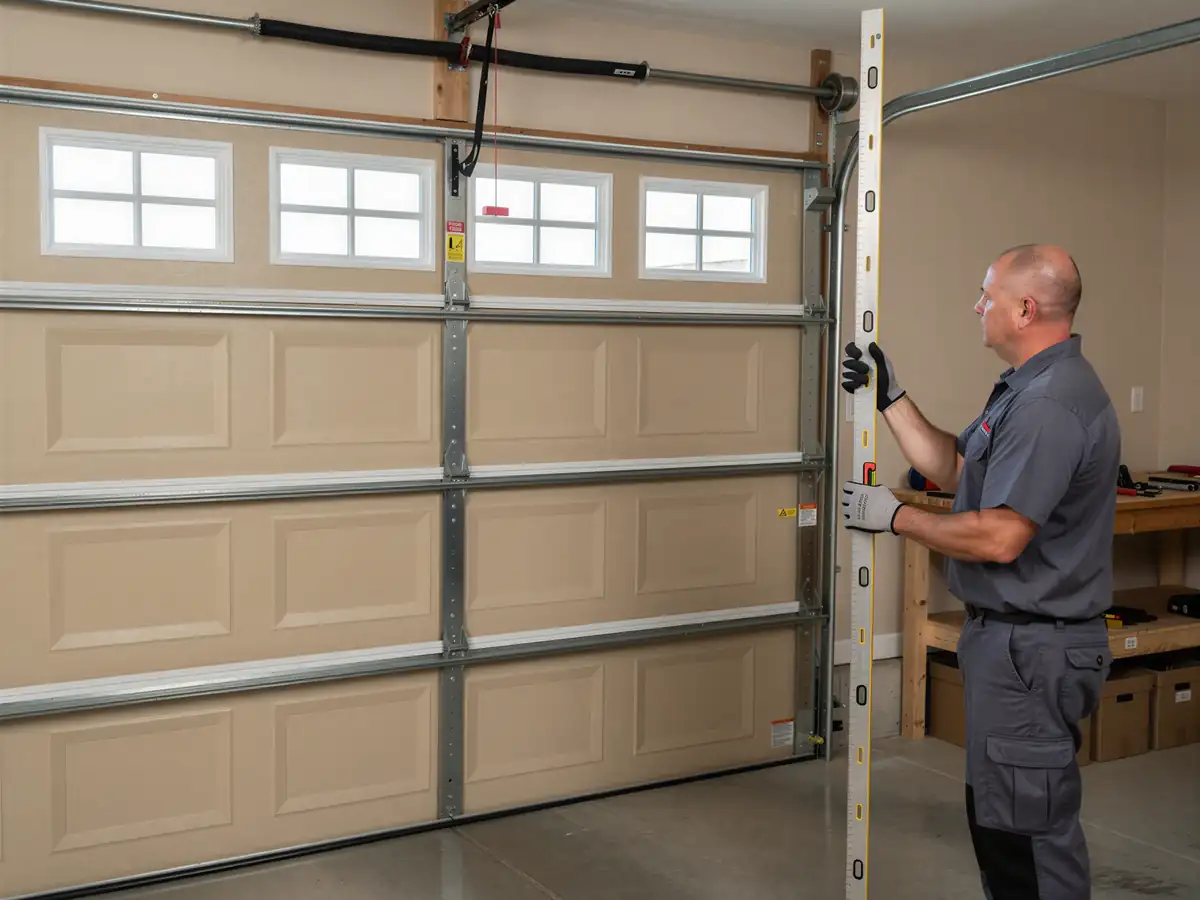
Rollers are the other recurring item. Fifty-plus years of use on steel wheels, even replaced once or twice along the way, wear the track edges unevenly, and a straight swap without checking track alignment just shortens the life of the new roller. We check track plumb before closing out a roller job, not after a callback.
Why It Happens Here
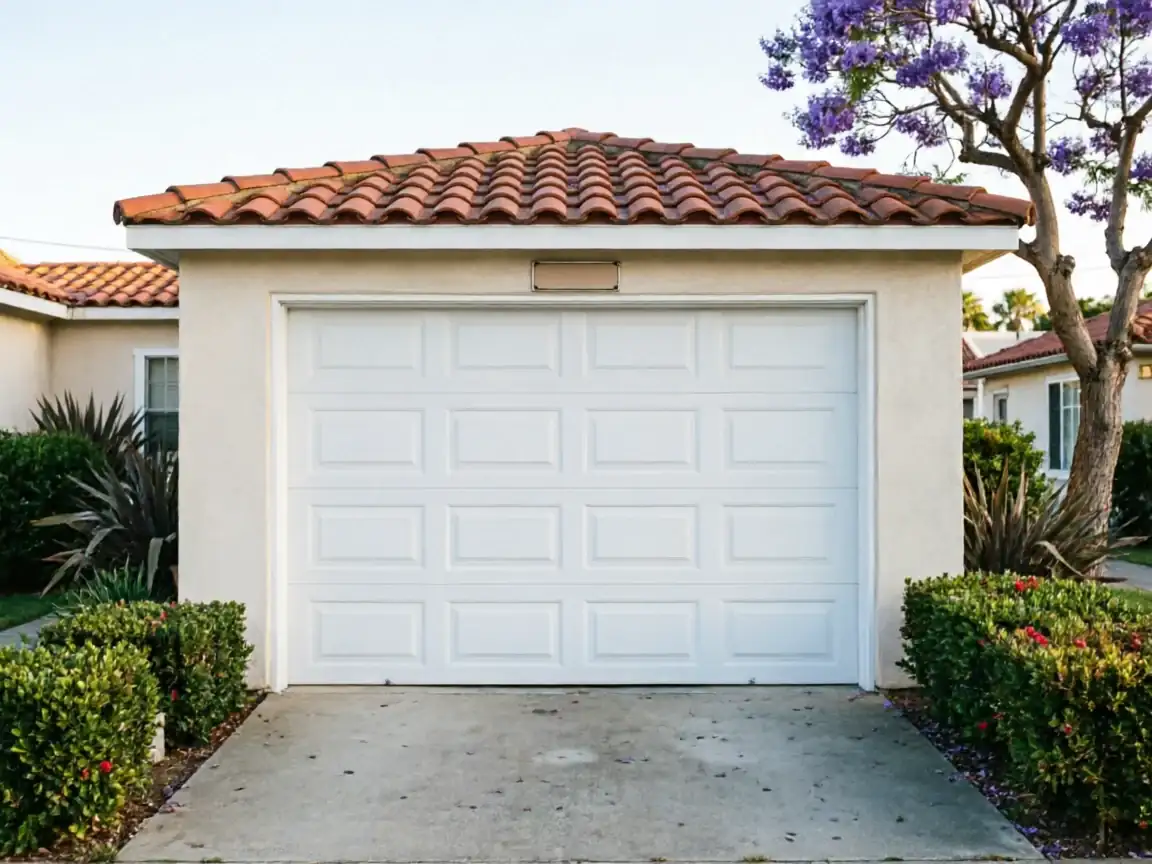
Kennedy's 802 households sit in a tight band of construction - the median year built is 1966, which means almost every original garage door and most of the hardware on it is the same generation across the whole area. That's useful for us: we know what we're going to find before we open the door. It also means failures cluster. When one torsion spring on a 1966-era door lets go, the identical spring two streets over is usually close behind it, because they were wound to the same cycle count and installed around the same year.
The area's median household income, $58,859, runs below the wider Stockton service area's $93,993, and in practice that shows up as more repair calls and fewer full replacements - owners here are more likely to want the existing door fixed and running another ten years than to swap it for a new one, which is a reasonable call on a door that's structurally sound.
What It Costs
We don't post a flat price for Kennedy calls because the spread between a roller adjustment and a full spring-and-cable job is wide
And the honest number depends on what's actually failed. What we can say is that 1966-era doors tend toward the cheaper end of parts cost - standard torsion spring sizes, no specialty insulated panels to source - but labor runs a bit longer when the opener has been swapped out independently of the door over the years, which is common on a house this age.
If the door itself has warped or the panels have rusted through at the bottom
Replacement usually costs less over time than another round of patch repairs. We'll tell you straight when that's the case instead of billing for a fix that won't hold.