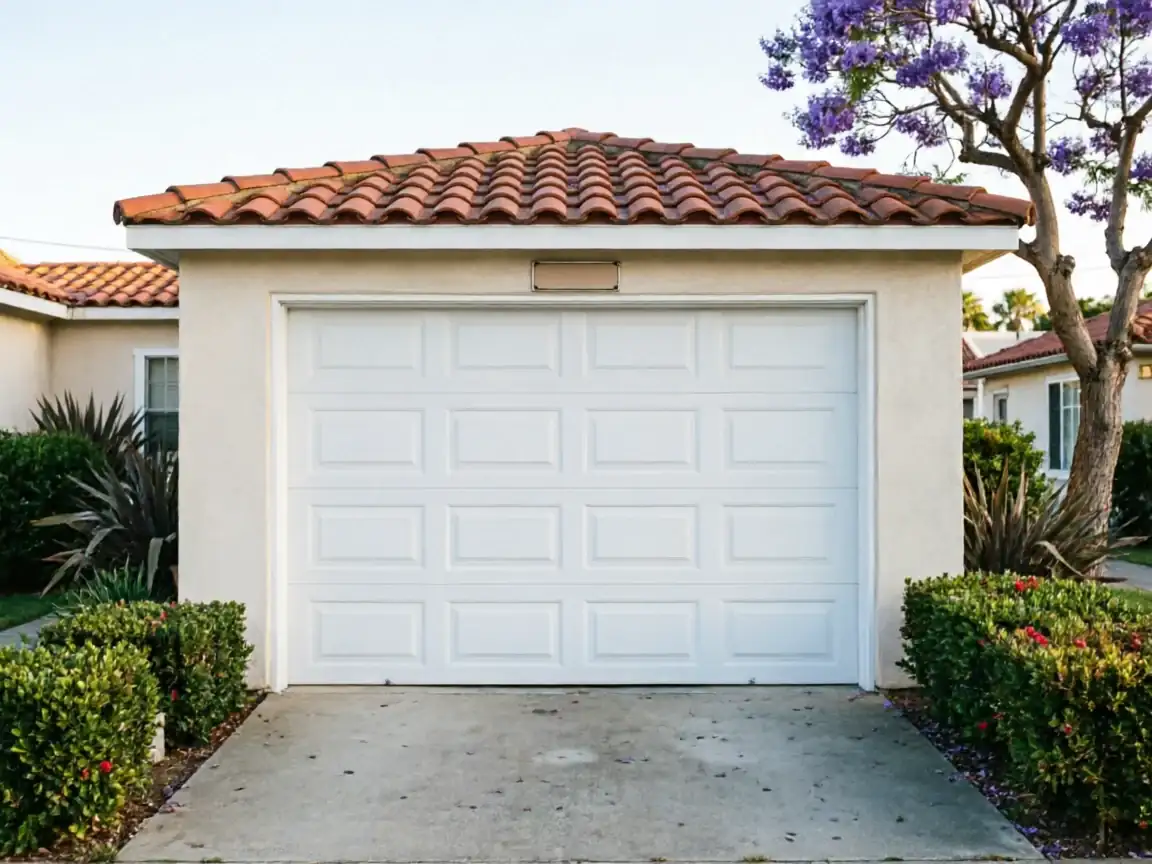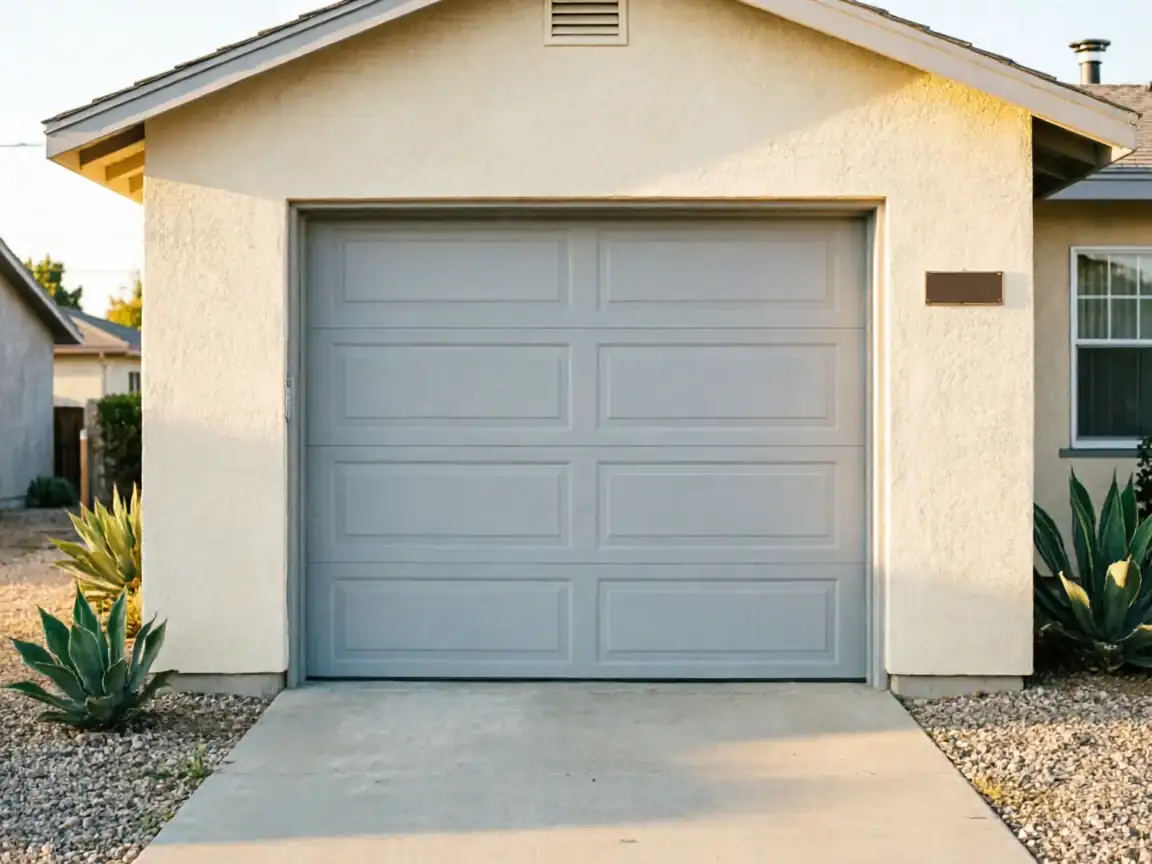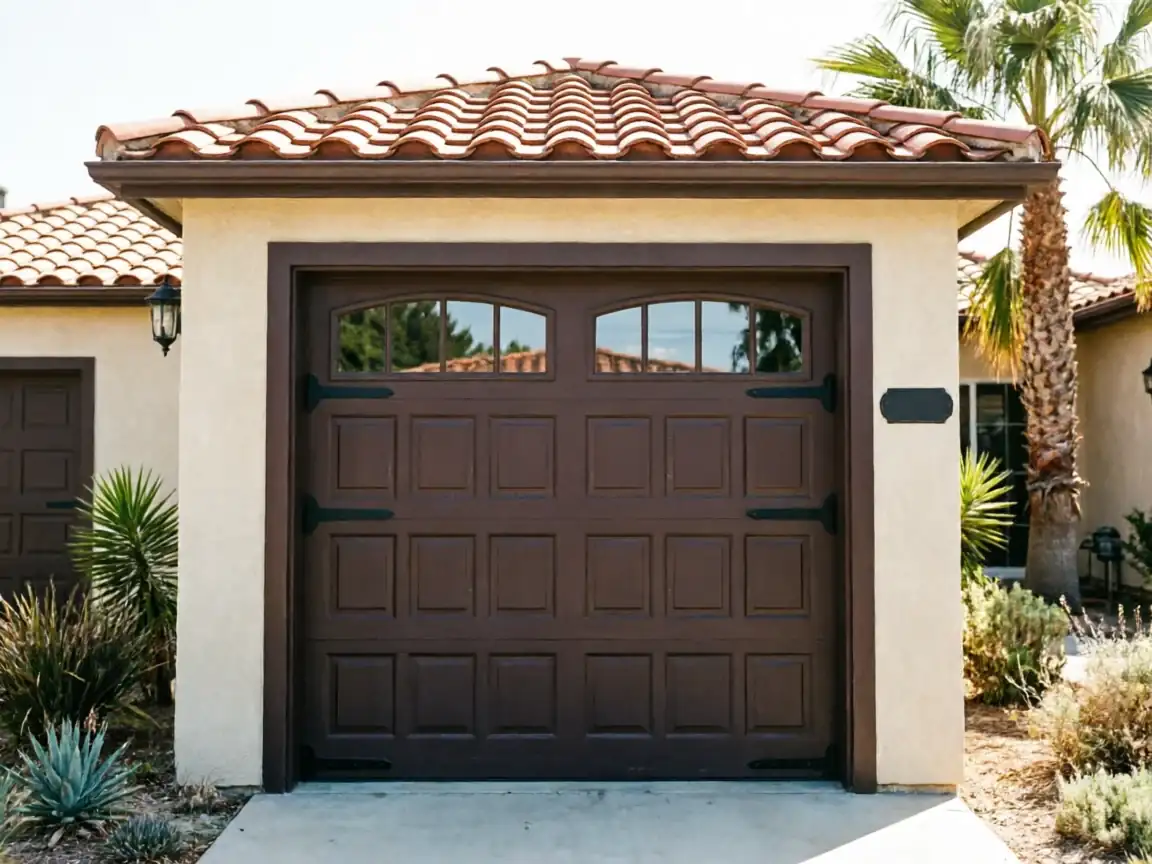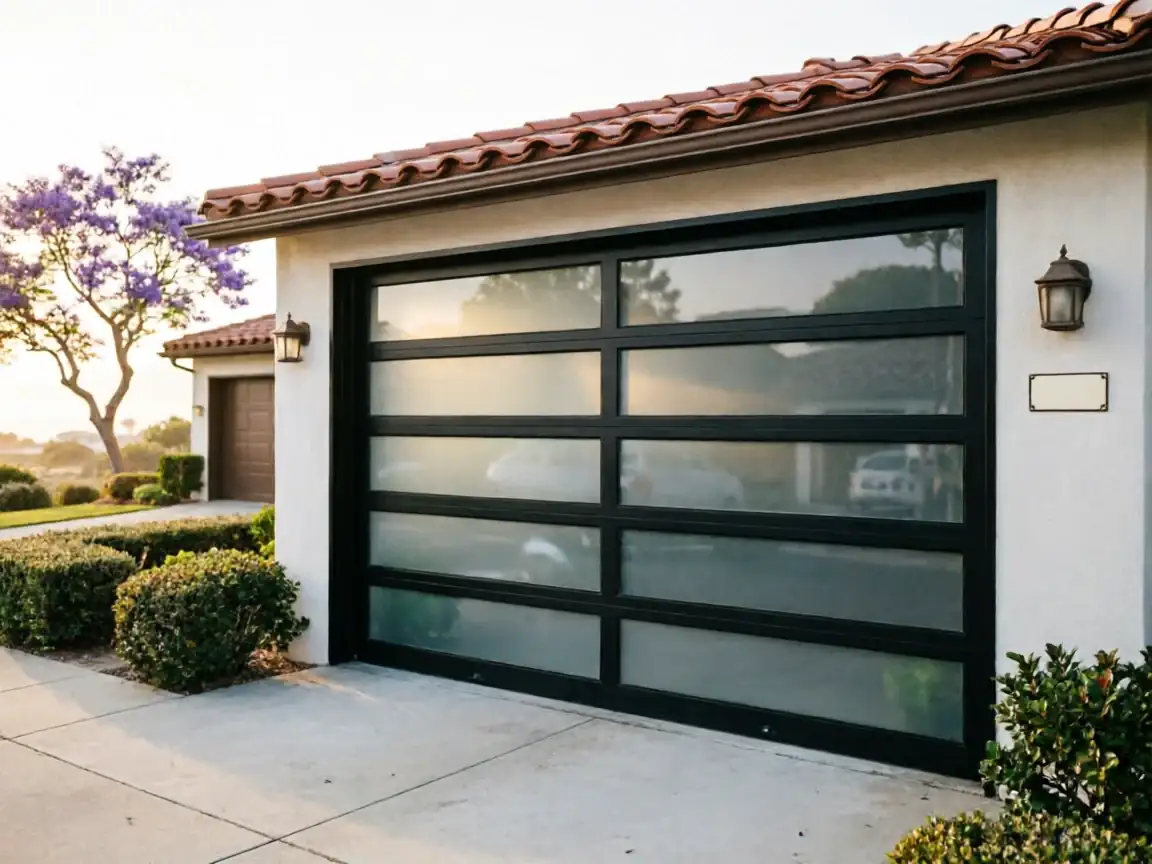
Getting It Booked In
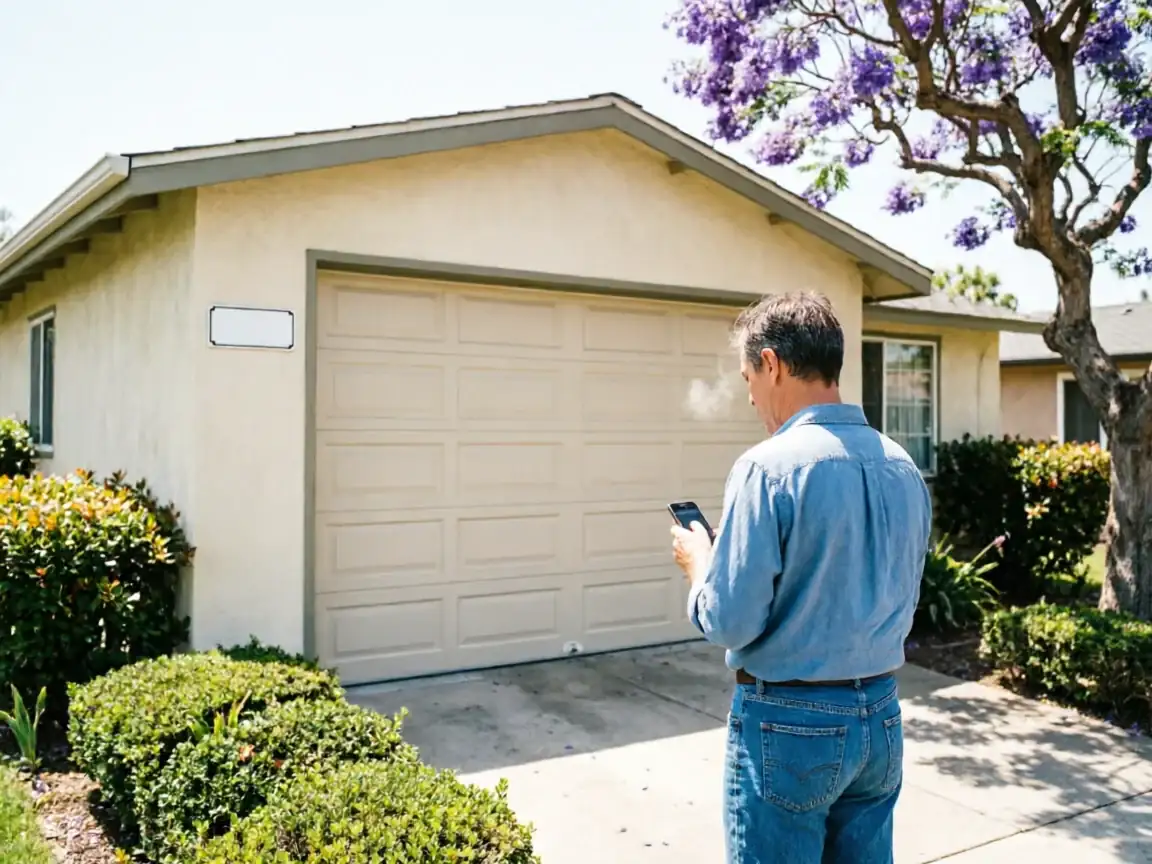
Kennedy is a small piece of the territory we cover out of Stockton - about 802 households total, compared to the 44,752 across the wider service area. That matters for how we schedule: we're not running a crew based in Kennedy itself, we're coming from Stockton, roughly 5 miles away. On a town this size, opener jobs don't stack up the way they do in bigger pockets of the service area, so we build the visit around your house specifically rather than slotting you into a route of five other installs on the same street. You tell us what's going on with the current opener, or that there isn't one yet, and we bring what the job needs the first time.
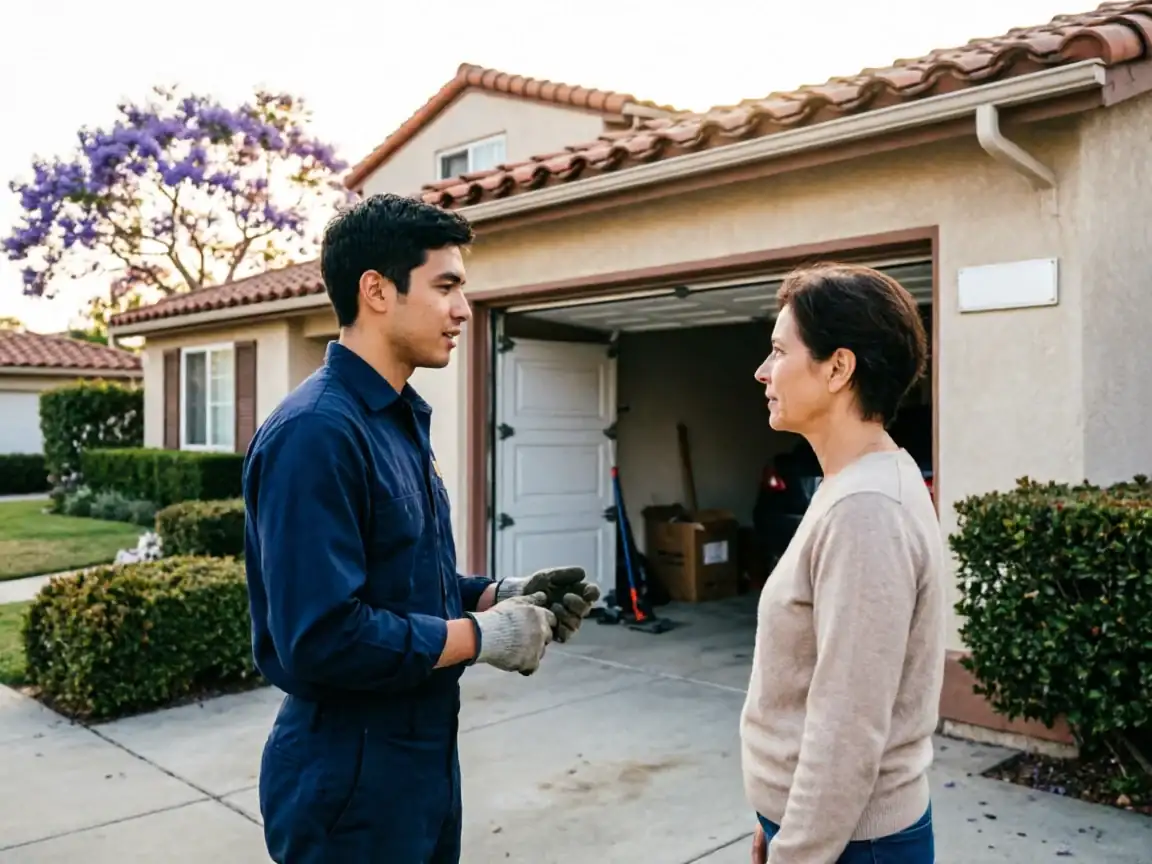
Because we're traveling in rather than based locally, we ask a few more questions up front than a shop that's three blocks from your driveway would - ceiling height, whether there's a side room obstruction, what's currently mounted if anything. It saves a second trip.
Time on the Job
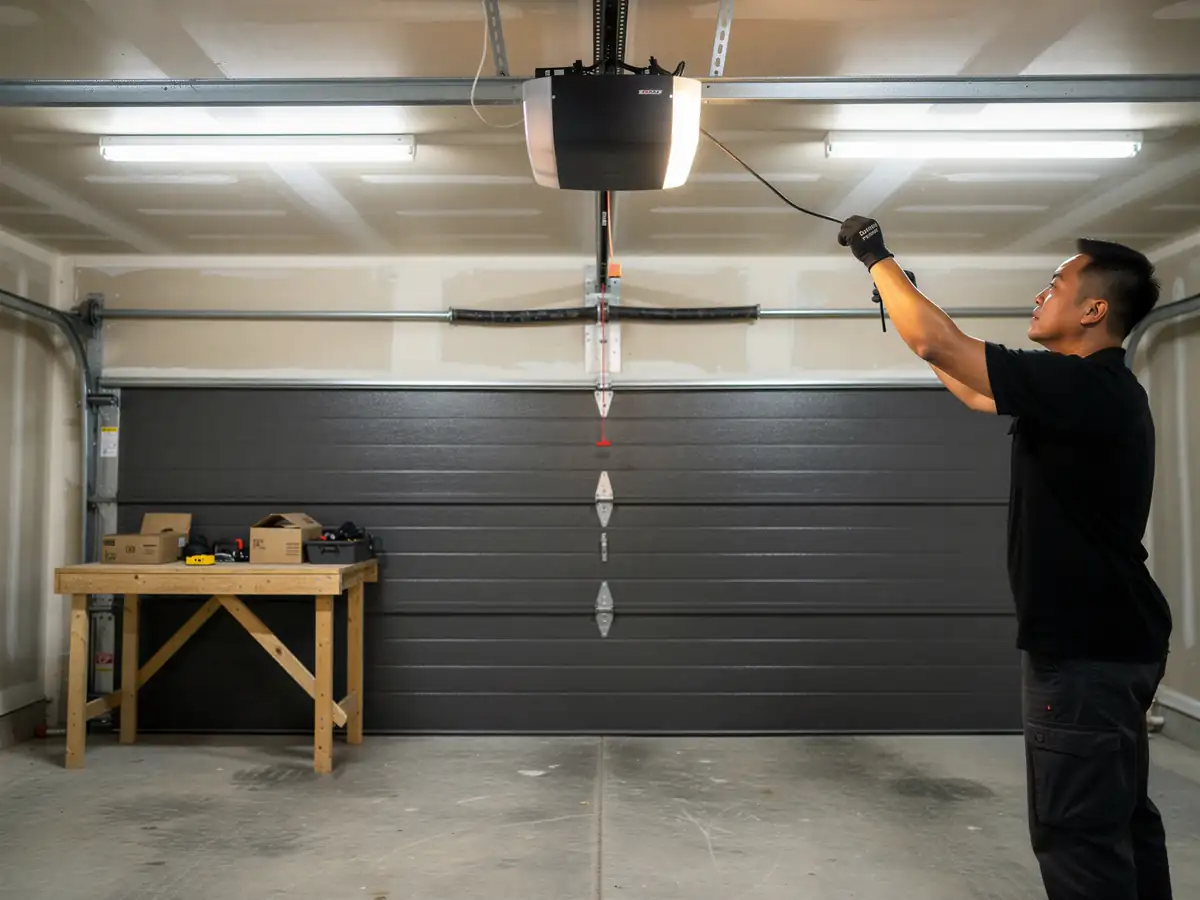
A straightforward opener swap
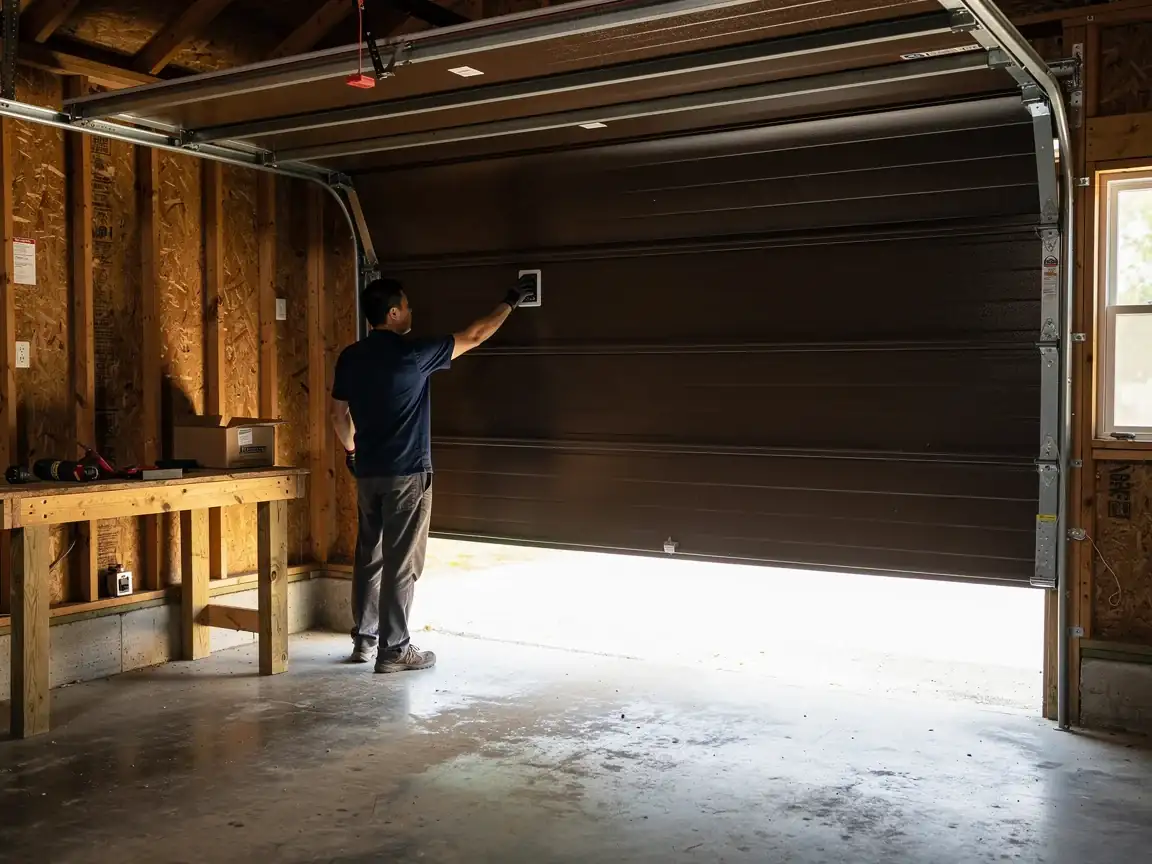
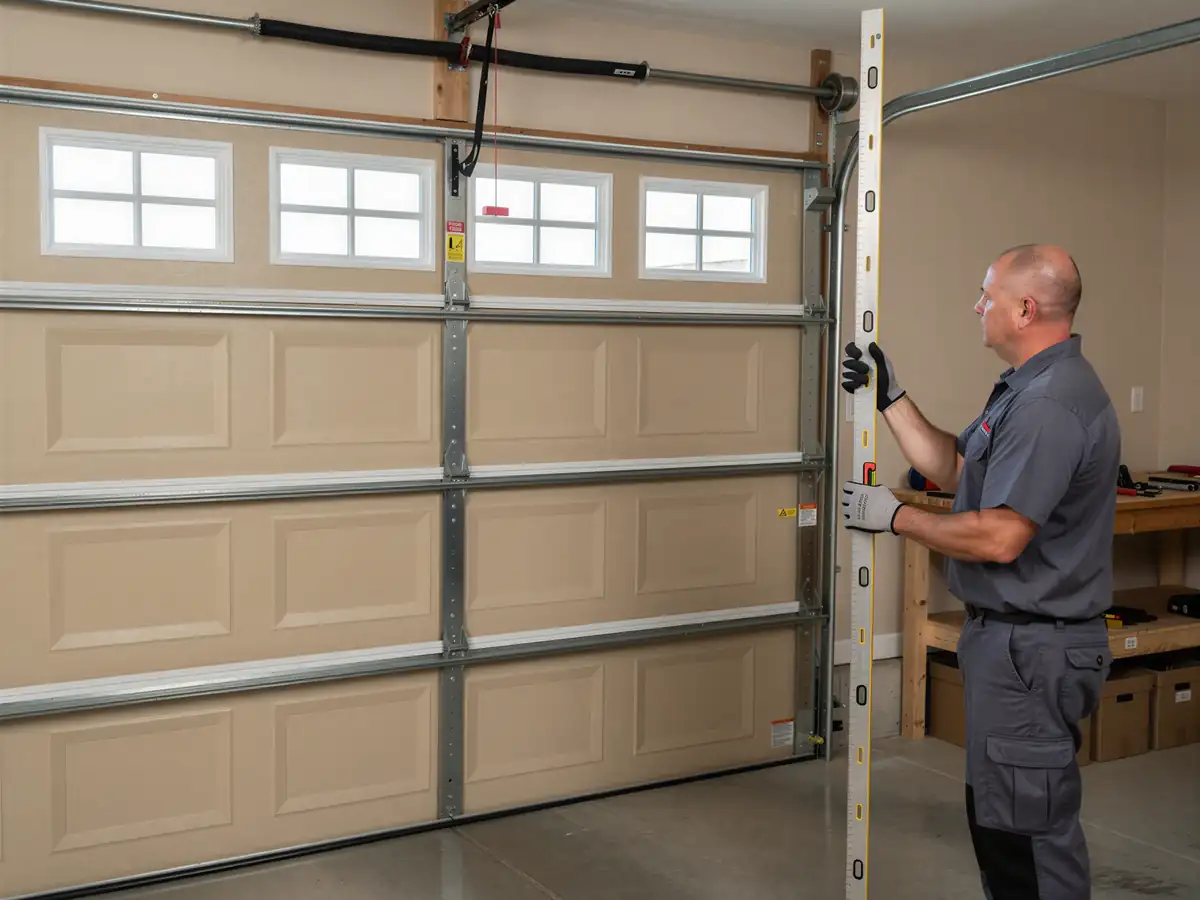
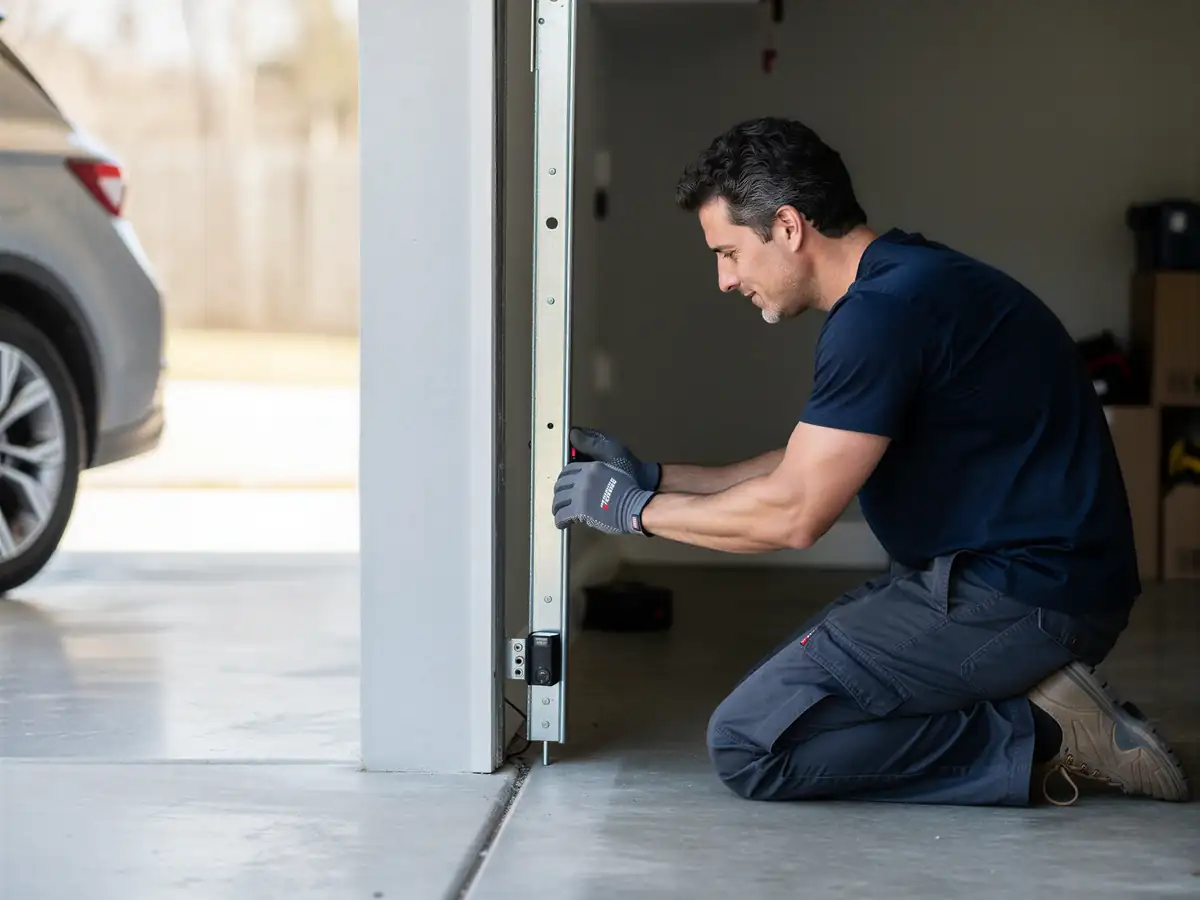
Pulling an old unit and hanging a new one on existing brackets - is a same-visit job. Where it runs longer is when the mounting doesn't match: houses from Kennedy's build era, typically mid-1960s, were often fitted with hardware sized for lighter wood doors, and a heavier insulated steel replacement door needs different bracket spacing or a reinforced header bracket before the opener goes up at all. We check that before we quote the time, not after we've started.
We don't pad the visit with upsells
If the only thing wrong is a worn-out opener and the door itself is sound, that's the whole job.
What the Repair Takes
Most of what we see on opener calls in this part of the service area comes down to the door predating the opener by a couple of decades. A door built when the house went up in the mid-1960s and an opener added later, maybe more than once, means mismatched mounting hardware, a header bracket that was never meant to carry a chain-drive rail, or a horizontal track with a bow in it that throws off the opener's travel limits every few months.
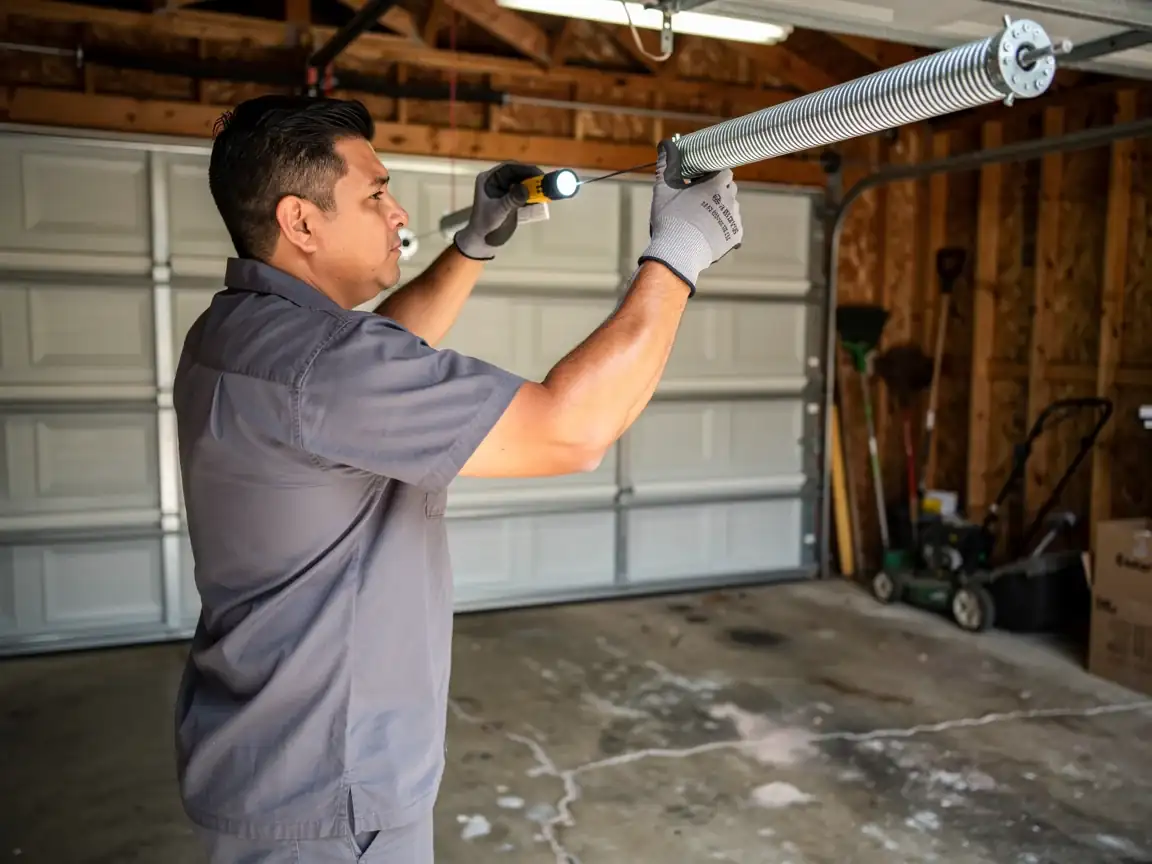
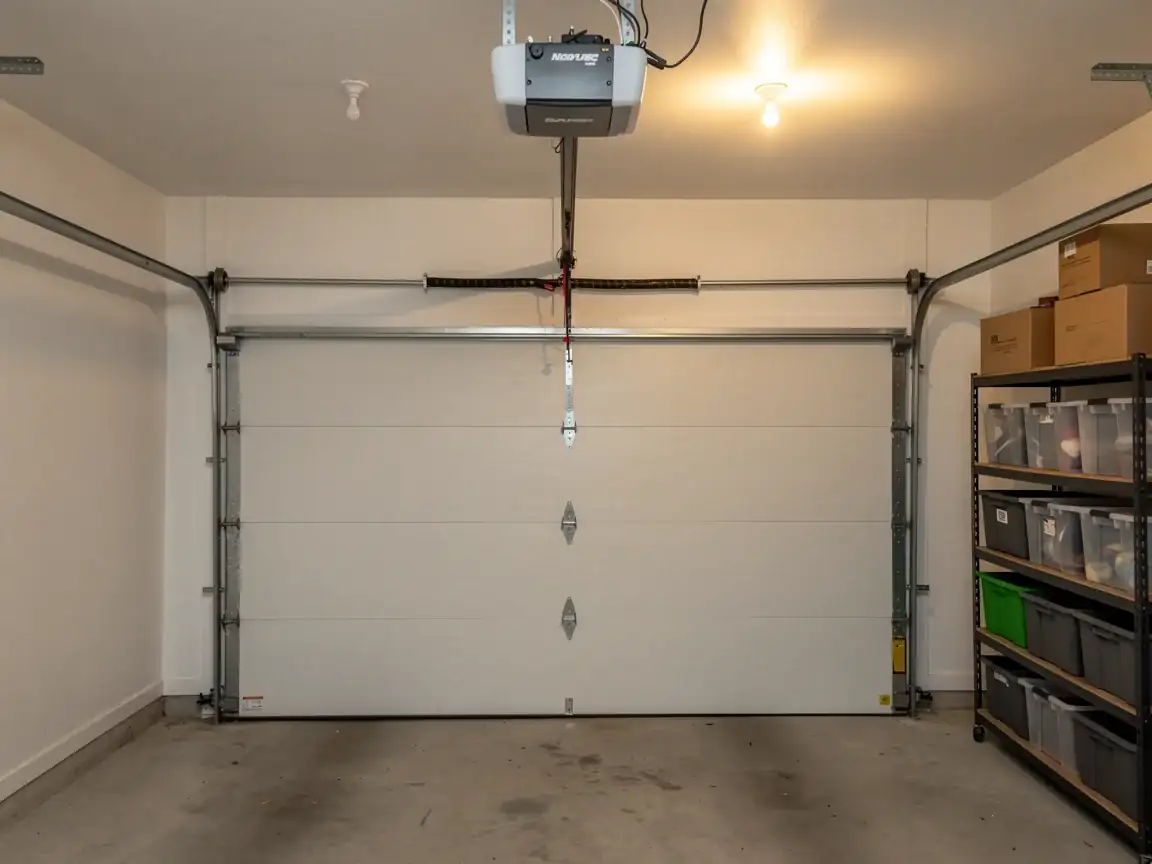
We pull the old motor head, check the rail and the drive mechanism it leaves behind, and replace the bracket if it's worn oval instead of round from years of tension. New opener goes on once the door itself is balanced and moving freely - an opener bolted to a door that's out of balance just wears out faster and trips the force sensors.
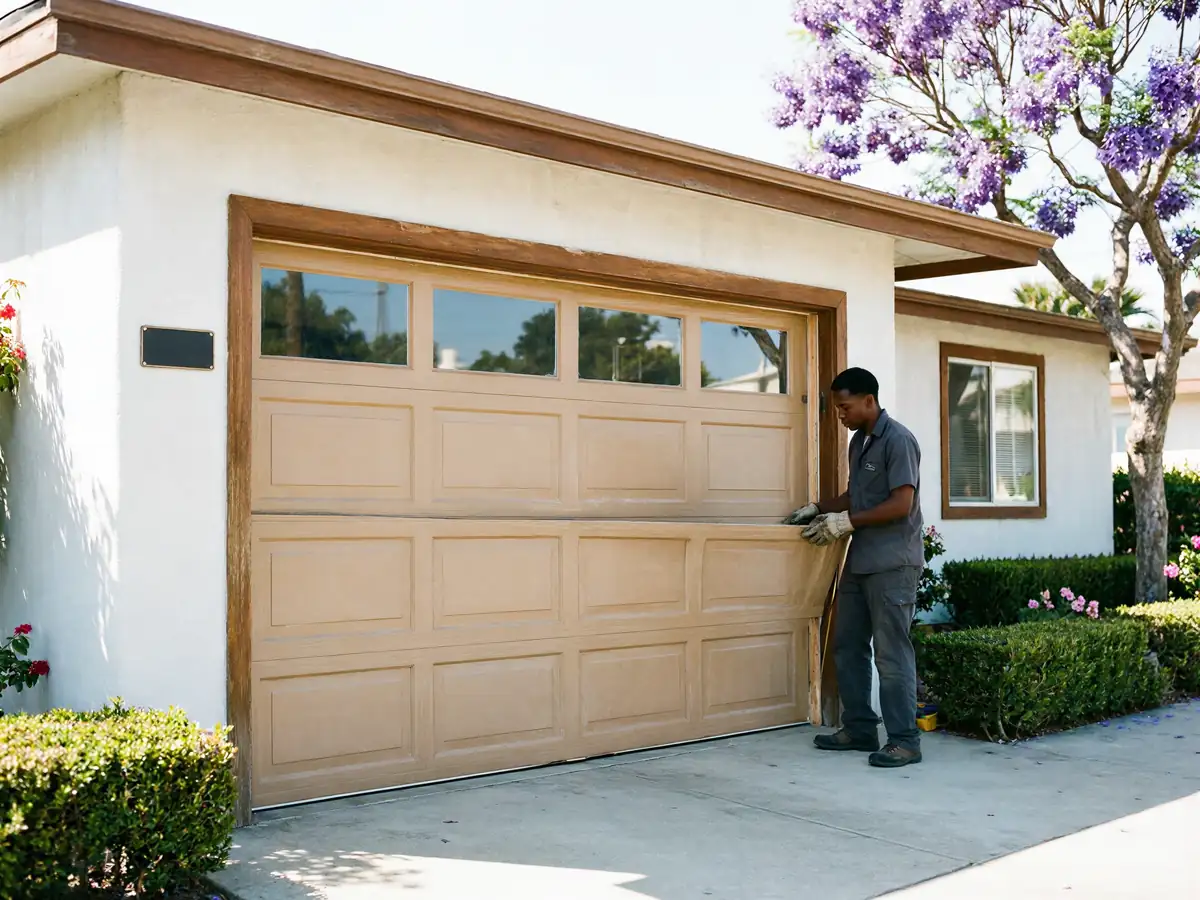
One limit worth saying plainly: we don't install an opener on a door that's structurally failing. If the panels are rotted or the track is bent beyond adjustment, replacing the door comes first. Putting a new motor on a bad door is money spent twice.
Why It Happens Here
Kennedy's housing mostly dates to around 1966, which puts a lot of garage doors and their openers into the same age bracket as the house - original equipment, or a first-generation replacement from the 1980s or 90s. Chain-drive openers from that era run louder and work the gear set harder than a belt-drive unit, and after enough years the gear strips or the capacitor in the motor gives out.
The climate here runs on the moderate side of the heat band used across the service area, which is kinder to opener motors than a harsher climate would be - garages don't cook the way they do in some regions - but it still means decades of expansion and contraction in a garage that isn't insulated or cooled. That slow cycling loosens brackets and dries out the lubricant in a drive rail over time, which is usually what finally pushes a 1980s-era opener into failure.