Getting It Booked In
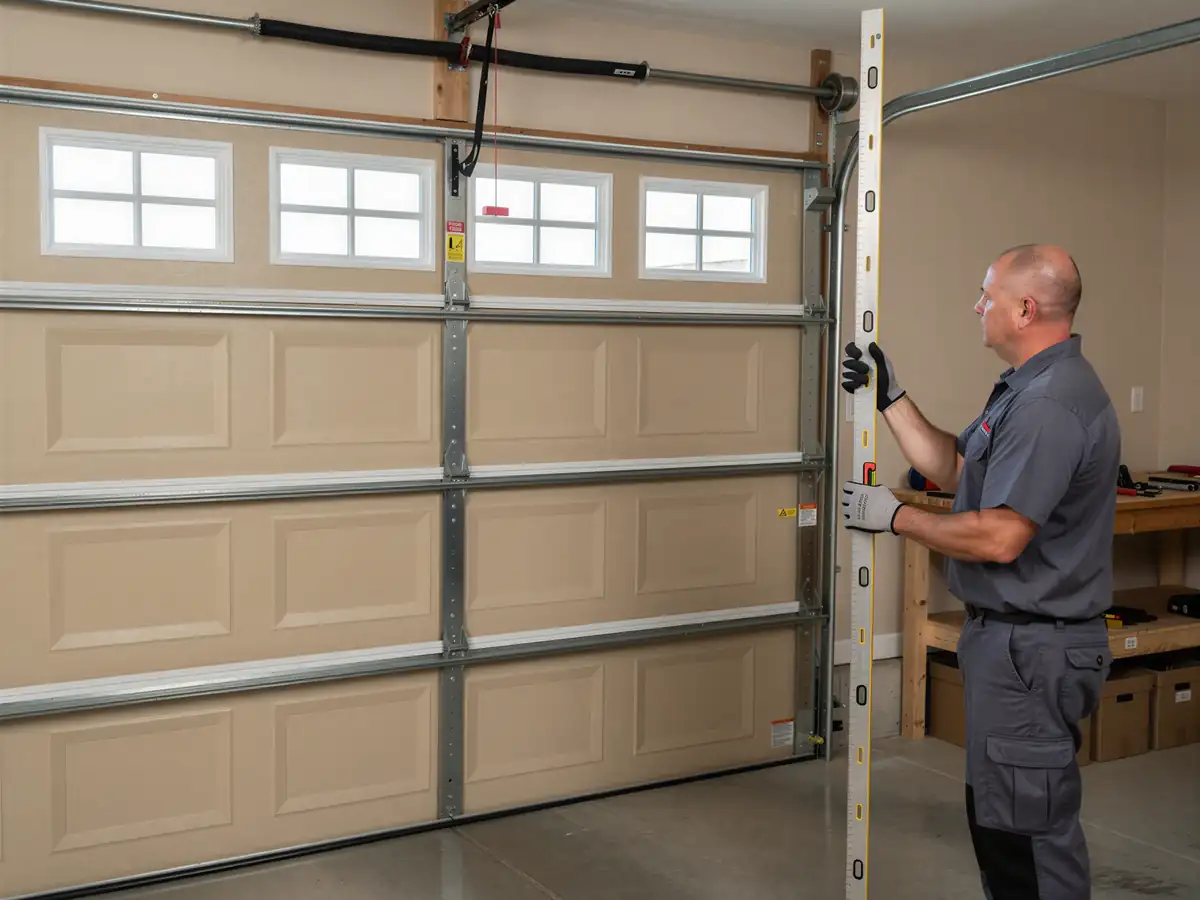
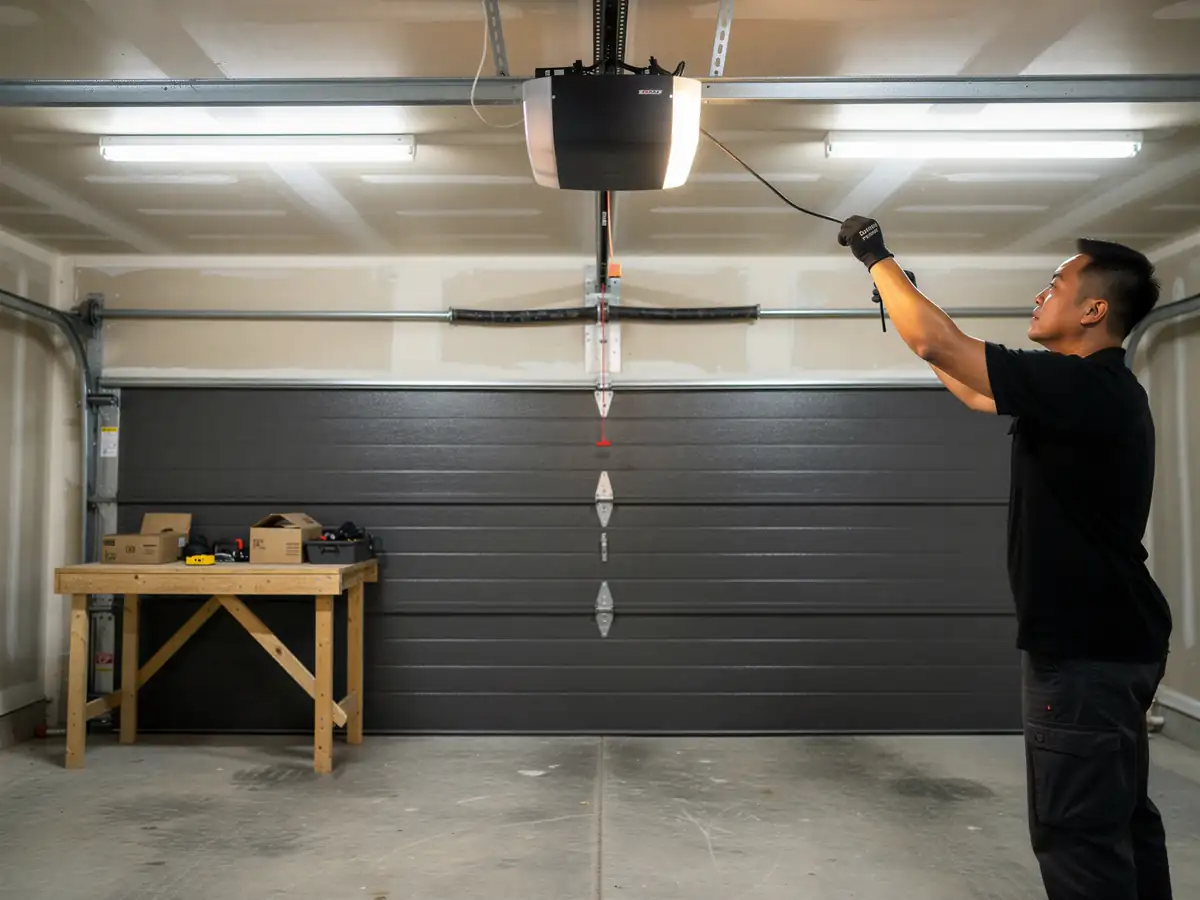
There's no Kennedy branch to call - we run the truck out from Stockton, about 5 miles, so booking an install here means setting a day that works on our schedule, not walking into a storefront on your block. That's true of most of the smaller communities we cover. What it means practically: we ask for the door's rough opening width and height before we load the truck, because a lot of houses in Kennedy still have the original 1966-era opening, and modern doors don't always drop into those dimensions without some jamb work. If your opening is non-standard - narrower garages were common in that era - we'll say so on the phone, not after we've shown up with the wrong door. Kennedy is a small place, about 802 households by the last count, so we're not running multiple crews through here in a day. One job, done right, is the plan, not a volume route. If you need a specific install date because you've got a sale pending or a mover showing up, say so when you call - we'll tell you honestly whether that's doable given lead time on the door itself, not just our drive.
What the Repair Takes
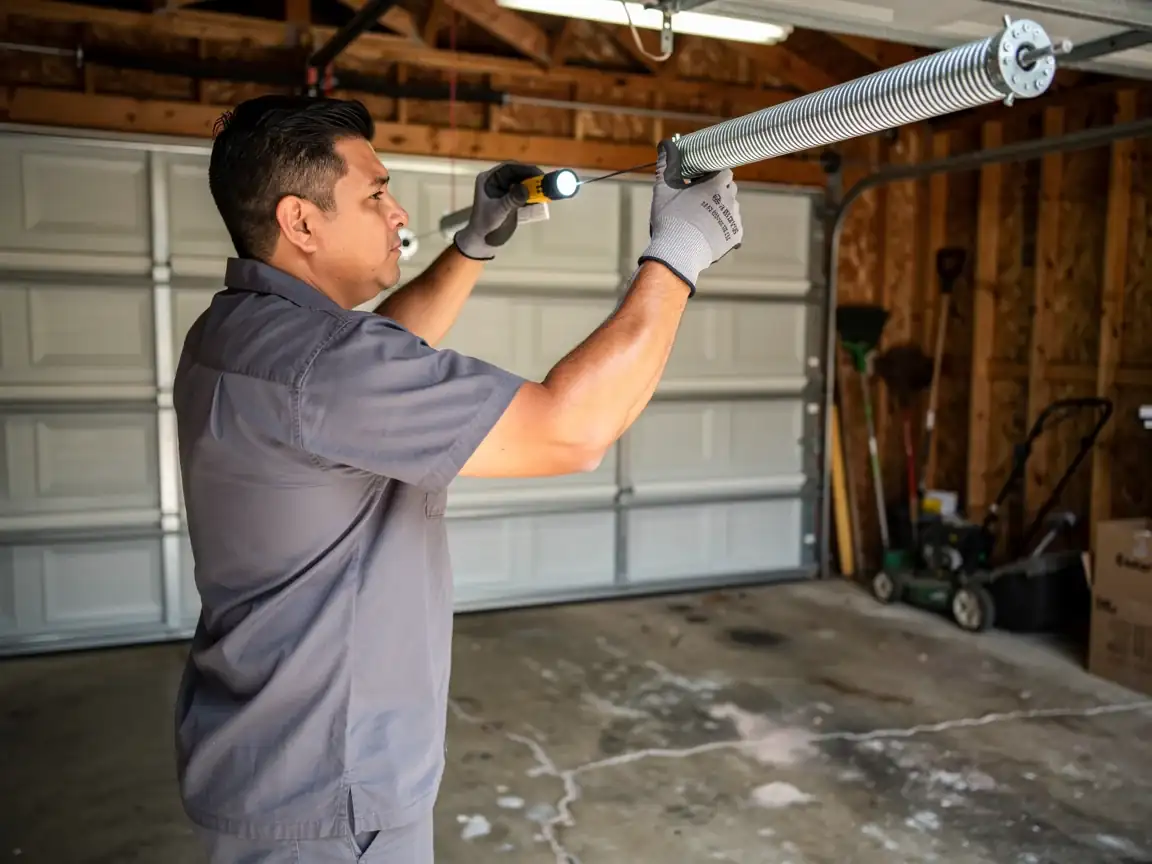
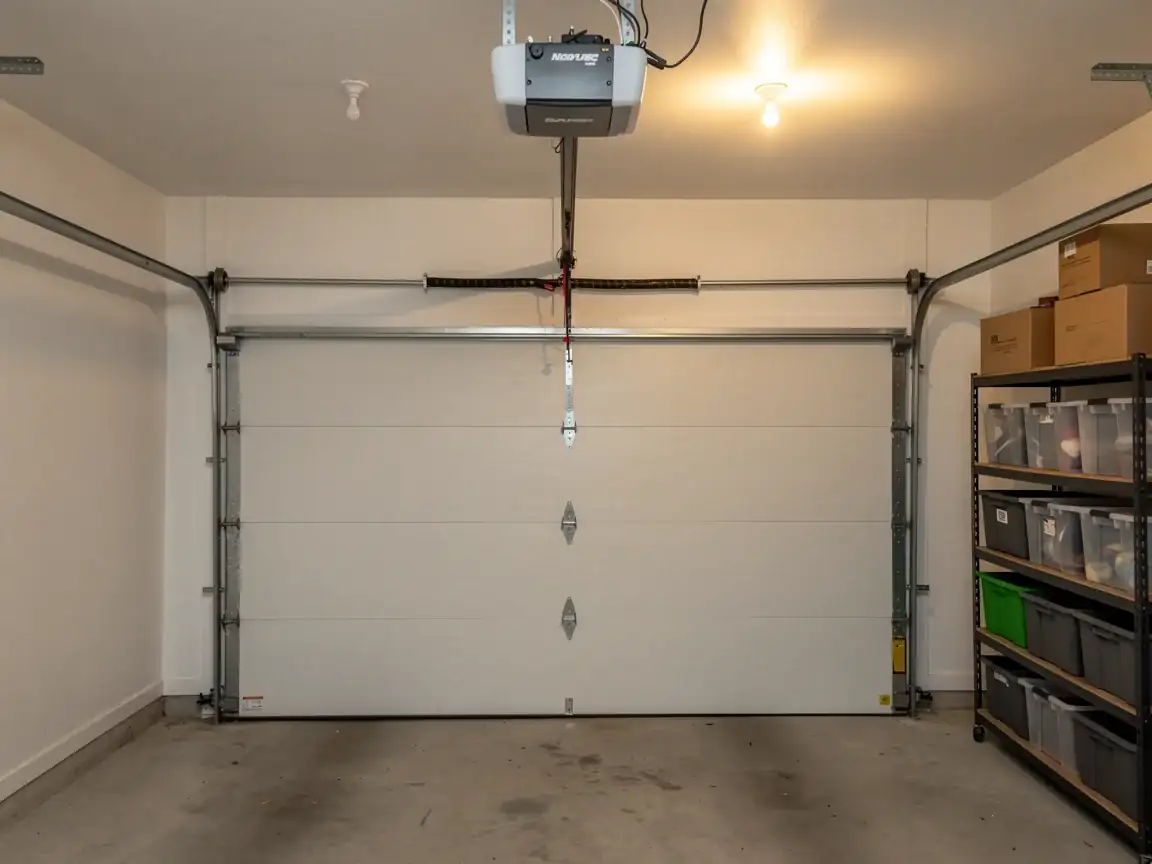
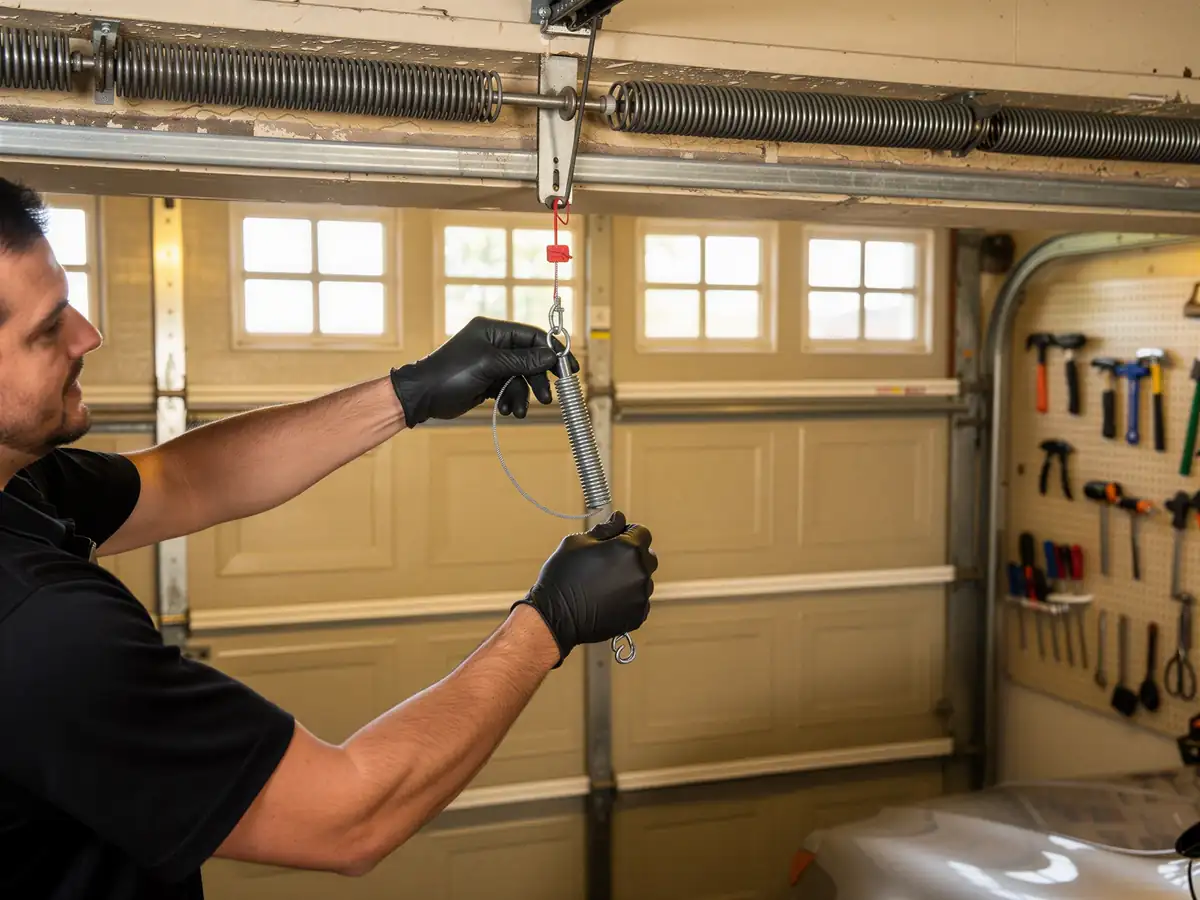
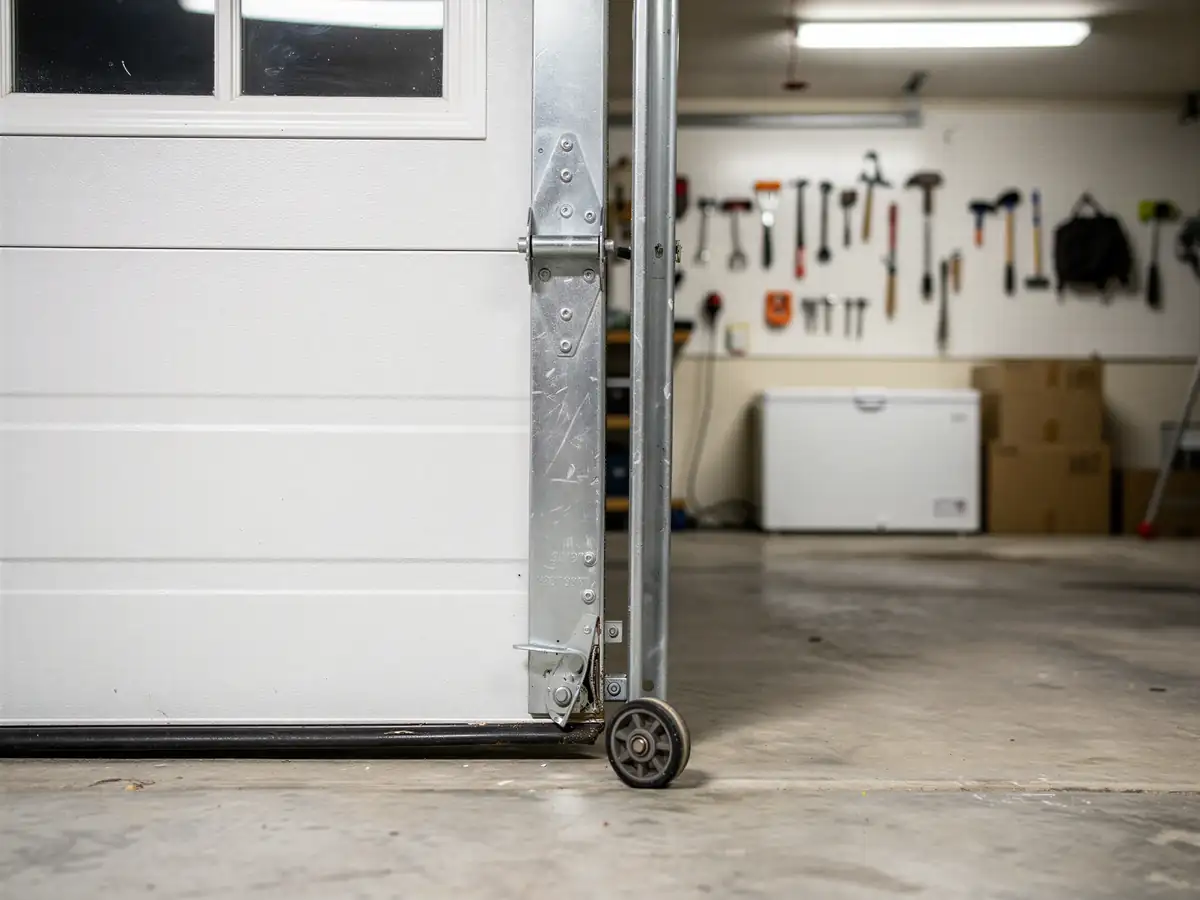
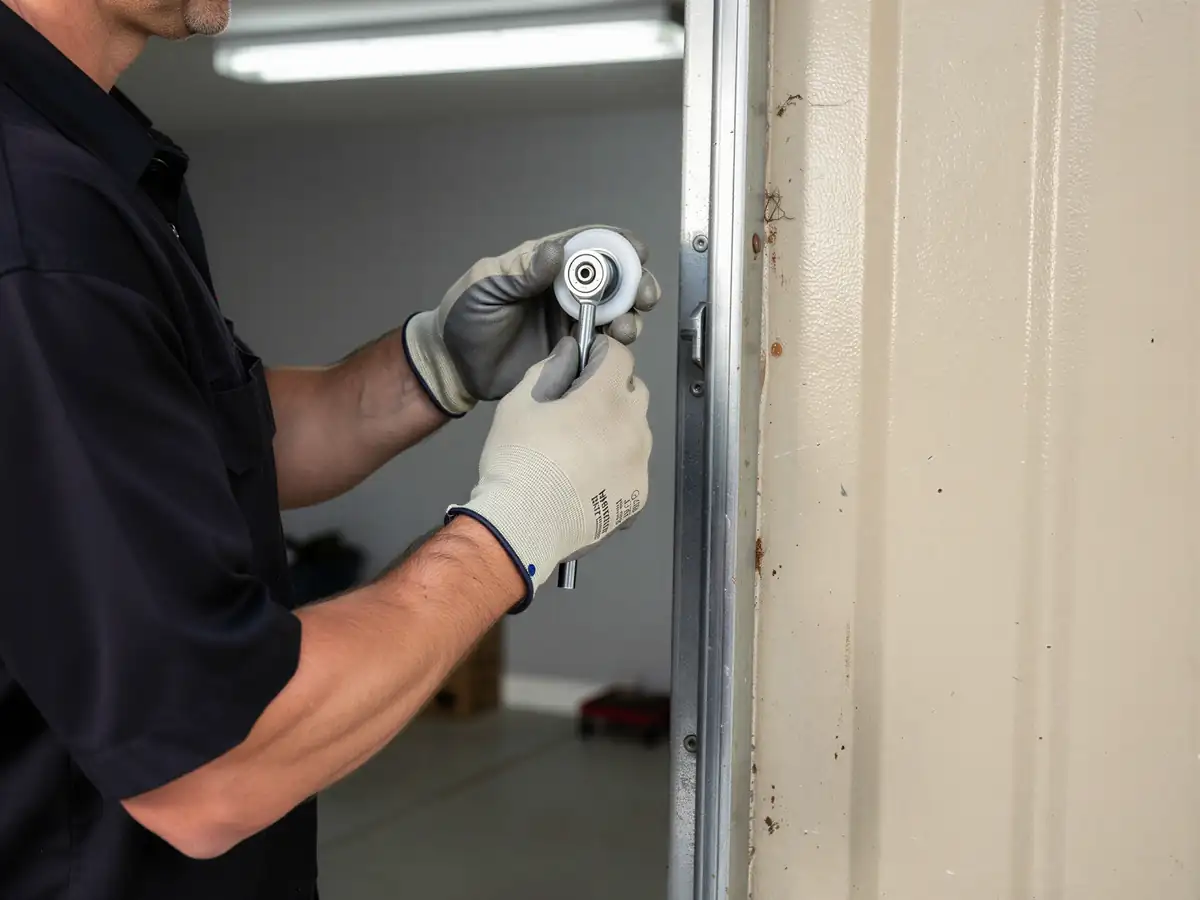
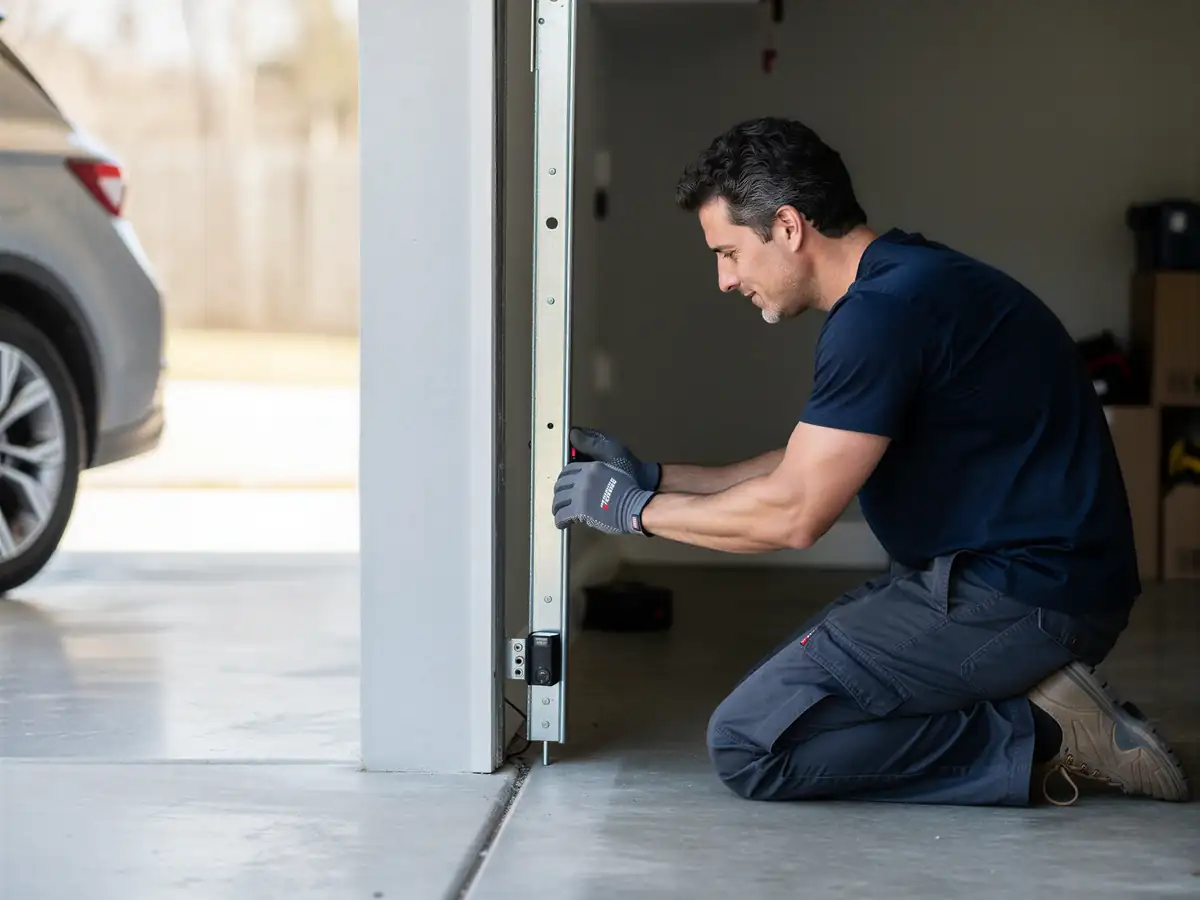
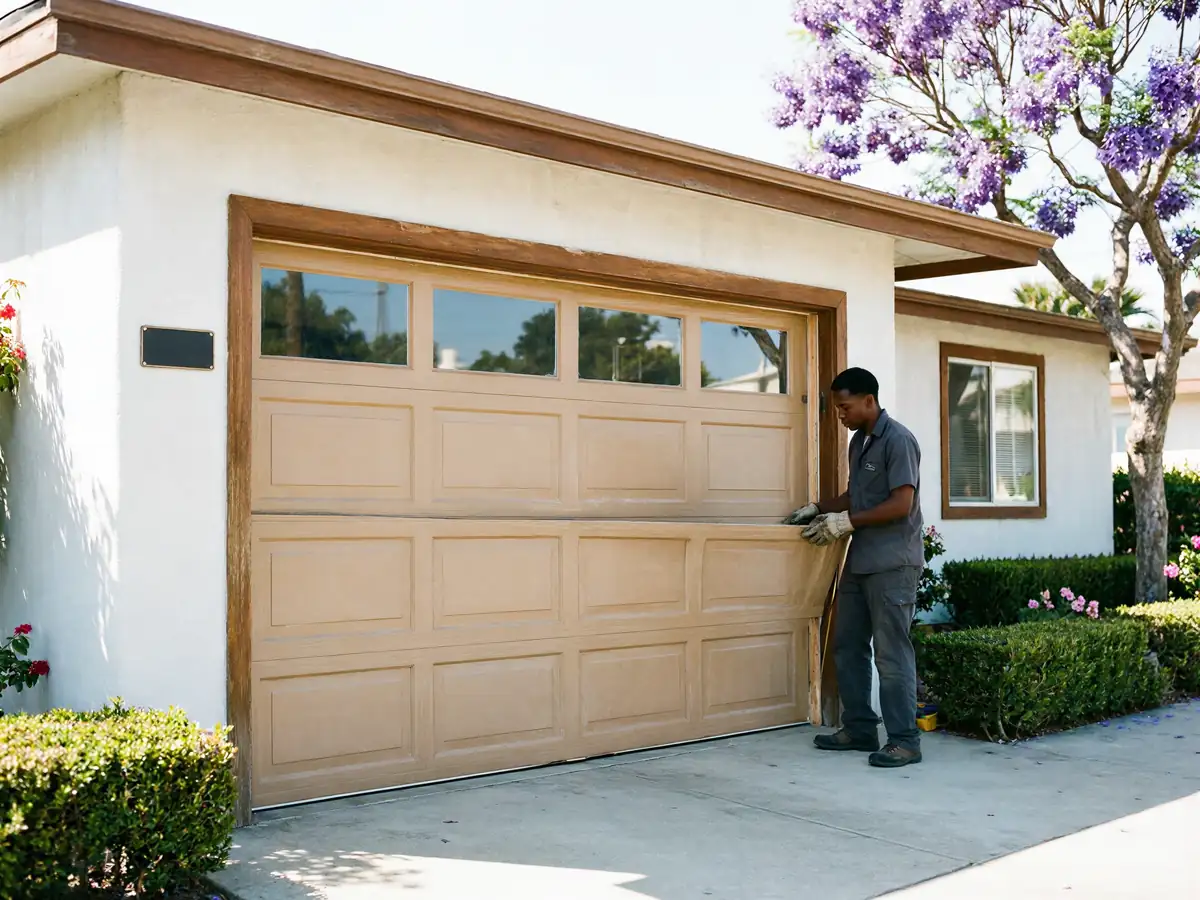
Most of what we pull out of Kennedy garages is consistent with houses built in the 1966 range: single-layer steel or wood panel doors, often at the narrower single-car widths that were standard before two-car garages became the default. These doors generally ran on lighter torsion or extension hardware than what you'd spec today, and that hardware is usually original - nobody's replaced it unless there was a failure. Installing new means we're not just swapping a panel; we're often upgrading the spring size and the track gauge to match a heavier insulated door, because the old hardware wasn't built to carry it. That's not optional extra work we're adding to pad the job - a new door on old springs is a door that won't balance right and will wear out an opener fast. We'll walk you through what stays and what gets replaced before we start, and if the existing header or framing can't take new hardware without reinforcement, we'll flag that rather than force it.
Why It Happens Here
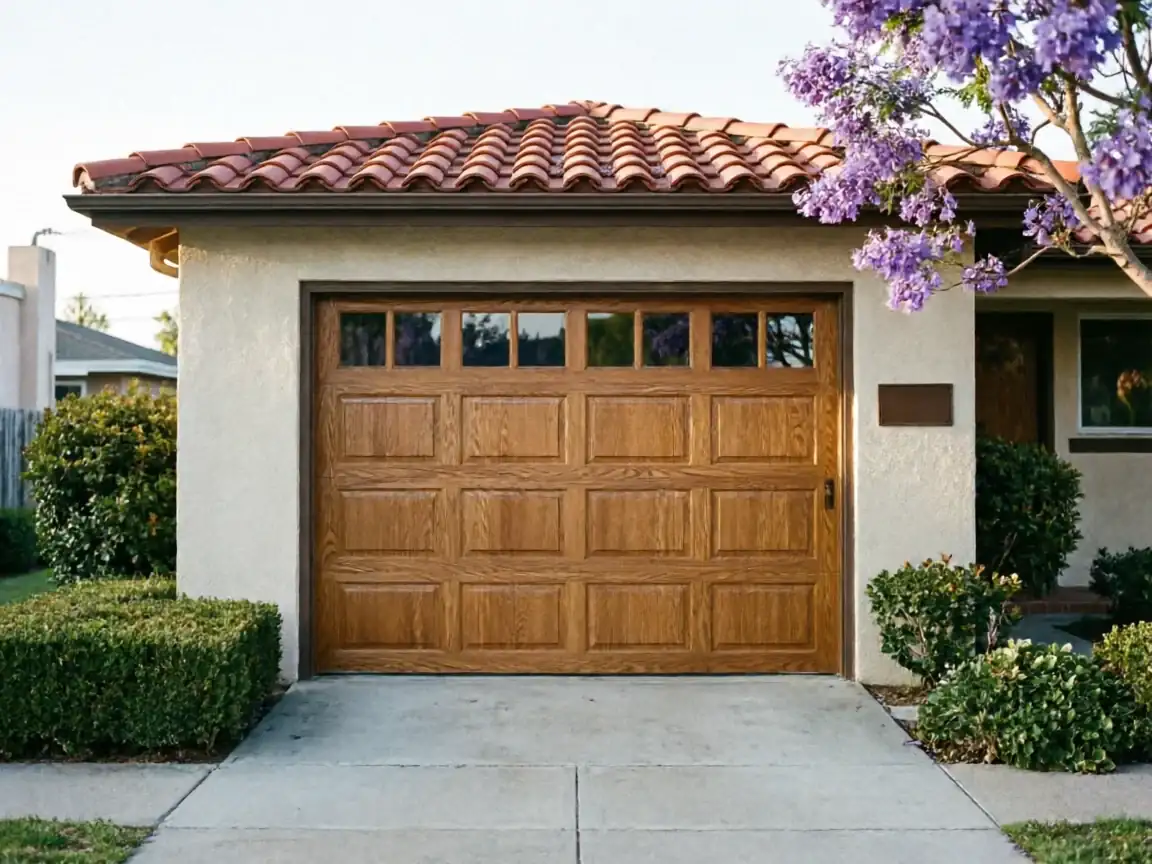
Kennedy's housing stock centers on 1966, which puts it squarely in the 1960s-70s band that makes up most of the construction across this part of the service area. Doors from that era were built for a climate that's moderate on heat, not extreme, and most held up fine for decades on basic maintenance. What catches up with them now is simpler than weather: steel panels dent and don't reflect as much, wood panels dry out and warp at the bottom where moisture collects, and single-layer doors offer no insulation at all, which matters more to homeowners now than it did when the house was built. At a median household income of $58,859 in Kennedy - meaningfully below the $93,993 median across the wider area - replacement often gets deferred longer here than it does elsewhere, which means by the time we're called, the door isn't marginal, it's done. That's not a criticism, it's just the pattern: people here tend to run a door until it's clearly finished, not swap it early.