Where This Job Goes Sideways
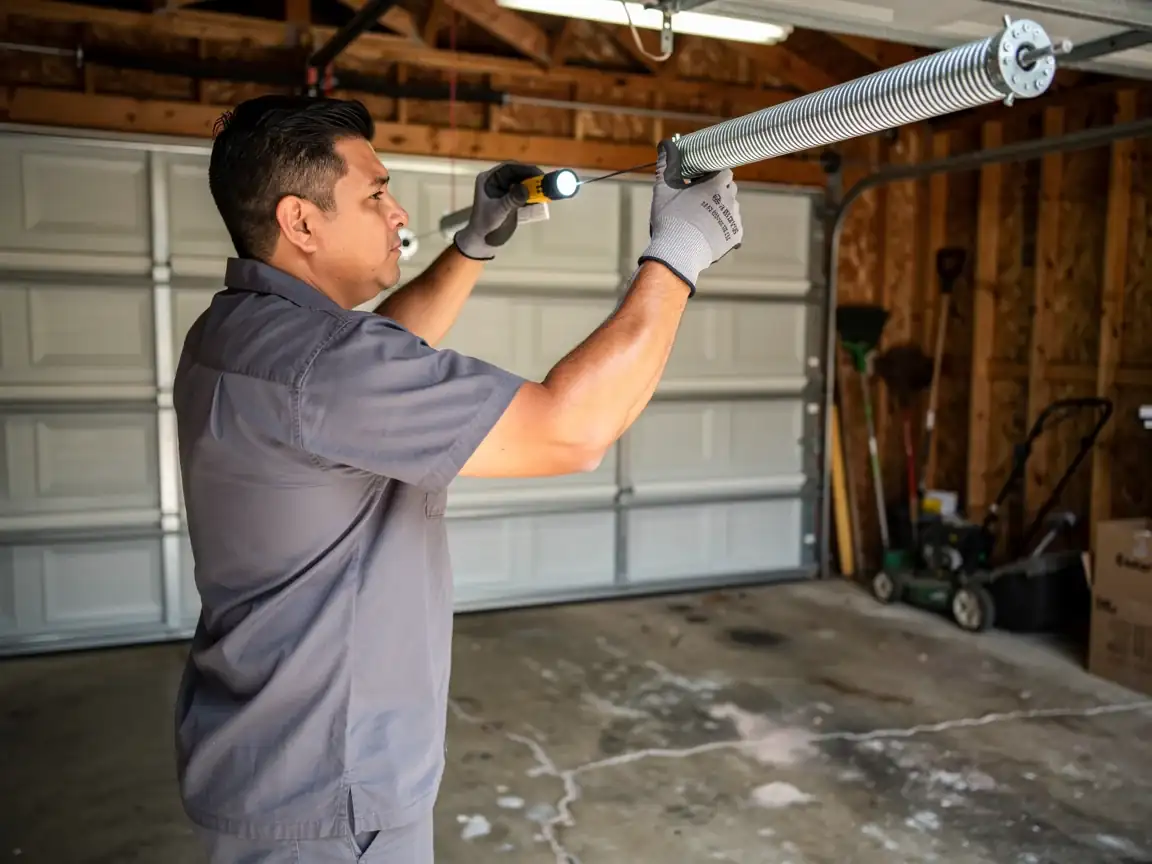
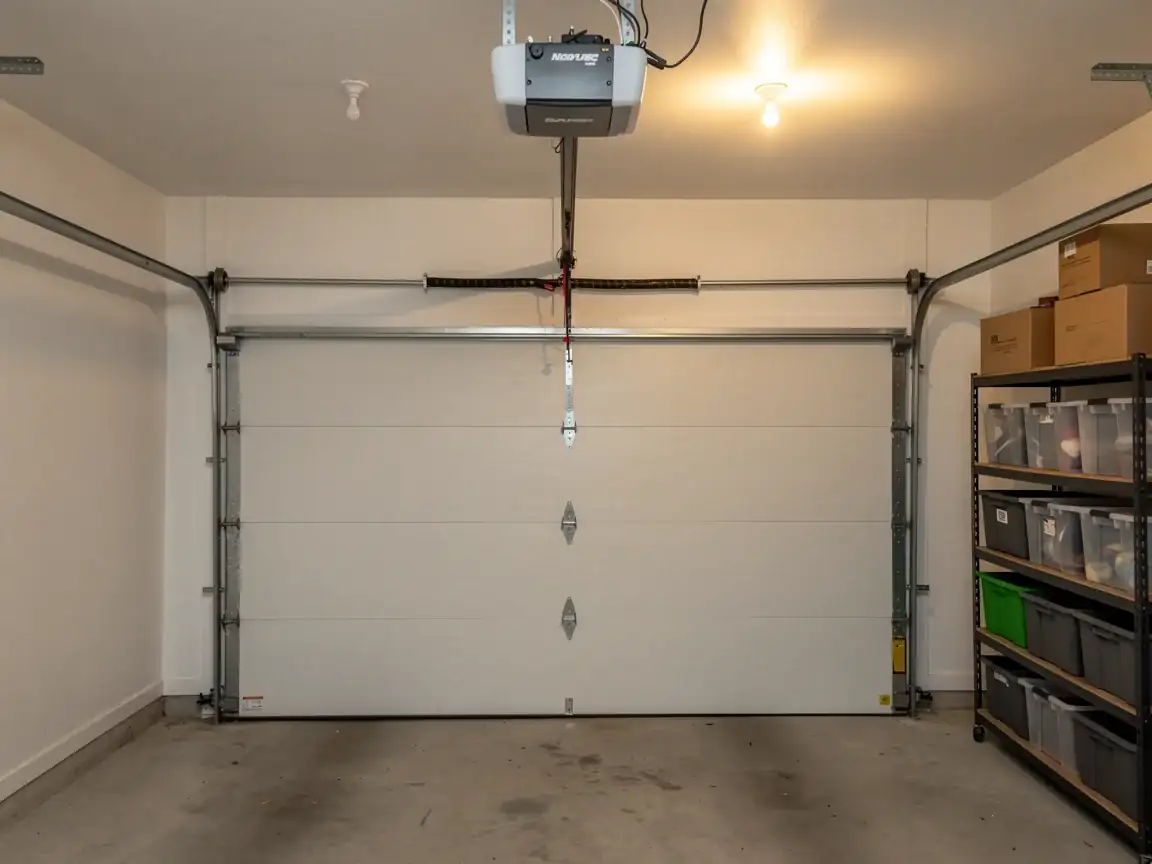
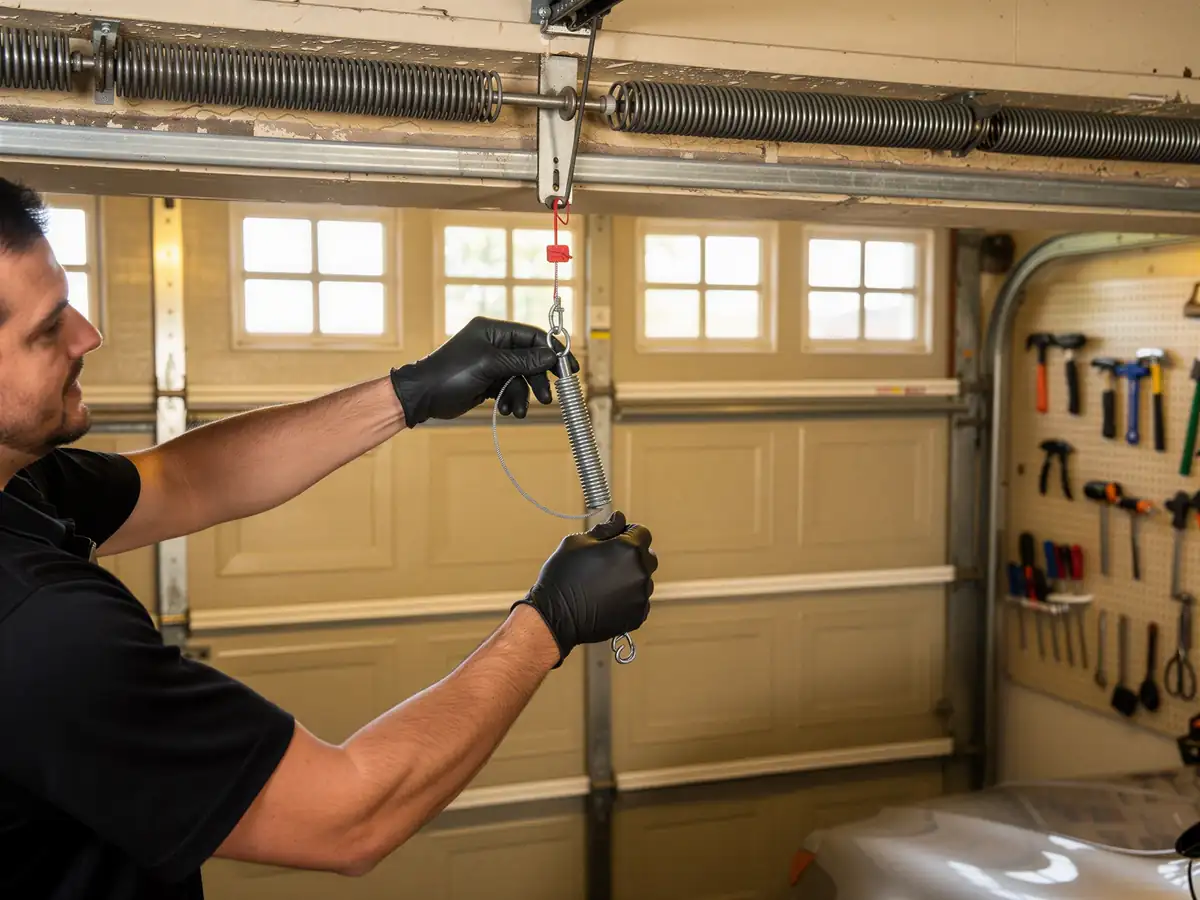
The fault we see most in Garden Acres isn't a worn-out torsion spring snapping clean in half - it's an extension spring setup from a door that's never been touched since the house was built. Garden Acres went up mostly around 1958, which puts a lot of these garages ahead of the safety-cable requirement that came later. That means two raw extension springs stretched along the horizontal track, no cable running through the coil to catch it if it lets go. When one of those springs fails, it can whip, and the door can come down unevenly or jam halfway.
That 1958 build year matters because it tells us what's behind the panel before we even get there. A lot of these original setups were sized for a lighter, single-layer wood door. If a previous owner swapped in a heavier insulated steel door at some point and never upgraded the springs to match, the hardware has been working too hard for years - which shows up as a spring that fails early, not at the end of a normal lifespan. We're not guessing at this; it's the pattern this neighborhood's housing stock produces.
What It Costs
We don't have a Garden Acres-specific price list to quote here
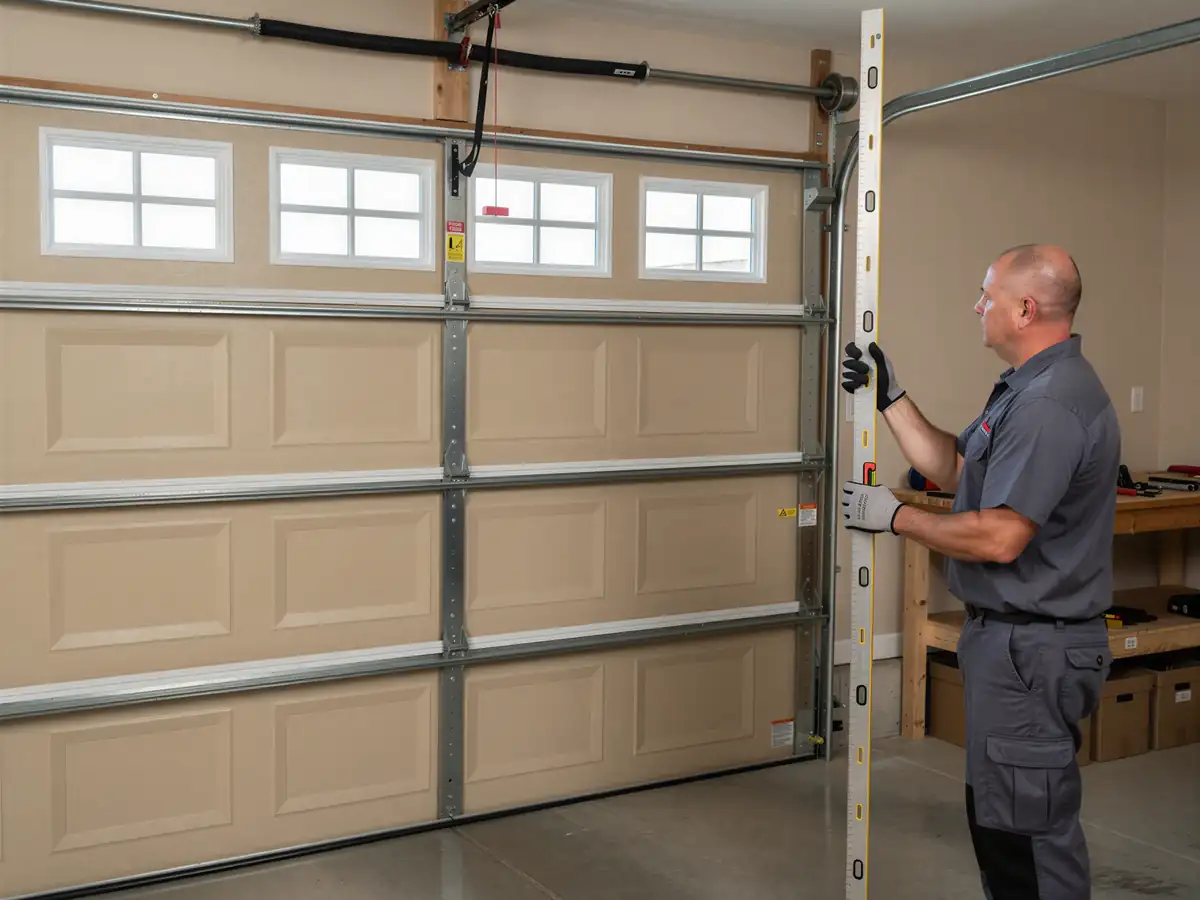
And we're not going to invent one. What we can tell you is what moves the number: whether you've got torsion springs (mounted on a shaft above the door) or the older extension-spring style common in this area's 1958-era construction, whether it's a single spring or a pair, and whether the drums, cables, or bearing plates took damage when the spring went. A straight spring swap on hardware that's otherwise sound costs less than a job where the failure bent a track or tore up a cable drum on the way down.
If your door is original to a 1958 build and has never been upgraded
We'll also tell you honestly if a full hardware replacement makes more sense than patching one spring onto 65-year-old mounting brackets. Sometimes the cheaper fix now costs you a second call in a year.
Can You Do This Yourself
Don't. A wound torsion spring holds enough stored force to break a wrist or worse if the winding bars slip, and an old extension spring without a safety cable can travel across a garage if it separates under load. This isn't a job where YouTube confidence substitutes for the right bars, the right clamps, and knowing which way the shaft is wound. We say this plainly because Garden Acres' older hardware is exactly the kind that surprises people - it doesn't look dangerous sitting still.
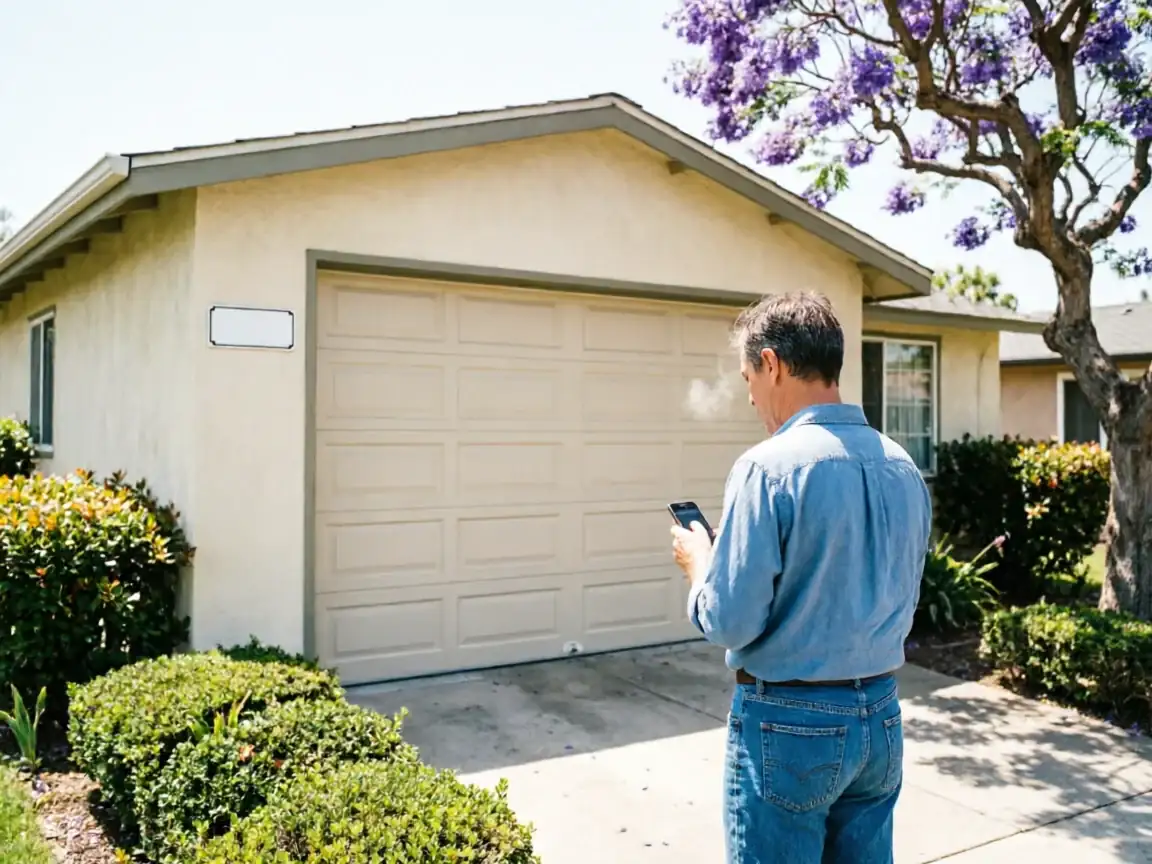
What's reasonable to do yourself: watching how the door moves, checking if one side of the door hangs lower than the other, and listening for a loud bang (that's usually the spring, not the opener). All of that helps whoever comes to look at it. The spring itself isn't a weekend project.
Time on the Job
We can't promise a response window for Garden Acres here, since we run out of Stockton and the drive is part of the day's schedule, not a fixed number. What we can say is that the job itself runs longer when the hardware is original 1958-era extension-spring gear rather than a modern torsion system, simply because more of it tends to need attention at once - the drums, the pulleys, the stationary cone brackets. A torsion spring swap on newer hardware is usually the fastest version of this repair; an extension-spring job on a door that's never been updated takes more care, because we're working around parts that haven't been touched in decades and may not come apart clean.
How It Shows Up
Most homeowners in Garden Acres call us after one of three things
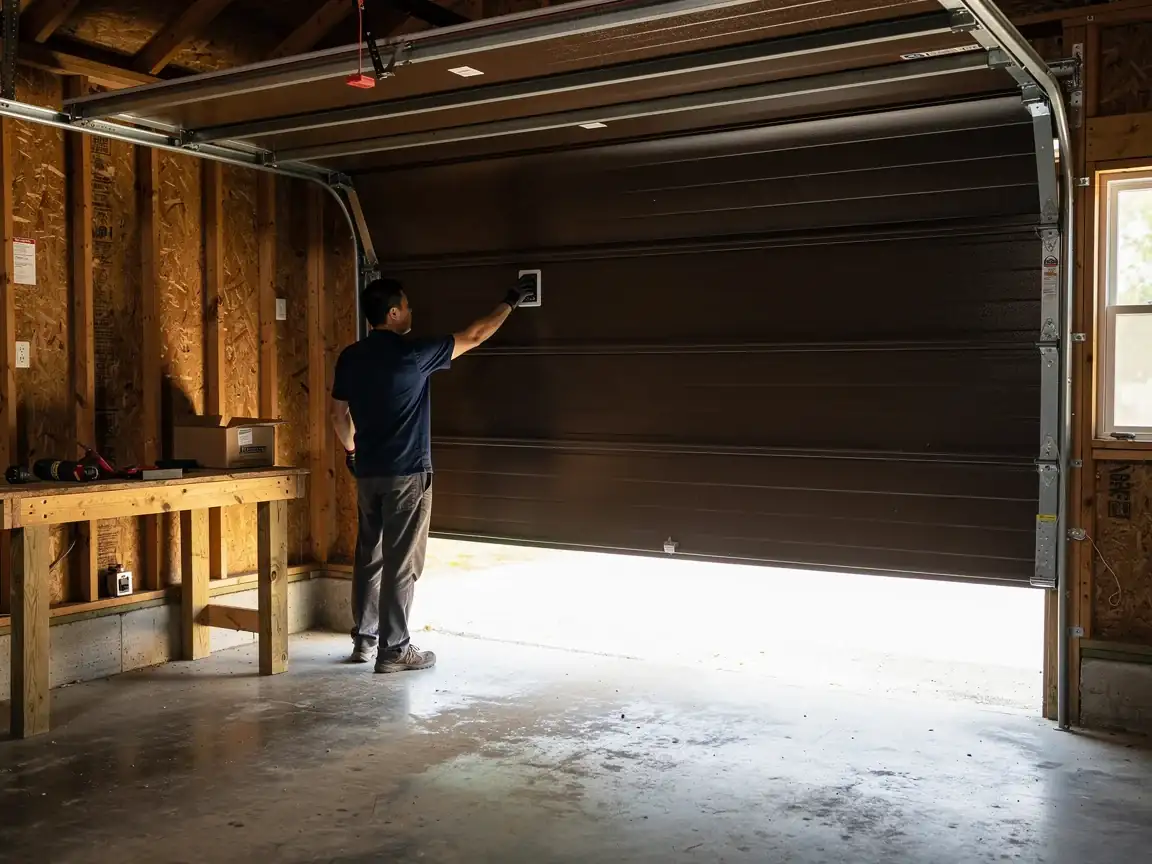
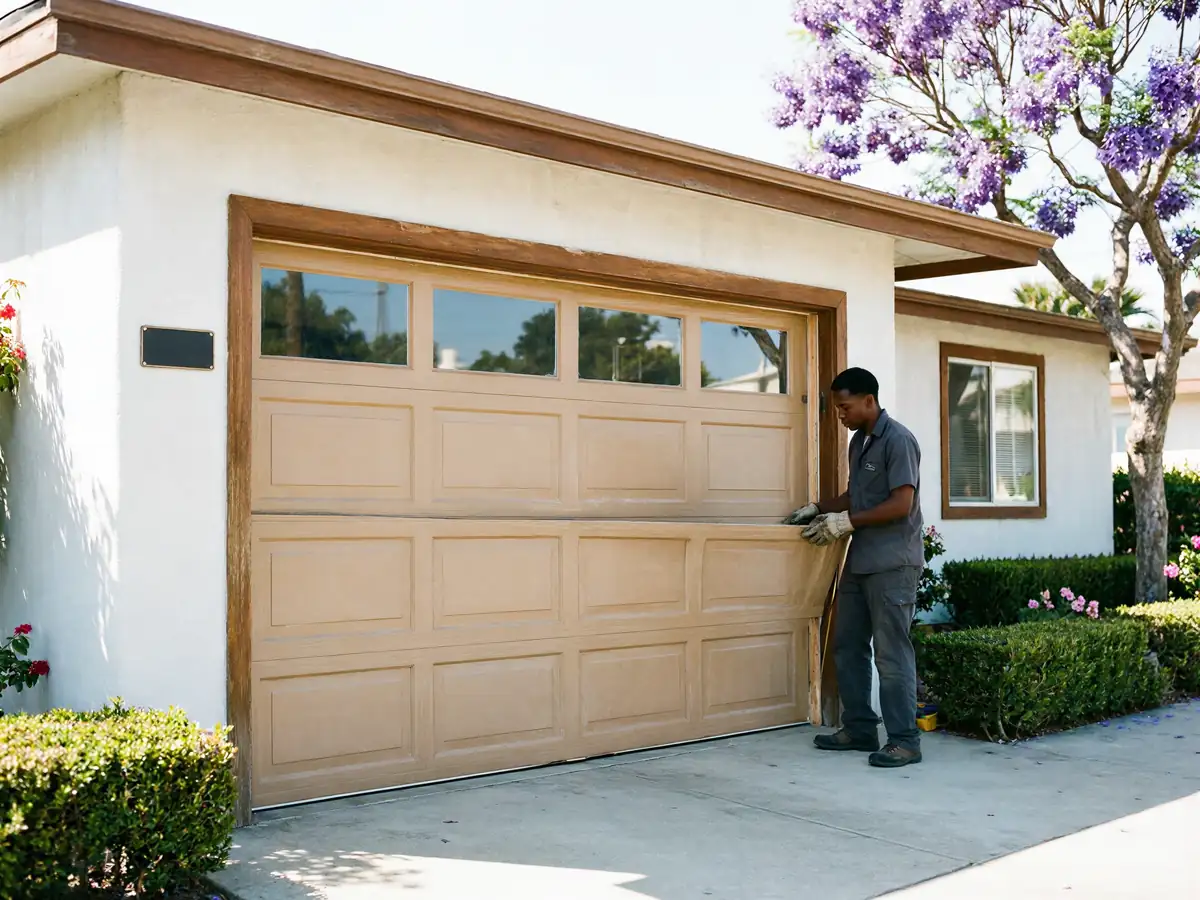
The door won't budge and the opener strains and hums without lifting it, the door slams down the last foot instead of settling, or they hear a bang from the garage and the door won't open by hand afterward. On the older extension-spring doors common to this area's 1958-era homes, you'll sometimes see one side of the door sitting lower than the other, since it's rare for both springs to fail at the same moment.
If your opener is straining rather than silent, don't keep hitting the button
That's the motor trying to do the spring's job, and it'll burn out the opener on top of the spring that already failed.