Where This Job Goes Sideways
Garden Acres is a short run for us - about 4 miles off our Stockton base, which means a maintenance visit here doesn't turn into a half-day trip before the truck even gets to your driveway. That short drive matters less for the job itself and more for scheduling: we can fit a Garden Acres call between two others without stretching the day thin.
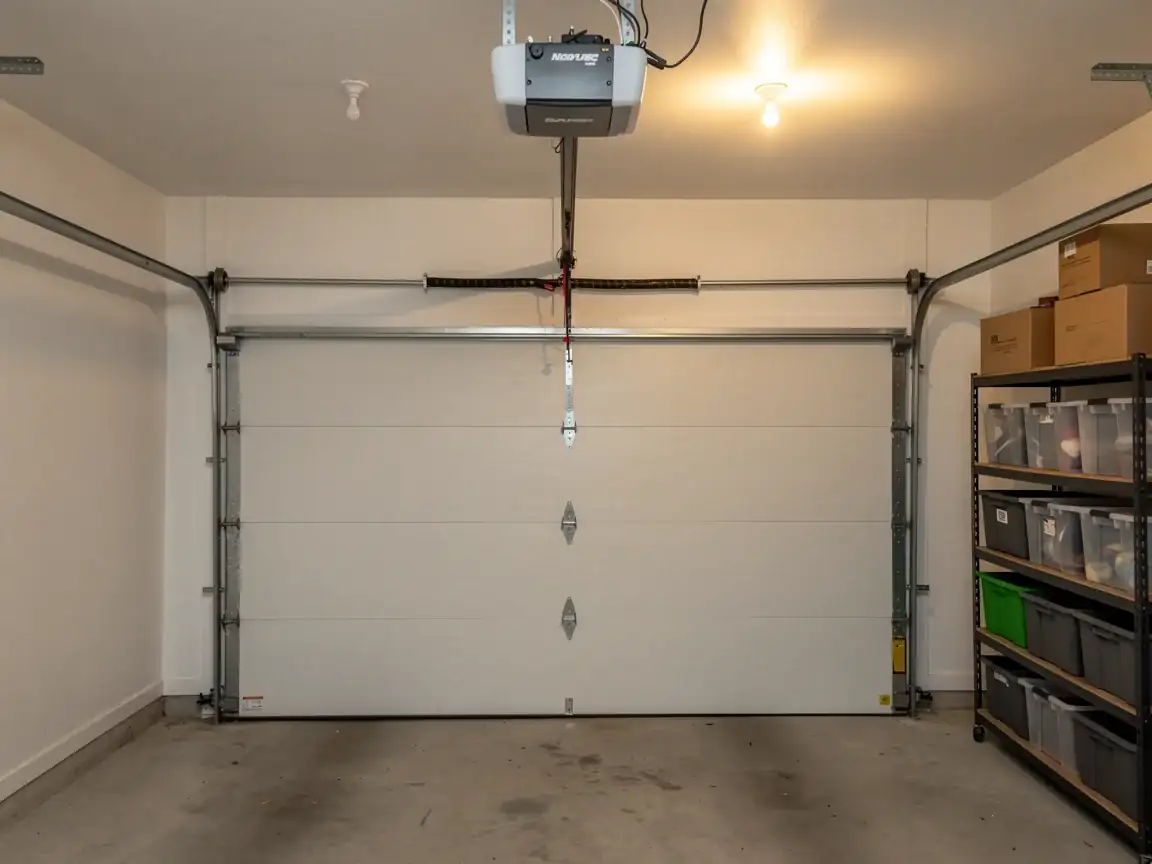
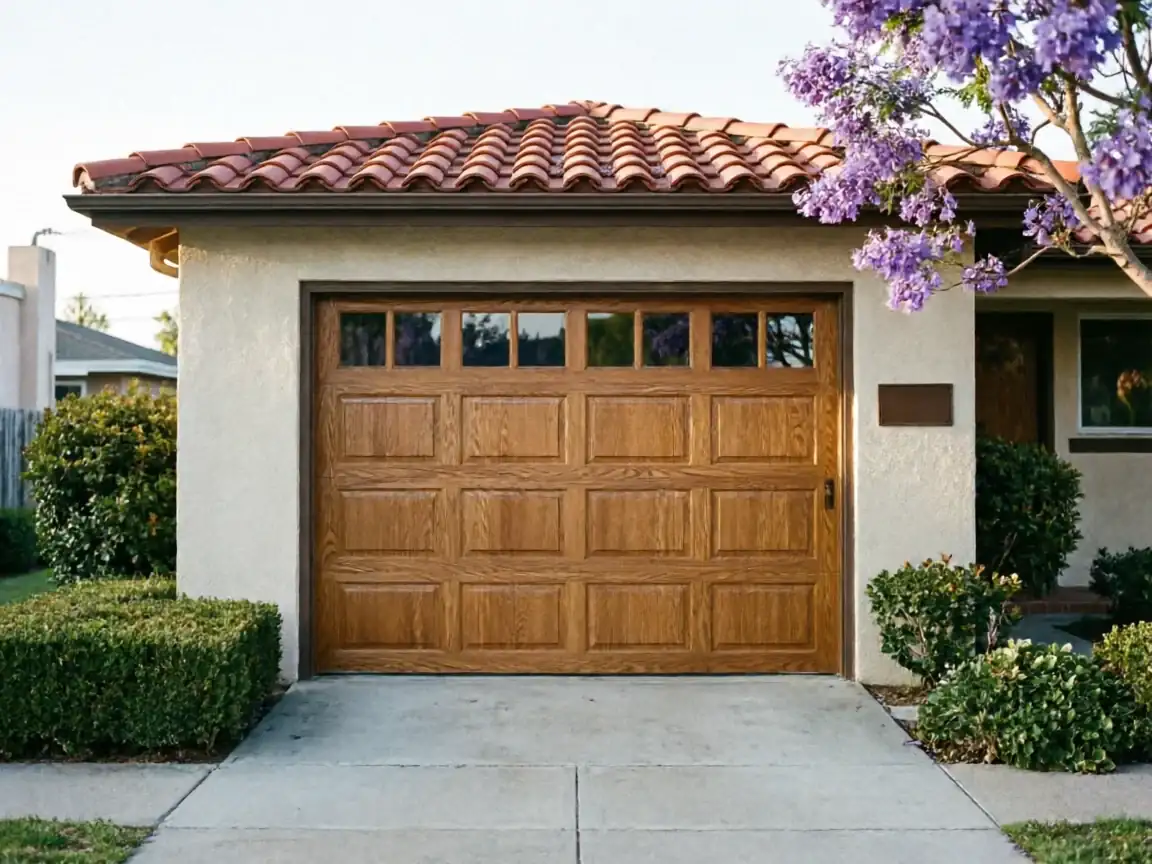
What matters more once we're actually at the door is the age of the house behind it. The median home in Garden Acres went up around 1958, well ahead of the 1977 median for the wider service area. That's a lot of original hardware still in service - torsion springs sized for doors that have been repainted or replaced since, brackets that were never meant to carry a heavier insulated panel, and tracks mounted to framing that's settled over sixty-plus years. A maintenance visit on a house like this isn't the same job as one on a 1990s build. We're checking for fatigue and mismatch, not just dust and lube.
Where it goes sideways is when someone treats a 1958 door like a new one - tightens what looks loose, oils what looks dry, and misses that the real problem is a spring rated for a door that's since been swapped out from under it.
What It Costs
We don't have a posted maintenance price specific to Garden Acres
And we're not going to invent one here. What we can tell you is what tends to drive the number up on houses this age: original hardware means more time spent checking spring wind and bracket fit before we even get to lubrication and balance, because a worn part on a 60-year-old door isn't always obvious until you load it.
Garden Acres' median household income runs $62,895
Noticeably below the $93,993 median across the wider service area. We mention that because it shapes a real conversation we have on these calls: whether a part gets replaced now or watched for another year. On an older door, that's often the more useful question than the flat cost of the visit itself.
If you want our general maintenance pricing and what's included
That's covered on our Stockton service page, not here.
Can You Do This Yourself
Some of it, yes. Wiping down tracks, checking that the door is reasonably balanced by pulling the release and lifting it by hand, and listening for grinding versus smooth roll - any homeowner can do that without tools.
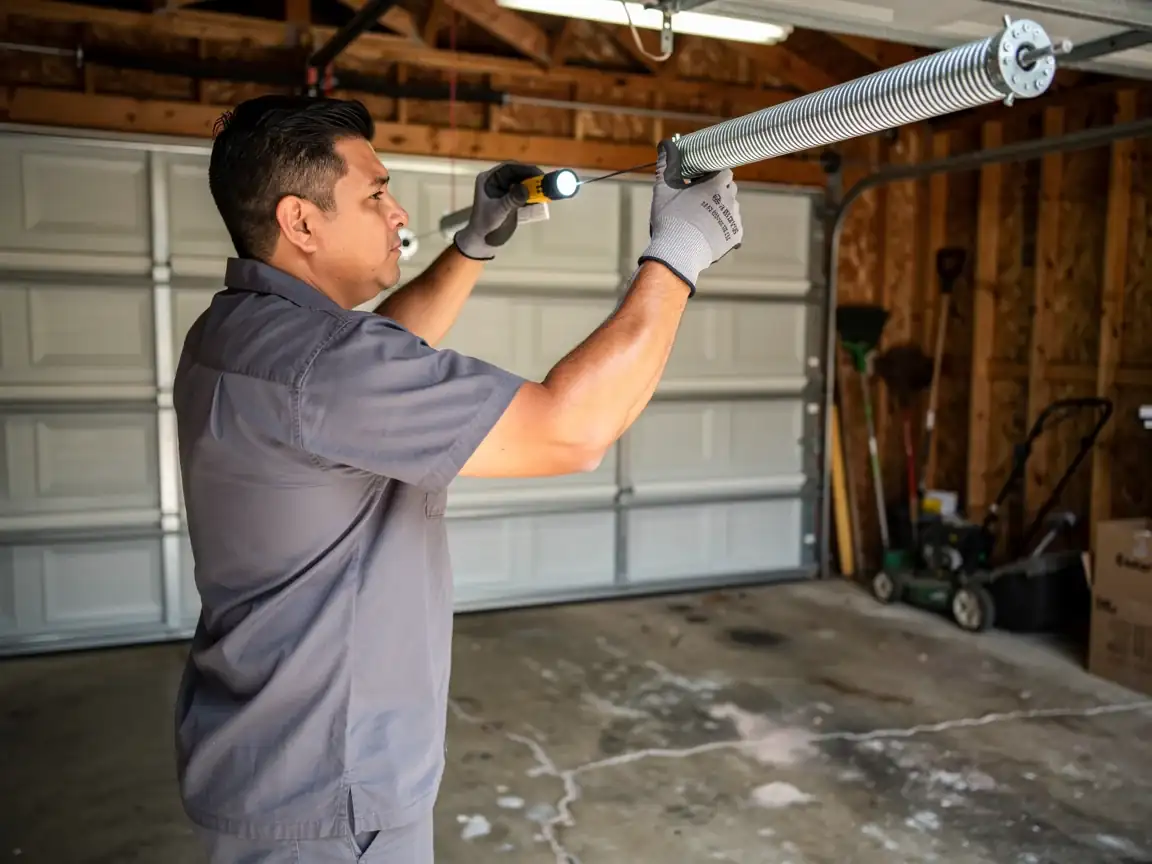
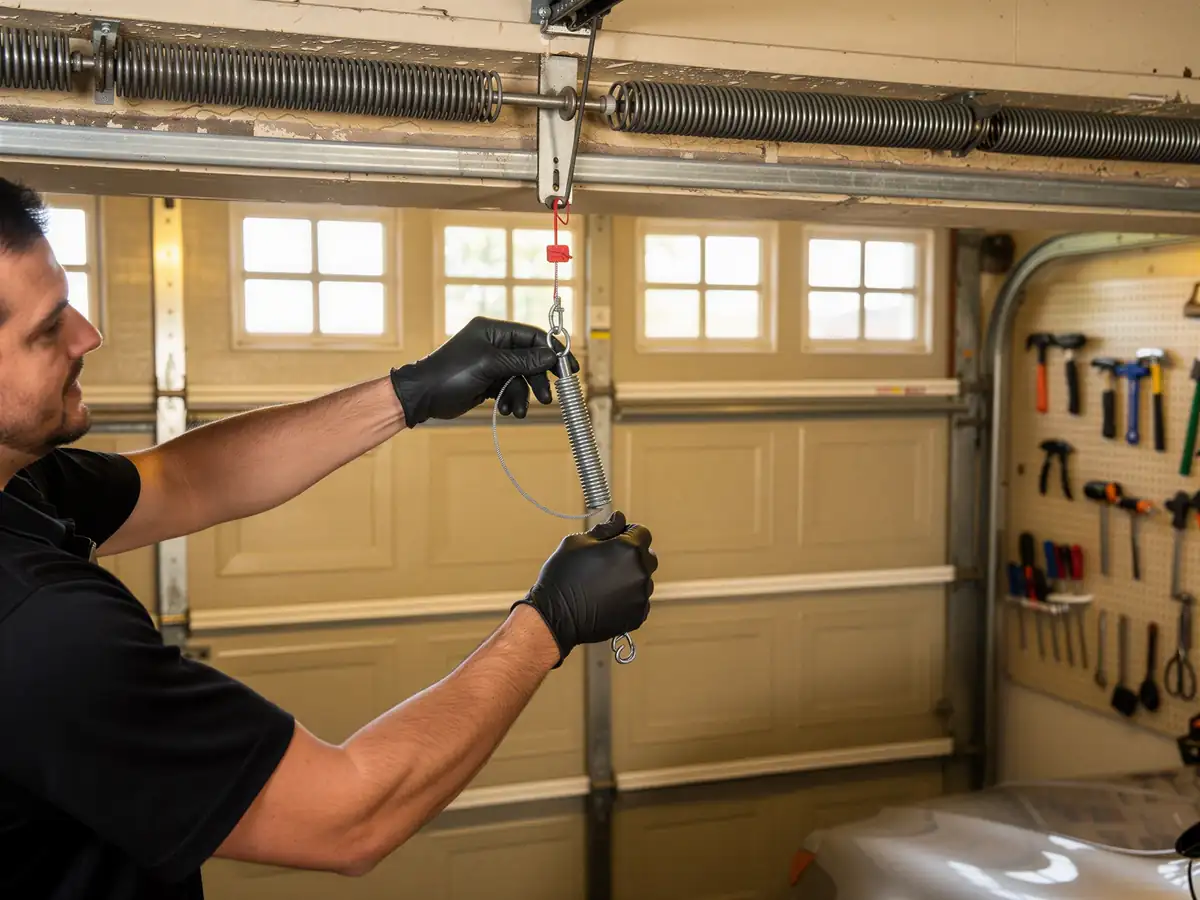
What we'd stop you from doing on a Garden Acres house specifically: touching the torsion spring. On hardware this old, the winding cones can be corroded or under-torqued from decades of small adjustments by whoever owned the place before you. That's not a DIY spring job even for people comfortable with a drill and a socket set - it's a DIY spring job for nobody, honestly, but it's especially not one on a 1958-era door where you don't know the service history.
One honest limitation: we can't tell you from a phone call whether your specific door needs a tech out or just a homeowner once-over. If the door is from the original build and hasn't been serviced in years, we'd rather look at it than guess.
Time on the Job
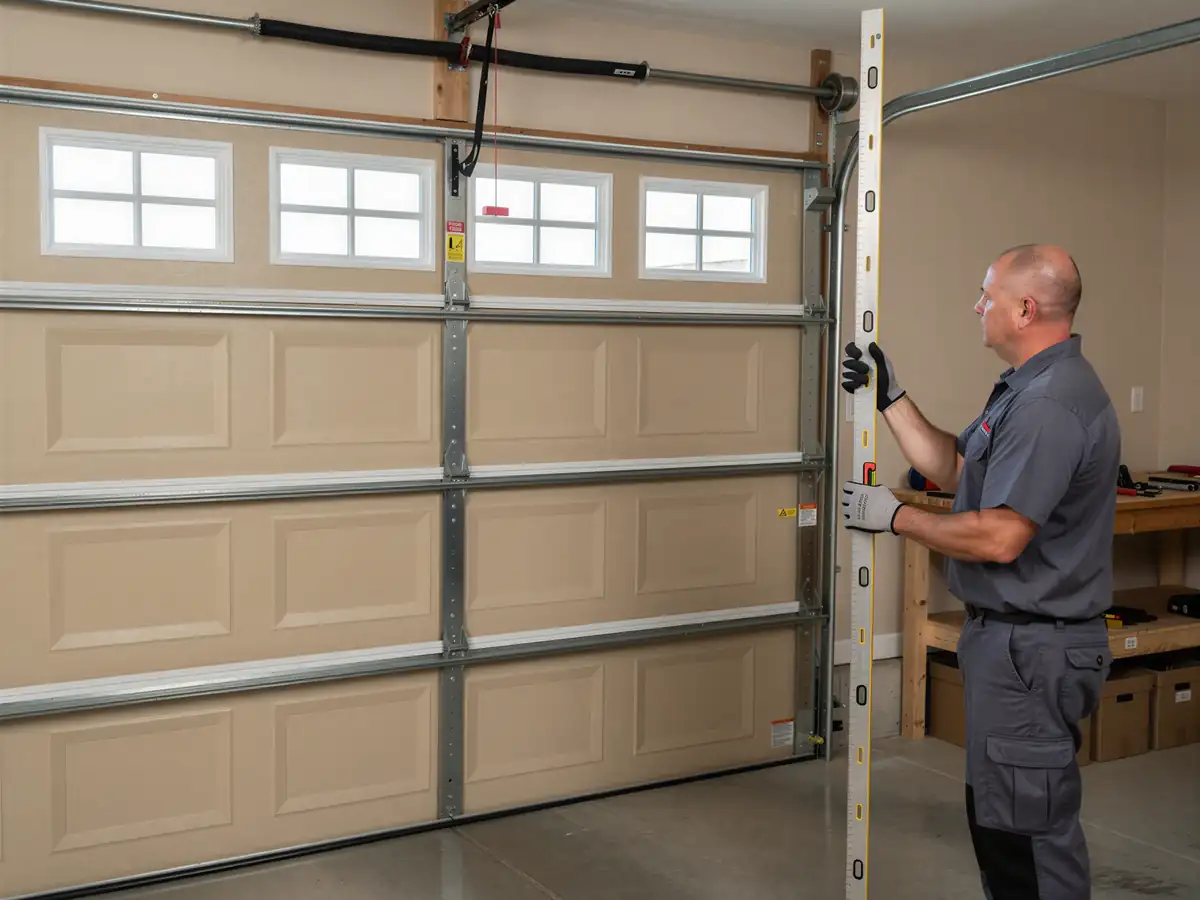
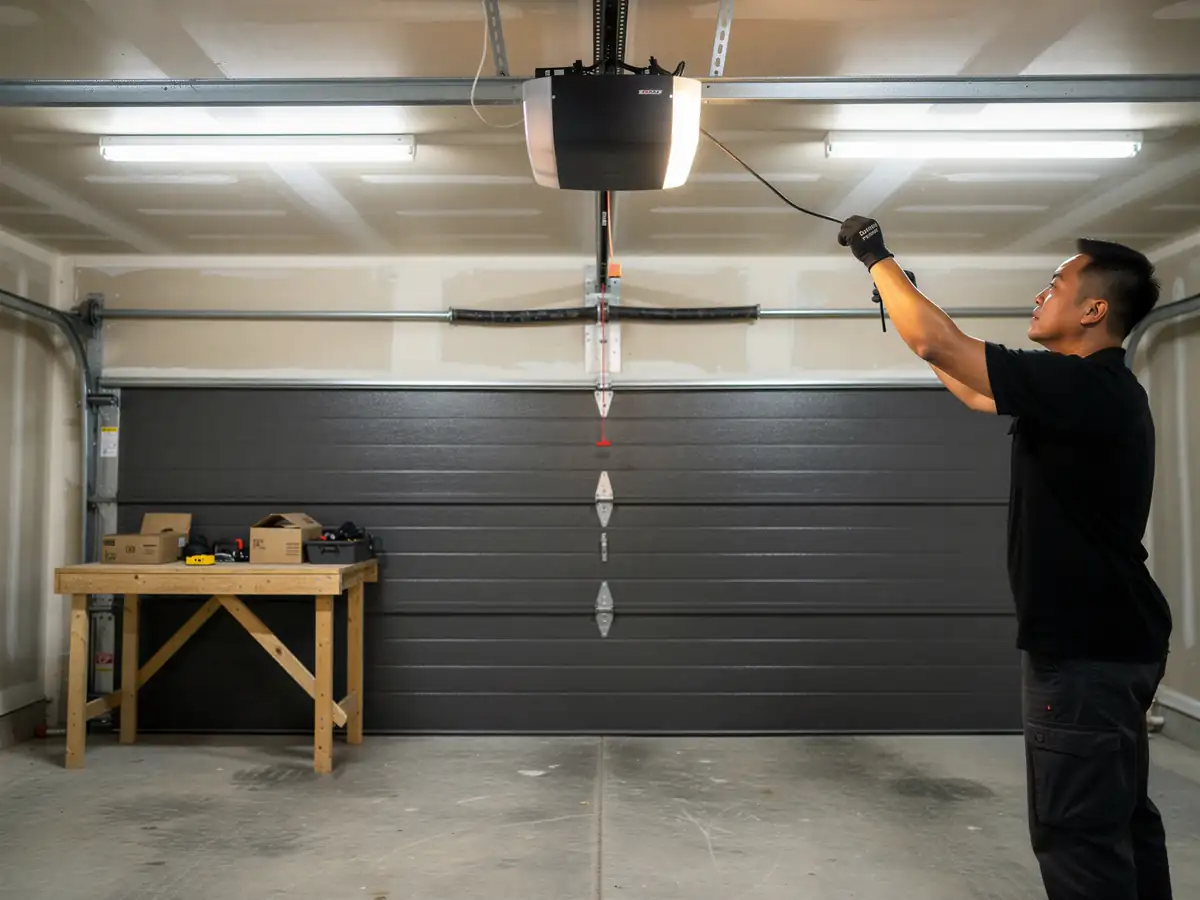
A straightforward maintenance visit - lubrication, hardware check, balance test, track and roller inspection - usually runs under an hour once the truck is actually at your house. The 4-mile trip from our Stockton base doesn't add meaningfully to that; it's the condition of the door, not the drive, that decides how long we're there.
Where time adds up is the original-hardware factor again. If we find a bracket that's worked loose from the framing, or a spring that's audibly fatigued, that's a conversation and sometimes a follow-up, not something we rush through on the first visit. We'd rather tell you a second trip is needed than force a fix that doesn't hold.
We don't commit to a same-day or next-day window on this page - that's a scheduling detail, not a maintenance fact, and it changes with the week.
How It Shows Up
On a Garden Acres door from the 1958 era
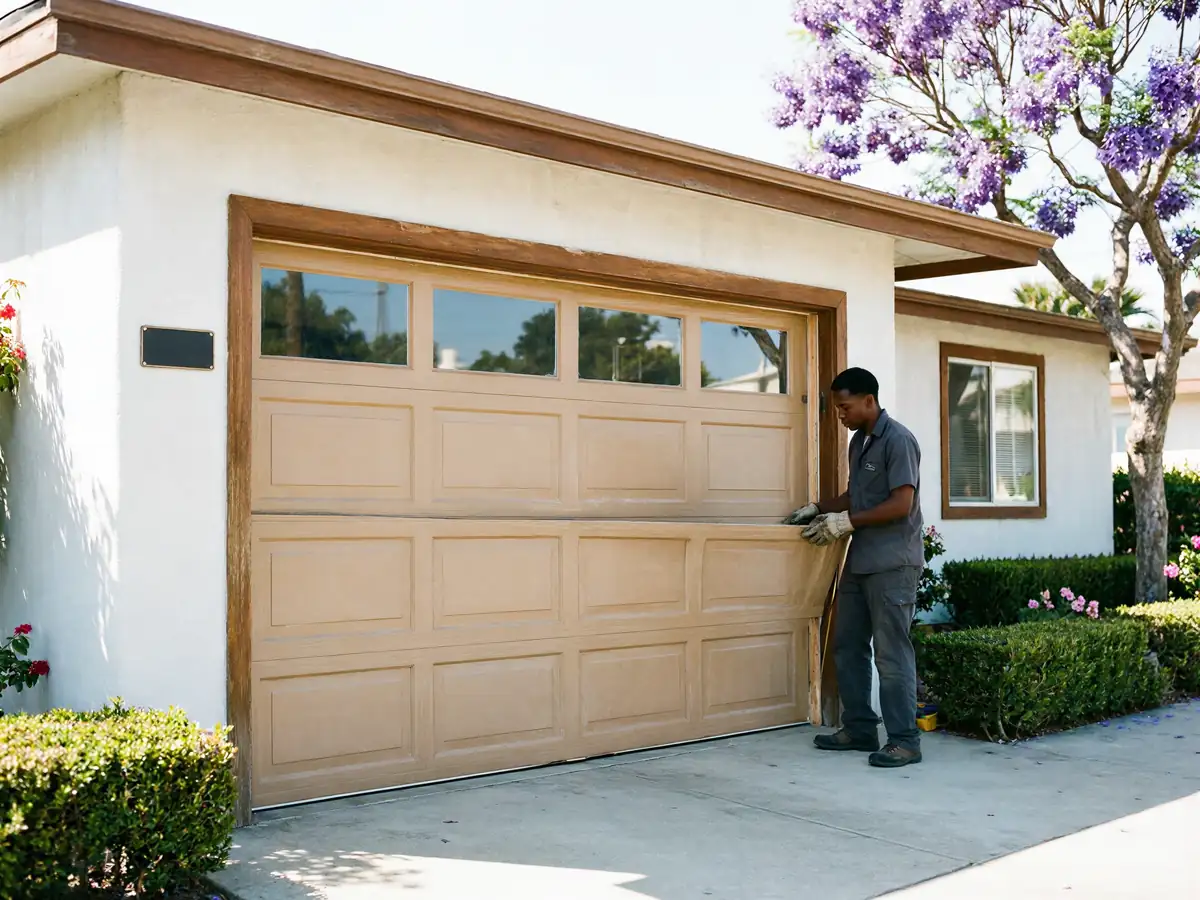
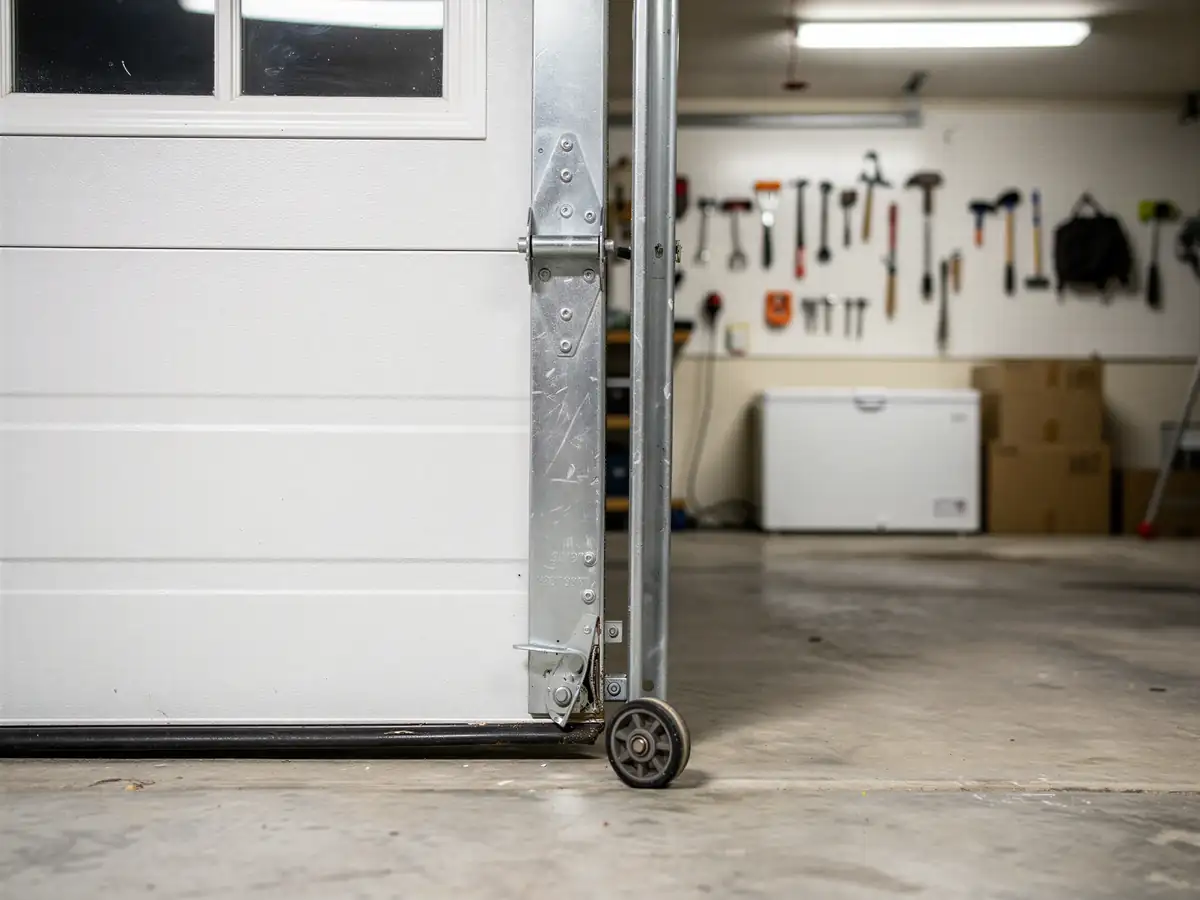
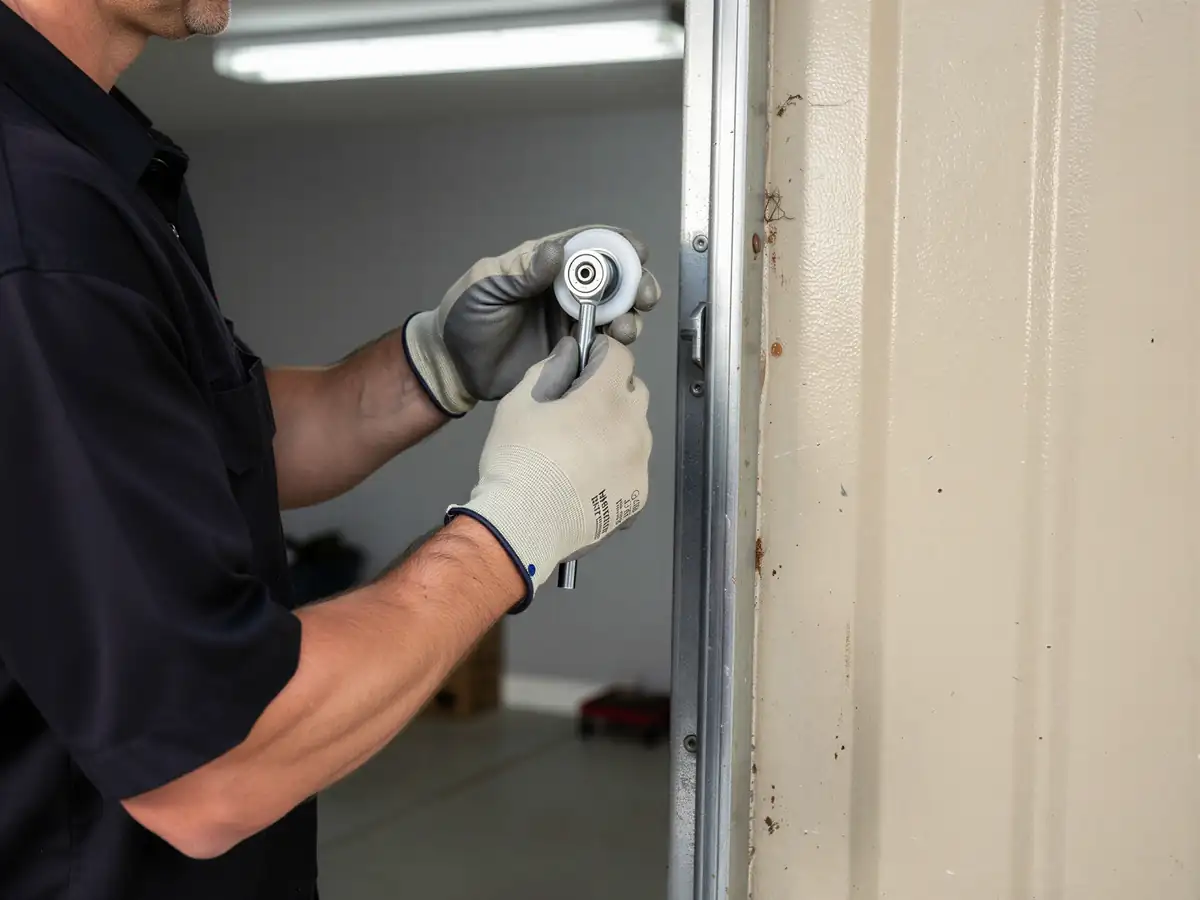
The warning signs tend to be quieter than a dramatic failure. A door that used to glide now hesitates a few inches up - that's often a spring losing tension gradually rather than snapping. A faint grinding on the way down, especially near the bottom panel, points to rollers that have outlived their bearings, common on hardware nobody's touched since the original install.
Stockton's climate here runs on the moderate-heat side rather than extreme
So we're not chasing the kind of expansion-and-contraction cracking you'd see in a harsher swing climate. That's one thing working in these older doors' favor - the hardware fatigues from age and use, not from the weather beating on it.
If your door has started needing a shove partway through the cycle
Or the opener strains and reverses on the way down, that's worth a look before it becomes a spring that lets go entirely.