Where This Job Goes Sideways
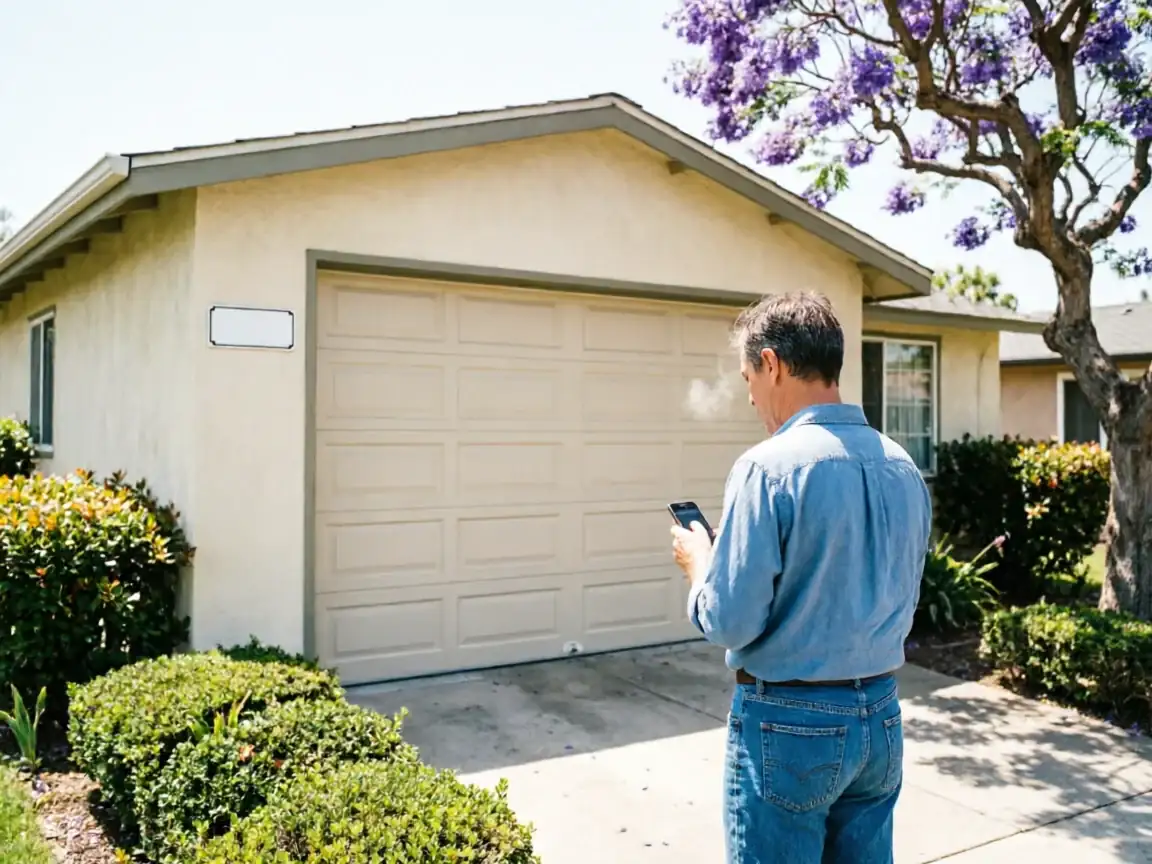
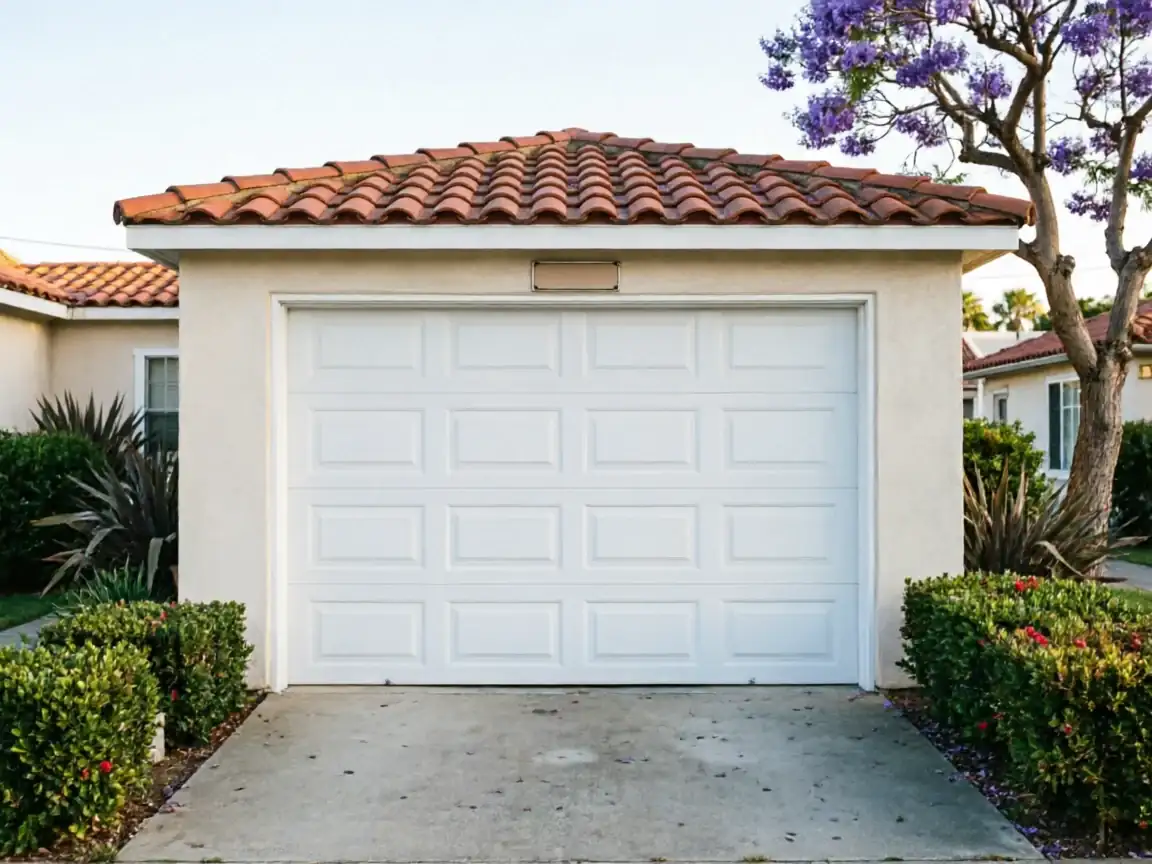
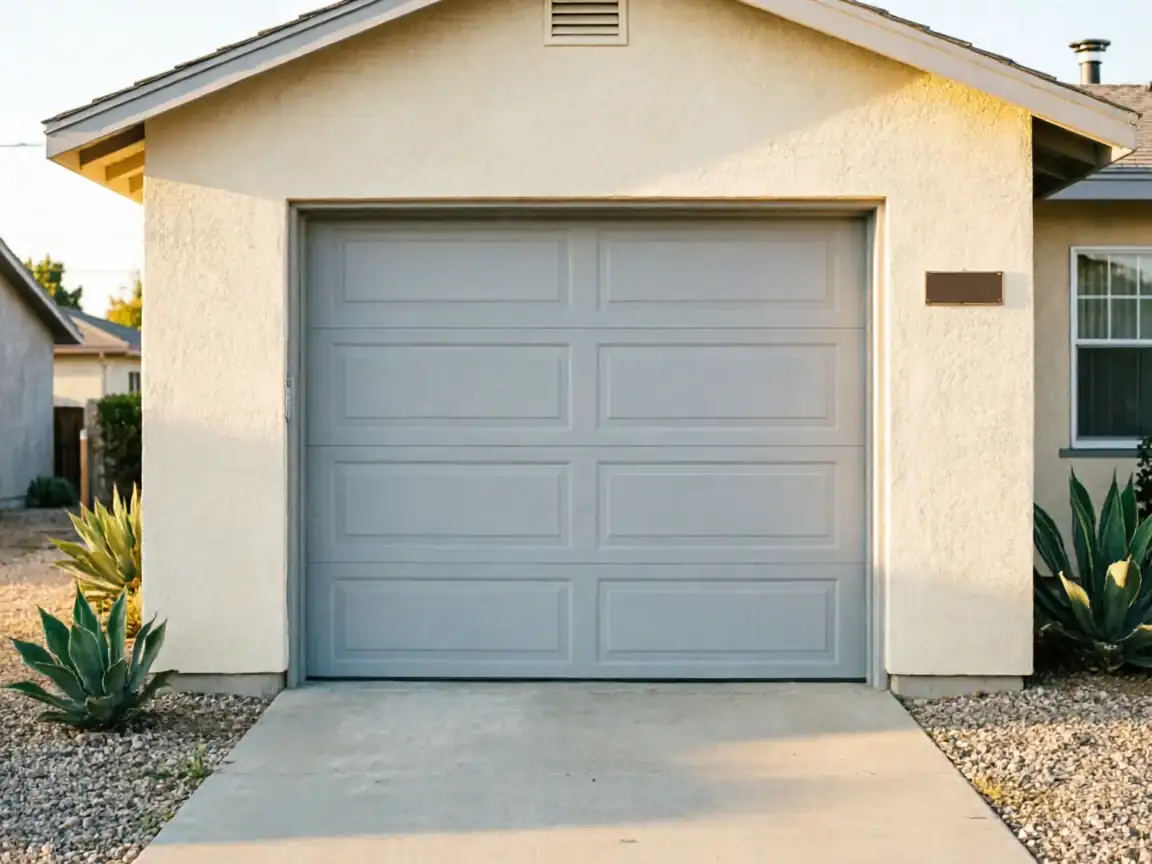
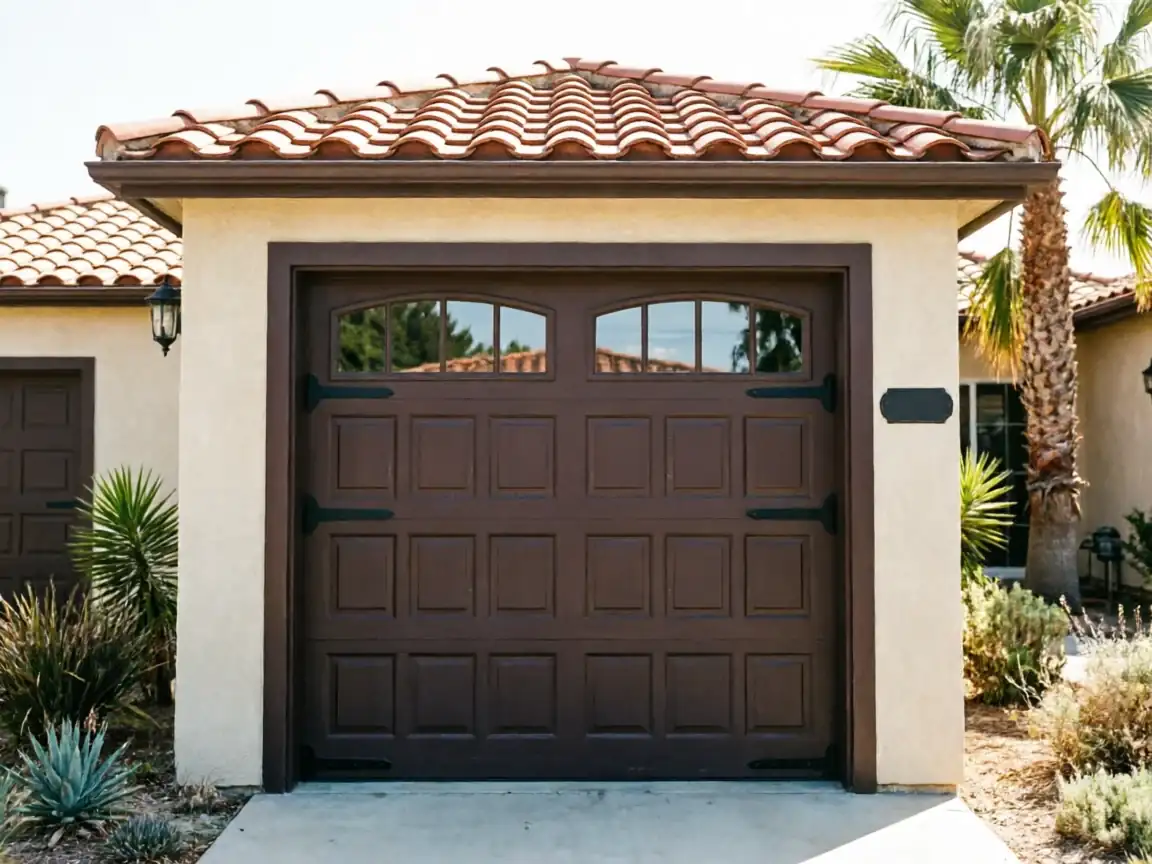
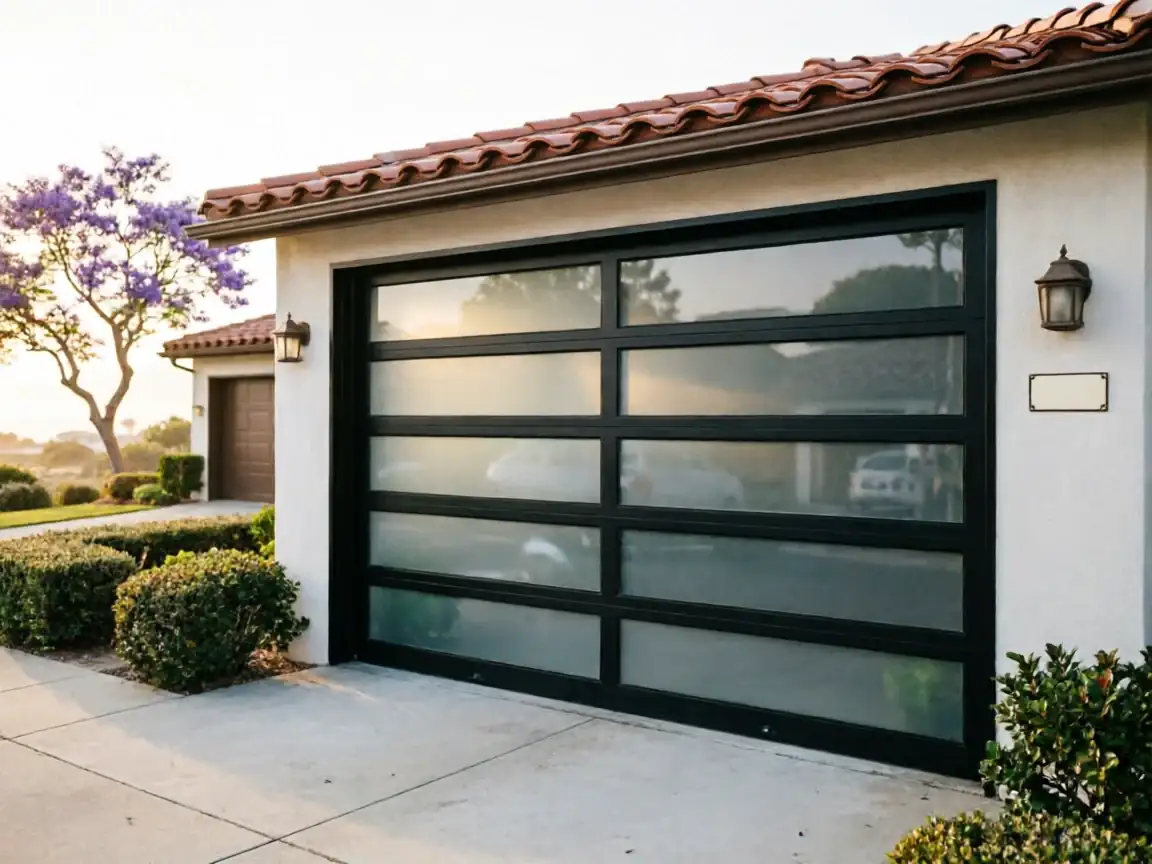
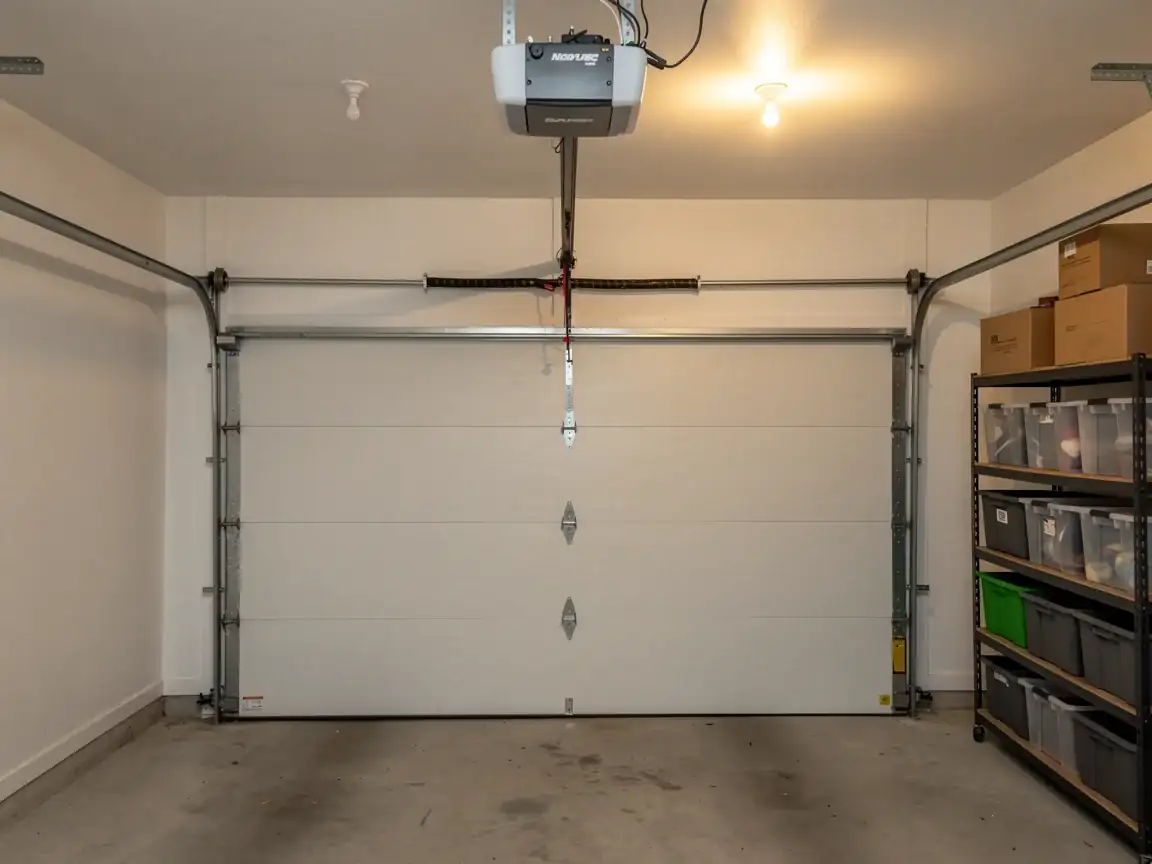
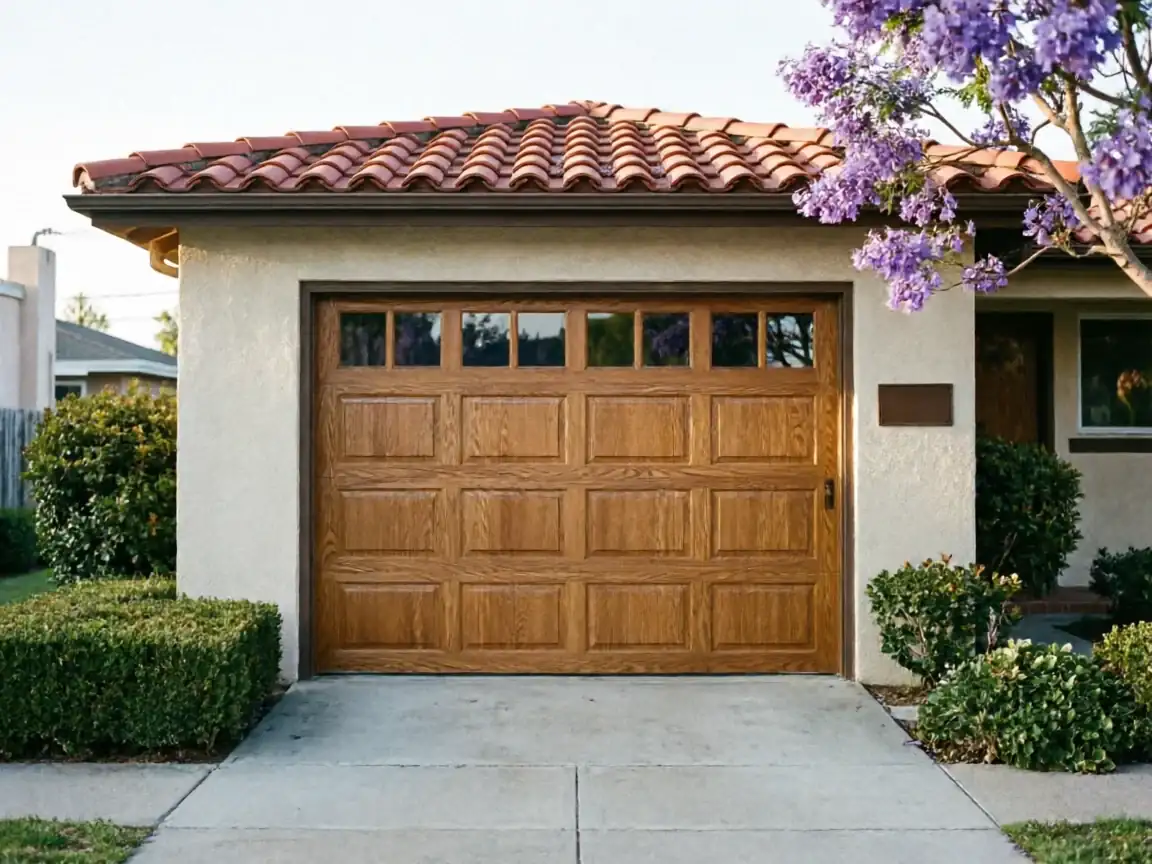
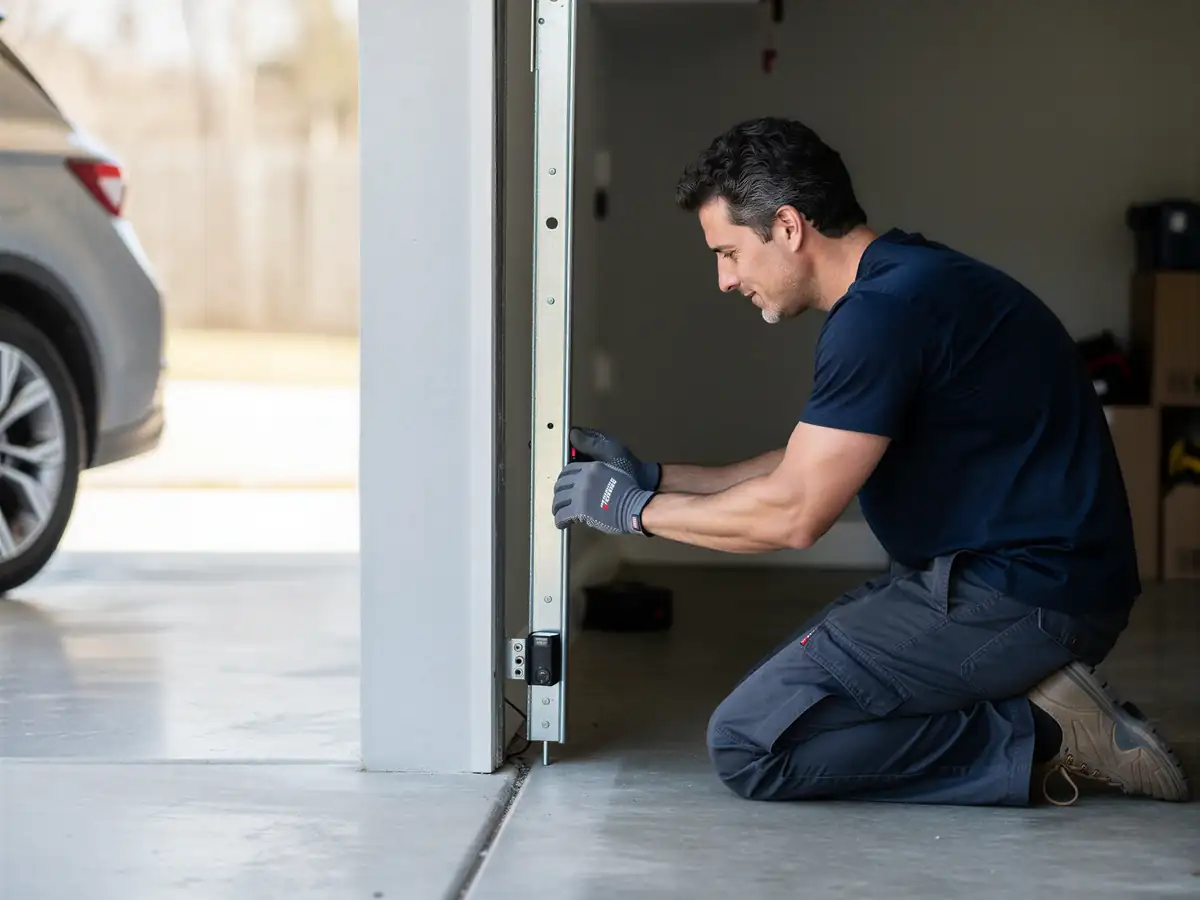
Garden Acres sits about 4 miles from our shop in Stockton, and the garages here are older than a lot of what we see elsewhere in the service area. The median year built in Garden Acres is 1958, which puts most of these houses well ahead of the broader area's 1977 median. That age gap matters on an opener job. A 1958 garage was framed for a different kind of door and a different kind of bracket than what ships on today's openers. The header above the door is often shallower, the bracket that carries the opener rail sometimes has no reinforcement behind it, and the wiring nearby was never meant to carry a dedicated circuit. We've seen jobs where the hardest part isn't hanging the opener - it's building a solid mounting point first. If your garage still has the original framing, budget for that extra step instead of being surprised by it on install day.
Can You Do This Yourself
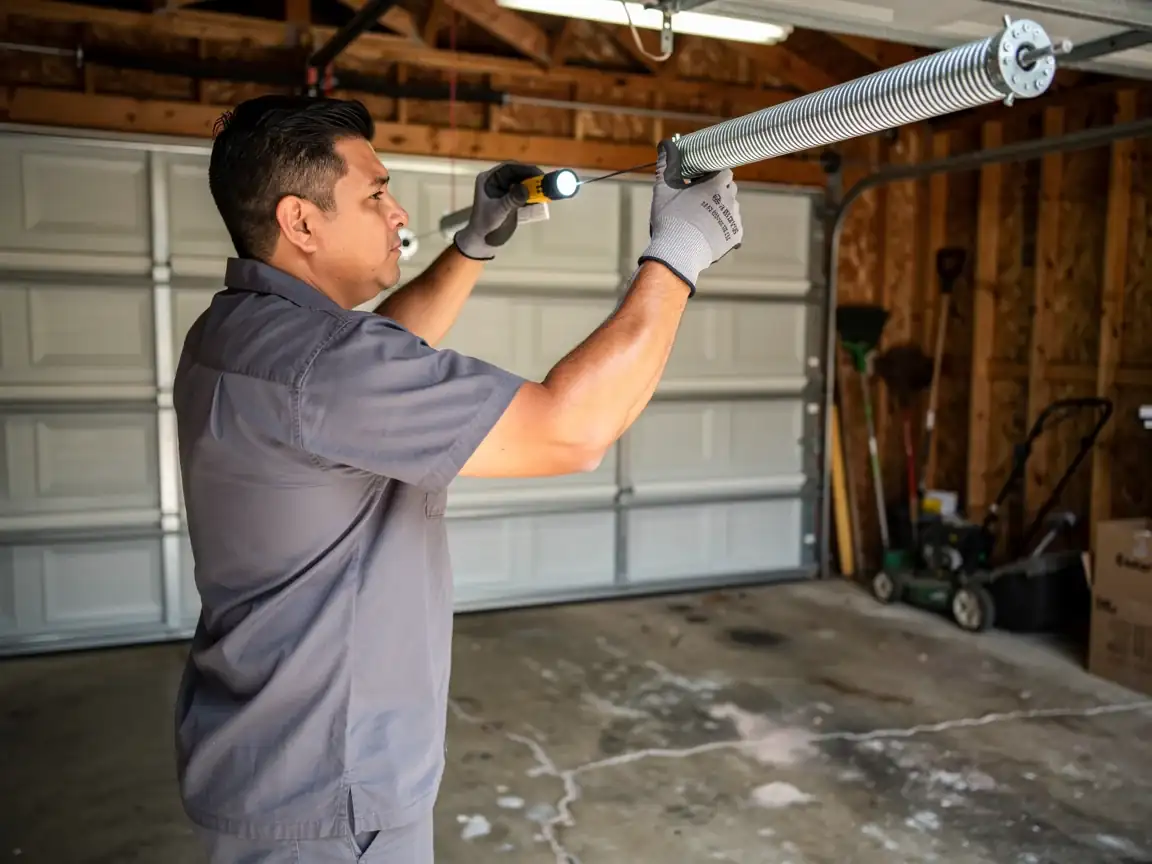
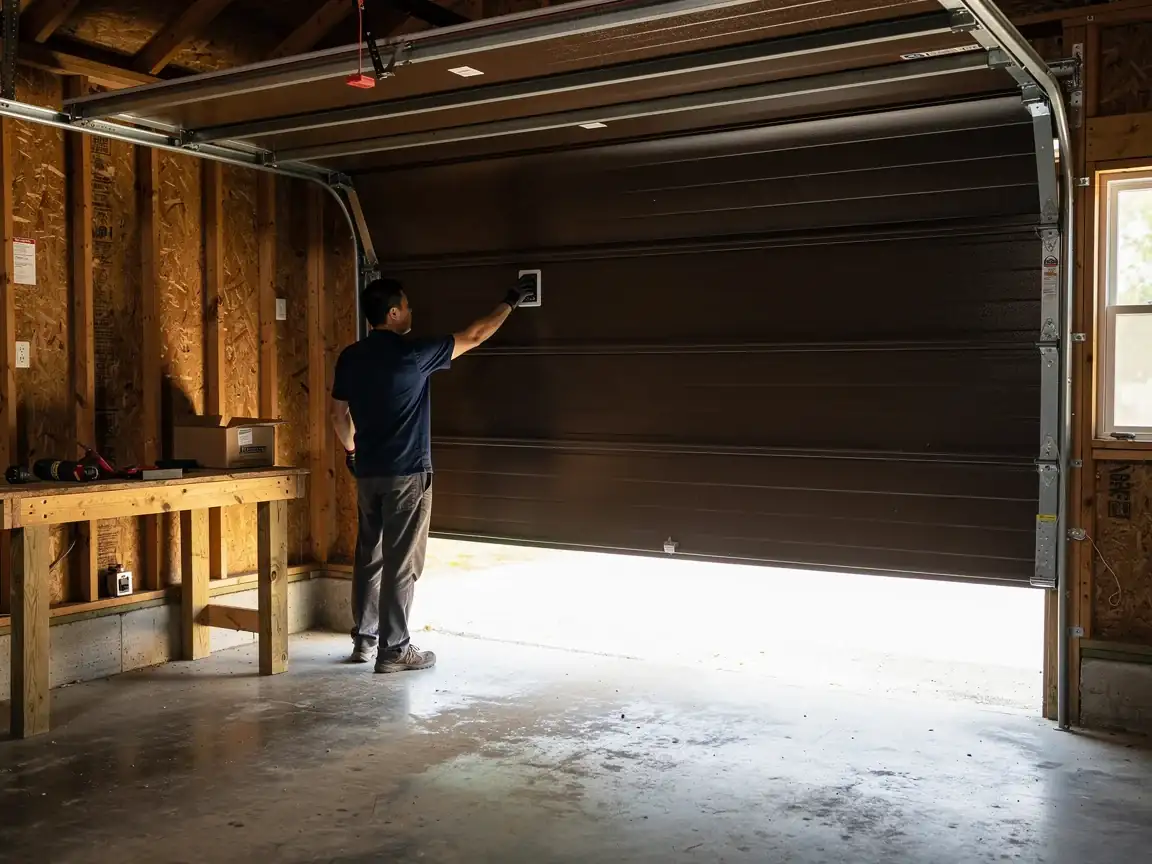
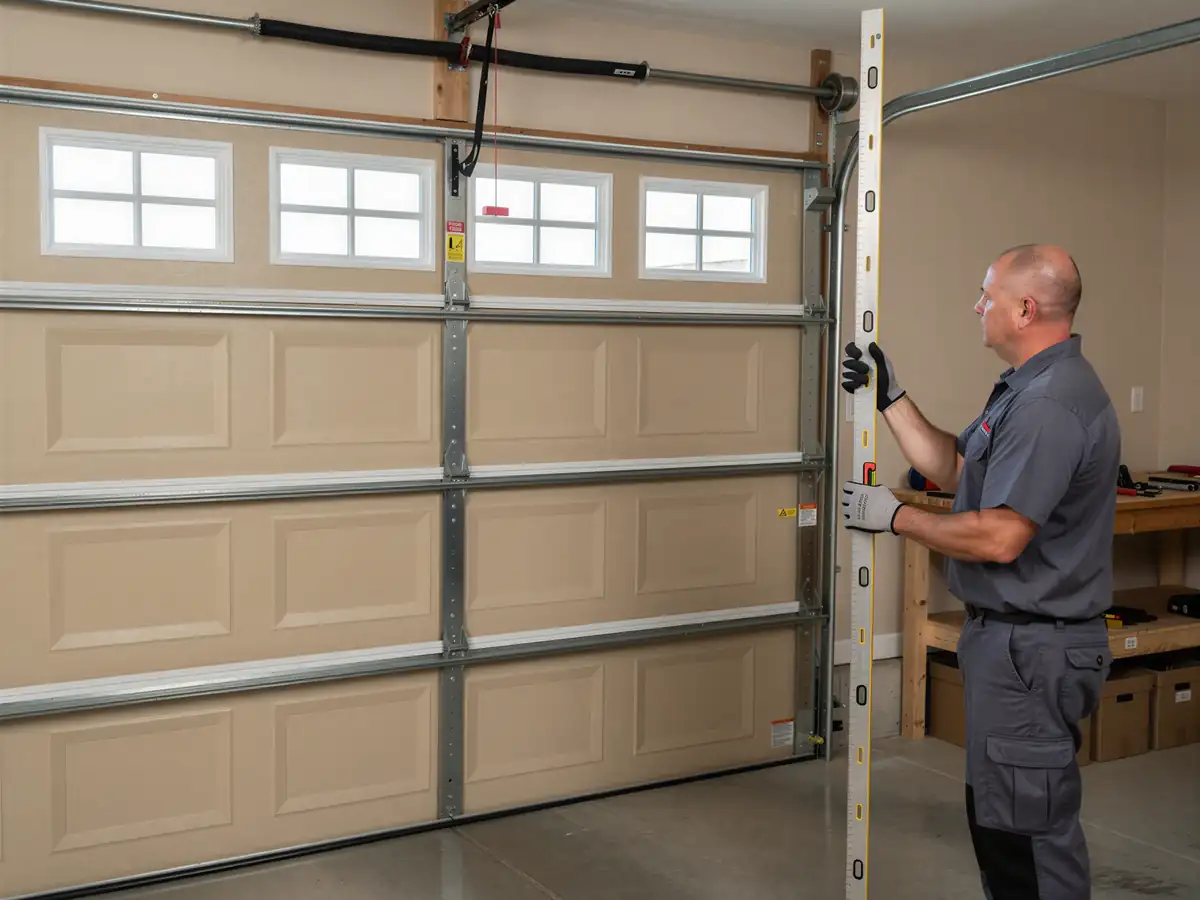
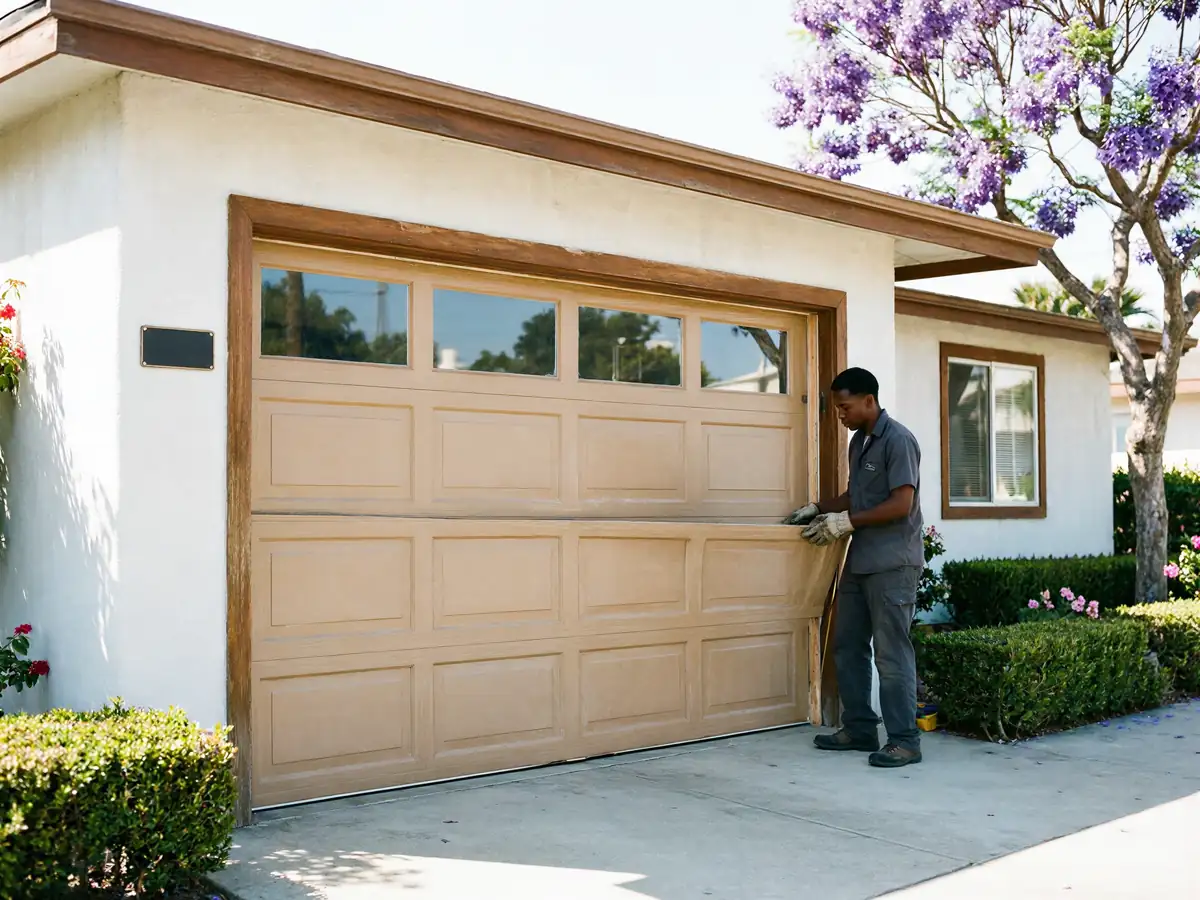
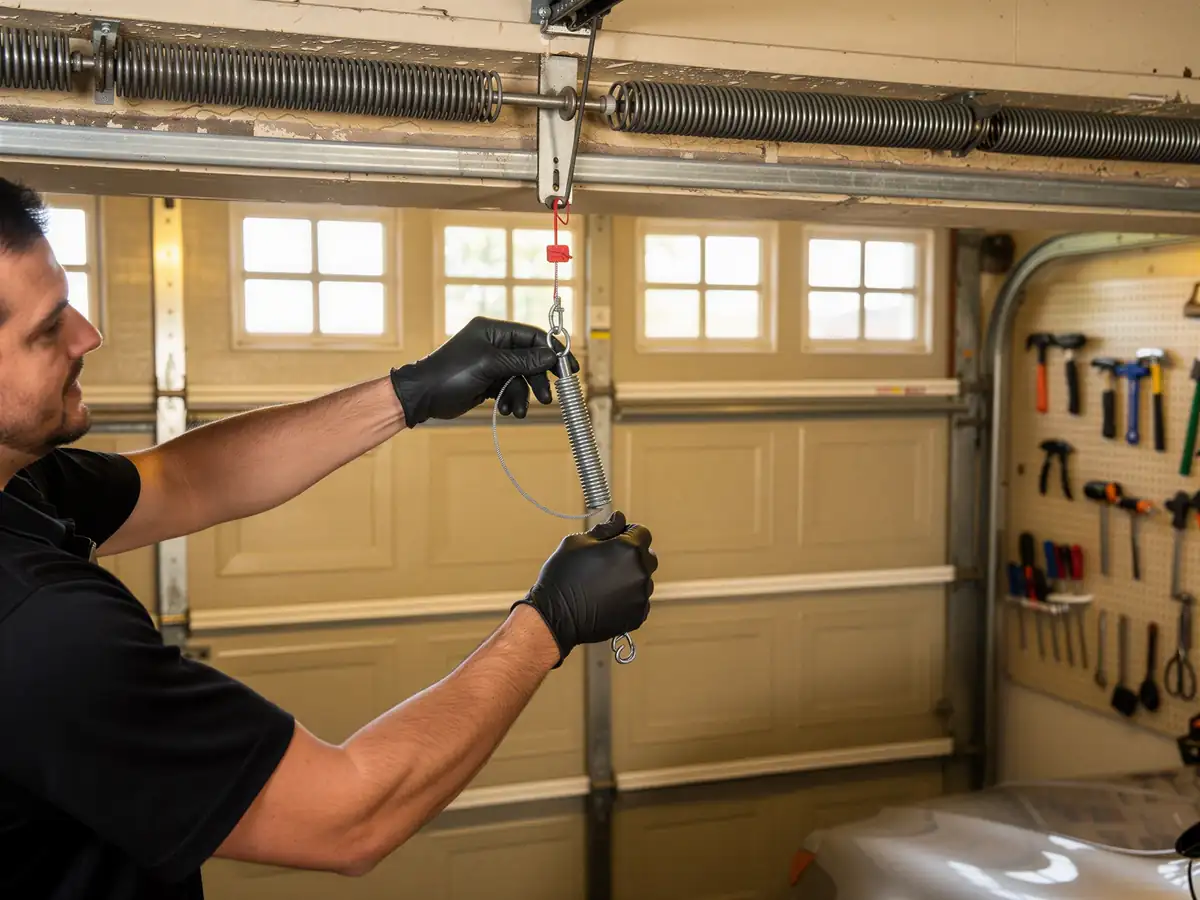
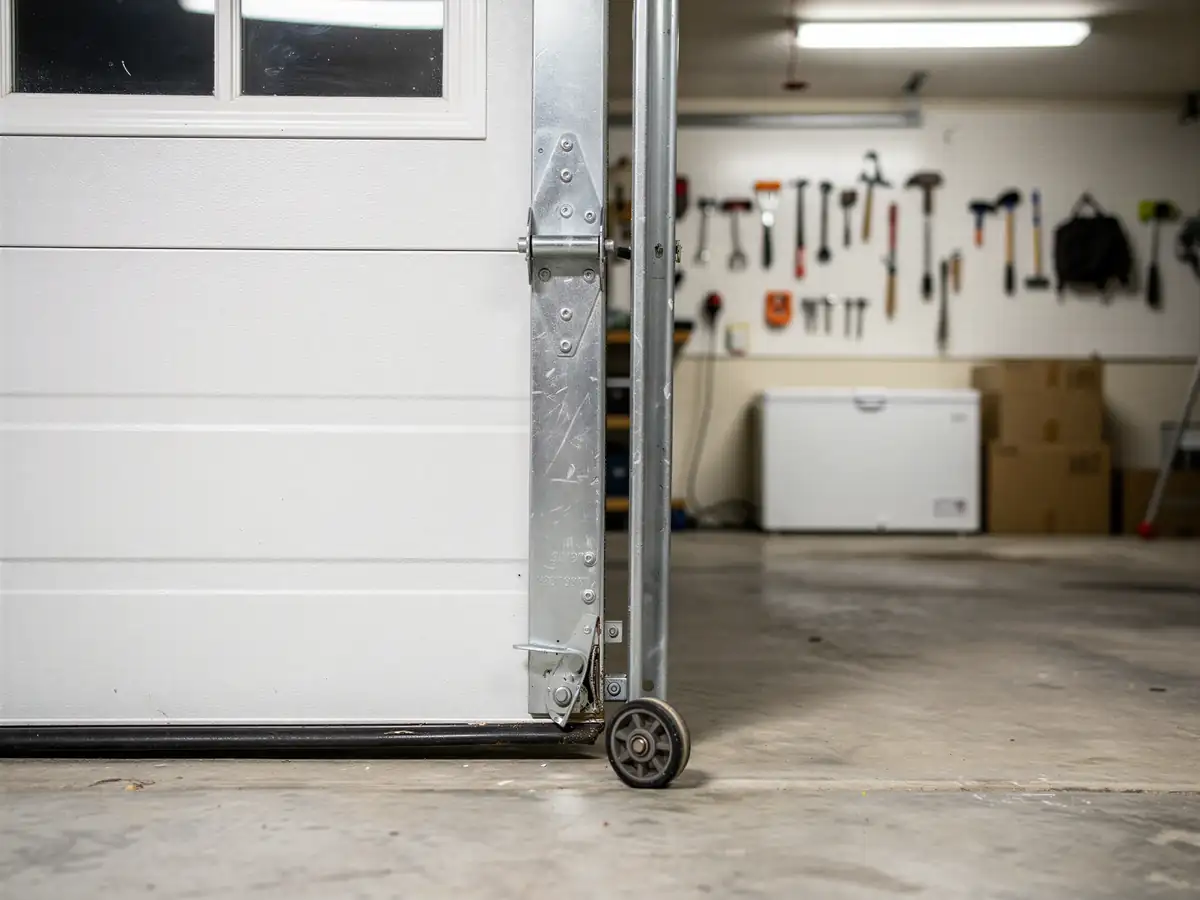
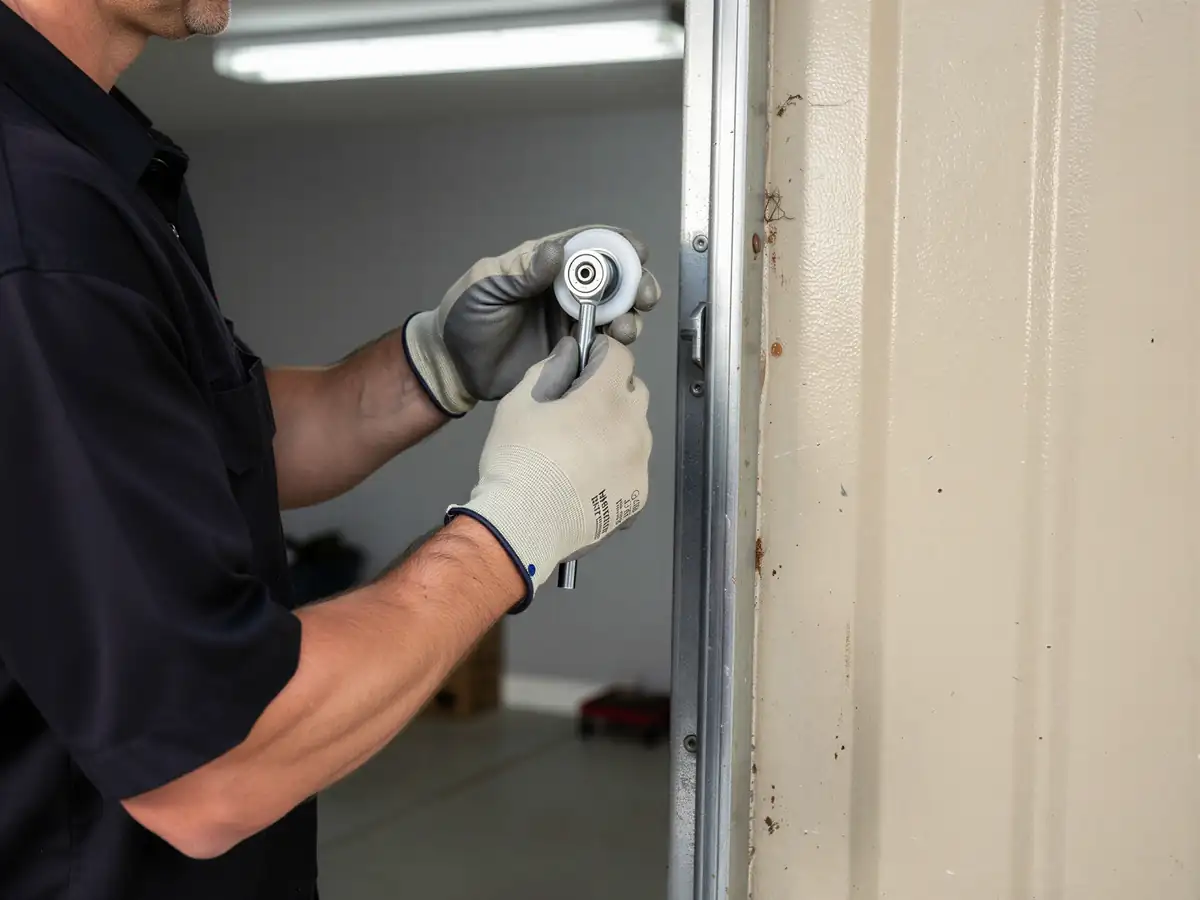
Swapping a chain-drive opener for a belt-drive unit on a modern garage with standard framing is a job plenty of handy homeowners pull off. Garden Acres garages make that harder than average. With a 1958 median build year, you're more likely dealing with a header that needs sistering, a track alignment that's off because the door itself has sagged over six decades, or a junction box that predates any grounded circuit. None of that is insurmountable, but it's also not what the opener's instruction sheet covers. Our honest limit here: we don't do structural carpentry. If the header needs real rebuilding - not just a reinforcement bracket - that's a job for a contractor first, opener install after. We'll tell you straight if that's what we're looking at before we quote anything.
Time on the Job
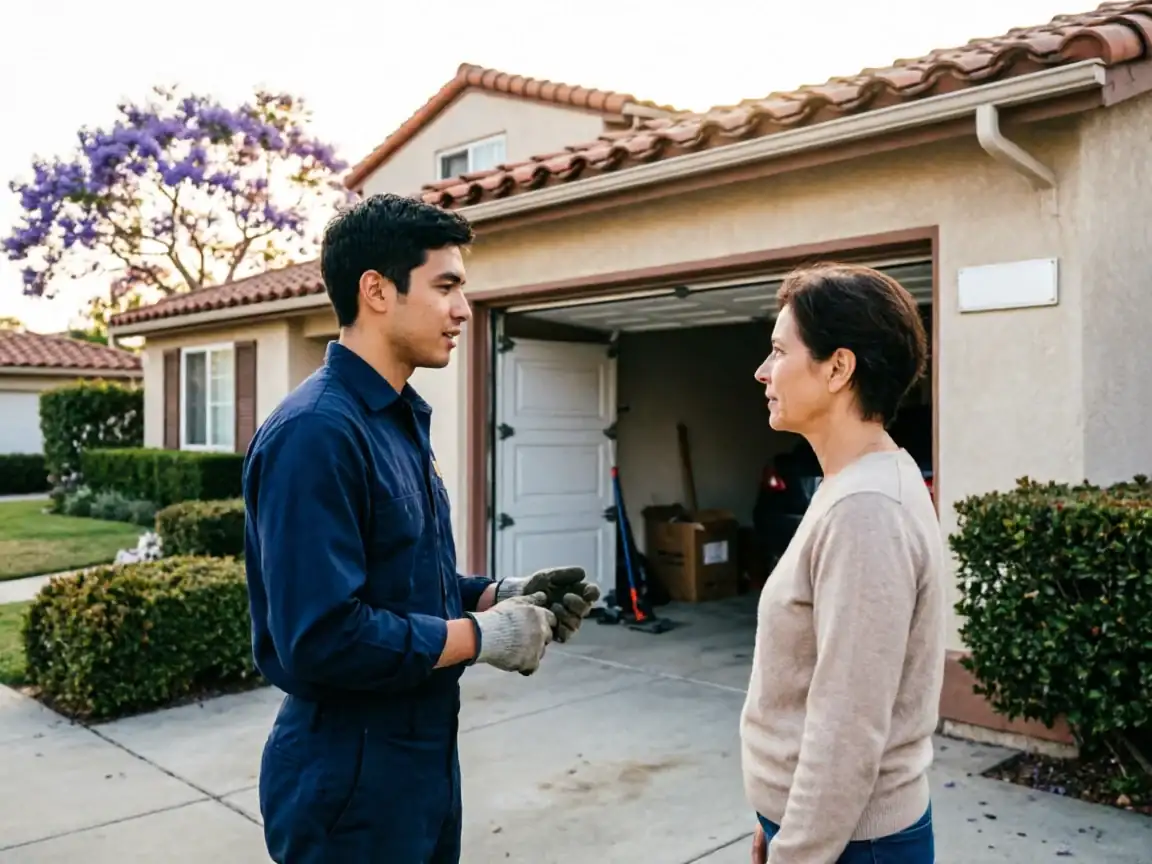
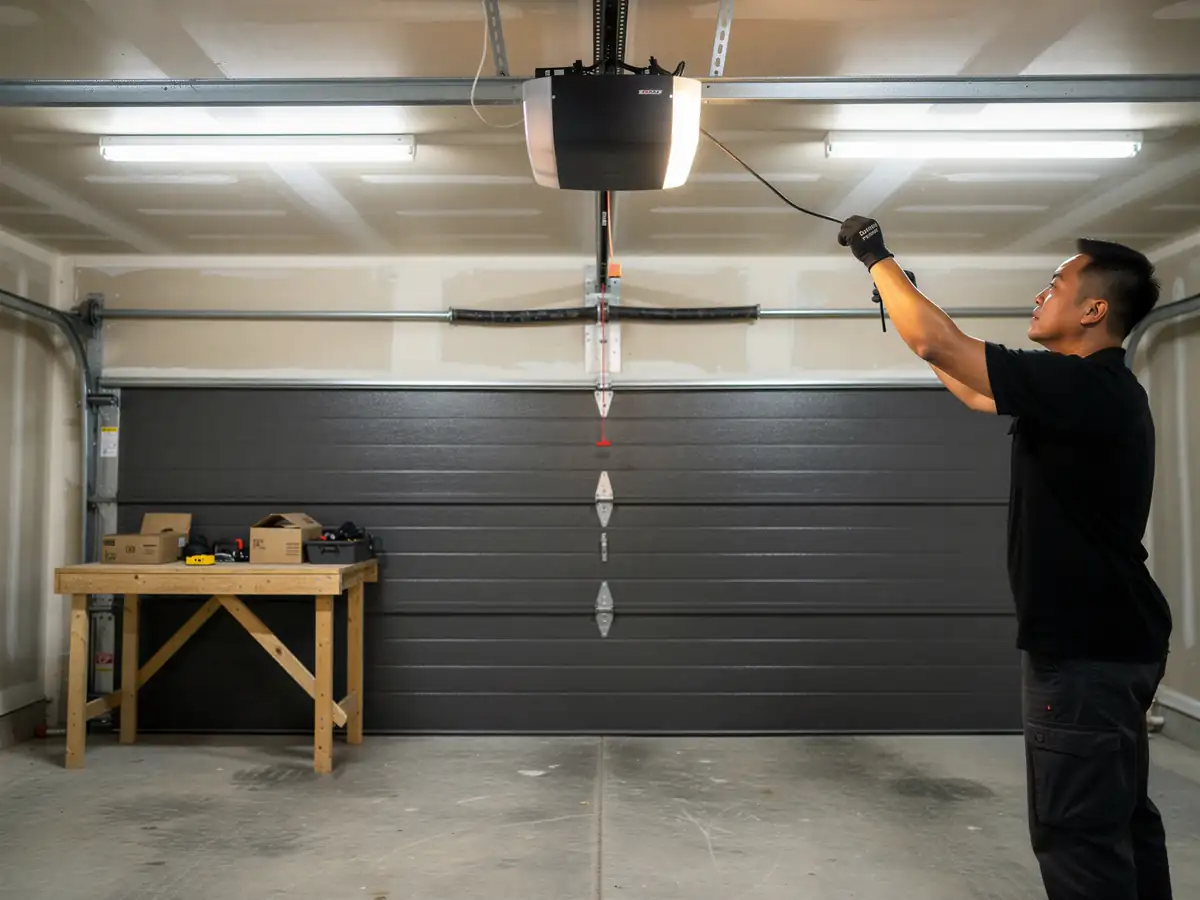
We run this job out of Stockton, about 4 miles from Garden Acres, so travel isn't the variable - what we find behind the door is. A straight swap onto existing, sound framing is a half-day job. Add a header reinforcement or a rewire for a dedicated circuit, and it runs longer. Stockton's climate band is moderate heat, which doesn't force any special scheduling the way extreme heat regions do, but it does mean we're not racing weather on install day the way crews are in hotter parts of the state. That gives us room to actually check the framing before we start drilling, instead of rushing to beat a heat window.