Where This Job Goes Sideways
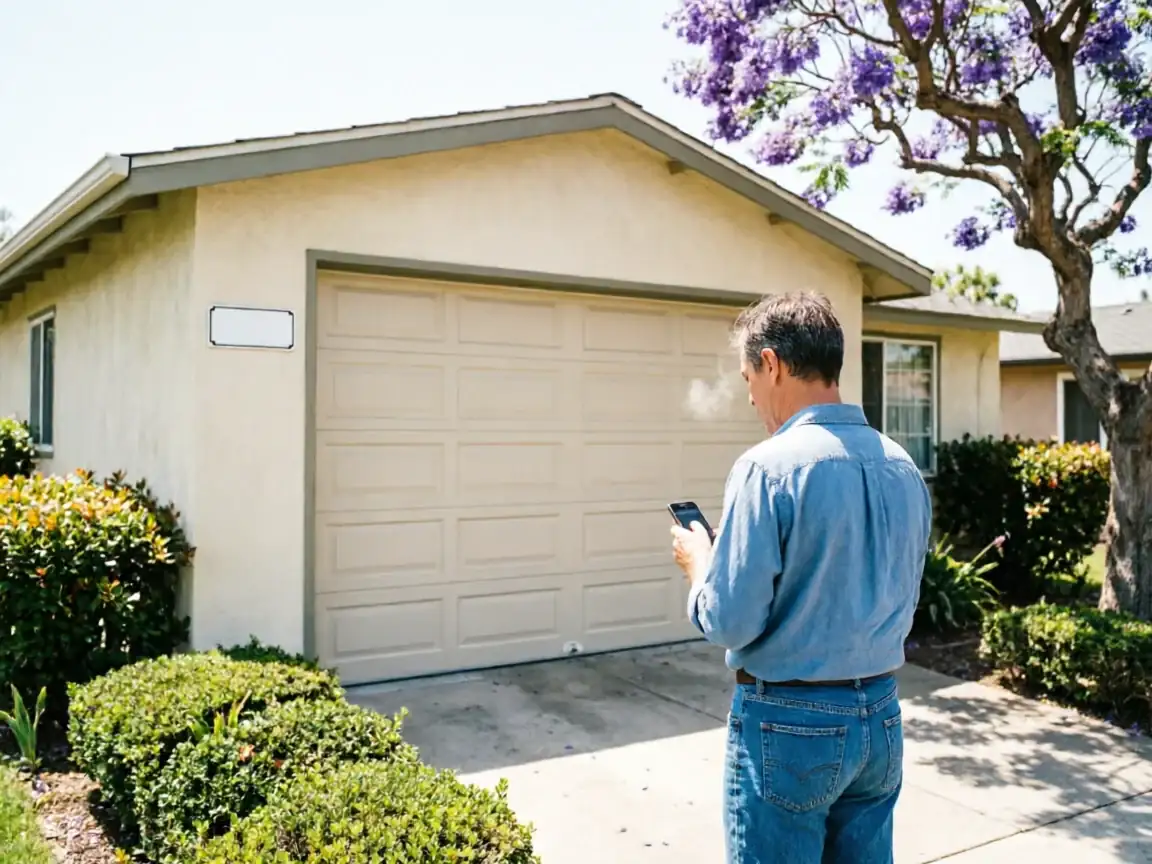
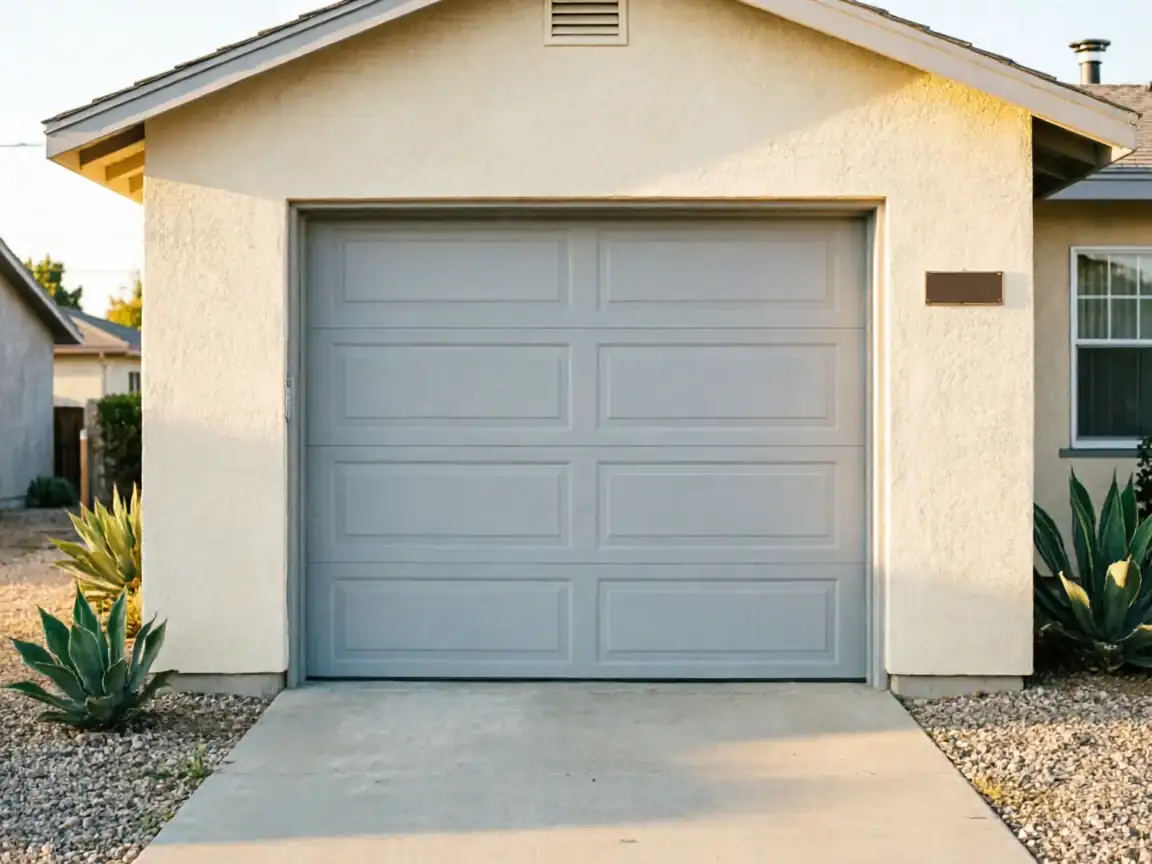
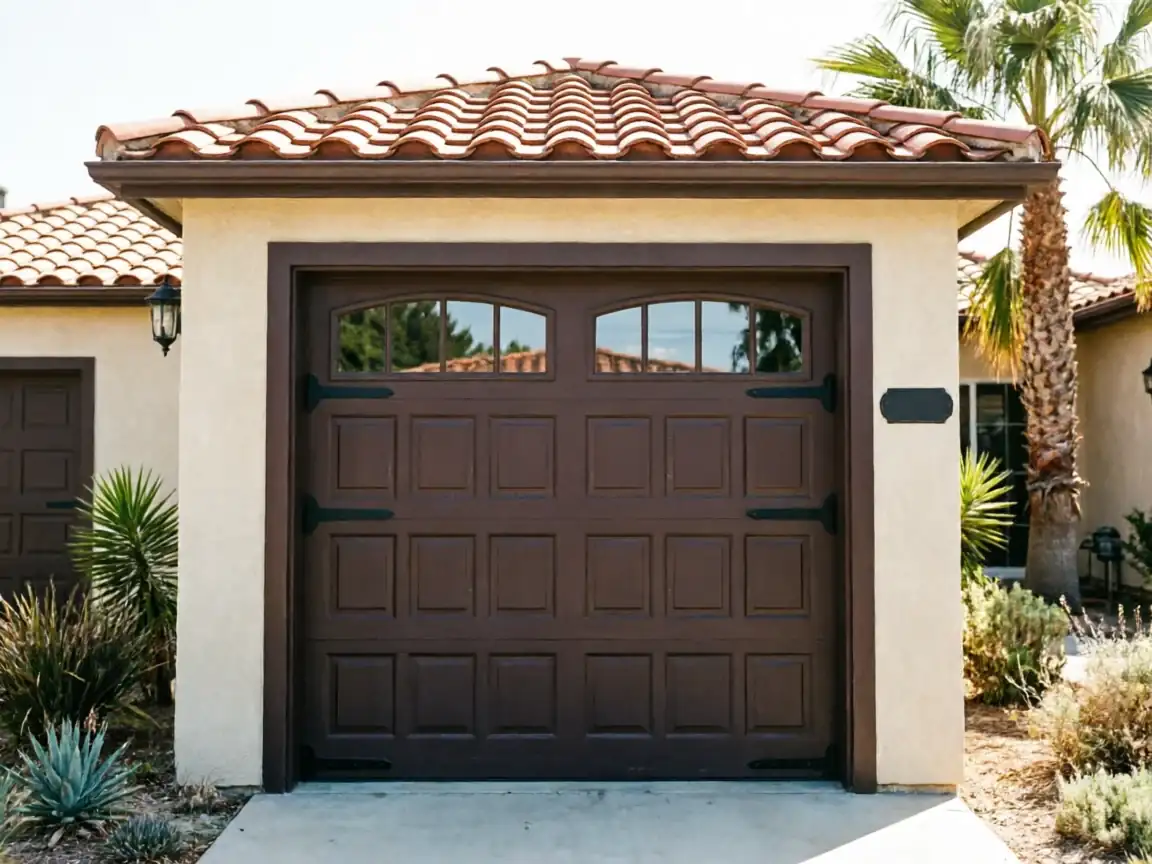
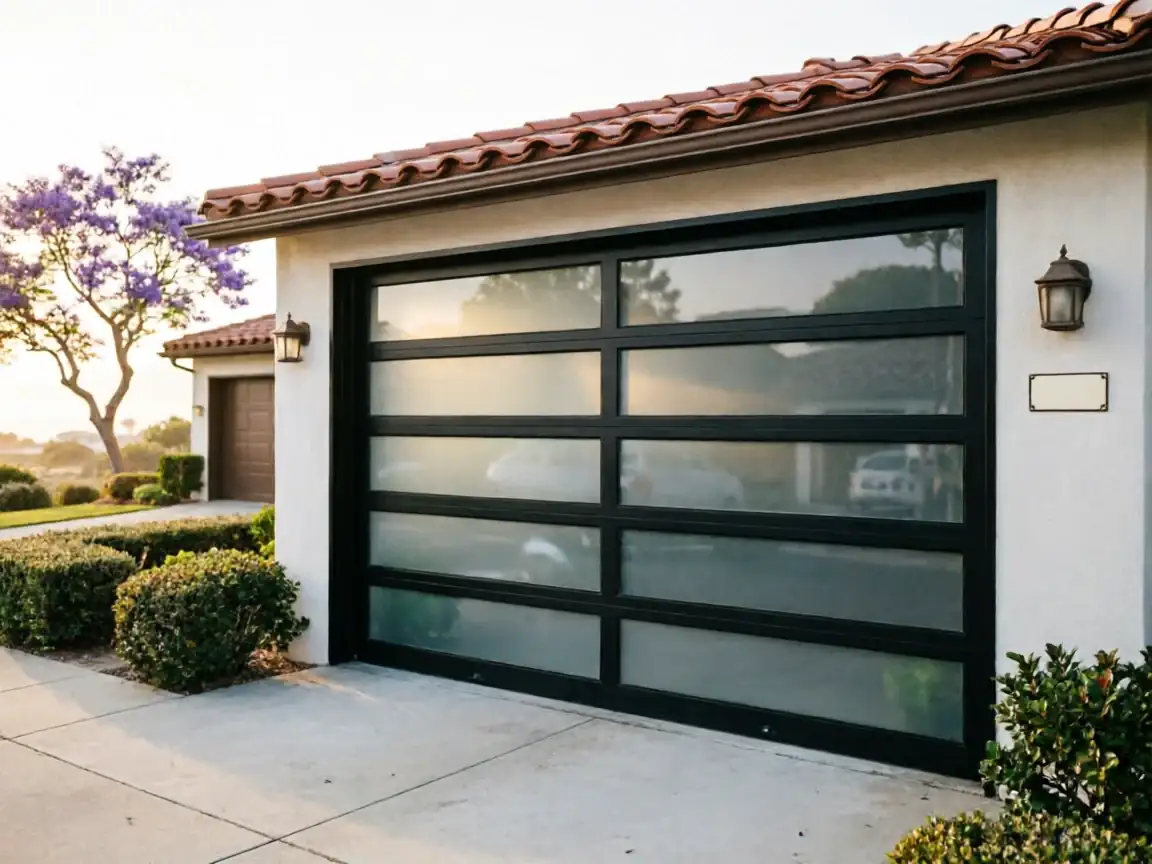
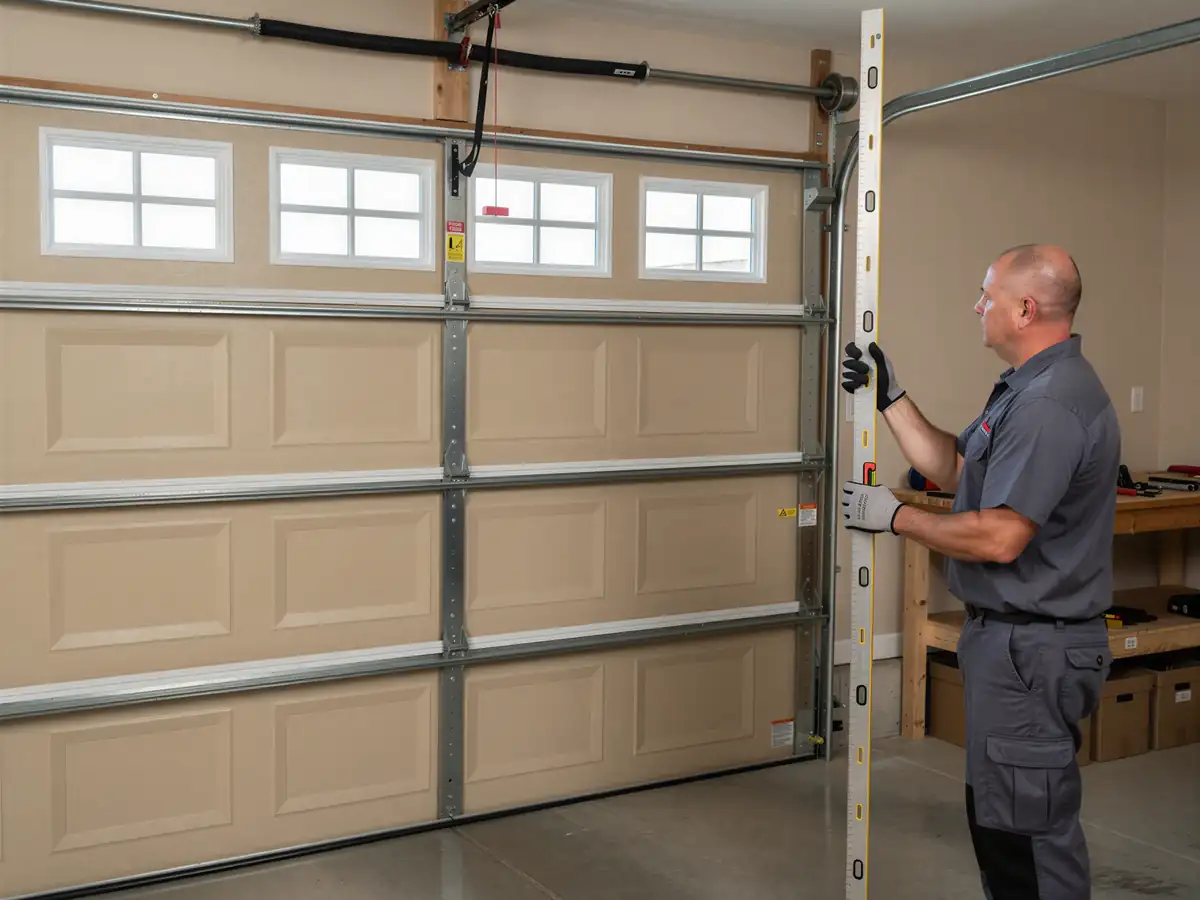
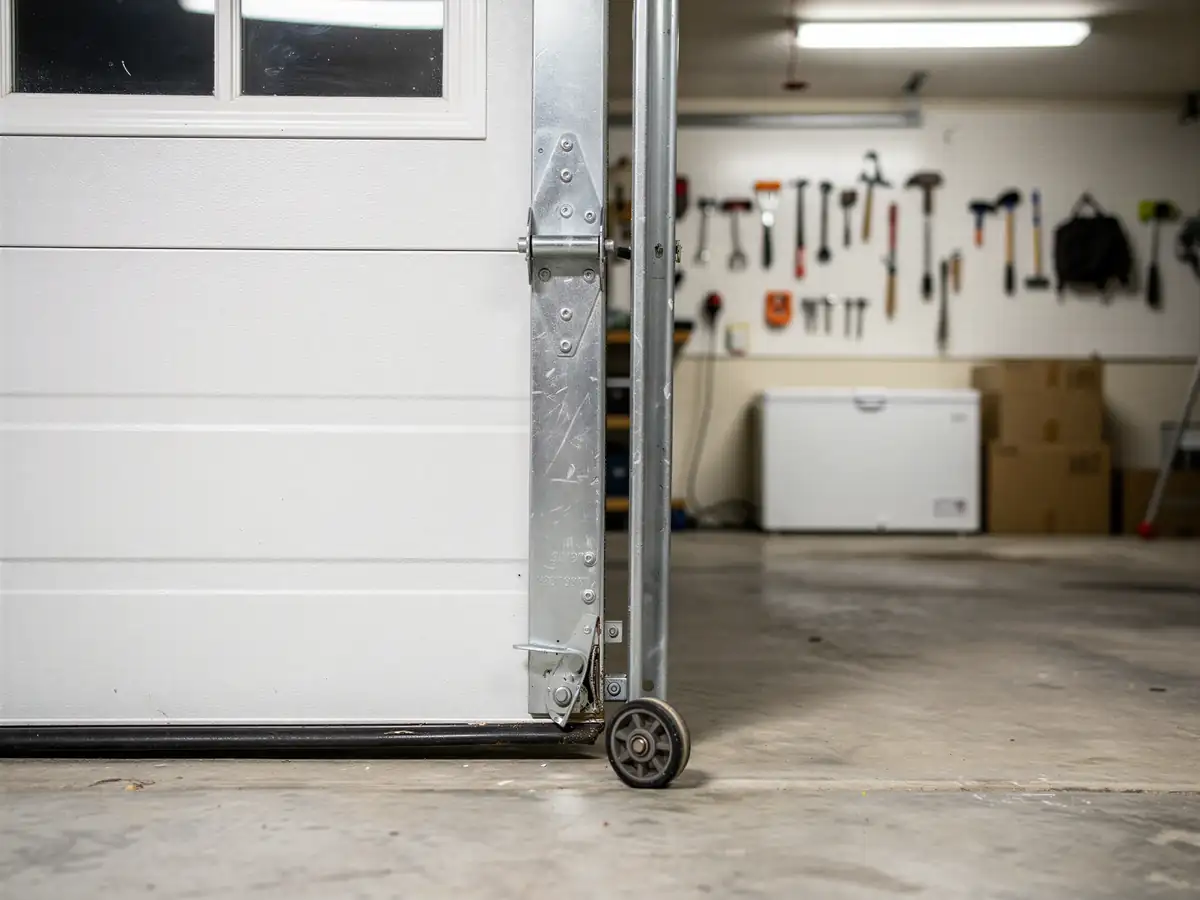
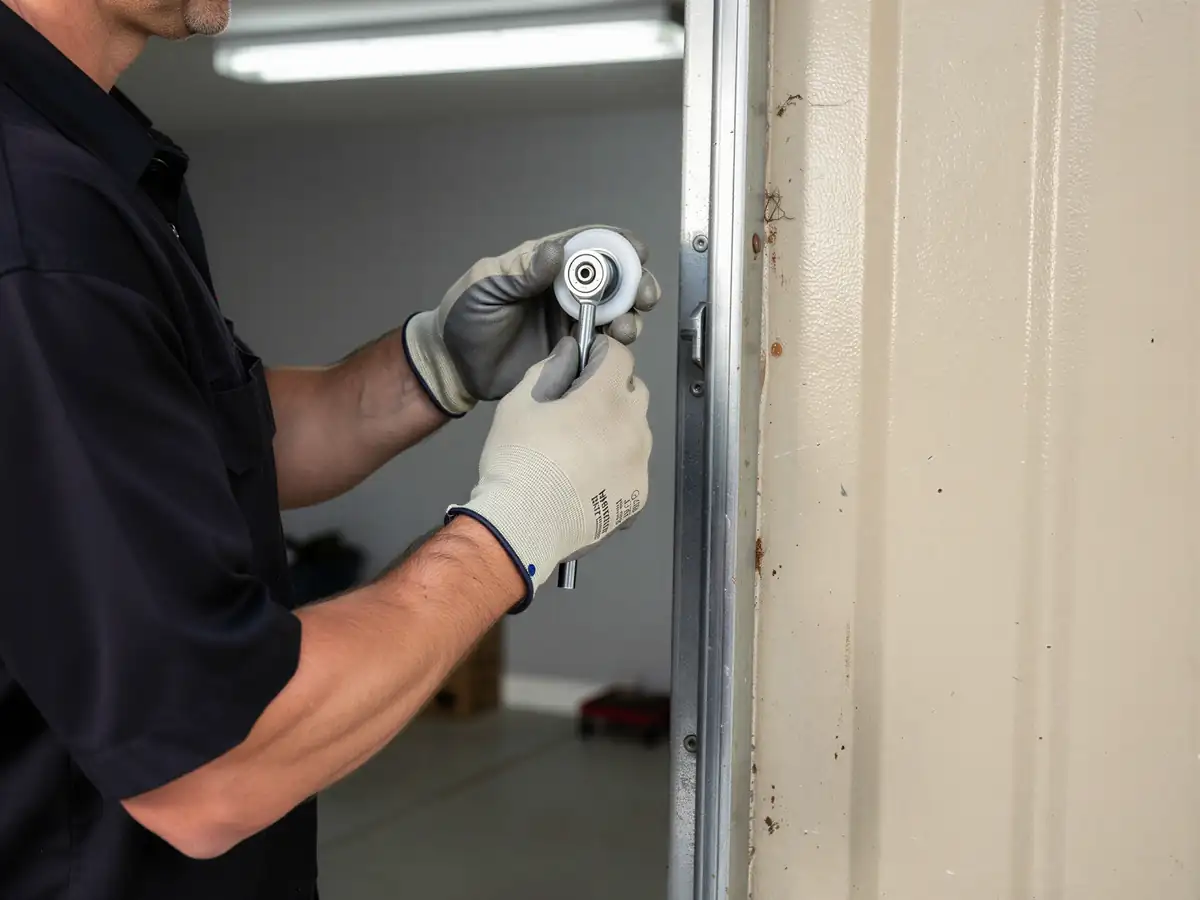
Stockton as a whole has a median build year of 1977, but Garden Acres skews older - most of its houses went up around 1958, closer to the 1960s-70s wave that shows up across twenty named areas in this service territory. That decade matters for rollers. Doors from that era were hung on steel track built to looser tolerances than anything made today, and over the decades a lot of those original doors got replaced panel-by-panel while the track and hardware stayed put. So you end up with a newer door riding on an older track, and the roller size that worked fine on the original door binds or grinds on the replacement. We've also seen homeowners here buy a roller kit sized for a standard modern track and find it doesn't seat right, because the track itself is the mismatch, not the roller. Before we swap anything, we check the track gauge against the roller stem, not just the roller against the door weight. Skip that step and you're back out here in six months with the same noise.
Can You Do This Yourself
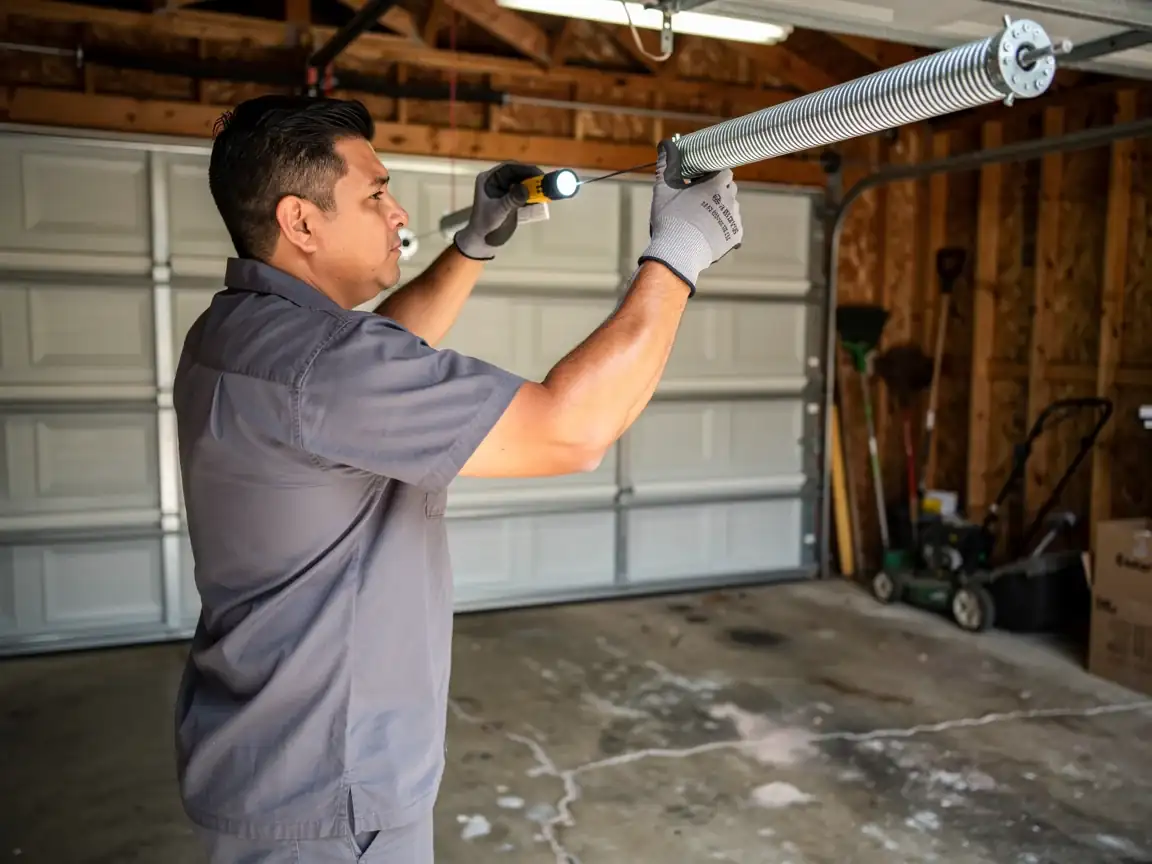
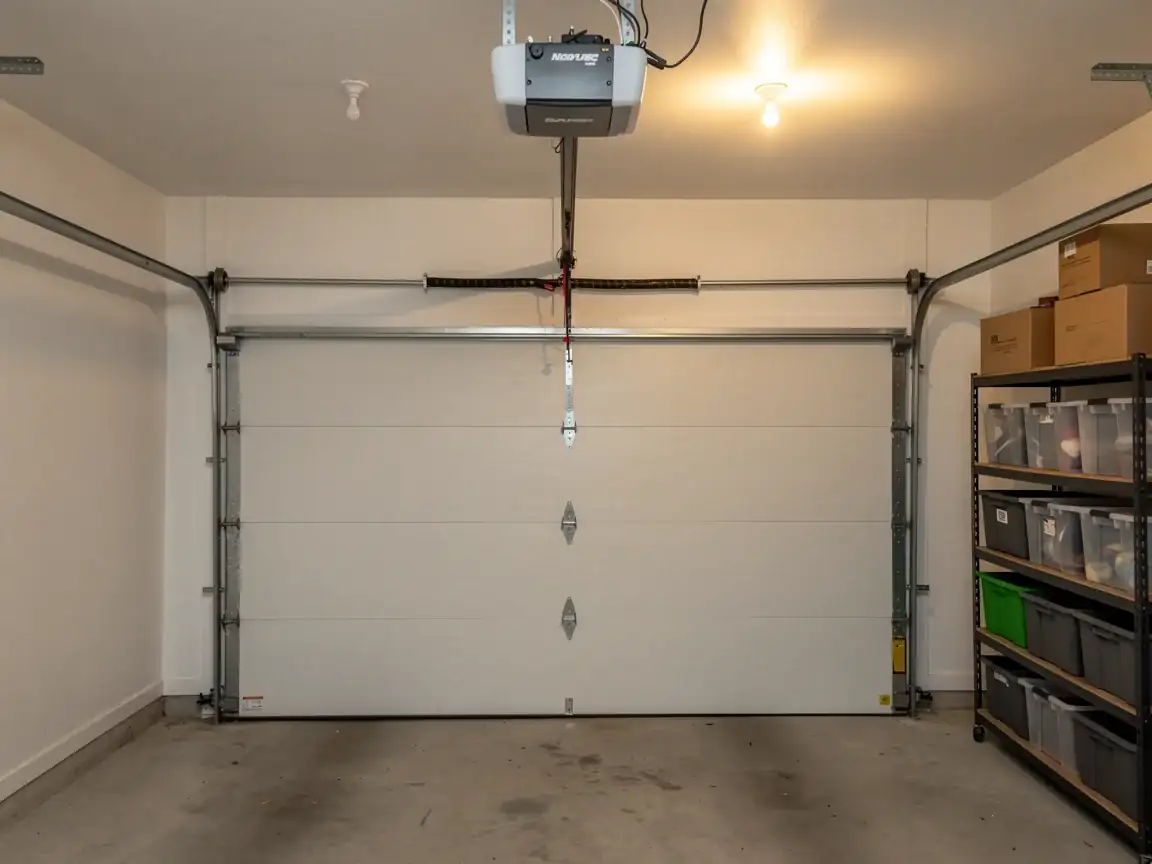
Swapping a single roller on a door that's already open and secured isn't out of reach for someone handy - pull the roller bracket, slide the new roller stem in, done. Where it gets dangerous fast is anything involving the bottom bracket on a door under spring tension, or a track that's bent enough to need bending back. We won't talk you through removing a bottom roller near the cable drum; that's a cable-under-tension job and it's how fingers get crushed. If your door is older stock from the Garden Acres era and the track has visible rust pitting from decades of use, that's also not a DIY roller swap - the track needs replacing or straightening first, and that's a job with real risk if you're guessing at alignment.
Time on the Job
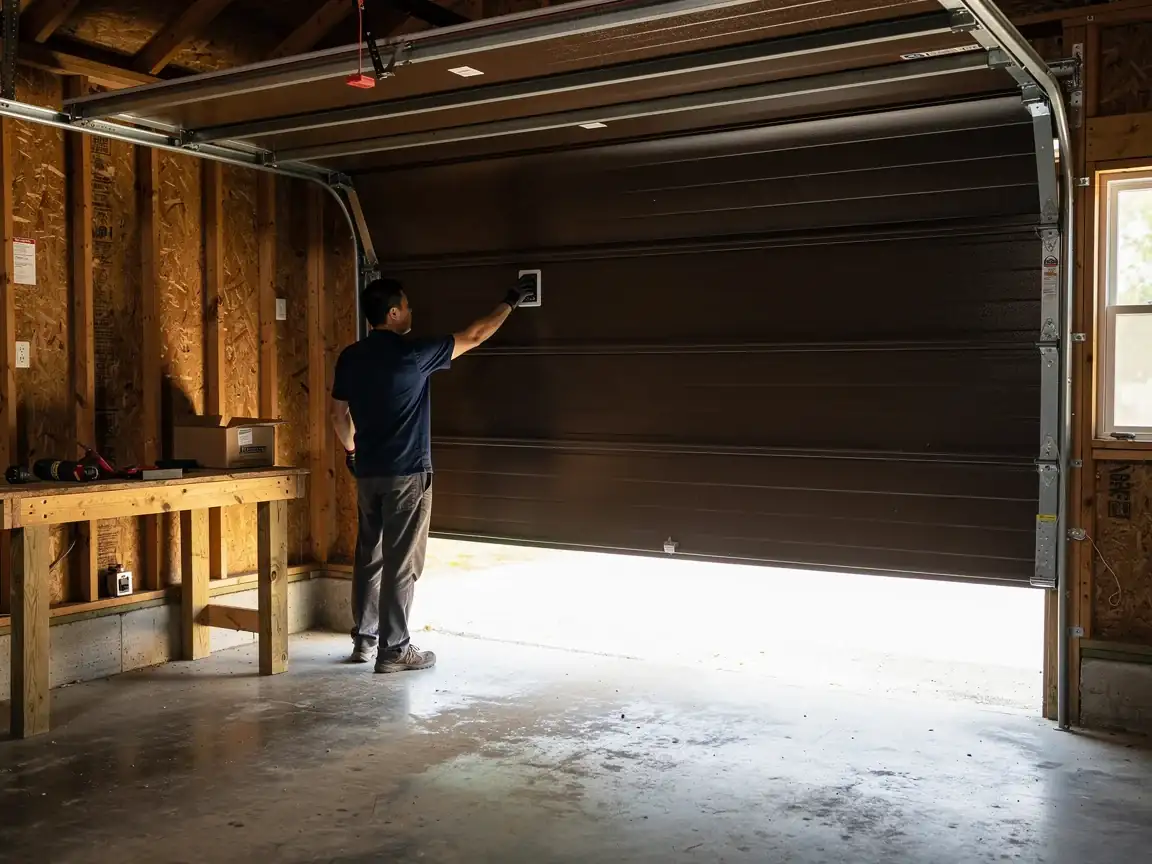
A straightforward roller replacement - door off track, rollers out, new ones in, door rehung and balanced - usually runs under two hours once we're on site. Add time if the track on a 1958-era door needs realignment, which happens more often here than on newer builds because decades of minor settling and repeated manual adjustments tend to rack the track out of plumb. We're coming from Stockton, about 4 miles out, so factor that into when you call rather than when the work actually starts. We don't carry every roller spec on the truck for every track width, so if your hardware turns out to be a less common gauge, the first visit may be diagnosis and the second is the fix.