Why It Happens Here
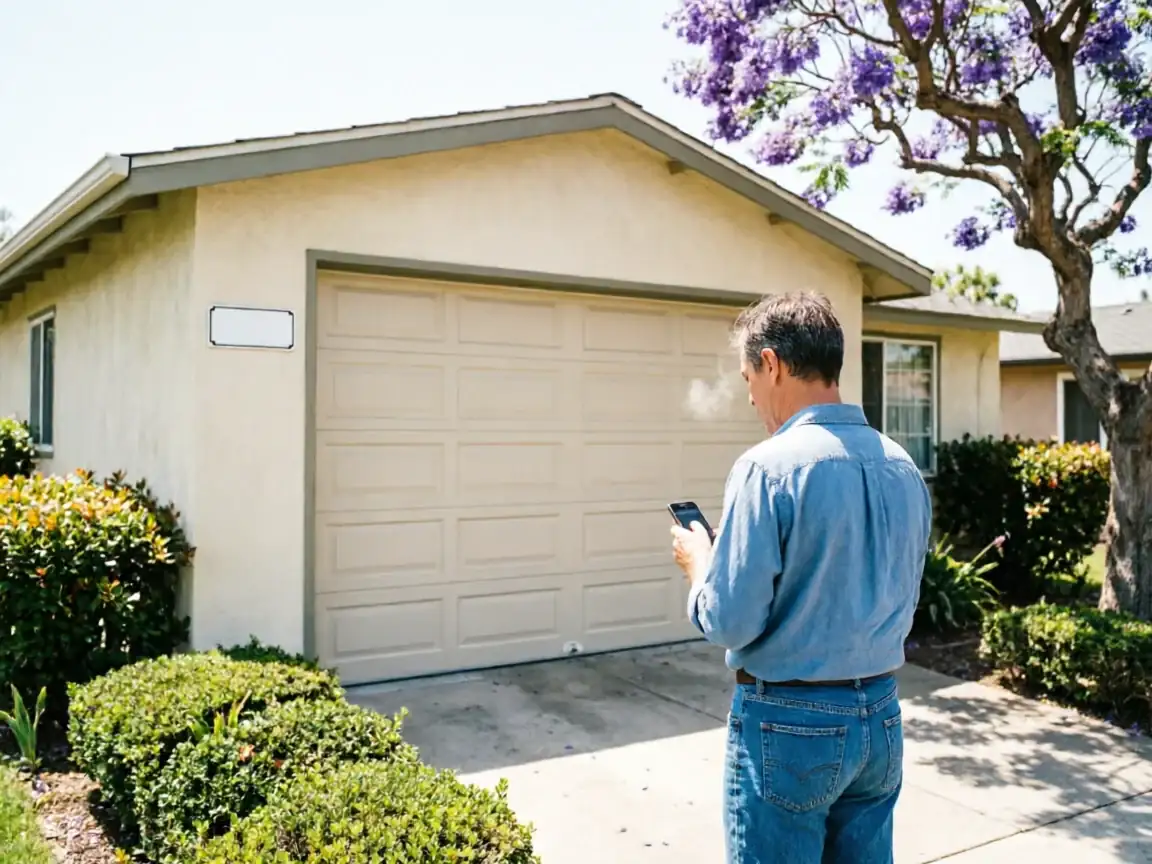
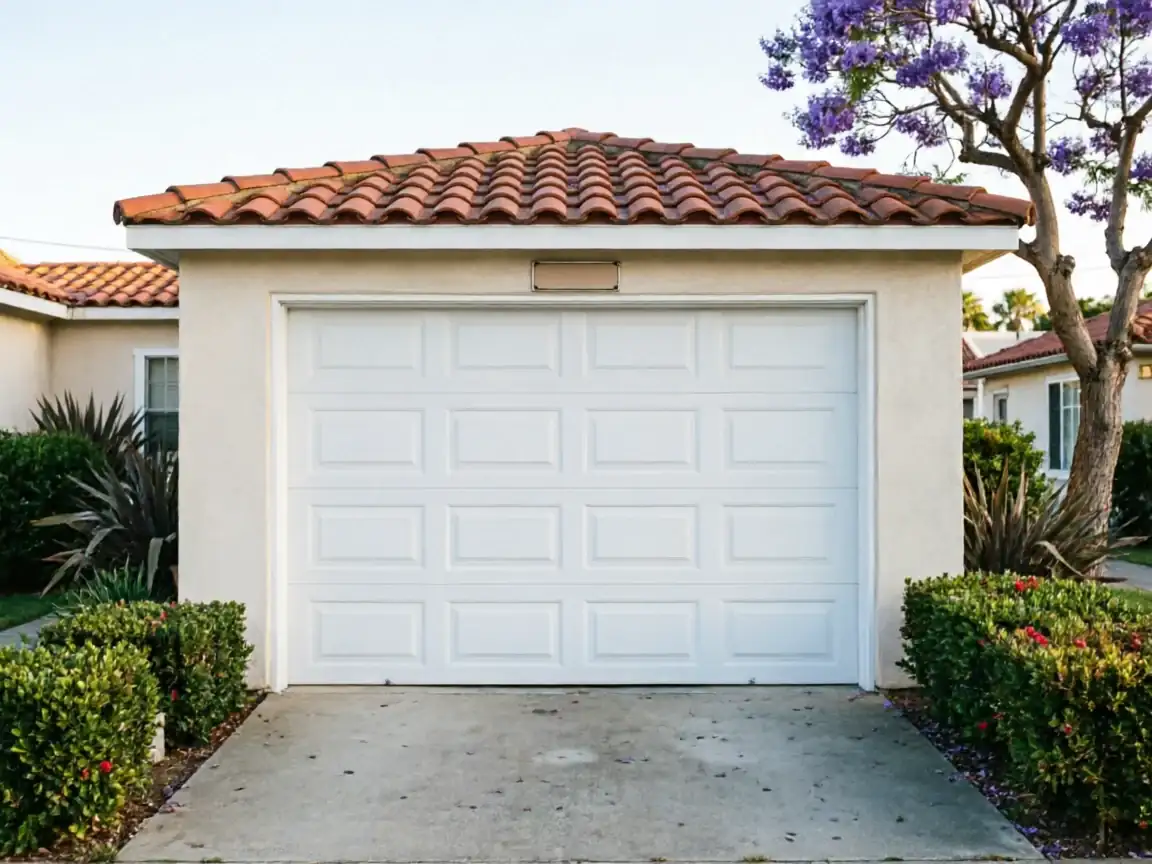
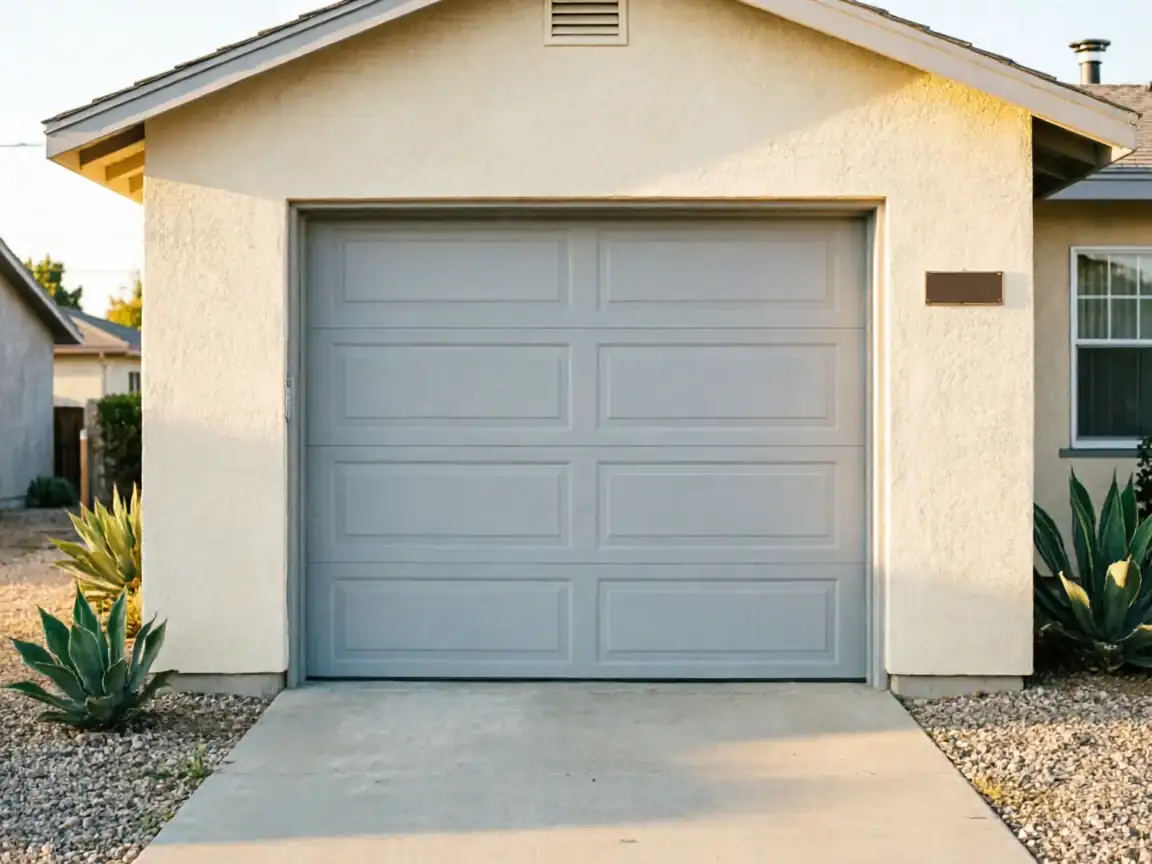
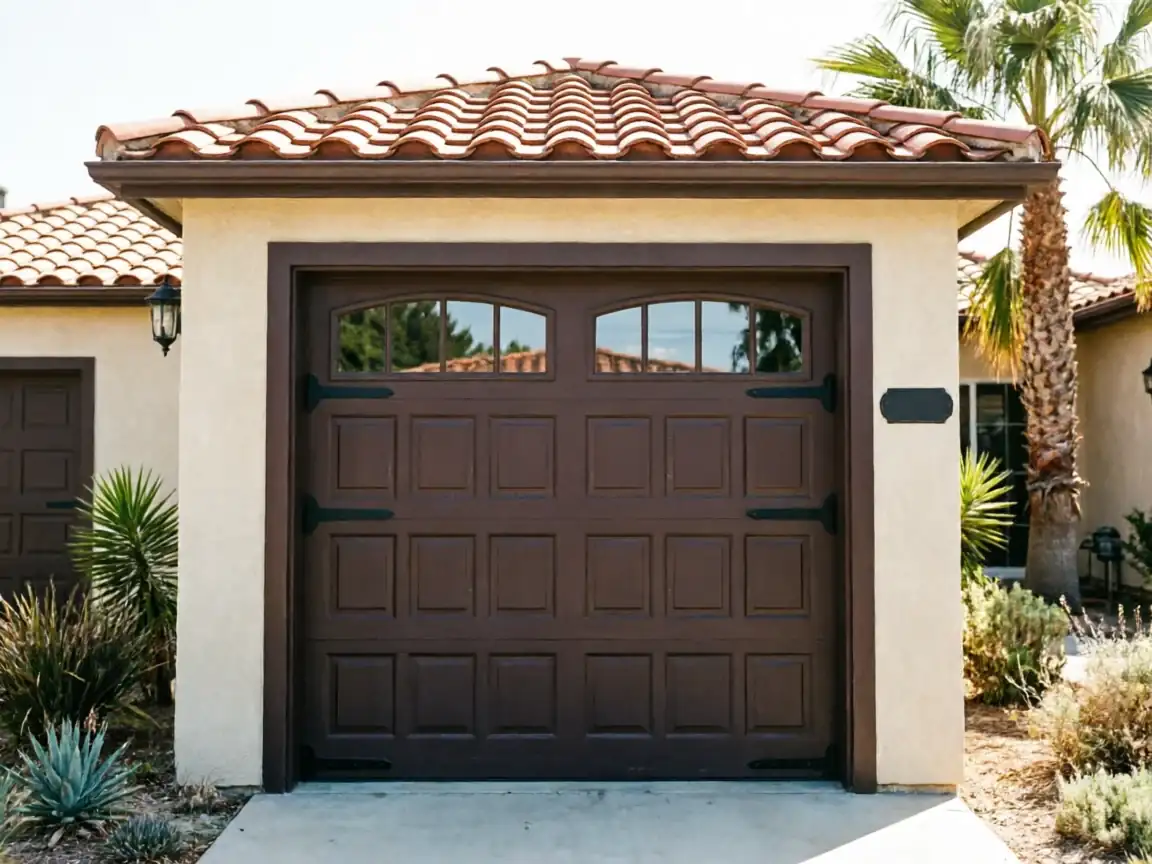
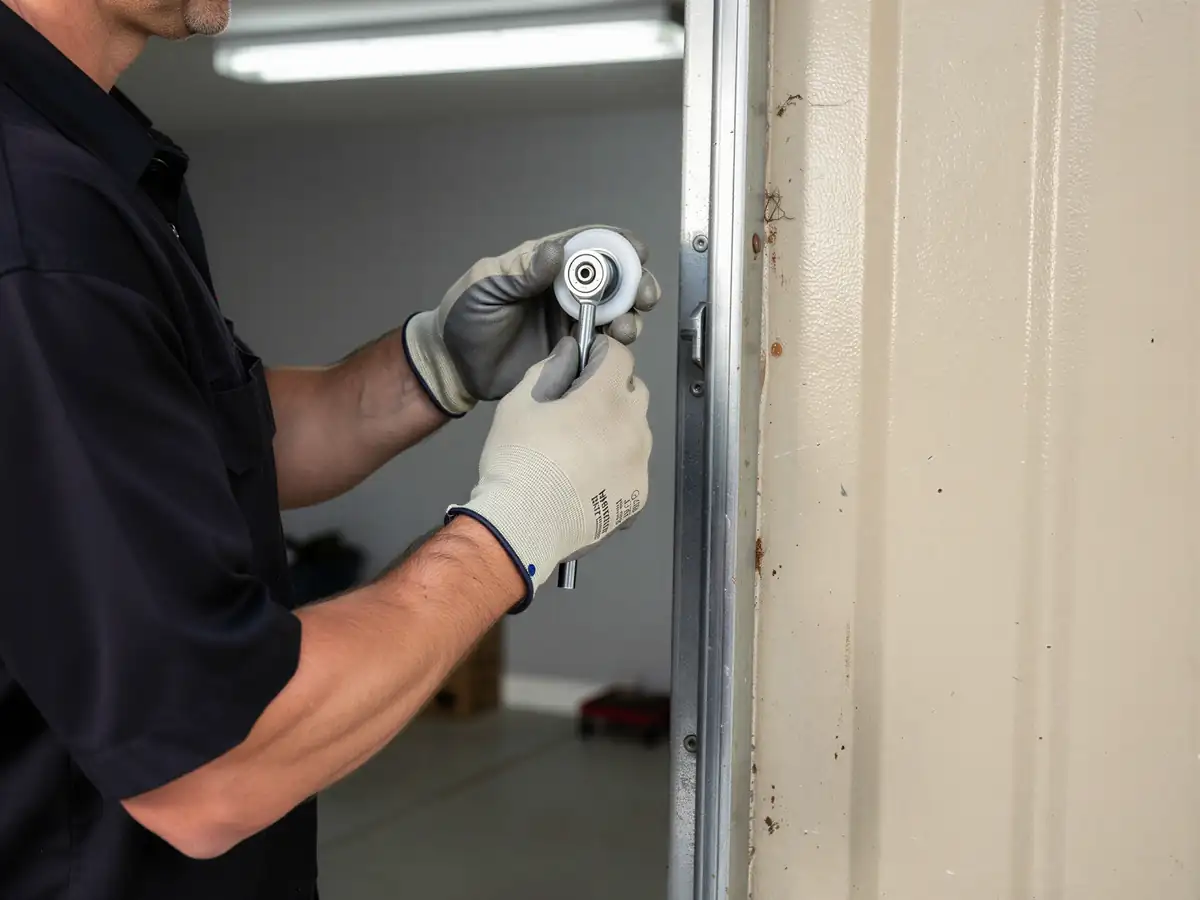
Most houses in Linden went up around 1981, a few years past the service area's overall median of 1977. That gap matters more than it sounds. By the early eighties, builders had mostly moved off wood-panel doors on exposed extension springs and onto steel sectional doors, usually non-insulated, running on torsion hardware mounted above the opening. Forty-plus years later, that's the hardware showing up when we get a call out here - springs fatigued from decades of cycles, galvanized track pitted, rollers original to the house, and panels that have taken enough sun and knocks to be done.
Linden sits about 12 miles out from our Stockton shop, and it's a small pocket - roughly 853 households, most of them built in that same window. That means the installs we do here tend to be first-ever replacements, not a second or third door on the house. Incomes in Linden also run well above the broader service area, $123,378 against $93,993, and that shows up in what gets ordered: full insulated steel replacements rather than a patched-up door held together with a new roller or two.
Can You Do This Yourself
A garage door swap looks simple from the driveway and is not
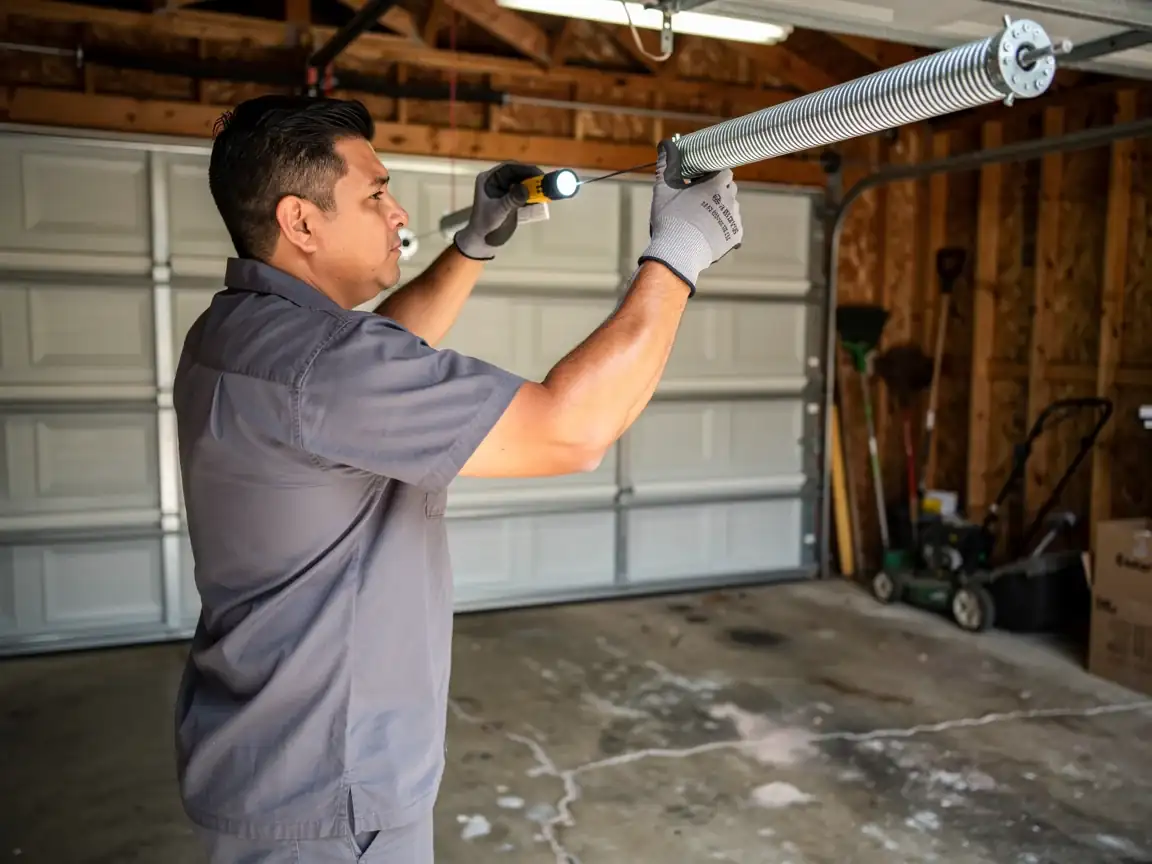
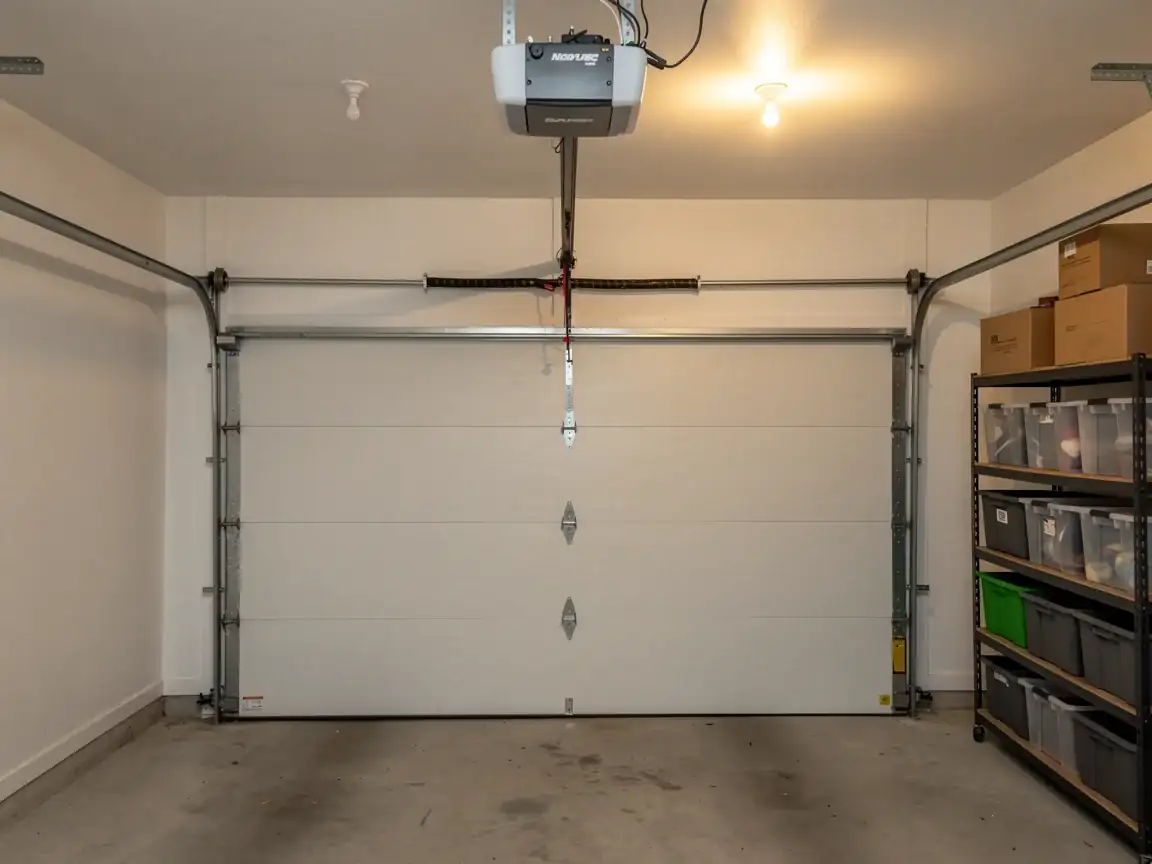
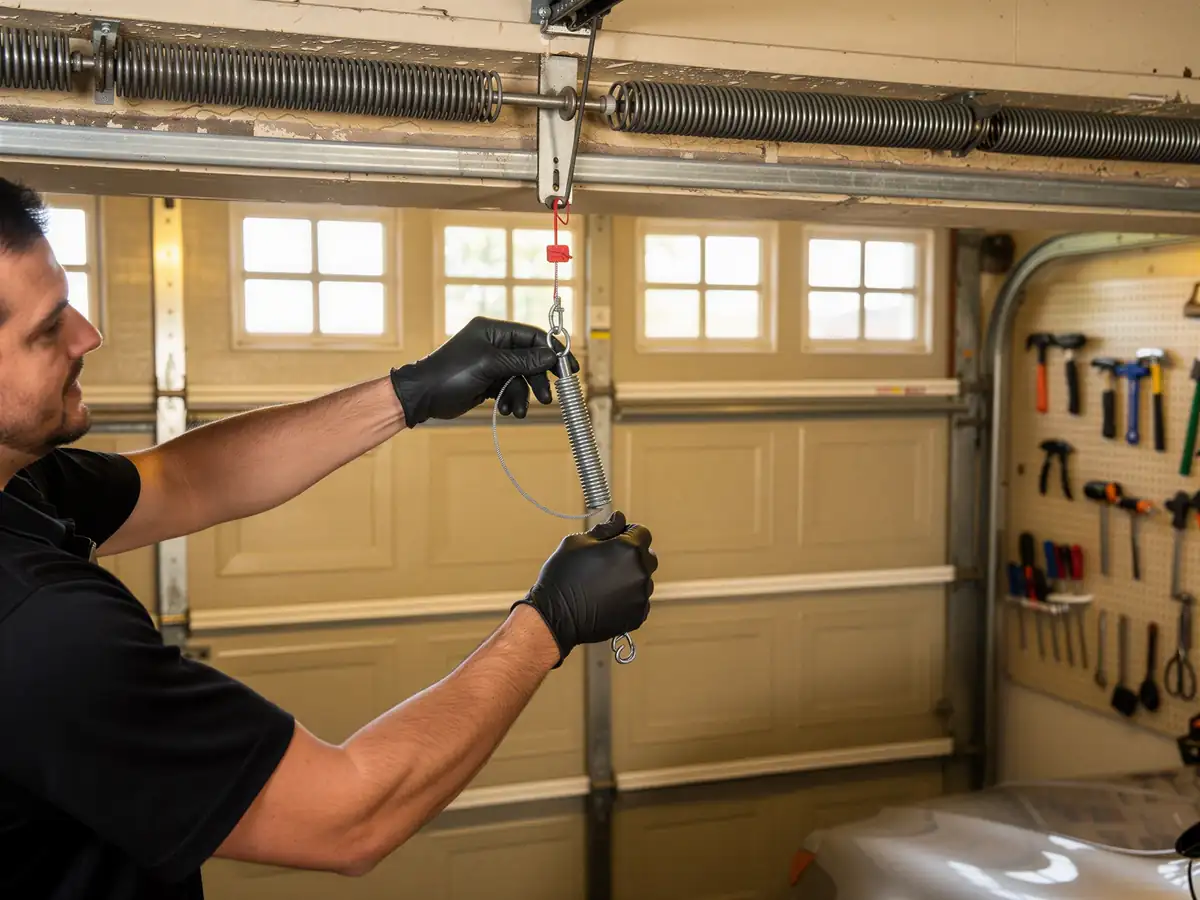
Mainly because of the torsion spring sitting under load above the opening. Nearly every 1981-built door in Linden runs on torsion hardware, and getting the spring size and track height wrong on a forty-year-old frame is how people end up with a door that won't seat, or worse, a spring that lets go under tension. We won't quote a same-day install sight unseen on a job like this - we need to see the opening or get clear photos first, because these older frames aren't standardized the way new-construction openings are.
What you can reasonably do yourself
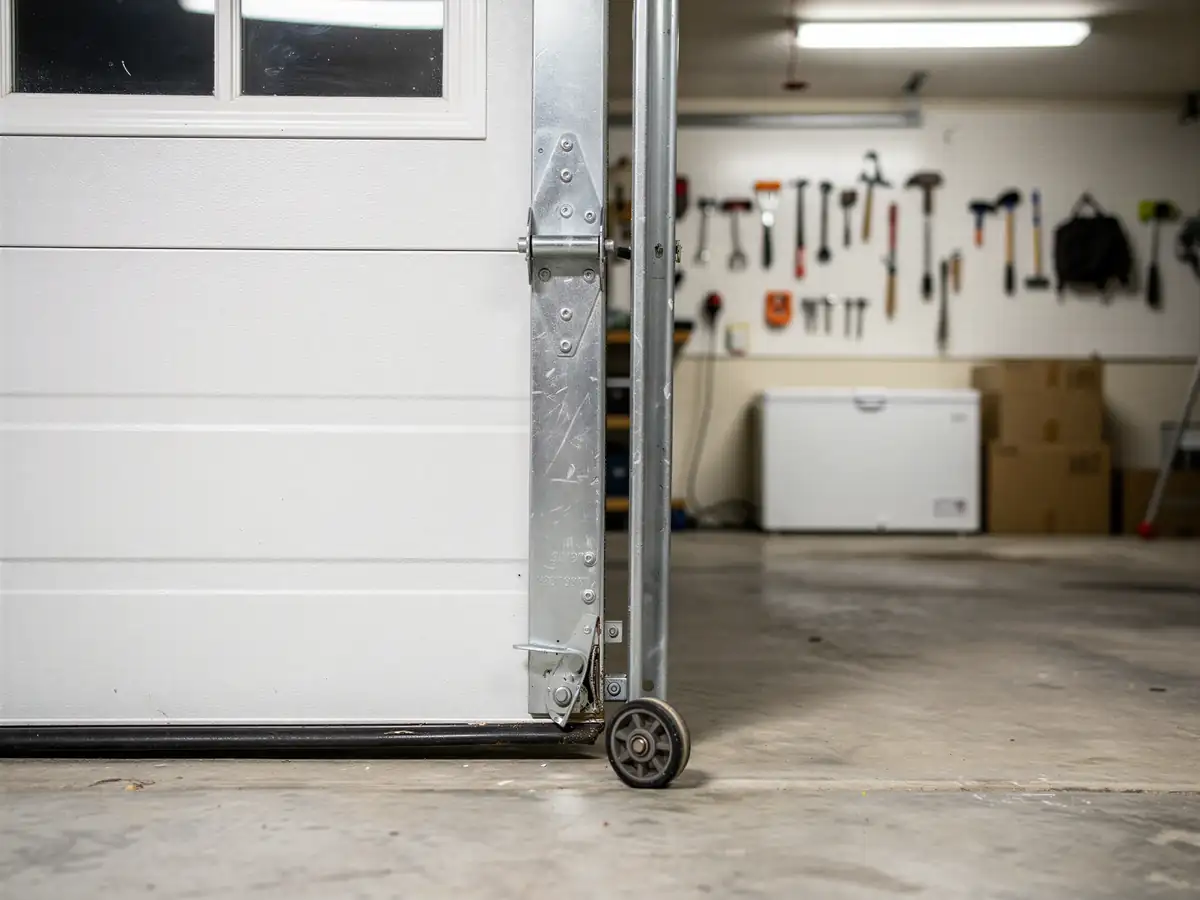
Swap weatherstripping, lube rollers and hinges, tighten loose hardware, clean the track. What we'd rather you not touch: the spring, the cables, or anything that means standing under a door while it's off its rail. That's the honest line - plenty of the service calls we get in this age bracket started as a homeowner project that went sideways on the spring.
Getting It Booked In
There's no Stockton Garage Door Co branch in Linden - we run the 12 miles out from Stockton for every job here, which means scheduling works best when we know what we're walking into before the truck leaves. A rough opening width, a couple of photos of the current door and the spring setup, and whether you're after a basic steel replacement or an insulated upgrade gets us most of the way to an accurate quote over the phone.
Because Linden homes mostly date to the same early-1980s build wave, we often already have a good read on what kind of hardware we'll find before we get there - undersized torsion springs, older-gauge track, non-insulated steel panels. That doesn't replace an in-person look, but it means fewer surprises and fewer return trips for a measurement we could have taken from a photo. You can see the rest of what we cover from Stockton on our area page, or check the broader install page for what a new-door job runs in general.
What the Repair Takes
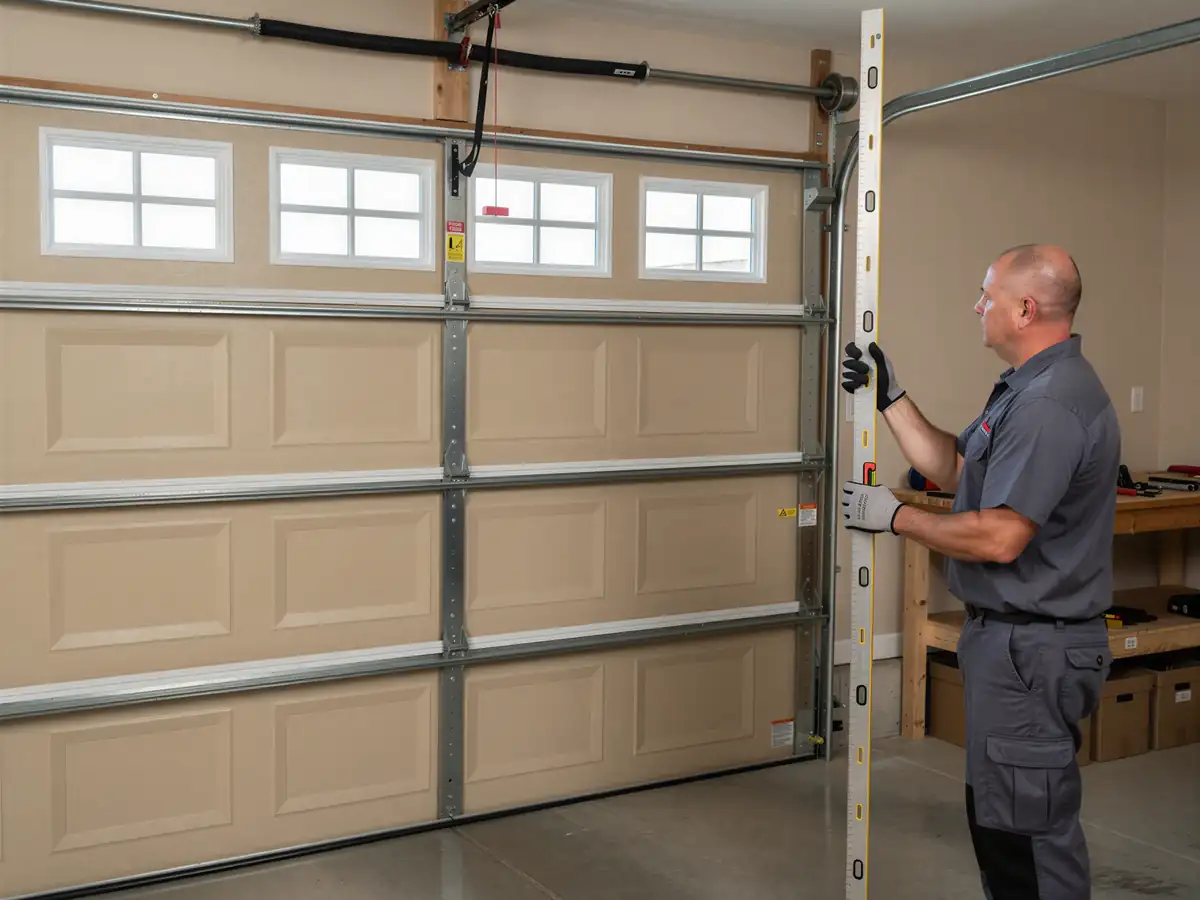
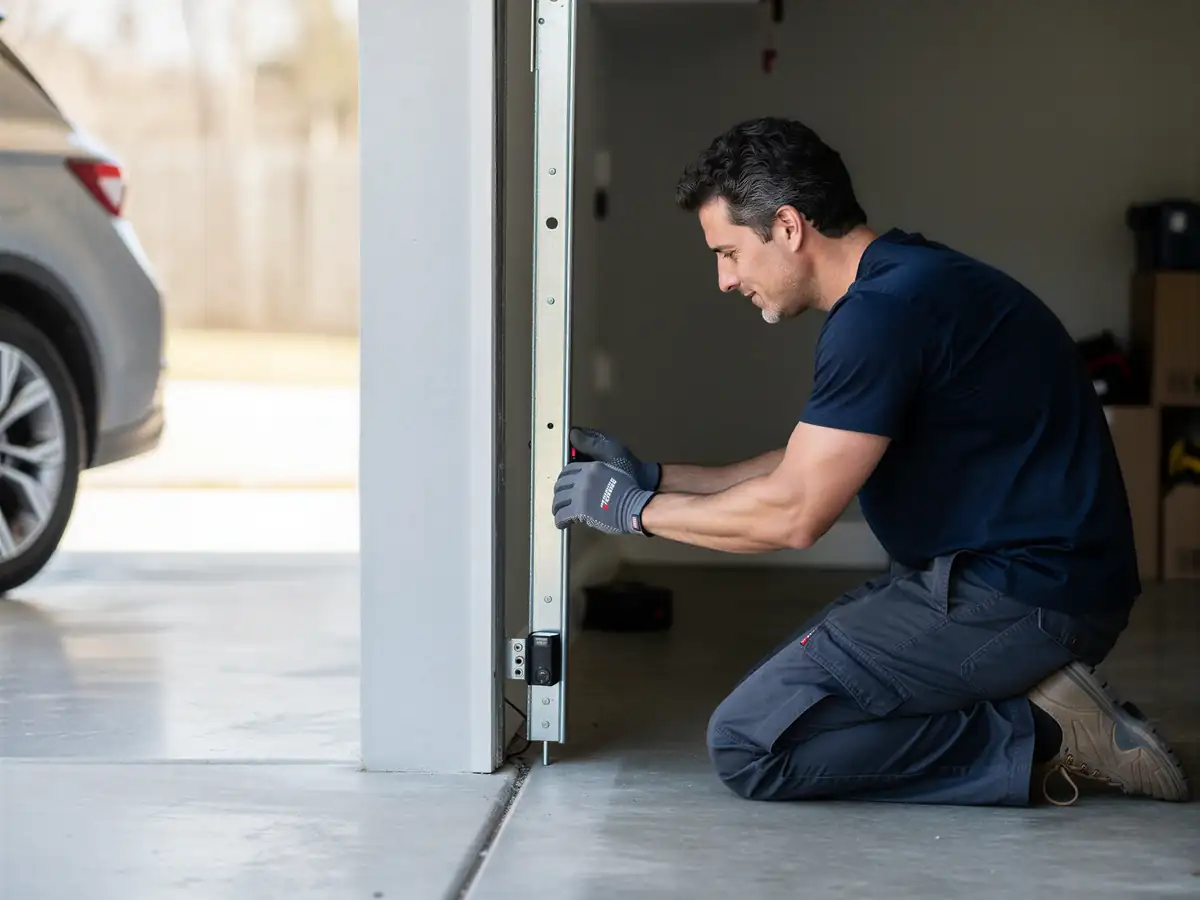
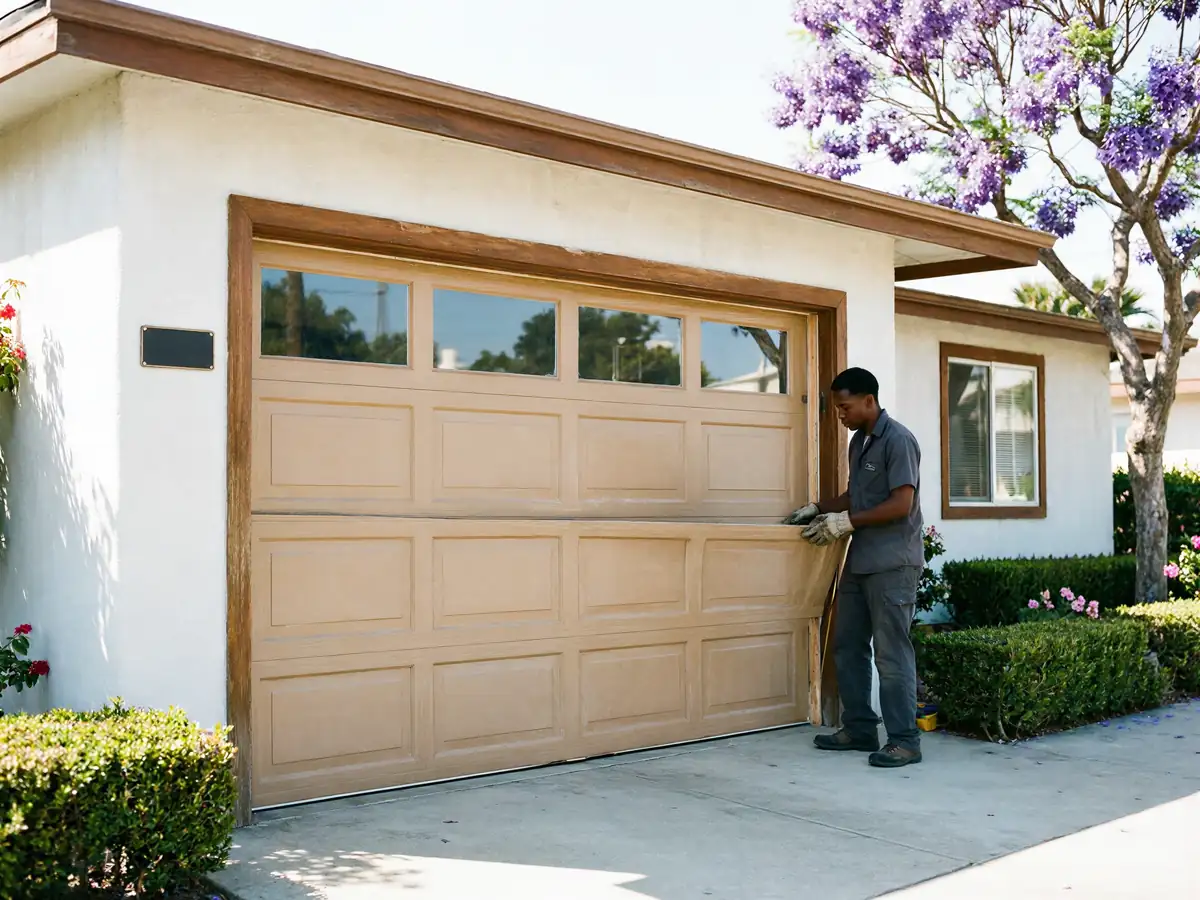
A full new-door install starts with pulling the old sectional off its track, disconnecting the torsion spring under controlled tension, and stripping the track and header hardware down to the frame. On a house from Linden's era, that frame is usually original - same studs, same header, sometimes a header that's shifted slightly over forty years, which means the new track doesn't always sit plumb without some shimming.
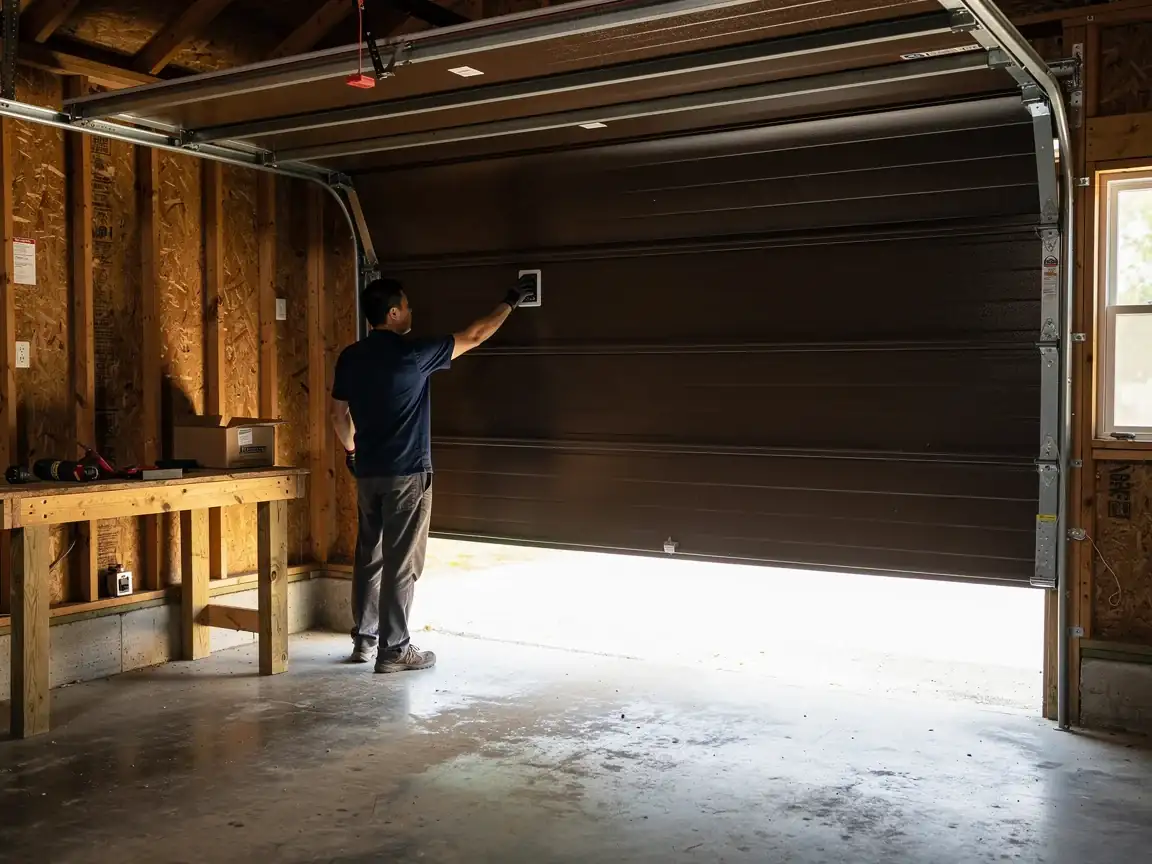
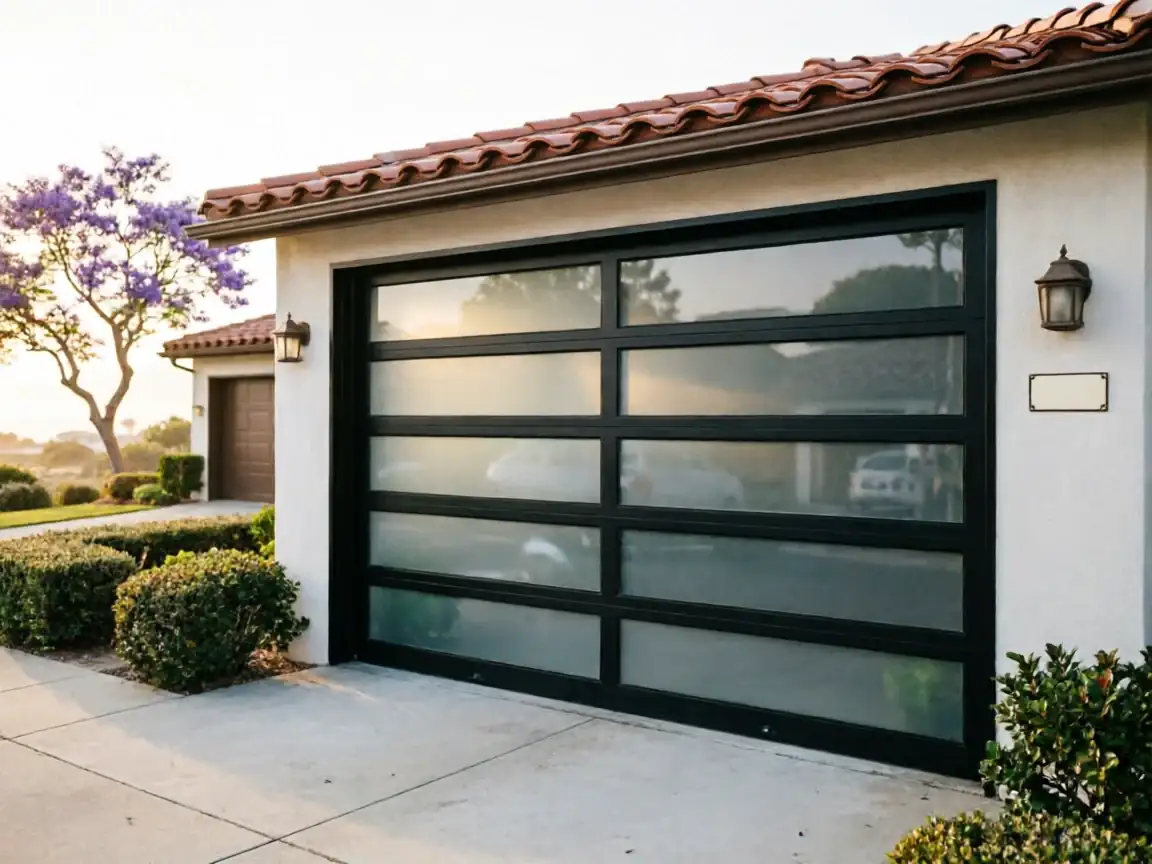
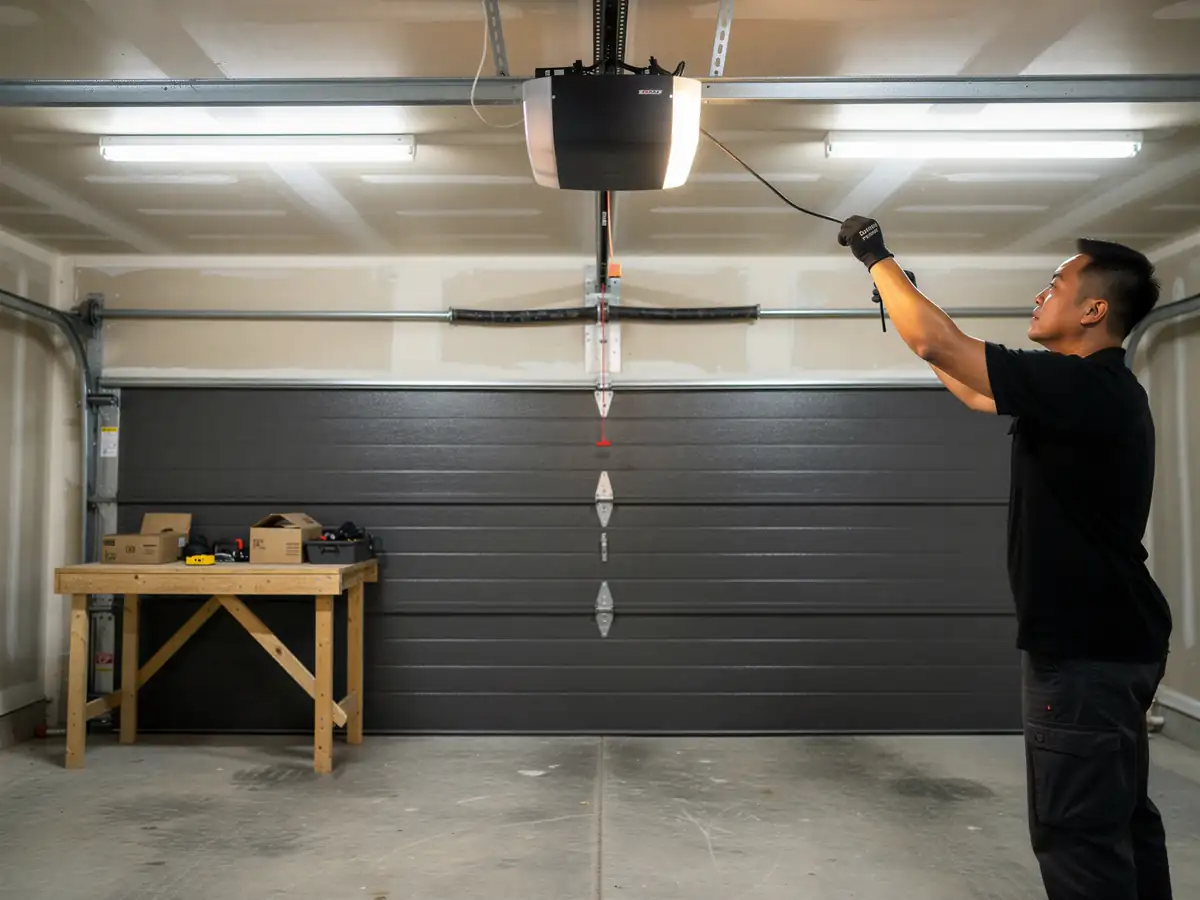
From there it's setting new track to the actual opening (not the spec sheet), hanging the new sectional panels, matching the torsion spring to the door's actual weight rather than guessing off the old one, and setting the opener travel limits once the door's hung. Given Linden's climate runs in the moderate-heat band rather than anything extreme, insulation is more about noise and comfort in an attached garage than a structural requirement - plenty of homeowners here still choose it, but it's a preference call, not a code one. We won't install a new door onto a header or jamb that's rotted or racked out of square; that's a carpentry job first, and we'll say so before we hang anything on it.