Why It Happens Here
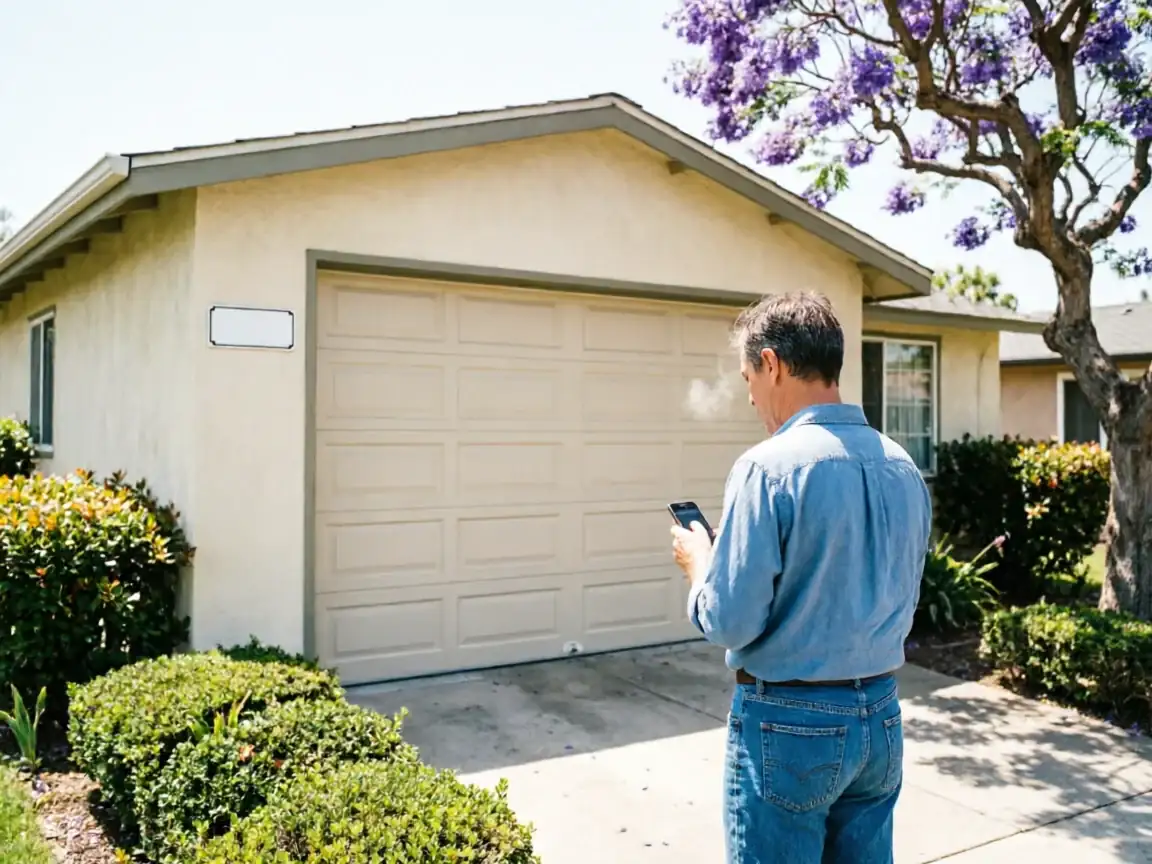
Most houses in Linden went up around 1981, and that one number explains a lot of the service calls we get out here. A door and opener installed when a house was built in the early 80s has had roughly four decades to wear through its springs, its rollers, and its cable drums - and in a lot of cases nobody has ever swapped them out. That's not neglect, it's just what happens when a torsion spring rated for a certain number of cycles quietly keeps working until the day it doesn't.
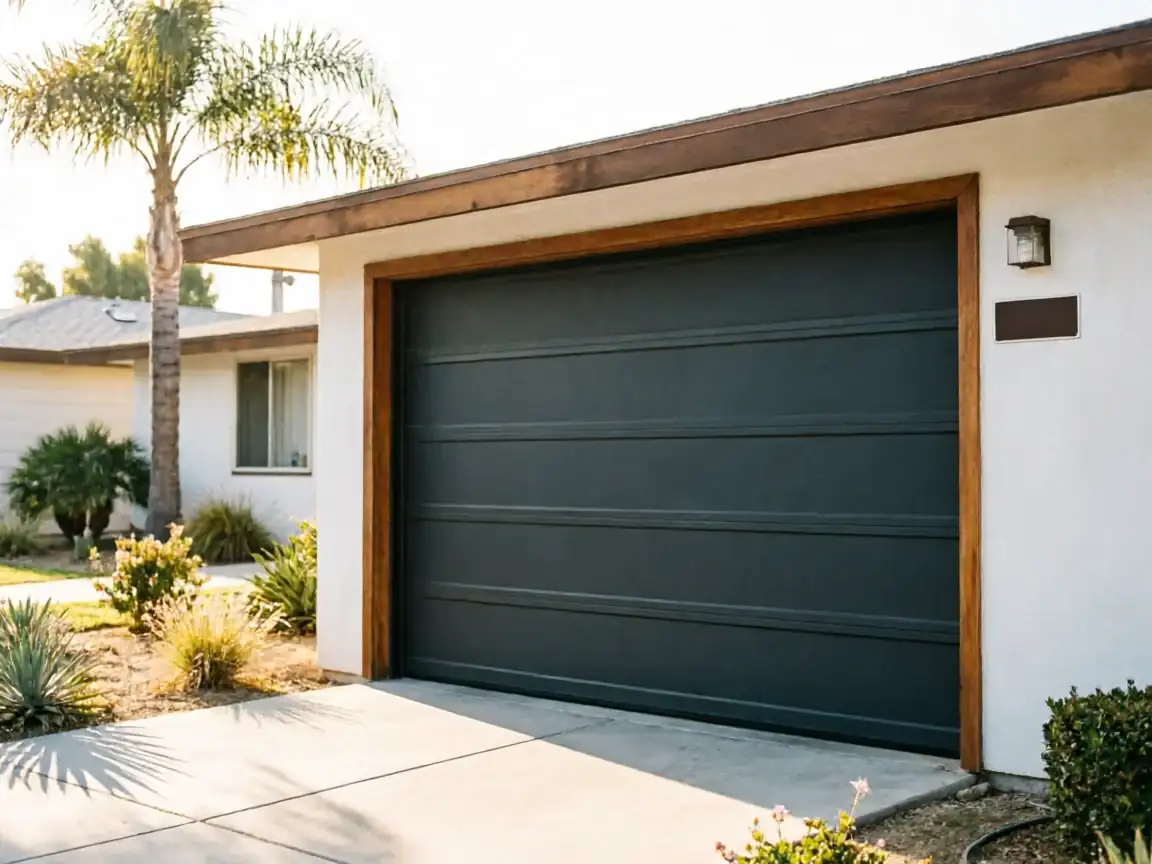
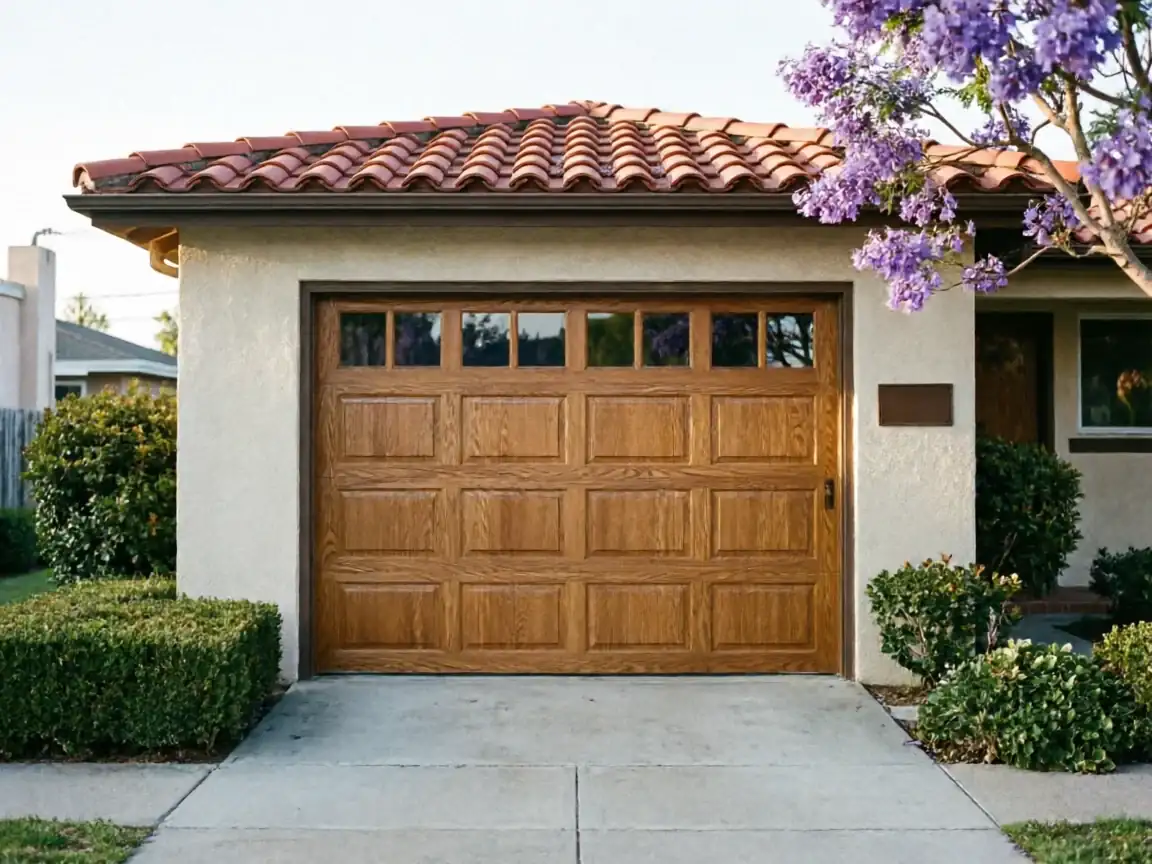
Compare that to the wider Stockton service area, where the housing stock runs all the way back to 1938 and the median lands around 1977. Linden sits a bit newer than that average, which usually means steel sectional doors rather than the older wood panel style, but the springs and openers on an early-80s install are just as likely to be original as anything from the 70s. The climate here is moderate on heat, so you're not dealing with the kind of extreme temperature swings that crack wood panels fast, but age and cycle count catch up with hardware regardless of weather. If your door still has its first opener, it's probably older than most of the cars in your driveway.
Can You Do This Yourself
Some of this is genuinely fine to handle on your own
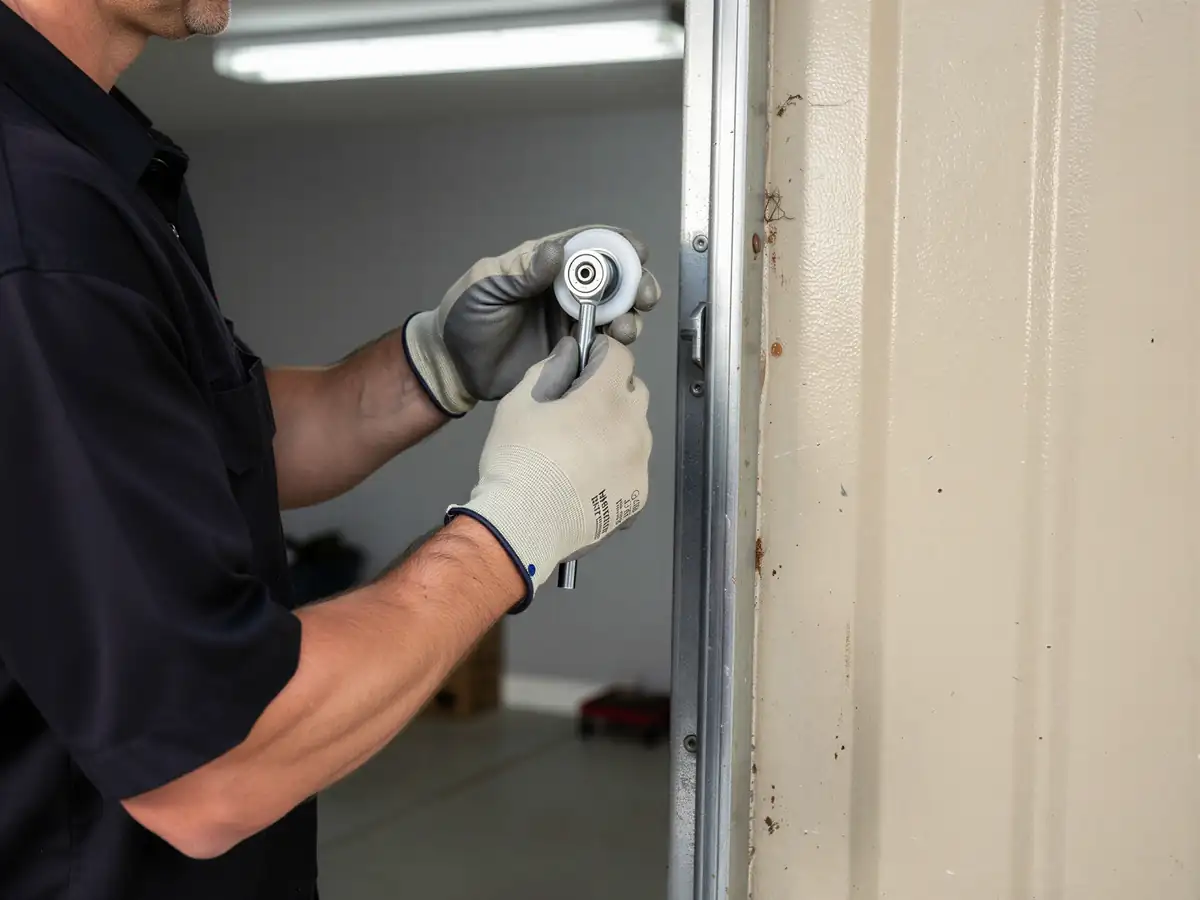
Lubricating hinges and rollers, tightening loose bolts on the track, replacing weatherstripping along the bottom - none of that needs a truck to show up. If your opener's remote stopped working, check the battery before you call anyone.
What you shouldn't touch is the torsion spring system
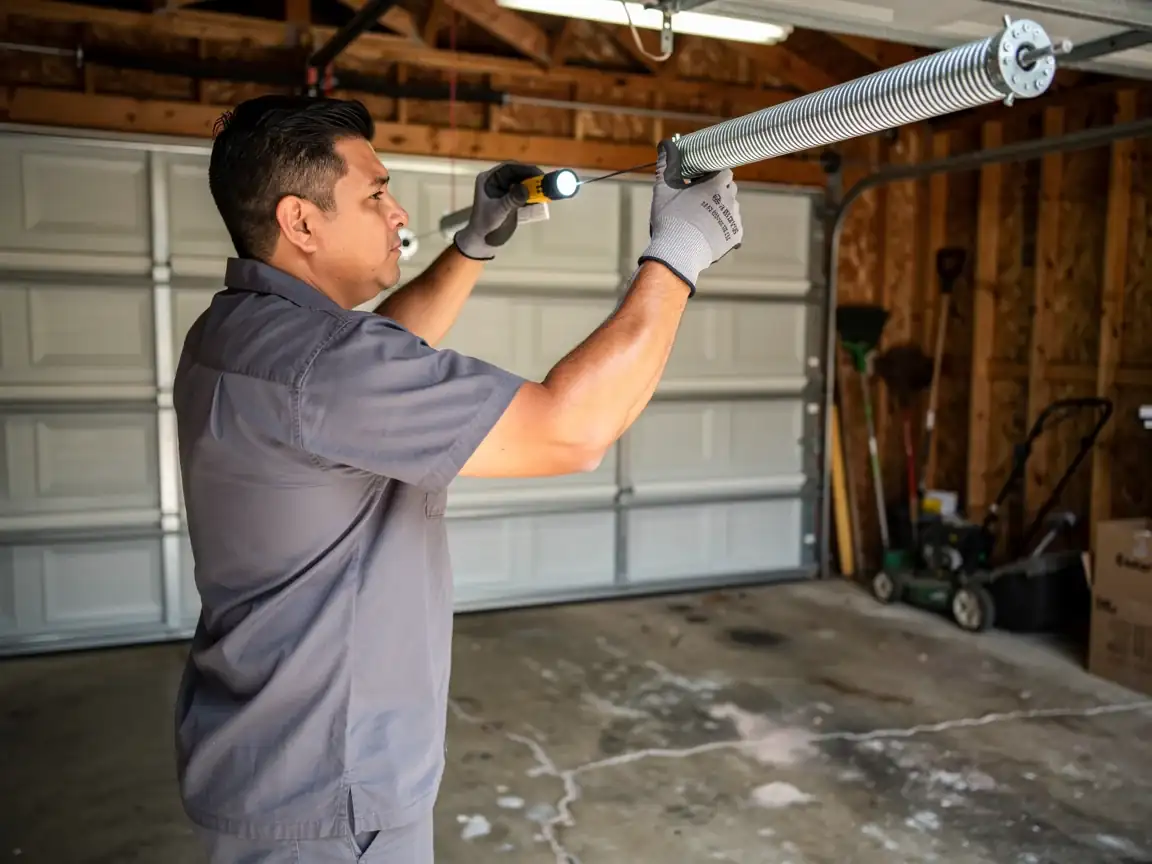
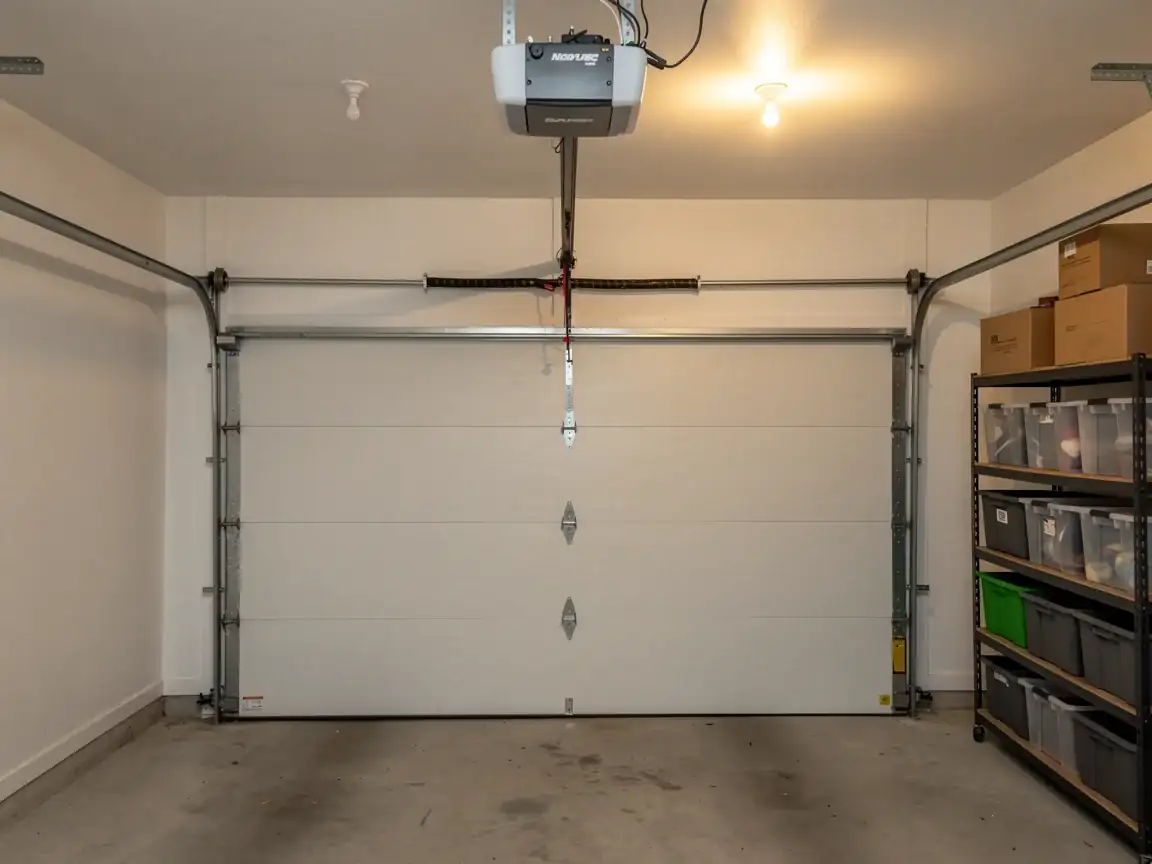
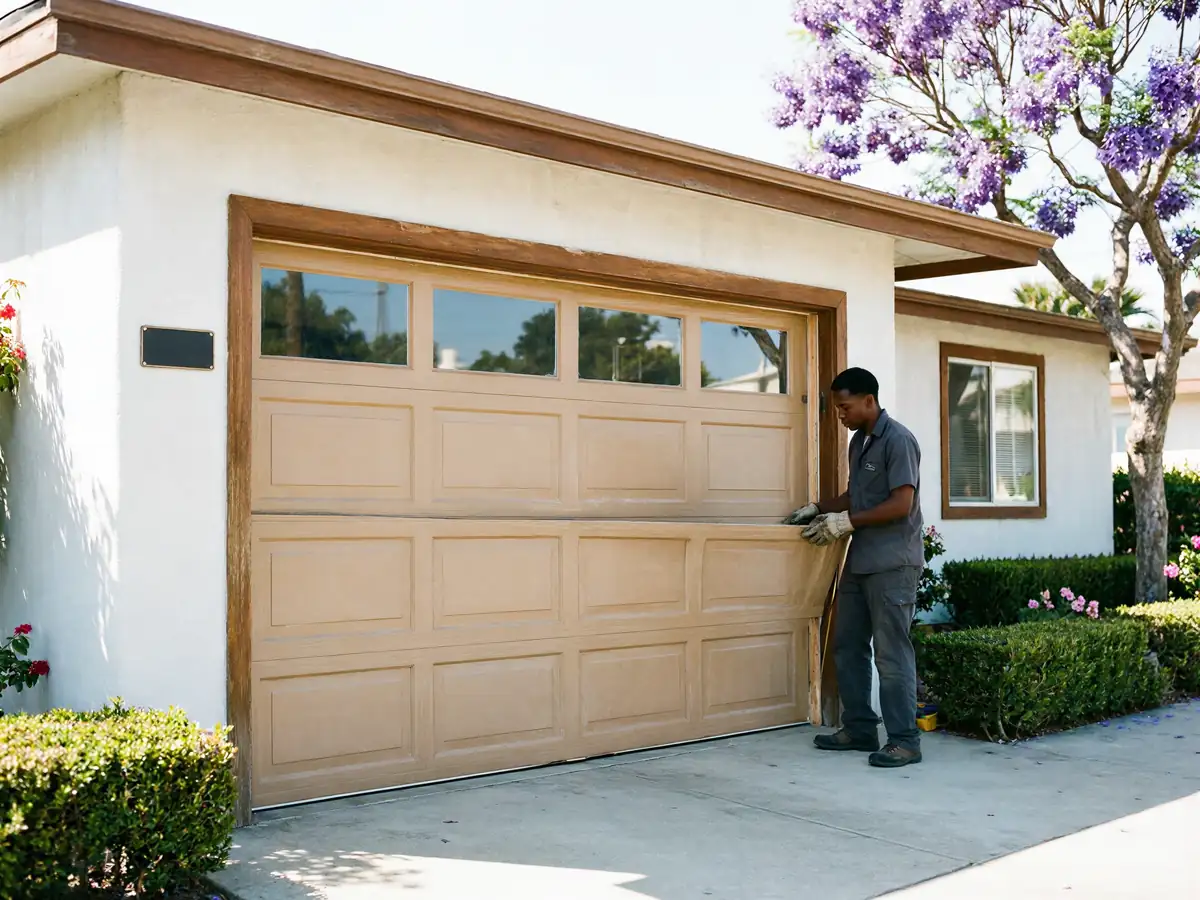
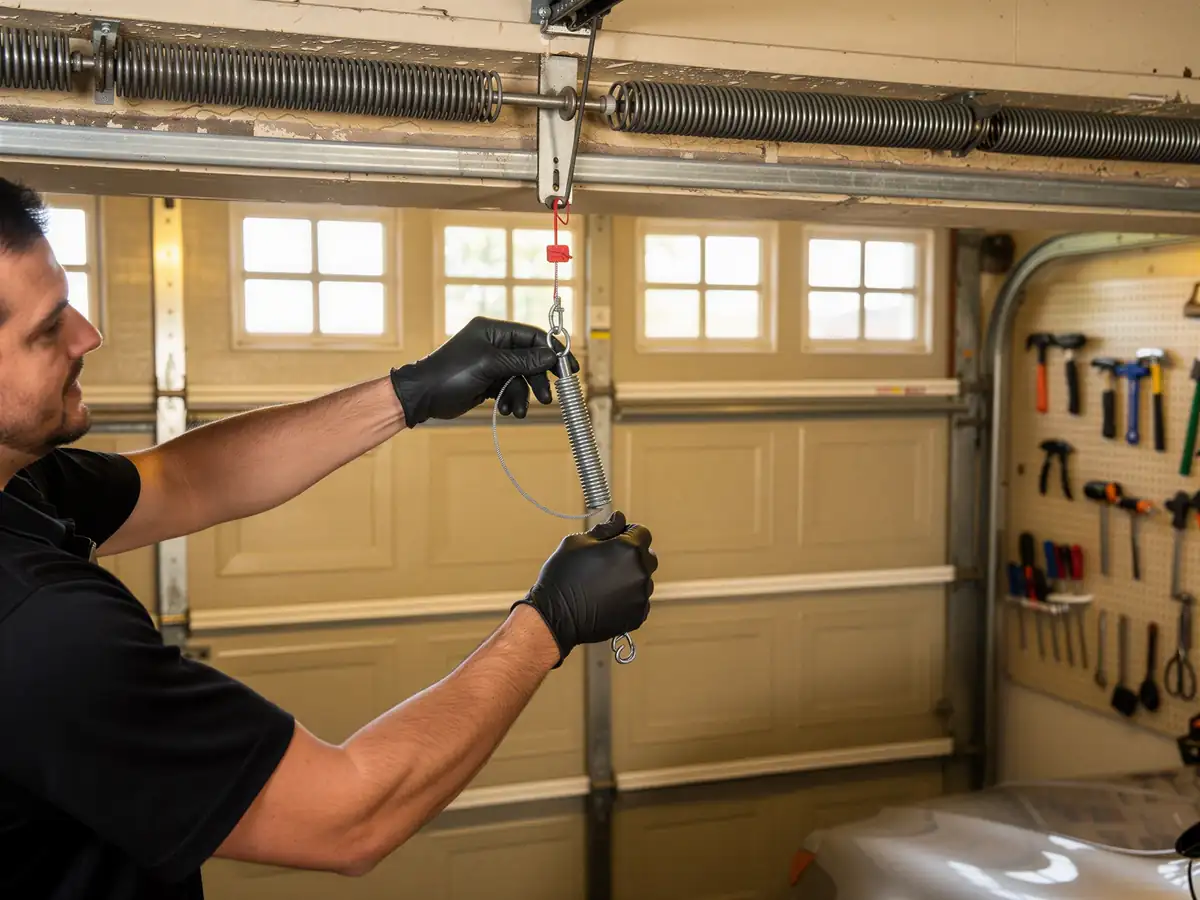
It's wound under enough tension to do real damage if it lets go while you're working on it, and on a door with original hardware from a 1981-era build, that spring has had forty-plus years to fatigue. Same goes for cables under tension and anything involving the bottom bracket. If the door is heavy to lift by hand with the opener disengaged, that's usually the spring telling you it's done, not a problem you fix with oil.
Getting It Booked In
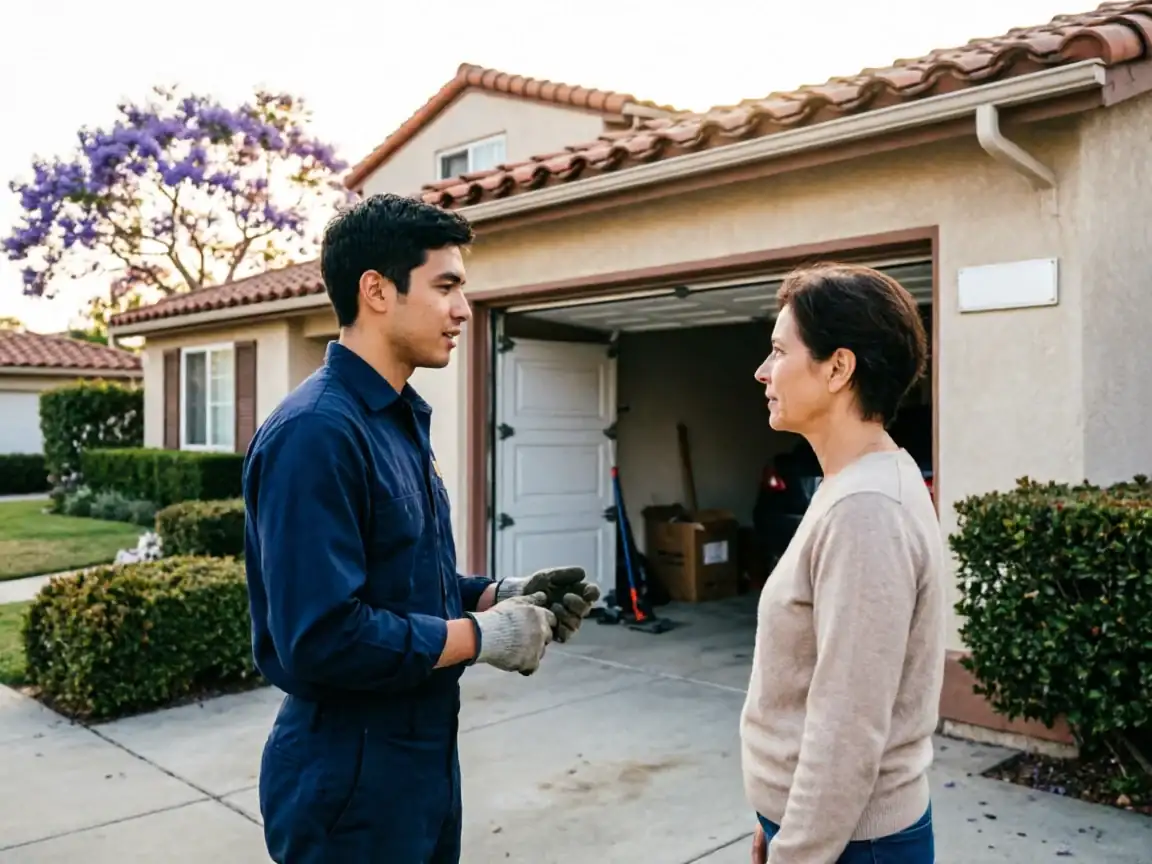
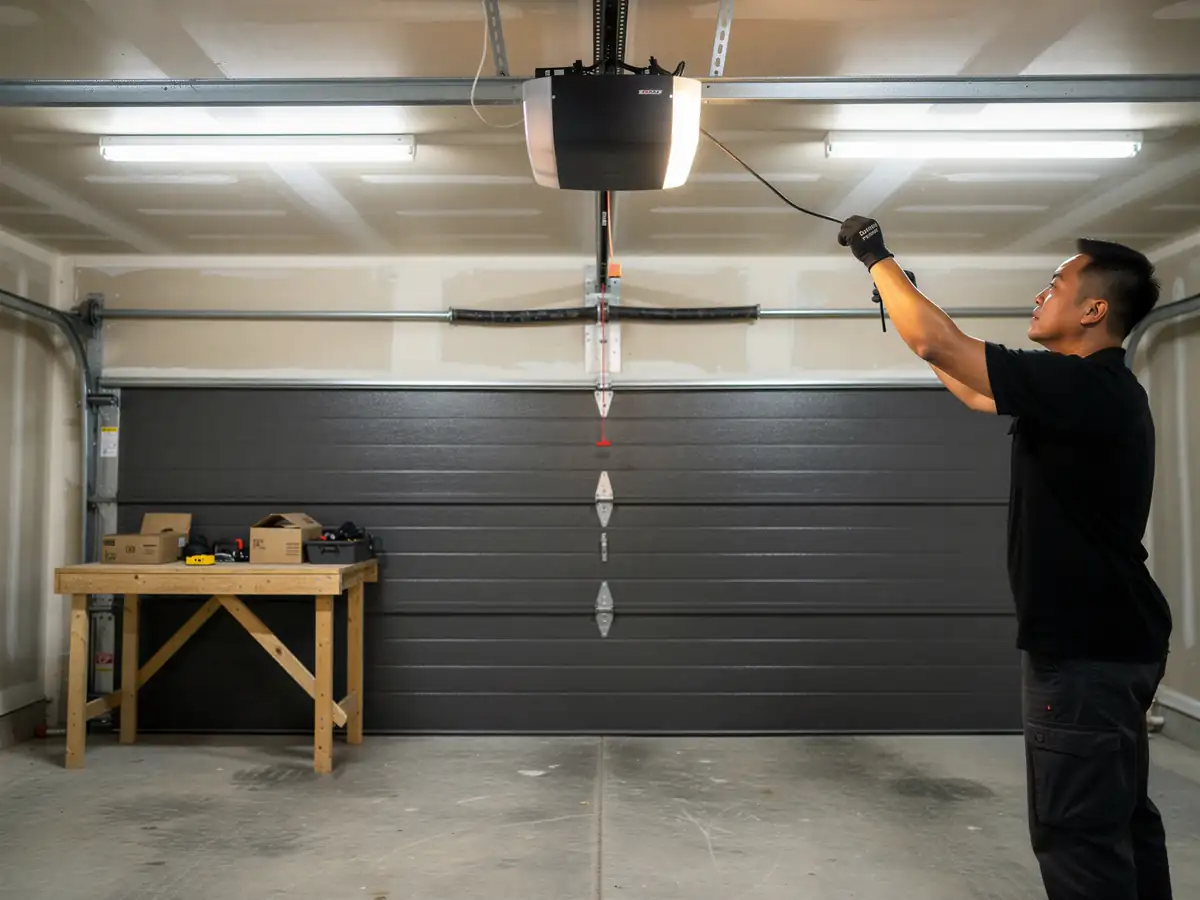
We run out of Stockton, about 12 miles from Linden, so a job here isn't a same-block call - it's worth describing the problem clearly when you reach out so the right parts are on the truck. A broken spring, a cable off its drum, and an opener that hums but doesn't lift are three different repairs with three different parts lists, and knowing which one you've got before the truck leaves saves a second trip.
Linden is a smaller pocket of the service area - under a thousand households by the latest count - so we're not out here every day the way we might be in denser parts of Stockton. That's fine, it just means telling us the make of your opener and roughly how old the door is helps us show up with what the job needs the first time.
What the Repair Takes
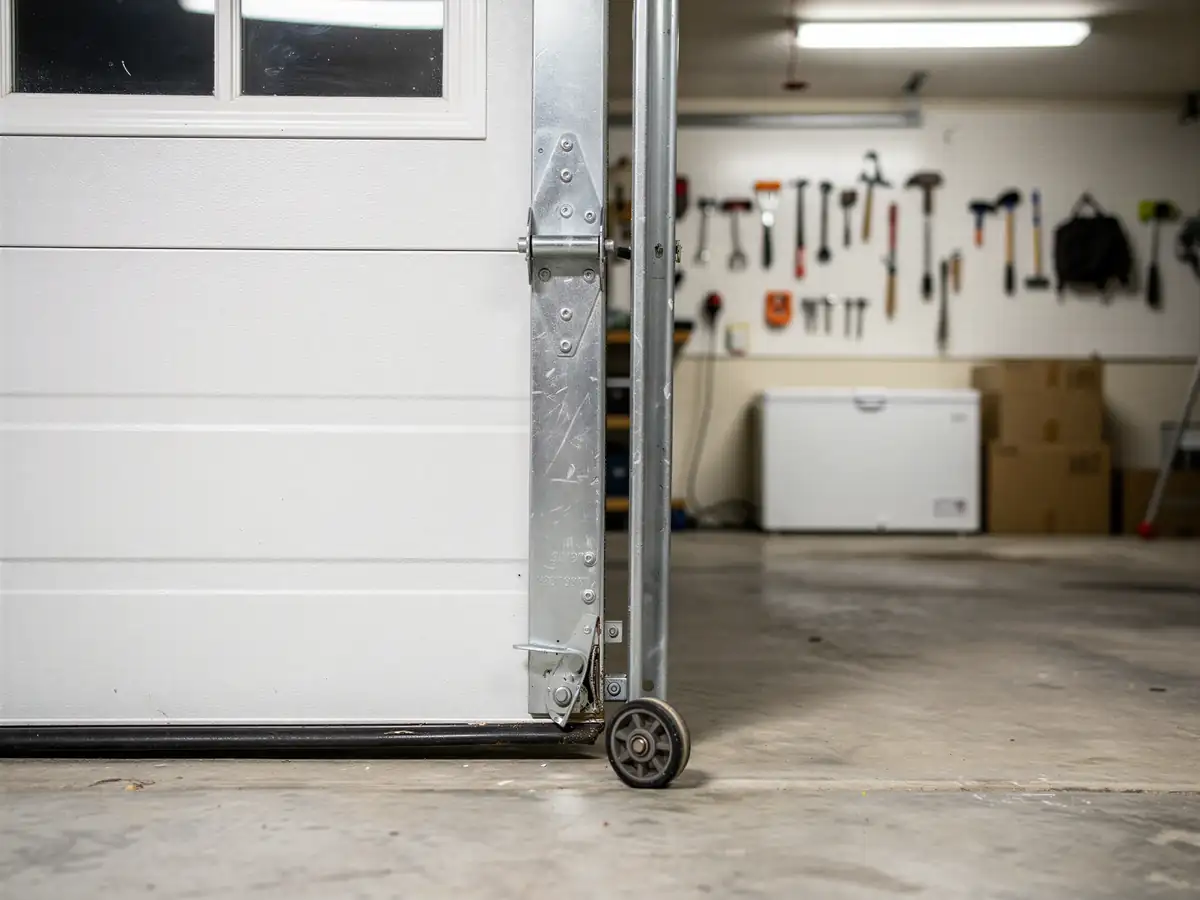
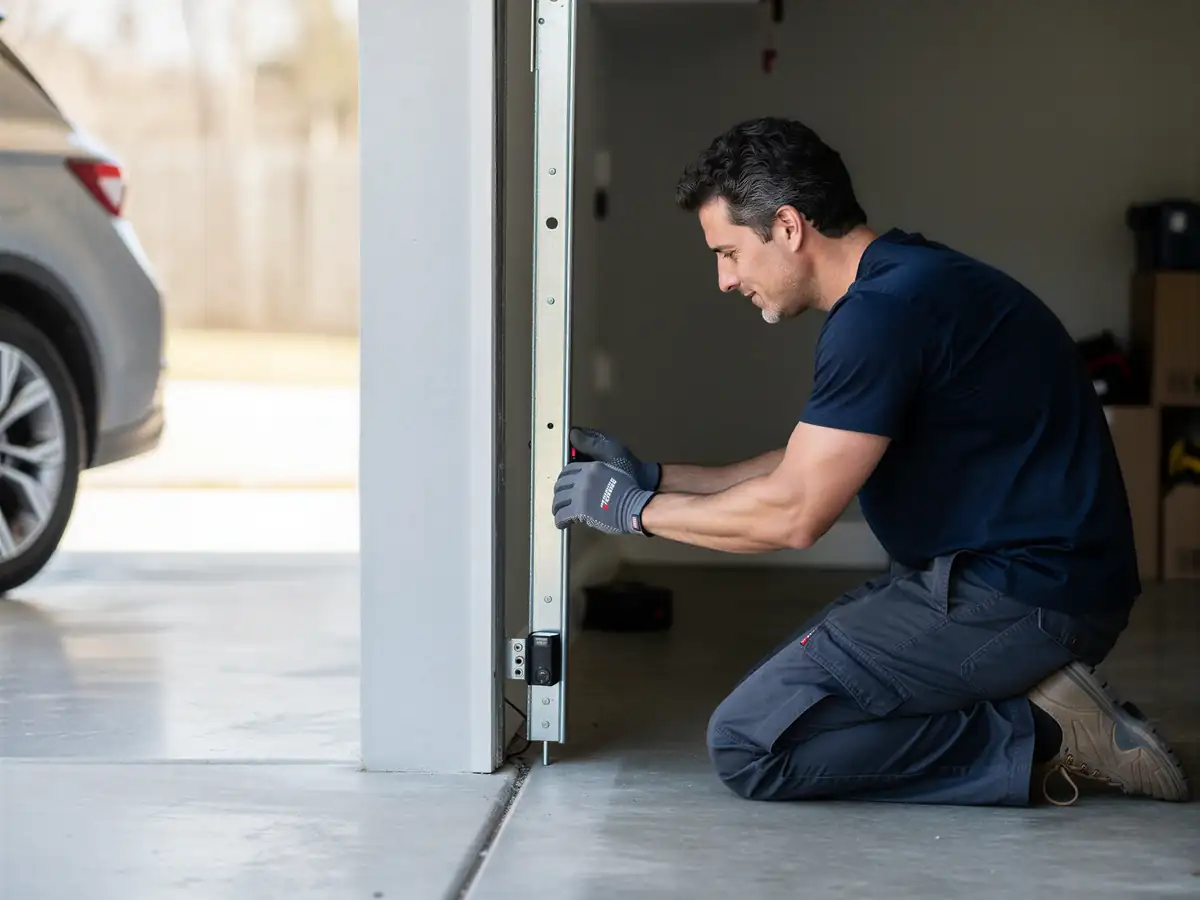
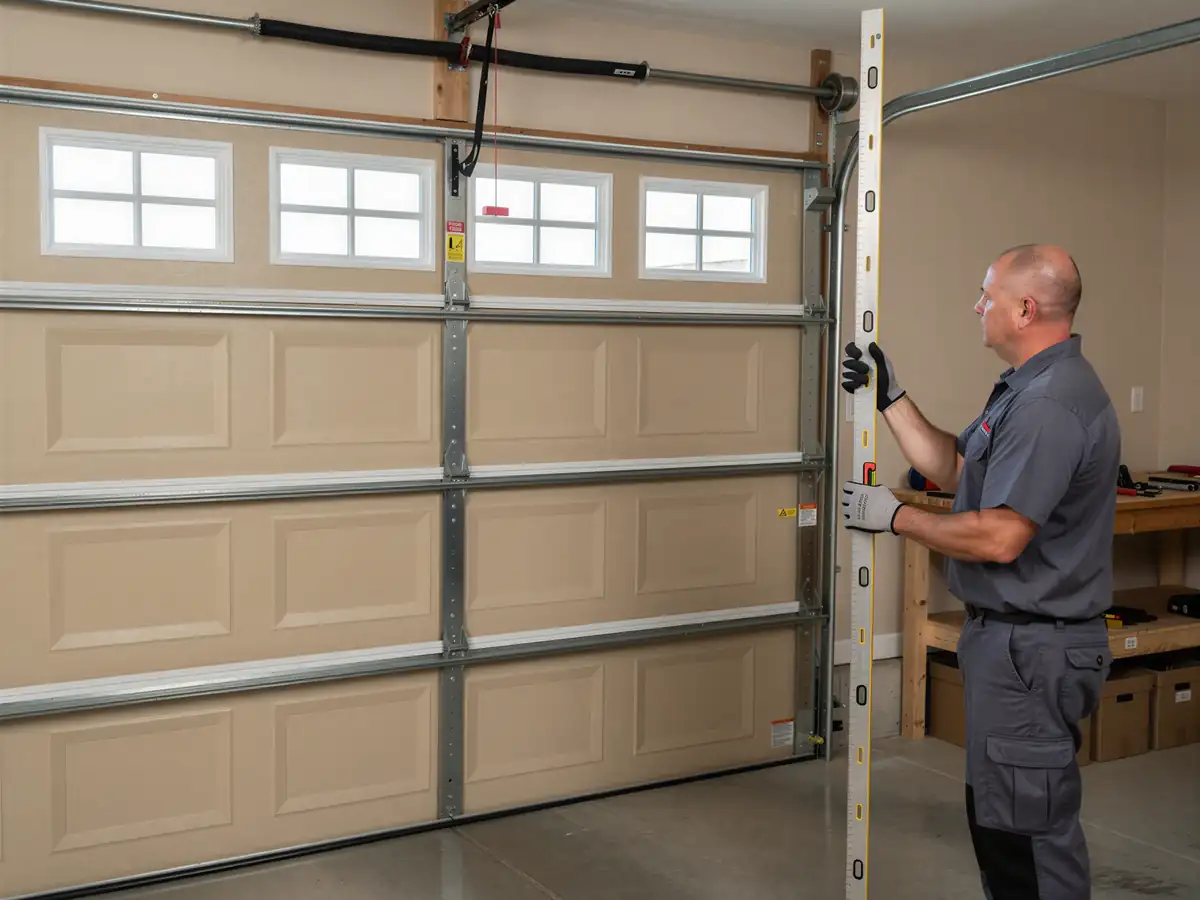
A standard torsion spring replacement on a double door usually means swapping both springs even if only one broke, since they wear at the same rate and the second one is close behind. On a door with hardware dating to the early 80s, we'll also check the cables, the drums, and the bottom brackets while we're in there, because replacing a spring and leaving corroded cable next to it just means a second call later.
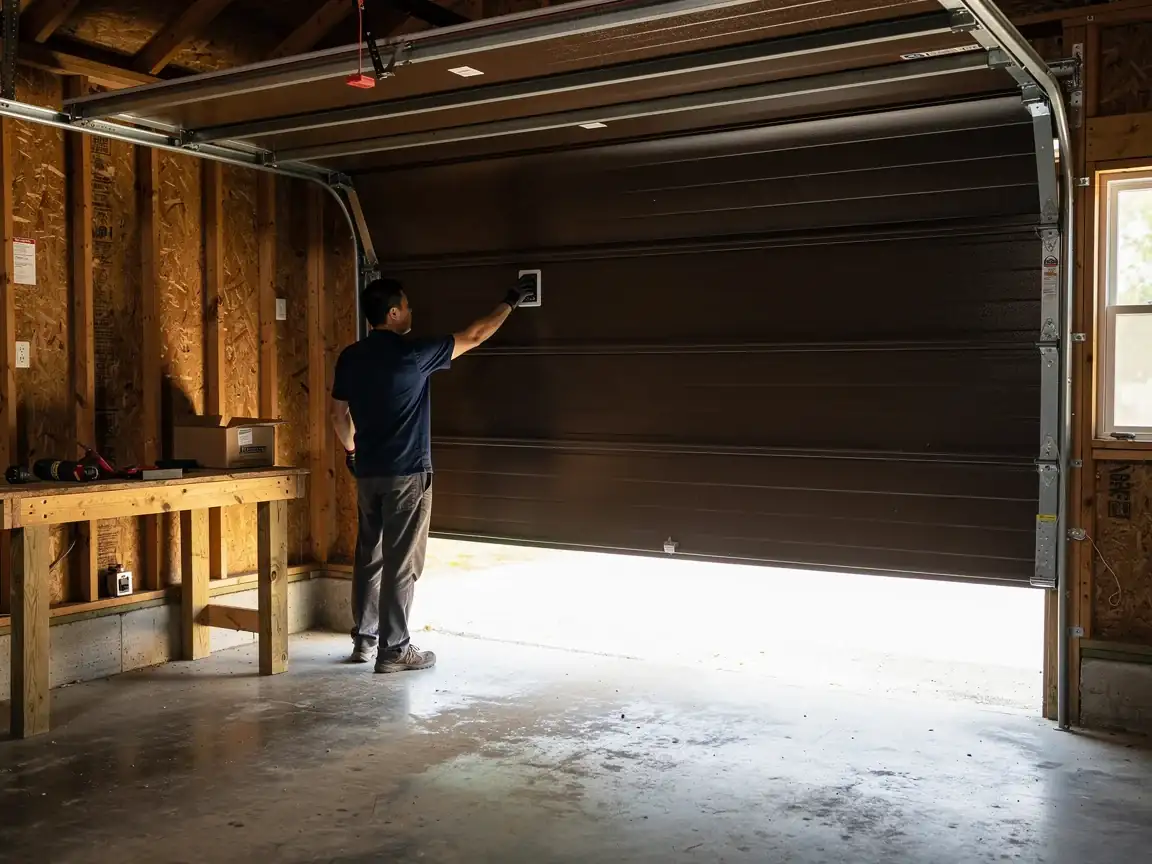
One honest limitation: if the opener itself is original to a 1981 build, we may not have a direct replacement part for that exact model in stock, and ordering it can add a day or two. In that case, a modern opener swap is often the faster and cheaper path than chasing parts for something four decades old. We'll tell you which makes sense once we see what you've got.