Why It Happens Here
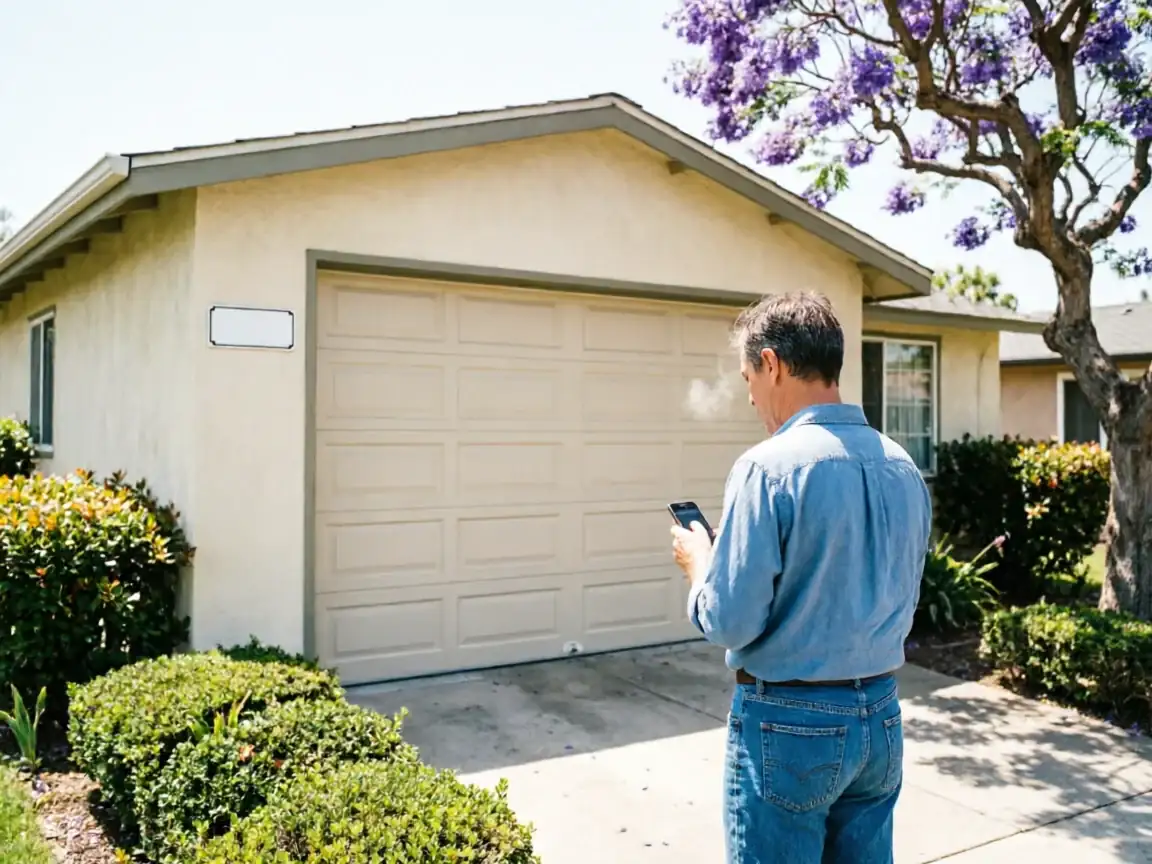
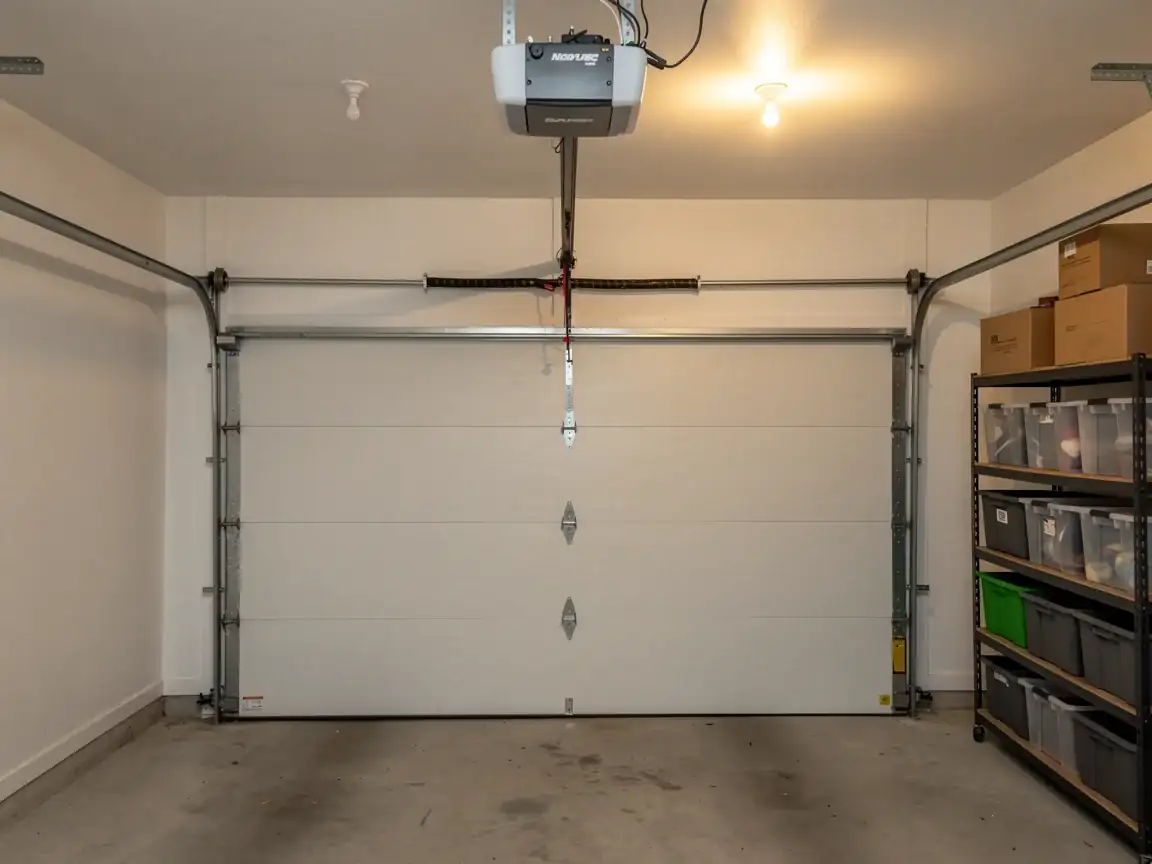
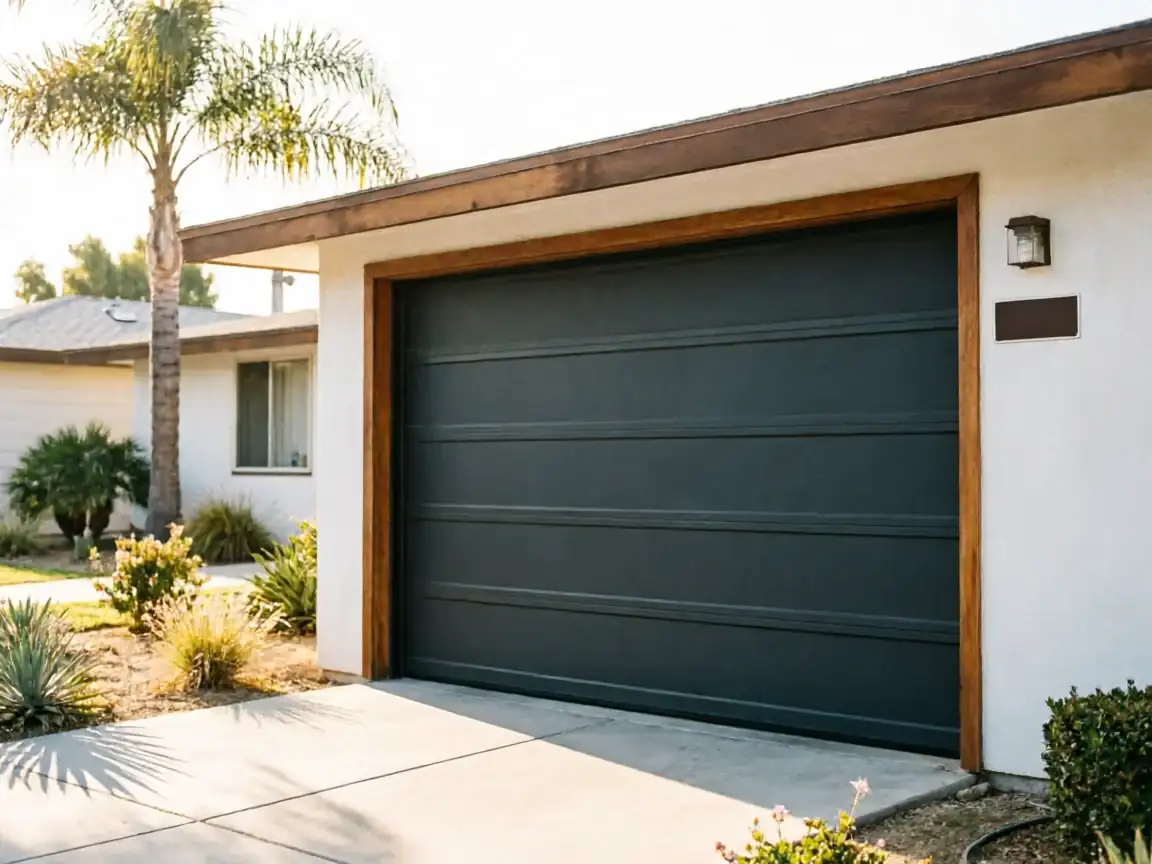
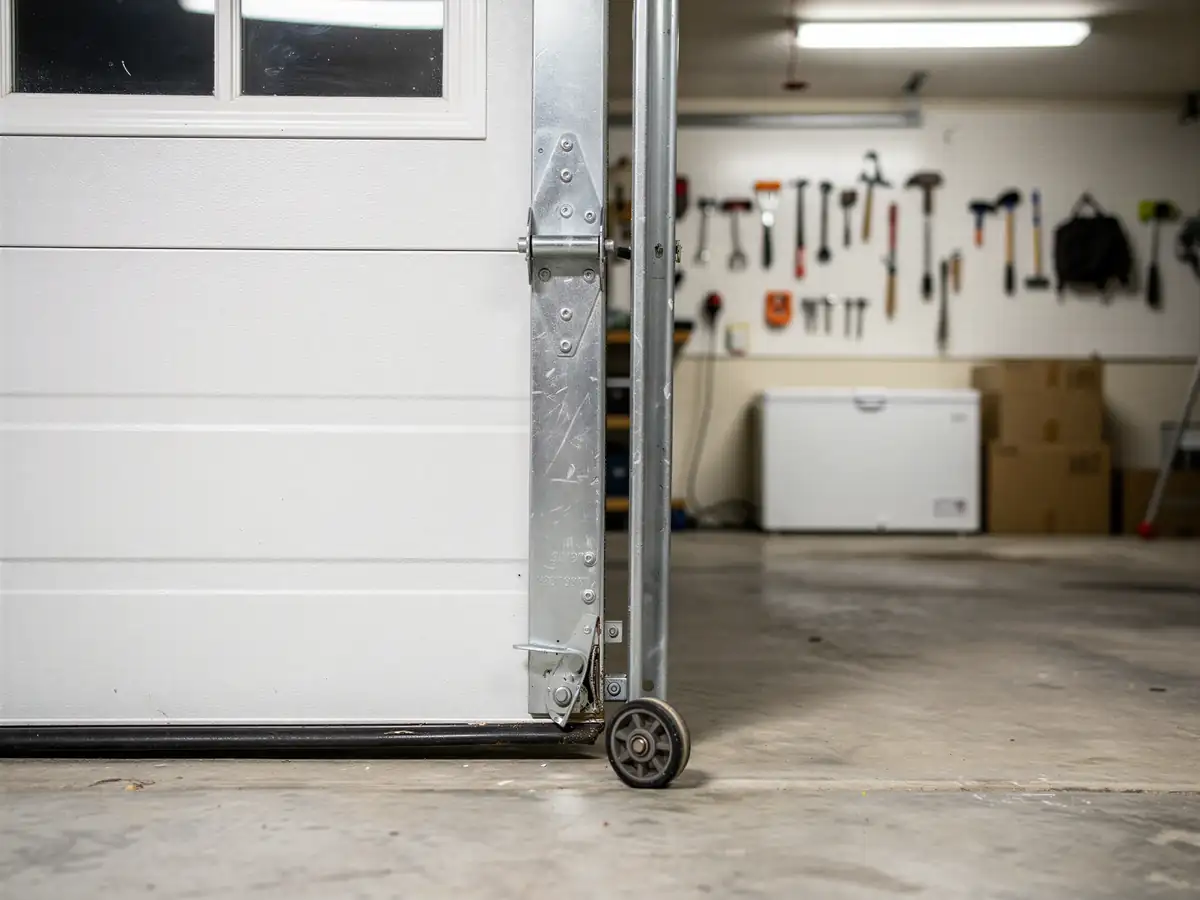
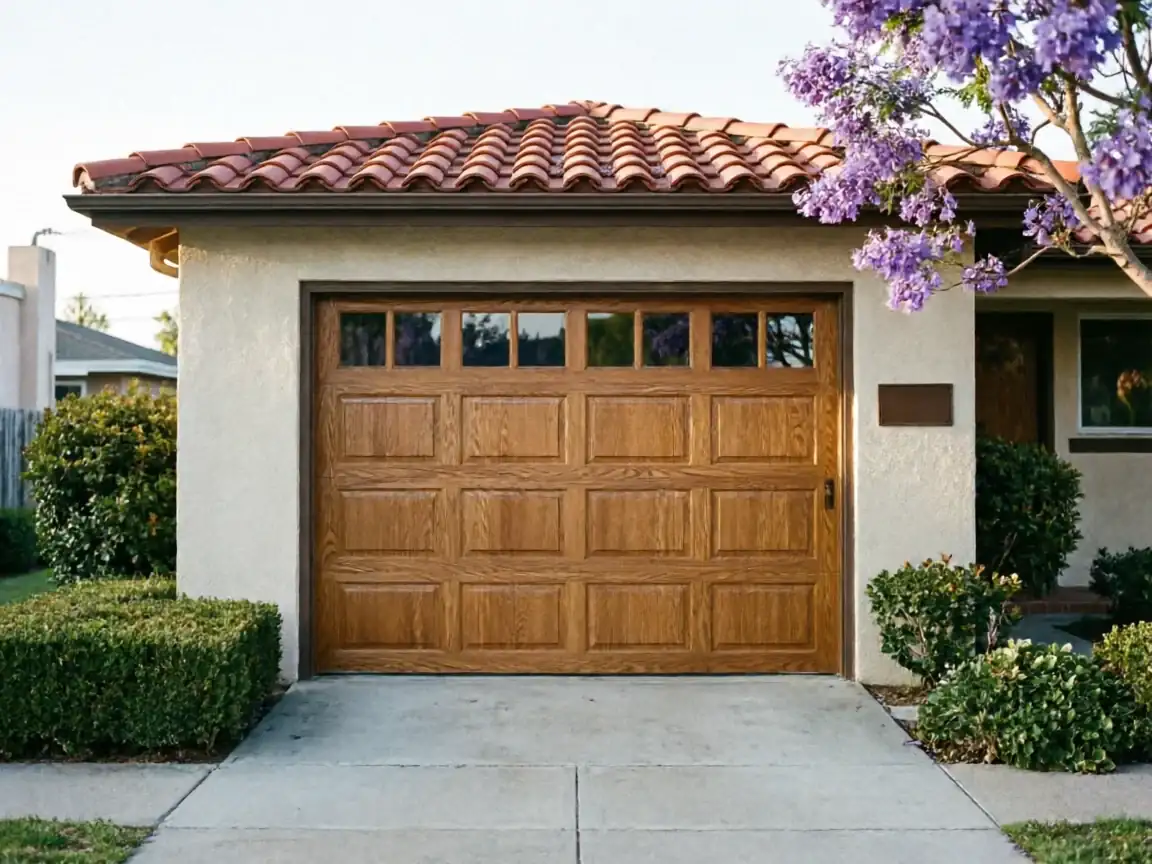
Most garage doors in Linden went up around 1981, which puts them squarely in the steel sectional era - single-layer, non-insulated panels, usually a 16x7 double or 9x7 single, hung on galvanized track that was never meant to last forty-plus years without attention. These doors are lighter than the older wood doors but heavier on the hardware: the torsion springs of that period are smaller-wound than what gets installed today, and they wear out faster under the same number of cycles. Rollers from this build era are often the original steel ball-bearing type, not nylon, so they're loud and they groove the track over time rather than wearing evenly.
Linden sits in a moderate-heat climate band, which isn't the extreme swing that cracks panels outright, but it does mean steady thermal expansion and contraction on steel tracks and panel seams year over year, which loosens fasteners and throws doors out of square gradually rather than all at once. With roughly 853 households in the area and a housing stock centered on that 1981 median, a lot of these doors are hitting the stage where the spring, not the opener, is the thing that fails first. We don't guess at that - it's just where the math of spring-cycle life and build date land for this town.
Can You Do This Yourself
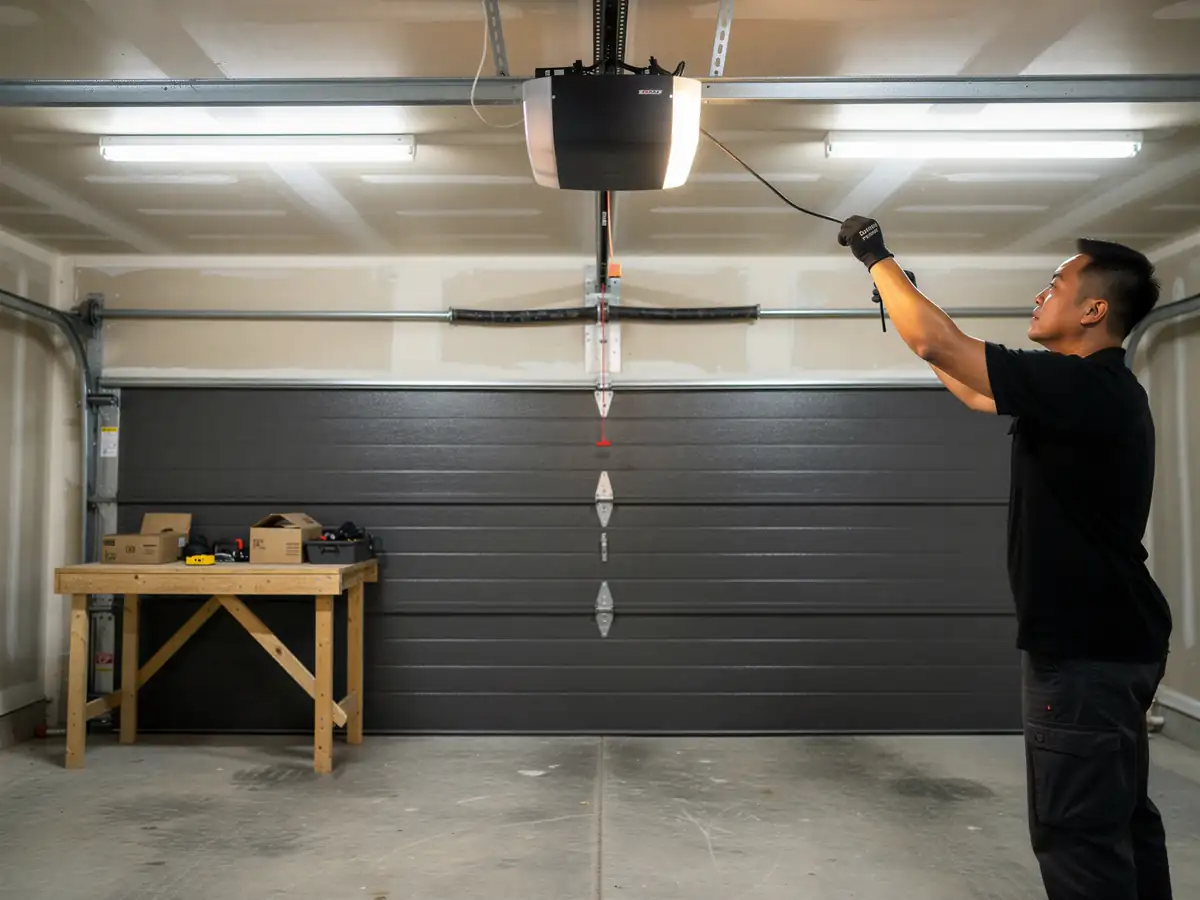
A rattly track or a slow-closing opener is often something an owner can look at
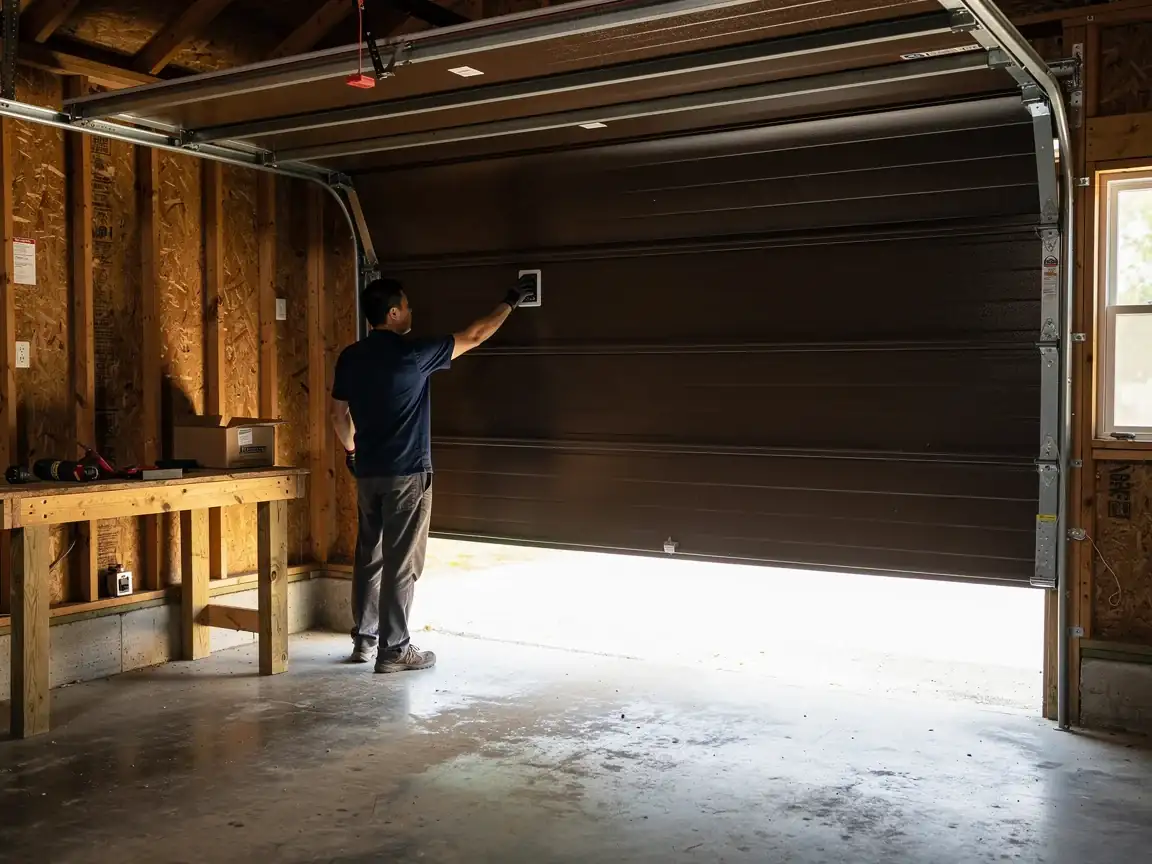
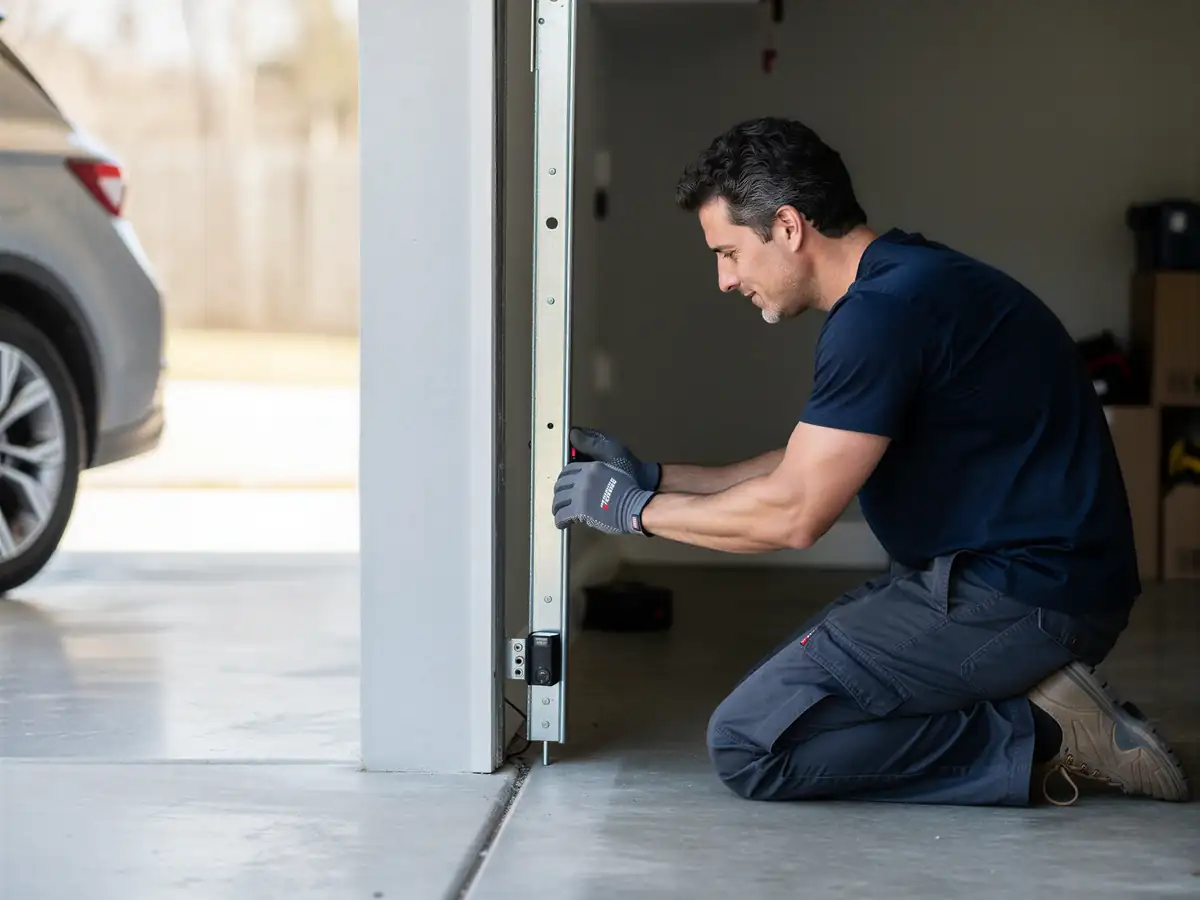
Tightening the mounting bracket bolts, checking the photo-eye alignment, lubricating hinges and rollers. That's reasonable weekend work, and we won't tell you to pay a truck call for it.
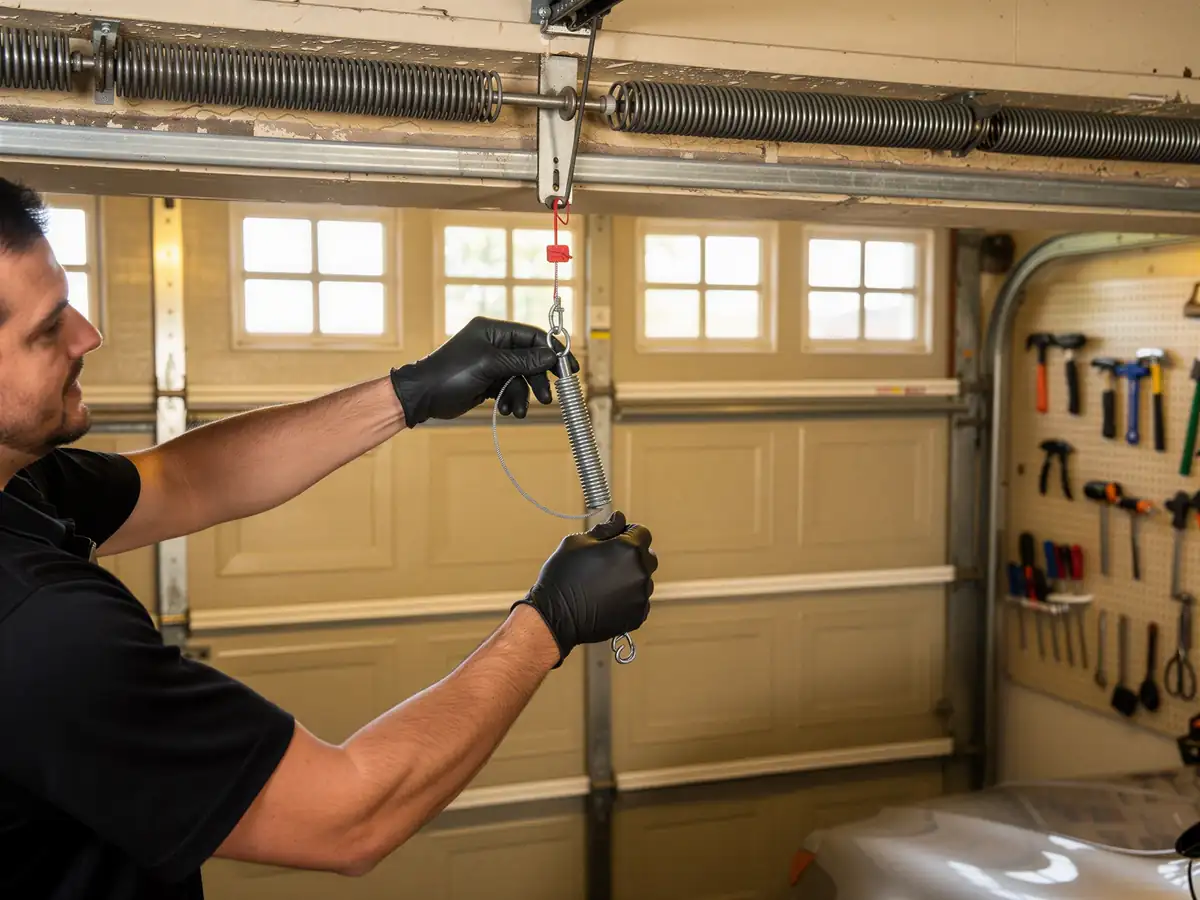
A broken torsion spring is a different matter
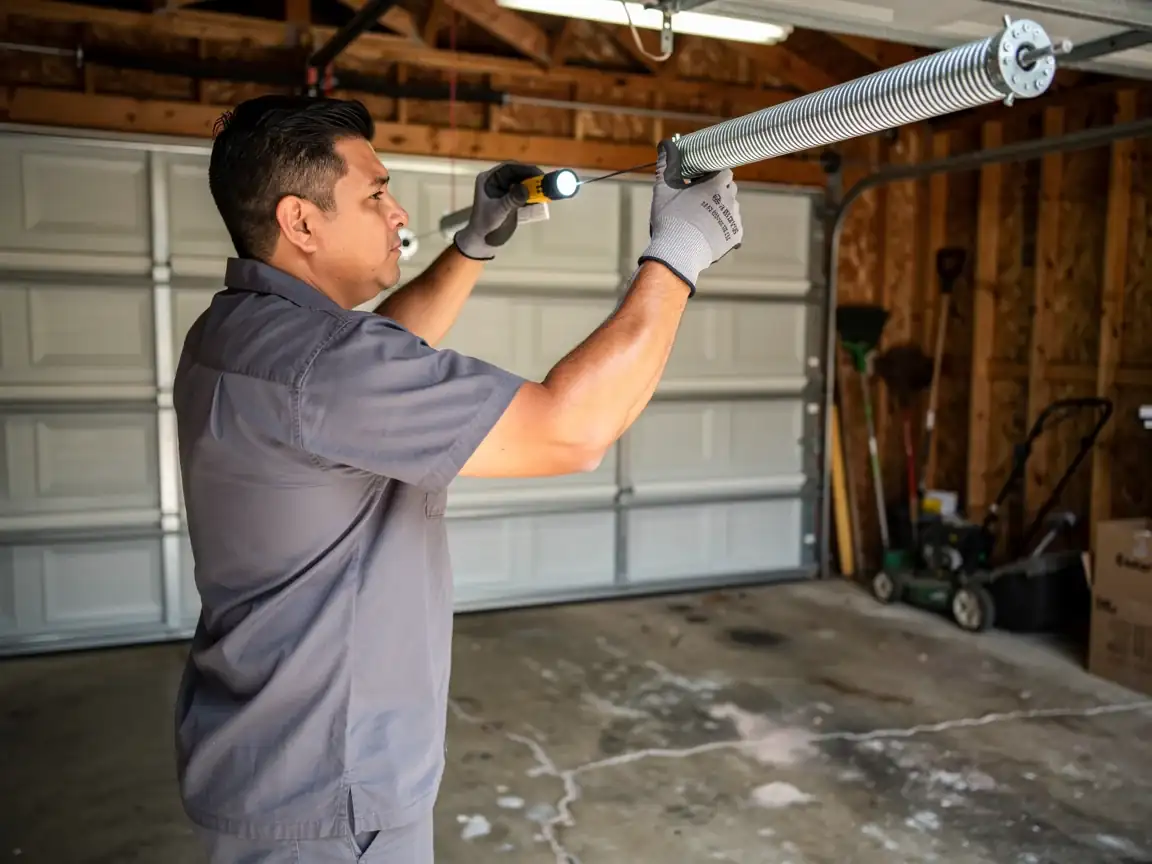
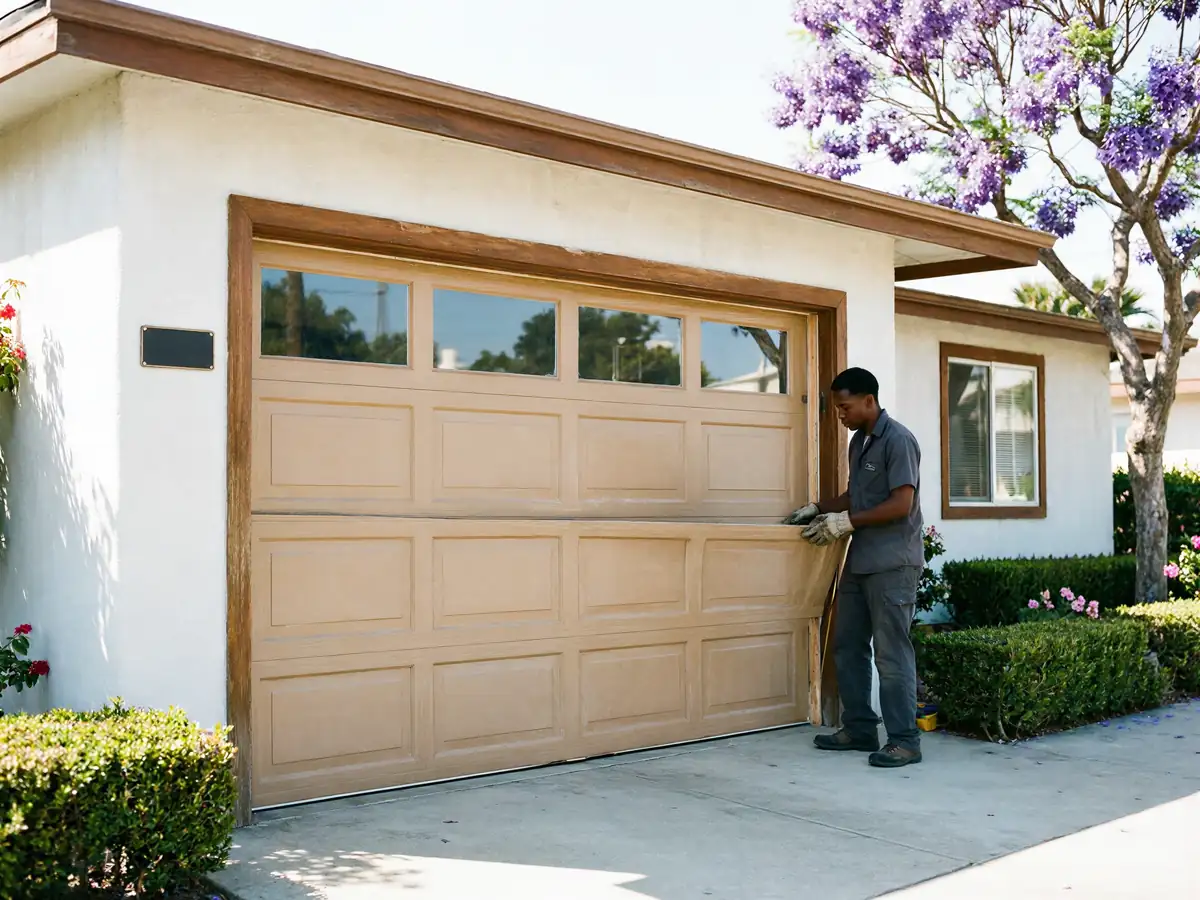
On a 16x7 door from this era, the spring is under enough tension to cause real injury if it's wound or unwound without the right bars and a sense of how that hardware behaves, and the original-era springs aren't always a stock size anymore, so matching one wrong leaves you with a door that binds or slams. We're honest about the limit here: if the spring's gone, or if the door's come off track on one side, that's not a YouTube job, and we'd rather you call than end up needing a repair on top of a repair.
Getting It Booked In
We run out of Stockton, about 12 miles from Linden, so there's no local branch to swing by - booking happens by phone or through the site, and the truck comes out from there. That distance isn't a factor in whether the job gets done right, but it does mean we're not the outfit to call for a same-minute fix; plan the call in rather than expecting someone standing by in town.
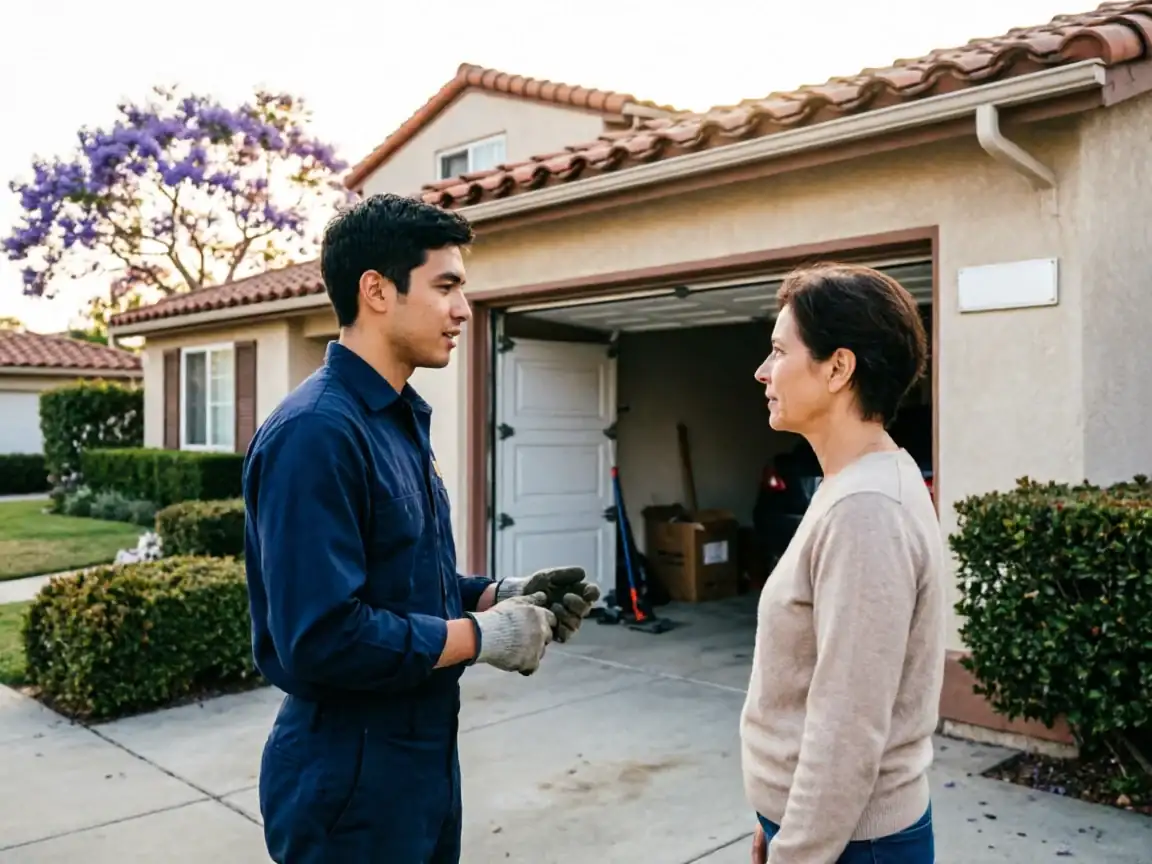
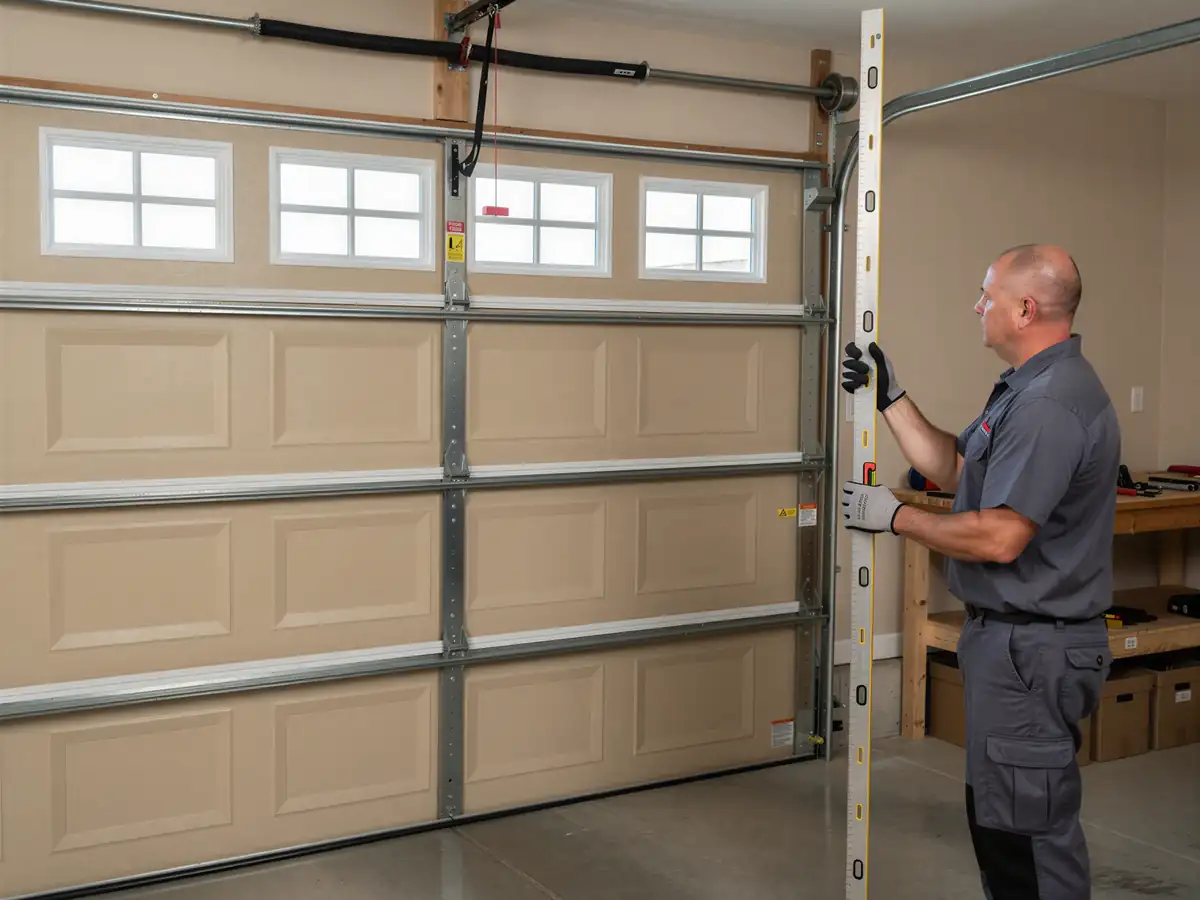
When you reach out, tell us the door size, roughly how old the house is, and what it's doing - grinding, off track, won't close, opener running but door not moving. For a town with a median household income around $123,378 and a housing stock mostly from the late 1970s and early 1980s, we can usually tell from that description alone whether you're looking at a spring, a cable, or an opener board issue, which saves a diagnostic trip.
What the Repair Takes
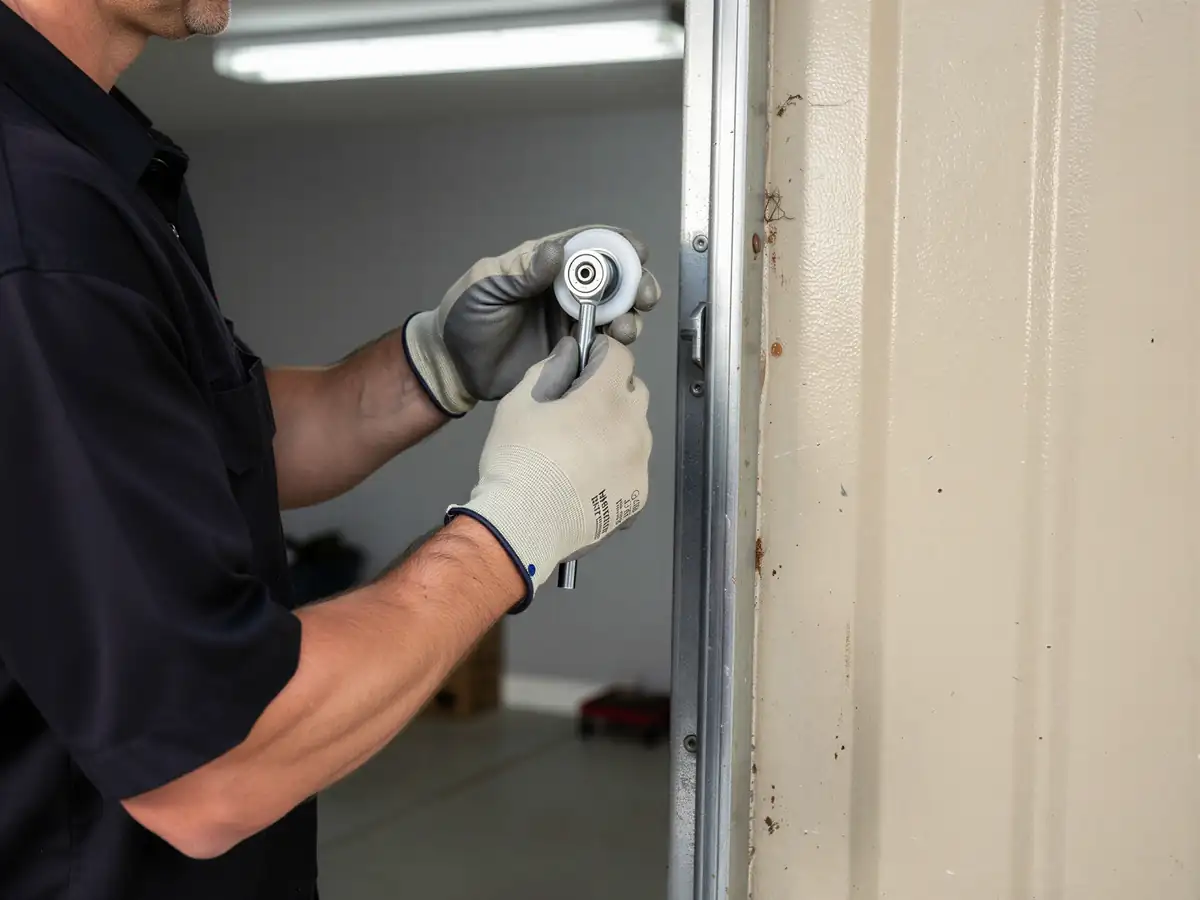
For a 1981-era door, the repair usually comes down to one of three things: a torsion spring replacement, a roller and track realignment, or an opener logic board swap if the door moves fine by hand but won't respond to the remote. Spring work on a double 16x7 door takes longer than a single because there's more weight to balance correctly, and because older doors sometimes have a single center spring rather than two, which changes how the job's quoted.
We won't push full door replacement on a door that still has good panels just because the hardware's dated - if the steel's not dented or rusted through, a hardware rebuild gets another decade out of it at a fraction of the cost. But if the panels are warped or the door's been patched more than once already, replacement is the honest call, and we'll say so rather than keep billing small fixes on a door that's done.