Time on the Job
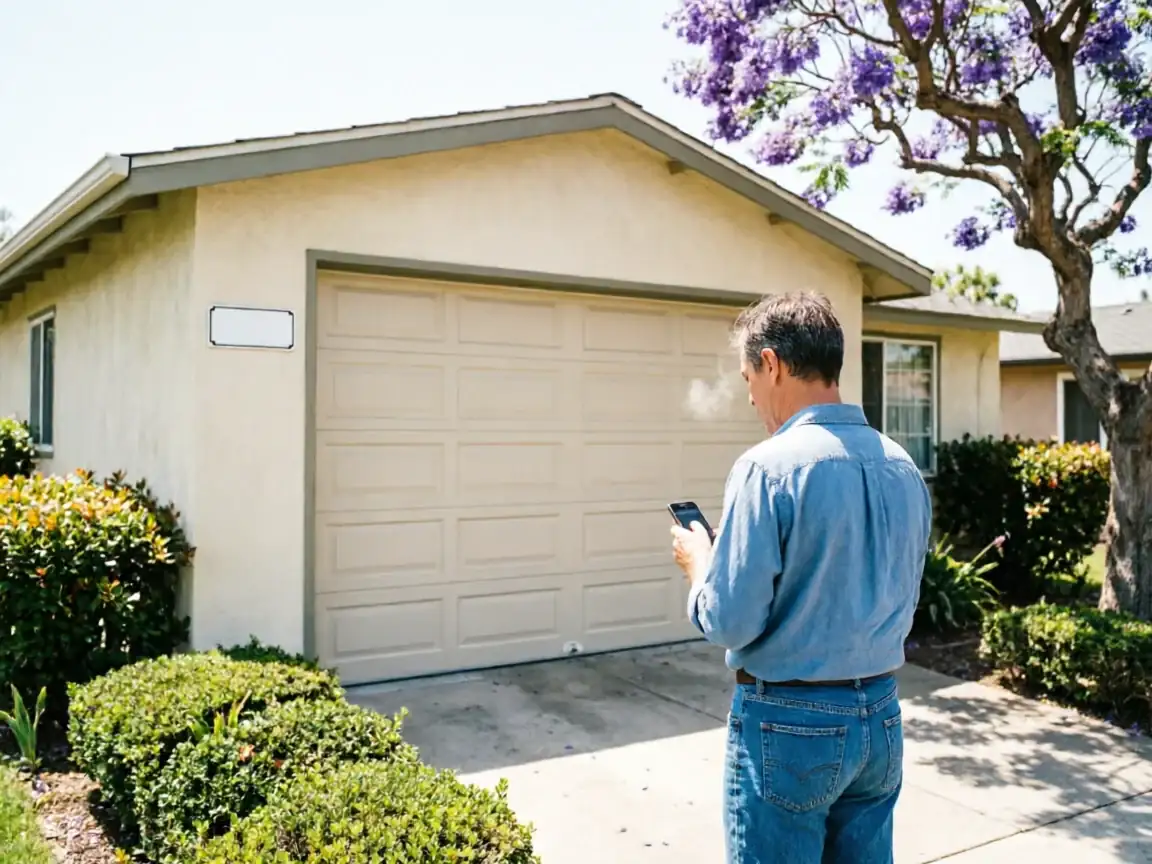
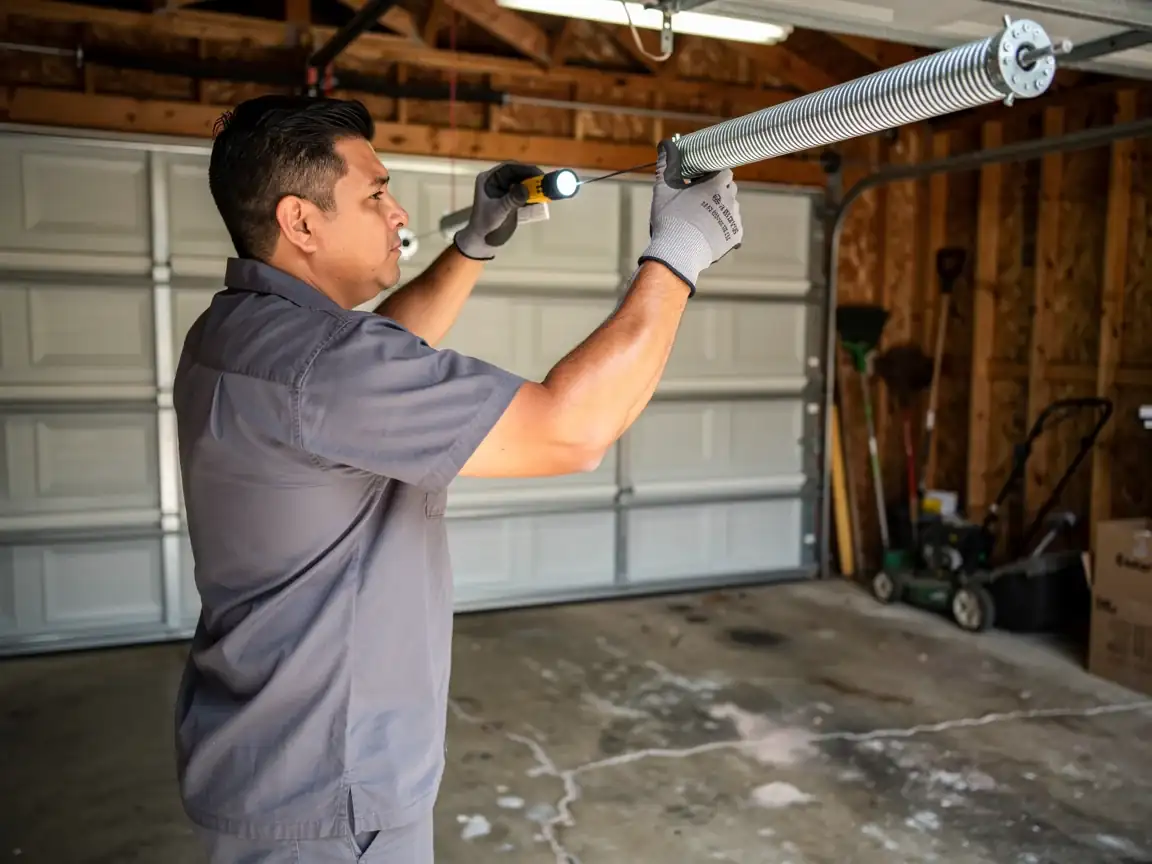
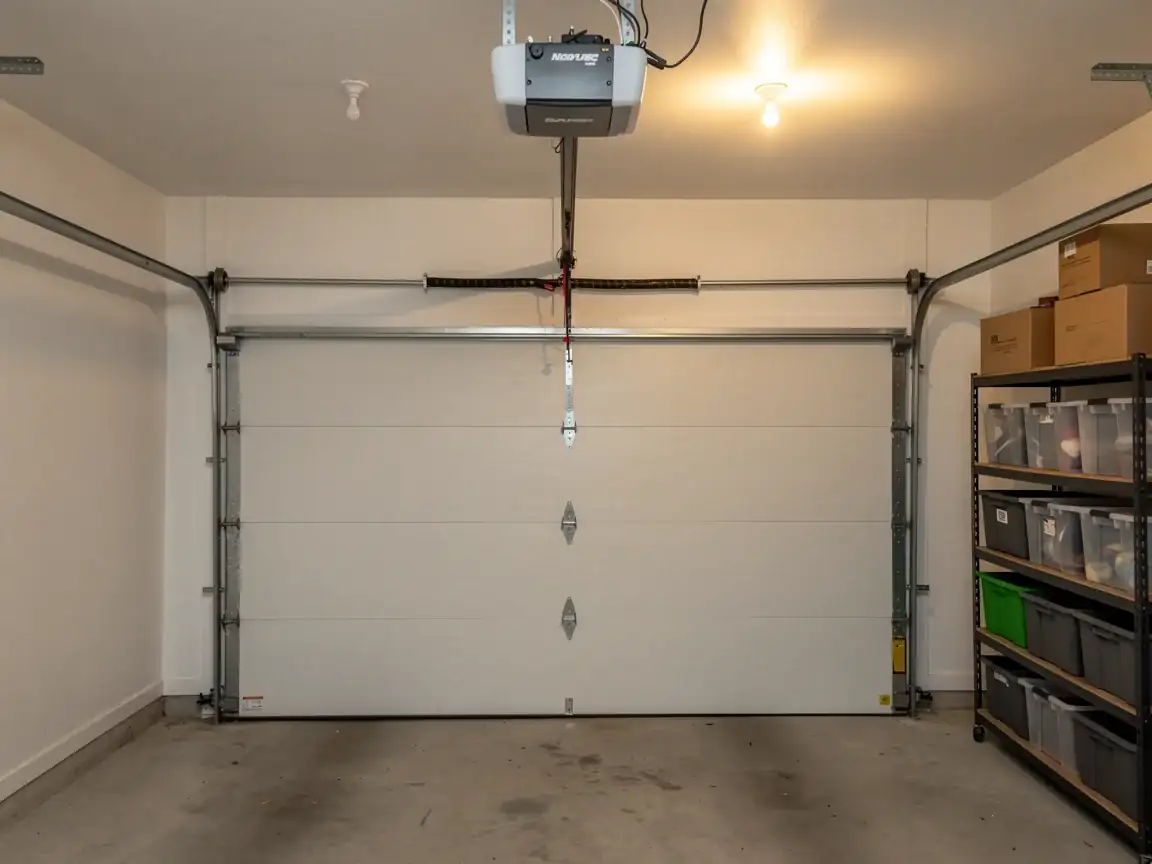
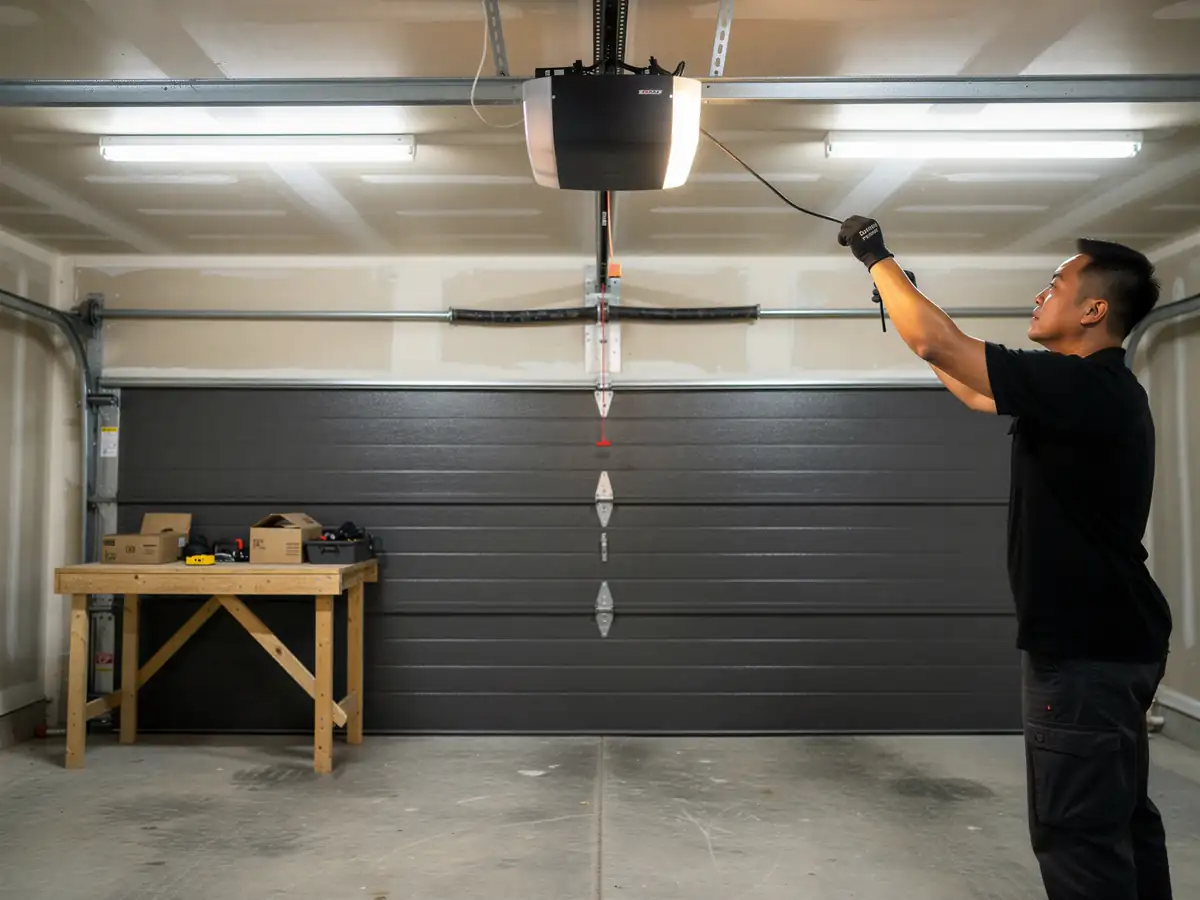
The opener failures we see out in Morada are rarely about a dead remote. Most houses here went up around 1968, which puts the original garage door opener - if it's even still the original - well past any reasonable service life. What we actually pull out is a chain-drive unit from a later retrofit, usually installed sometime in the 80s or 90s when the first one gave out, bolted to a header that was never squared for it. That mismatch between an old door and a newer opener is most of the call.
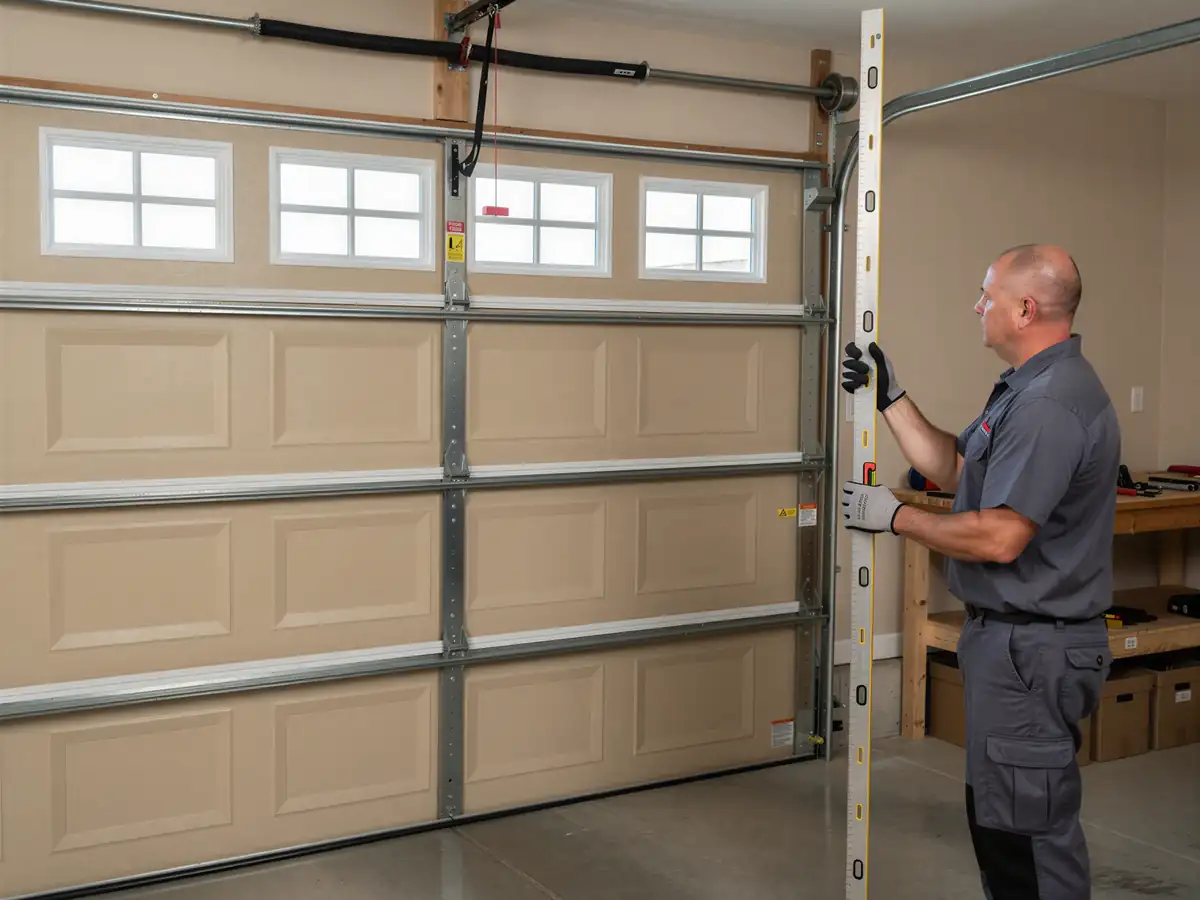
On a straightforward swap - same rail length, same mounting points, no header rework - we're in and out in under two hours. Add a keypad, a second remote, or a bracket that needs rebuilding because the wood around it has gone soft, and it runs longer. We won't guess at that over the phone; we look at the header in person before we quote a number.
Why It Happens Here
A home built in 1968 has had a long run of openers cycling through it
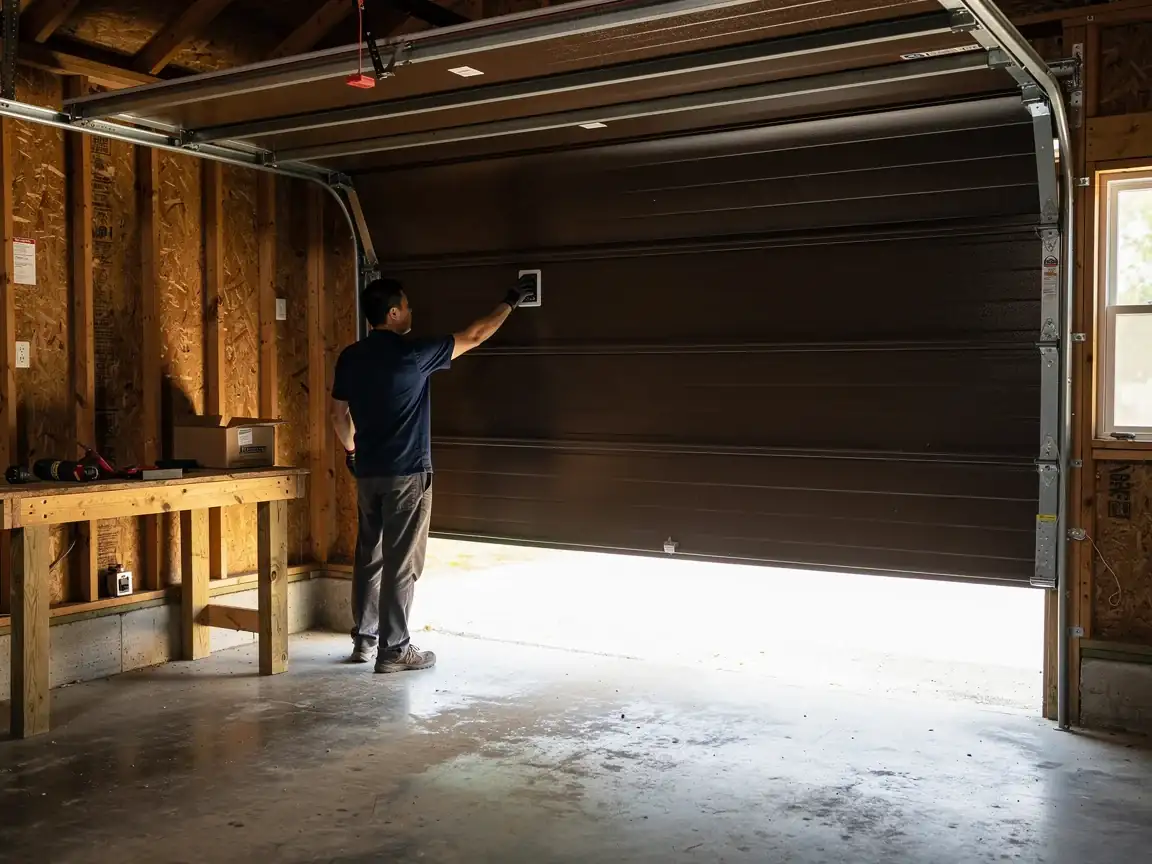
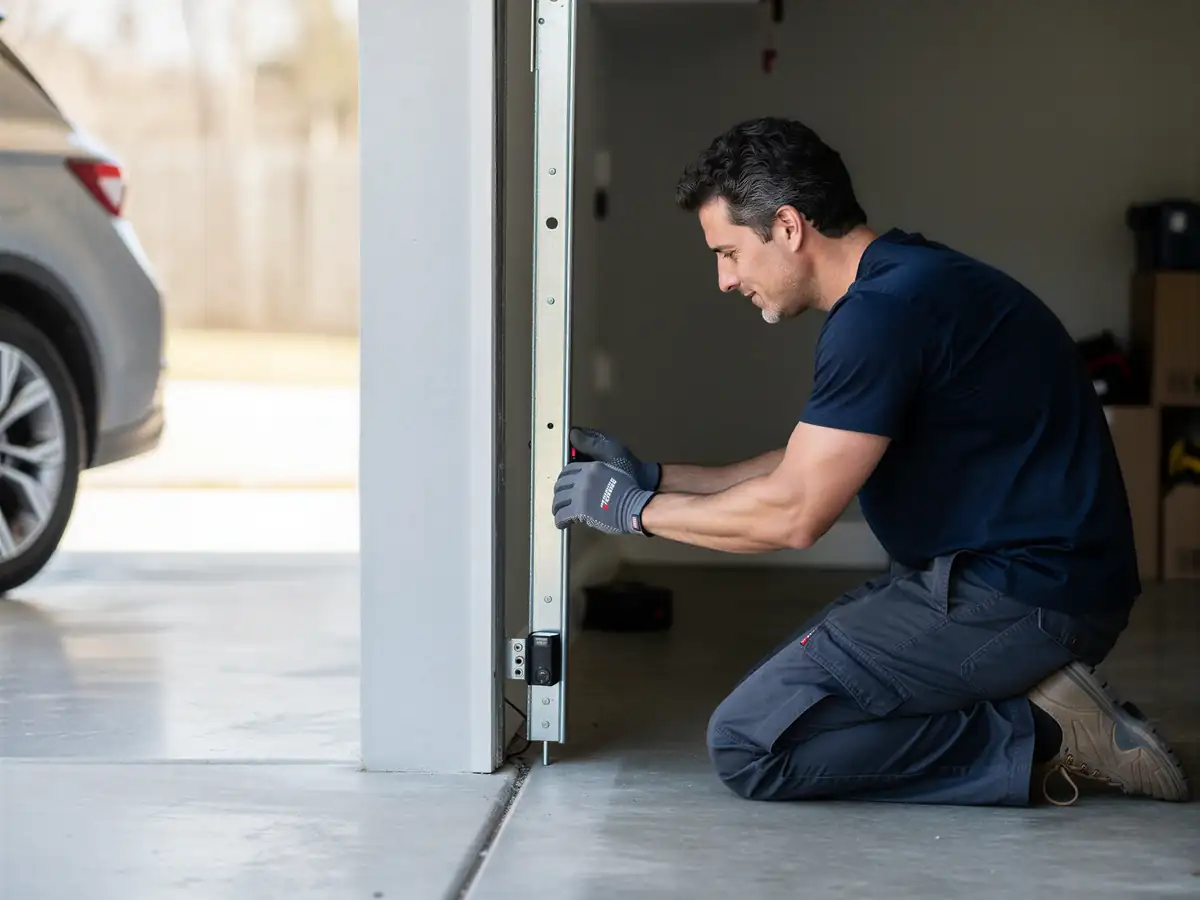
And each swap leaves a little more slack in the system - looser rail brackets, extra holes in the header, a safety reversal sensor bolted on as an afterthought because the house predates the 1993 federal rule requiring photo-eyes. We still find openers out here with no photo-eye at all, which isn't a judgment on the owner, just the math of a 1968 build outliving several code cycles.
The climate here is moderate on heat
So we're not chasing the kind of thermal expansion problems that crack openers in harsher zones. The issue in Morada is age and mismatch, not weather. With roughly 1,242 households in the immediate area and incomes running a bit above the wider Stockton service area, we see more owners opting to replace an opener outright rather than keep patching a chain-drive unit that's outlived its gears.
- 1,242 households
Getting It Booked In
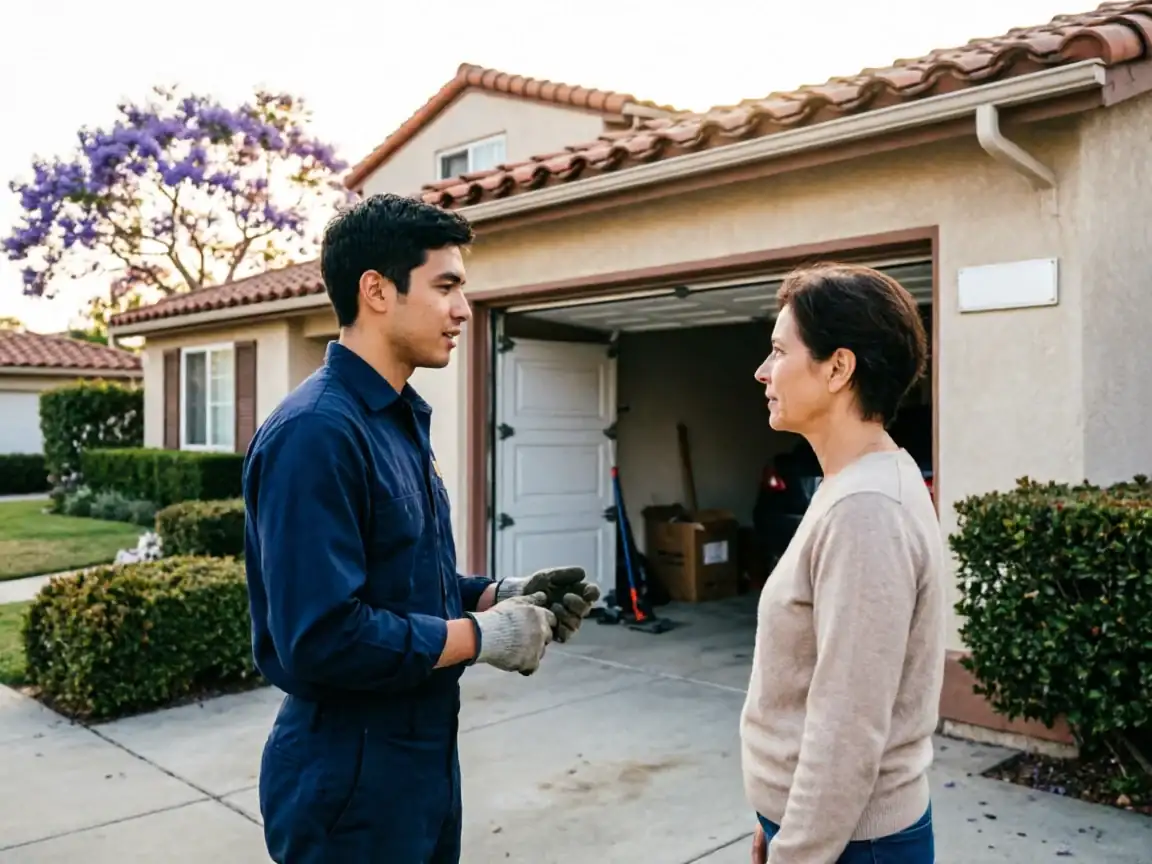
We run this job out of Stockton, about 6 miles from Morada, so there's no local branch to swing by - you call or book online and we drive the truck out. That distance doesn't change what we bring: the opener, the rail, the mounting hardware, and whatever header bracket the job needs once we've seen it.
Because Morada doesn't have its own depot, we ask a few more questions up front - door weight, ceiling height, whether there's an existing outlet near the mount point - so the truck rolls with the right unit instead of a wrong guess. For a straight opener swap, same-visit completion is normal. If the header needs rebuilding or the door itself needs attention first, we'll say so before we start, not after.
Can You Do This Yourself
A lot of homeowners can hang a new opener. The part that goes wrong isn't the motor, it's the safety reversal setup - the photo-eye alignment and the force settings - especially on a header that's been drilled and redrilled since 1968. Get that wrong and the door doesn't stop on an obstruction, which is the one failure mode that actually hurts someone.
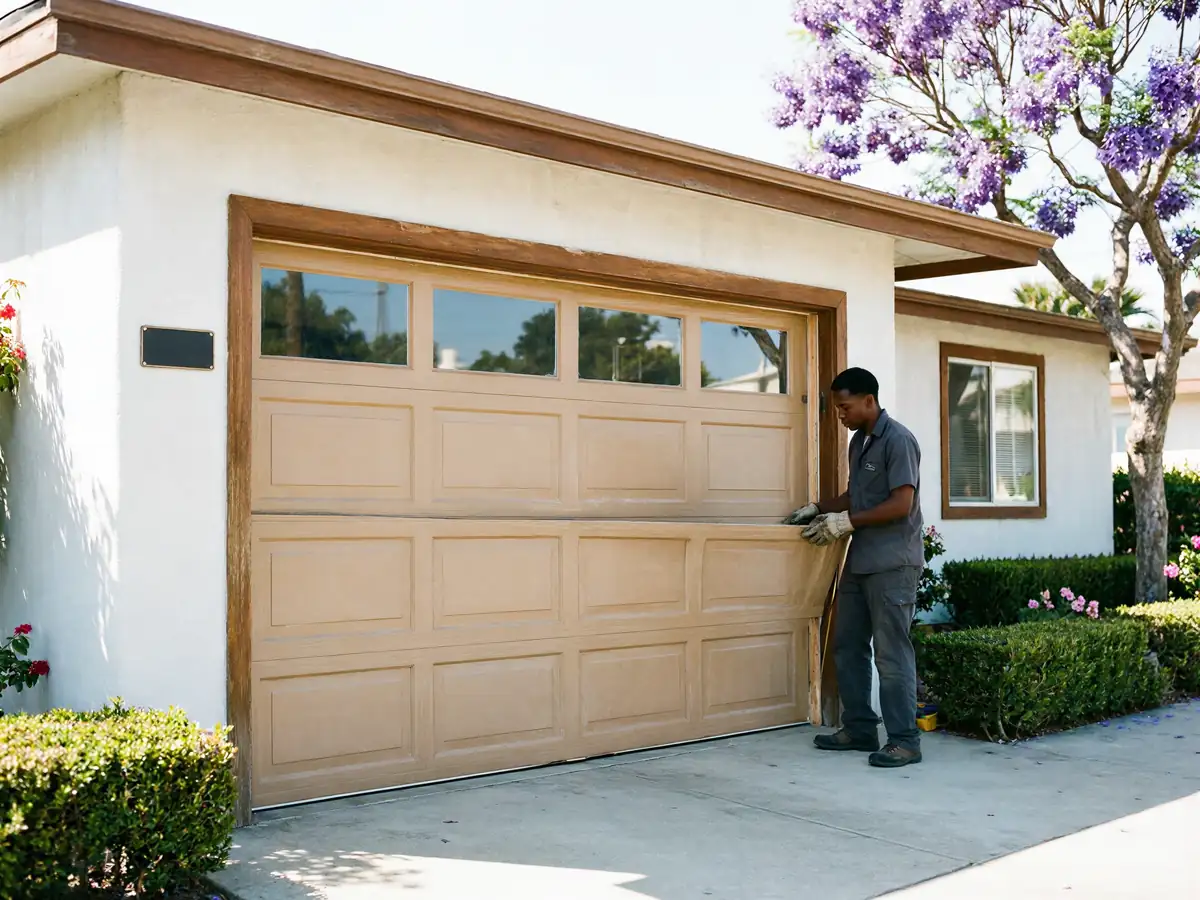
If your garage still has the original chain-drive with no photo-eyes at all, that's not a DIY upgrade - that's a full install, and it's worth having someone check the header condition before you buy the unit. We won't talk you out of doing it yourself if you're comfortable on a ladder and know how to test a force setting properly. We will say: don't skip the reversal test, and don't mount to a header you haven't checked for rot.
What It Costs
We don't have a flat number to quote here
Door weight, header condition on an older Morada build, and whether you want battery backup all move the price. What we can tell you is the factors that matter most for a house of this era: if the header's solid and it's a straight swap, you're looking at a standard opener install. If we find a chain-drive from the 80s bolted to studs that need reinforcing, that adds labor before the opener ever goes on.
We quote on site, after we've actually looked at the header and the door it's attached to
Not over the phone from a guess. That's slower than giving you a number up front, but it means the number doesn't change once the truck's already there.