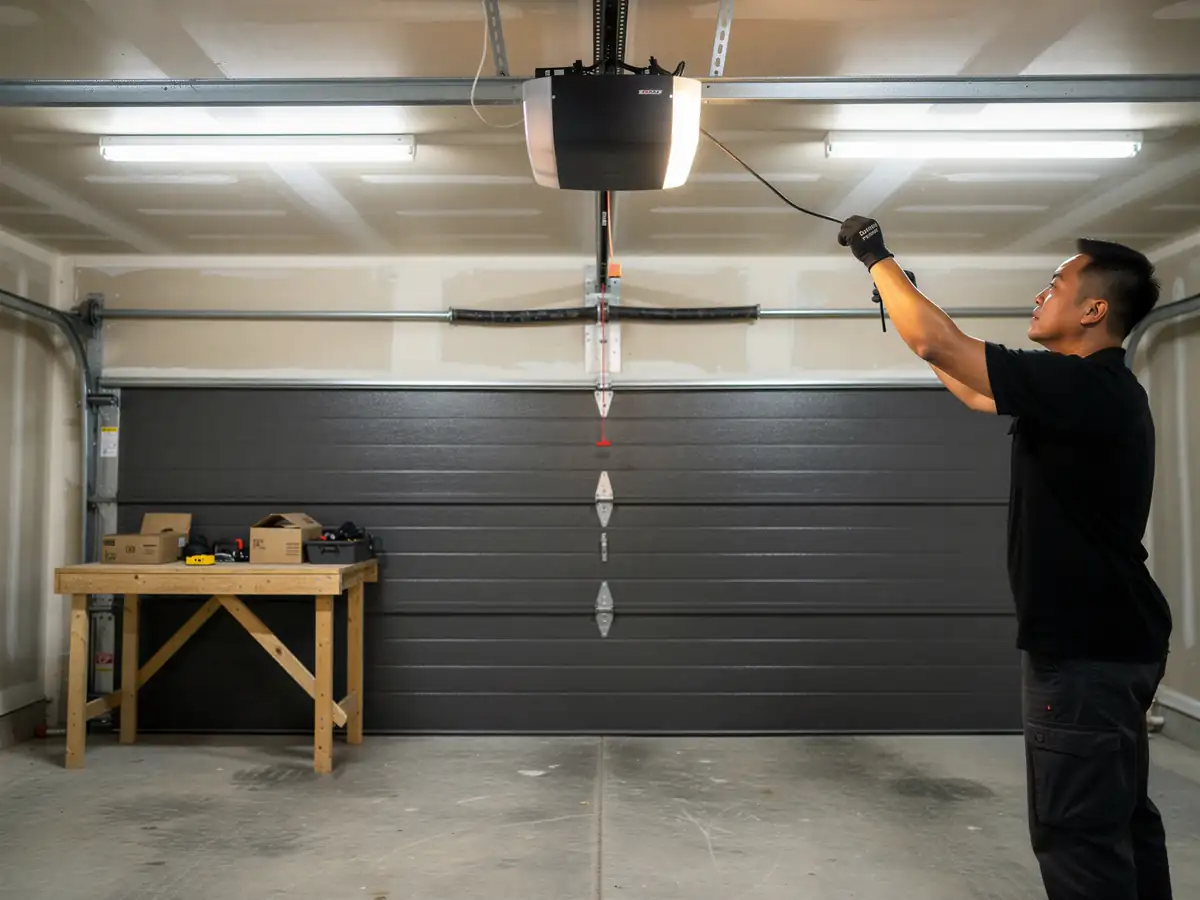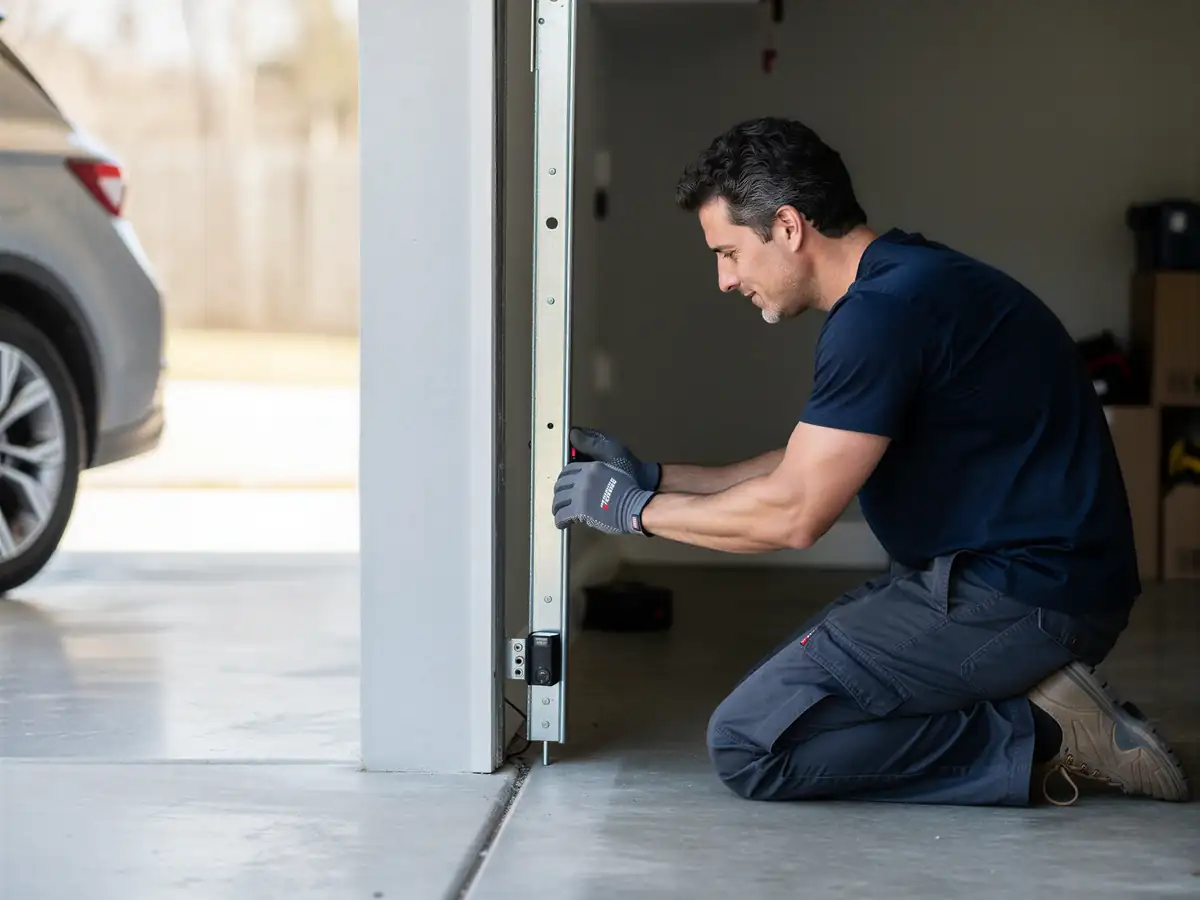
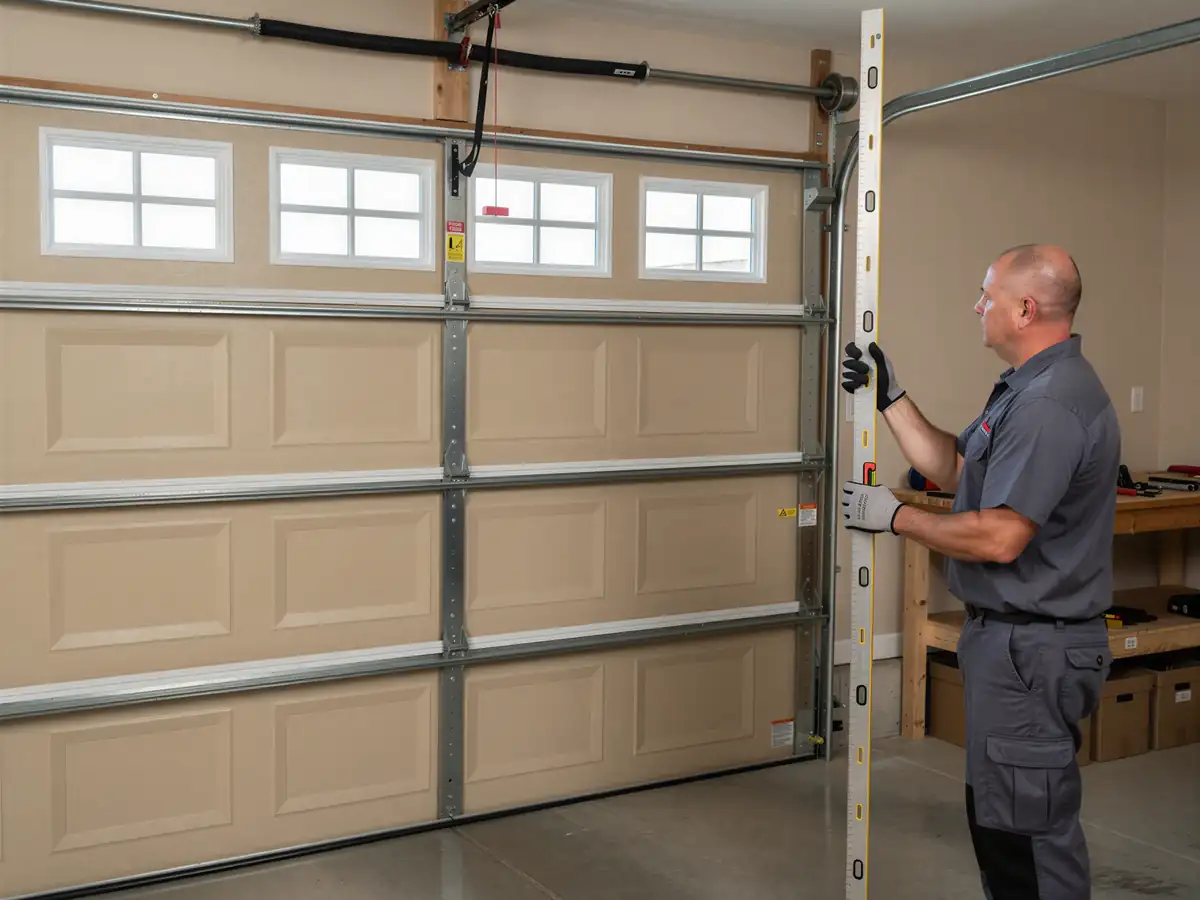
Time on the Job
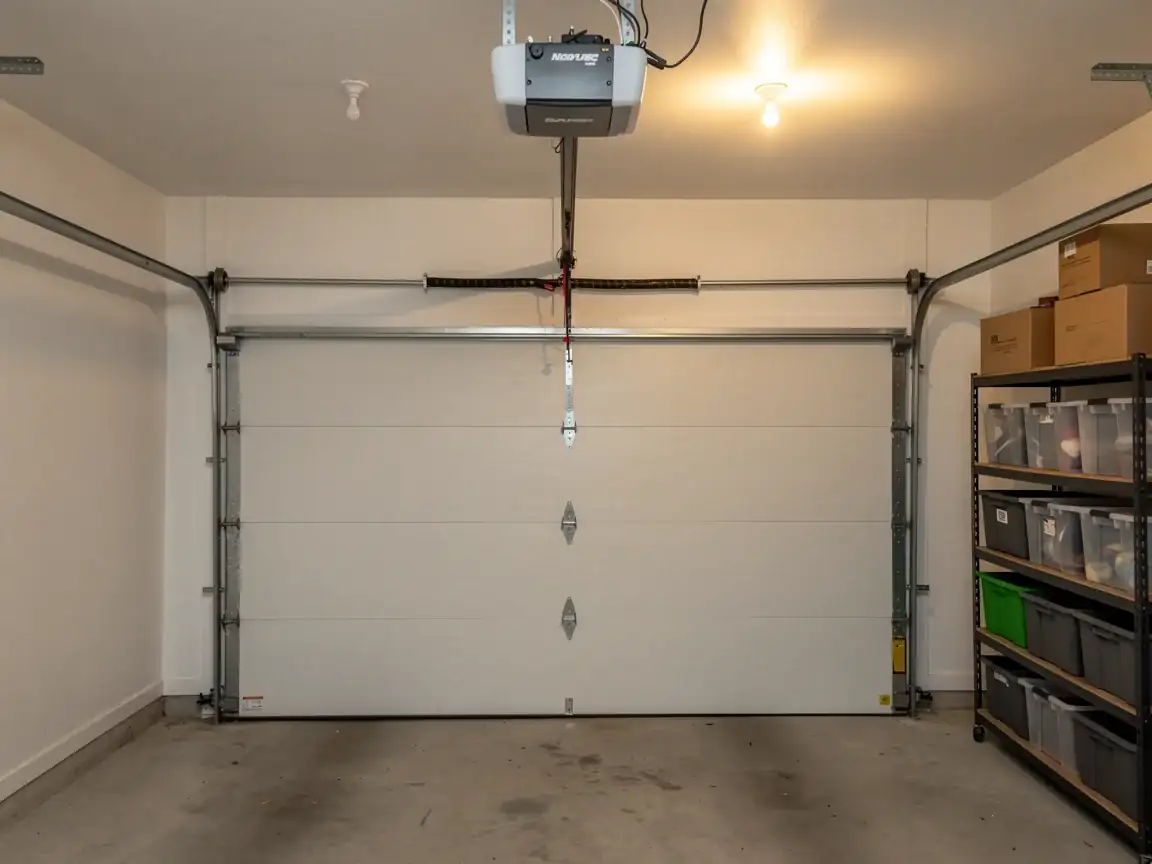
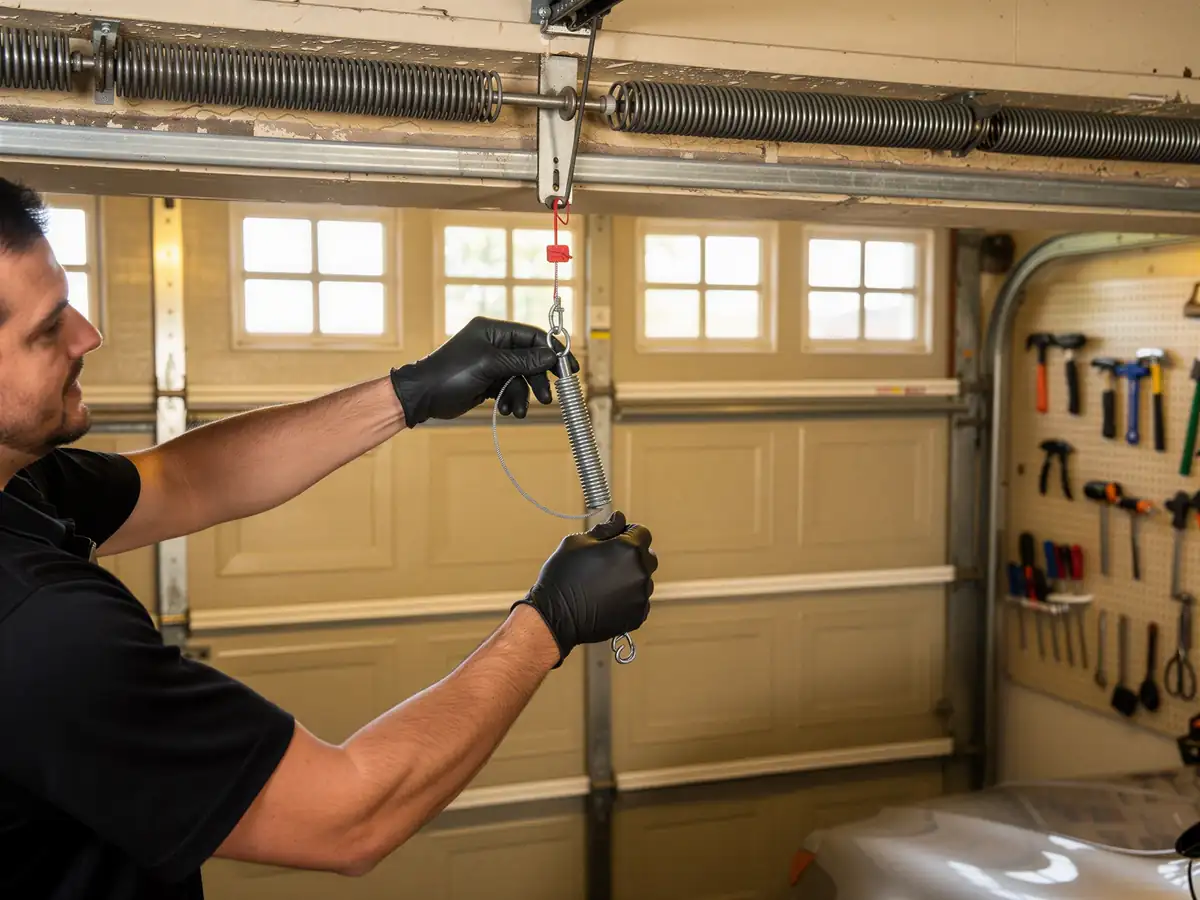
Most houses in Morada went up around 1968, which puts the original garage door hardware squarely in the extension-spring era. That means a pair of stretched springs running along the horizontal tracks above the door, not a torsion bar mounted overhead on a center bracket. Builders in that stretch of years favored steel sectional doors on roller hardware that's thinner-gauge than what goes up today, and a lot of those original openers and tracks are still bolted in place, patched over decades rather than replaced outright.
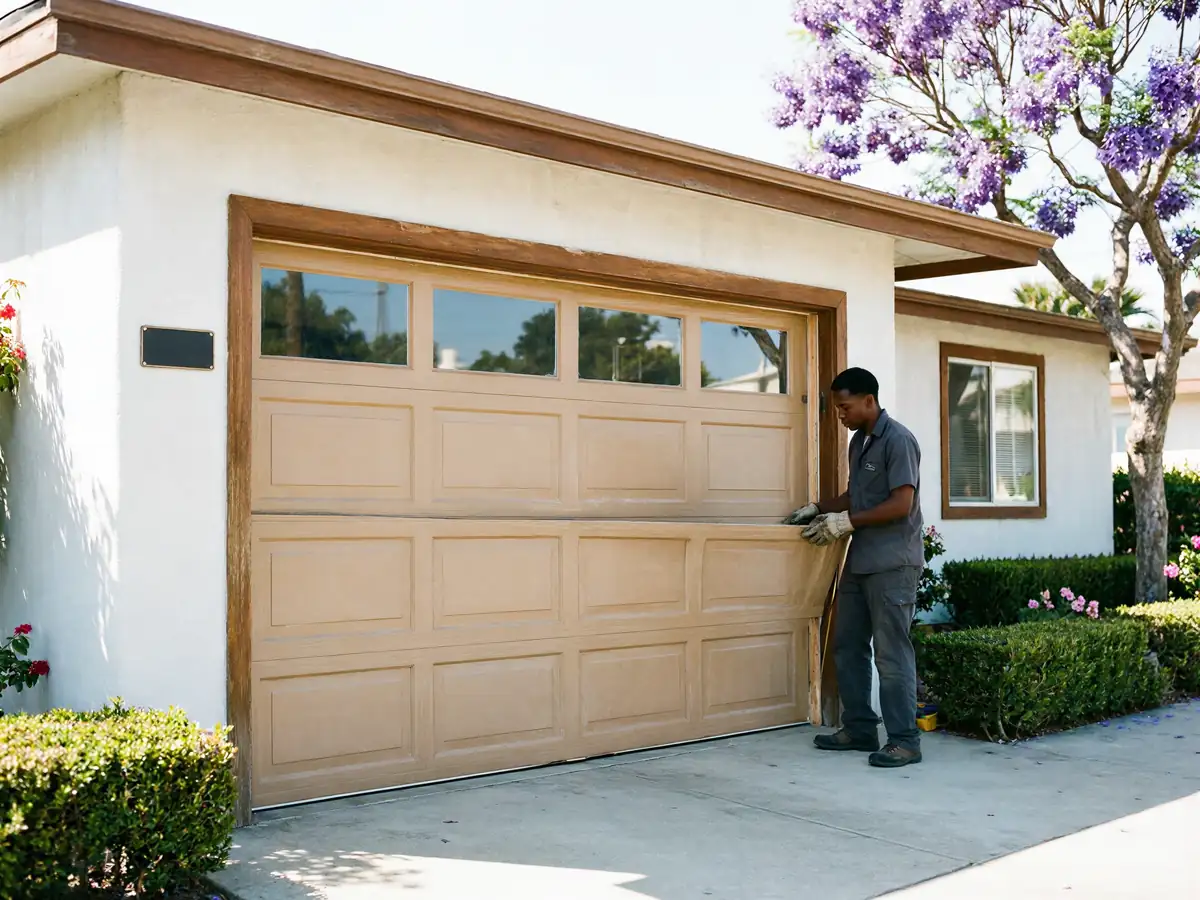
When we get a call from this stretch of the service area, we're usually looking at one of two things: an extension spring that's finally given out after years of cycling, or a door that's been limping along on a track that was never square to begin with because the framing settled the way framing does after fifty-plus years. Neither job is unusual, but both call for knowing which hardware era you're standing in front of before you start pulling panels or guessing at spring length. Get that wrong and you're back out for a second visit.
Why It Happens Here
The climate band here runs moderate heat
Which isn't the same stress a door sees in a place with hard freezes or heavy humidity swings, but it still does its work over time. Steel expands and contracts through the warm months, lubricant dries out on rollers and hinges faster than owners expect, and a door that was fine in spring starts binding by August. On hardware this old, that thermal cycling adds up faster than on a door installed in the last ten years.
The other driver is simply age
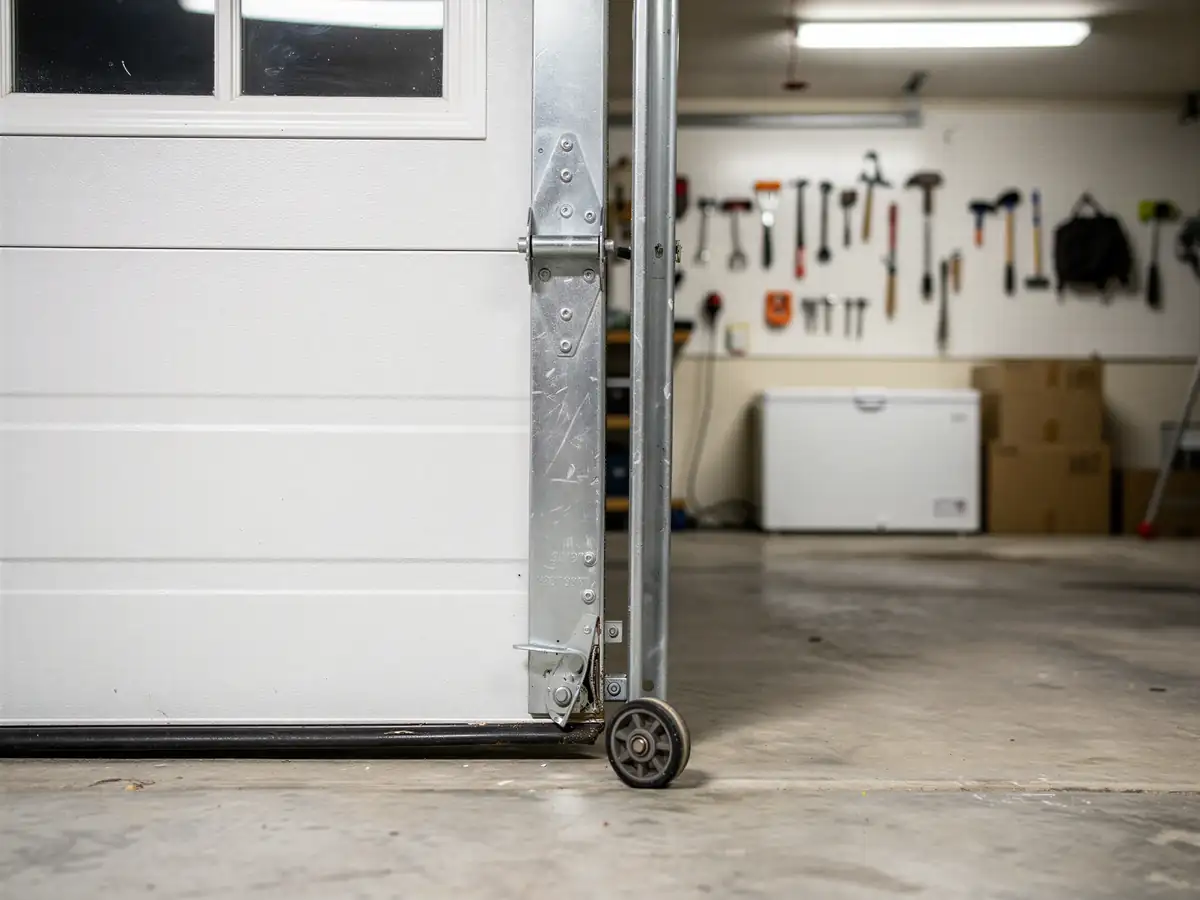
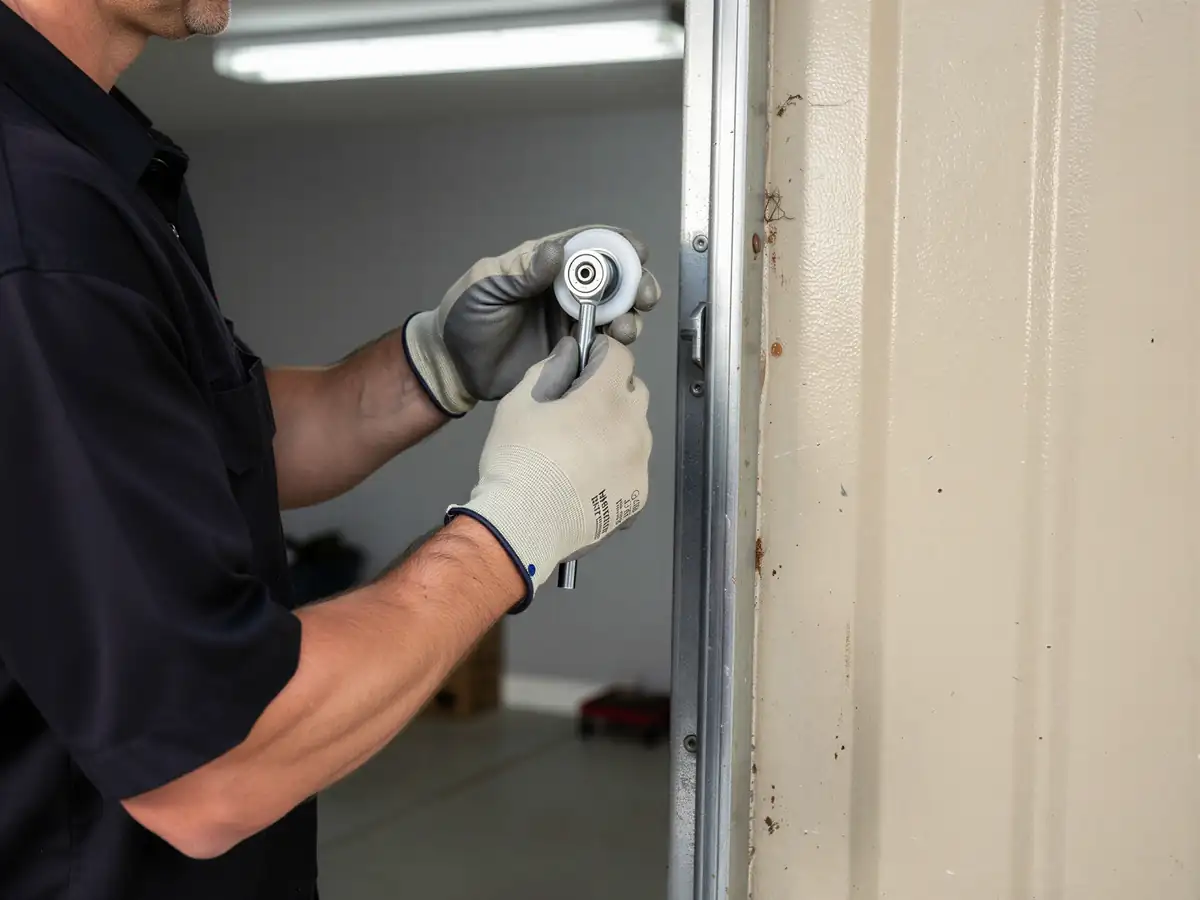
A spring put in with a house built around 1968 has had roughly six decades of cycles to work through, even accounting for a replacement or two along the way. Extension springs don't fail gracefully - they go from fine to snapped, often on a day with no warning at all. Combine aging springs with original rollers that were never swept to nylon and you get the two calls we see most out of this part of the territory: a dead spring, or a door that's grinding and skipping on steel wheels nobody's replaced since the Johnson administration left town.
Getting It Booked In
We run out of Stockton, about six miles south of Morada, so there's no separate branch or depot sitting in the neighborhood - the truck comes from the shop. With 1,242 households in Morada, it's a smaller slice of the territory than some of the larger subdivisions closer to Stockton, which means scheduling runs on the same system as the rest of the area rather than a dedicated local route.
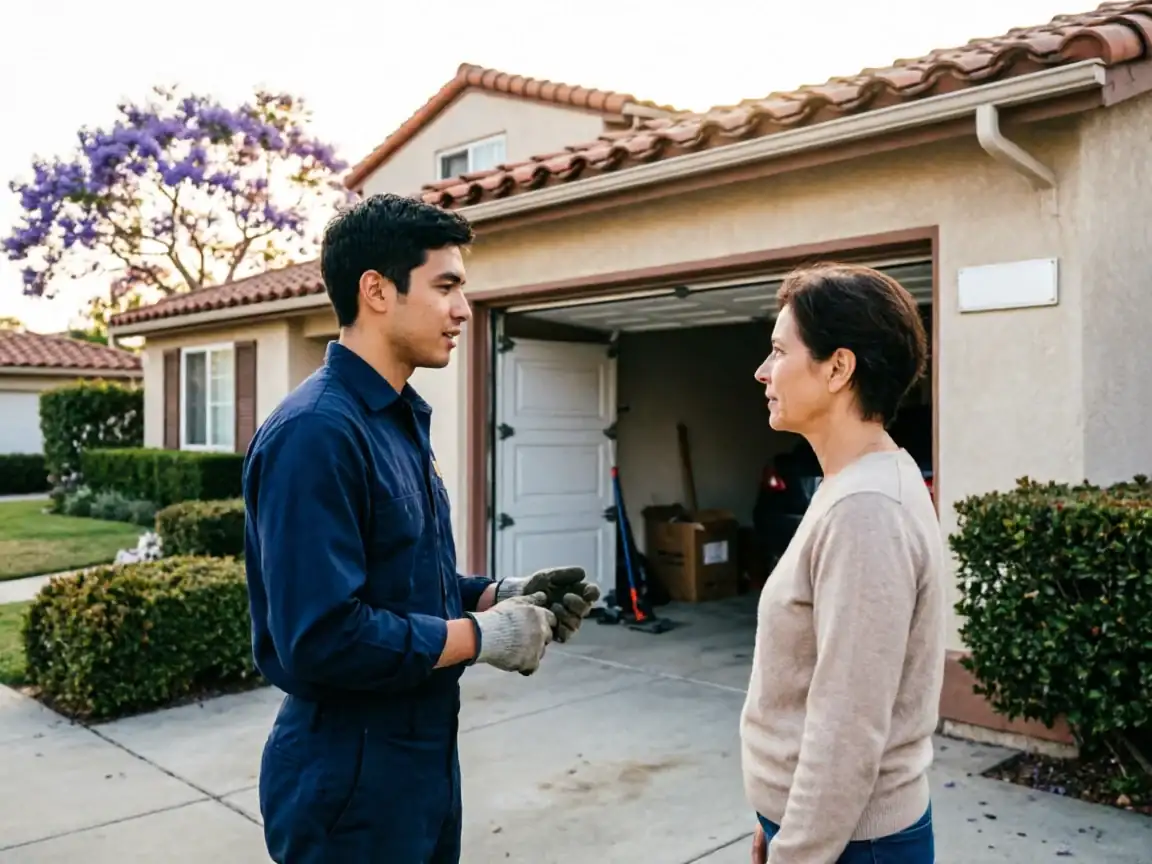
When you call, tell us what the door's doing - won't open, won't close, makes a bang, sags on one side - and whether it's stuck open or stuck shut. That changes what goes on the truck. A snapped spring on a door stuck shut is a different stop than an opener that's lost its mind, and loading the right parts the first time means we're not driving back to Stockton mid-job to grab a part we should've brought.
Can You Do This Yourself
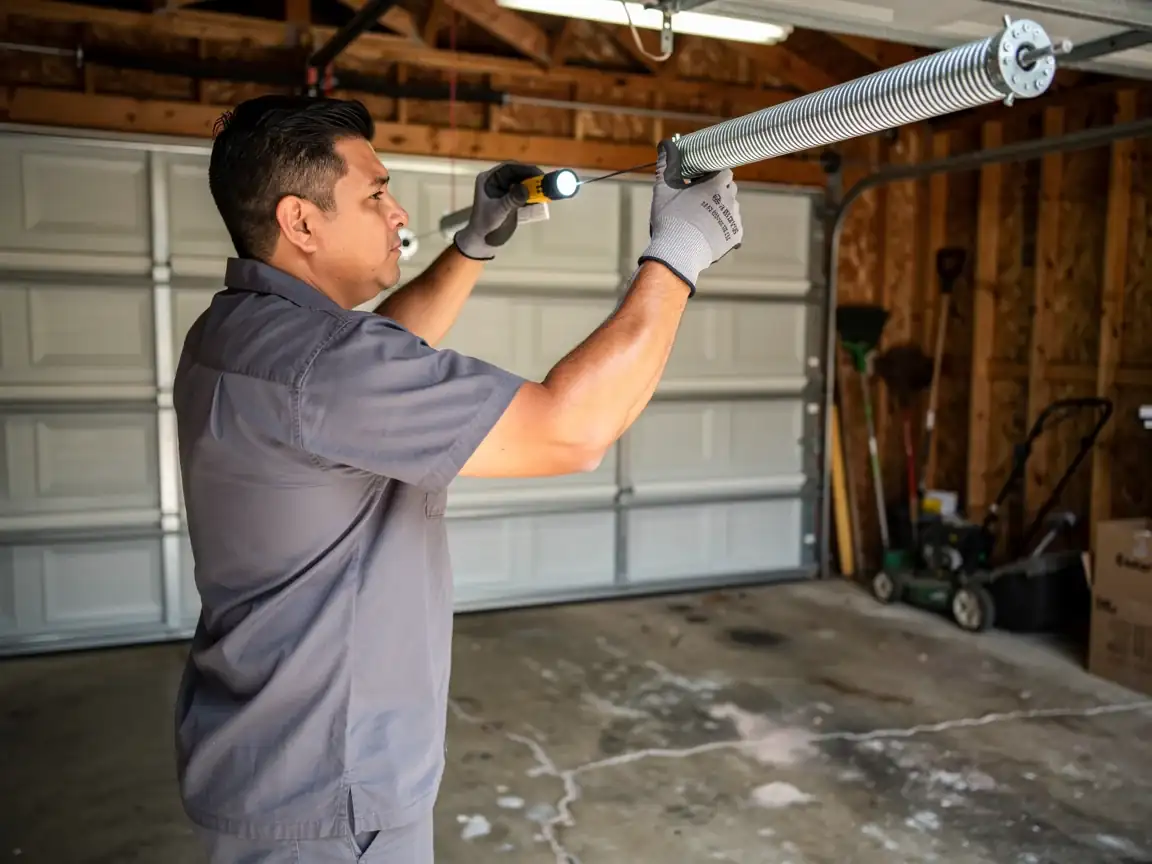
Some of it, yes. Lubricating hinges and rollers, tightening loose hardware, clearing the track of debris, and checking that the photo-eye sensors are aligned are all reasonable weekend jobs on a door this age. Replacing an extension spring is not. Those springs carry real tension, the cables and pulleys that run with them can whip if they let go under load, and the fact that the hardware on a 1968-era door has often been modified or re-rigged over the years means the setup you're looking at might not match any diagram you find.
Here's the honest limitation: if your door is original to a house built in that late-1960s wave and the track, drums, and springs are all original too, we're often going to recommend replacing the spring system rather than patching one piece. Mixing a new spring with worn-out drums and cable on hardware that old is how you get a second failure within the year, and that's not a trip we want to make twice.
What It Costs
We don't post a flat price here because what it costs depends on what's actually failed and what shape the rest of the hardware is in
A single spring swap on an otherwise sound door is a different job than a spring plus drums, cable, and rollers on a door that hasn't been touched since it went up. Median household income in Morada runs $94,464, a bit above the wider service area's $93,993, and in practice that shows up less in what people are willing to pay and more in how many choose to replace an aging door system outright rather than keep patching individual parts.
We'll tell you on site which category your door falls into before any work starts
And we'll say plainly if a repair isn't worth it compared to replacing the door. That call gets made at the house, not over the phone, because hardware this old varies enough from one garage to the next that a phone estimate would just be a guess.