Time on the Job
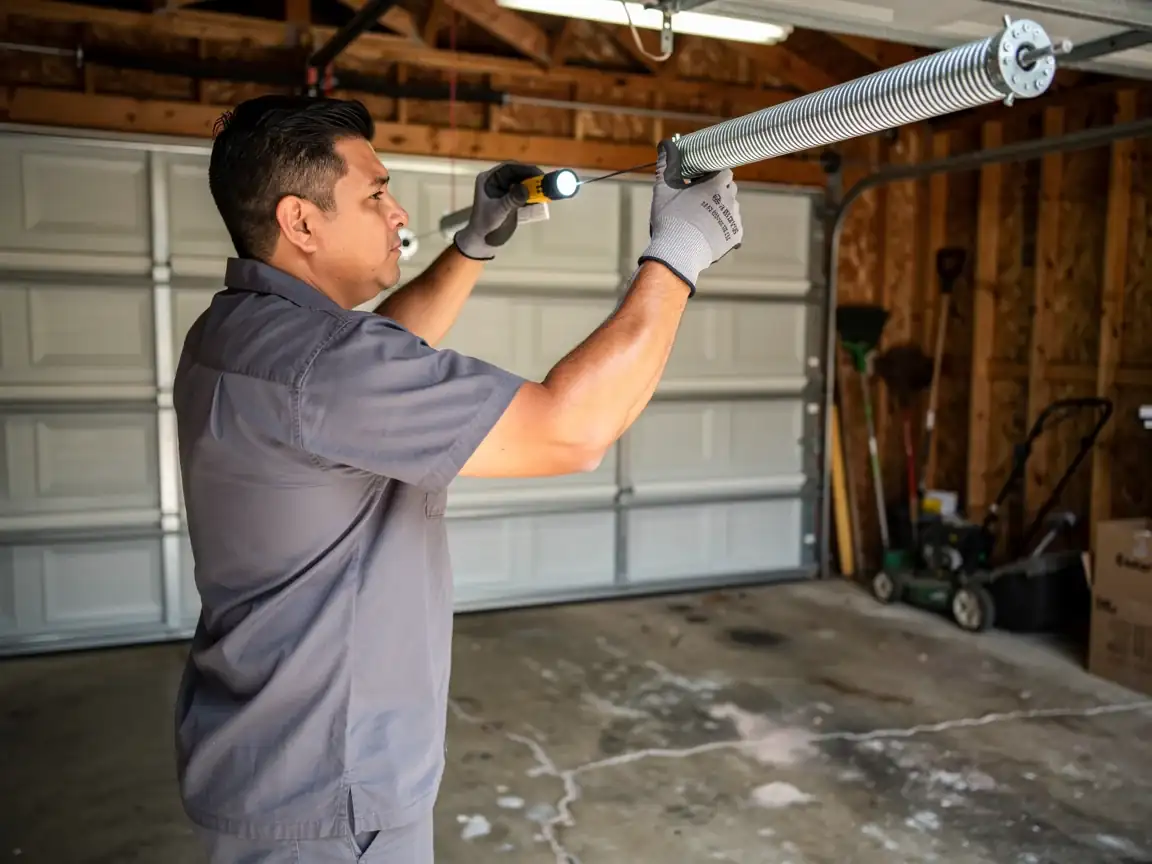
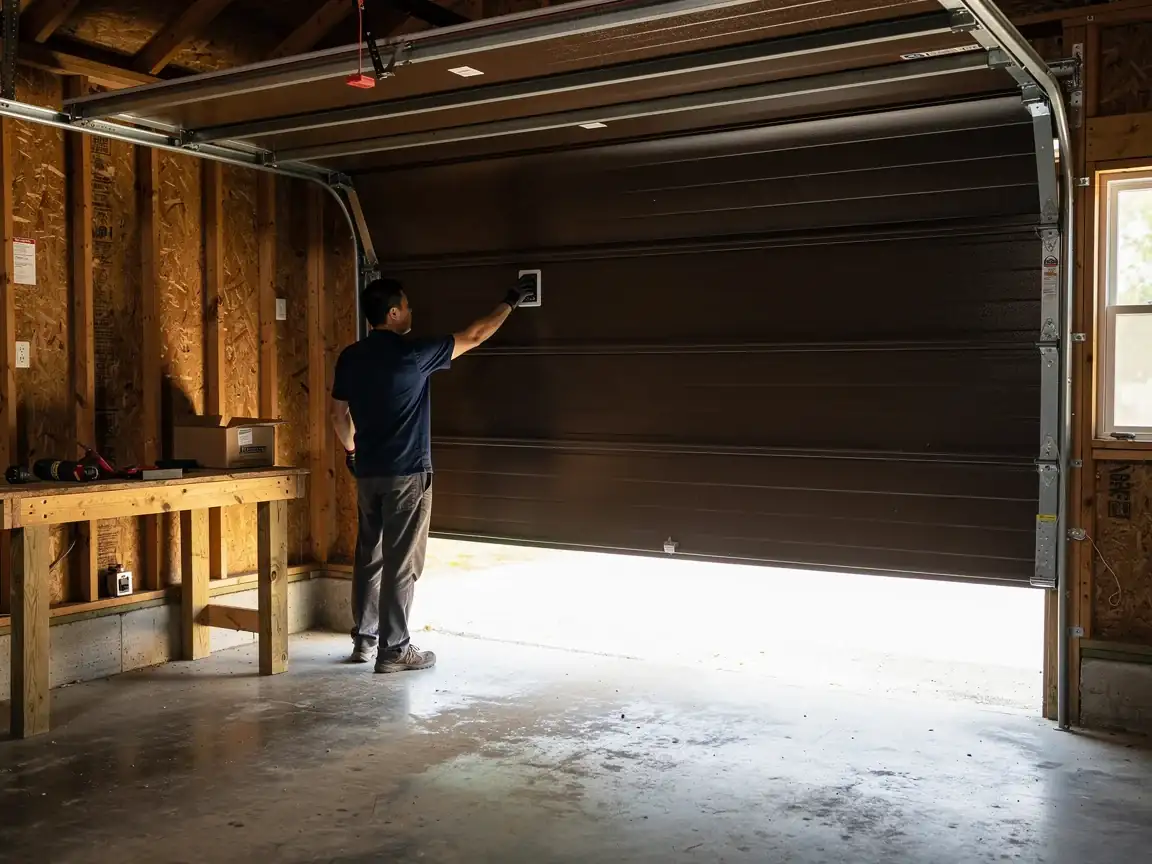
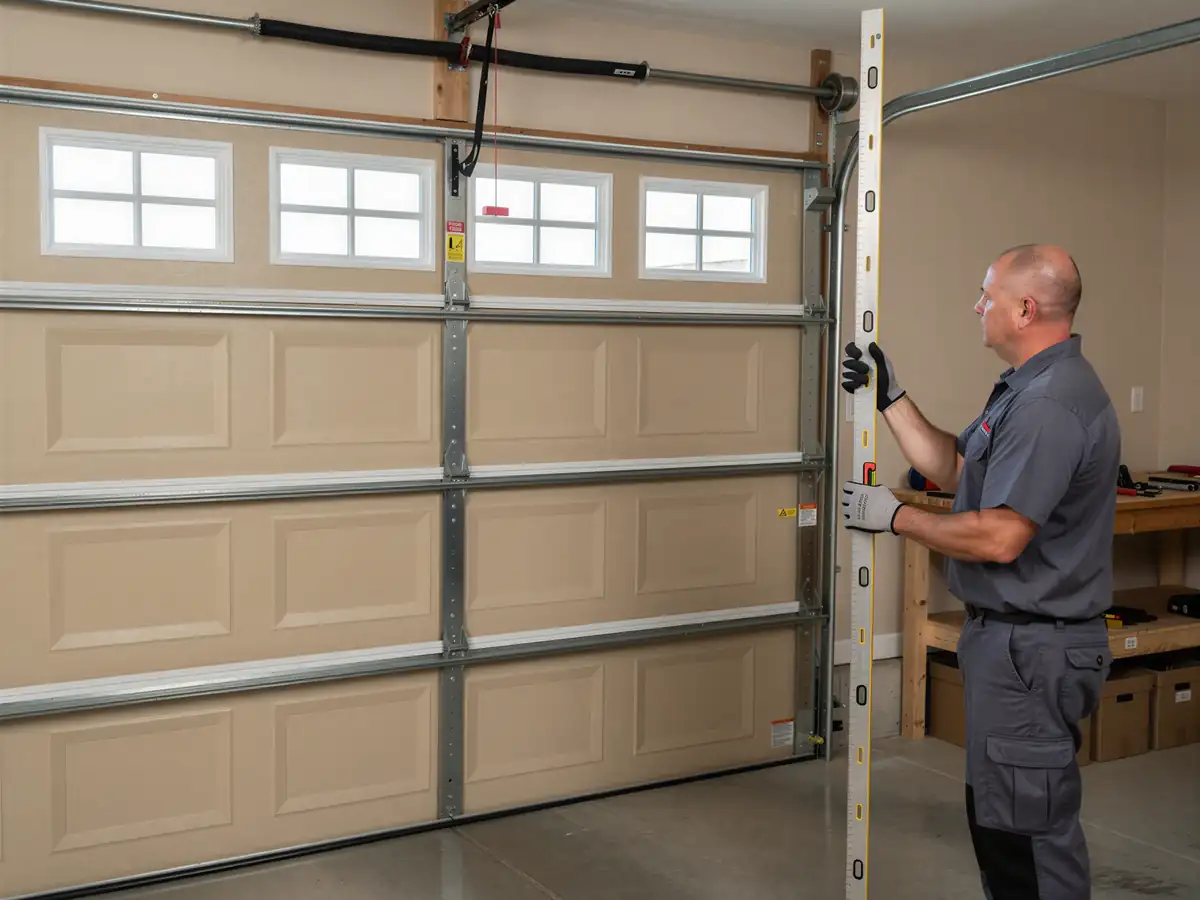
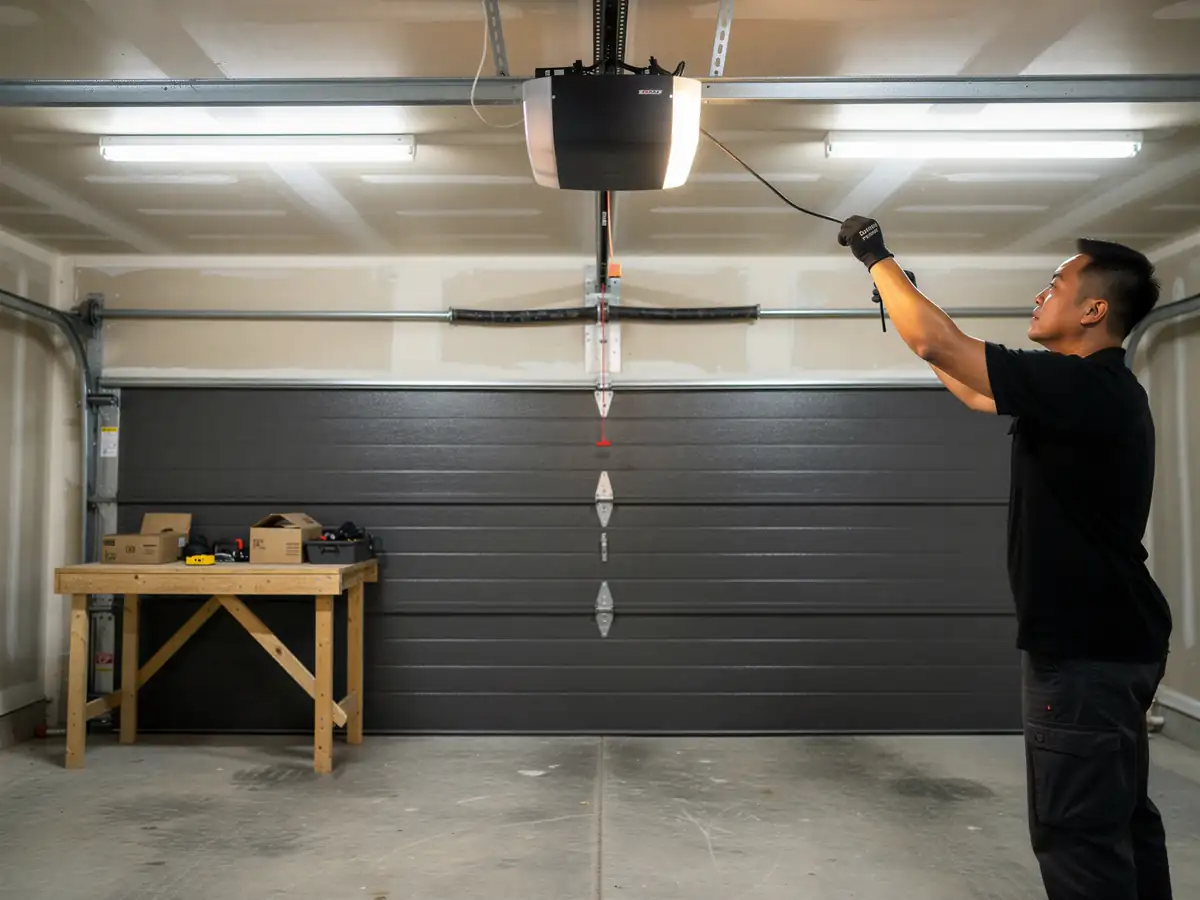
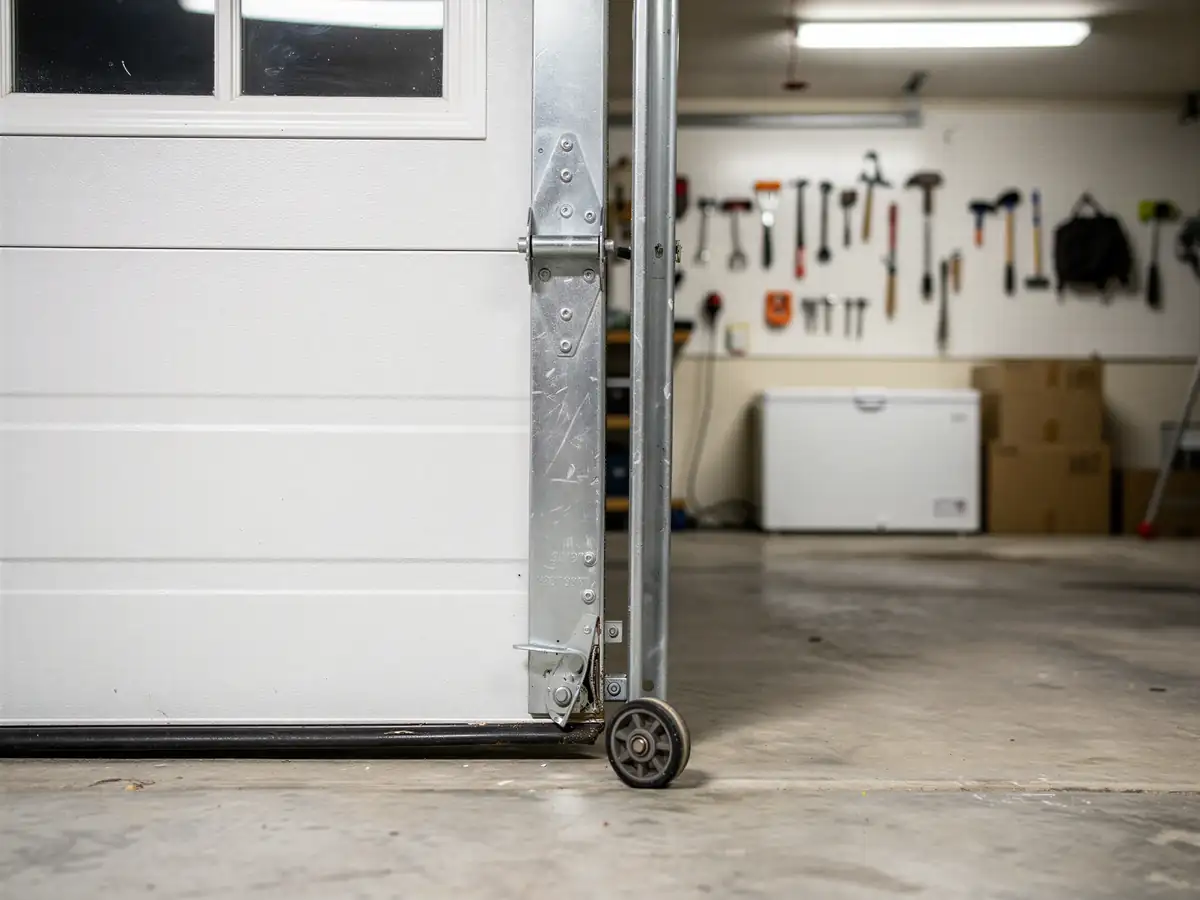
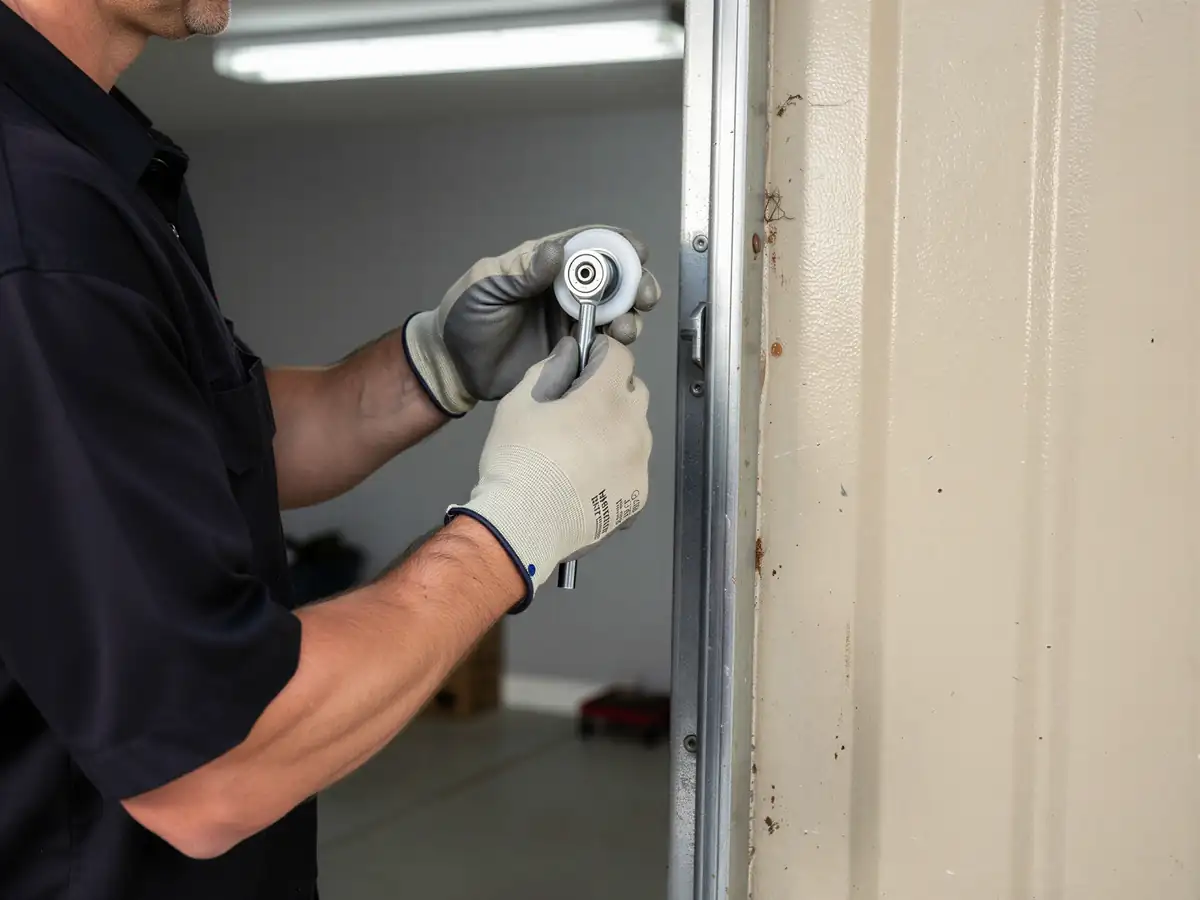
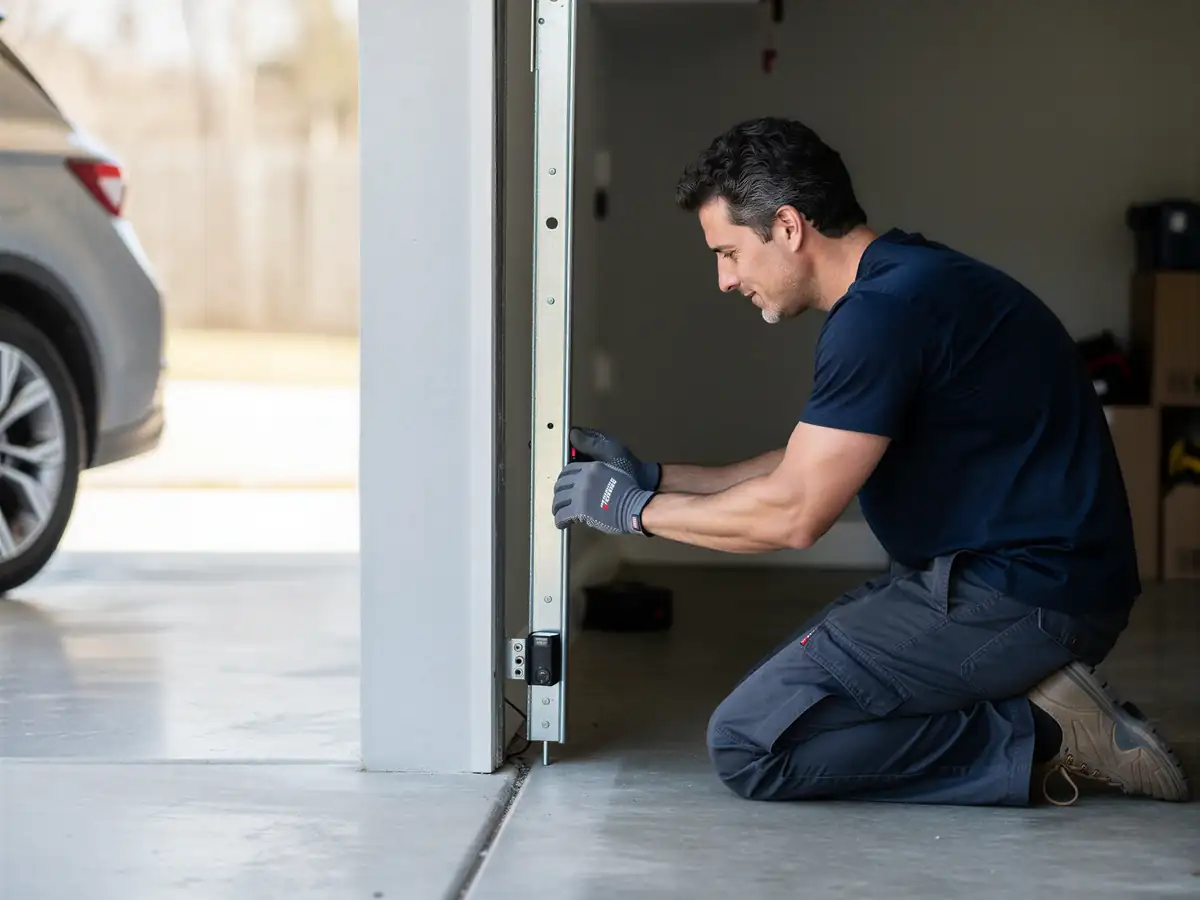
Morada's median household income sits at $94,464, a notch above the wider service area's $93,993. That gap matters more than it sounds like it should, because it's the number that decides whether a sagging door gets a tune-up or a full teardown. At this income level, most homeowners here can afford to fix a worn roller or a weak spring before it becomes a dead opener - the math favors maintenance over replacement more often than it does in lower-income pockets of the service area. We drive the 6 miles out from Stockton for these calls, and the work itself is standard: lubricate the rollers and hinges, check spring tension, tighten the track bolts that have worked loose, inspect cables for fraying, and test the auto-reverse safety sensors. None of that changes by zip code. What changes is how often it's worth doing, and in Morada, with incomes where they are, it usually is.
Getting It Booked In
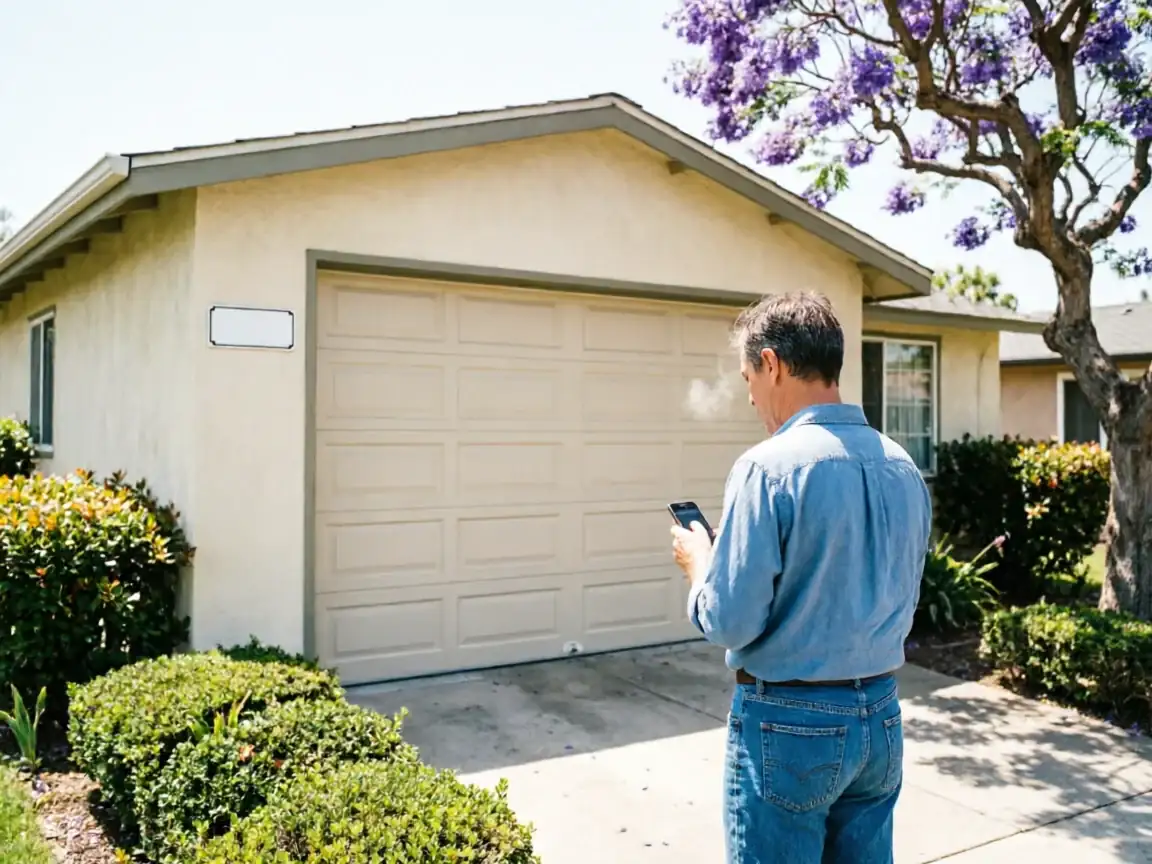
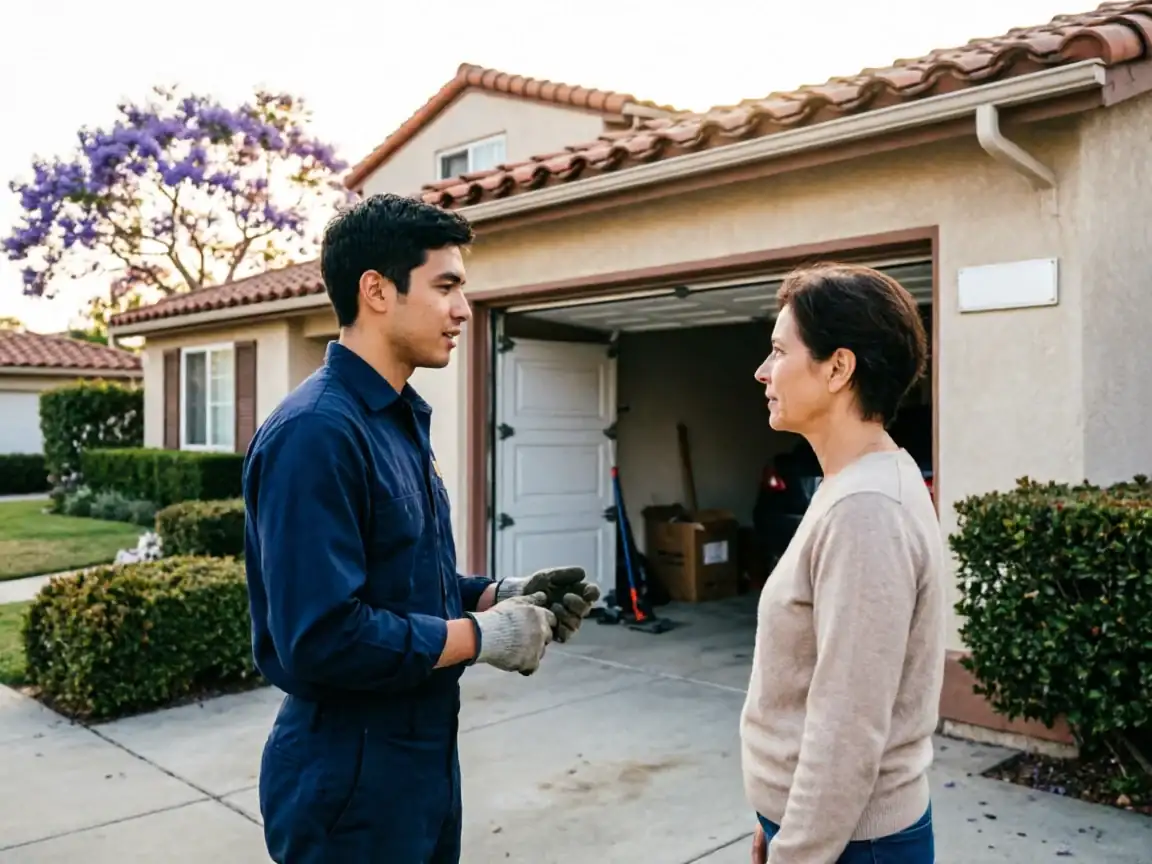
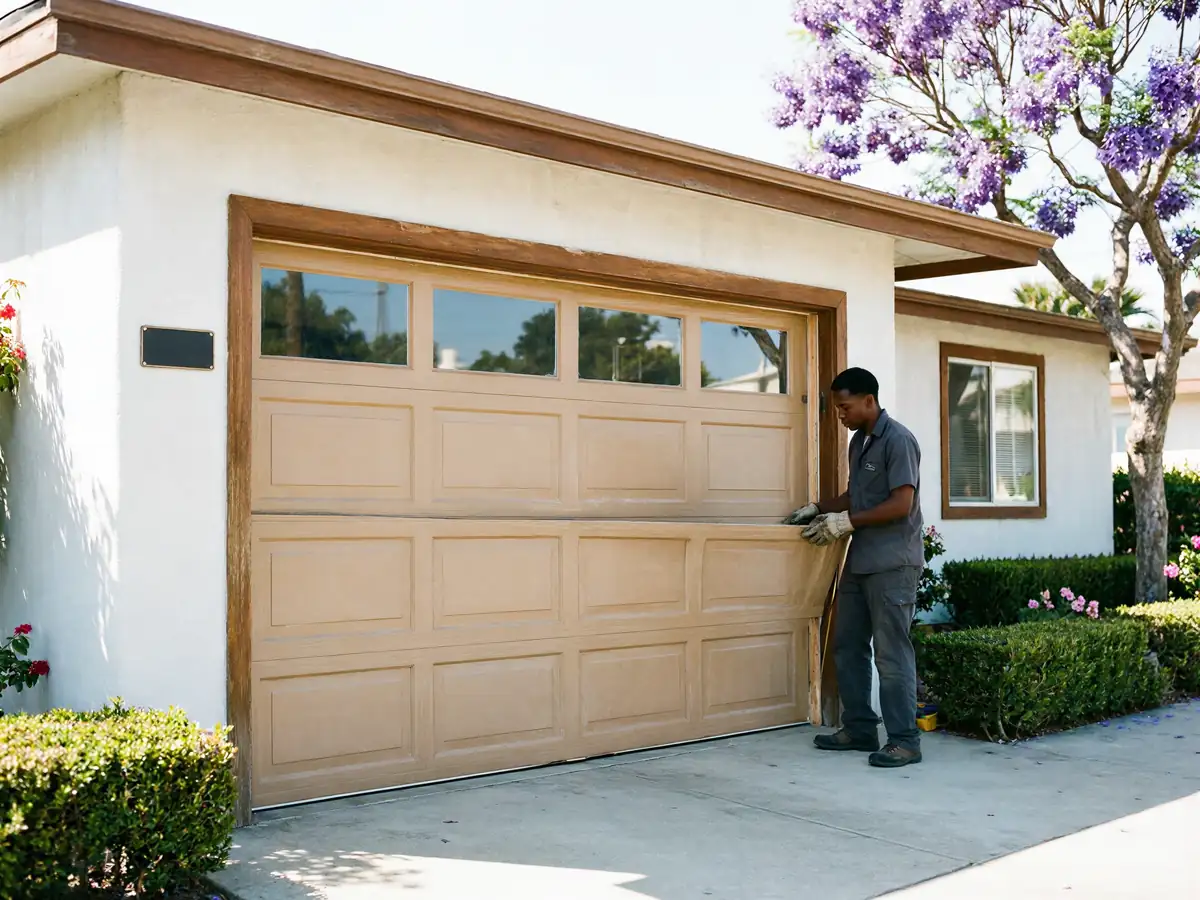
We service Morada from our Stockton base, about 6 miles out, so there's no separate branch or crew dedicated to this side of town - just a truck that comes when you call. Maintenance visits aren't urgent in the way a snapped cable is, so there's flexibility in scheduling around when you're home. What we ask for upfront is the age of the door if you know it, since a door close to that 1968 median build year often needs different attention than something installed in the last decade. If you've had any spring or opener work done since you bought the house, mentioning it helps us skip redundant checks.
Can You Do This Yourself
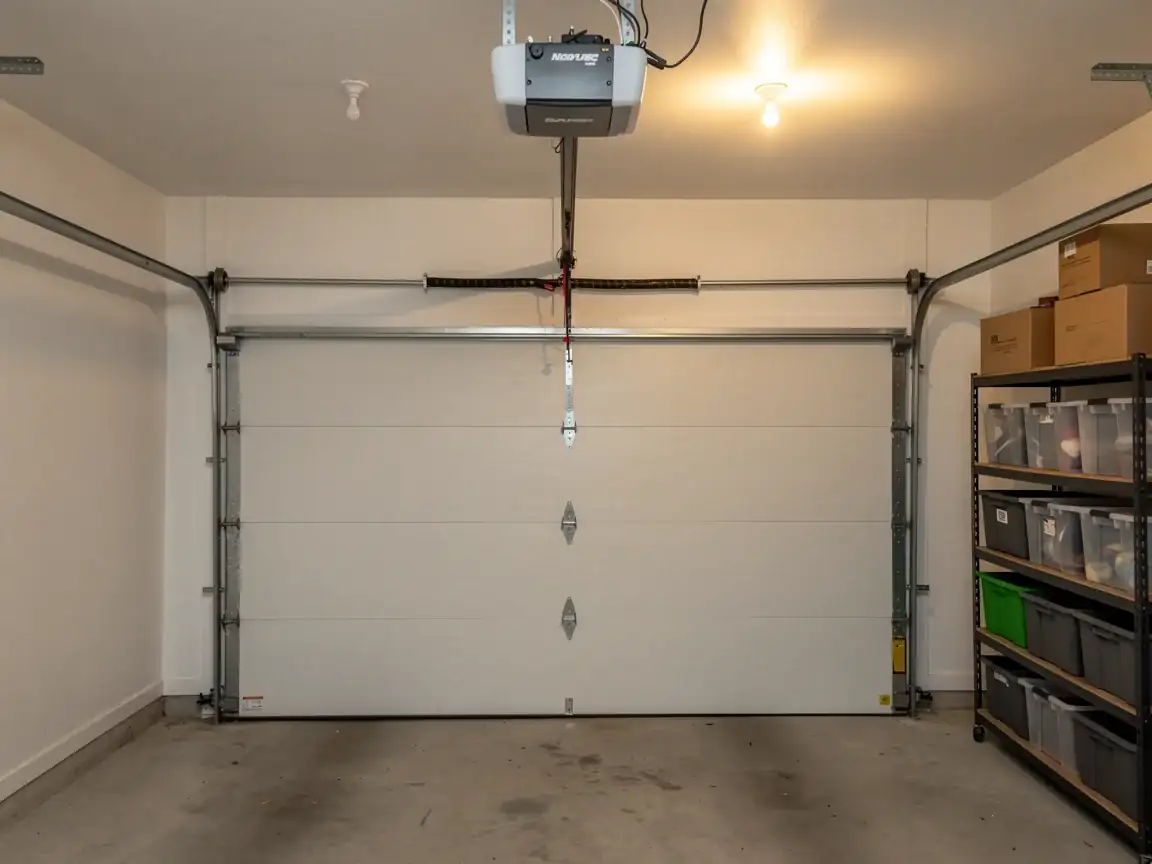
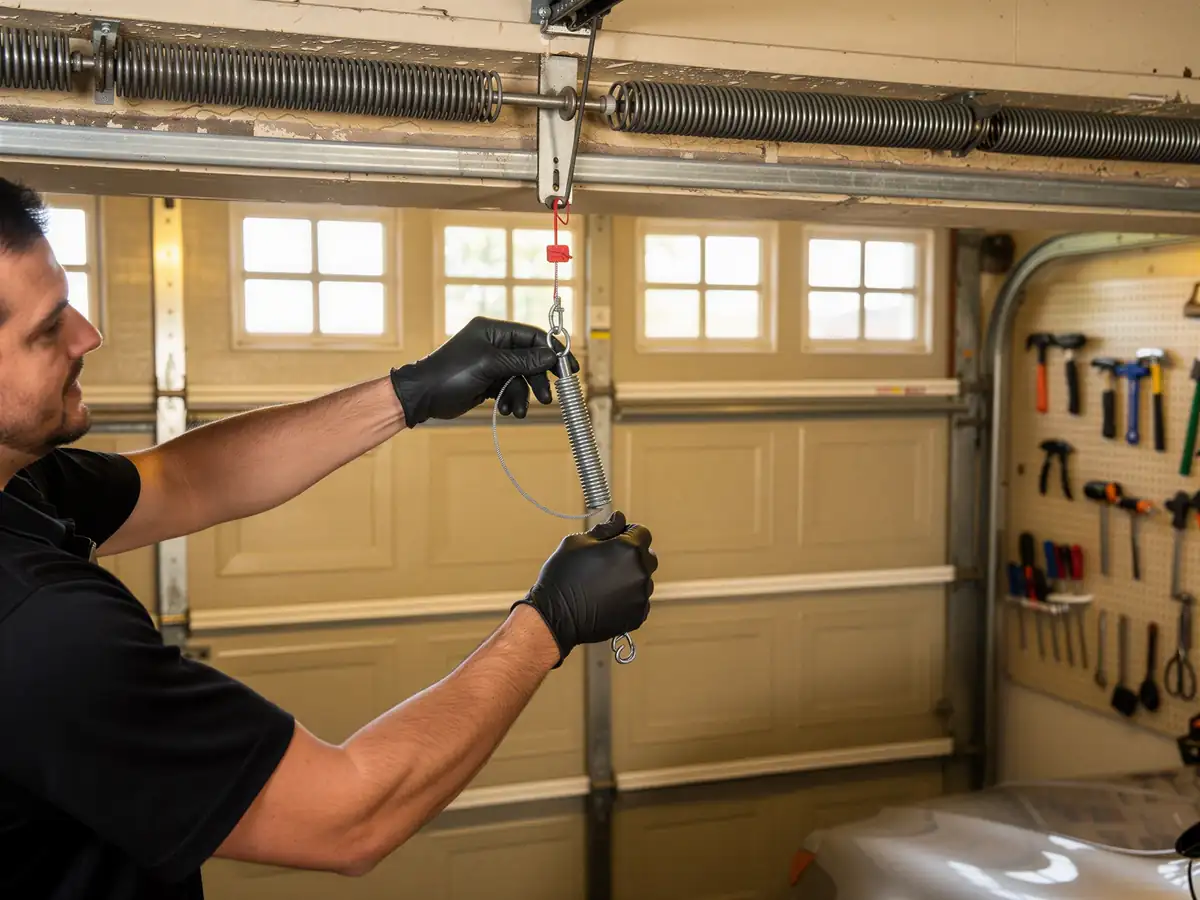
Plenty of maintenance is fine to do on your own. Wiping down and lubricating rollers, checking that the photo-eye sensors aren't knocked out of alignment, tightening visible hardware with a wrench - none of that requires a call to us. What we don't recommend touching yourself is anything involving the torsion spring itself. Springs on 1968-era doors are often under more tension relative to door weight than modern setups, because the door may have been reinforced or replaced since the original install without the spring being matched to it. That's not a DIY repair - it's a trip to the ER if the spring lets go while you're working on it. If you're not sure which category a job falls into, that's a fair question to ask before you start, not after.