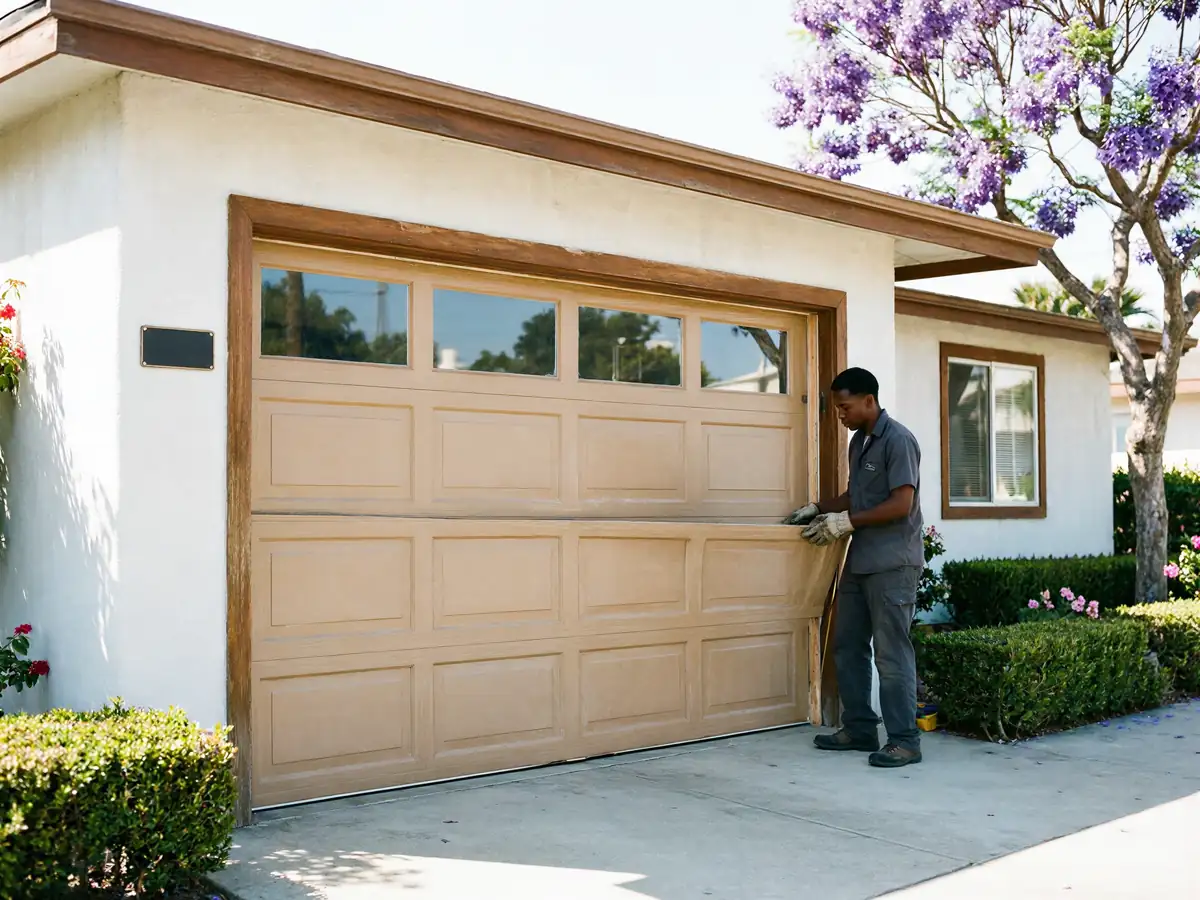
Where This Job Goes Sideways
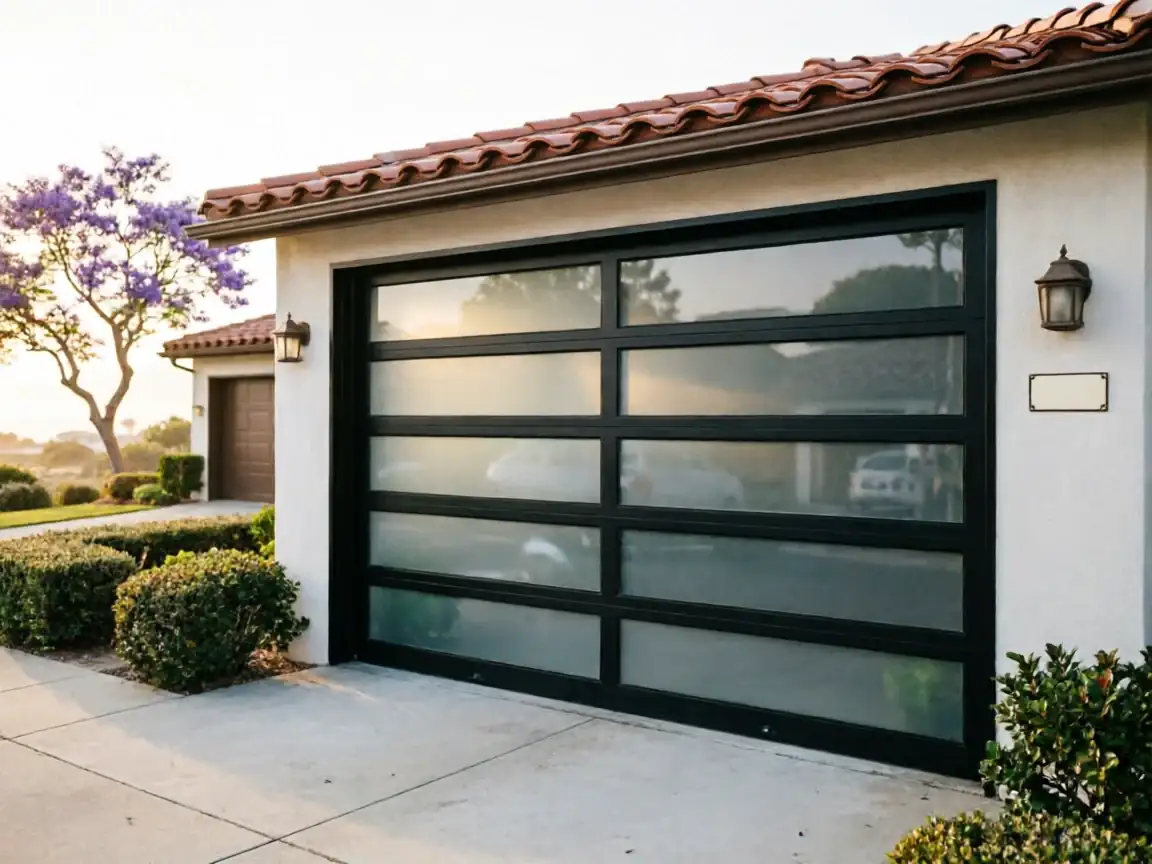
Start with the money, because it decides more than people expect. August's median household income sits at $48,708, well under the $93,993 median across the rest of the service area we cover. That gap matters for one reason: a new insulated steel door with a matching opener runs real money, and on a budget like August's, the repair-or-replace line sits further toward repair than it does in the newer, higher-income pockets nearby. We'll tell you straight when a $200 spring swap buys you five more years versus when the door itself is the problem.
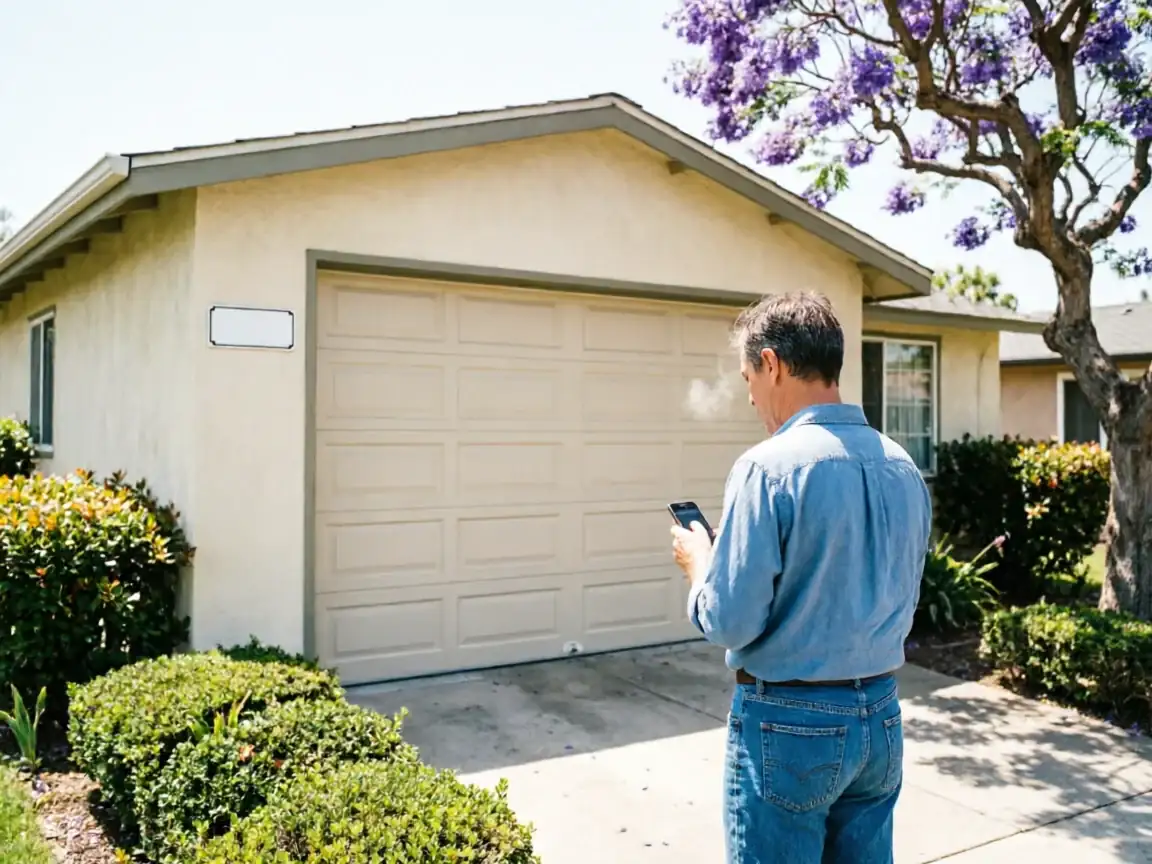
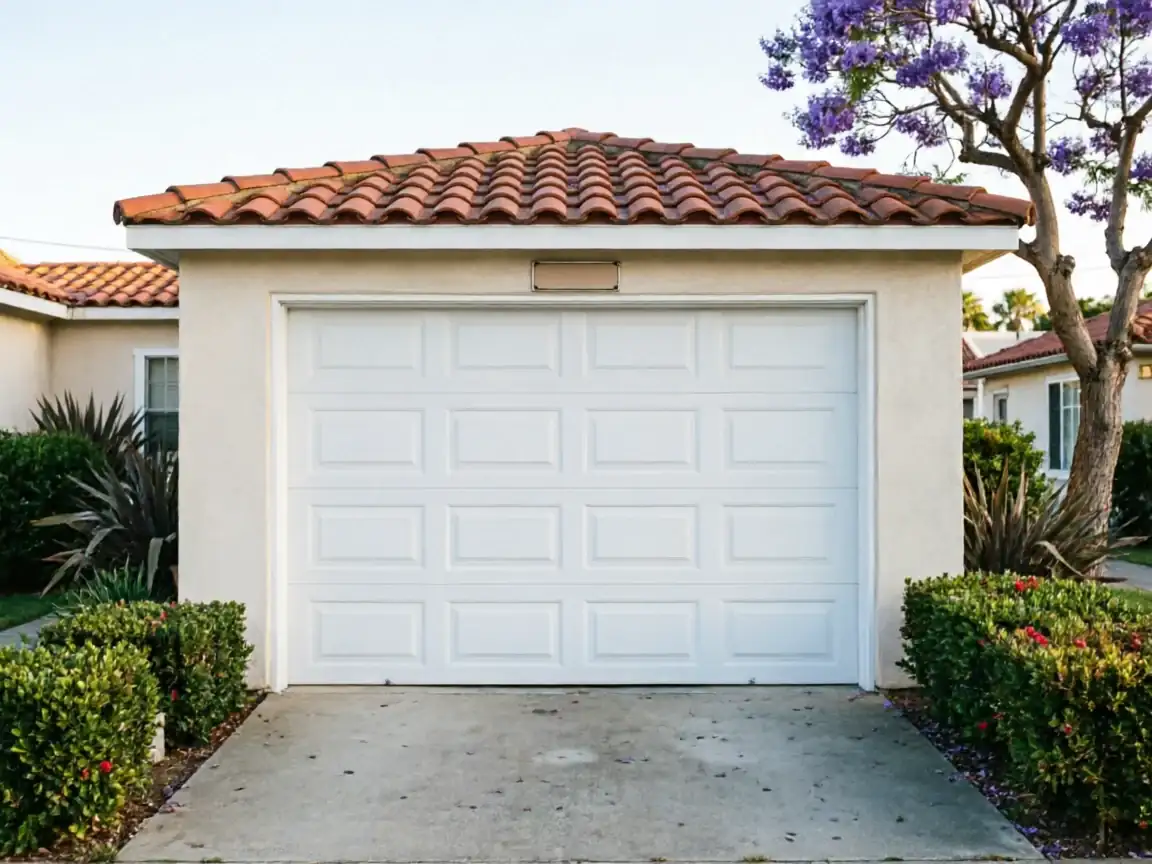
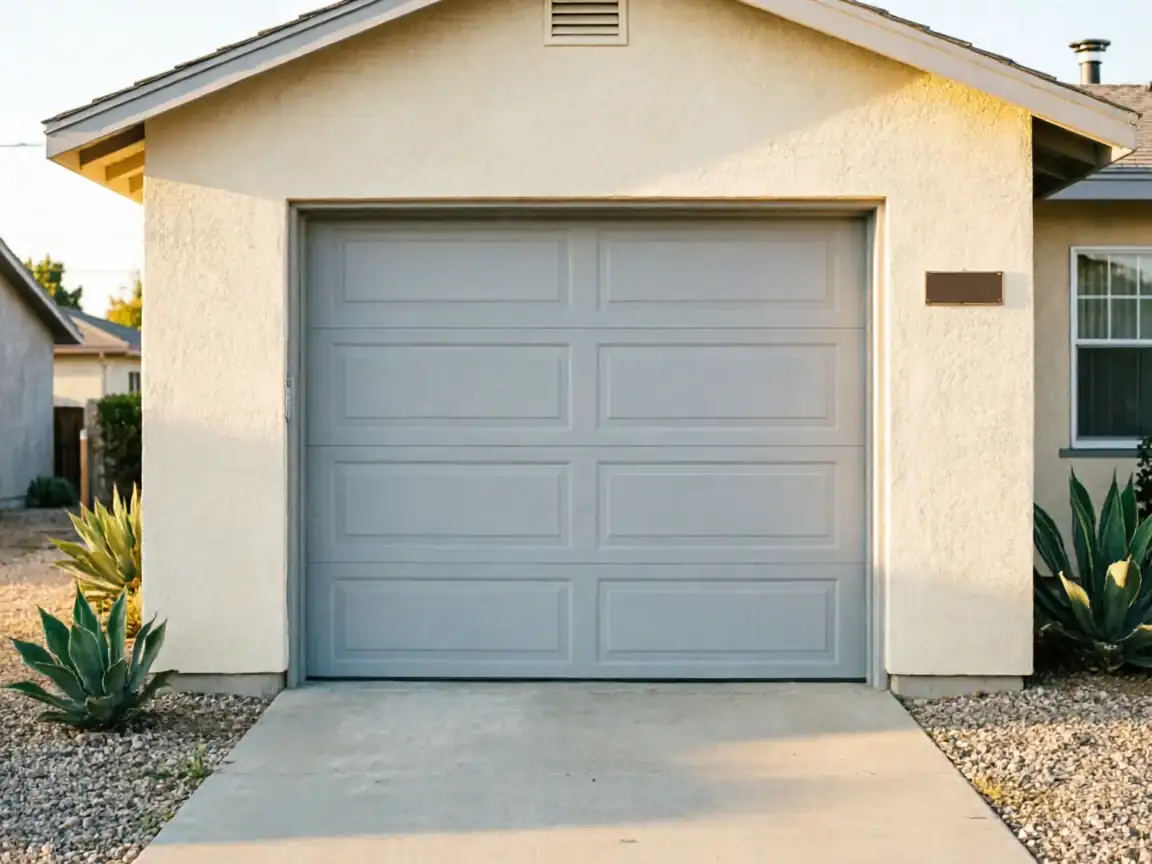
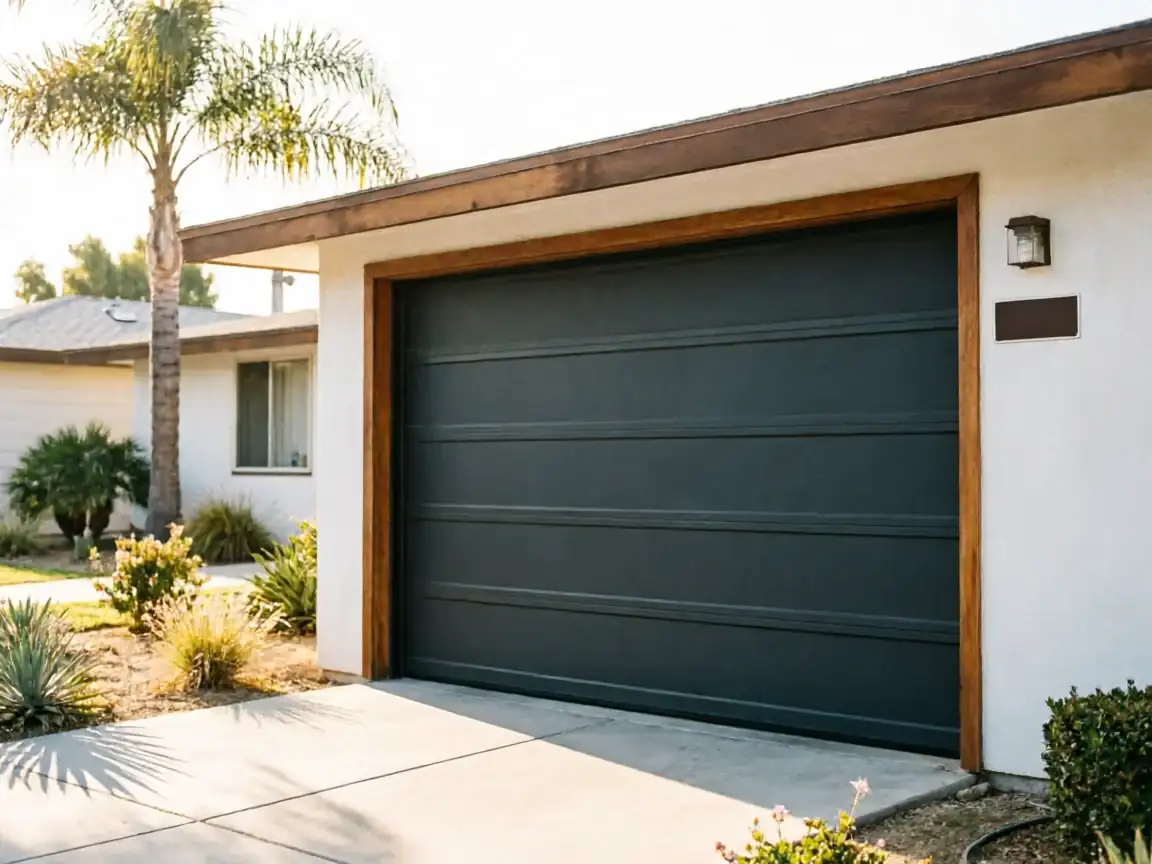
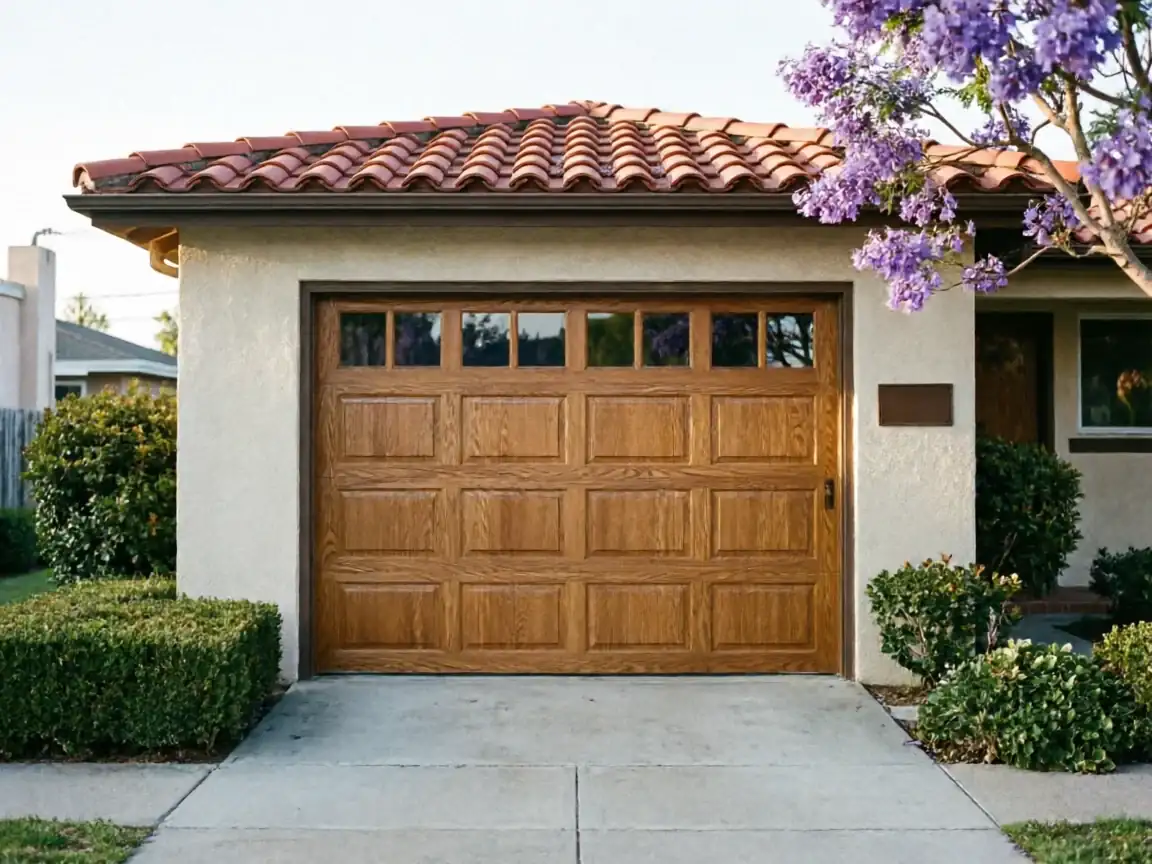
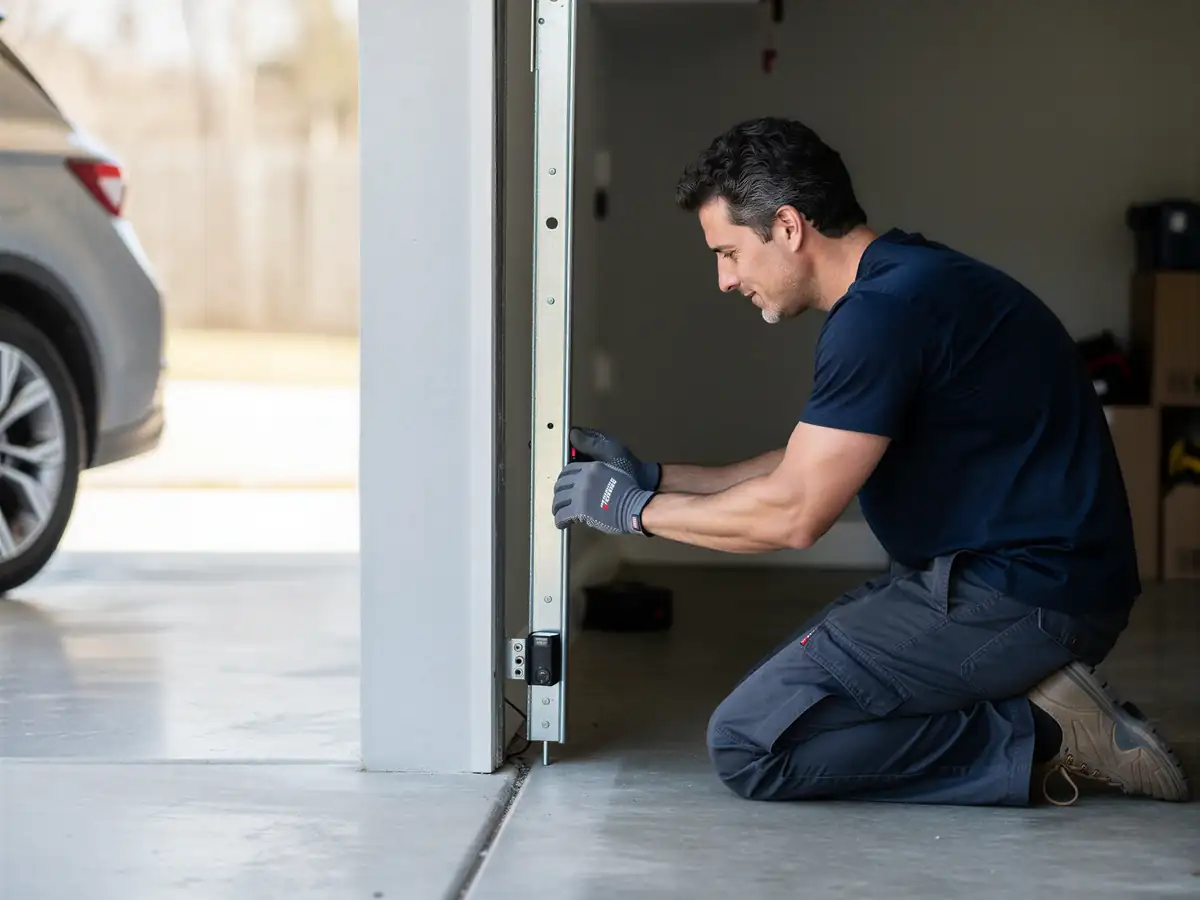
The other place this job goes sideways is the opening itself. Houses here mostly went up around 1957, a couple decades ahead of the 1977 median you see across the wider service area. A door frame built in 1957 wasn't built with a modern insulated sectional door in mind - the rough opening, the header, the track clearance can all be off by an inch or two from what a new door box expects. That's not a deal-breaker, it just means the install isn't a drop-in swap; it's measure twice, shim where needed, and sometimes a header reinforcement before the new door goes up.
How It Shows Up
On a 1957 opening, the symptom we see most isn't a dead opener
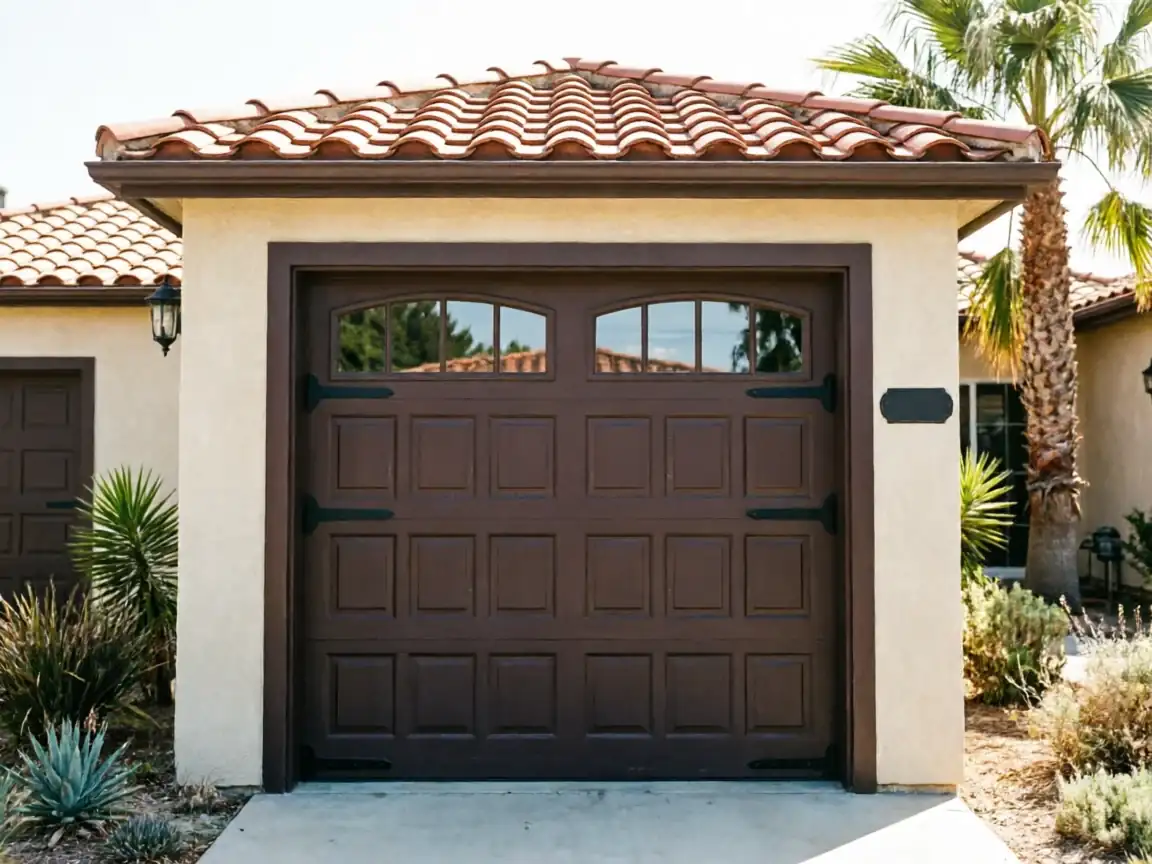
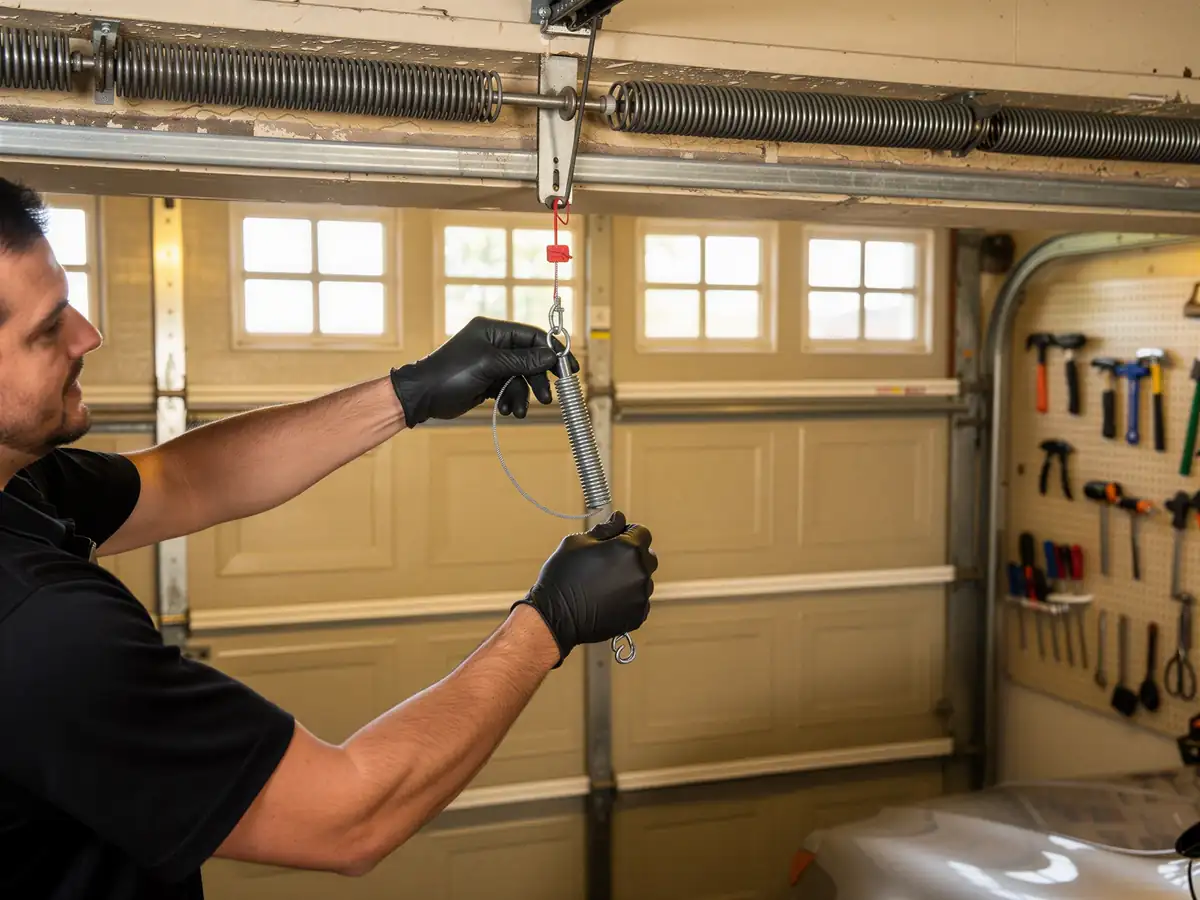
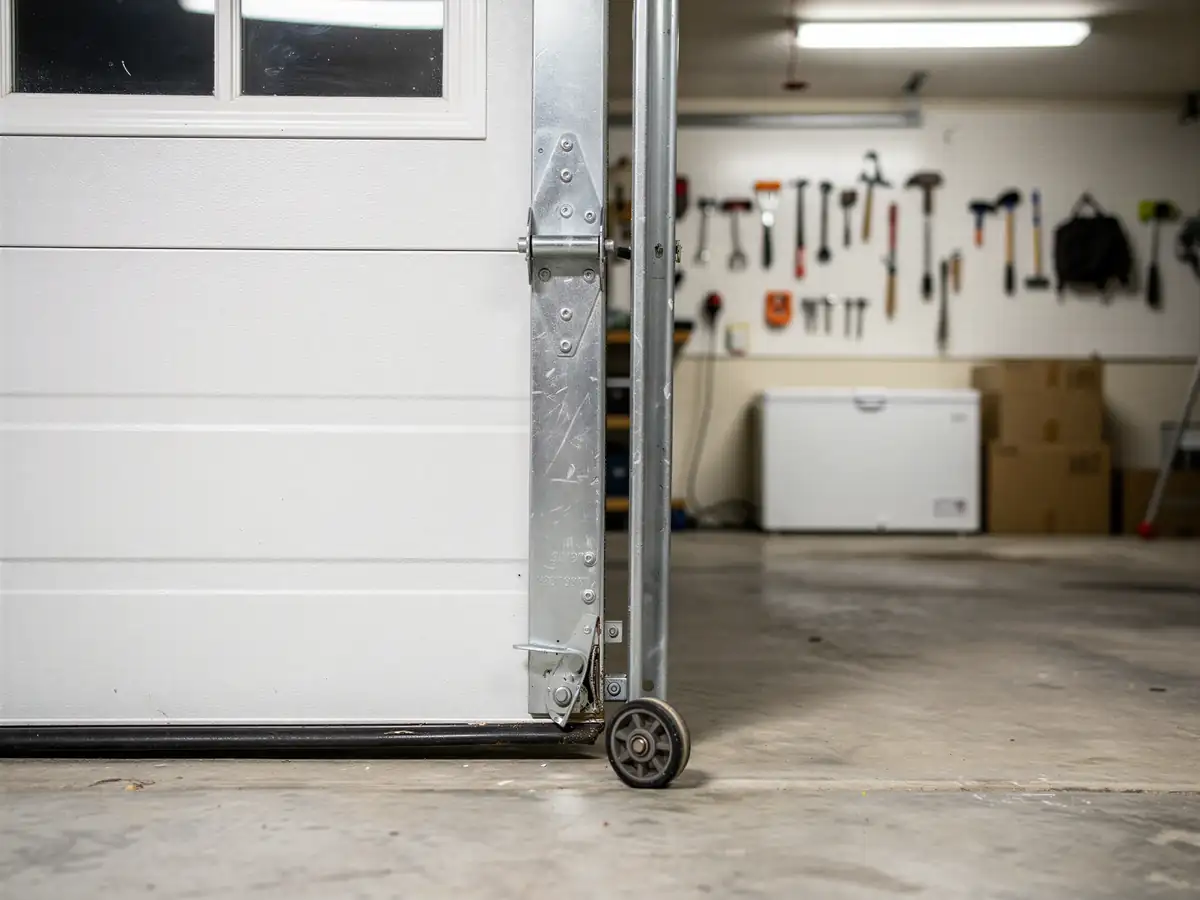
It's a door that's been patched around for years. Original single-layer steel panels with surface rust at the bottom seam. Tracks mounted for a lighter door than the one that's currently hanging on them, because somewhere along the way the door got swapped but the hardware didn't. Torsion springs sized for a section weight that's no longer accurate once a heavier replacement panel went in.
With 2,240 households in August
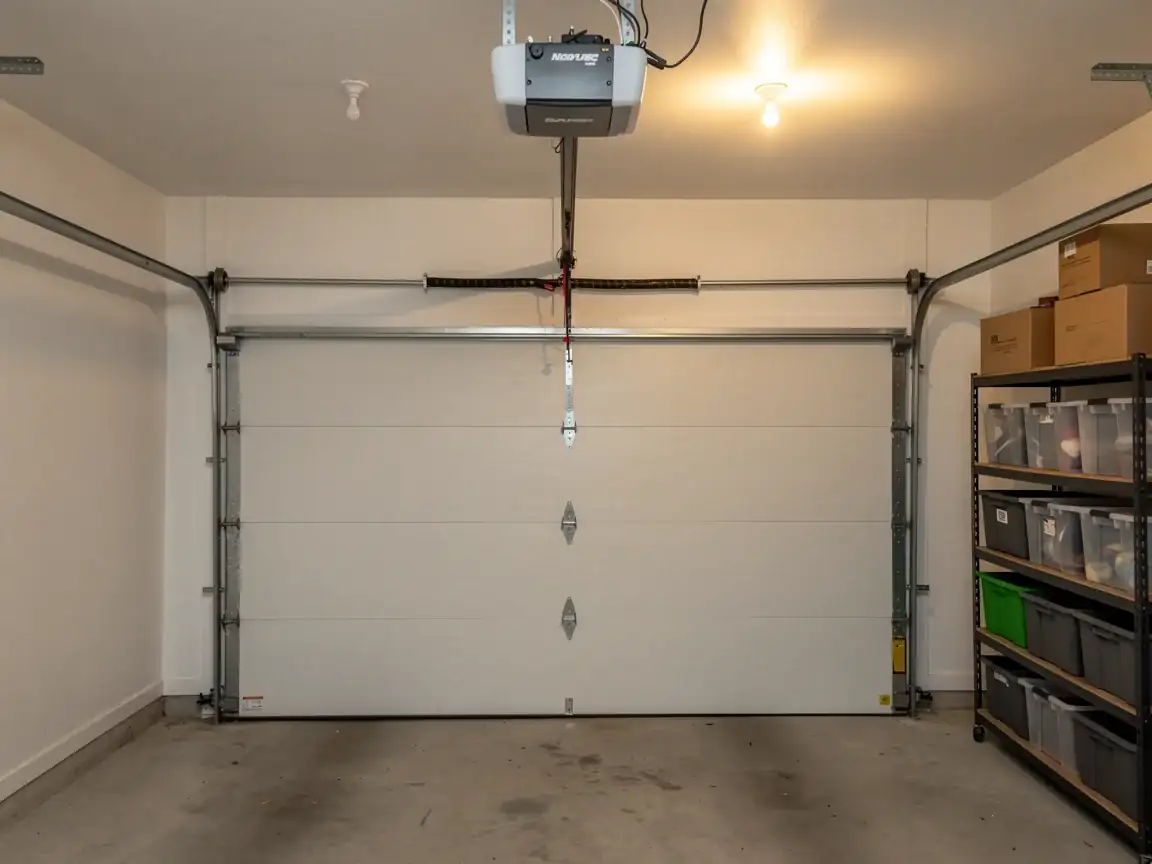
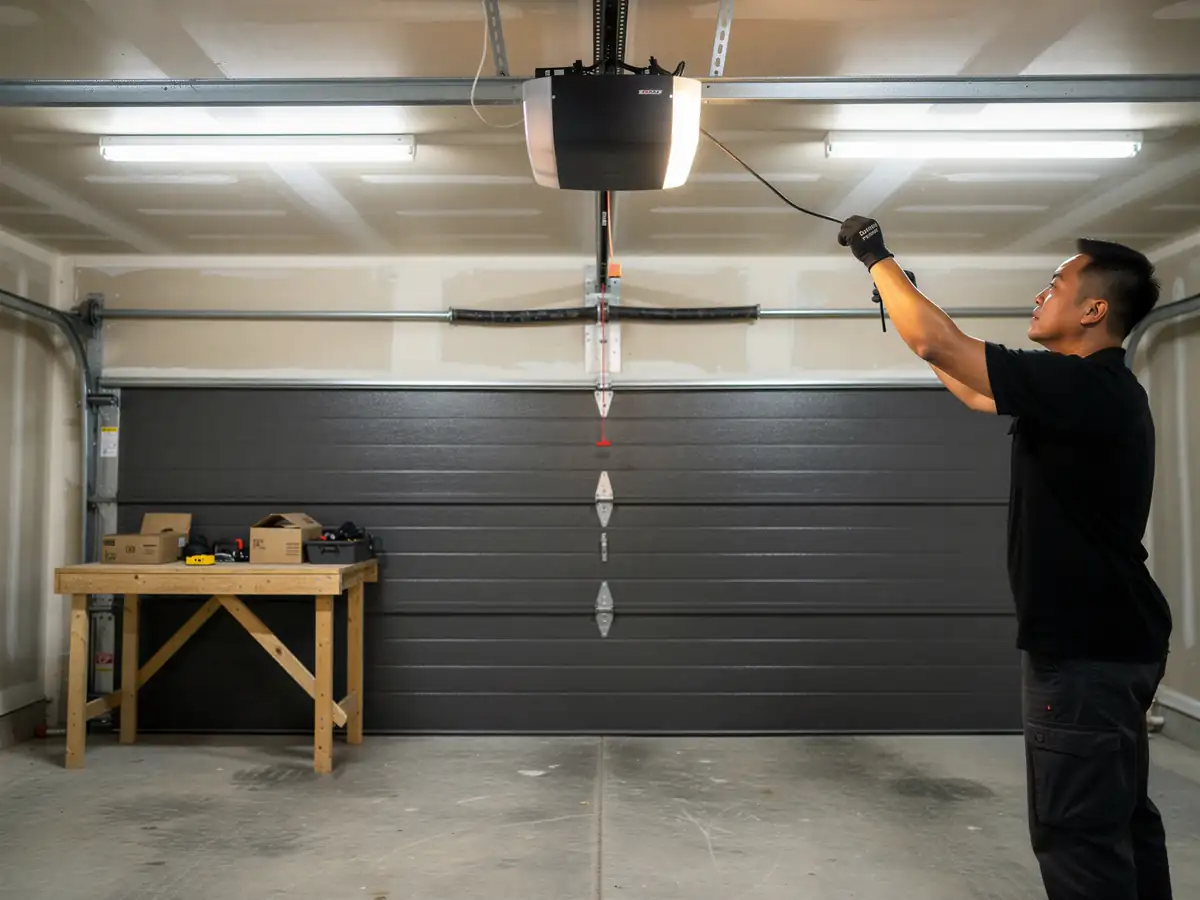
A small slice next to the 44,752 across the full service area - a lot of these houses have had one owner, maybe two, which means the door has had one real intervention in close to seventy years: the day it broke enough that someone called somebody. That's the house we show up to. The opener, if there is one, is usually the newest thing on the wall, bolted onto old rail that was never rated for it. None of that is a reason to panic. It is a reason to replace the whole assembly together rather than patching one piece and leaving the rest to fail next.
- 2,240 households
Stocked Parts
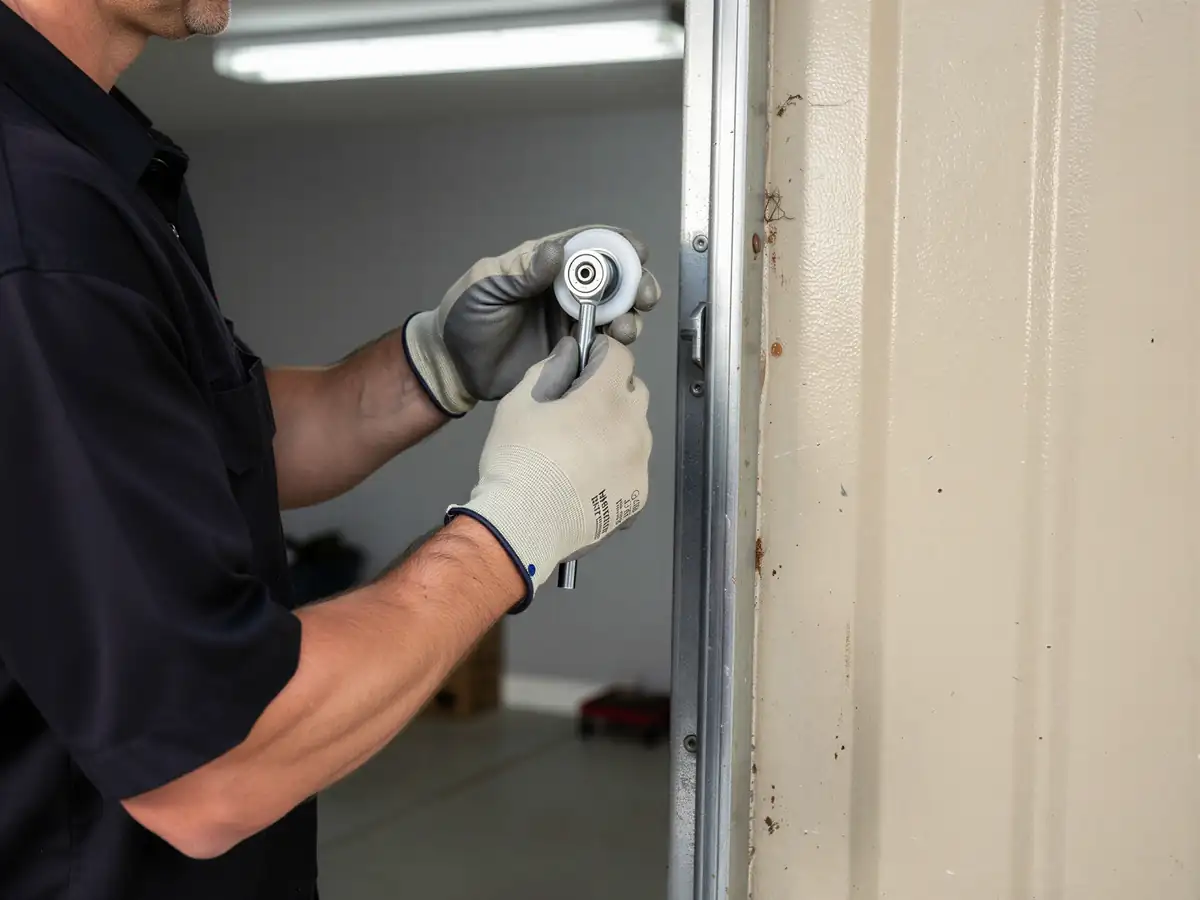
We carry standard torsion springs, rollers, cable, and track hardware sized for the common residential door widths - single and double, steel sectional. What we don't keep on the truck is anything custom: a nonstandard panel width, a specialty insulated door, or hardware matched to an opening that's been modified more than once over the decades. On a 1957 house where the opening has been reframed or the door replaced off-spec at some point, that part may need to be ordered, and we'll say so up front rather than promise a same-visit fix we can't back up.
For new installs specifically, this means the common door sizes go in on the day we're there. Anything outside that - a wider-than-standard opening, a door style that isn't one of the stocked lines - adds a lead time we'll quote before we start, not after.
What the Repair Takes
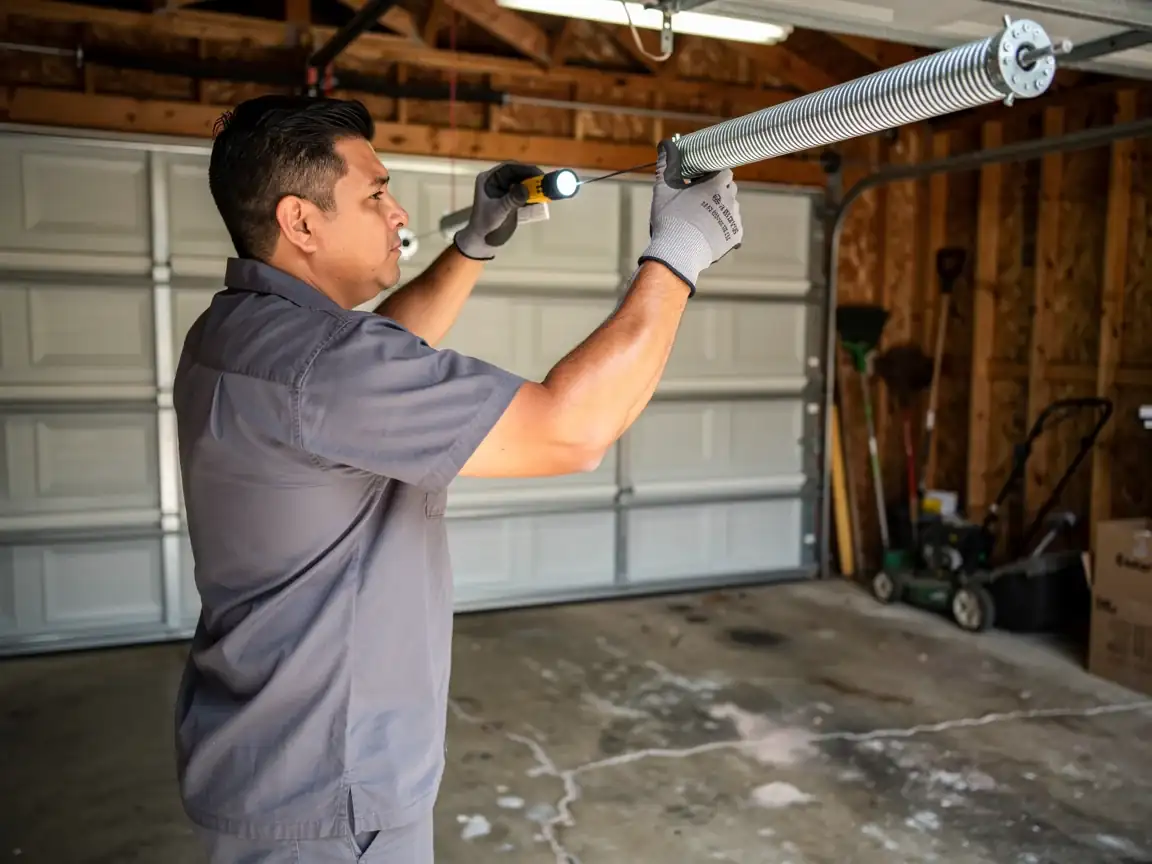
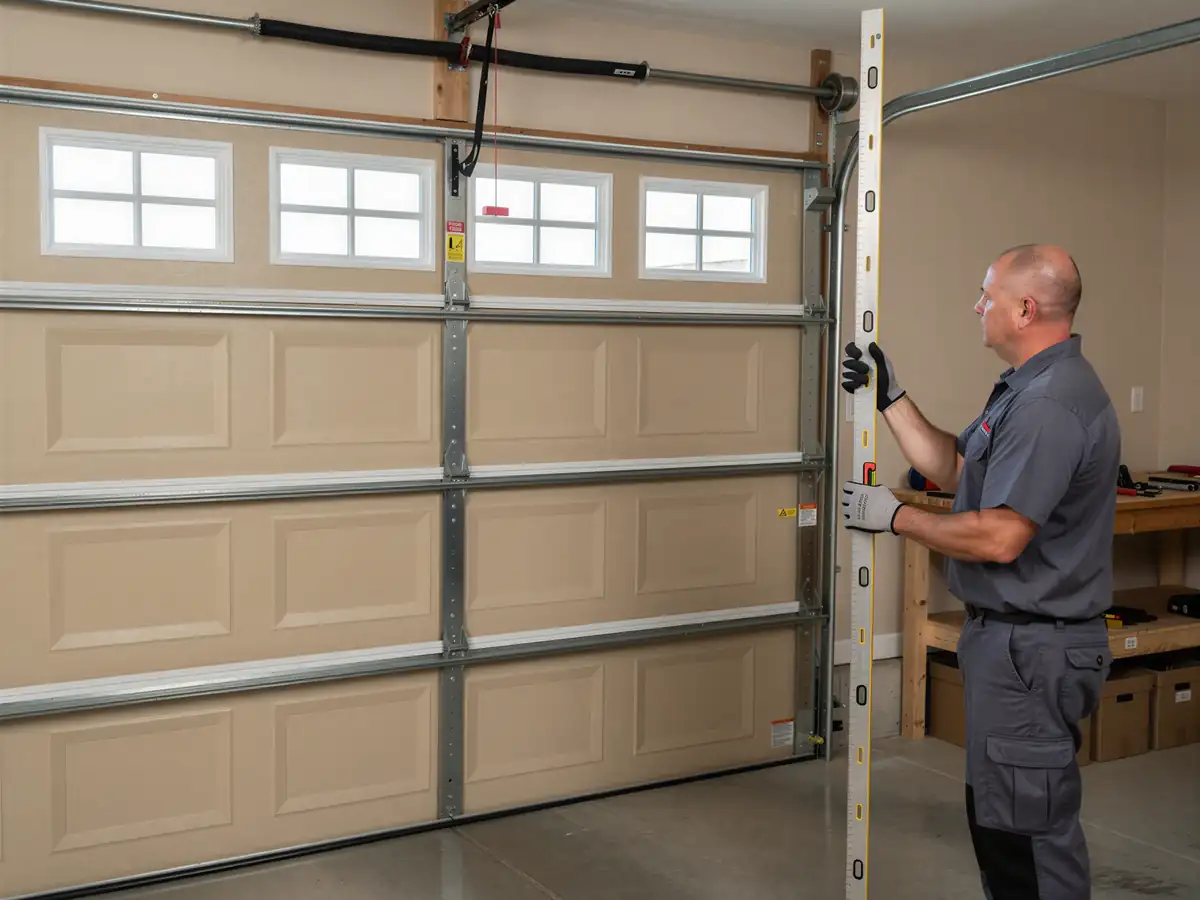
For a straight install on a standard opening, the work is: pull the old door and track, check the header and jambs are sound (more likely to need shimming on a 1957 frame than a newer one), set new track and springs sized to the new door's actual weight, hang the panels, and balance the spring tension so the door holds position at any height without the opener fighting it. The climate here runs moderate on heat, so insulation on the new door is a comfort and noise choice more than a structural necessity - worth asking about, not something we'll push if the budget's tight.
August sits about 2 miles from Stockton, so travel isn't what adds time to this job - the house does. If the opening needs reframing because of how it was built or altered, that's extra hours beyond a same-day swap, and we'll tell you that during the estimate, not after we've started cutting.